
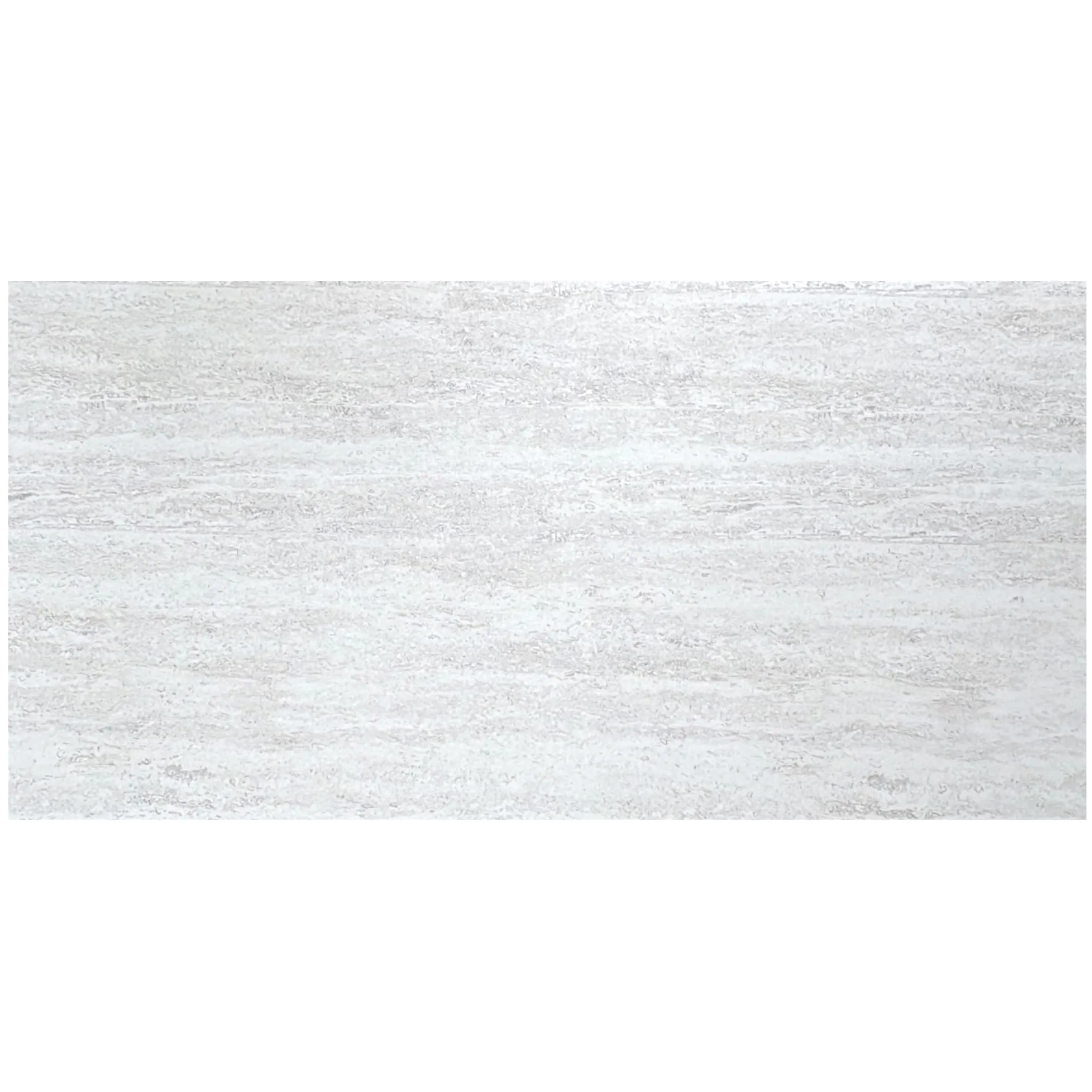
It's a quiet Tuesday morning in a design studio in downtown Portland. Sunlight filters through floor-to-ceiling windows, casting soft streaks across a worktable cluttered with fabric swatches, blueprints, and small stone samples. Maya, a 34-year-old architect with a penchant for pushing boundaries, picks up a slab no bigger than her palm. It's thin, surprisingly light, and when she tilts it toward the light, something extraordinary happens: the surface shimmers with what looks like shadows dancing just beneath the stone—deep, velvety gray tones that shift and morph as the angle changes. "Ethereal Shadow Travertine," she murmurs, running her thumb over its texture. It's not just a material. It's a story waiting to be told.
For centuries, walls have been silent sentinels—static, unyielding, defined by their function to separate, protect, or enclose. From the rough-hewn stone of medieval castles to the smooth concrete of modern skyscrapers, traditional wall materials have served us well, but they've also imposed limits. Heavy, rigid, and often unforgiving, they've boxed designers into rectangles, straight lines, and the same tired aesthetics. But in recent years, a new generation of materials has emerged, and Ethereal Shadow Travertine is leading the charge. Paired with innovations like MCM Flexible Stone and complementary textures such as Lunar Peak Silvery, it's redefining what walls can be—turning them from mere barriers into dynamic, emotional, and deeply human works of art.
To understand Ethereal Shadow Travertine, we first need to talk about its foundation: MCM Flexible Stone. Short for Modified Composite Material, MCM is a game-changer in the world of architecture and design. Unlike traditional natural stone, which is quarried in thick, heavy slabs, MCM Flexible Stone is engineered to be thin—often just 3-5mm thick—and remarkably lightweight, weighing up to 80% less than conventional stone. But don't let its lightness fool you: it's also incredibly durable, resistant to scratches, moisture, and even fire. What truly sets it apart, though, is its flexibility. While traditional stone cracks under pressure, MCM bends and curves, allowing designers to create shapes that were once impossible.
"Flexibility isn't just a technical feature—it's a creative superpower," says James Chen, a materials engineer who's worked with MCM for over a decade. "Imagine trying to wrap a 200-pound marble slab around a curved wall in a boutique hotel lobby. It's not happening. But with MCM Flexible Stone, you can bend it, twist it, even form it into wave-like patterns that flow from floor to ceiling. It turns walls into sculptures."
Ethereal Shadow Travertine takes this innovation a step further. Its name hints at its most striking quality: the way it interacts with light. The stone's surface is dotted with tiny, irregular voids and veining that trap and reflect light, creating the illusion of movement—like shadows shifting across a forest floor at dusk. In the morning, under soft natural light, it leans into warm, earthy grays; at night, under artificial lighting, it deepens into moody, almost blue-tinged hues. It's a material that changes with the day, evolving alongside the spaces it inhabits.
"I once used Ethereal Shadow Travertine in a yoga studio," recalls Lila Patel, an interior designer specializing in wellness spaces. "The clients wanted a wall that felt 'alive,' something that would calm practitioners but also energize them. We installed a curved panel behind the main instructor's mat, and the effect was magical. When the morning sun hits it, the shadows dance, and students often tell me it feels like practicing outdoors, surrounded by trees. That's the power of a material that doesn't just sit there—it responds."
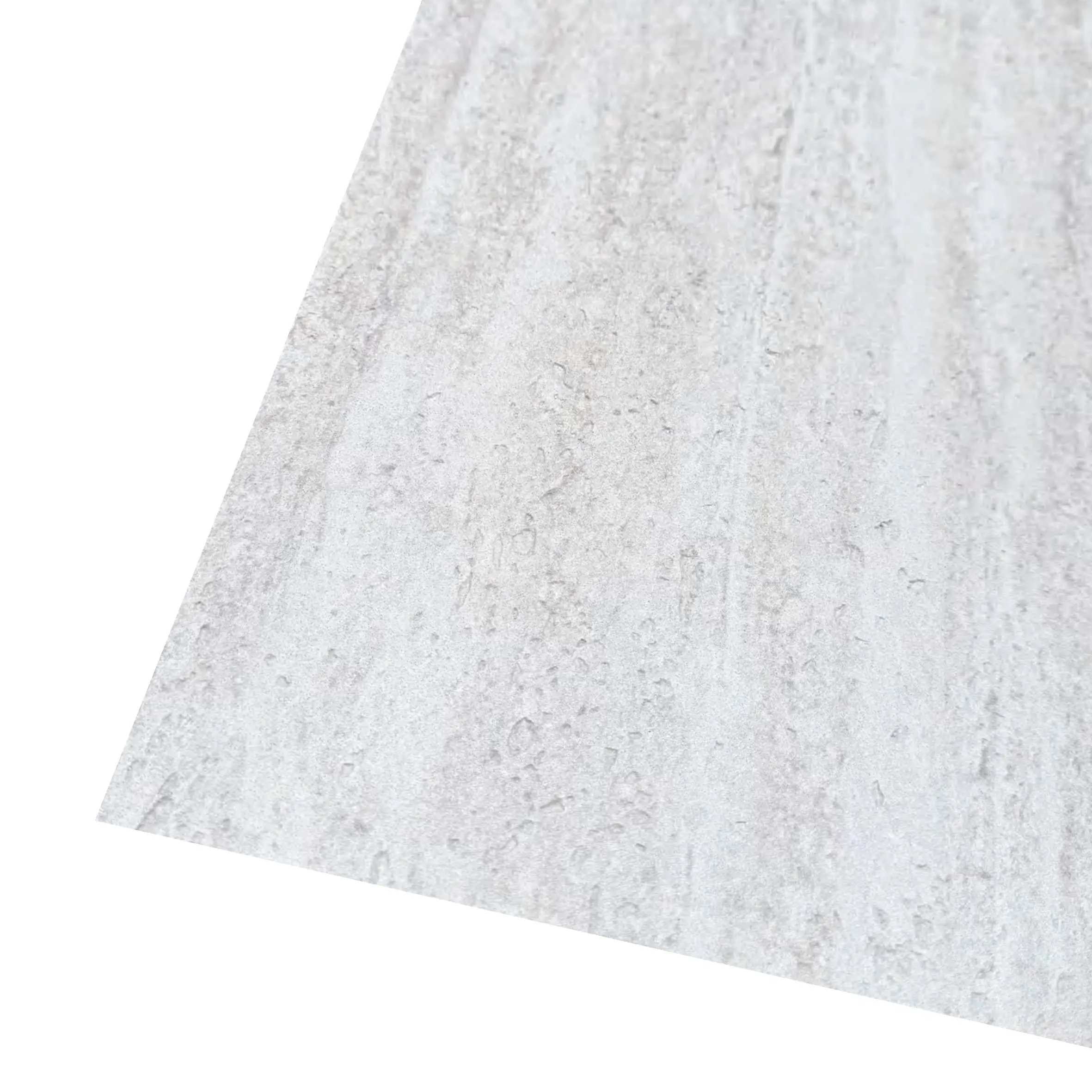
Great design is rarely about a single material—it's about harmony, contrast, and the dialogue between elements. That's where Lunar Peak Silvery comes in. A close cousin to Ethereal Shadow Travertine, Lunar Peak Silvery is another MCM innovation, but with a personality. Where Ethereal Shadow Travertine is deep and moody, Lunar Peak Silvery is bright and reflective, with a metallic sheen that evokes moonlight on water. Its surface is smoother, with finer veining that shimmers like stardust. Together, they create a dynamic interplay of light and shadow, warmth and coolness, softness and edge.
Take, for example, the lobby of the Azure Hotel in San Francisco, designed by award-winning firm Studio Harmonize. The space features a 20-foot-tall accent wall that combines Ethereal Shadow Travertine and Lunar Peak Silvery in a wave pattern. The Ethereal Shadow panels form the "valleys" of the wave, their dark grays grounding the design, while Lunar Peak Silvery makes up the "crests," catching the light from the lobby's chandeliers and casting prismatic reflections across the room. "We wanted the wall to feel like a landscape—something guests would stop and stare at, not just walk past," says Maria Gonzalez, lead designer on the project. "By pairing these two materials, we created depth. You can't see the entire wall at once; your eye moves across it, following the waves, noticing new details each time. It's interactive in a way traditional drywall never could be."
The versatility of this pairing extends beyond commercial spaces. In residential design, homeowners are using Ethereal Shadow Travertine and Lunar Peak Silvery to transform ordinary rooms into personal sanctuaries. Sarah and David, a couple in Seattle, recently renovated their living room with a feature wall that combines the two materials. "We have a large picture window with a view of the Olympic Mountains, and we wanted the wall to complement that natural beauty without competing with it," Sarah explains. "The Ethereal Shadow Travertine forms the base, curving gently around the window, and we added thin strips of Lunar Peak Silvery along the edges, like moonlight outlining the mountains. At night, when the lights are on, it's like bringing the outdoors in—but better, because it's tailored to our space."
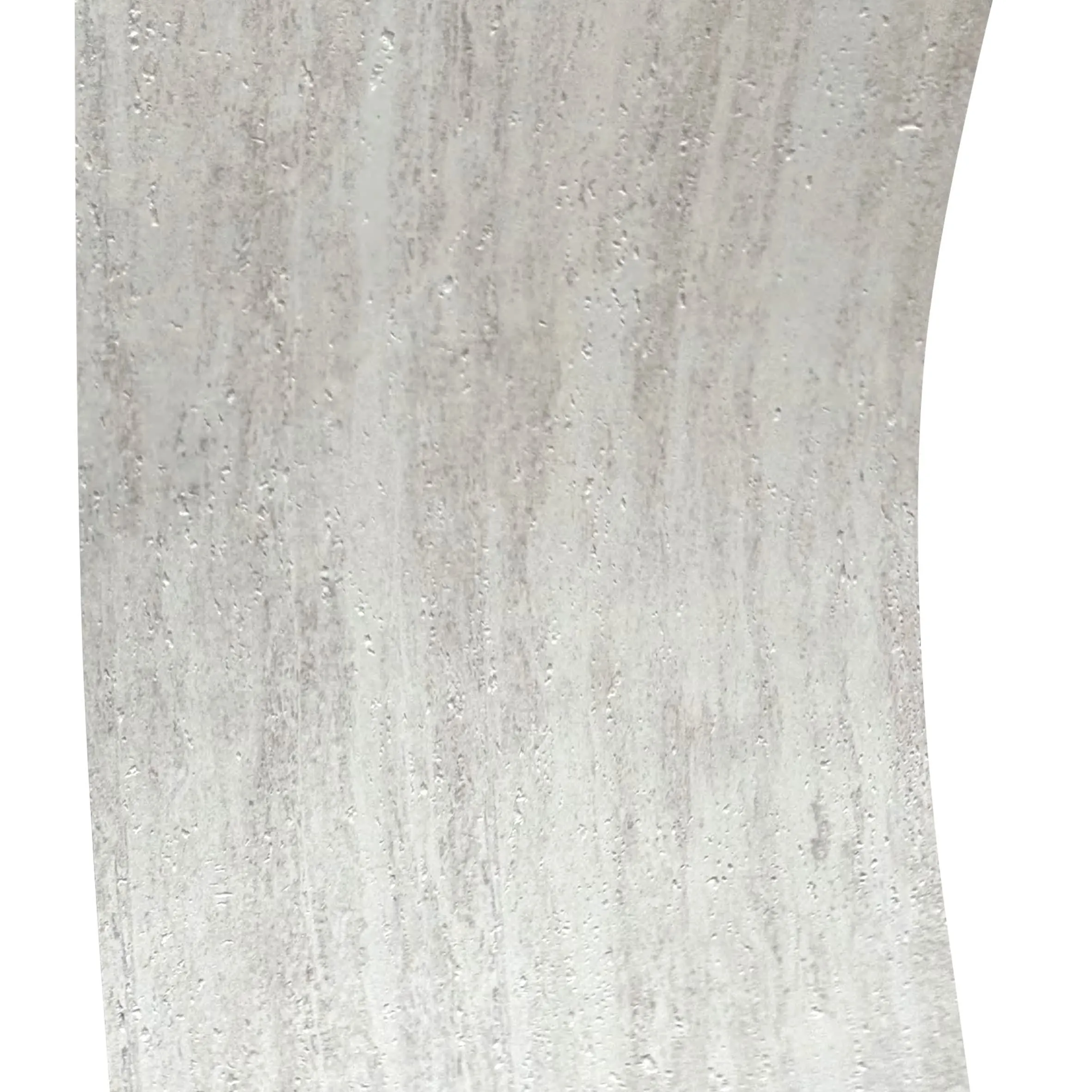
If MCM Flexible Stone is the canvas, then the wave panel is the brushstroke that's capturing designers' imaginations. Wave panels—curved, undulating sections of material that mimic the movement of water or wind—are becoming a signature look for spaces that aim to feel fluid and alive. And Ethereal Shadow Travertine is the perfect medium for this trend.
"Traditional walls are all about straight lines and right angles, which can feel cold and impersonal," says Thomas Wright, a spatial psychologist who studies how environments affect mood. "Our brains are wired to respond to natural patterns—waves, curves, organic shapes. They feel familiar, comforting, even energizing. When we walk into a room with a wave panel wall, our stress levels drop, and our curiosity rises. We want to touch it, explore it, understand it."
The process of creating wave panels with Ethereal Shadow Travertine is a blend of art and engineering. First, designers map out the desired curve using 3D modeling software, adjusting the radius and height to fit the space. Then, the MCM Flexible Stone sheets are cut to size and shaped using heat and pressure—similar to how a sculptor might mold clay. The result is a seamless, flowing surface that looks as if it was carved from a single piece of stone, even though it's made up of multiple panels.
One of the most striking examples of this is the "Whisper Wall" installation at the entrance of the new Contemporary Art Museum in Denver. Designed by artist Elena Mendez, the wall stands 35 feet tall and spans the width of the lobby, curving gently like a wave about to break. Mendez used Ethereal Shadow Travertine for the main body of the wave, with embedded LED lights behind the panels that change color throughout the day—soft blues in the morning, warm oranges at sunset, deep purples at night. "I wanted the wall to 'speak' to visitors," Mendez says. "Not with words, but with emotion. When you stand in front of it, you feel small but connected—like you're part of something larger. That's the magic of using a material that's both strong and supple. It can hold space and invite you in at the same time."
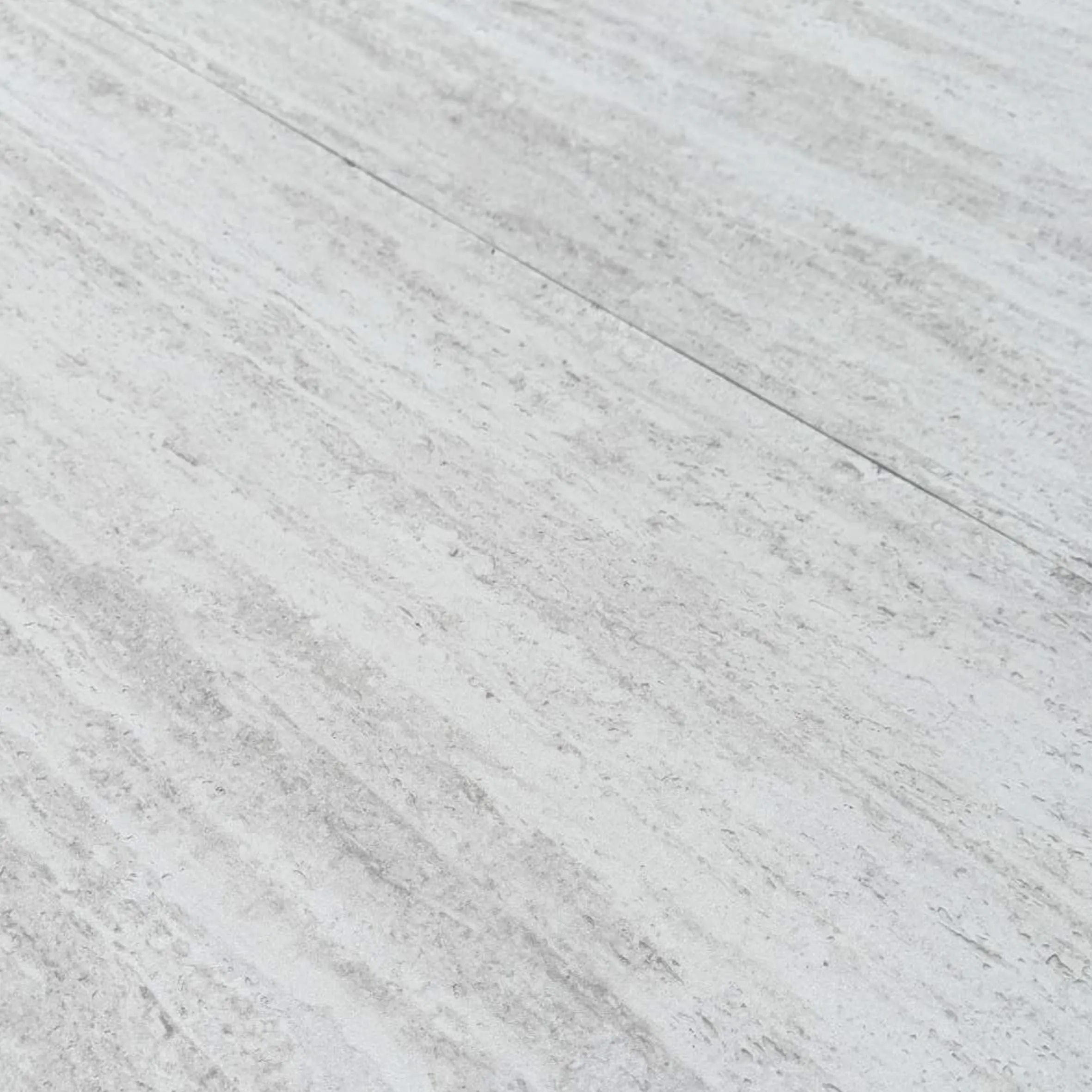
To truly appreciate the impact of Ethereal Shadow Travertine and MCM Flexible Stone, it helps to compare them to the traditional materials they're replacing. Below is a breakdown of how they stack up against conventional stone (like marble or granite) and drywall, the two most common wall materials today:
| Feature | Traditional Natural Stone (Marble/Granite) | Drywall | Ethereal Shadow Travertine (MCM Flexible Stone) |
|---|---|---|---|
| Weight (per sq. ft) | 15-20 lbs | 2-3 lbs | 2-4 lbs |
| Flexibility | Rigid; cracks under bending | Slightly flexible but prone to damage | Can bend up to 90 degrees without cracking |
| Installation Time (for a 100 sq. ft wall) | 2-3 days (requires heavy machinery and skilled labor) | 1 day (simple but requires finishing/painting) | 1 day (lightweight; can be installed by 2 people with basic tools) |
| Design Versatility | Limited to straight lines or simple curves; thick seams | Can be curved but lacks texture; requires paint/wallpaper for interest | Unlimited: curves, waves, 3D patterns; seamless appearance; built-in texture |
| Sustainability | High carbon footprint (quarrying, transportation); limited recyclability | Made from gypsum (non-renewable); generates dust/waste during installation | Recyclable materials; low-energy production; lightweight reduces transportation emissions |
| Maintenance | Requires sealing; stains easily; hard to repair chips | Prone to holes/dents; needs repainting every 3-5 years | Stain-resistant; easy to clean with water; minor damage can be repaired with MCM patch kits |
The numbers tell a clear story: Ethereal Shadow Travertine and MCM Flexible Stone offer the best of both worlds— the durability and of natural stone with the flexibility and ease of installation of drywall, plus a level of design versatility that neither can match. "It's not just about replacing old materials; it's about opening up new possibilities," James Chen says. "Designers no longer have to choose between beauty and practicality. With MCM, you get both."
In 2023, the Chicago Park District commissioned a public art installation for Riverfront Park, a busy green space along the Chicago River. The goal was to create a structure that would serve as a gathering spot, a photo backdrop, and a symbol of the city's commitment to innovation. Local artist Leo Kim was chosen for the project, and he immediately knew he wanted to work with Ethereal Shadow Travertine and Lunar Peak Silvery.
Kim's design, titled "Flow," is a 40-foot-long, curved wall that winds through a section of the park, mimicking the path of the Chicago River itself. The wall stands 8 feet tall at its highest point, tapering down to 3 feet at the ends, and is constructed entirely from MCM Flexible Stone panels—Ethereal Shadow Travertine for the main structure and Lunar Peak Silvery for accent strips that run along the top edge, like the river's surface catching the sun.
"I wanted people to interact with the wall, not just look at it," Kim explains. "So I added niches and seating areas carved into the curves—places where kids can climb, couples can sit, and families can take photos. The Ethereal Shadow Travertine's texture makes it perfect for climbing; it's rough enough to grip but not sharp. And at night, we installed LED lights behind the Lunar Peak Silvery strips, so the wall glows, turning into a beacon in the park."
Since its installation, "Flow" has become one of the park's most popular attractions. "We've seen a 40% increase in visitors on weekends," says Maria Santos, park manager. "People bring picnics, take engagement photos, even hold small yoga classes in front of it. It's more than a wall—it's a community hub. That's the power of designing with materials that prioritize people over function."
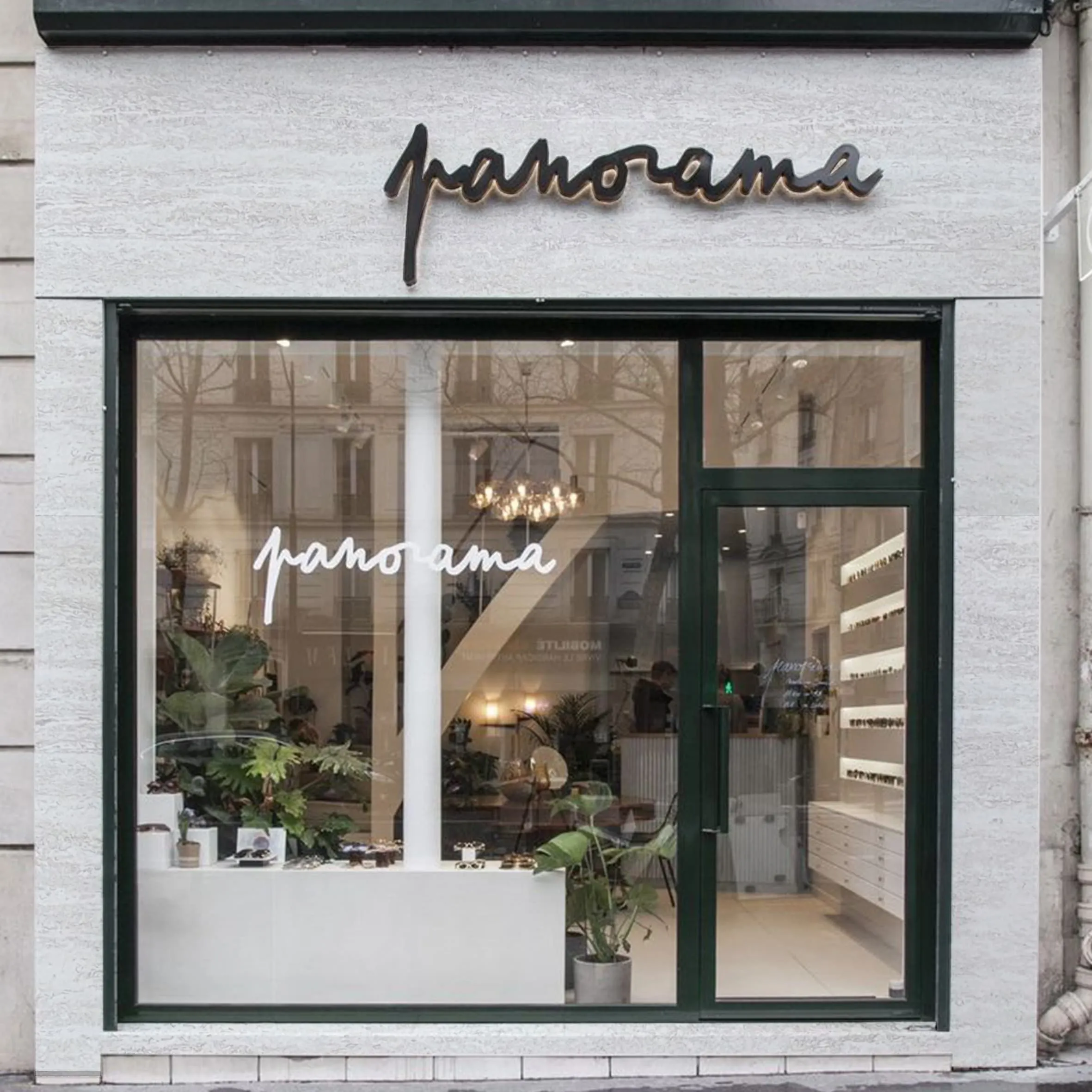
Ethereal Shadow Travertine and MCM Flexible Stone are more than just materials—they're part of a larger shift in how we think about architecture. For too long, buildings have been designed around function first, aesthetics second. But as our lives become increasingly digital and disconnected from the natural world, there's a growing hunger for spaces that feel human—spaces that evoke emotion, tell stories, and connect us to something bigger than ourselves.
"Walls are the largest canvas in any space, and for decades, we've treated them like blank pieces of paper," says Dr. Lisa Wong, an architect and author of "Emotional Architecture." "But why? Our brains respond to texture, color, and movement. When we walk into a room with a wall that's dynamic—like one made of Ethereal Shadow Travertine wave panels—our amygdala lights up. We feel something. That emotional response is what turns a house into a home, a lobby into a destination, and a park into a community space."
Looking ahead, the possibilities for MCM Flexible Stone and materials like Ethereal Shadow Travertine are endless. Engineers are already experimenting with integrating sensors into the panels, allowing walls to change color or texture based on temperature, sound, or even the mood of the room. Imagine a hospital waiting room where the walls shift from calming blues to warm yellows as the day progresses, or a retail store where the walls respond to the music, creating a synchronized light and texture show. The line between architecture and art is blurring—and that's a good thing.
"I think we're entering a new era of design," James Chen says, "where walls are no longer just boundaries. They're experiences. With materials like Ethereal Shadow Travertine, we're not just building spaces—we're creating memories."
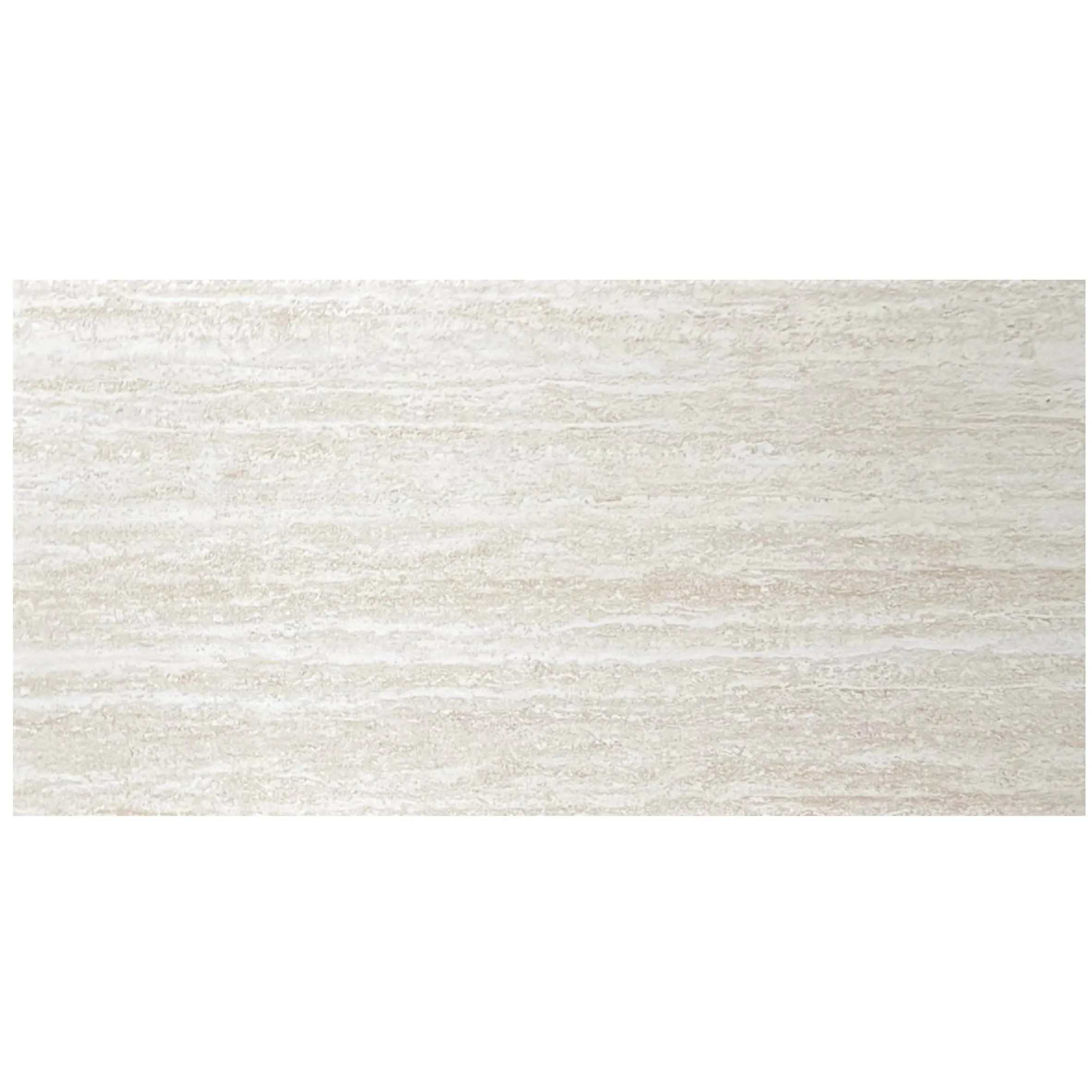
Back in that Portland design studio, Maya places the Ethereal Shadow Travertine sample back on the table, but her mind is already racing. She's sketching a new idea—a residential project for a client who wants their home to "feel like a forest at dusk." The walls will curve and flow, clad in Ethereal Shadow Travertine wave panels, with Lunar Peak Silvery accents that mimic sunlight filtering through trees. It's ambitious, maybe even a little bold, but that's the point.
Ethereal Shadow Travertine isn't just changing how walls look—it's changing how they make us feel. It's a reminder that architecture, at its core, is about people. It's about creating spaces that inspire, comfort, and connect us to the world around us. In a time when so much of our lives is virtual, these physical, tangible, and deeply human walls are more important than ever.
So the next time you walk into a room, take a moment to look at the walls. Are they static, silent, and forgettable? Or are they alive—shifting with the light, inviting you to touch, explore, and feel? Thanks to innovations like Ethereal Shadow Travertine, MCM Flexible Stone, and Lunar Peak Silvery, the future of walls is bright—and it's anything but traditional.
Recommend Products












