
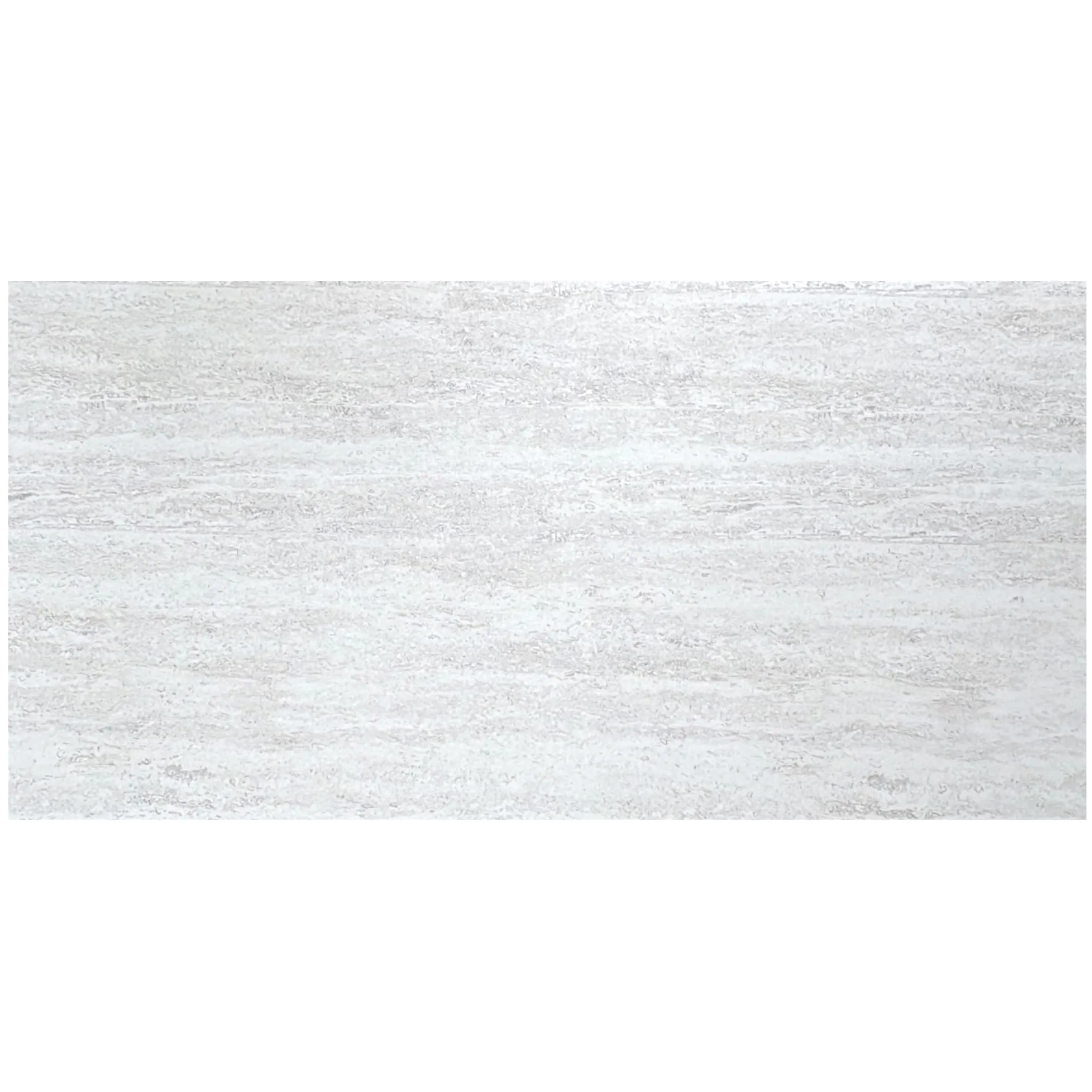
Embarking on a new project—whether it's a home renovation, a commercial space redesign, or a boutique build—is equal parts excitement and overwhelm. You've spent weeks (maybe months) daydreaming about the end result: the way light filters through windows, the texture underfoot, the first impression guests get when they walk through the door. And then comes the reality check: choosing materials. It's where aesthetics meet budget, where "must-have" meets "can-we-afford-it," and where the right choice can make or break the soul of your project. If you've found yourself drawn to the soft, otherworldly beauty of Ethereal Shadow Travertine, you're not alone. This stone has a way of stopping people in their tracks—its muted gray tones, subtle veining, and matte finish feel both timeless and modern, like a whisper of elegance that doesn't scream for attention. But before you fall too hard, let's talk numbers. Understanding the cost of Ethereal Shadow Travertine isn't just about dollars and cents; it's about making sure your dream project stays grounded in reality. Let's break it down, step by step, so you can walk away with a clear picture of what to expect, how to budget, and whether this stone is the right fit for you.
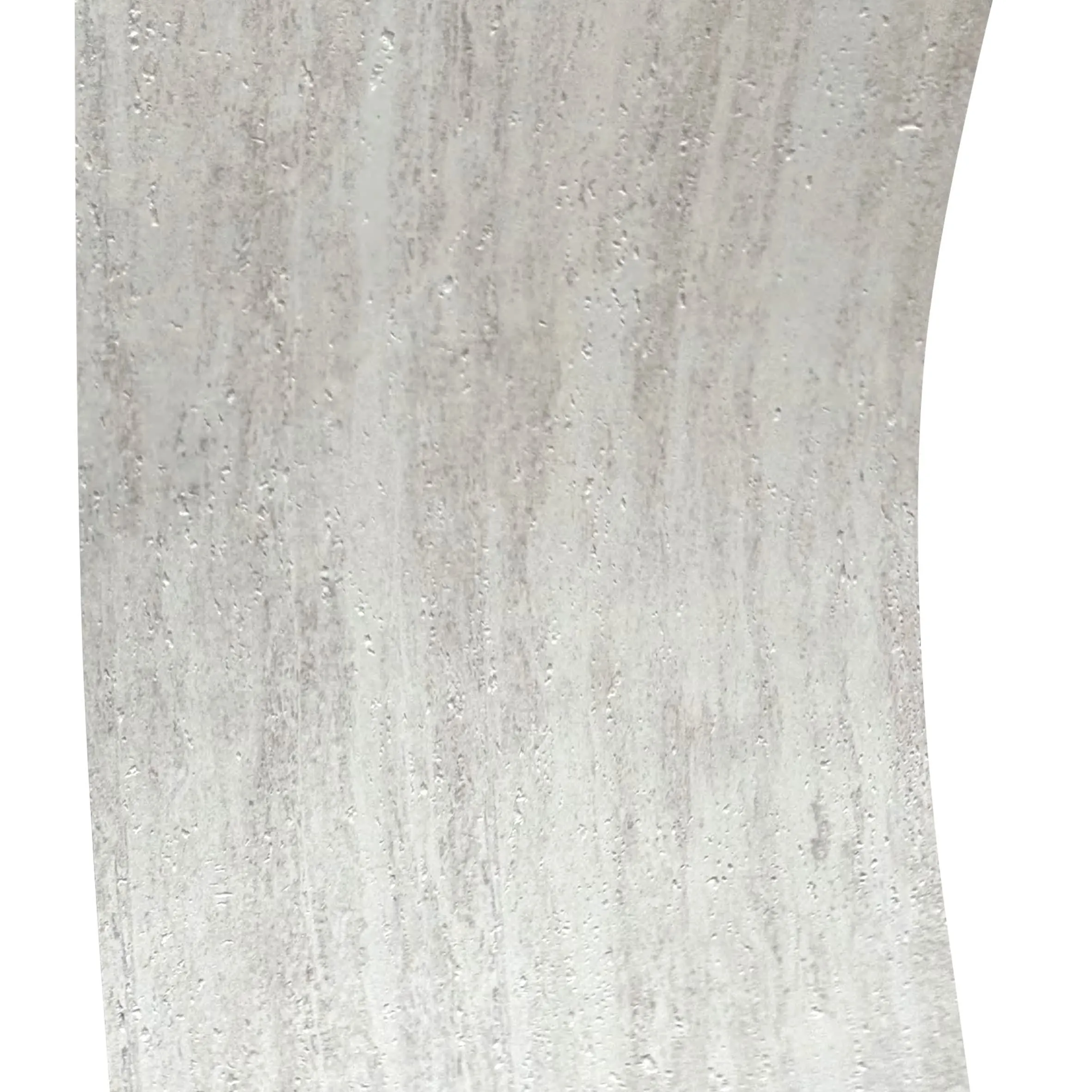
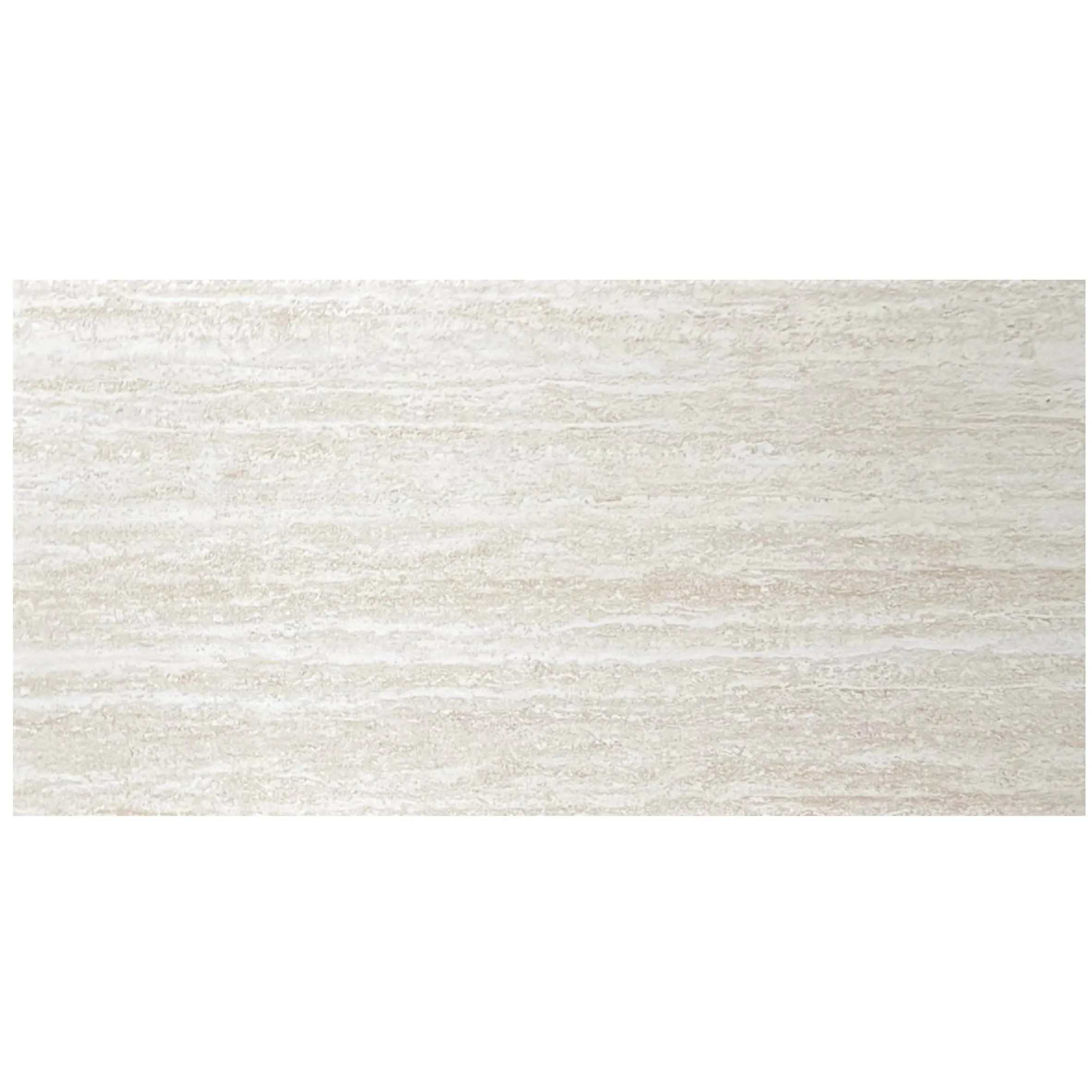
First things first: Let's get to know the star of the show. Ethereal Shadow Travertine isn't your run-of-the-mill stone. It's a type of travertine, which means it's formed from mineral deposits in hot springs or limestone caves—nature's own art project, built over centuries. What sets "Ethereal Shadow" apart is its unique color palette: think soft, smoky grays that shift from light to dark, like the sky just before dawn, with delicate, feathery veining in charcoal or pale silver. Unlike some travertines that lean warm (beige, gold) or bold (red, blue), this one is all about subtlety. It's the kind of material that lets other design elements—bright art, rich wood, bold textiles—shine, while adding depth and texture to the background. Contractors and designers love it for its versatility: it works in kitchens (backsplashes, countertops), bathrooms (shower walls, flooring), living rooms (fireplace surrounds), and even outdoor spaces (patios, walkways) if sealed properly. But here's the thing about natural stone: no two slabs are exactly alike. That's part of its charm—your project will have a one-of-a-kind look—but it also means costs can vary more than with synthetic materials. So, what goes into pricing this beauty?
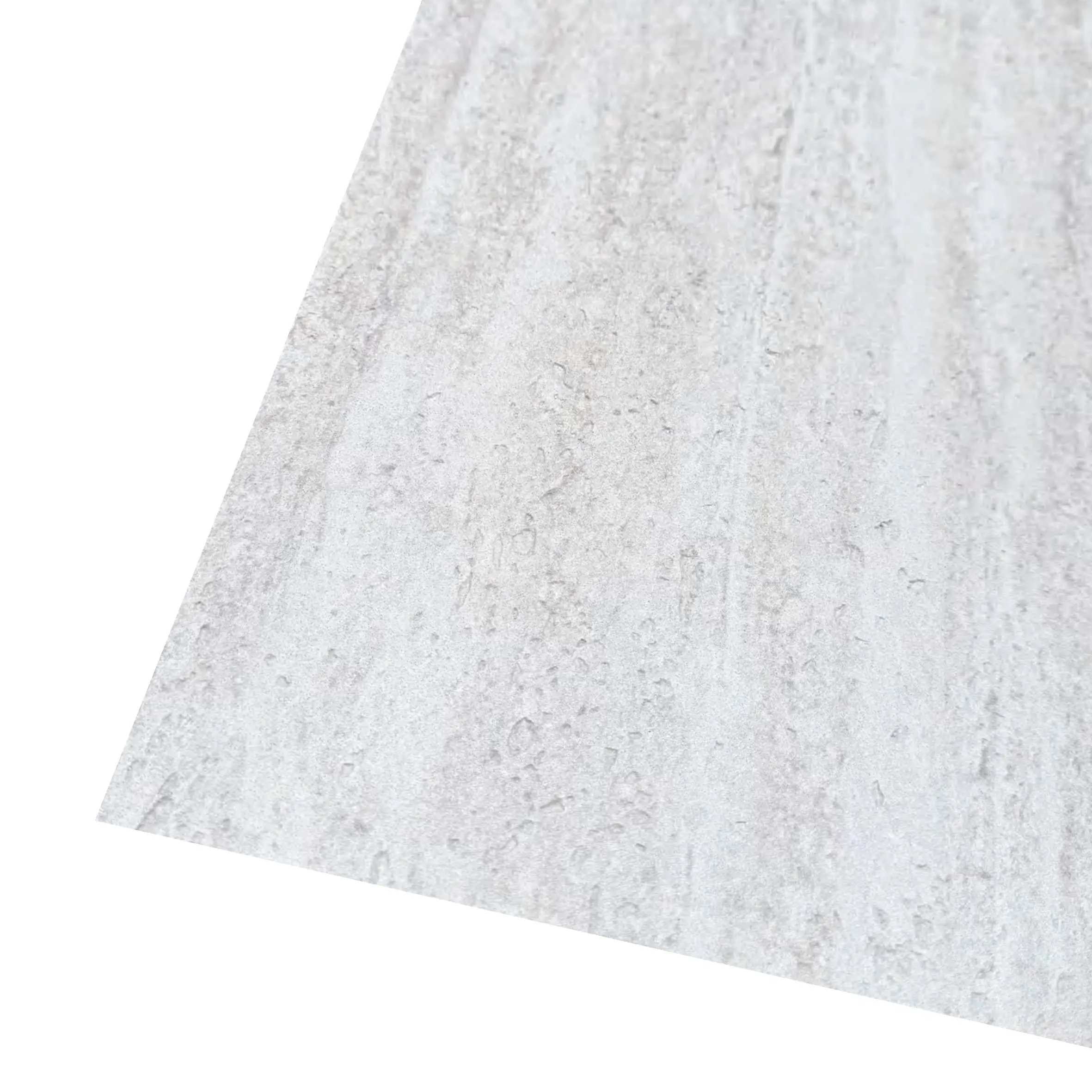
Let's start with the basics: the cost of Ethereal Shadow Travertine itself, before installation, delivery, or any extras. On average, you're looking at around $15 to $30 per square foot for the raw material. But that range can swing up or down based on a few key factors. Let's unpack each one so you know where your money is going.
1. Quality Grade – Like wine or diamonds, travertine comes in grades, and they matter. Commercial grade is the most affordable, with more visible pores, minor cracks, or inconsistent coloring—great for high-traffic areas where perfection isn't the goal. Premium grade steps it up: fewer pores, more uniform veining, and a smoother finish. Then there's select grade, the crème de la crème: minimal imperfections, stunning veining patterns, and a consistent color that's almost too pretty to walk on. Ethereal Shadow Travertine in select grade can push $35+ per square foot, while commercial grade might hover around $12–$18. If your project is all about making a statement (think a luxury hotel lobby or a high-end kitchen), splurging on select grade makes sense. For a rental property or a kid-friendly basement, commercial grade could be the smarter, budget-friendly pick.
2. Slab Size and Thickness – Bigger isn't always better, but it can be pricier. Standard slabs are usually 24×24 inches or 18×36 inches, but if you need larger pieces (say, for a seamless countertop or a feature wall), you'll pay more. Larger slabs are harder to extract without cracking, and they require special handling during transportation. Thickness matters too: 1/2-inch thick is common for flooring, while 3/4-inch or 1-inch is better for countertops or exterior use (more durable against the elements). Thicker slabs mean more stone, which means higher material costs—expect to add $2–$5 per square foot for every extra 1/4 inch in thickness. Pro tip: If you're set on large slabs, ask about "remnants." These are leftover pieces from bigger projects, and they're often discounted by 20–30%. They're perfect for smaller areas like a powder room vanity or a backsplash accent.
3. Finish – Ethereal Shadow Travertine is typically sold in a honed (matte) finish, which highlights its natural texture, but you can also get it polished (shiny), tumbled (for a weathered, rustic look), or brushed (a happy medium between honed and tumbled). Polished finishes require extra processing—grinding and buffing to achieve that glossy sheen—which adds $3–$7 per square foot. Tumbled finishes, on the other hand, might cost a bit more than honed because of the additional tumbling step to soften edges. For most homeowners, honed is the sweet spot: it hides fingerprints and scratches better than polished, and it feels warm underfoot. If you're going for a modern, sleek vibe, polished could work, but be prepared for the extra cost (and the extra maintenance—polished stone shows every smudge and water spot).
4. Source and Availability – Travertine is quarried in places like Italy, Turkey, Iran, and Mexico, and Ethereal Shadow Travertine is primarily sourced from select quarries in Turkey and Italy (the "gold standard" for travertine). Importing stone from these countries adds shipping costs, tariffs, and import fees, which can tack on 10–15% to the total price. If there's a shortage (say, due to a quarry closure or high demand), prices can spike even more. In 2023, for example, a quarry strike in Turkey caused Ethereal Shadow Travertine prices to jump 15% in some regions. To avoid surprise price hikes, talk to suppliers about locking in a quote for 30–60 days once you're ready to buy.
5. Transportation and Delivery – Stone is heavy, and getting it from the quarry to your job site isn't cheap. If you're near a major city with a stone distributor, delivery might cost $50–$100. But if you're in a rural area, or if the delivery requires special access (like a narrow street or a high-rise building with no freight elevator), costs can skyrocket. A friend of mine once paid $300 to have travertine slabs delivered to her mountain cabin—turns out, the truck couldn't get up the steep driveway, so they had to hire a smaller vehicle and a team to carry the slabs up by hand. Ouch. Ask your supplier for a detailed delivery quote upfront, including any "accessory fees" (like lift gates or inside delivery). Sometimes, picking up the stone yourself (if you have a truck and a helper) can save $100–$200, but be warned: a single 24×24 inch slab can weigh 40–60 pounds. You don't want to risk dropping it (hello, broken stone and a trip to the ER).
No material exists in a vacuum, and part of budgeting is knowing how Ethereal Shadow Travertine compares to other options you might be considering. Let's put it side by side with a few popular alternatives—some similar in look, others in function—to see where it stands.
| Material | Average Cost per Square Foot (Material Only) | Key Pros | Key Cons |
|---|---|---|---|
| Ethereal Shadow Travertine | $15–$35 | Unique natural beauty, versatile, timeless appeal | Requires sealing (annual maintenance), porous (can stain), higher cost than synthetic options |
| MCM Flexible Stone | $8–$18 | Lightweight (easy to install), water-resistant, affordable, customizable designs | Less authentic than natural stone, may fade in direct sunlight over time |
| Fair-Faced Concrete | $10–$25 | Industrial-chic look, durable, low maintenance, can be stained/polished | Cold underfoot, prone to cracking if not installed properly, limited color options |
| Lunar Peak Silvery | $20–$40 | Metallic sheen, modern aesthetic, scratch-resistant | More expensive than Ethereal Shadow Travertine, bold look may not suit all styles |
Let's dig deeper into a couple of these. MCM Flexible Stone, for example, is a synthetic material made from stone powder and resin, designed to mimic the look of natural stone at a fraction of the cost. It's lightweight (which cuts down on installation labor costs) and flexible, making it great for curved walls or uneven surfaces where rigid travertine would crack. But here's the trade-off: it lacks the depth and uniqueness of real stone. Run your hand over MCM Flexible Stone, and you'll notice it feels more uniform, almost plastic-like, compared to the organic, porous texture of Ethereal Shadow Travertine. If budget is your top priority and you can live with a "stone-like" look, MCM is a solid alternative. But if authenticity matters—if you want guests to say, "Wow, this is real stone, isn't it?"—Ethereal Shadow Travertine is worth the extra spend.
Then there's Lunar Peak Silvery, a stone with a metallic, almost futuristic finish that's trending in modern design. It's stunning, but it's also pricier than Ethereal Shadow Travertine and has a boldness that can overpower a space if overused. Ethereal Shadow, by contrast, is a chameleon—it plays well with other materials, from warm woods to cool metals, without stealing the spotlight. For a minimalist, monochromatic look, Lunar Peak might be the way to go, but for a space that feels cozy and lived-in, Ethereal Shadow's soft grays are hard to beat.
Fair-Faced Concrete is another contender, loved for its raw, industrial vibe. It's durable (seriously, it can last decades with minimal care) and budget-friendly, but it's cold—literally. Walking on concrete flooring in socks feels like stepping on ice, and it doesn't absorb sound well, so rooms can echo. Ethereal Shadow Travertine, with its natural warmth and texture, adds softness to a space, making it feel more inviting. Plus, travertine's porous nature actually helps with sound absorption (bonus for open-concept homes!).
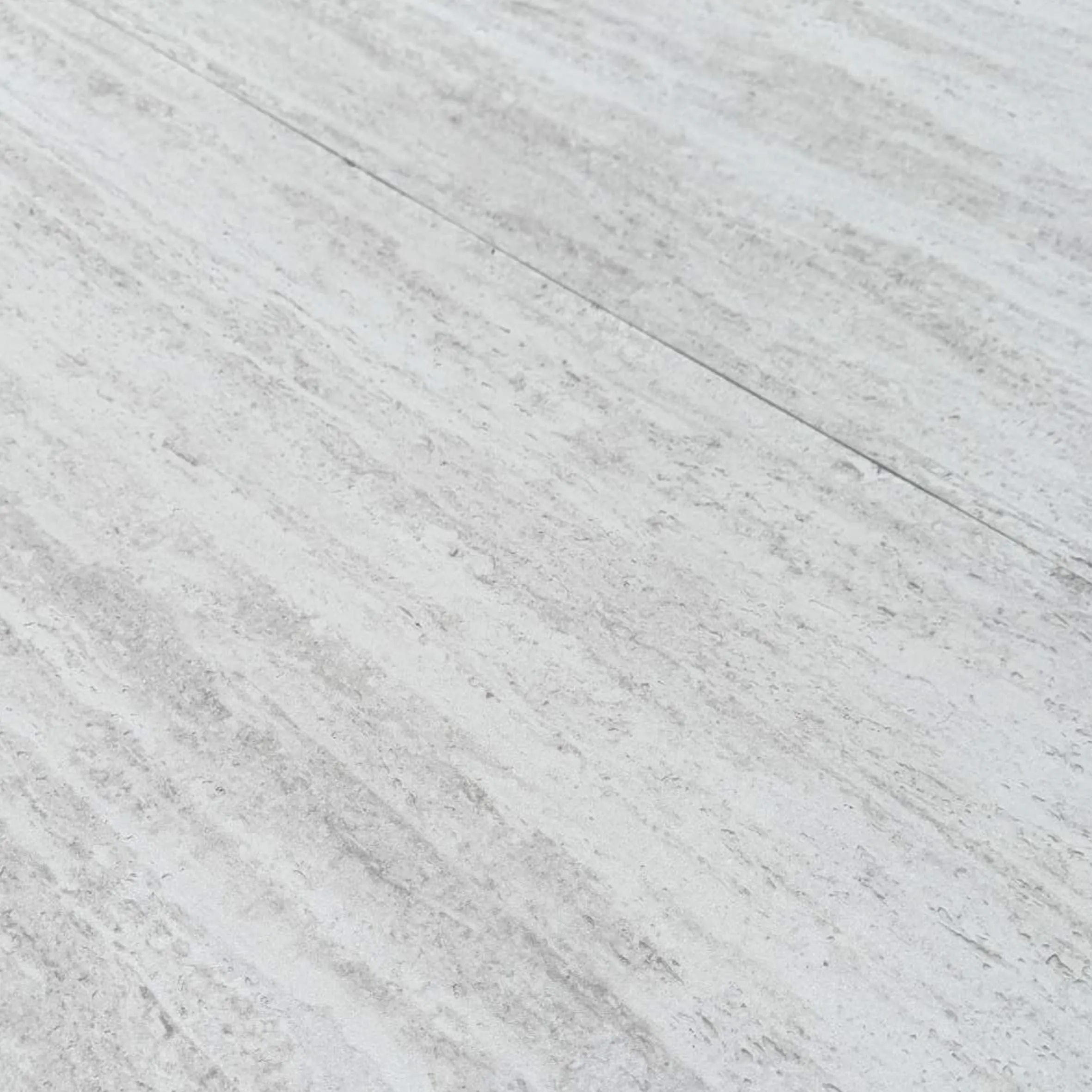
Here's a mistake I see a lot: people budget for the stone but forget about installation. Big mistake. Installation can add 50–100% to the total cost of your project, depending on the complexity. Let's break down what you're paying for when you hire a pro to install Ethereal Shadow Travertine.
1. Surface Preparation – Before the stone goes down, the subfloor or wall needs to be rock-solid. If it's uneven, cracked, or dirty, the installer will have to level it (with self-leveling concrete), repair cracks, or clean off old adhesive. This can cost $1–$3 per square foot for minor prep, or $5–$10 per square foot if there's major damage (like rotting subflooring in an old house). Skipping this step is risky: uneven surfaces lead to cracked stone and loose tiles down the line. Trust me, spending a little extra on prep now saves you from a costly redo later.
2. Labor – Installing natural stone is skilled work. It's not just slapping tiles down with mortar; it's measuring twice, cutting precisely (travertine is brittle and can chip), spacing the tiles evenly, and grouting without leaving gaps. Basic installation (flooring in a square room with no obstacles) runs $8–$12 per square foot. Add complexity—diagonal patterns, intricate borders, around fixtures like toilets or sinks—and you're looking at $15–$20 per square foot. Exterior installation costs even more ($18–$25 per square foot) because it requires weatherproofing, drainage, and specialized adhesives that can handle temperature swings. Why the big range? Experience matters. A master installer with 20+ years of stone work will charge more than a rookie, but they'll also do a better job. Ask to see photos of past travertine projects—if their work looks clean and precise, the extra cost is worth it.
3. Sealing – Travertine is porous, which means it soaks up liquids like a sponge. Spill red wine or coffee on unsealed travertine, and you'll have a stain that's nearly impossible to remove. Sealing is non-negotiable, and it costs $1–$3 per square foot for the initial seal. Most installers include this in their quote, but double-check—some charge extra. You'll also need to reseal every 1–3 years (more often for high-traffic or wet areas like showers), which adds to long-term maintenance costs. Pro tip: Ask about "penetrating sealers" instead of topical ones. Penetrating sealers soak into the stone, protecting from the inside out, while topical sealers sit on top and can wear off quickly.
4. Grout and Adhesive – These aren't free! Grout (the material between tiles) costs $0.50–$2 per square foot, depending on the type (sanded vs. unsanded, epoxy vs. cement-based). Epoxy grout is more expensive but stain-resistant and durable—worth it for kitchens and bathrooms. Adhesive (the glue that holds the stone down) is another $1–$3 per square foot. For exterior projects, you'll need a waterproof adhesive, which is pricier than standard indoor adhesive.
So, let's say you've crunched the numbers: material cost ($15–$35/sq ft) + installation ($8–$25/sq ft) + prep/sealing/grout ($3–$15/sq ft). For a 500-square-foot kitchen renovation, that's a total of $5000–$18,500. Yikes. But don't panic—there are ways to trim costs without sacrificing the look you love. Here are my go-to budgeting hacks:
1. Mix High and Low – You don't have to use Ethereal Shadow Travertine everywhere. Use it as an accent: a backsplash in the kitchen, a fireplace surround in the living room, or a feature wall in the bathroom. Pair it with a more affordable material for the rest—like MCM Flexible Stone on the floors or Fair-Faced Concrete on the countertops. This way, you get the "wow" factor of travertine without the "ouch" of the total bill. A client of mine did this in her bathroom: Ethereal Shadow Travertine on the shower walls (the star) and basic ceramic tile on the floor (the supporting actor). Total cost dropped by 40%, and the space still looks luxurious.
2. Shop Around for Suppliers – Not all stone yards are created equal. Prices can vary by 10–15% between suppliers in the same city, so get quotes from at least 3–4 places. Ask about sales—many suppliers run promotions in slow seasons (winter for home renos) to move inventory. You can also check online marketplaces like StoneContact or Houzz for bulk discounts. Just be wary of super-low prices—if a deal seems too good to be true, the stone might be low quality or stolen (yes, that's a thing in the stone industry). Always ask for a certificate of authenticity.
3. DIY the Prep Work – If you're handy, you can save on surface preparation. Tearing out old flooring, cleaning the subfloor, or removing baseboards are all tasks a confident DIYer can handle. Just be honest with yourself: if you've never used a floor scraper or a level, leave it to the pros. One mistake (like an uneven subfloor) can ruin your expensive stone. But if you're comfortable with basic tools, prepping the space yourself can save $300–$800 on a typical project.
4. Plan for Waste – When ordering stone, always add 10–15% for waste. Tiles crack during cutting, measurements are off, or you might need extra for future repairs. Running short mid-project means waiting for more stone (delays!) and possibly paying rush fees. It's better to have leftovers (which you can use for smaller projects later) than to come up short. Most suppliers will let you return unopened boxes, but check their return policy first—some charge restocking fees.
5. Consider Long-Term Costs – Ethereal Shadow Travertine is durable, but it's not indestructible. Factor in maintenance costs: sealing every 1–3 years ($100–$300 for a 500 sq ft space), occasional repairs (if a tile cracks, replacing it costs $20–$50 per tile, including labor), and cleaning supplies (specialized stone cleaners cost $10–$20 per bottle). Compare that to MCM Flexible Stone, which needs almost no maintenance, or Fair-Faced Concrete, which just needs a yearly wax. If you're planning to stay in your home for 10+ years, the long-term beauty of travertine outweighs the maintenance costs. If you're flipping a house or renting it out, a low-maintenance option might be smarter.
At the end of the day, the decision comes down to two things: your budget and your priorities. If you value natural beauty, timelessness, and texture, and you're willing to invest in maintenance, Ethereal Shadow Travertine is a fantastic choice. It's a material that ages gracefully—those minor scratches and patina over time only add to its charm, making your space feel lived-in and loved. If budget is tight, or if you need something ultra-low-maintenance, MCM Flexible Stone or Fair-Faced Concrete might be better fits. But if you can swing it, Ethereal Shadow Travertine has a way of turning a house into a home—a space that feels uniquely yours, because no one else will have quite the same stone, with quite the same veining, in quite the same way.
I'll leave you with this: I recently worked with a couple who were torn between Ethereal Shadow Travertine and a cheaper porcelain tile for their kitchen backsplash. They went with the travertine, and six months later, they told me it was the best decision they made. "Every morning, when I make coffee, I stop and look at it," the homeowner said. "The way the light hits the veining—it makes me happy. And isn't that what a home is supposed to do?"
So, as you budget, as you compare costs, as you weigh the pros and cons—don't forget to factor in that feeling. The joy of walking into a space that makes you think, "Yes, this is exactly what I dreamed of." Ethereal Shadow Travertine might cost more upfront, but that feeling? Priceless.
Recommend Products












