
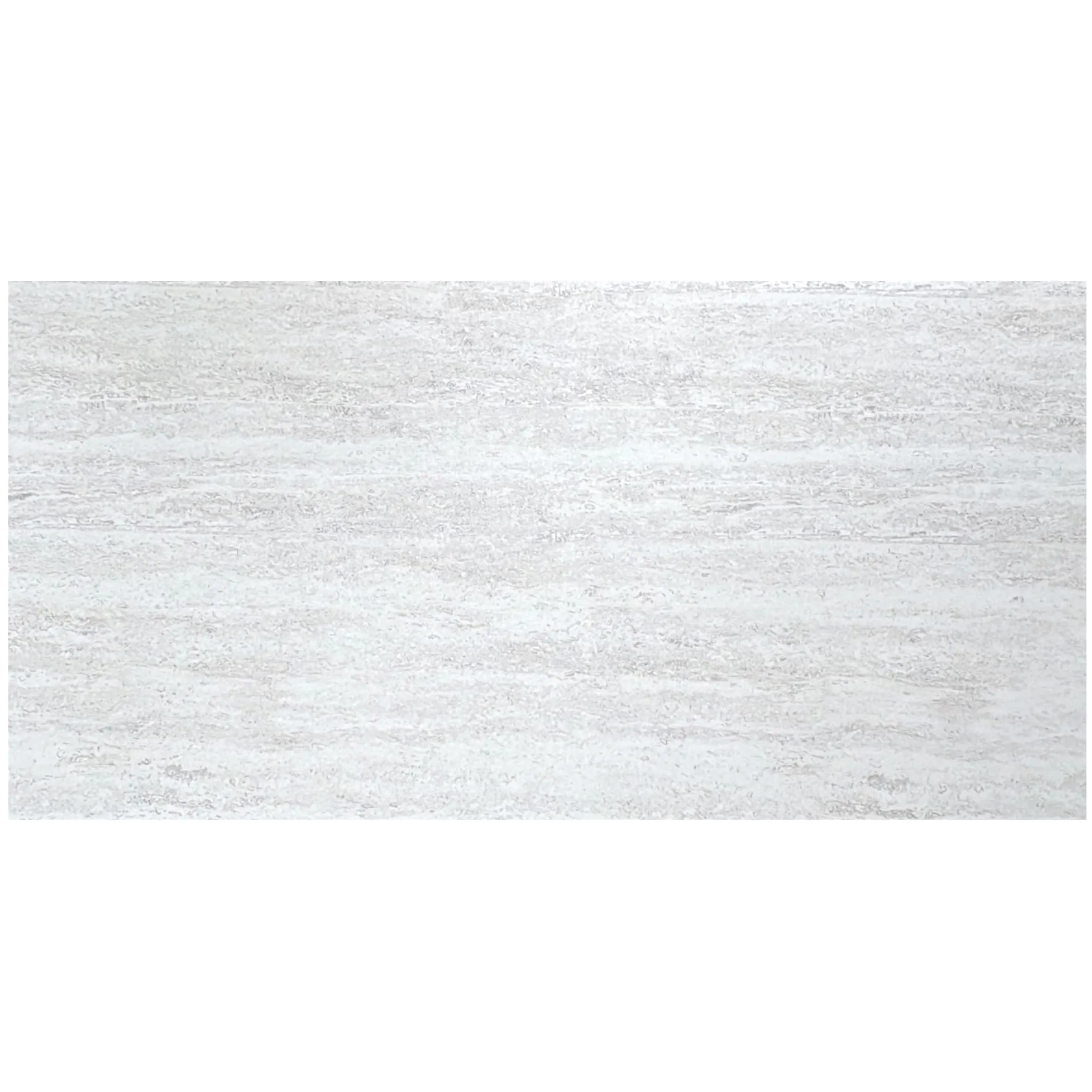
Walk into any thoughtfully designed space—a boutique hotel lobby, a cozy café, or even a modern home—and you'll notice something immediately: the materials tell a story. They set the mood, whisper about the space's purpose, and leave a lasting impression on anyone who steps inside. In recent years, one material has been stealing the spotlight for its ability to blend elegance with earthiness, depth with subtlety: Ethereal Shadow Travertine. But as designers and homeowners alike fall for its shadowy, veined patterns, a practical question arises: How much does this stone cost, and how do those prices shift across the globe?
This isn't just about numbers on a quote sheet. It's about understanding the value of a material that turns ordinary walls and floors into conversation pieces. Whether you're an architect planning a commercial project, a homeowner dreaming of a kitchen renovation, or simply a design enthusiast curious about the trends shaping our spaces, let's unpack the world of Ethereal Shadow Travertine—its allure, its price tags, and why it's become a staple in projects that aim to feel both timeless and contemporary.
First things first: Let's get to know the star of the show. Ethereal Shadow Travertine is a type of sedimentary rock, formed over centuries by mineral-rich hot springs depositing layers of calcium carbonate. What makes it "ethereal" is its unique texture—soft, porous (though often sealed for durability), and marked by delicate, shadowy veins that range from light gray to charcoal. It's not as bold as marble or as uniform as granite; instead, it has a quiet drama, like a where the lines blur just enough to spark the imagination.
"I first used Ethereal Shadow Travertine in a spa retreat in the Swiss Alps," recalls Elena Marini, an interior designer with over 15 years of experience. "The client wanted something that felt connected to nature but still luxurious. The stone's soft grays and subtle veining paired perfectly with the snow outside—like bringing a piece of the mountain's quiet beauty indoors. Guests still mention how the floors feel 'calming,' as if the stone itself has a rhythm."
Unlike some travertines that lean warm (think beige or gold), Ethereal Shadow Travertine leans cool, making it a favorite for modern and minimalist designs. It's also surprisingly versatile: polished to a smooth sheen for a sleek look, or left honed (matte) for a more organic, tactile feel. And while it's porous by nature, modern sealing techniques mean it holds up well in high-traffic areas—kitchen countertops, bathroom walls, even commercial lobbies—without losing its charm.
But what truly sets it apart is its ability to play with light. In a sunlit room, the veins catch the glow, creating depth; in dimmer spaces, it takes on a moody, intimate quality. It's no wonder designers often call it a "chameleon stone"—it adapts to its environment, making every space feel uniquely its own.
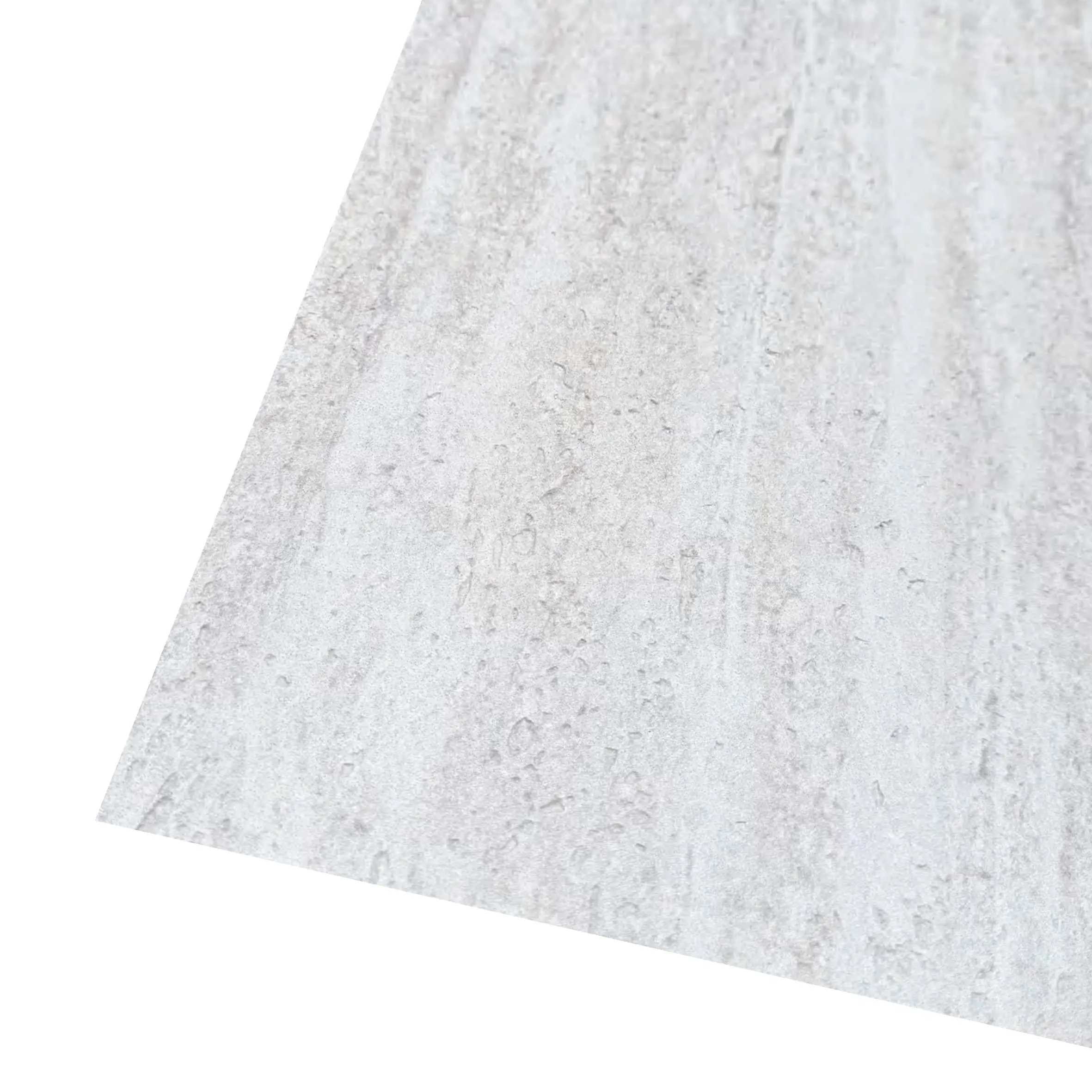
Now, let's talk numbers. Ethereal Shadow Travertine isn't your run-of-the-mill tile, and its price reflects that. But the cost isn't arbitrary—it's shaped by a mix of geology, geography, and human demand. Let's break down the factors that influence its global price tag, then dive into how much you might expect to pay, depending on where you are in the world.
First, supply: Most Ethereal Shadow Travertine comes from quarries in Turkey, Italy, and Iran, where the stone forms in regions with ancient hot springs. Quarrying it is labor-intensive—workers use diamond-tipped saws to extract large blocks, which are then cut into slabs. If a quarry faces delays (due to weather, labor shortages, or regulatory issues), supply tightens, and prices rise. For example, in 2023, heavy rains in Turkey's Denizli region (a major travertine hub) slowed extraction, leading to a 12% increase in global prices for several months.
Then there's demand. Ethereal Shadow Travertine has surged in popularity over the past five years, thanks to a shift toward "calm luxury" in design—spaces that feel upscale without being ostentatious. Commercial projects, in particular, can drive demand: a single hotel chain using the stone in 50 properties can create a spike in orders, pushing prices up. Residential demand, too, plays a role—homeowners are increasingly investing in high-end materials for kitchens and bathrooms, seeing them as long-term assets.
Transportation is another big factor. If you're in New York and buying stone from Italy, you're paying for shipping, insurance, and import tariffs. A slab that costs $40 per square meter (sqm) at the quarry might double in price by the time it reaches your local supplier. In contrast, buyers in Istanbul or Milan often pay 30-40% less, simply because the stone doesn't have to travel far.
Finish matters, too. A polished Ethereal Shadow Travertine slab requires more processing (grinding, buffing) than a honed one, adding $5-10 per sqm to the cost. Specialty finishes, like "brushed" (which creates a textured surface) or "tumbled" (for a weathered look), can add even more—sometimes up to $20 per sqm.
To give you a clearer picture, let's compare average prices for Ethereal Shadow Travertine (honed finish, standard slab size) across major regions. Keep in mind these are ballpark figures—prices can vary by supplier, order size, and finish.
| Region | Average Cost (per sqm) | Key Factors Influencing Price |
|---|---|---|
| Europe (Italy, Turkey, Spain) | $50–$80 | Proximity to quarries; high local demand in design hubs like Milan and Paris. |
| North America (U.S., Canada) | $85–$120 | Import tariffs (10-15% on stone from Turkey); shipping costs; strong demand in luxury residential markets. |
| Asia (China, UAE, Singapore) | $70–$100 | Growing demand for high-end commercial projects; mixed shipping costs (lower from Iran, higher from Italy). |
| Middle East (Saudi Arabia, Qatar) | $90–$130 | High demand for luxury materials in hospitality (resorts, palaces); limited local supply. |
| Australia | $100–$140 | Remote location drives up shipping costs; small market means less competition among suppliers. |
For example, in Istanbul, a local supplier might sell Ethereal Shadow Travertine for $55 per sqm, while a designer in Los Angeles would pay closer to $95 for the same slab. In Dubai, where luxury projects like the Expo 2020 venues boosted demand, prices spiked to $130 per sqm in 2022, though they've since stabilized around $105.
Seasonality also plays a role. In the Northern Hemisphere, construction picks up in spring and summer, so demand for stone rises from March to August, pushing prices up by 5-8%. If you're flexible, buying in winter (December–February) can save you money—suppliers often offer discounts to keep warehouses moving.
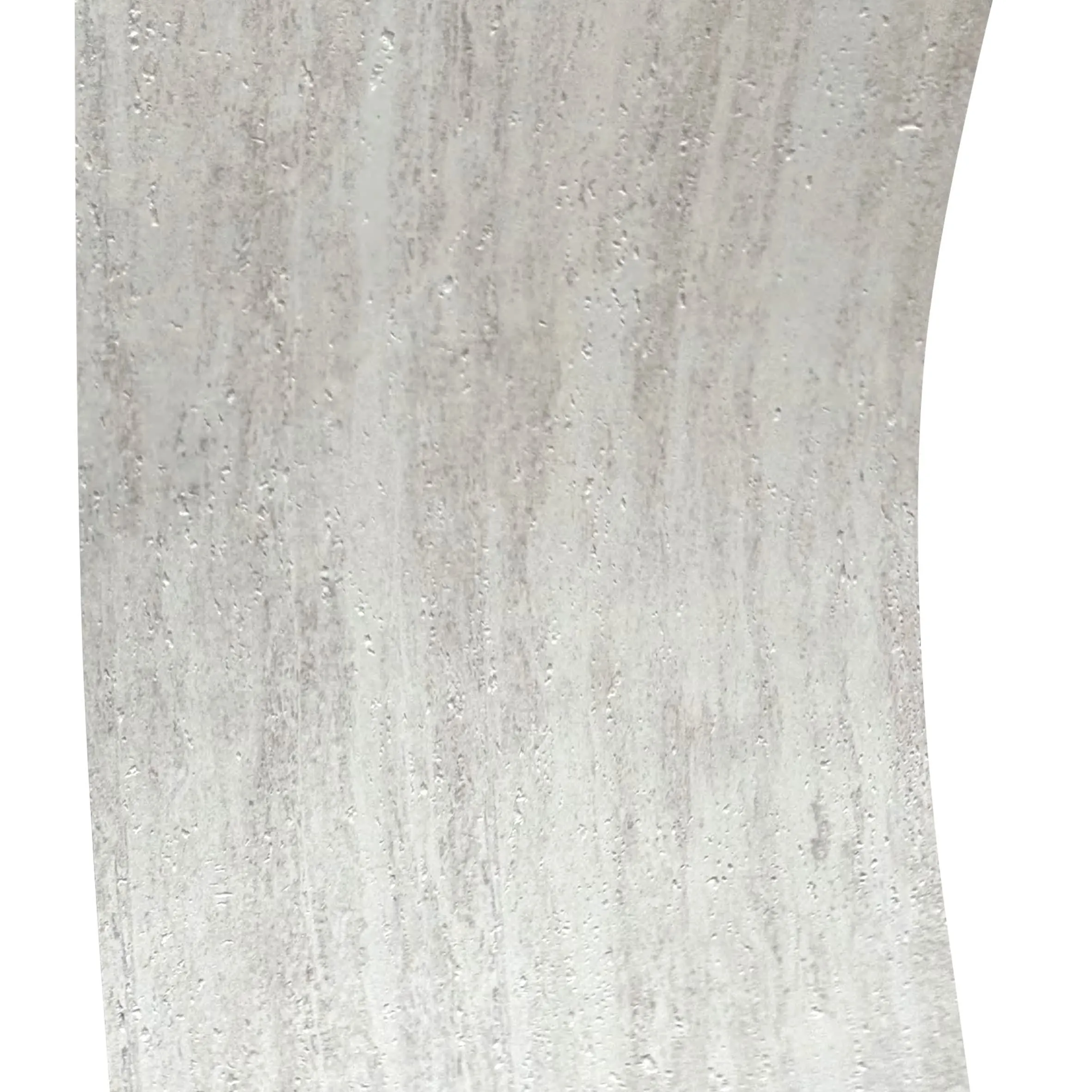
Ethereal Shadow Travertine rarely stands alone in a design. It's often paired with other materials to create contrast, texture, or balance—and those pairings can influence not just the look of a space, but also the overall budget. Let's explore a few materials that designers love to pair with Ethereal Shadow Travertine, and how they shape project costs.
Lunar Peak Silvery is a stone that feels almost otherworldly—its surface shimmers with tiny metallic flecks, like starlight on a moonlit peak. Designers often use it as an accent wall or backsplash alongside Ethereal Shadow Travertine, creating a striking contrast between the stone's cool grays and Lunar Peak's silvery warmth. "I paired them in a restaurant in Tokyo," says designer Kenji Tanaka. "The Ethereal Shadow Travertine floors grounded the space, while the Lunar Peak Silvery bar front caught the light, making the room feel dynamic but not overwhelming."
But this pairing isn't cheap. Lunar Peak Silvery costs $75–$110 per sqm (similar to Ethereal Shadow Travertine), so using both can push material costs up. However, many designers argue it's worth it: the combination feels luxurious but not over-the-top, making it a hit with clients who want "wow factor" without the flash.
For projects leaning into industrial or contemporary design, foamed aluminium alloy board in vintage silver is a popular complement. Lightweight, durable, and with a matte, aged finish, it adds a sleek, modern edge to Ethereal Shadow Travertine's organic texture. Think: Ethereal Shadow Travertine floors in a loft apartment, with foamed aluminium alloy panels on the ceiling. The contrast of rough stone and smooth metal creates visual interest, and the aluminium's silver tone echoes the gray veins in the travertine.
Foamed aluminium alloy is pricier than some metals—around $60–$90 per sqm—but it's lighter than steel, which cuts down on installation costs. And because it's resistant to corrosion, it works well in humid spaces like bathrooms or outdoor patios, where Ethereal Shadow Travertine (sealed, of course) can also thrive.
Not all pairings have to break the bank. Fair-faced concrete—concrete left in its natural state, with visible aggregates and texture—is a budget-friendly material that pairs beautifully with Ethereal Shadow Travertine. At $30–$50 per sqm, it's significantly cheaper than the stone, making it a smart choice for large surfaces (like walls or ceilings) when you want to highlight Ethereal Shadow Travertine on floors or countertops.
"I used fair-faced concrete walls with Ethereal Shadow Travertine countertops in a home renovation in Portland," says designer Mia Carter. "The concrete kept the project affordable, while the travertine added warmth and luxury. The client was thrilled—they got the high-end look they wanted without overspending."
For those who love travertine but want a pop of color, travertine (starry blue) is a fun option. Its base is a soft blue-gray, with "starry" flecks of darker blue and white—like a night sky reflected in water. Designers often use it as a small accent (e.g., a backsplash tile) with Ethereal Shadow Travertine floors, adding personality without overwhelming the space.
Starry blue travertine costs $80–$120 per sqm (slightly more than Ethereal Shadow Travertine), so it's best used sparingly. But when done right—say, a starry blue backsplash in a kitchen with Ethereal Shadow Travertine countertops—it creates a space that feels both cohesive and full of character.
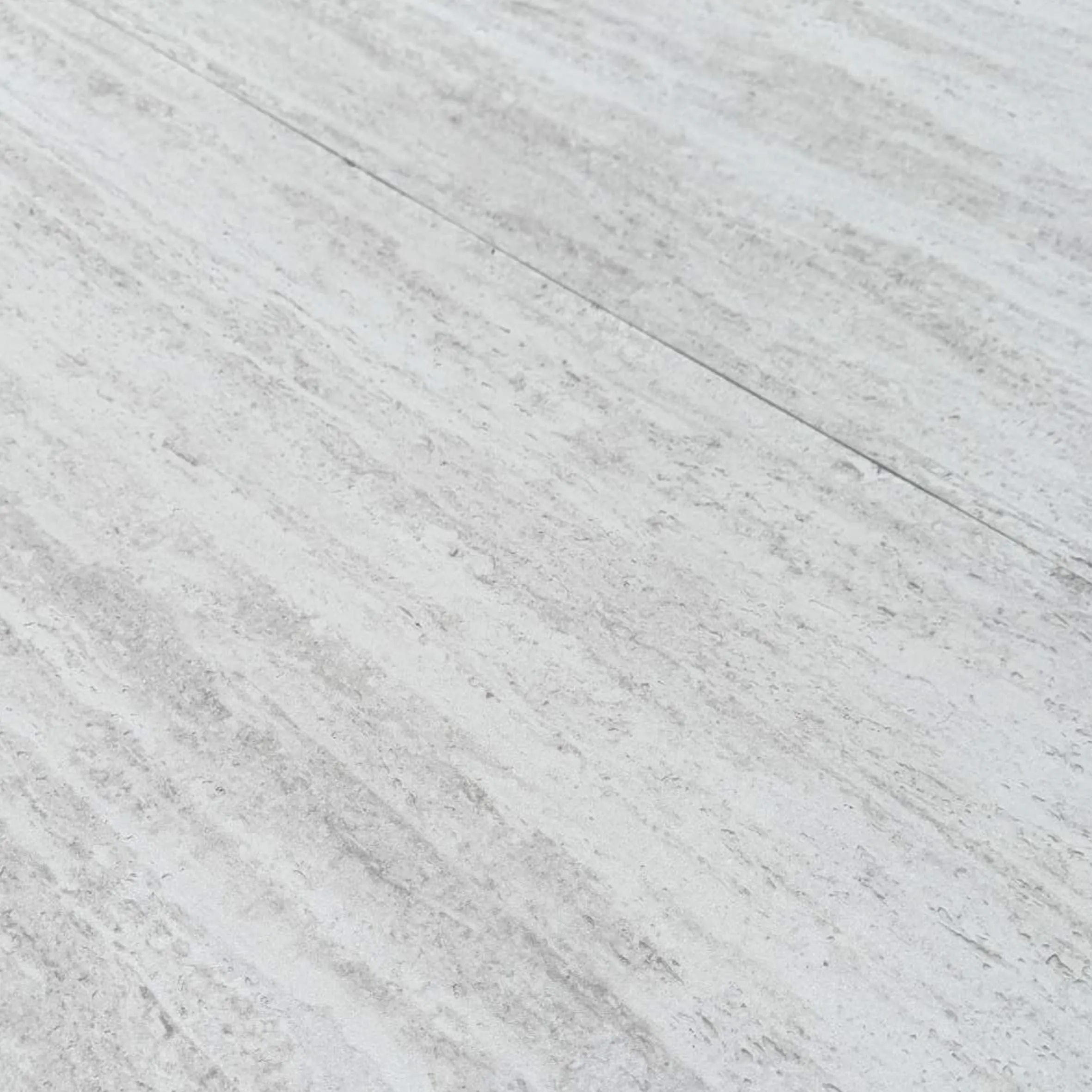
At this point, you might be wondering: Is Ethereal Shadow Travertine worth the splurge? After all, there are cheaper options—laminate, porcelain tile, even standard concrete—that mimic stone for a fraction of the price. The answer, as with most design choices, depends on your priorities: durability, aesthetics, and long-term value.
Let's start with durability. Ethereal Shadow Travertine is a natural stone, so it's tough. With proper sealing (every 2–3 years), it resists stains, scratches, and heat. Unlike laminate, which can peel or fade, or porcelain tile, which can crack if heavy objects are dropped, travertine can last decades. "I installed Ethereal Shadow Travertine in my first home 15 years ago," says homeowner Sarah Chen. "We've had kids, pets, even a kitchen remodel, and the floors still look as good as new. It's the one material I never regret splurging on."
Aesthetically, it's hard to replicate. While porcelain tiles can mimic travertine's veining, they lack the depth and texture of the real thing. There's a reason designers call natural stone "living material"—its subtle variations (no two slabs are exactly alike) give spaces a soul that synthetic materials can't match. "Clients can always tell the difference," says Elena Marini. "A porcelain 'travertine look' tile might save money upfront, but it never elicits the same reaction as the real stone. People run their hands over it, comment on the texture—it's a sensory experience."
Then there's resale value. Homes and commercial spaces with high-quality natural stone often sell for more. A 2022 study by the National Association of Realtors found that kitchens with natural stone countertops (including travertine) sold for 6–8% more than those with laminate. For commercial properties, the boost can be even higher—hotels and restaurants with premium materials often command higher rates and attract more discerning clientele.
Of course, Ethereal Shadow Travertine isn't for everyone. If you're on a tight budget, or if you prefer bold, bright colors, it might not be the right fit. But for those who value timeless design, durability, and the quiet beauty of natural materials, it's an investment that pays off—both in daily enjoyment and long-term value.
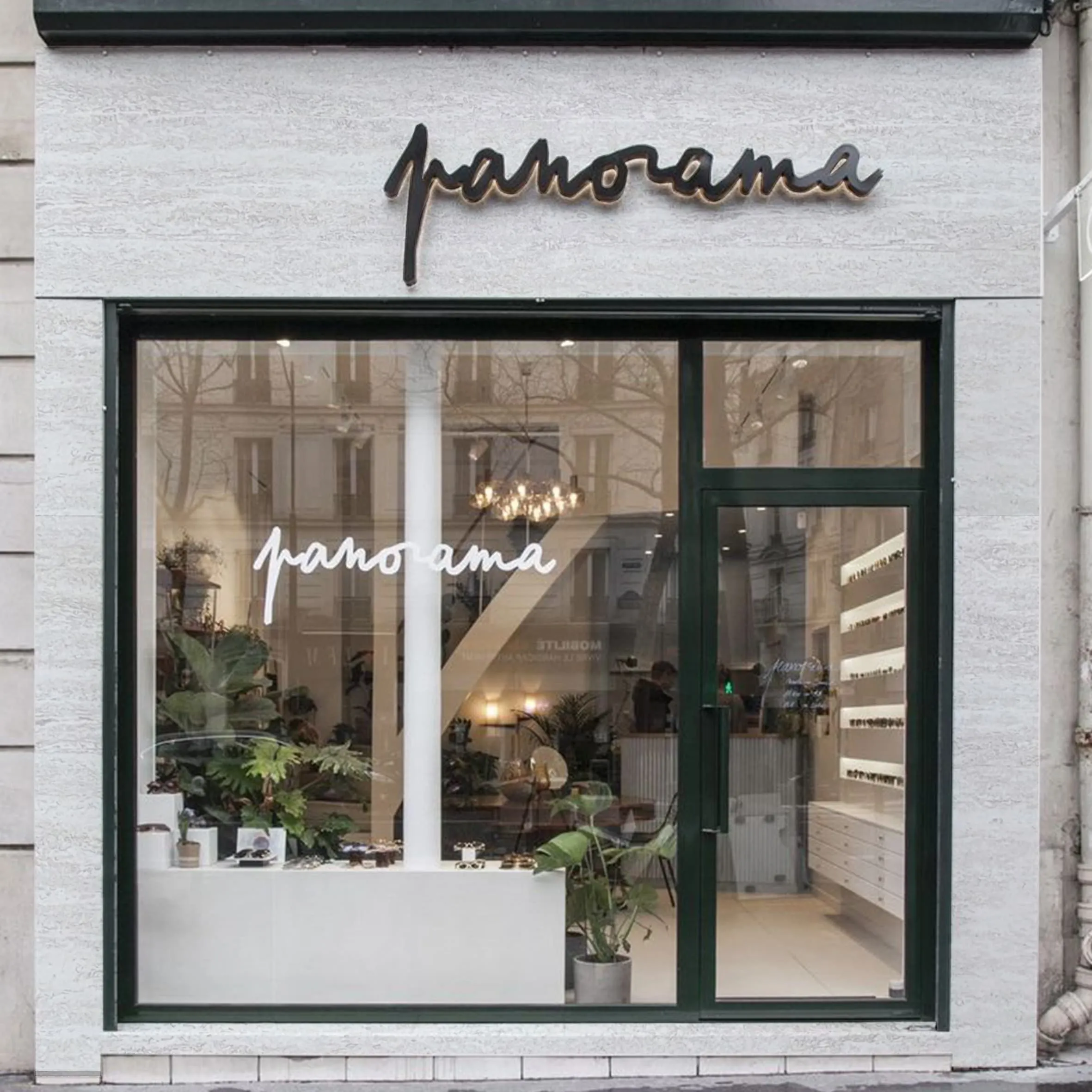
At the end of the day, Ethereal Shadow Travertine is more than just a stone. It's a storyteller. It carries the history of the quarries where it formed, the hands that cut it, and the spaces it will shape for years to come. Its price tag—whether $50 per sqm in Istanbul or $120 in New York—reflects not just labor and logistics, but the value we place on beauty, durability, and connection to nature.
So, if you're considering it for your next project, remember: you're not just buying a material. You're buying moments. The way sunlight will dance across its veins on a summer morning. The way guests will pause and comment on its texture. The way it will still look beautiful decades from now, a silent witness to the life happening around it.
In a world that often prioritizes speed and cost-cutting, Ethereal Shadow Travertine is a reminder that some investments are worth making. After all, the spaces we live and work in shape how we feel—and few materials make us feel as grounded, inspired, and at peace as this quiet, shadowy stone.
Recommend Products












