
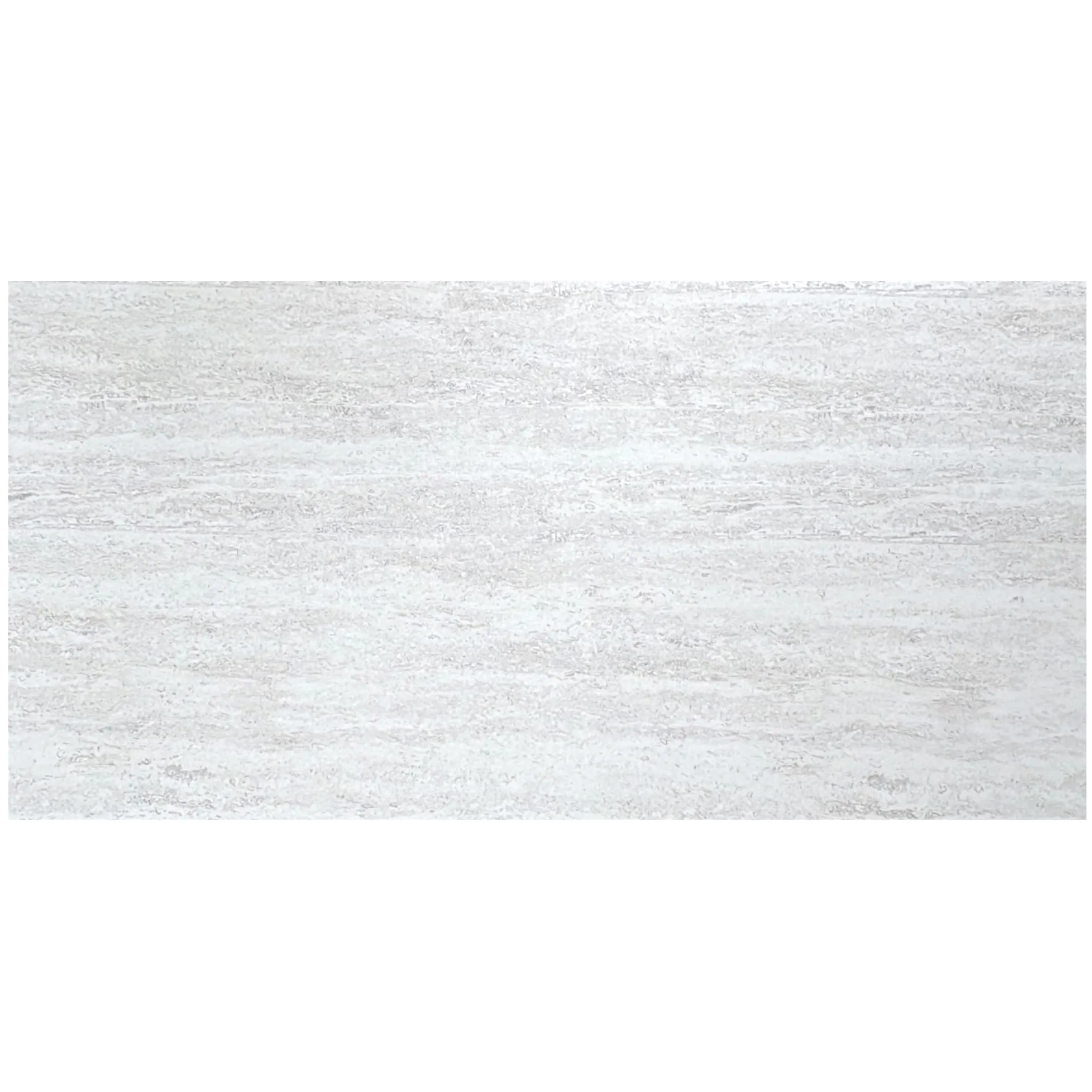
Walk into any healthcare facility, and you'll immediately sense the delicate balance at play: every surface, color, and texture is carefully chosen to prioritize patient safety, staff efficiency, and a calming environment. From bustling hospital corridors to quiet clinic waiting rooms, the materials that clothe these spaces don't just need to look good—they need to work harder than almost any other building material on the planet. They must resist constant cleaning, stand up to heavy foot traffic, prevent the spread of germs, and still offer a sense of warmth that eases anxious minds. Enter Ethereal Shadow Travertine: a material that's quietly redefining what's possible in healthcare design. Let's dive into why this unique stone is becoming a go-to choice for architects and facility managers who refuse to compromise on hygiene, durability, or aesthetics.
Healthcare spaces are unlike any other. Think about it: a single day might see hundreds of patients, staff, and visitors passing through—each bringing with them potential pathogens, spills, or wear and tear. Add in the need for rigorous cleaning protocols (hello, daily disinfection with industrial-grade chemicals) and the emotional weight of creating spaces that feel safe and healing, and it's clear: not just any material will do. Traditional options often fall short. Porous tiles trap bacteria, high-gloss surfaces show every scratch, and cold, sterile materials can heighten patient anxiety. So, what if there was a material that checked all the boxes: easy to sanitize, tough as nails, and naturally calming? That's where Ethereal Shadow Travertine steps in.
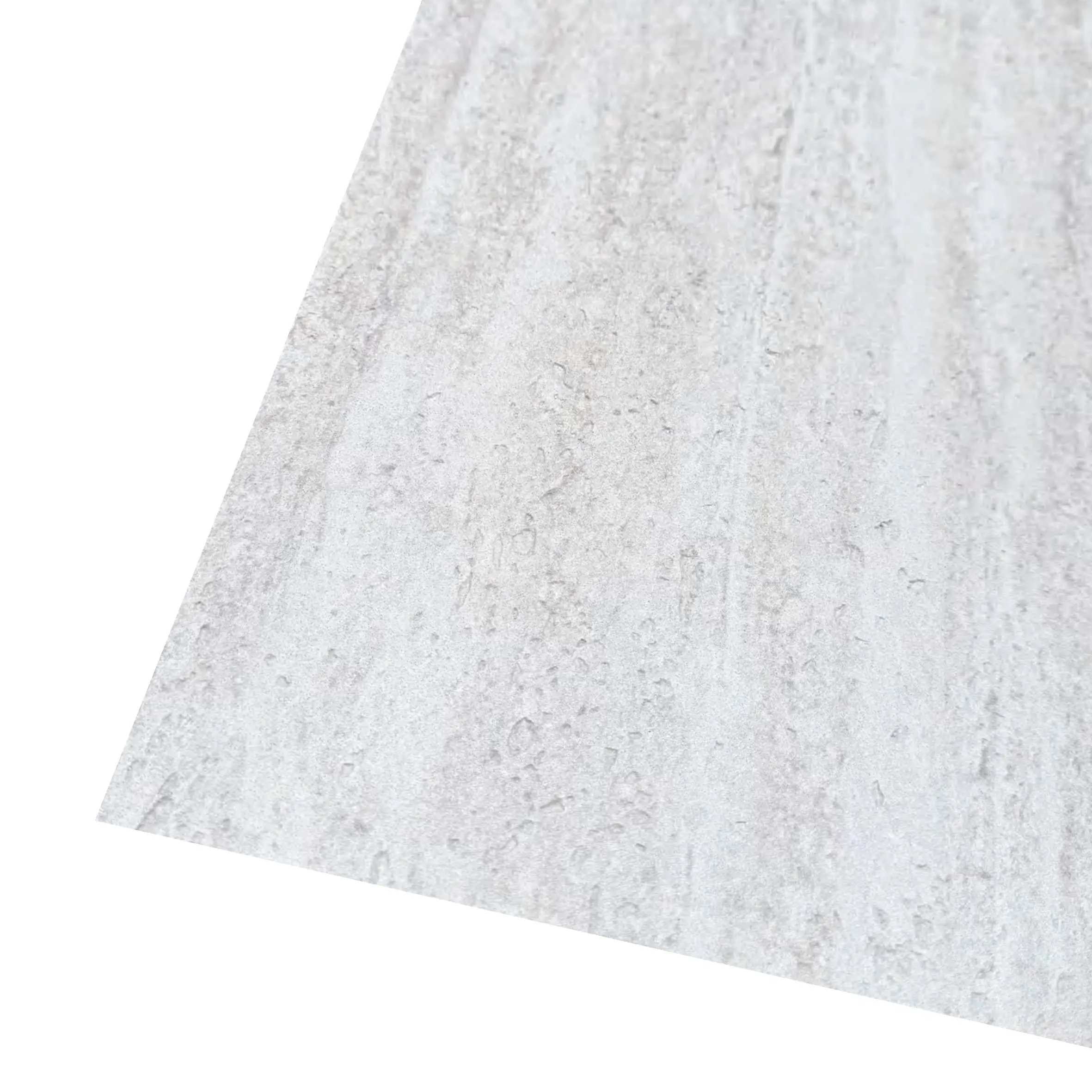
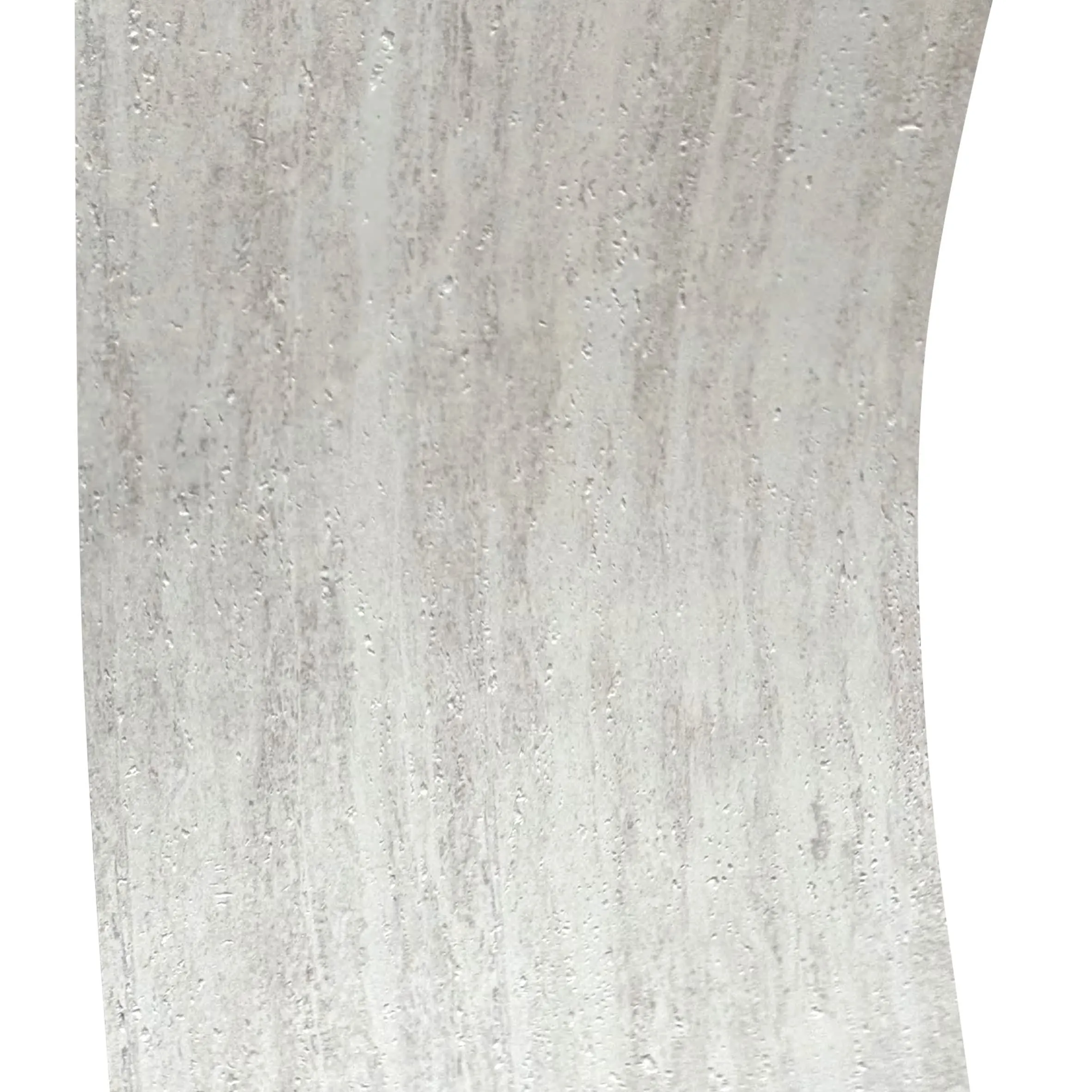
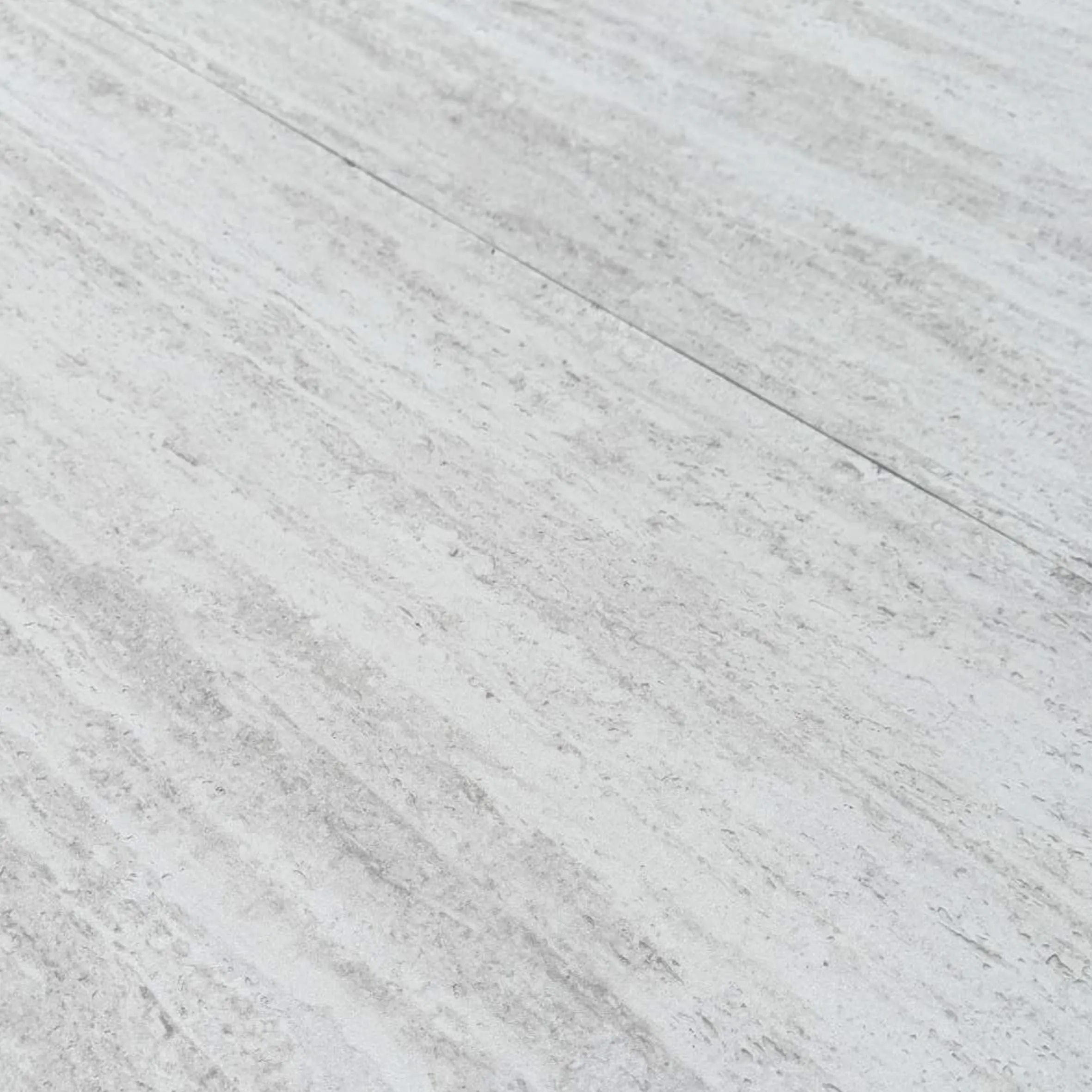
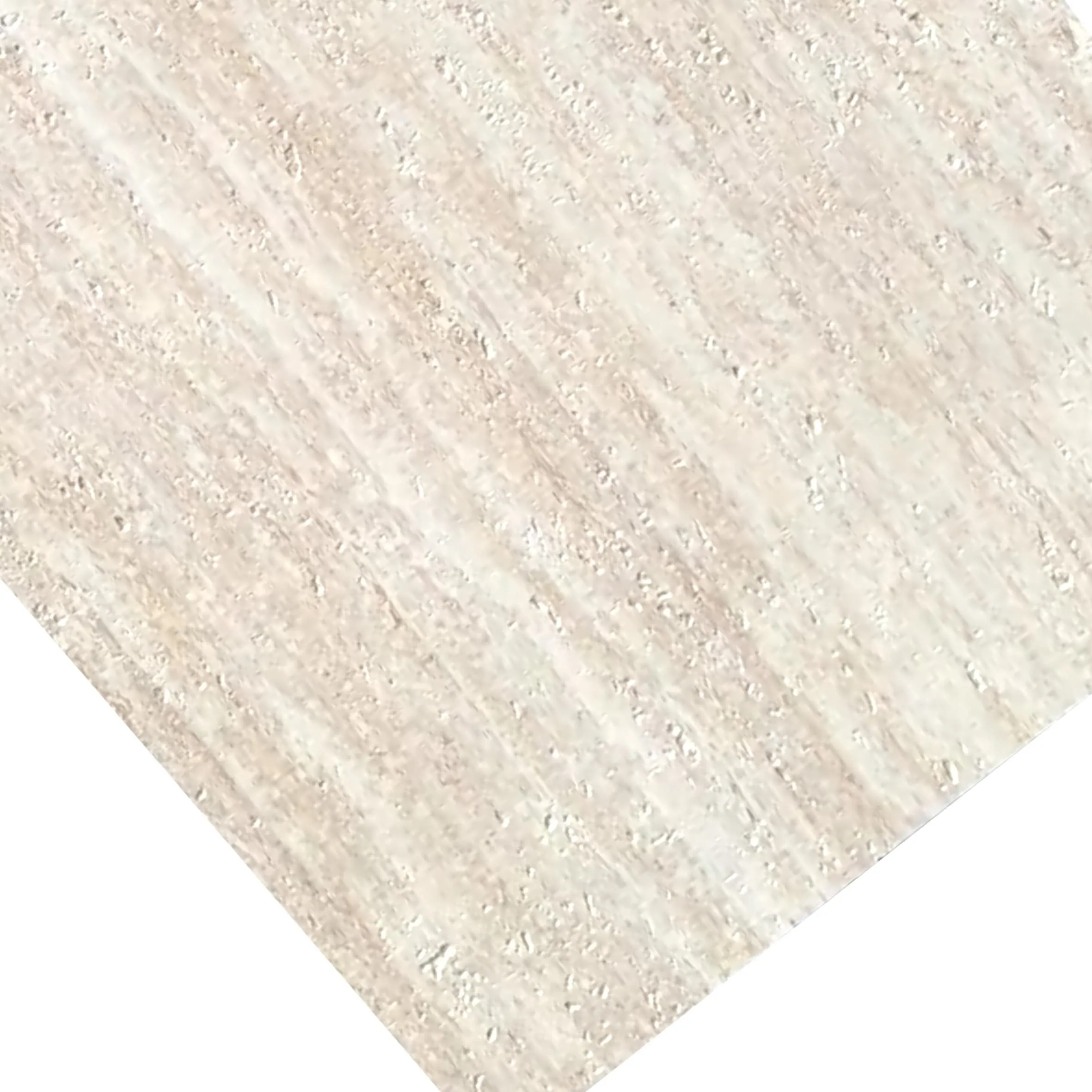
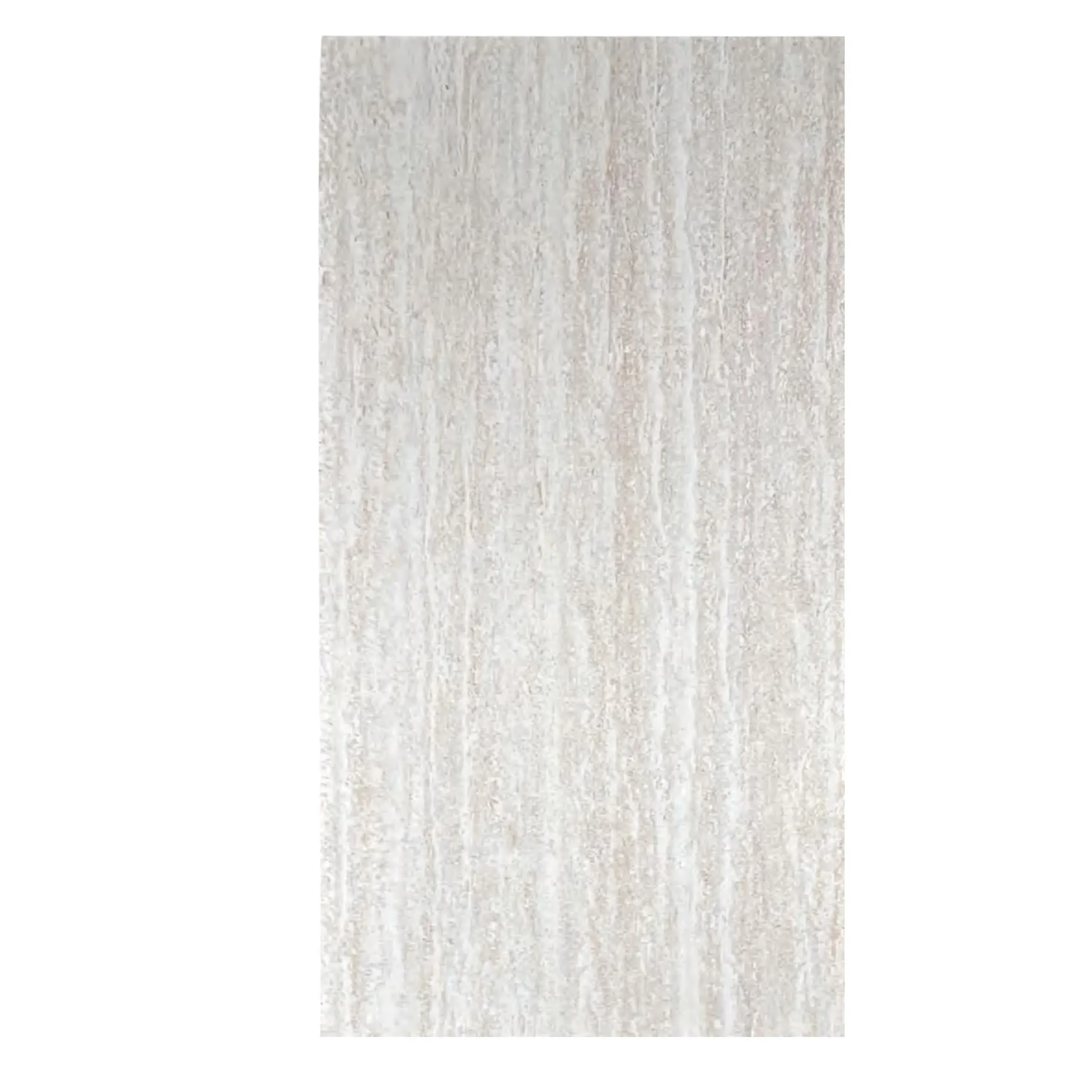
Before we get into the "why," let's talk about the "what." Ethereal Shadow Travertine is part of MCM's renowned travertine series, a line of natural stone products engineered for both beauty and performance. Unlike generic travertine, which can be porous and prone to staining, Ethereal Shadow Travertine undergoes a specialized treatment process that enhances its natural properties. Its name hints at its appearance: a soft, muted gray base with subtle veining that mimics the play of light and shadow on a misty morning. It's not stark or overwhelming—just quietly elegant, with a texture that feels organic yet refined. But don't let its gentle looks fool you: this stone is a workhorse.
Part of what makes Ethereal Shadow Travertine unique is its composition. Travertine itself is a form of limestone formed by mineral deposits from hot springs, giving it a naturally layered structure. MCM's engineering amplifies this, creating a surface that's denser and less porous than traditional travertine. The result? A material that combines the best of natural stone—warmth, uniqueness, and visual interest—with the durability and hygiene needed for high-stakes environments like hospitals and clinics.
In healthcare, hygiene isn't just a preference—it's a matter of life and death. Pathogens like MRSA, C. diff, and norovirus can linger on surfaces for days, waiting to infect vulnerable patients. That's why the Centers for Disease Control (CDC) and World Health Organization (WHO) emphasize the importance of non-porous, easy-to-clean surfaces. Ethereal Shadow Travertine excels here, and it starts with its low porosity.
Fun fact: Traditional travertine is known for its "pits" or voids—small holes formed by gas bubbles during its formation. While charming in a residential setting, these pits are a nightmare in healthcare, as they trap dirt, moisture, and bacteria. Ethereal Shadow Travertine's treatment process fills these voids without sacrificing its natural look, creating a surface that's virtually non-porous.
Ethereal Shadow Travertine's low porosity means liquids and microbes can't seep in. Think about a spill in a hospital cafeteria—maybe a patient knocks over a cup of juice, or a nurse spills a drop of medication. With Ethereal Shadow Travertine, you can wipe it up immediately, and there's no risk of the liquid soaking in and creating a breeding ground for bacteria. Compare that to porous materials like unglazed ceramic or even some woods, which can harbor germs even after cleaning. For healthcare facilities, where every surface is a potential transmission point, this is a game-changer.
Healthcare cleaning isn't gentle. Staff rely on strong disinfectants—think bleach, hydrogen peroxide, and quaternary ammonium compounds—to kill pathogens. The problem? Many materials break down or discolor when exposed to these chemicals over time. Ethereal Shadow Travertine? It laughs them off. Its dense surface resists chemical damage, meaning you can sanitize it daily without worrying about fading, etching, or pitting. This is crucial because inconsistent cleaning (out of fear of damaging the material) can lead to hygiene gaps. With Ethereal Shadow Travertine, staff can clean thoroughly, every time, without hesitation.
Even with regular cleaning, some materials are prone to microbial growth in hard-to-reach crevices. Ethereal Shadow Travertine's smooth, uniform surface leaves nowhere for bacteria to hide. Studies have shown that non-porous stone surfaces like this have up to 90% fewer viable pathogens after cleaning compared to porous alternatives. For high-touch areas—think reception desks, nurse stations, or patient room floors—this translates to a significantly lower risk of cross-contamination.
Hospitals are busy, messy places. Wheelchairs screech across floors, stretchers bump into walls, and medical equipment (think IV poles, monitors, and carts) gets moved constantly. Add in spills—from coffee to blood to cleaning solutions—and it's clear: healthcare materials need to be tough. Ethereal Shadow Travertine doesn't just "handle" this chaos; it thrives in it.
Let's start with the obvious: floors. In a busy hospital corridor, you could have hundreds of footsteps, wheelchairs, and carts rolling over the same surface daily. Ethereal Shadow Travertine's dense structure makes it highly scratch-resistant. Unlike softer materials like vinyl or even some marbles, it won't show unsightly marks from chair legs or dropped tools. I once visited a children's hospital that had installed Ethereal Shadow Travertine in their play therapy room—after two years of toys, tiny feet, and the occasional dropped puzzle piece, the floor still looked brand new. That's the kind of durability we're talking about.
Impact resistance is another win. Accidents happen: a nurse might trip and drop a metal bedpan, or a maintenance worker could knock a toolbox. Ethereal Shadow Travertine's layered structure absorbs impact without cracking or chipping. Compare that to ceramic tiles, which can shatter on impact, leaving sharp edges and requiring immediate replacement (a hassle in a 24/7 facility).
Healthcare facilities aren't just built for today—they're built for decades. Constantly replacing worn-out materials isn't just expensive; it disrupts care. Ethereal Shadow Travertine is designed to last. With proper maintenance, it can easily serve 20+ years, outperforming materials like carpet (which needs replacing every 5-7 years) or standard vinyl (10-15 years). Over time, this longevity translates to lower lifecycle costs. Yes, the upfront cost might be higher than some synthetic options, but when you factor in fewer replacements and repairs, it's a smart investment. One hospital administrator I spoke to put it this way: "We used to replace our lobby flooring every 8 years. With Ethereal Shadow Travertine, we're on year 12, and it still looks great. The savings add up fast."
Spills are inevitable in healthcare. From iodine stains to medication drips to food and drink, surfaces need to resist discoloration. Ethereal Shadow Travertine's low porosity and treated surface mean stains wipe away easily. Even tough stains like betadine or coffee come off with a little soap and water—no harsh scrubbing required. And as we mentioned earlier, it holds up to industrial cleaners, so you never have to choose between cleanliness and preserving the material.
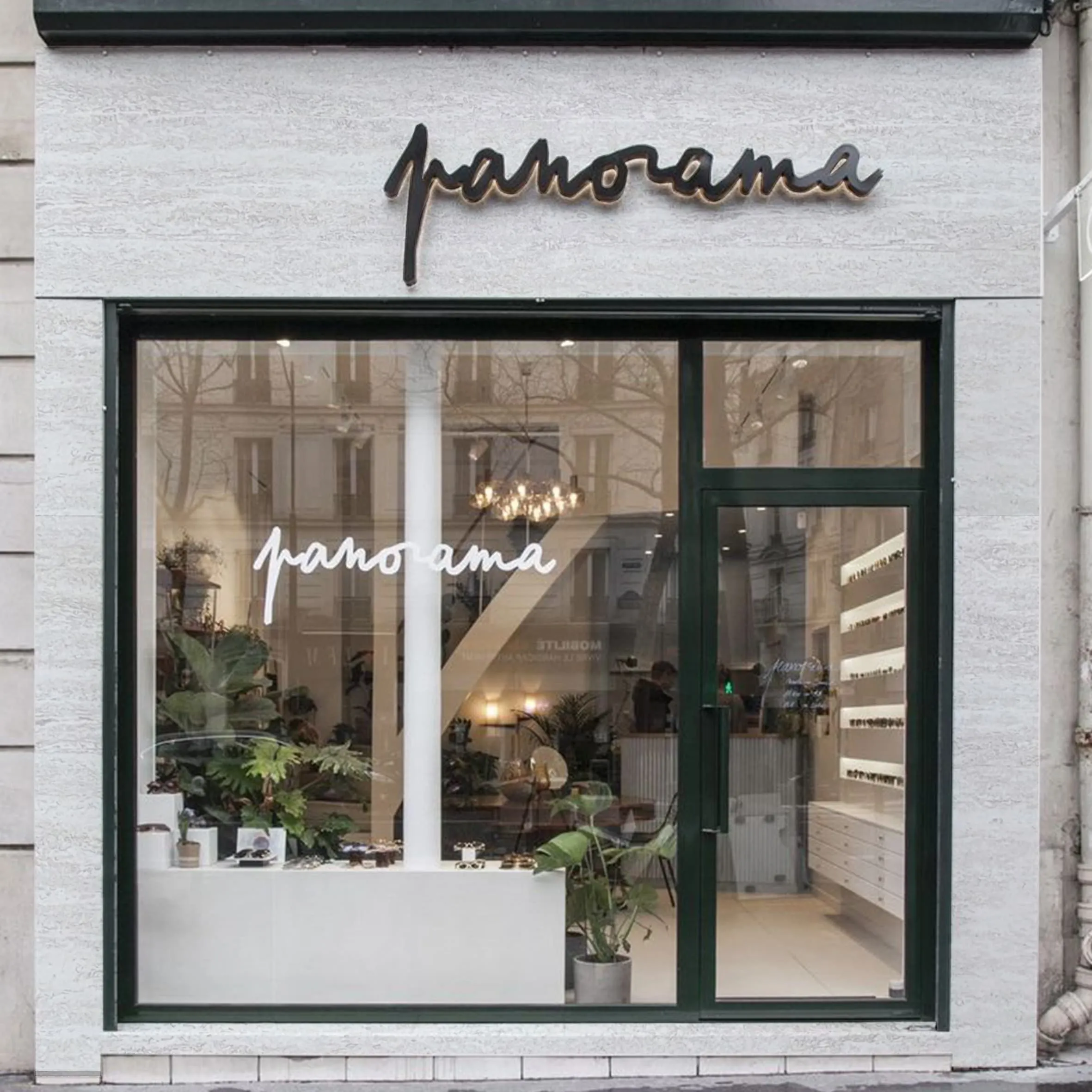
Okay, so Ethereal Shadow Travertine is hygienic and durable—but what about how it makes people feel? In healthcare, the environment plays a huge role in patient recovery. Studies show that exposure to natural elements (like stone, wood, or plants) can reduce stress, lower blood pressure, and even speed up healing. Ethereal Shadow Travertine brings that natural warmth into clinical spaces without feeling out of place.
Its soft gray tone is neutral enough to complement any color scheme, from the calming blues of pediatric wards to the earthy greens of senior care facilities. The subtle veining adds visual interest without being distracting—perfect for spaces where patients might spend hours resting or recovering. Unlike cold, sterile materials like fair-faced concrete (which, don't get me wrong, has its place in modern design), Ethereal Shadow Travertine feels alive, with variations in pattern that ensure no two surfaces are exactly alike. It's a small detail, but in a world of uniformity, that uniqueness can make a big difference in how welcoming a space feels.
I recently toured a mental health clinic that used Ethereal Shadow Travertine in their group therapy room. The therapist mentioned that patients often commented on how "grounding" the space felt—credit, in part, to the stone's natural texture. "It's not clinical," she said. "It feels like being in a quiet forest, not a doctor's office." That's the power of thoughtful material choice.
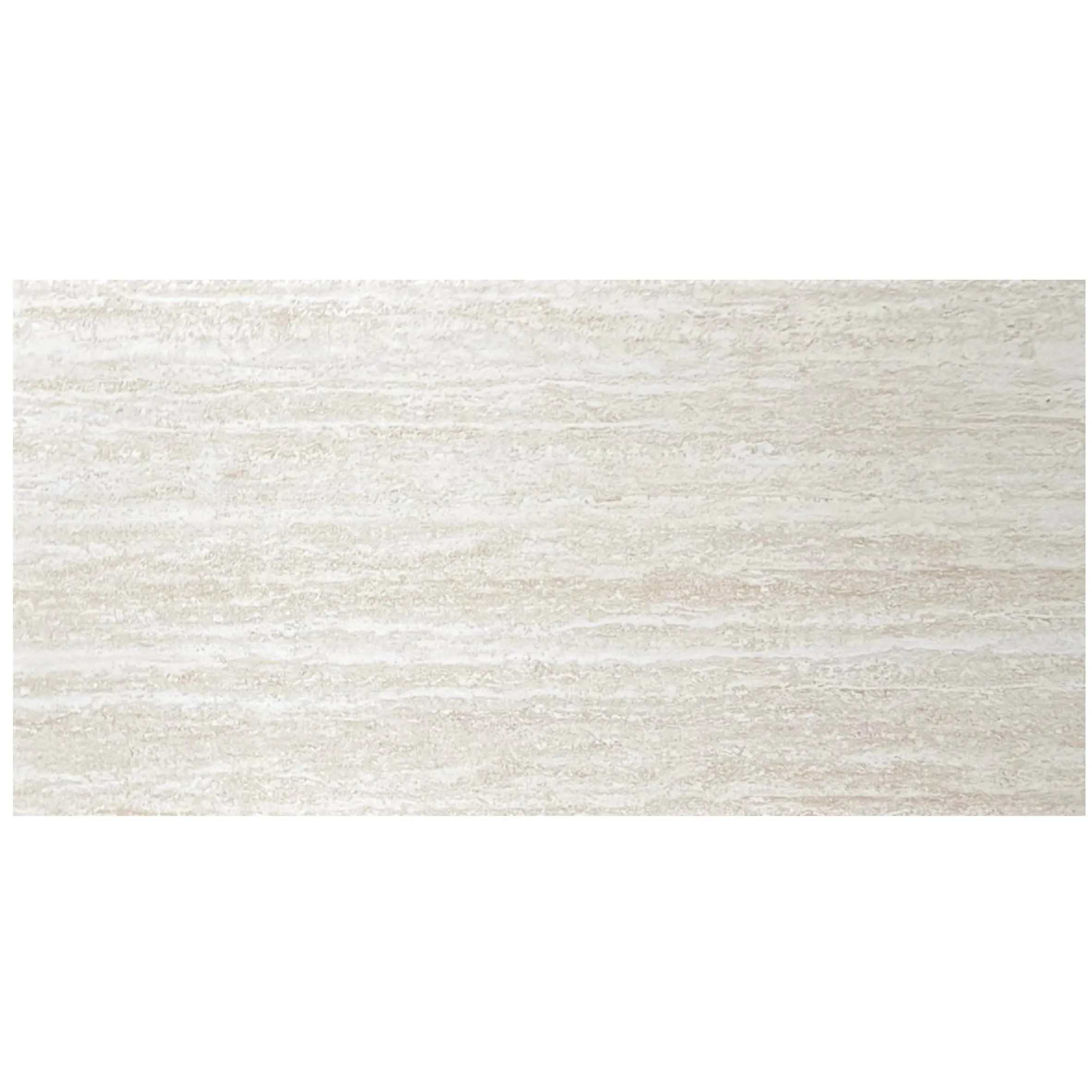
Curious how Ethereal Shadow Travertine stacks up against other common healthcare materials? Let's take a look at a few popular options, including fair-faced concrete and Lunar Peak Silvery (another standout from MCM's lineup).
| Material | Hygiene (Resistance to Pathogens) | Durability (Scratch/Impact) | Aesthetics (Calming Effect) | Cost (Lifecycle) | Sustainability |
|---|---|---|---|---|---|
| Ethereal Shadow Travertine | High (Non-porous, easy to disinfect) | Excellent (Scratch/impact resistant, 20+ year lifespan) | High (Natural veining, soft gray tone reduces stress) | Moderate (Higher upfront, low maintenance costs) | Good (Natural stone, minimal processing) |
| Fair-Faced Concrete | Moderate (Porous if unsealed; requires regular sealing) | High (Durable but prone to staining if not sealed) | Low (Cold, industrial look; can feel sterile) | Low (Lower upfront, higher long-term sealing costs) | Excellent (Recyclable, low carbon footprint) |
| Lunar Peak Silvery | High (Smooth, non-porous surface) | Very High (Metallic finish resists scratches) | Moderate (Shiny, modern look; may feel too "bright" for some spaces) | High (Premium material, higher installation costs) | Moderate (Alloy-based, recyclable but energy-intensive to produce) |
| Vinyl Flooring | High (Non-porous, easy to clean) | Low (Scratches easily; needs replacement every 5-7 years) | Low (Plastic-like appearance; limited design options) | Low upfront, high long-term (Frequent replacements) | Low (Non-biodegradable, petroleum-based) |
As you can see, Ethereal Shadow Travertine holds its own—and often comes out on top—especially when considering the full lifecycle of the material. While fair-faced concrete is sustainable and budget-friendly, its porous nature requires ongoing maintenance to keep it hygienic. Lunar Peak Silvery, with its sleek metallic finish, is incredibly durable but may lack the warmth needed for patient-centered spaces. Ethereal Shadow Travertine, on the other hand, balances hygiene, durability, aesthetics, and sustainability in a way that few materials can.
Still not convinced? Let's look at some real-world examples of Ethereal Shadow Travertine in action.
A large children's hospital in the Midwest recently renovated their outpatient wing, choosing Ethereal Shadow Travertine for waiting room floors and check-in counters. The design team wanted a material that could handle spills (juice boxes, anyone?) and constant foot traffic while keeping the space calm. After two years, the feedback has been overwhelmingly positive: staff love how easy the floors are to clean, parents appreciate that the space doesn't feel "germy," and kids? They've taken to calling the veining "dragon scales," turning a utilitarian surface into a conversation starter.
Senior care facilities face unique challenges: residents may use walkers or wheelchairs (hello, scratch risk!), and staff need surfaces that can withstand daily cleaning. A senior living community in California installed Ethereal Shadow Travertine in their main dining hall, and the results speak for themselves. The stone has held up to hundreds of meals (and spills) daily, and residents often mention how "elegant" the space feels compared to the institutional dining rooms of old. "It makes me feel like I'm eating in a nice restaurant, not a facility," one resident told me.
Dental clinics are all about precision—and hygiene. A dental group in Texas chose Ethereal Shadow Travertine for their operatory floors, citing its resistance to stains from dental materials (think amalgam, bonding agents) and easy sanitization between patients. The staff also noted that the stone's neutral color helps reduce eye strain during long procedures—a small perk that adds up over time.
In today's world, sustainability isn't an afterthought—it's a priority. Healthcare facilities, which consume significant energy and resources, are increasingly looking for eco-friendly building materials. Ethereal Shadow Travertine checks this box, too. As a natural stone, it requires minimal processing compared to synthetic materials like vinyl or engineered quartz. MCM sources its travertine from quarries with strict environmental standards, ensuring responsible mining practices and minimal habitat disruption.
Additionally, Ethereal Shadow Travertine's longevity plays a role in sustainability. The longer a material lasts, the fewer resources are needed for replacement. Unlike vinyl flooring, which ends up in landfills every 5-7 years, Ethereal Shadow Travertine can be refinished if needed, extending its life even further. And when it does eventually reach the end of its lifecycle, natural stone is fully recyclable—often crushed and reused as aggregate in new construction projects.
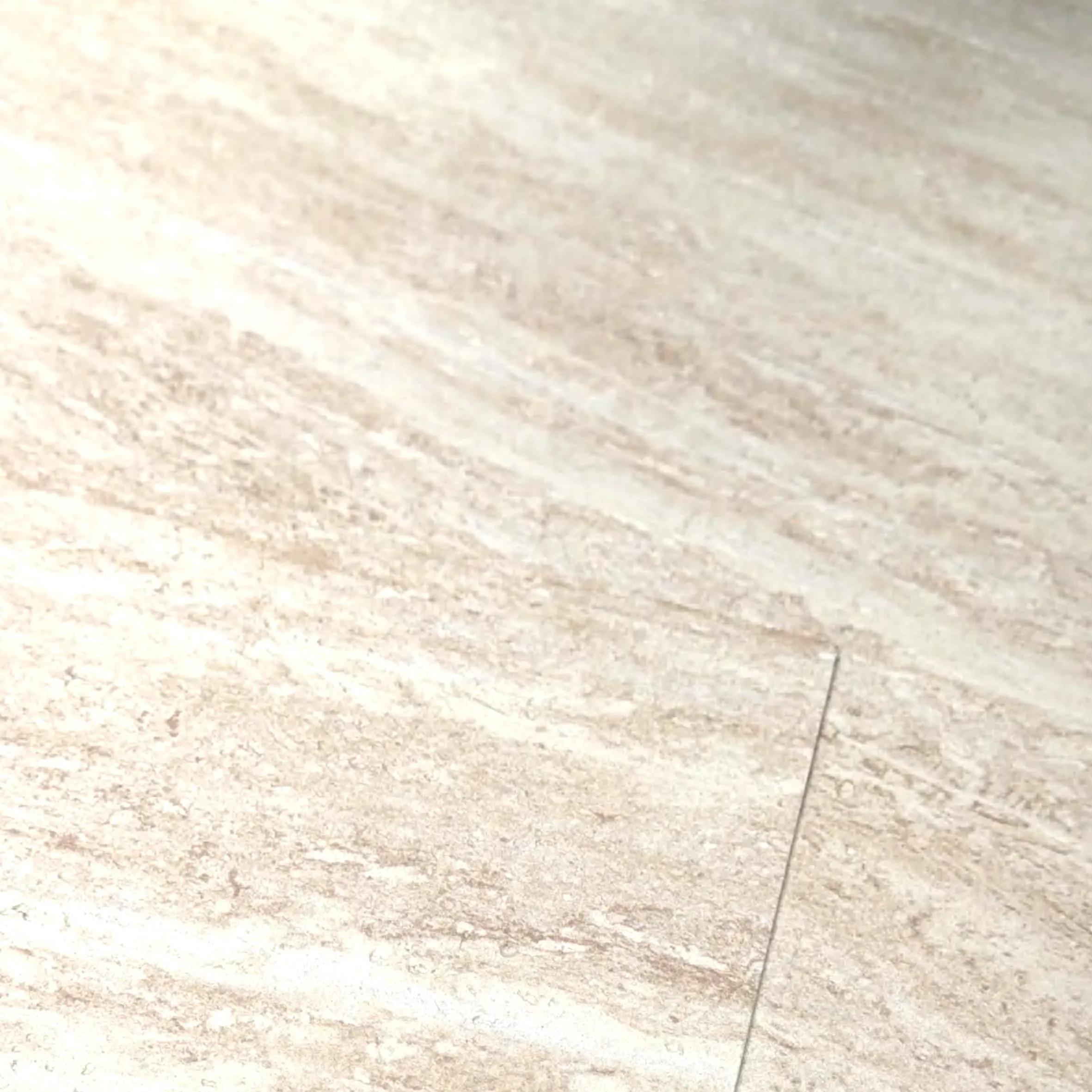
So, you're sold on Ethereal Shadow Travertine—now what? Installation is straightforward, but it's important to work with professionals familiar with natural stone. Because it's a natural material, there may be slight variations in thickness or color, so proper planning is key to ensuring a seamless look. Most installers recommend a thin-set mortar application, which provides a strong bond while allowing for minor adjustments.
Maintenance is equally simple. For daily cleaning, a damp mop with mild soap is usually enough. For deeper sanitization (like after a spill), you can use hospital-grade disinfectants without worrying about damage. MCM also recommends applying a penetrating sealer every 3-5 years to maintain the stone's stain resistance—though, thanks to its treated surface, even this step is less frequent than with traditional travertine. Avoid harsh abrasives (like steel wool) or acidic cleaners (vinegar, lemon juice), as these can dull the finish over time. With just a little care, Ethereal Shadow Travertine will stay beautiful for decades.
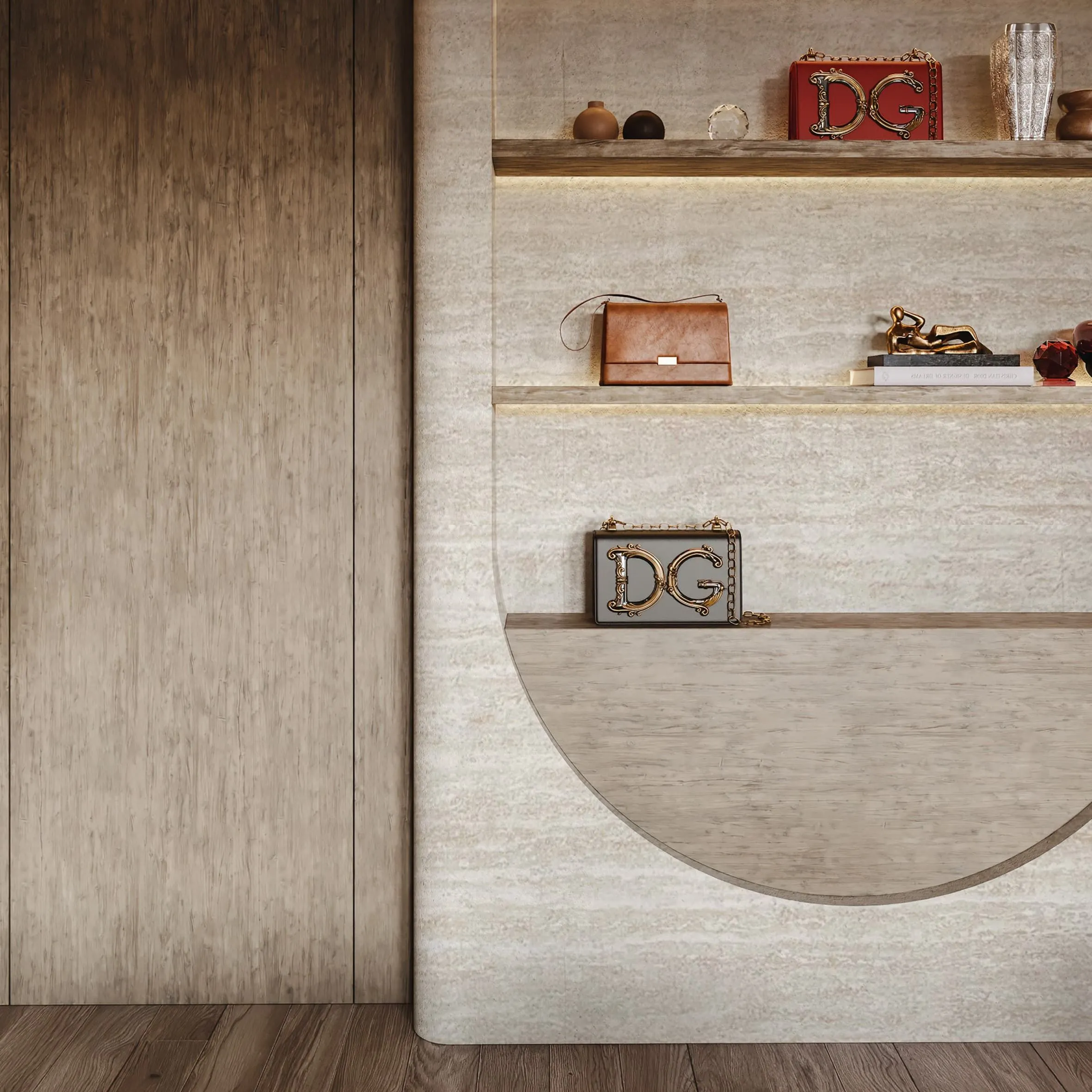
At the end of the day, healthcare design is about people: patients healing, staff caring, families supporting. The materials we choose shape these experiences, whether we realize it or not. Ethereal Shadow Travertine isn't just a flooring or wall material—it's a tool for creating spaces that are safe, durable, and deeply human. It's proof that you don't have to sacrifice aesthetics for functionality, or hygiene for warmth.
So, if you're designing or renovating a healthcare facility, consider this: what if your materials could do more than just "work"? What if they could heal, comfort, and inspire? Ethereal Shadow Travertine does exactly that—one stone at a time. And in a world where healthcare is more important than ever, that's a difference worth investing in.
Whether you're outfitting a hospital corridor, a clinic waiting room, or a senior care facility, Ethereal Shadow Travertine brings together hygiene, durability, and beauty in a way that few materials can. It's not just a choice for today—it's a choice for the patients, staff, and communities who will rely on those spaces for years to come. And that, to me, is what great design is all about.
Recommend Products












