
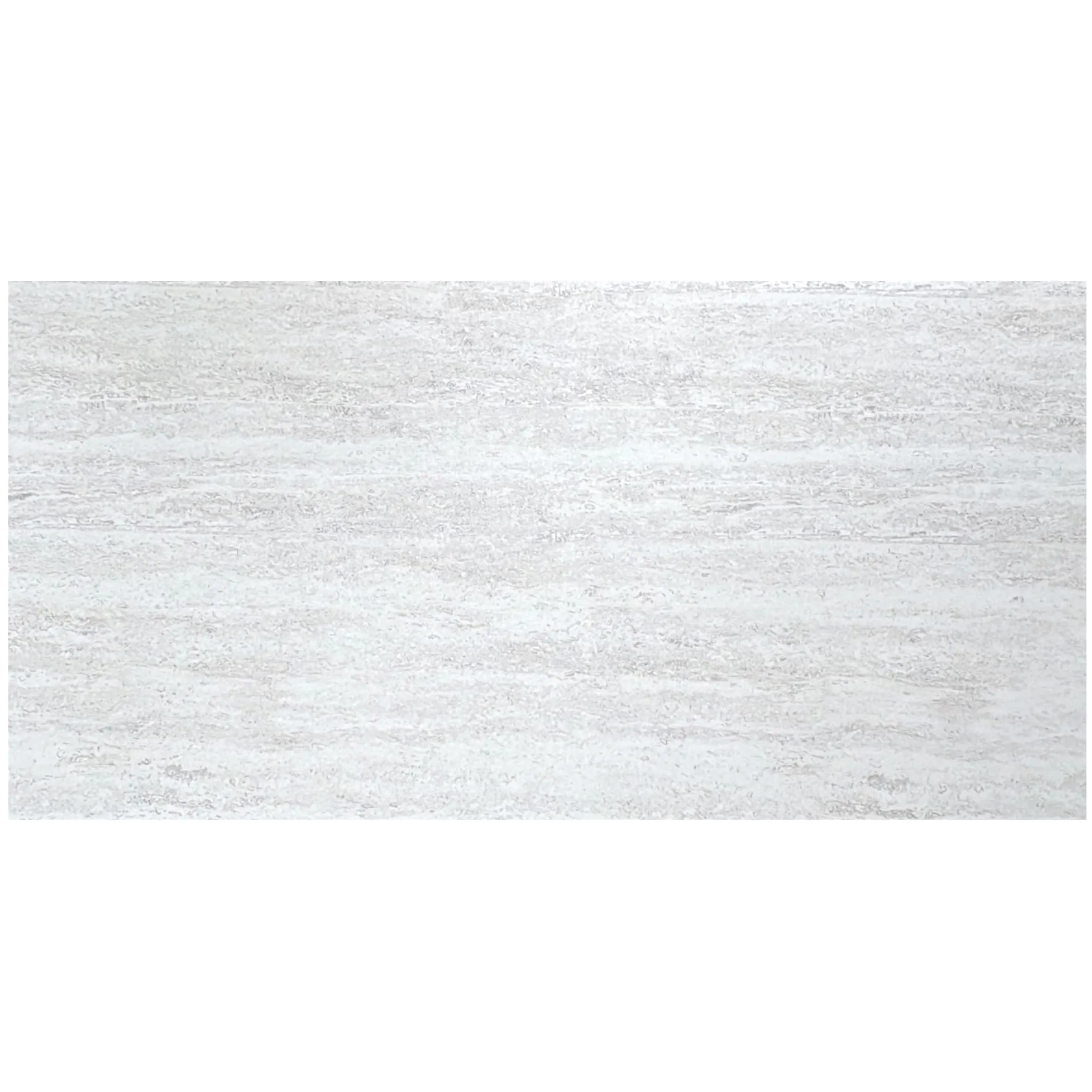
You've spent weeks obsessing over every detail of your home renovation. The paint swatches are finally chosen, the fixtures are on backorder (but worth the wait), and the centerpiece—Ethereal Shadow Travertine tiles for the living room floor—has just arrived. Unpacking them, you run a hand over the surface: soft, cool to the touch, with a muted gray base that shimmers faintly under the light, like moonlight on wet stone. The veins, thin and wispy, carry hints of taupe and lavender, as if the stone itself holds a secret of dawn and dusk. It's perfect. Then the contractor texts: "Grout color—what's your call?" Suddenly, that excitement hits a pause. Grout, you realize, isn't just a practical detail. It's the invisible thread that either weaves your travertine into a cohesive masterpiece or turns it into a jumble of disconnected tiles. Let's talk about how to get it right.
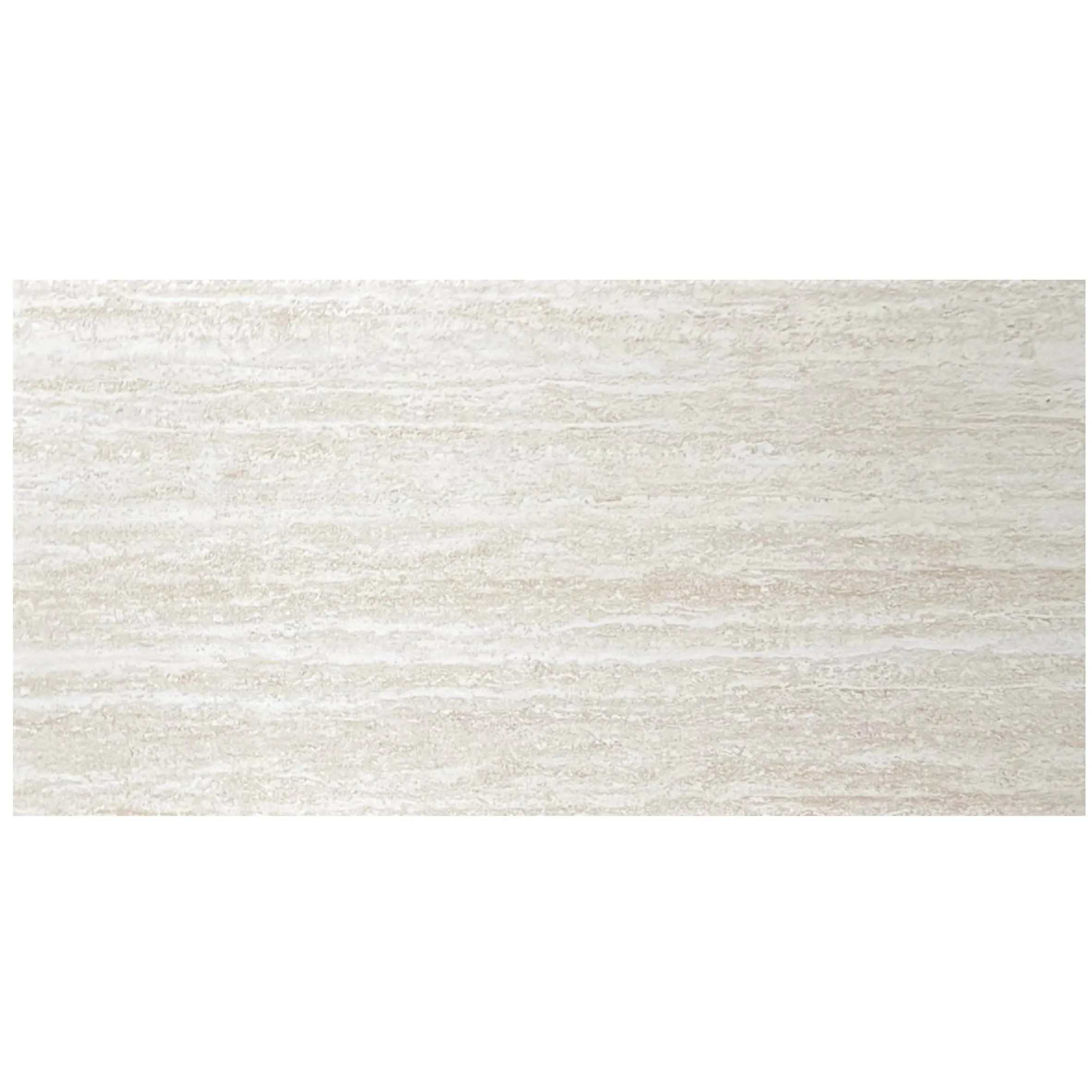
Before diving into grout colors, it helps to understand what makes Ethereal Shadow Travertine unique. Unlike bold marbles or uniform ceramics, this stone is a study in subtlety. Its surface, smooth yet gently pitted (a hallmark of travertine's natural formation), tells a story of mineral deposits and time. The base color leans toward a soft, medium gray—think storm clouds just before rain, not the harsh charcoal of a winter night. What truly sets it apart, though, are the undertones: streaks of taupe that warm up the gray, tiny flecks of iridescence that catch the light, and veins so delicate they look like brushstrokes from a watercolor painting.
It's no wonder designers love it for spaces where calm meets character. A bathroom clad in Ethereal Shadow Travertine feels like a spa retreat; a kitchen backsplash turns meal prep into a moment of quiet luxury. But here's the thing: those soft nuances mean grout color can either amplify its beauty or drown it out. Choose too bright, and you'll create a grid that distracts from the stone's flow. Choose too dark, and you might lose the travertine's airy, "ethereal" quality. So how do you strike that balance?
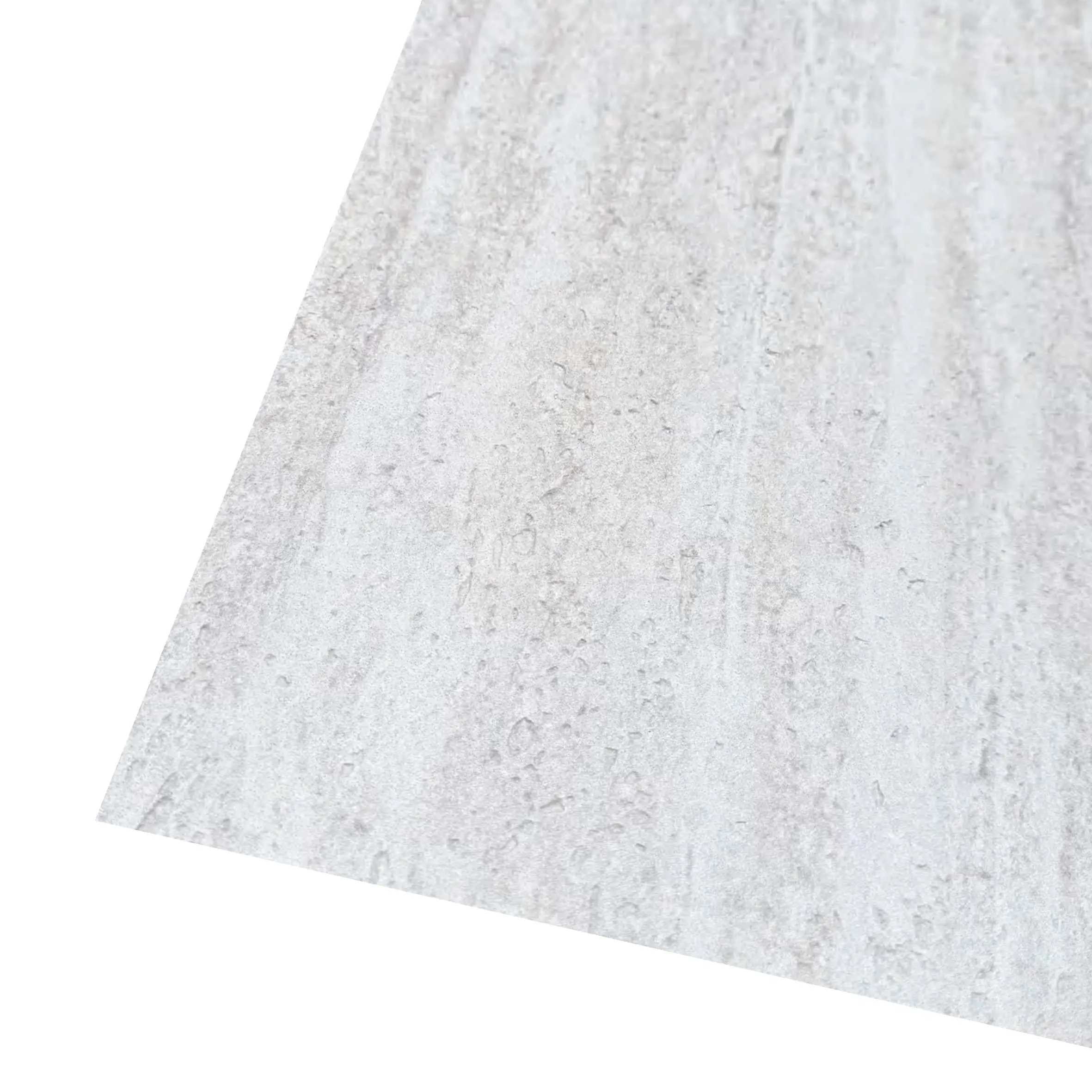
Grout isn't just glue for tiles—it's a design tool. When working with Ethereal Shadow Travertine, three factors matter most: undertones, texture, and function. Let's break them down.
Ethereal Shadow Travertine's gray base isn't "just gray." Hold a tile up to natural light, and you might spot hints of green, blue, or even pink (yes, really—travertine's mineral composition can surprise you). The grout you choose should either mirror these undertones (for a seamless look) or complement them (to add depth without clashing). For example, if your tiles have warm taupe undertones, a grout with beige or soft brown hints will feel more "connected" than a stark white. Conversely, if there's a cool blue tinge, a grout with gray-blue undertones could enhance that subtlety.
Ethereal Shadow Travertine often comes with a honed or slightly tumbled finish—think matte, not glossy. Grout texture should follow suit. Sanded grout (with tiny abrasive particles) is great for wider grout lines (1/8 inch or more) because it holds shape better, but its rough texture can clash with the travertine's softness if overdone. Unsanded grout, smoother and more, works well for narrow lines (1/16 to 1/8 inch), letting the stone's texture take center stage. Pro tip: If you're using MCM Flexible Stone (a lightweight, versatile alternative to traditional travertine), its slimmer profile often calls for unsanded grout to keep the look streamlined.
Let's get real: a bathroom floor or kitchen backsplash sees spills, foot traffic, and moisture. Light-colored grouts show stains more easily, while dark grouts can fade or discolor with harsh cleaners. Ethereal Shadow Travertine's neutral palette gives you flexibility here, but it's worth weighing aesthetics against practicality. A homeowner in a busy household with kids? Maybe lean toward a mid-tone grout that hides dirt but still complements the stone. A boutique hotel lobby aiming for luxury? A lighter, almost invisible grout might be worth the extra maintenance.
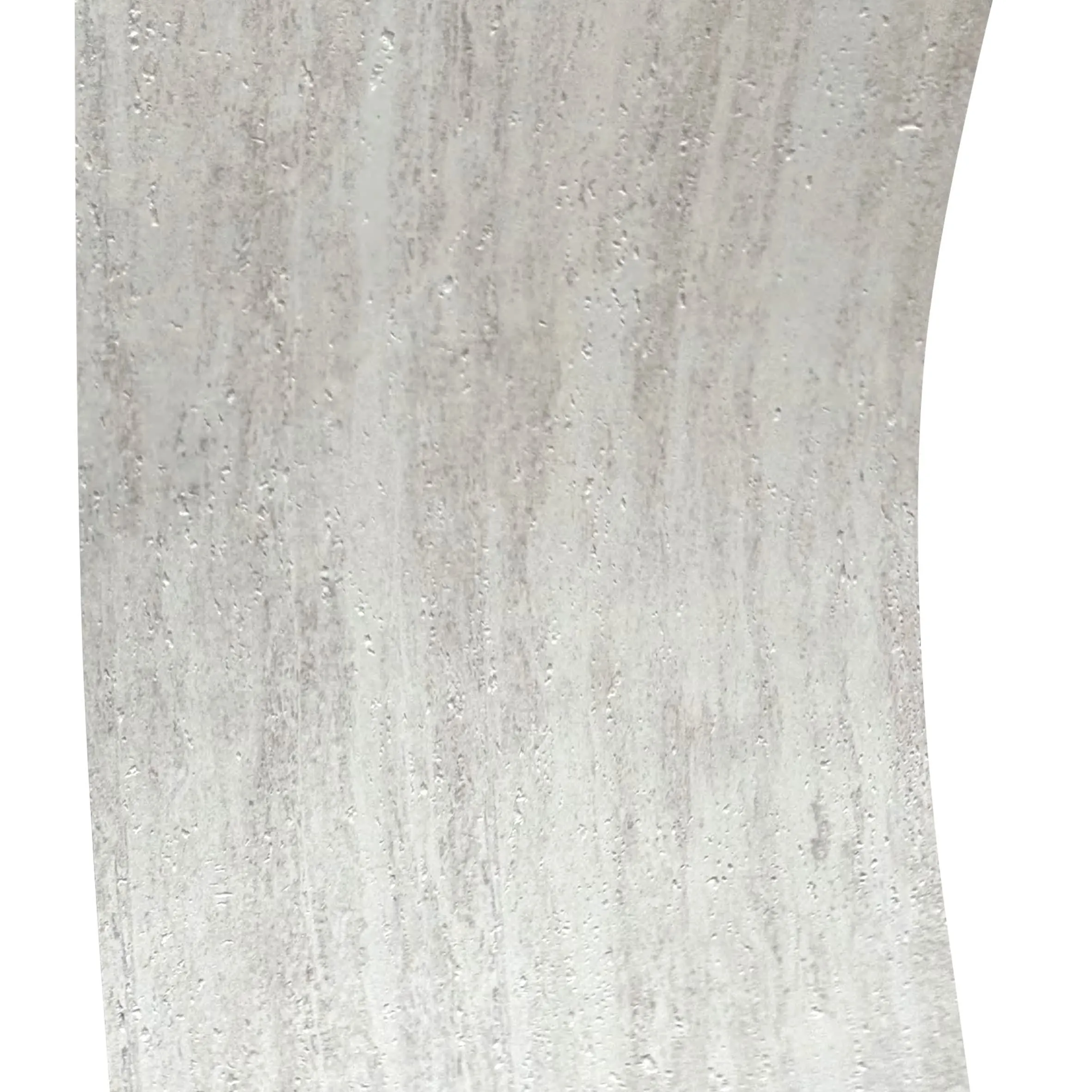
Now, let's get to the fun part: color ideas. Below are tried-and-true grout shades that work with Ethereal Shadow Travertine, plus how to use them. We've even included a few unexpected twists for bold designers.
| Grout Color | Undertone | Best For... | Design Vibe |
|---|---|---|---|
| Soft Gray (Warm Taupe Base) | Warm gray, beige | Ethereal Shadow with taupe veins | Cozy, earthy, seamless flow |
| Slate Gray (Cool Blue-Gray) | Cool gray, subtle blue | Ethereal Shadow with blue iridescence | Modern, serene, spa-like |
| Off-White (Creamy Ivory) | Warm white, soft yellow | Ethereal Shadow in bright, airy spaces | Light, open, expands small rooms |
| Charcoal (Deep Gray-Black) | Dark gray, near-black | Dramatic contrast, statement walls | Bold, industrial, high-contrast |
| Sage Green (Muted Olive) | Soft green, gray | Ethereal Shadow with green undertones | Organic, nature-inspired, unexpected |
If you want your Ethereal Shadow Travertine to look like a single, flowing stone slab, this is your go-to. A soft gray grout with warm taupe undertones (think "greige") blends into the tile's base color, making grout lines almost disappear. It's perfect for large spaces—like a living room floor or open-concept kitchen—where you want the travertine to feel expansive, not fragmented. Designer Maria Gonzalez swears by this combo for her coastal clients: "Ethereal Shadow already has that beachy, weathered look. Warm gray grout lets it feel like the floor was carved from a single piece of stone, like something you'd find along the shore at low tide."
Ethereal Shadow Travertine's cool gray base pairs beautifully with grout that leans into its blue or green undertones. A slate gray with subtle blue-gray notes (not too dark, not too light) adds depth without overwhelming. This works wonders in bathrooms or bedrooms, where you want to evoke calm. Imagine a shower wall clad in Ethereal Shadow tiles, grouted with cool slate gray: the space feels like a misty morning in the mountains, where stone and sky blur into one. For extra flair, pair it with brass fixtures— the warm metal pops against the cool grout and travertine, creating a balanced, luxe look.
Small bathroom? Dark hallway? Off-white grout can be a game-changer. Ethereal Shadow Travertine's gray can read "heavy" in low light, but a creamy ivory grout reflects brightness, making the space feel larger. Just be cautious: pure white grout (think "stark hospital white") can create a harsh contrast, making the travertine's pitting and veins look messy. Opt for off-white with a hint of yellow or beige—something that feels warm, not clinical. Designer Jake Lin used this trick in a 50-square-foot powder room: "The client was worried Ethereal Shadow would make the space feel cramped. We went with off-white grout and added a large mirror, and now it's the most talked-about room in their house—bright, but still rich with texture."
Not all grout has to blend in. For accent walls, fireplace surrounds, or commercial spaces (think restaurants or boutique lobbies), charcoal grout can turn Ethereal Shadow Travertine into art. The deep gray-black lines outline each tile, creating a geometric pattern that highlights the stone's unique veining. It's bold, but it works—especially if the travertine has striking, contrasting veins. Just a word of caution: charcoal grout shows dust and lint more than lighter shades, so save it for low-traffic areas or spaces where you don't mind a little extra cleaning. As one contractor put it: "Charcoal grout with Ethereal Shadow is like putting a frame around a painting. It makes every tile feel intentional."
Here's the wildcard: sage green grout. If your Ethereal Shadow Travertine has subtle green undertones (hold it next to a leaf—you might be surprised), a muted olive grout can bring them to life. It's unexpected, but it works beautifully in spaces that embrace biophilic design—think sunrooms, indoor gardens, or bedrooms with lots of plants. Designer Lila Patel used this combo in a client's home office: "The walls are Ethereal Shadow Travertine, grouted in sage green, and we paired it with wooden desk and potted fiddle-leaf fig. It feels like working in a forest clearing—calm, creative, and totally unique."
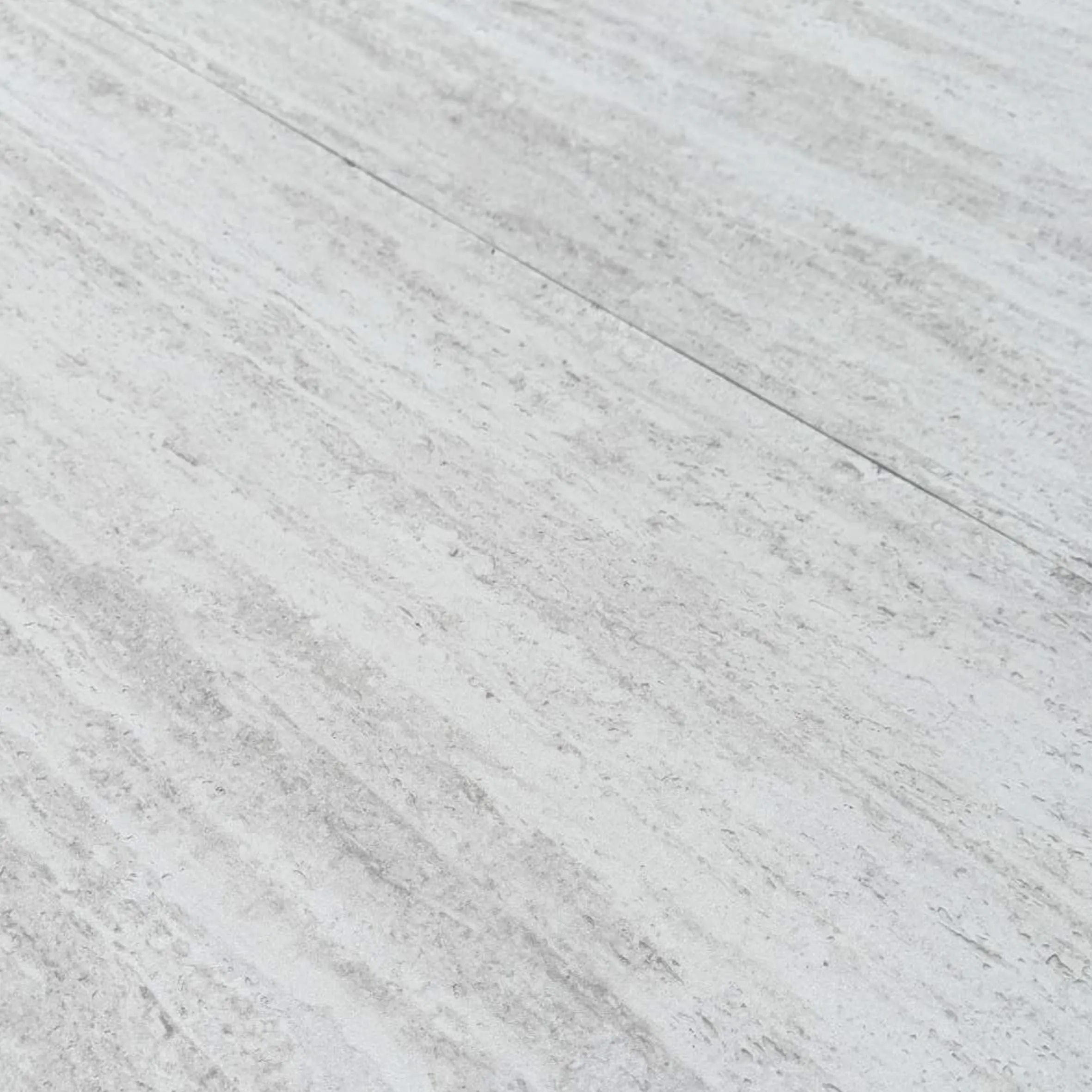
To truly understand how grout transforms Ethereal Shadow Travertine, let's step into a few real-world projects. These designers and homeowners took risks, learned lessons, and ended up with spaces that feel uniquely theirs.
When Mark and Elena renovated their master bathroom, they fell in love with Ethereal Shadow Travertine for the shower walls and floor. "We wanted something that felt luxurious but not cold," Elena says. "The travertine's soft gray and iridescence reminded us of the stone baths we saw in Italy." Their first instinct? White grout, to keep the space bright. But during the sample test (always test samples!), they noticed the white made the travertine's taupe veins look "choppy." They switched to a warm soft gray grout, and the difference was night and day. "Now, the shower feels like a single slab of stone," Mark says. "The grout lines are there, but you don't notice them—you just notice how calm the space feels." They finished the look with a freestanding tub and brass fixtures, and now, "we spend way more time in there than we should," Elena laughs.
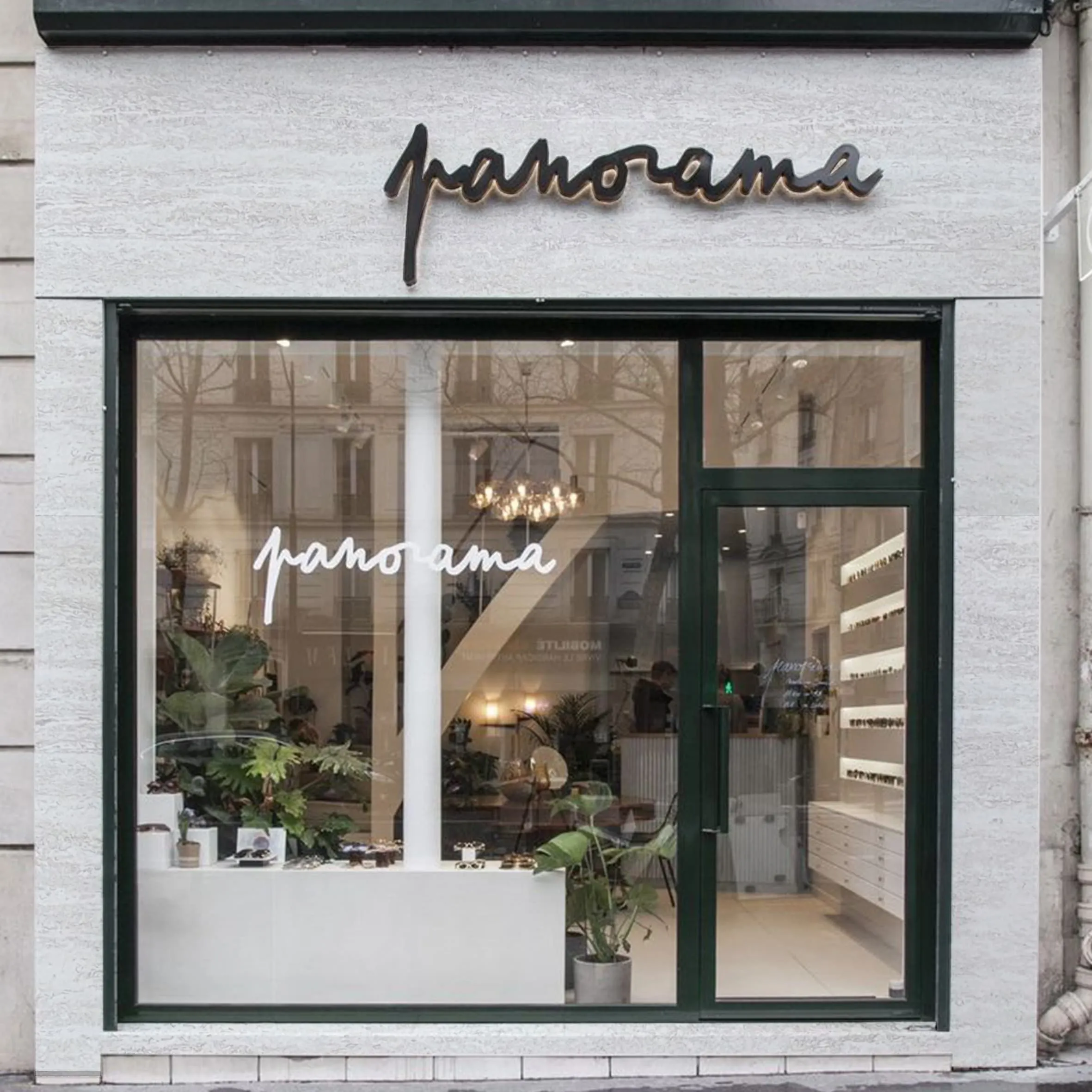
In downtown Portland, a new café called "Stone & Steam" wanted to stand out from the sea of minimalist coffee shops. Designer Carlos Mendez chose Ethereal Shadow Travertine for the accent wall behind the counter, paired with Travertine (Starry Green) for the bar front—a bold choice, given Starry Green's deeper, more saturated hue. "Starry Green has these flecks of emerald that look like moss on stone," Carlos explains. "I needed a grout that would tie both travertines together without competing." He landed on a slate gray grout with cool blue undertones. "It complements Ethereal Shadow's gray and Starry Green's depth, and the contrast makes the whole wall pop—customers can't stop taking photos of it." The result? A space that feels both industrial and inviting, with grout that acts as the "glue" between two distinct stones.
Outdoor spaces bring their own grout challenges—moisture, temperature swings, and dirt. When landscape designer Mia Wong used Ethereal Shadow Travertine for a client's patio, she knew durability was key. "The client wanted the patio to feel like an extension of their backyard, not a separate 'tile area,'" Mia says. She chose a warm soft gray grout with added sealant (critical for outdoor use) and mixed in a few Travertine (Starry Blue) tiles as accents. "Starry Blue has these subtle blue flecks that echo the sky, and the warm gray grout makes them feel like they're 'floating' in the Ethereal Shadow. Now, when you step outside, the patio looks like it's always been there—like the stones were gently placed by nature, not installed by a crew."
Even the best designers learn through trial and error. Here are a few pro tips to ensure your Ethereal Shadow Travertine grout job is a success.
Never choose grout based on a swatch alone. Buy a small sample of your chosen grout, mix it, and apply it to a spare Ethereal Shadow tile. Let it dry completely (grout dries darker than it looks wet!), then view it in natural light, artificial light, and even candlelight (if it's a moody space). "I once had a client who picked a grout based on the store's fluorescent lights, and when we installed it, it looked purple in their kitchen's warm pendant light," designer Sarah Chen recalls. "Testing in your space is non-negotiable."
Travertine is porous, and grout is too—especially light-colored grout. Invest in a high-quality sealer to protect against stains, mold, and mildew. For Ethereal Shadow Travertine, opt for a penetrating sealer that won't change the stone's appearance. "A good sealer is like sunscreen for your grout," says contractor Mike Torres. "Skip it, and that beautiful soft gray grout will turn pink from wine spills or yellow from oil before you know it."
Grout lines aren't one-size-fits-all. A narrow line (1/16 inch) creates a seamless look, while a wider line (1/4 inch) adds texture and can make tiles feel more intentional. Ethereal Shadow Travertine's irregular edges (a natural travertine trait) often look best with slightly wider grout lines (1/8 to 1/4 inch) to hide minor inconsistencies. "Wider grout lines also let the grout color shine—if you're going for a bold charcoal or sage green, a little extra width makes the design choice feel intentional," Sarah adds.
Ethereal Shadow Travertine is more than a building material—it's a canvas. And grout? It's the brushstroke that brings that canvas to life. Whether you choose to blend in with soft gray, contrast with charcoal, or surprise with sage green, the key is to honor the stone's unique character. Remember: the best grout color is the one that makes you pause, smile, and think, "Yes—this feels like home."
So the next time you're standing in front of that stack of Ethereal Shadow Travertine tiles, excited to transform your space, take a deep breath. Grout might feel like a small detail, but it's the detail that turns a "good" design into a "wow" design. And when you get it right? You'll have a space that tells a story—one where stone, light, and color flow together, seamlessly.
Recommend Products












