
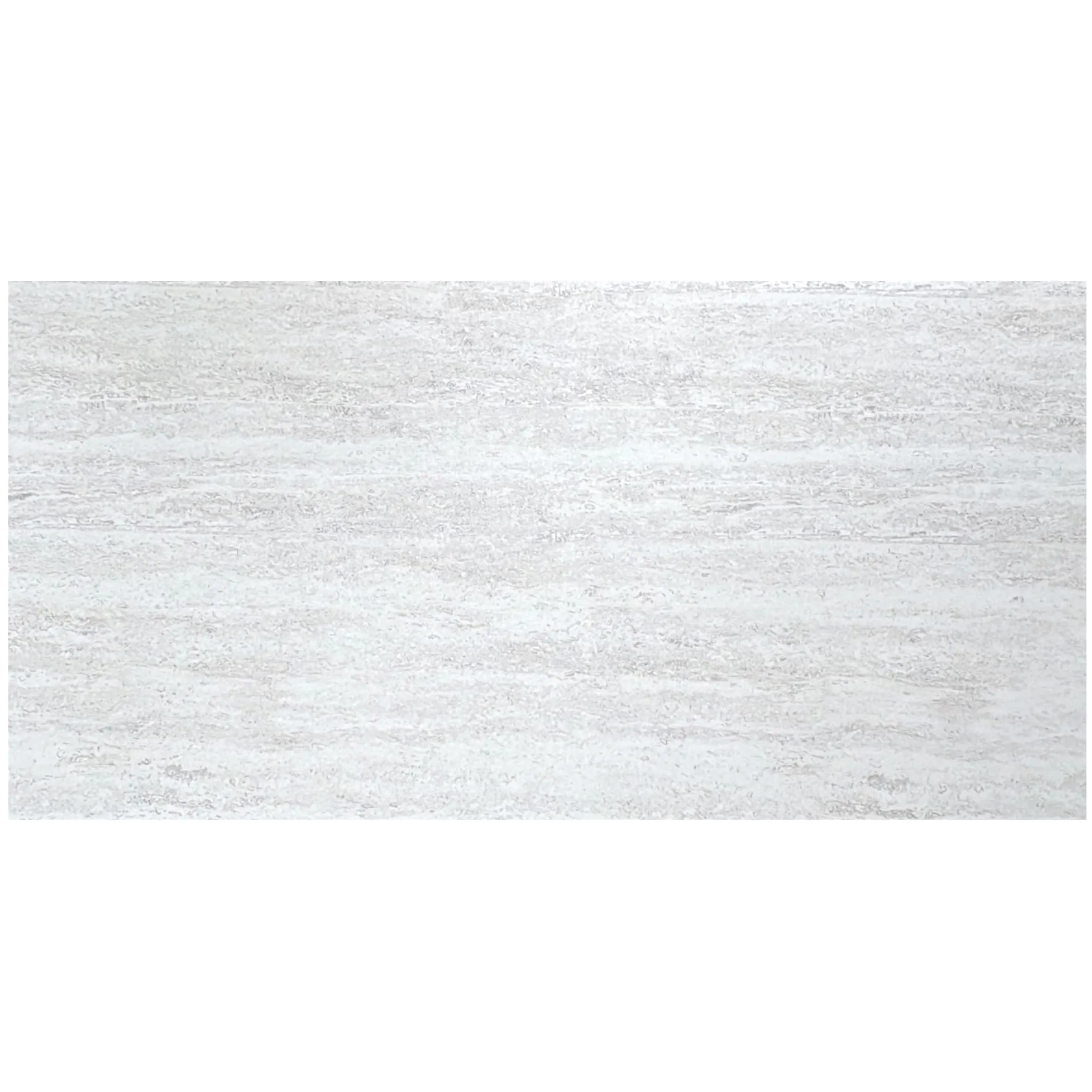
Walk into any modern commercial space today, and you'll notice something subtle but powerful: the walls, floors, and surfaces aren't just there to "be"—they're telling a story. Designers and architects have long known that materials are the unsung heroes of spatial narrative, and in recent years, one material has risen to the forefront of this conversation: ethereal shadow travertine . With its delicate veining, soft color palette, and almost otherworldly texture, it's become a favorite for spaces that aim to feel both grounded and dreamlike. But what makes it truly special? How does it play with other materials? And what happens when you pair it with innovations like MCM flexible stone or classics like fair-faced concrete ? Let's dive in.
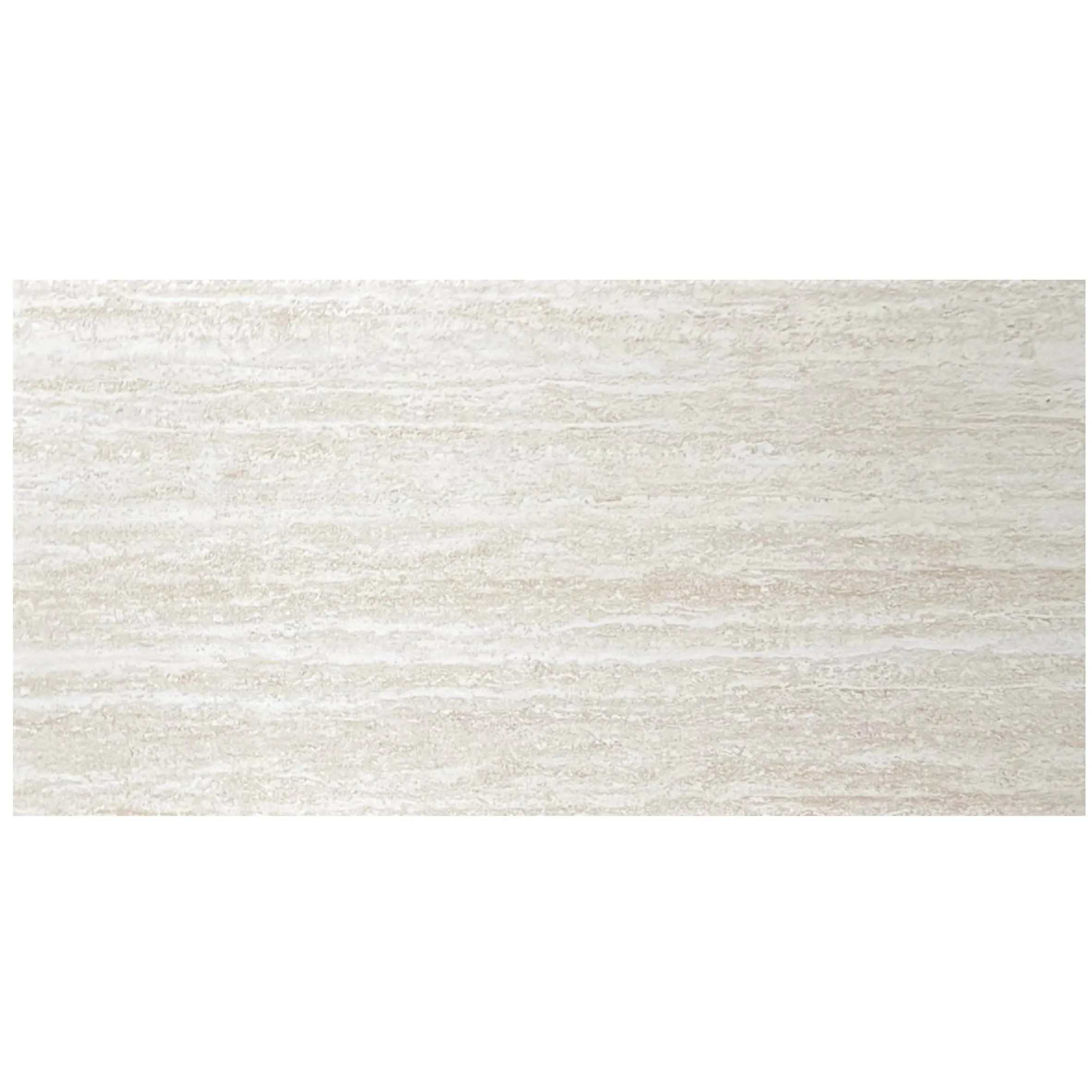
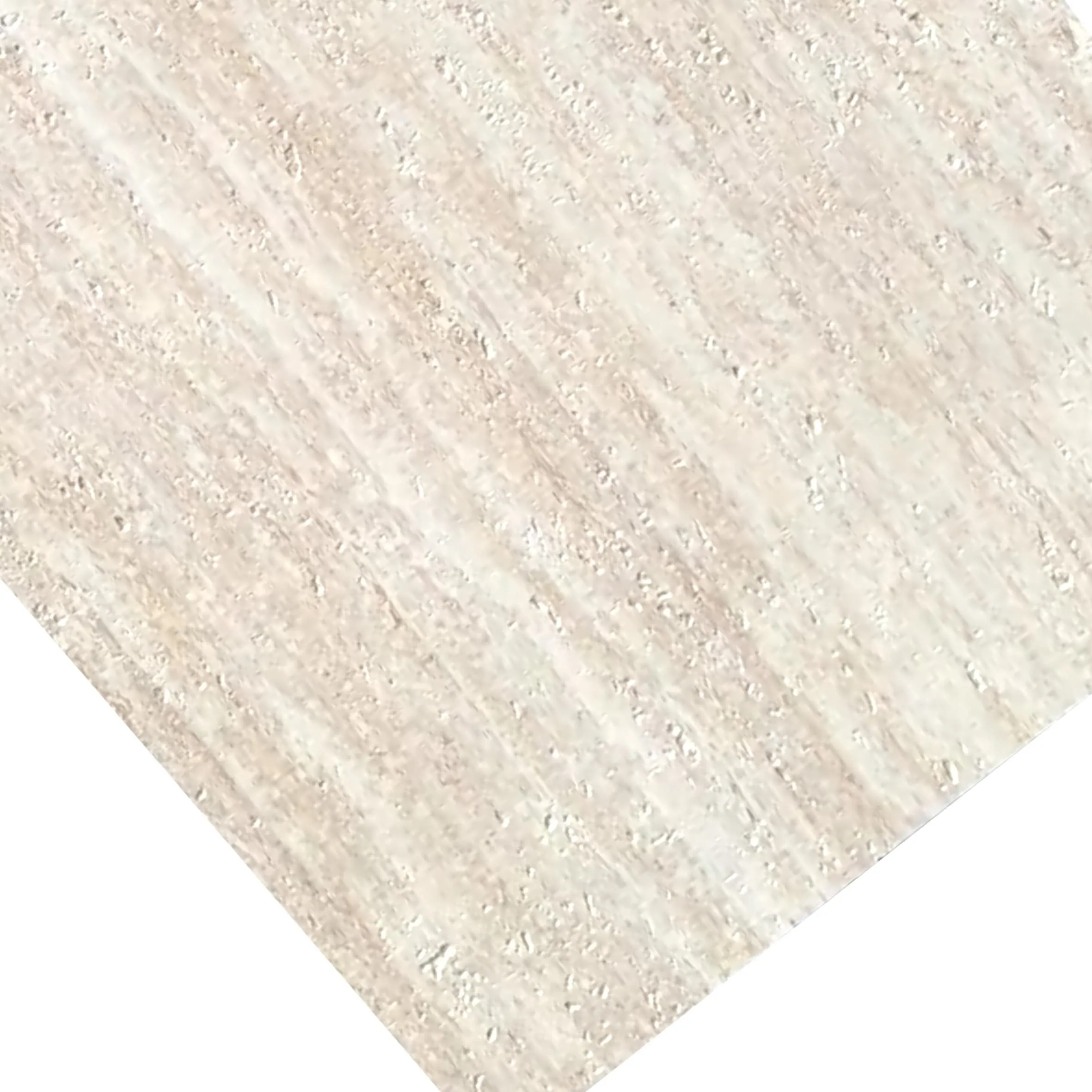
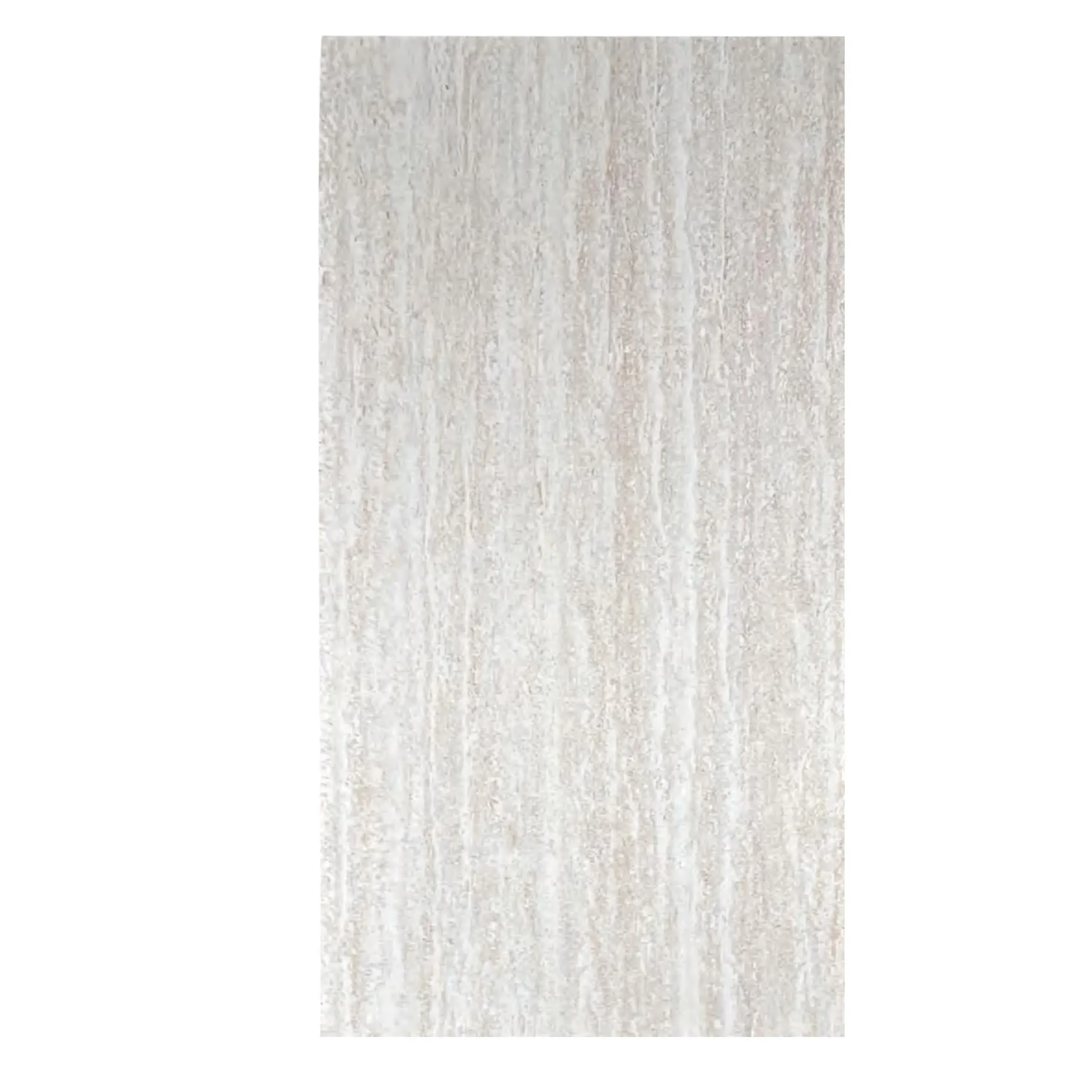
First things first: travertine itself is a form of limestone, born from mineral-rich hot springs. It's been used for centuries—think the Colosseum in Rome or the ancient baths of Turkey—but ethereal shadow travertine isn't your grandmother's stone. Picture a canvas of soft, muted gray, swirled with whispers of silver and cream, like smoke caught mid-dance. Its surface is gently pitted, not rough, with a tactile quality that invites touch. Run a hand over it, and you'll feel the faint ridges of its natural formation, a reminder of the earth's slow, patient artistry.
But what sets it apart in commercial design? Versatility. Unlike some marbles or granites that demand a "formal" setting, ethereal shadow travertine bends to mood. It can feel serene in a spa, sophisticated in a boutique, or bold in a tech startup's lobby. And thanks to modern manufacturing, it's now available in formats that make installation a breeze—including as part of the MCM flexible stone series. For the uninitiated, MCM (Modified Composite Material) flexible stone is a game-changer: it takes the look and feel of natural stone but layers it onto a lightweight, bendable backing. That means you can wrap it around curves, install it on vertical surfaces without heavy structural support, or even use it for custom 3D accents—something traditional stone simply can't do.
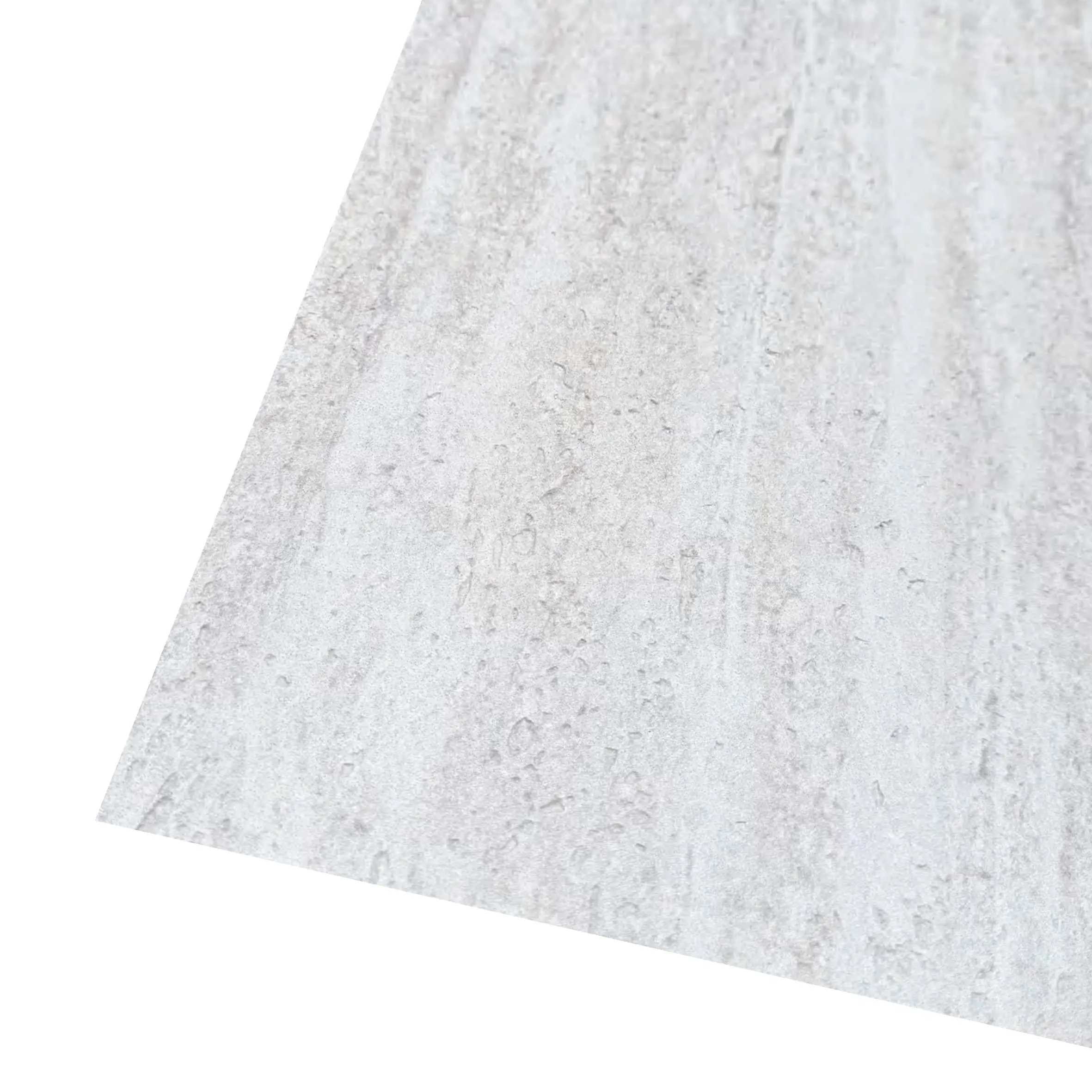
Great design is rarely about a single star—it's about the ensemble. Ethereal shadow travertine shines brightest when it's paired with materials that complement its softness or contrast with its texture. Let's talk about a few favorites:
Fair-faced concrete : Raw, industrial, and unapologetically bold, fair-faced concrete is the perfect counterpoint to travertine's elegance. Imagine a lobby where ethereal shadow travertine clads the reception desk, its veining catching the light, while fair-faced concrete walls rise behind it, adding a touch of urban edge. The combination feels modern but not cold—like a poem written in stone and steel.
Lunar Peak Silvery : Part of the Lunar Peak series (which also includes golden and black variants), Lunar Peak Silvery is a metallic-finished stone that adds a hint of glamour. Use it as an accent—say, a strip of Lunar Peak Silvery running horizontally across an ethereal shadow travertine wall, or as the base of a coffee table in a lounge. It's subtle, but it catches the light in a way that makes the travertine's veining pop, like stars in a gray sky.
Bali Stone : If you want to lean into organic texture, Bali Stone is your match. With its rough, uneven surface and warm, earthy tones, it feels like a piece of the Indonesian coast plucked straight from the beach. Pair it with ethereal shadow travertine in a restaurant, where Bali Stone lines the lower half of a wall and travertine takes the upper—suddenly, the space feels grounded yet airy, like dining with one foot in the forest and the other in a cloud.
Wood Grain Board : For warmth, nothing beats wood. Wood Grain Board (think rich, honeyed tones with visible grain) softens the coolness of travertine, making spaces feel inviting. A hotel lobby with ethereal shadow travertine floors and wood grain board paneling on the ceiling? It's like stepping into a cabin in the mountains, but with a luxury upgrade.
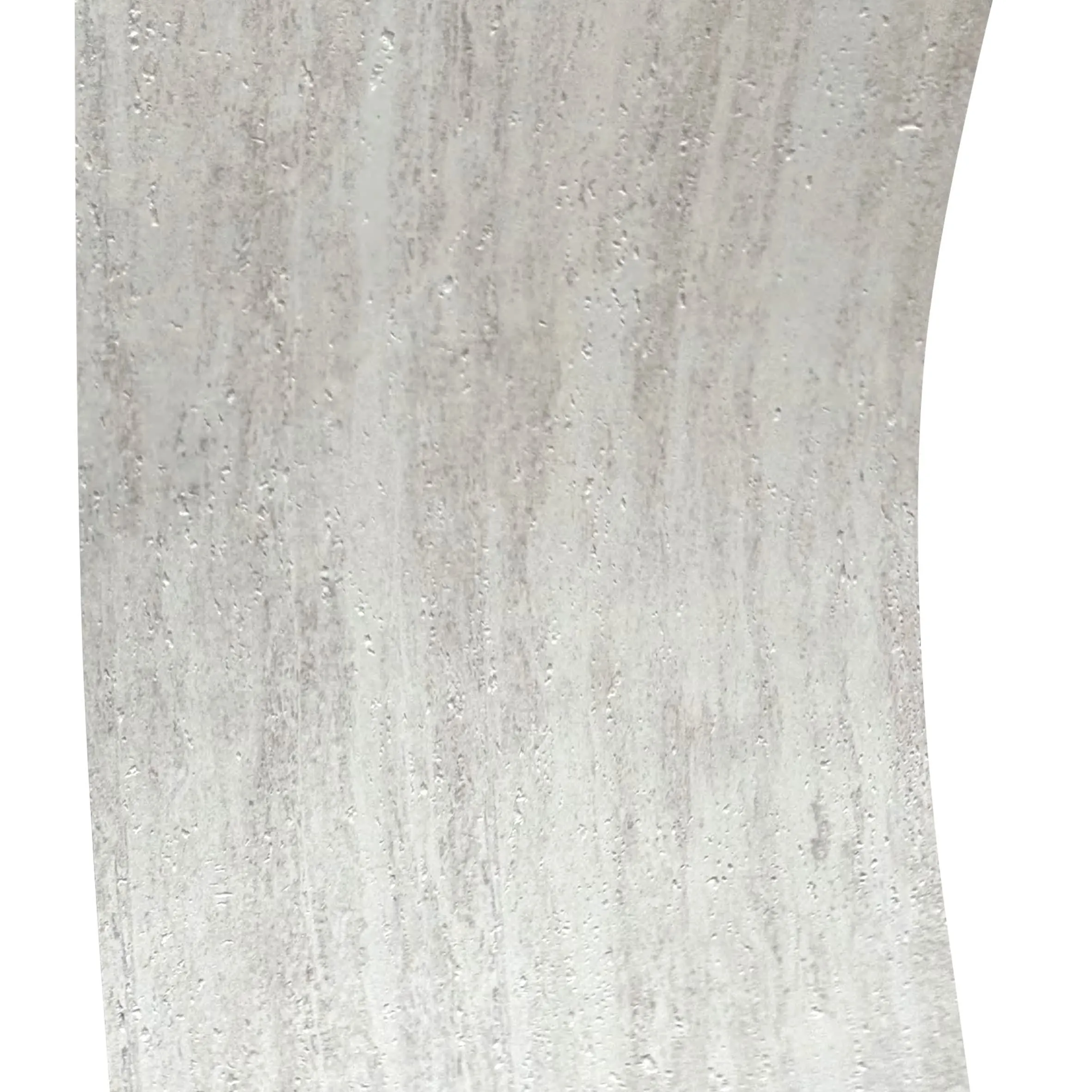
Let's start with a project that leans into ethereal shadow travertine's softer side: The Azure, a 30-room boutique hotel in coastal California. The design brief? "Create a space that feels like a high-end retreat, but not intimidating—where guests want to linger, not just sleep."
The lobby is the heart of the hotel, and here, ethereal shadow travertine takes center stage. The feature wall behind the reception desk is clad in large slabs of the stone, bookended by vertical strips of Lunar Peak Silvery that catch the morning light streaming through floor-to-ceiling windows. The reception desk itself is a masterpiece: a seamless slab of ethereal shadow travertine, its surface polished just enough to glow, paired with a base of wood grain board stained a warm walnut. The contrast is striking—cool stone meets warm wood, creating a balance that feels both elevated and homey.
But the real magic is in the lounge area, just off the lobby. Here, the designers used MCM flexible stone (in ethereal shadow, of course) to create a curved banquette backdrop. Because MCM is flexible, they were able to shape it into a gentle arch, wrapping around the seating like a hug. The effect? Guests sink into plush velvet couches, surrounded by the stone's soft texture, and suddenly, the lobby doesn't feel like a "transit space"—it feels like a destination. "We wanted people to order a coffee and stay for hours," says lead designer Mia Chen. "Ethereal shadow travertine made that possible. It's calm, but it's not boring. There's always something new to notice—the way the light shifts, the little pits in the stone, the way it plays with the wood and metal accents."
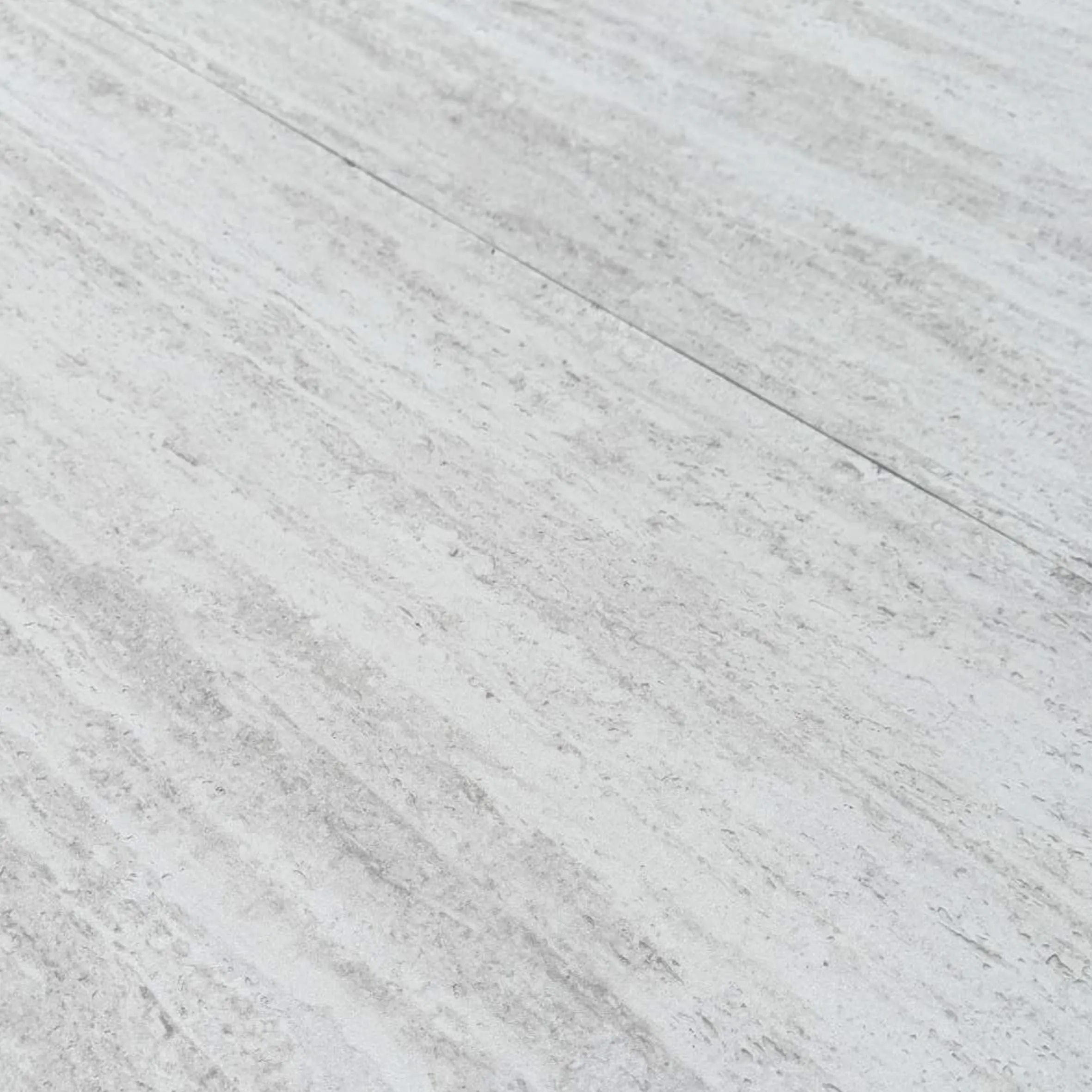
Now, let's shift gears to a space with a very different vibe: the main lobby of Nexus, a 40-story office tower in downtown Chicago. The client, a tech firm, wanted a space that screamed "innovation" but didn't feel sterile. "We needed to balance professionalism with creativity," explains project architect Raj Patel. "No one wants to work in a white box anymore."
The solution? Ethereal shadow travertine floors, laid in large, seamless slabs that stretch from the entrance to the elevator banks. The stone's cool gray base sets a sophisticated tone, while its veining adds movement—like a river running through the space. To keep things from feeling too "cold corporate," the designers paired it with fair-faced concrete walls, their raw texture adding depth, and accents of Bali Stone in the elevator alcoves. Bali Stone, with its rough, almost primitive surface, introduces a touch of the organic, grounding the high-tech energy of the tower.
But the most innovative use? The ceiling. The team wanted a focal point that would draw the eye upward, emphasizing the lobby's 20-foot height. Enter MCM flexible stone again—this time, cut into geometric panels and arranged in a staggered pattern. Because MCM is lightweight, they could suspend the panels from the ceiling without adding heavy structural support, creating a 3D installation that looks like floating stone clouds. "Ethereal shadow travertine was the obvious choice here," Patel says. "It's neutral enough to not clash with the concrete, but its texture adds visual interest. Employees tell us they love walking through the lobby in the morning—it feels energizing, not draining."
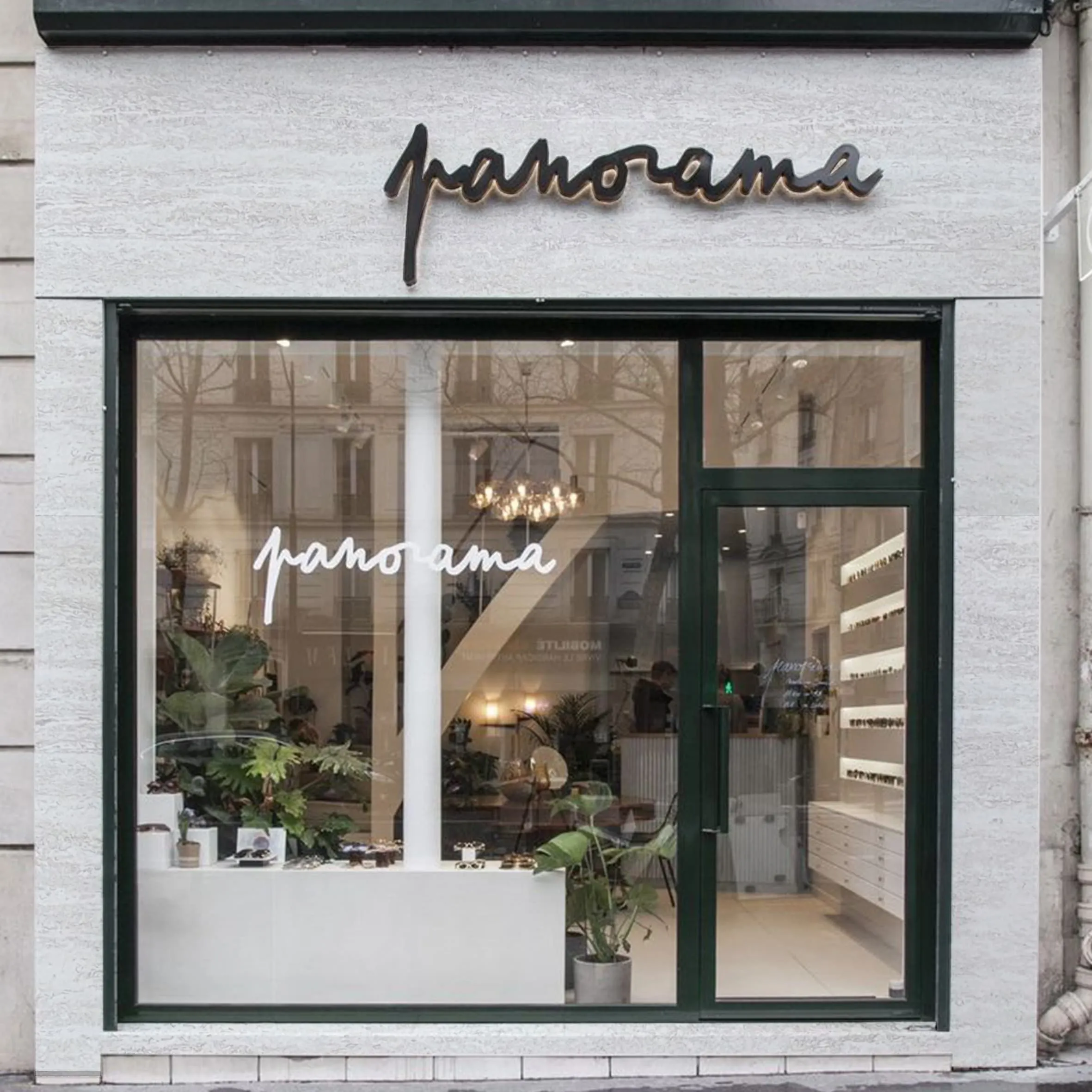
High-end retail is no longer just about selling products—it's about selling an experience. Lumina, a luxury skincare brand, wanted their flagship store in New York to feel like a "spa for the senses," where customers would linger, test products, and connect with the brand's ethos of "natural luxury." Ethereal shadow travertine was the foundation of that vision.
The store's front facade is a statement: floor-to-ceiling glass, framed by lunar peak silvery panels that shimmer like moonlight. Inside, the walls are clad in ethereal shadow travertine, its soft gray hue creating a blank canvas for the brand's minimalist product displays. The product shelves are custom-made from MCM flexible stone (ethereal shadow, again), curved to mimic the shape of a wave. "We wanted the shelves to feel like they're floating," says store designer Carlos Mendez. "MCM let us do that—no clunky brackets, just stone that seems to defy gravity."
But the star of the show is the treatment room, tucked at the back of the store. Here, the designers went all in: walls wrapped in ethereal shadow travertine, a floor of polished fair-faced concrete , and a feature wall made of Bali stone in warm terracotta. The result? A space that feels both luxurious and earthy, like a private oasis in the middle of the city. "Customers come in for a 15-minute sample facial and end up booking a full treatment," Mendez laughs. "Ethereal shadow travertine sets the mood. It's calm, it's pure, and it makes you want to slow down."
| Project | Design Goal | Ethereal Shadow Travertine Use | Complementary Materials | Key Outcome |
|---|---|---|---|---|
| The Azure Boutique Hotel | Create a welcoming, lingering lobby | Feature wall, reception desk, curved banquette backdrop (MCM flexible stone) | Lunar Peak Silvery, Wood Grain Board | Guests spend 30% more time in the lobby than average boutique hotels |
| Nexus Office Tower | Balance innovation with warmth in a corporate lobby | Floors, 3D ceiling panels (MCM flexible stone) | Fair-faced concrete, Bali Stone | Employee satisfaction scores for "work environment" increased by 22% |
| Lumina Retail Flagship | Blend luxury with natural calm in a retail space | Walls, custom product shelves (MCM flexible stone) | Lunar Peak Silvery, Bali Stone, Fair-faced concrete | Average customer increased by 45% post-renovation |
At the end of the day, materials are about emotion. Ethereal shadow travertine doesn't just "look nice"—it makes people feel something. In the Azure Hotel, it's comfort. In Nexus Tower, it's inspiration. In Lumina, it's calm. So why does it have this effect?
Part of it is biology. Humans are hardwired to respond to natural materials. Studies show that spaces with stone, wood, or other earthy elements reduce stress and increase focus—something designers and business owners are increasingly prioritizing. But ethereal shadow travertine takes it a step further. Its soft color palette is easy on the eyes, avoiding the harshness of bright whites or the heaviness of dark marbles. Its texture is inviting, not intimidating—you don't feel like you need to "be careful" around it. And its veining, with its organic, unpredictable pattern, sparks curiosity. Our brains love a little mystery, and ethereal shadow travertine has that in spades.
Then there's the practical side. Commercial spaces need materials that can handle traffic, spills, and the test of time. Ethereal shadow travertine delivers. It's durable, stain-resistant (when sealed properly), and easy to maintain—no fancy cleaners required, just a damp cloth. And with MCM flexible stone versions, installation and replacement are a breeze, saving time and money in the long run.
Ethereal shadow travertine isn't just a trend—it's a sign of where commercial design is headed: toward materials that are both beautiful and purposeful, that tell a story and adapt to the needs of modern spaces. When paired with innovations like MCM flexible stone, classics like fair-faced concrete, or complementary textures like Lunar Peak Silvery and Bali Stone, it becomes a tool for creating spaces that don't just function—they resonate.
So the next time you walk into a hotel lobby, an office, or a store and feel that subtle "wow" moment, take a closer look. Chances are, there's a material working behind the scenes—maybe even ethereal shadow travertine—quietly shaping how you feel, one vein, one texture, one beam of light at a time. And in a world that's always rushing, that's a gift worth celebrating.
Recommend Products












