
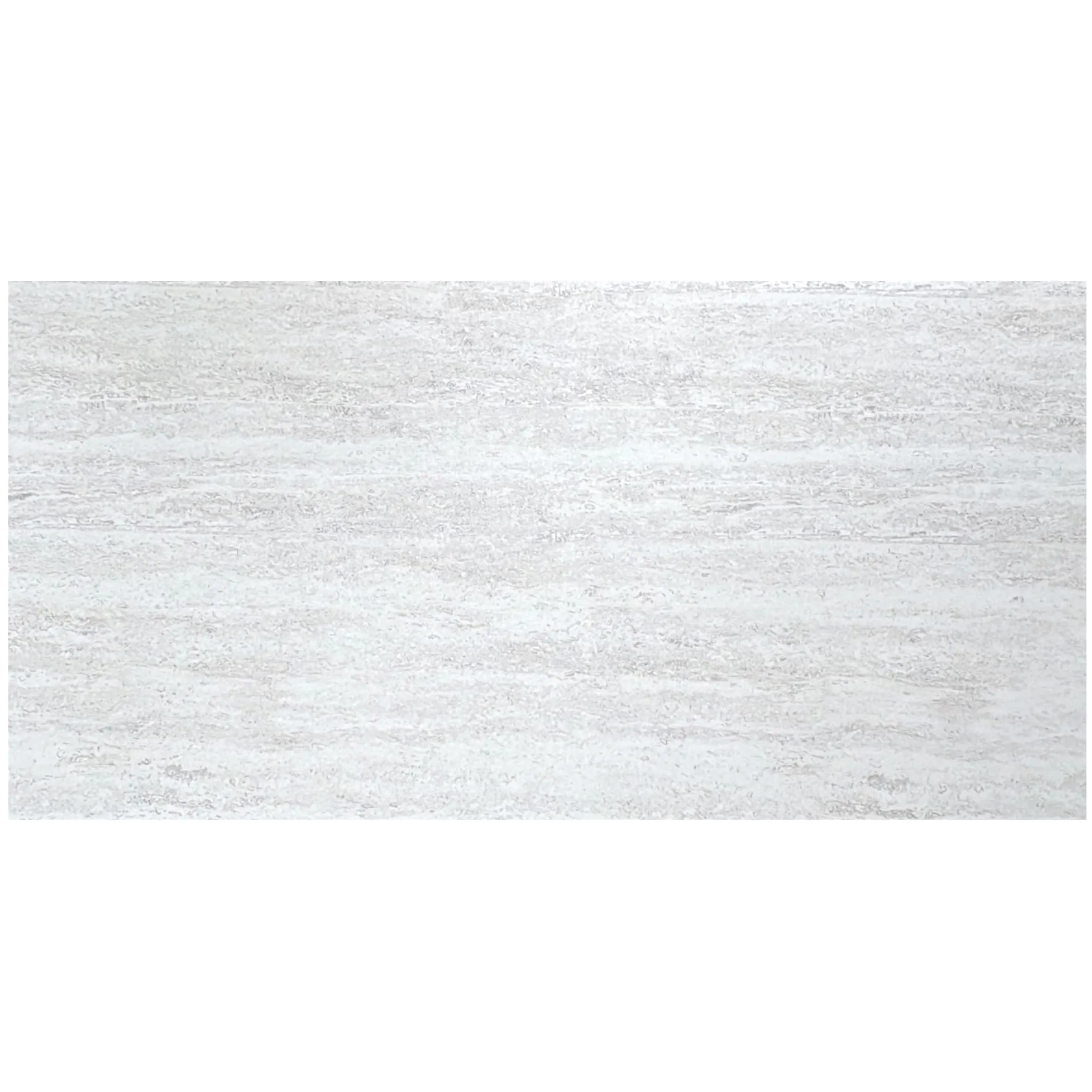
Walk through the streets of Jeddah's Al-Balad district, and you'll notice a quiet revolution unfolding in the city's architecture. Amidst the historic coral stone houses and modern glass skyscrapers, a new material is making its mark—one that bridges the gap between tradition and innovation. Ethereal Shadow Travertine, with its soft, muted tones and delicate veining, has become a favorite among Saudi architects and designers, not just for its beauty, but for the stories it tells. In a region where architecture is a language of identity, this stone speaks volumes about the Kingdom's journey: honoring its past while building a future that's bold, sustainable, and deeply rooted in local culture.
Saudi Arabia's relationship with natural stone is as old as its deserts. For centuries, builders relied on locally sourced materials—limestone from the Hijaz mountains, sandstone from the Najd plateau, and coral from the Red Sea—to construct everything from fortresses to mosques. These stones weren't just chosen for their availability; they were chosen for their ability to endure the harsh desert climate, their thermal properties that kept interiors cool under the scorching sun, and their symbolic weight. A stone wall wasn't just a barrier; it was a connection to the land, a testament to resilience.
Today, that legacy lives on, but with a modern twist. As Saudi Arabia embraces Vision 2030—a plan to diversify its economy and foster innovation—architects are reimagining traditional materials for contemporary spaces. Enter Ethereal Shadow Travertine. This variant of travertine, with its understated elegance, has emerged as a bridge between the Kingdom's architectural heritage and its ambitious future. It's not just a stone; it's a dialogue between the past and the present.
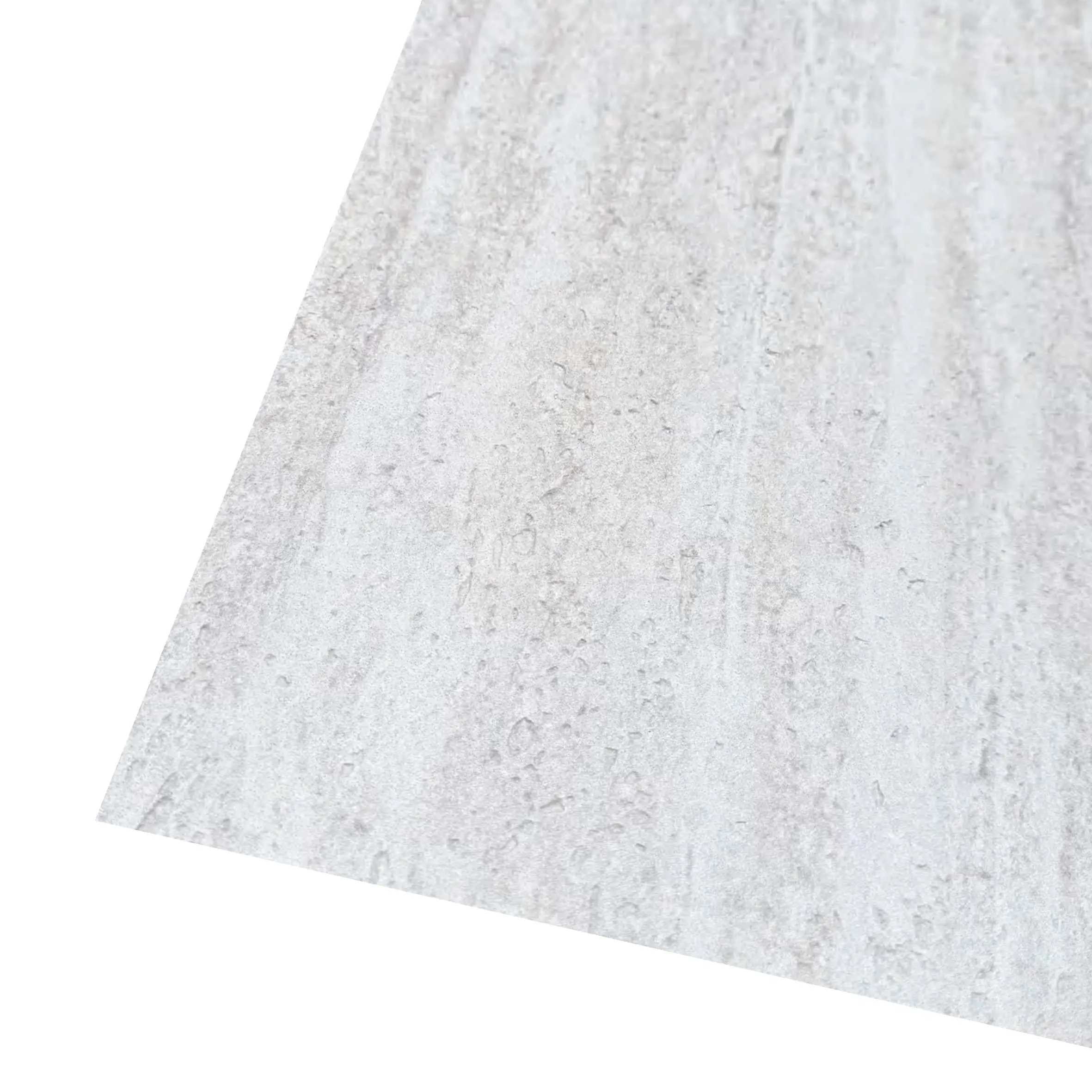
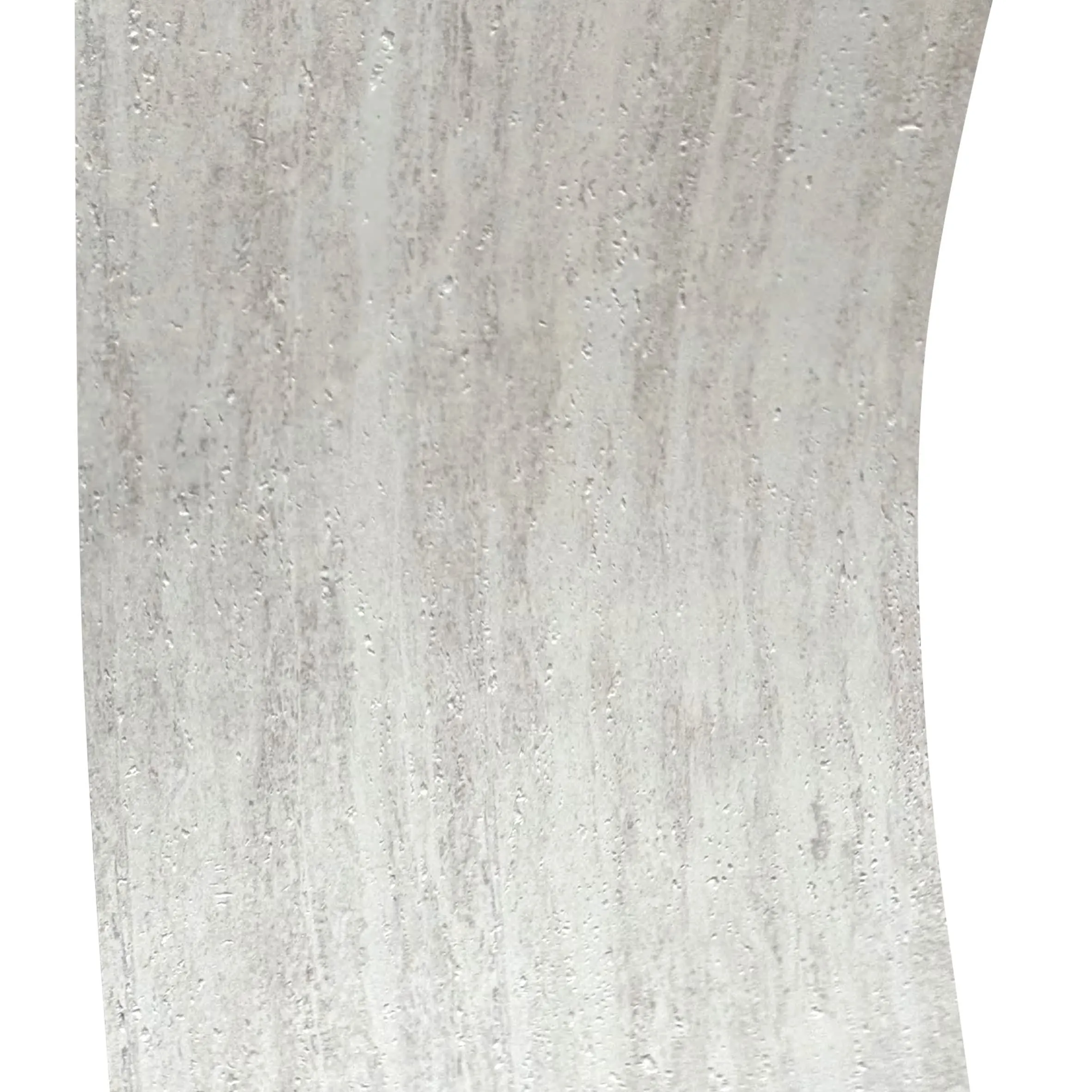
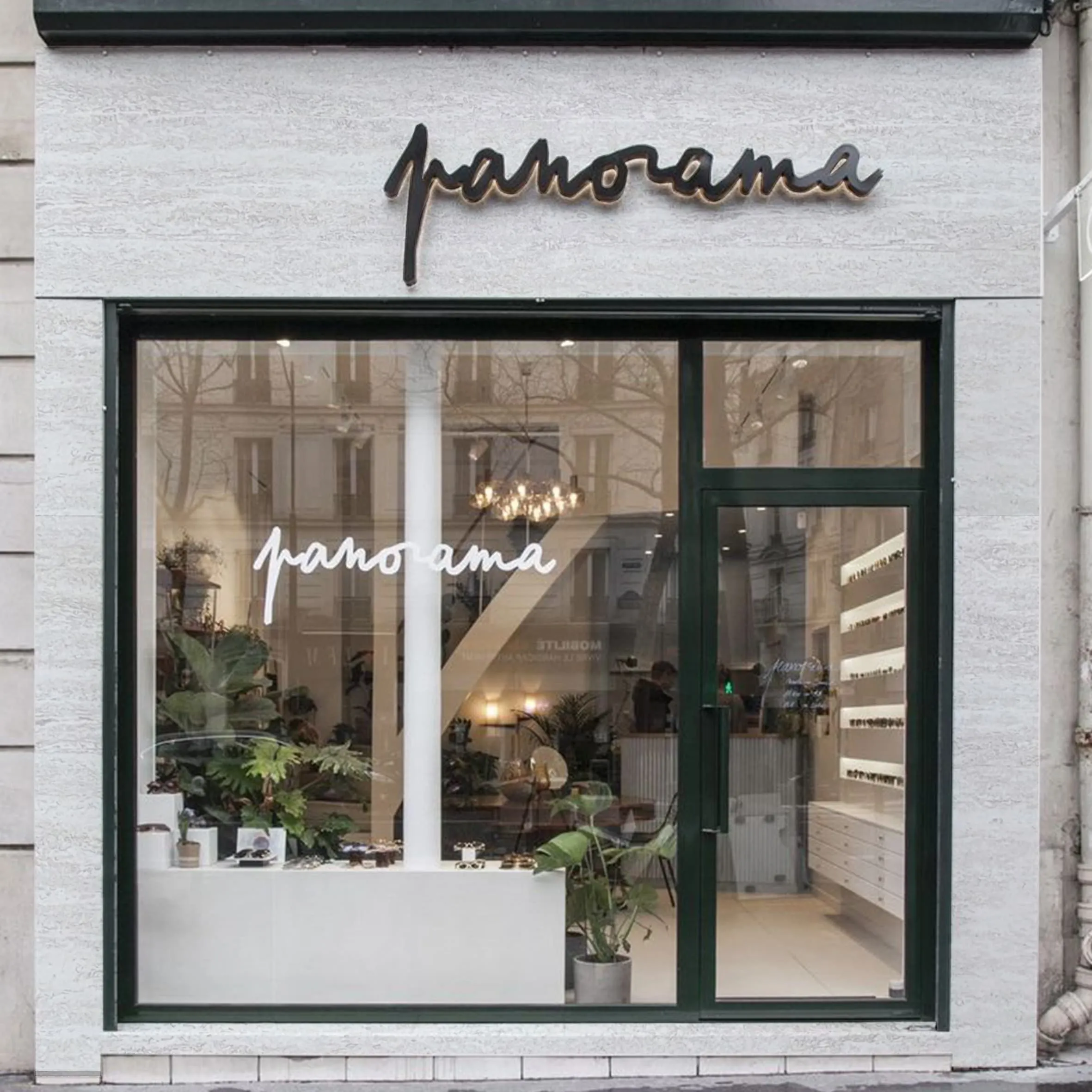
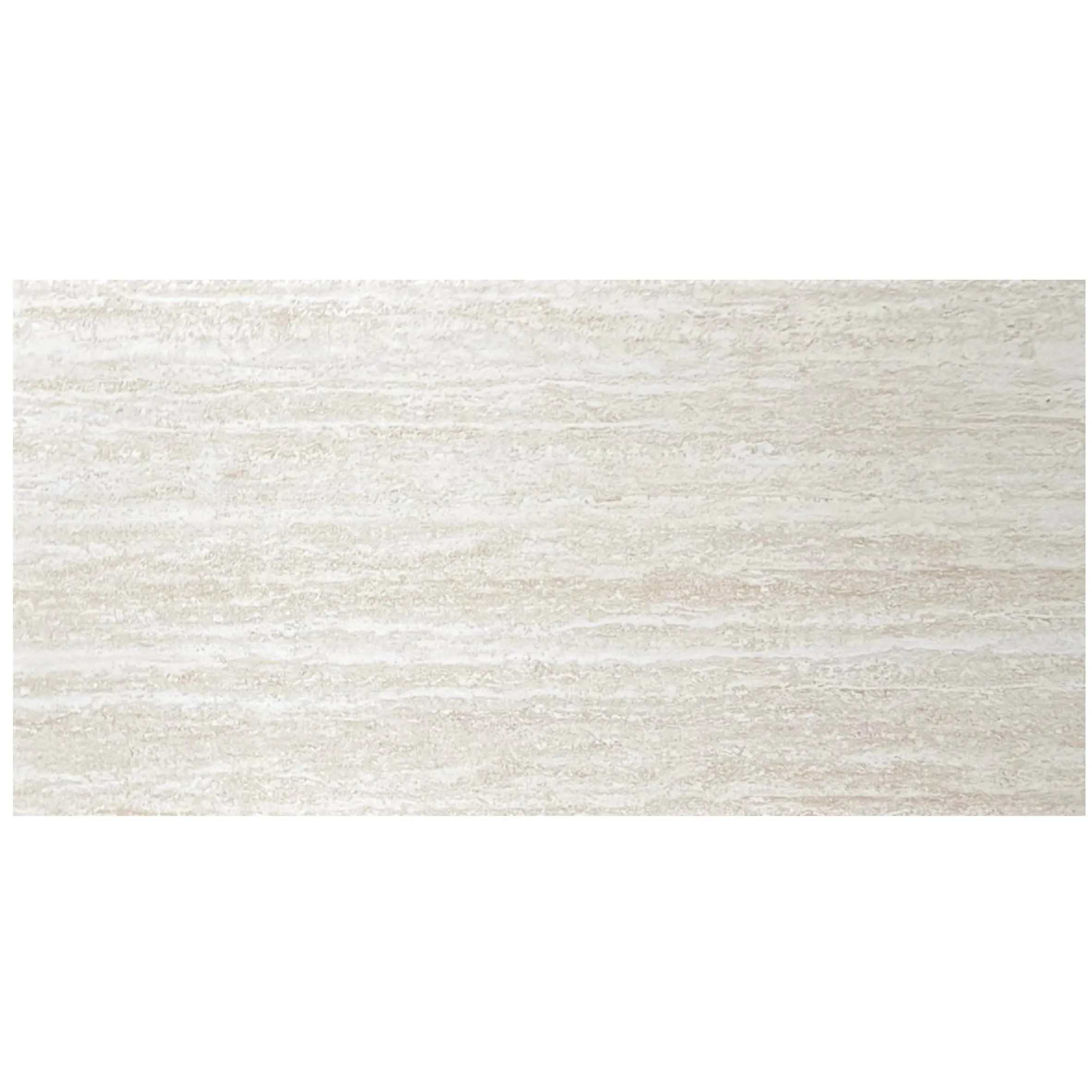
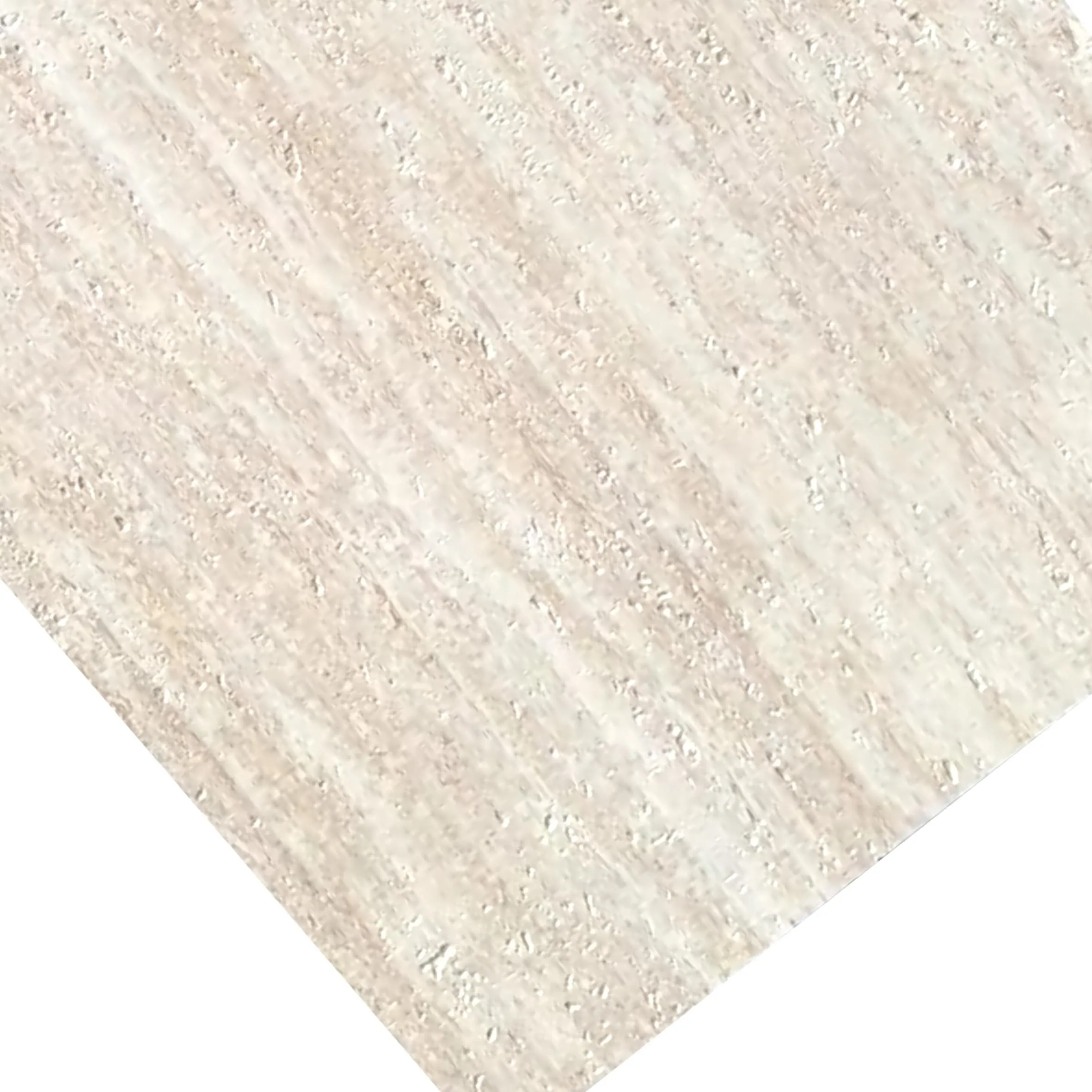
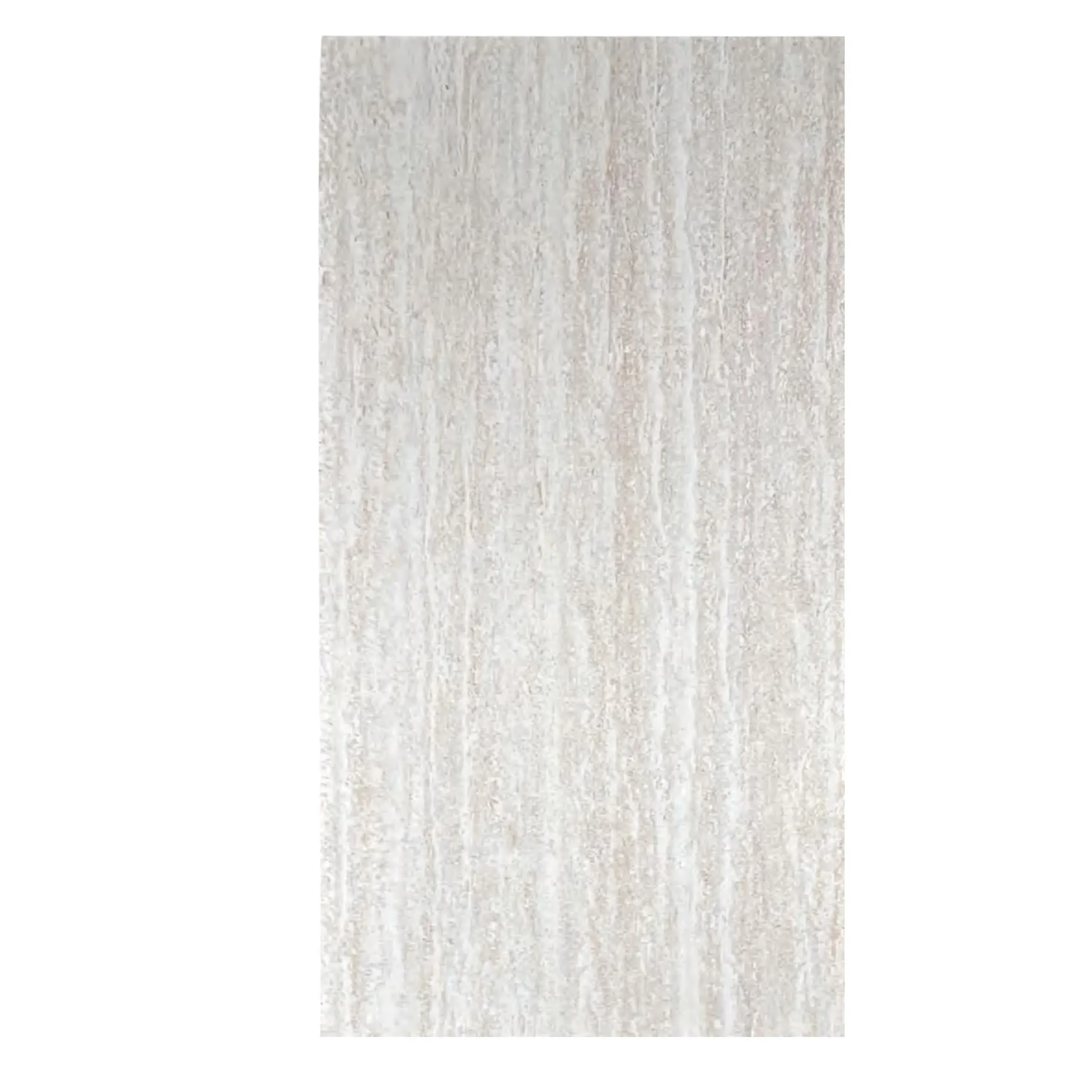
What makes Ethereal Shadow Travertine stand out? Let's start with its appearance. Unlike the bold, golden hues of classic travertine or the dramatic veining of marble, Ethereal Shadow is a study in subtlety. Its base color ranges from soft dove gray to warm taupe, with delicate, wispy veins that resemble shadows dancing across sand dunes at dusk. Run your hand over its surface, and you'll feel the gentle texture—the result of millions of years of mineral deposits and natural erosion—adding depth without overwhelming the senses.
But its appeal goes beyond aesthetics. In a country where temperatures can soar to 50°C (122°F) in summer, durability is non-negotiable. Ethereal Shadow Travertine, like other travertine variants, is naturally heat-resistant and porous, allowing it to breathe and regulate moisture—a crucial feature in arid climates. It's also low-maintenance, requiring minimal sealing to withstand dust, sand, and the occasional rainstorm. For architects designing everything from luxury hotels in Riyadh to cultural centers in AlUla, these practical benefits make it a reliable choice.
Yet, it's the stone's emotional resonance that truly sets it apart. In Saudi culture, light and shadow hold deep meaning—from the play of sunlight in mosque courtyards to the way shadows stretch across desert landscapes at sunset. Ethereal Shadow Travertine captures this duality. As the sun rises over a building clad in this stone, the veins glow softly, almost as if lit from within. As dusk falls, the gray tones deepen, creating a sense of calm and introspection. It's a material that doesn't just decorate a space; it transforms it with the passage of time.
To understand why Ethereal Shadow Travertine has become so popular, we need to look at the broader trends shaping Saudi architecture today. One of the most significant is the shift toward "contextual modernism"—design that reflects local culture and environment rather than mimicking Western styles. This means moving away from generic glass facades and toward materials that tell a Saudi story.
Take, for example, the rise of "desert minimalism." Inspired by the Kingdom's vast, uncluttered landscapes, this style emphasizes clean lines, neutral colors, and natural textures. Ethereal Shadow Travertine fits perfectly here. Its soft gray tones echo the desert's muted palette, while its texture adds warmth without disrupting the minimalist aesthetic. Architects are using it for everything from exterior cladding to interior flooring, creating spaces that feel both spacious and grounded.
Another trend is sustainability. With Vision 2030 placing a strong emphasis on environmental responsibility, materials that are eco-friendly and locally sourced are in high demand. Ethereal Shadow Travertine, often quarried from regions with strict environmental regulations, aligns with this goal. Additionally, its durability means buildings require less frequent maintenance or replacement, reducing long-term waste. When paired with innovative systems like the MCM Project Board Series—a line of lightweight, flexible stone panels that minimize material waste—architects can create structures that are both beautiful and kind to the planet.
Cultural symbolism also plays a role. In Saudi Arabia, natural materials are often associated with authenticity and heritage. Using Ethereal Shadow Travertine in public spaces—museums, community centers, universities—sends a message: this building is part of the Kingdom's story. It's a material that feels "local," even if it's sourced from international quarries, because it resonates with the visual language of Saudi landscapes.
| Travertine Variant | Color Palette | Texture | Common Applications | Cultural Resonance in Saudi Arabia |
|---|---|---|---|---|
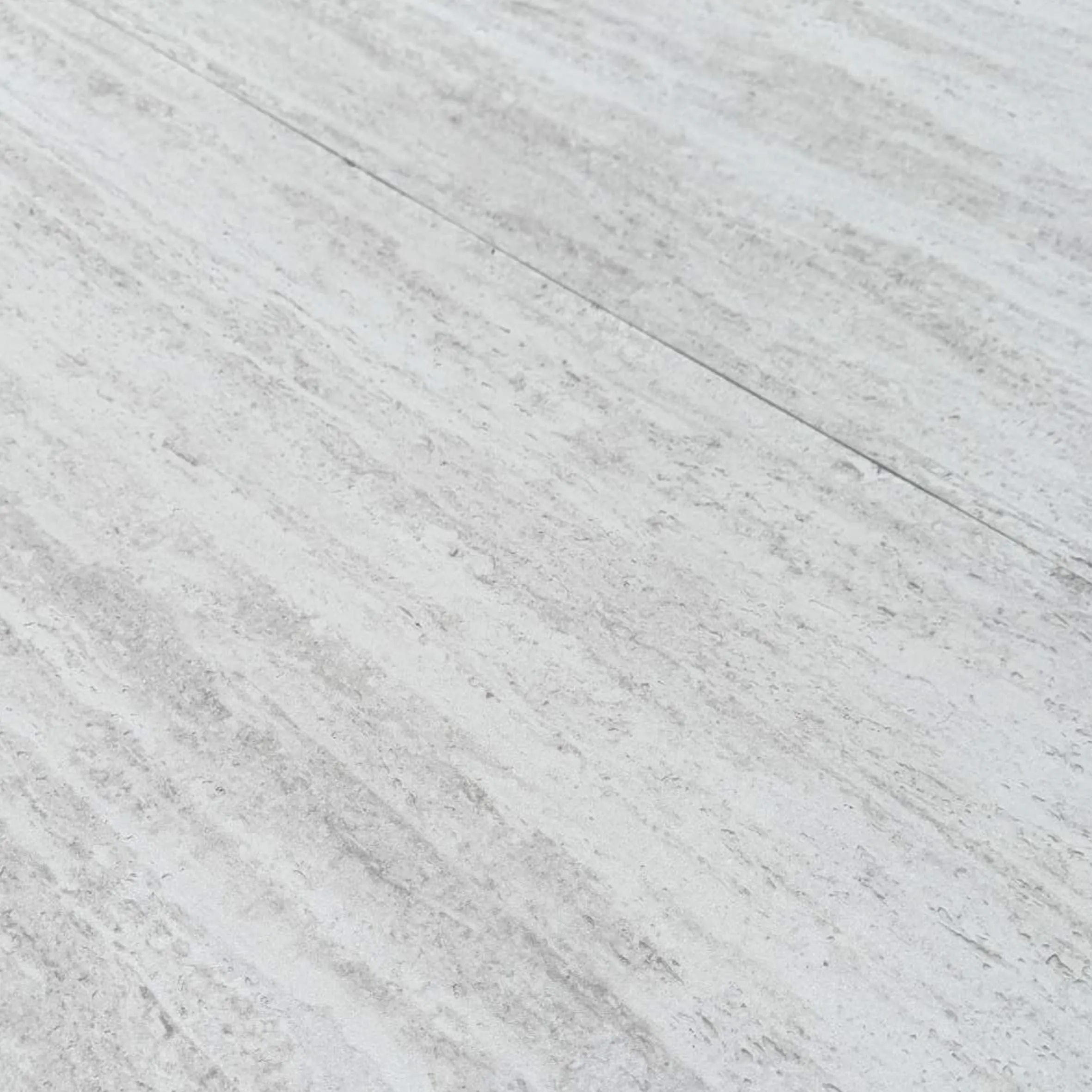
| Ethereal Shadow Travertine | Soft gray, taupe, with subtle white veining | Smooth yet textured; matte finish | Exterior cladding, interior flooring, feature walls | Evokes desert shadows and minimalist aesthetics |
| Travertine (Starry Green) | Deep green base with flecks of gold and white | Bold, dramatic veining; polished finish | Luxury hotels, high-end residences | Symbolizes prosperity and connection to oases |
| Travertine (Vintage Silver) | Pale silver-gray with blue undertones | Sleek, modern texture; semi-polished | Commercial buildings, tech hubs | Reflects innovation and forward-thinking design |
| Travertine (Beige) | Warm beige with cream veining | Classic, porous texture; natural finish | Mosques, heritage sites, traditional homes | Honors traditional limestone architecture |
Ethereal Shadow Travertine rarely stands alone in Saudi projects. Architects often pair it with other materials to create layered, dynamic spaces that reflect the Kingdom's diverse landscape and culture. One popular combination is with the Lunar Peak Series—specifically Lunar Peak Silvery and Lunar Peak Golden. These materials, with their metallic sheen and rocky texture, add a touch of modernity to Ethereal Shadow's earthiness, creating a balance that feels both timeless and contemporary.
Imagine a conference center in Riyadh: the exterior is clad in Ethereal Shadow Travertine, its soft gray blending with the desert sky. The entrance, however, features a striking accent wall of Lunar Peak Golden—its warm, metallic surface catching the sunlight and welcoming visitors. Inside, the lobby floor is Ethereal Shadow, paired with Foamed Aluminium Alloy Board (Vintage Silver) for the reception desk. The result? A space that says "Saudi innovation" without losing sight of its roots.
Another favorite pairing is with Flexible Stone, part of the MCM Flexible Stone Series. This lightweight, bendable material allows architects to create curved surfaces and intricate designs that would be impossible with traditional stone. When used alongside Ethereal Shadow, it adds movement and creativity—think a curved staircase with Flexible Stone risers and Ethereal Shadow treads, or a feature wall with geometric patterns cut from Flexible Stone and set against a backdrop of Ethereal Shadow panels.
For projects that lean into tradition, Ethereal Shadow pairs beautifully with Rough Granite Stone (Medium Grey). The granite's bold, speckled texture contrasts with the travertine's soft veining, evoking the rugged mountains of the Hijaz. This combination is often seen in cultural centers and museums, where the goal is to honor both the land and its people.
To see Ethereal Shadow Travertine in action, look no further than the Desert Bloom Community Center in north Riyadh. Designed by local firm Al-Mansoori Architects, the center was built to serve as a hub for the growing neighborhood, with spaces for events, fitness, and education. From the start, the architects knew they wanted a material that would reflect the community's values: inclusivity, sustainability, and pride in Saudi identity.
Ethereal Shadow Travertine was chosen for the exterior cladding. "We wanted something that would age gracefully, that would look just as beautiful in 50 years as it does today," says lead architect Lina Al-Harthi. "Travertine has that quality—it develops a patina over time, telling the story of the people who use the building." The stone's light color also helps reflect sunlight, keeping the building cool and reducing energy costs—critical in Riyadh's hot climate.
Inside, Ethereal Shadow continues onto the floors and walls of the main hall, where it's paired with Lunar Peak Silvery panels on the ceiling. "The contrast between the warm stone and cool metal creates a sense of balance," Al-Harthi explains. "It's modern, but it feels rooted here, in this desert." The center has become a beloved gathering spot, with residents often commenting on how the stone walls "feel like home."
As Saudi Arabia continues to grow and evolve, so too will its architectural landscape. Ethereal Shadow Travertine, with its versatility and cultural resonance, is poised to play a key role in this evolution. Architects predict we'll see it used in even more innovative ways—from 3D-printed travertine elements (part of the MCM 3D Printing Series) to large-scale installations that blend art and architecture.
One emerging trend is the use of Ethereal Shadow in "biophilic design"—spaces that connect people to nature. Imagine a hospital in Dammam where the walls are lined with Ethereal Shadow Travertine, its texture mimicking the desert's natural patterns, and windows framing views of a courtyard filled with native plants. Studies show such spaces reduce stress and aid healing—a powerful application for a stone that already feels inherently calming.
Sustainability will also drive innovation. As demand for eco-friendly materials grows, we may see Ethereal Shadow paired with recycled materials, such as Foamed Aluminium Alloy Board (Vintage Gold) made from reclaimed metal, or used in conjunction with solar-reflective coatings to further enhance energy efficiency. The MCM Big Slab Board Series, which offers larger, lighter panels that reduce installation time and waste, could also become a staple, making Ethereal Shadow more accessible for projects of all sizes.
Ethereal Shadow Travertine is more than a building material. It's a reflection of Saudi Arabia's spirit—resilient, graceful, and deeply connected to its land. In a world where architecture often feels generic, this stone offers something unique: a way to build spaces that are both modern and meaningful, that honor the past while embracing the future. Whether it's cladding a skyscraper in Riyadh or flooring a mosque in Mecca, Ethereal Shadow Travertine tells a story—a story of a Kingdom that's proud of its roots and excited about its future.
As you walk through the cities of Saudi Arabia in the years to come, keep an eye out for those soft gray walls, those delicate veins that catch the light. They're not just stones. They're the building blocks of a new Saudi identity—one that's as timeless as the desert, and as bright as the future it's helping to shape.
Recommend Products












