
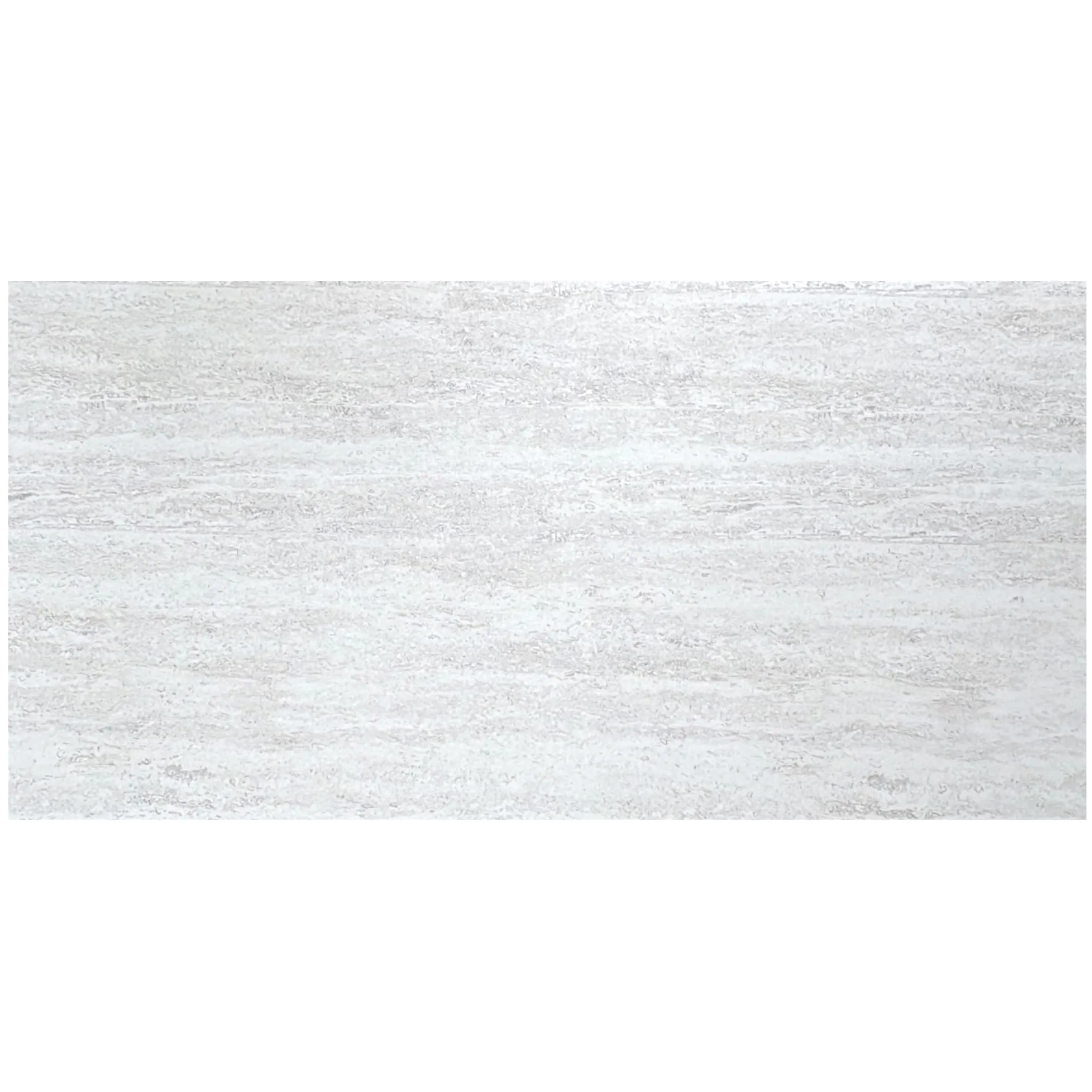
There's something almost magical about travertine. Its soft, porous surface, swirled with earthy tones and subtle veining, has been gracing homes, temples, and public spaces for centuries. But among the many varieties of this timeless stone, Ethereal Shadow Travertine stands out—a muted masterpiece of cool grays and deep charcoals, with hints of silver that catch the light like stardust. Yet, even the most stunning stone needs a little care to truly shine. Polishing Ethereal Shadow Travertine isn't just about making it look good; it's about unlocking its soul, revealing the depth of its color, and preserving its beauty for years to come. Whether you're a seasoned designer, a DIY enthusiast, or someone who's fallen in love with this stone's understated elegance, let's walk through the art and science of bringing out that perfect sheen.
Before we dive into polishing, let's take a moment to get to know Ethereal Shadow Travertine. Unlike marble or granite, travertine is a sedimentary rock formed by mineral-rich hot springs. Over time, calcium carbonate deposits build up, creating those characteristic pores and voids that give the stone its unique texture. Ethereal Shadow, in particular, leans into the darker end of the travertine spectrum—think storm clouds at dusk, with veins that look like shadows dancing across the surface. These pores aren't flaws; they're part of its charm. But they also mean polishing requires a gentle touch. You can't just blast it with aggressive tools or harsh chemicals; you have to work with the stone, not against it.
Here's the thing: the goal of polishing Ethereal Shadow Travertine isn't to make it look like a mirror (though a high-gloss finish is possible). It's to enhance its natural character. A well-polished slab should feel smooth underfoot, its colors should appear richer, and those subtle veining patterns should pop without looking artificial. It's about balance—preserving the stone's organic quality while adding a touch of refinement. And trust me, when you get it right, the result is breathtaking: a surface that feels both ancient and modern, rugged and refined, all at once.
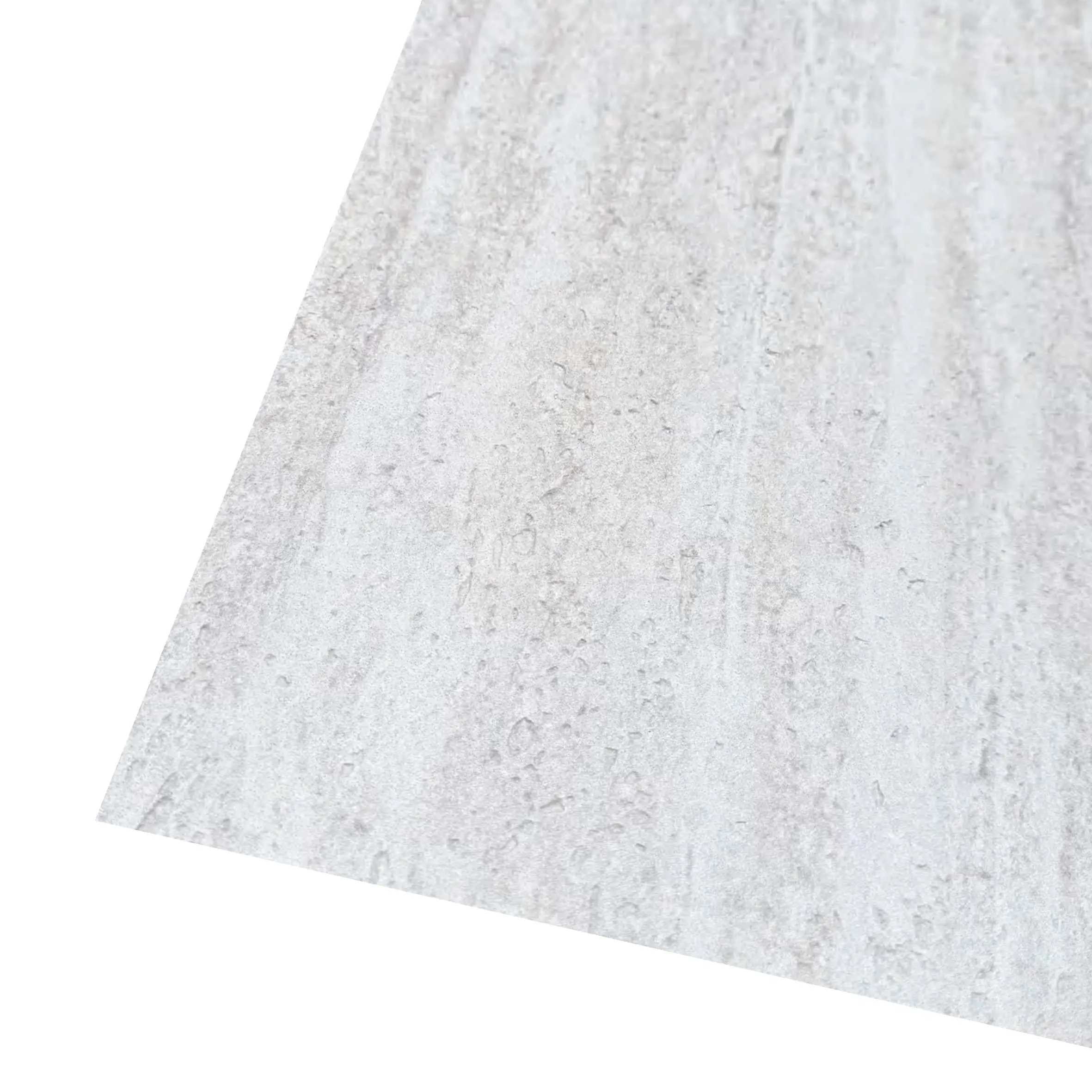
Polishing is like painting a masterpiece: the final result depends entirely on the prep work. Skip this step, and even the best techniques will fall flat. Let's break down what you need to do before that first polishing pad touches the stone.
Start with a clean slate—literally. Ethereal Shadow Travertine, especially if it's been in place for a while, can accumulate dirt, grime, and even old sealers or waxes. These layers will block the polishing process, leaving you with uneven results. Grab a pH-neutral stone cleaner (avoid anything acidic, like vinegar, which can etch the surface) and a soft-bristle brush. Gently scrub the entire area, focusing on pores and crevices where dirt loves to hide. Rinse thoroughly with clean water and let it dry completely. I've seen too many people rush this step, only to find smudges or streaks later. Patience here pays off.
Remember those pores we talked about? Some might be small, others larger—maybe even chips or cracks from wear and tear. Before polishing, these need to be filled. Use a travertine-specific filler that matches the stone's color (Ethereal Shadow might call for a gray or charcoal-toned filler). Apply it with a putty knife, pressing it firmly into the pores to ensure it's fully packed. Wipe away excess with a damp cloth, and let it cure according to the product instructions. Pro tip: If you're dealing with deep cracks, you might need to use a epoxy-based filler for extra strength. The key is to make the surface as smooth and uniform as possible before polishing—you don't want the pads to catch on an unfilled pore and create a scratch.
Now, let's talk about the starting surface. If your Ethereal Shadow Travertine is brand new, it might have a honed (matte) finish, which is a great base. If it's older, it might be dull, stained, or have an existing polish that's worn unevenly. In either case, you may need to do some light grinding to level the surface. Use a diamond grinding pad with a low grit (like 50 or 100) on a variable-speed polisher. Keep the tool moving in small, overlapping circles, applying even pressure. The goal here isn't to remove material aggressively, just to smooth out any high spots or unevenness. Think of it as sanding wood before painting—you want a consistent canvas.
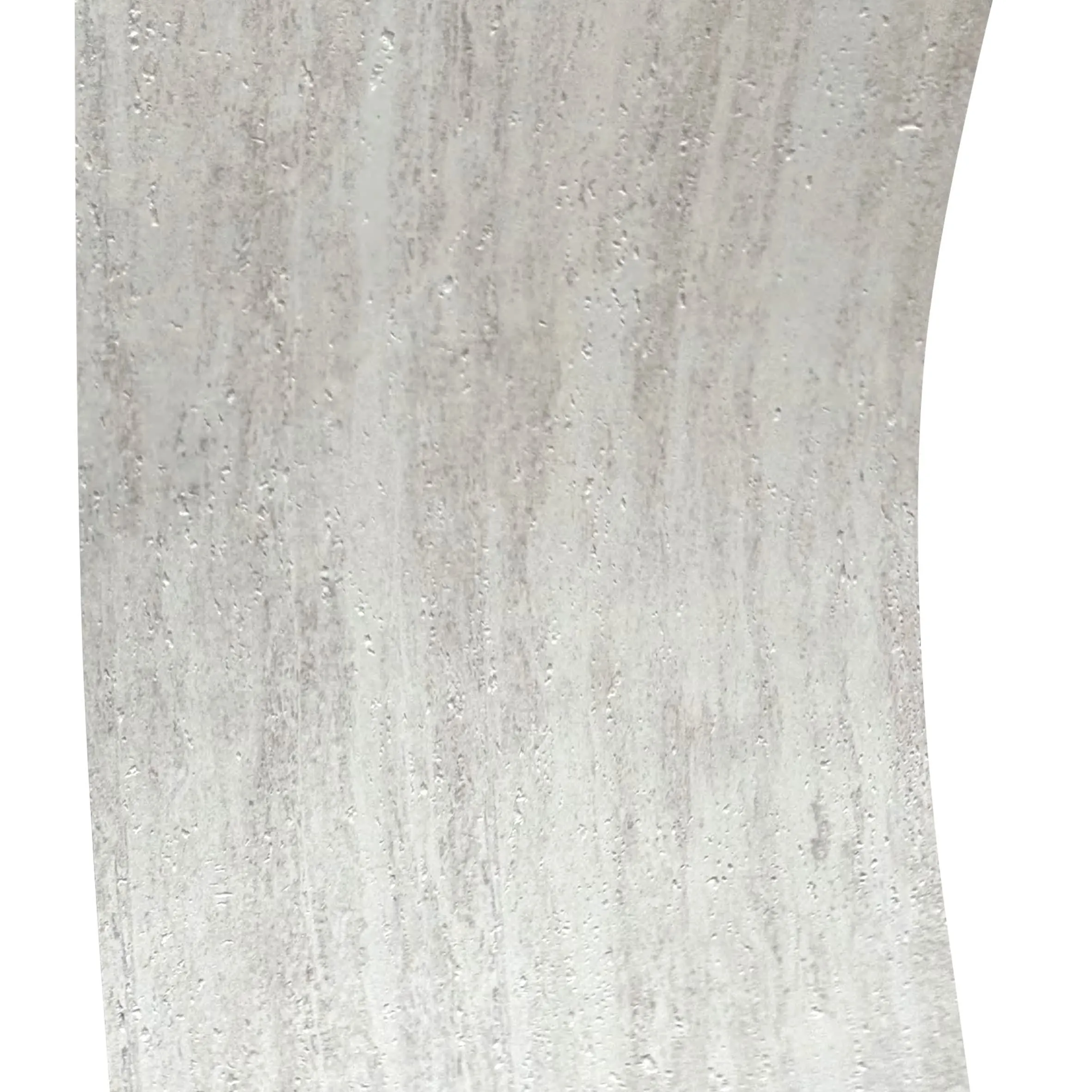
Now comes the fun part: actually polishing. There are a few methods to choose from, each with its own pros and cons. Let's break them down, so you can pick the one that fits your project, tools, and skill level.
Mechanical polishing is the most common method, especially for larger surfaces like floors or countertops. It uses a rotary polisher fitted with diamond-impregnated pads, which come in different grits (from coarse to fine). Think of it like buffing a car—you start rough and get progressively smoother.
Start with a medium grit pad (around 200-400 grit). Attach it to your polisher, set the speed to low (1500-2000 RPM for travertine—too fast can generate heat and damage the stone), and work in small sections (2x2 feet is a good size). Keep the pad flat against the surface, moving in a crosshatch pattern (left to right, then up and down) to ensure even coverage. You'll notice the stone starting to lighten up as the pad smooths the surface. Once a section looks uniform, move to the next grit: 800, then 1500, then 3000. Each higher grit refines the surface, removing the scratches left by the previous pad. By the time you hit 3000 grit, the stone should have a soft, satin sheen. If you want a high gloss, finish with a 6000-grit pad—just be prepared for arm fatigue; this step takes time!
Pro tip: Keep the surface damp during mechanical polishing. Spritz water as you go to lubricate the pad and carry away debris. Dry the surface with a clean towel after each grit to check your progress—you don't want to miss a spot.
For those who want a deeper, wet-look shine without the physical labor of mechanical polishing, chemical polishing might be the way to go. These products work by reacting with the stone's calcium carbonate, dissolving a tiny layer of the surface to reveal a smoother, glossier finish. They're especially useful for Ethereal Shadow Travertine because they can enhance the depth of its dark tones, making the grays and charcoals look richer.
To use a chemical polish, start with a clean, dry surface (same prep as before). Apply the polish with a sponge or microfiber cloth, working in small sections. Let it sit for the recommended time (usually 5-10 minutes), then buff it off with a clean cloth. Some polishes require multiple coats for maximum shine—read the instructions carefully! One thing to note: chemical polishes aren't a substitute for mechanical polishing if the surface is heavily worn or uneven. They work best on stones that are already in good condition, adding that extra "pop" to the finish.
For small areas, intricate edges, or if you just love the hands-on process, hand polishing is a rewarding option. It's slower, but it gives you unparalleled control—perfect for Ethereal Shadow Travertine's detailed veining. You'll need diamond hand pads (available in grits from 200 to 3000) and a lot of patience. Start with the lowest grit, wetting the pad and the stone, then rub in small, circular motions. Apply gentle pressure—let the diamonds do the work. Rinse and dry, then move up the grits, just like with mechanical polishing. Finish with a soft cloth to buff away any residue. I've used this method on fireplace surrounds and backsplashes, and there's something deeply satisfying about seeing the stone transform under your fingertips.
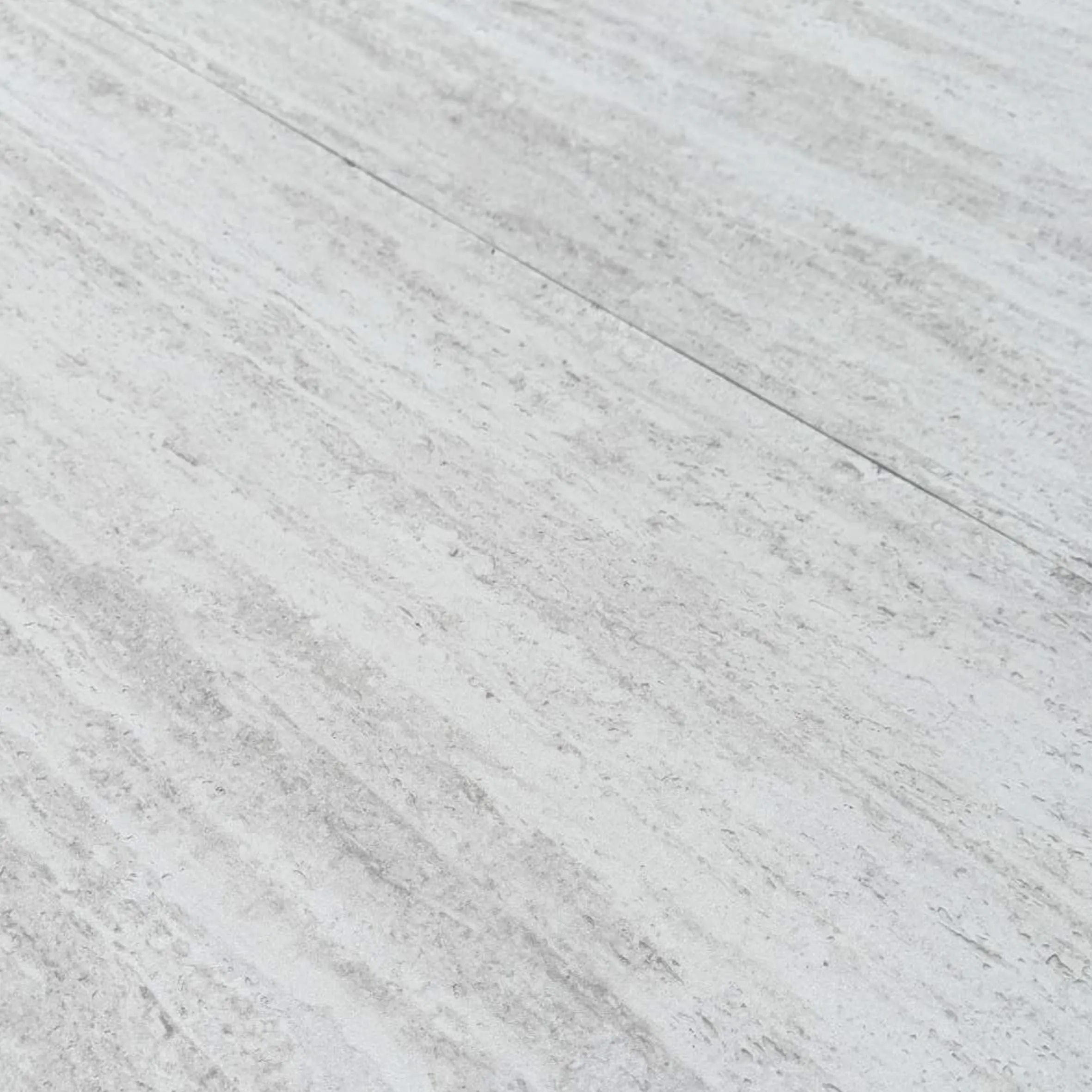
| Method | Difficulty Level | Tools Needed | Finish Quality | Best For |
|---|---|---|---|---|
| Mechanical Polishing | Moderate | Rotary polisher, diamond pads (50-6000 grit), water sprayer | Consistent, high gloss possible | Large surfaces (floors, countertops) |
| Chemical Polishing | Easy | Chemical polish, sponge, microfiber cloths | Wet-look shine, enhances color depth | Well-maintained stones, touch-ups |
| Hand Polishing | High | Diamond hand pads, water, soft cloths | Precise, artisanal finish | Small areas, edges, intricate details |

Congratulations—you've put in the work, and your Ethereal Shadow Travertine is glowing. Now, let's make sure it stays that way. Polishing is just the first step; sealing and maintenance are key to protecting your investment.
Travertine is porous, even after polishing. Without a sealer, spills (like coffee, wine, or oil) can seep into the pores and cause stains. Choose a penetrating sealer designed for travertine—look for one that's water-based or solvent-based, depending on your preference (water-based is easier to apply and has less odor). Apply the sealer with a sponge or spray bottle, working in small sections. Let it sit for 5-10 minutes, then wipe away excess with a clean cloth. Some sealers require a second coat—again, read the instructions! Let the sealer cure completely (usually 24-48 hours) before using the surface. I can't stress this enough: sealing is non-negotiable. I've seen beautiful travertine installations ruined by a single spilled glass of red wine, all because sealing was skipped.
Once sealed, Ethereal Shadow Travertine is relatively low-maintenance, but it still needs love. Sweep or vacuum floors regularly to prevent dirt and grit from scratching the surface. Wipe up spills immediately—even sealed stone can stain if liquids are left to sit. Clean with a pH-neutral stone cleaner and a soft mop or cloth; avoid abrasive scrubbers or harsh chemicals. Every 1-2 years, check the sealer by dropping a few drops of water on the stone. If the water beads up, the sealer is still good. If it soaks in, it's time to reseal. With proper care, your polished Ethereal Shadow Travertine will look stunning for decades.
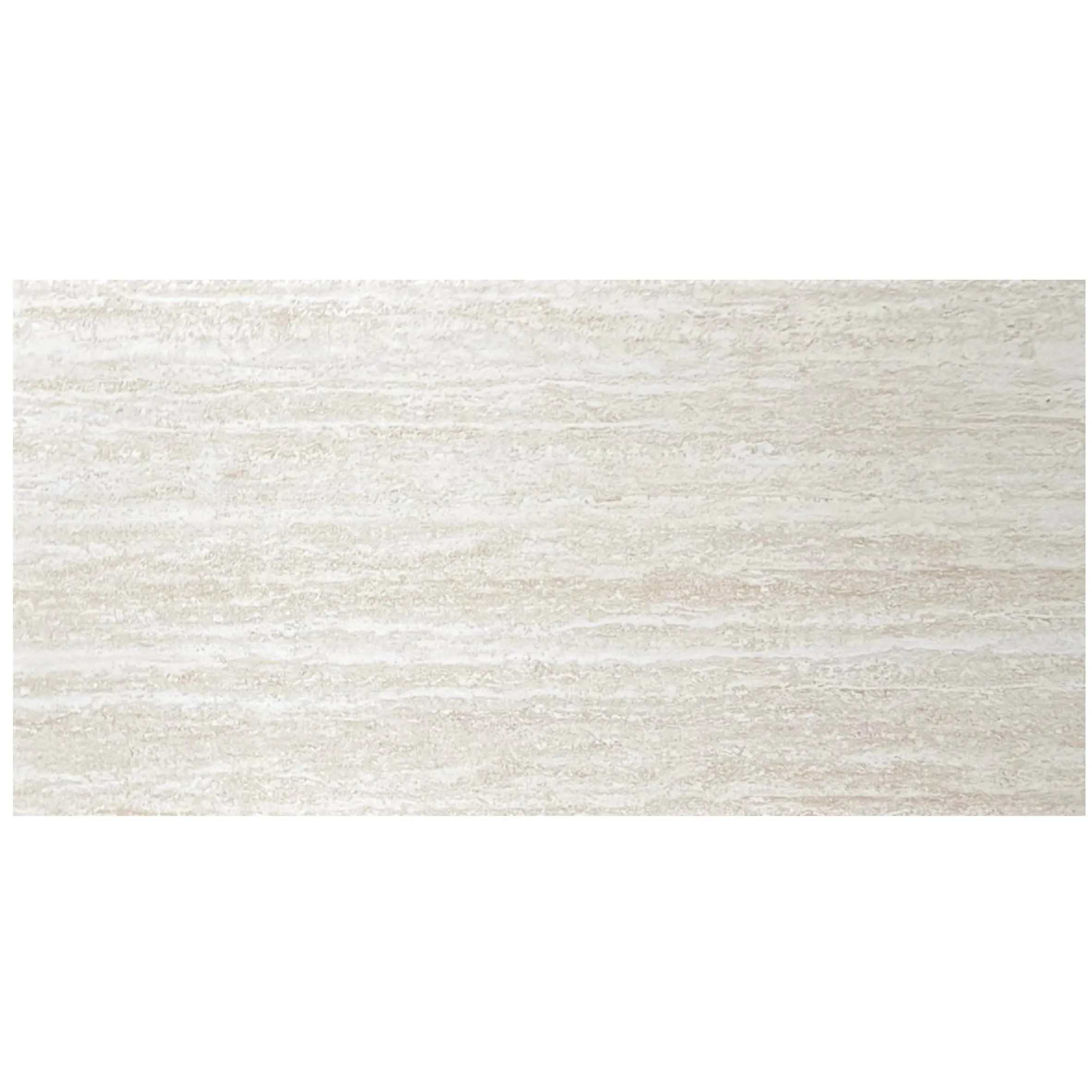
Ethereal Shadow Travertine is a star on its own, but it plays well with others. If you're designing a space around this stone, consider pairing it with materials that enhance its beauty. For example, MCM flexible stone is a versatile option—its lightweight, customizable design can complement travertine's natural texture in walls or accent pieces. Or, for a modern contrast, try fair-faced concrete. Its raw, industrial look balances Ethereal Shadow's softness, creating a space that feels both grounded and contemporary.
Wood grain board is another great match. The warmth of wood's natural grain contrasts beautifully with Ethereal Shadow's cool tones, adding depth and coziness to kitchens or living areas. And if you want to play up the stone's modern side, polish concrete can work wonders as a flooring companion—its smooth, sleek finish lets the travertine's veining take center stage. The key is to let Ethereal Shadow be the focal point, with other materials acting as supporting characters.
Polishing Ethereal Shadow Travertine isn't just a task—it's a journey. It's about connecting with a stone that has been shaped by nature over millennia, and helping it shine in a way that honors its past while fitting into your present. From the careful prep work to the rhythmic motion of the polisher, from the first glimpse of a higher grit's shine to the satisfaction of sealing it for protection, every step is a labor of love. And when you stand back and look at that polished surface—those deep grays, those silver highlights, that smooth, inviting sheen—you'll know it was worth it.
Whether you're polishing a new installation or breathing life into an old one, remember: Ethereal Shadow Travertine isn't just a building material. It's a story. And with the right polishing techniques, you're not just maintaining a surface—you're adding a new chapter to that story, one that will be enjoyed for years to come. So grab your tools, take your time, and let this beautiful stone show you what it's made of. The perfect sheen is waiting.
Recommend Products












