
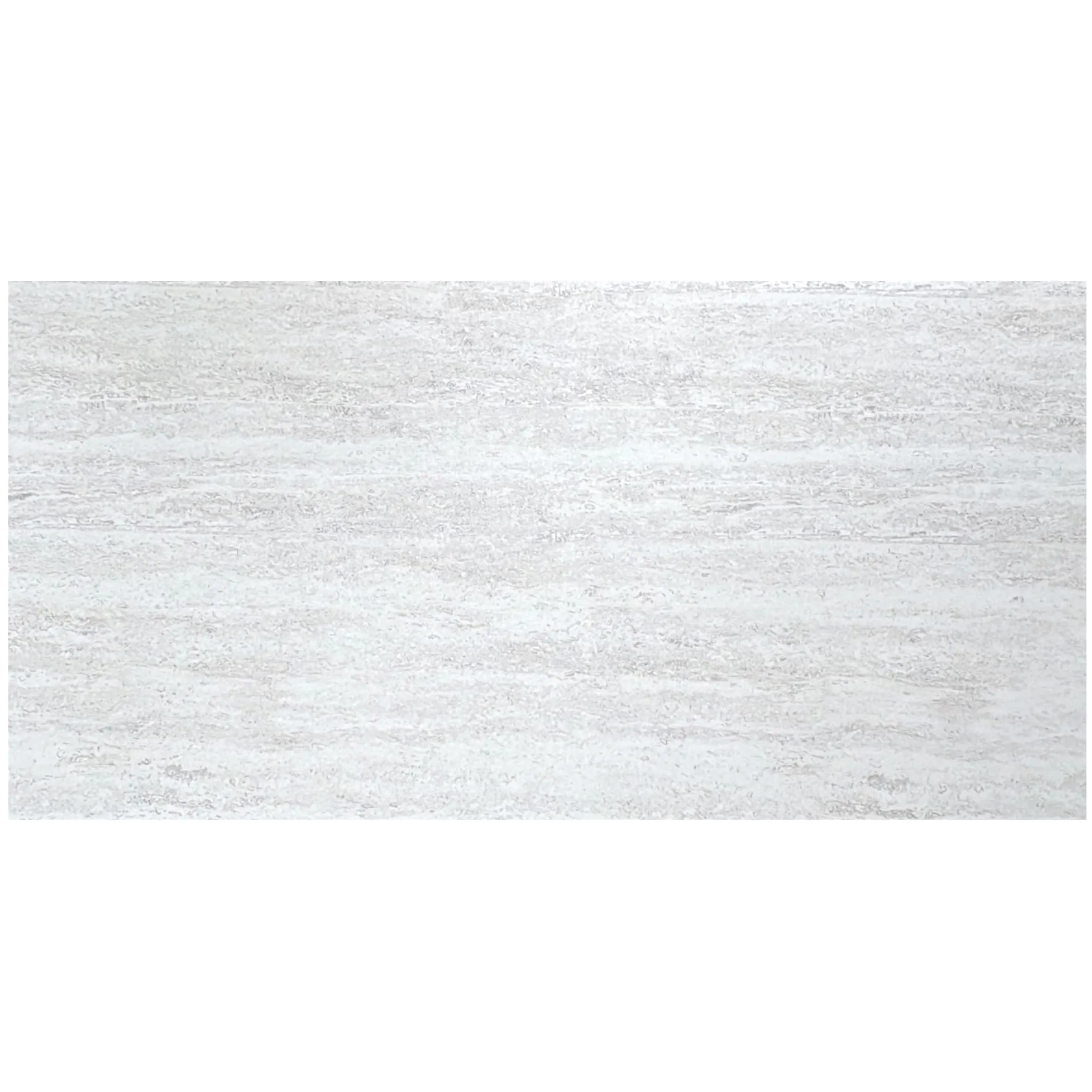
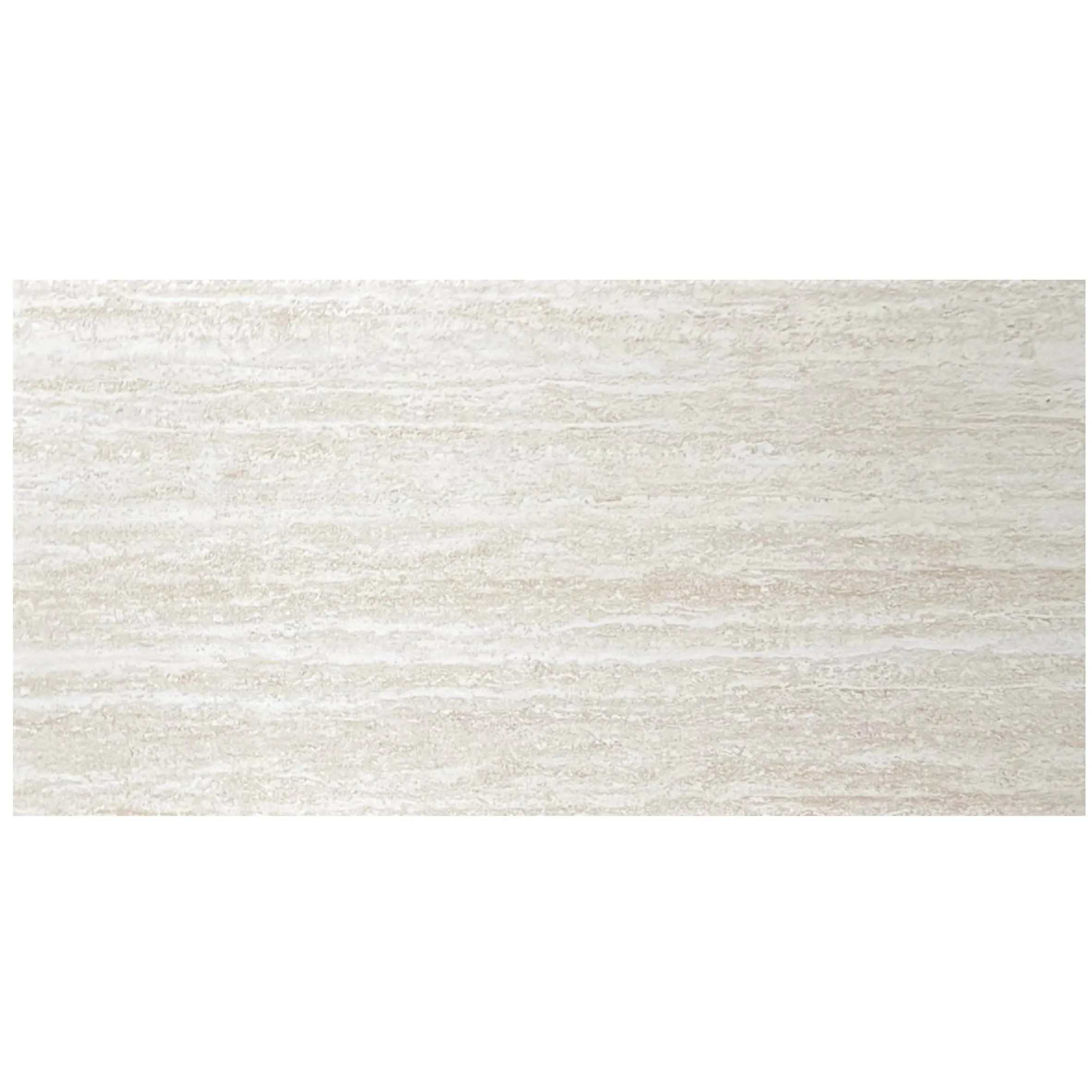
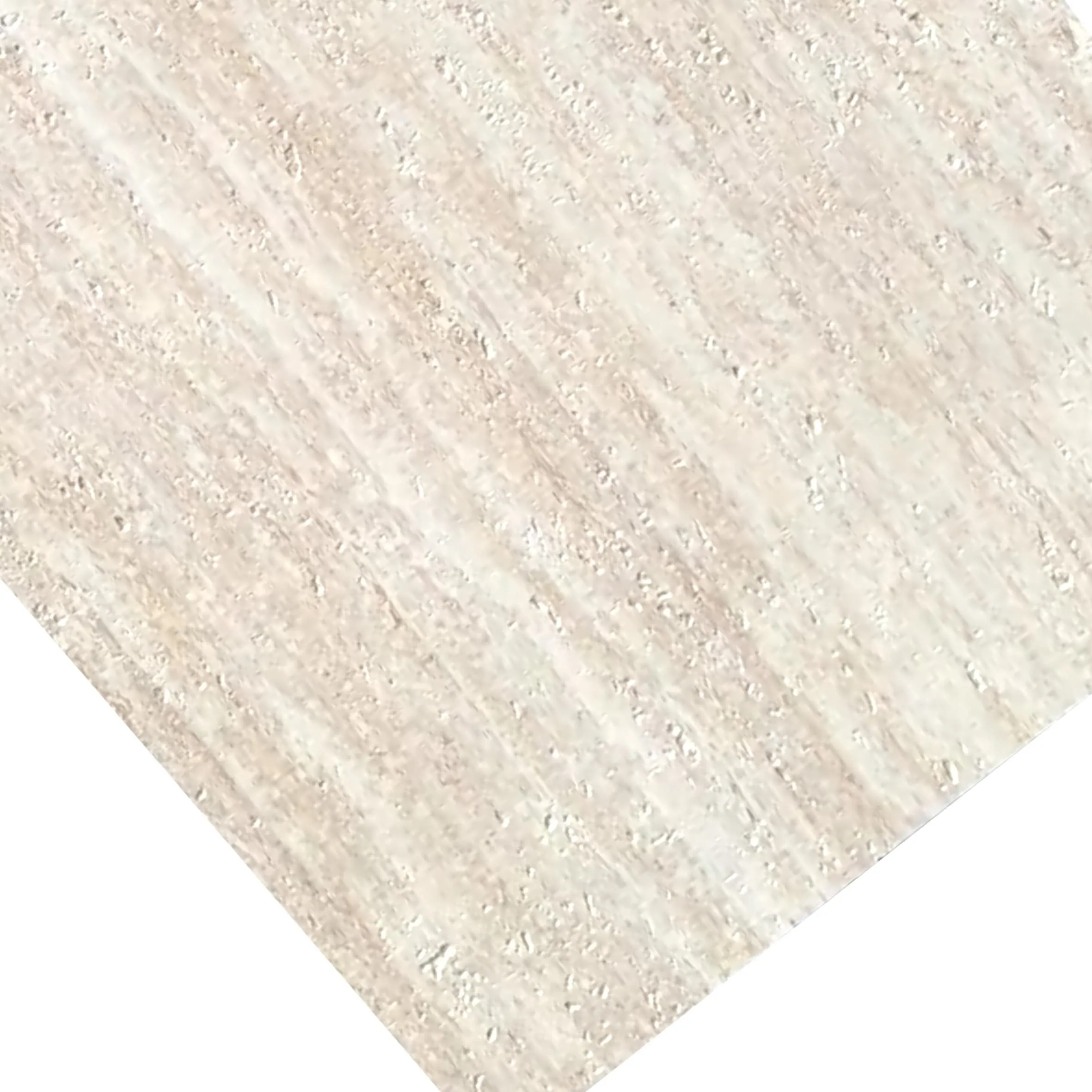
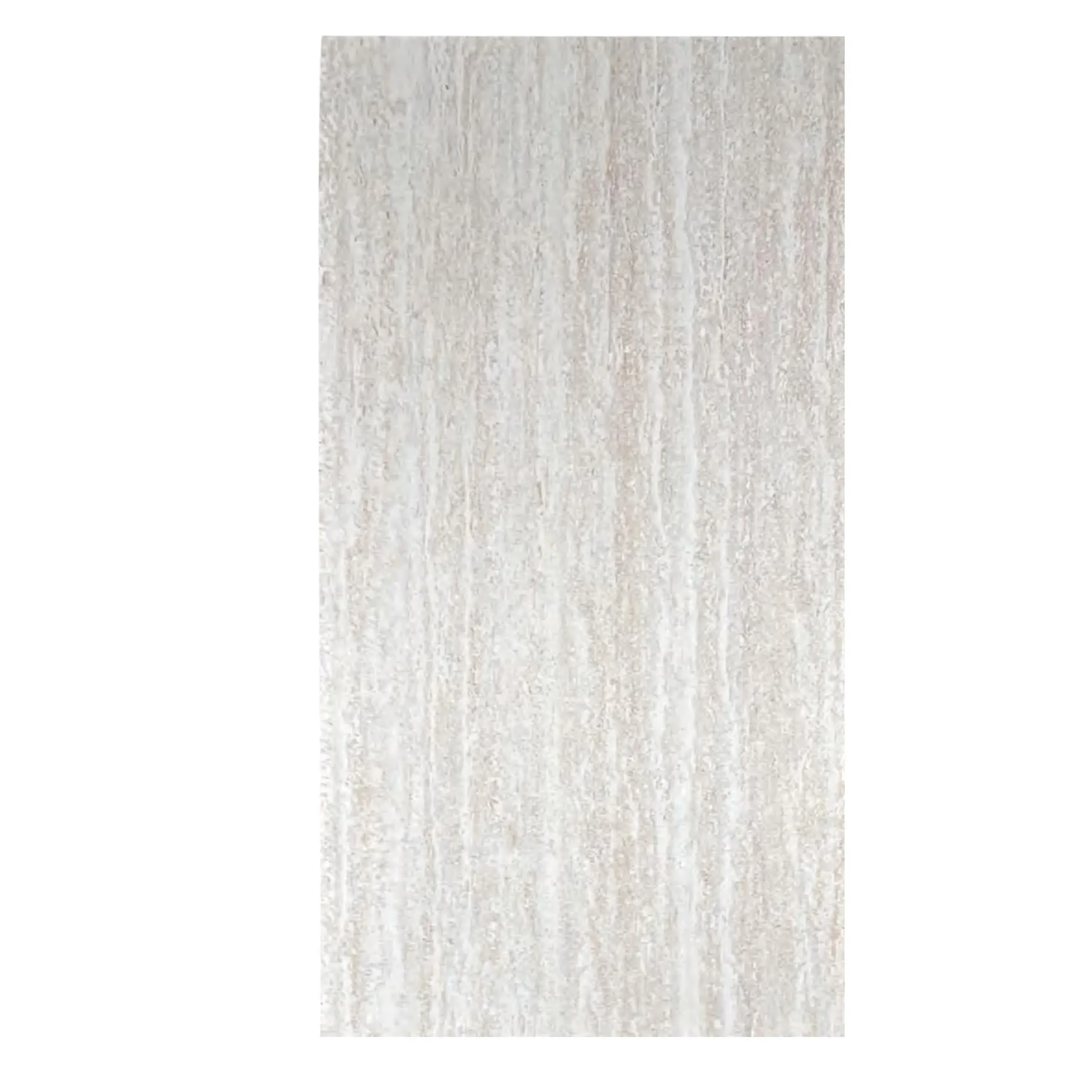
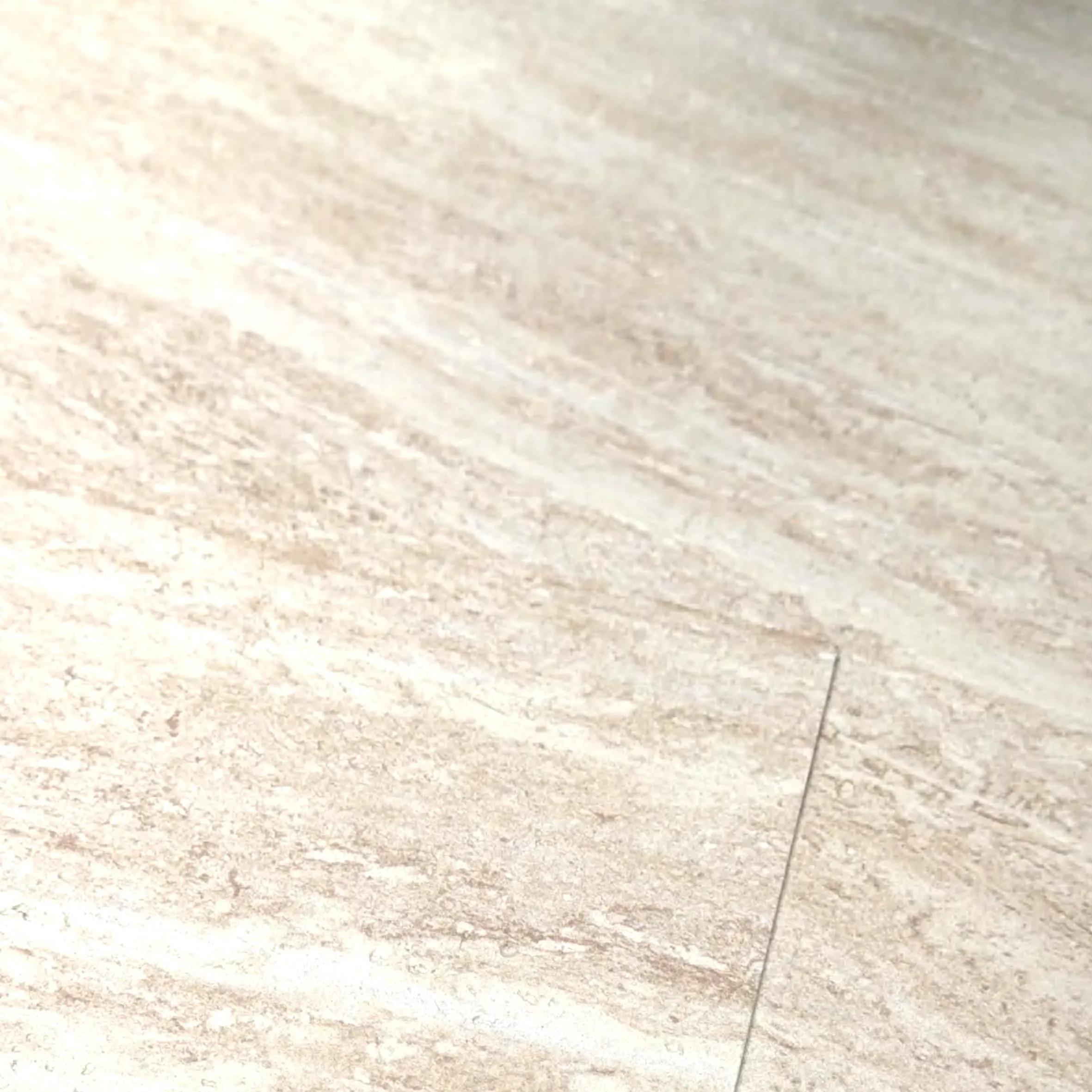
Stepping into a sunlit room where Ethereal Shadow Travertine floors stretch across the space, it's hard not to pause and admire. The stone's soft, muted greys swirl like mist, with tiny pores that catch the light—each one a reminder of the mineral-rich waters that formed it deep underground, centuries ago. It's beautiful, sure, but if you've ever lived with travertine, you know those same pores that give it character can also feel like a high-maintenance quirk. Spills seem to sink in faster, dirt clings to the surface, and suddenly you're panicking over a coffee stain that appeared out of nowhere. But here's the thing: Ethereal Shadow Travertine doesn't have to be a hassle. With a little know-how about its porosity and some simple maintenance habits, you can keep that natural glow for decades. Let's break it down.
Travertine is a type of limestone formed in hot springs, where mineral-rich water cools and releases carbon dioxide, leaving behind layers of calcium carbonate. Those gas bubbles? They're what create the stone's signature porosity—small, irregular holes and channels that give travertine its organic, almost lived-in texture. Ethereal Shadow Travertine takes this a step further: its subtle grey tones and soft veining mimic the look of shadows dancing over stone, making it a favorite for modern, minimalist, or nature-inspired spaces. Unlike denser stones like granite or marble, travertine wears its porosity on its sleeve—and that's part of its charm.
But porosity isn't just about looks. Those tiny pores act like sponges: they absorb liquids, trap dirt, and can even harbor bacteria if not cared for properly. Compare it to something like polish concrete, which is dense and non-porous—spills bead up, and a quick wipe is usually enough. Ethereal Shadow Travertine needs a gentler touch. Think of it like caring for a favorite wool sweater versus a synthetic blend: one needs careful washing and drying, the other can handle a spin cycle. Both have their place, but travertine's beauty lies in its imperfection—and that means a little extra attention.
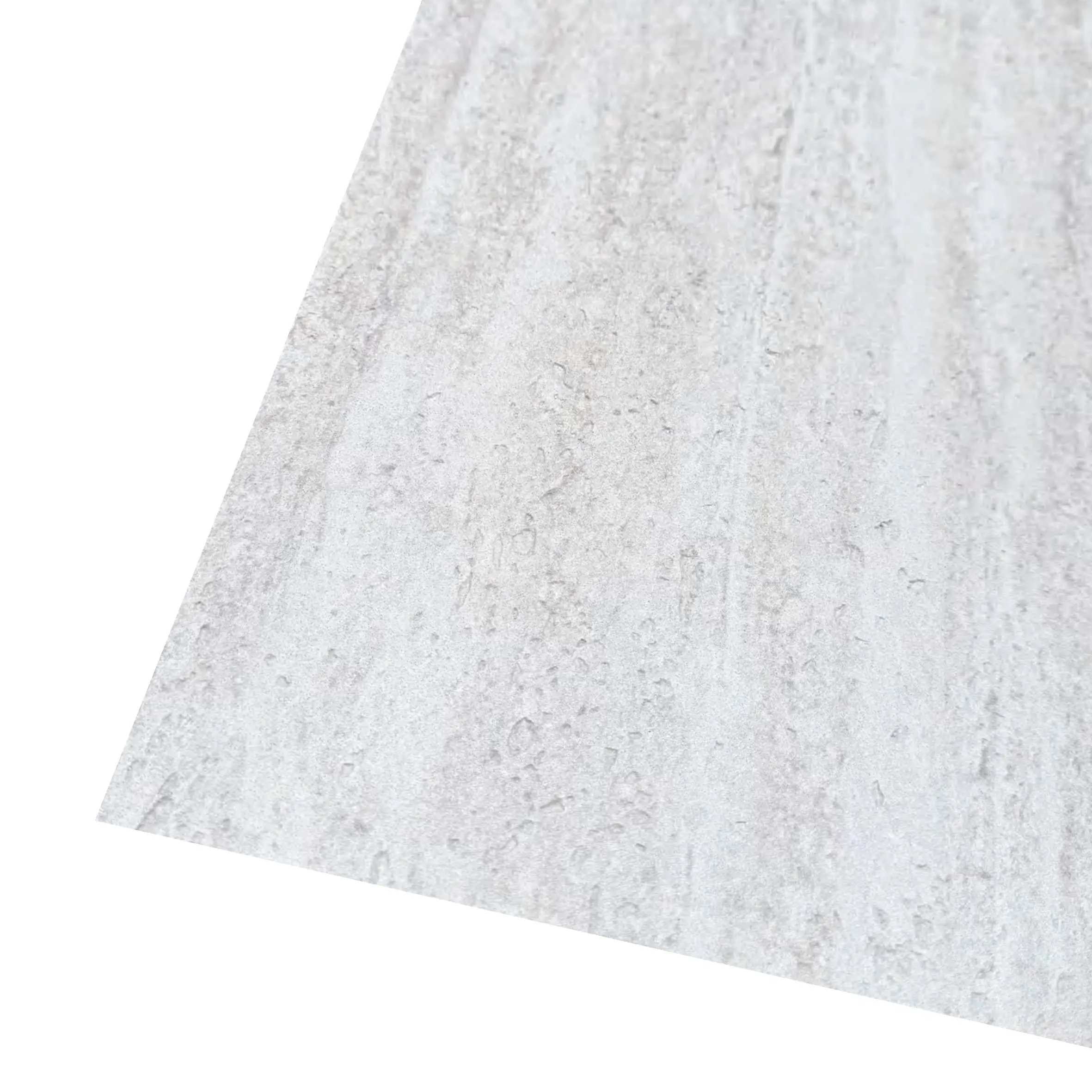
Let's start with the good: porosity is what makes Ethereal Shadow Travertine feel warm and inviting. Unlike cold, shiny marble or industrial fair-faced concrete, travertine has a tactile, earthy quality. Run your hand over it, and you'll feel the slight indentations—a reminder that this isn't a man-made material, but a product of nature. Over time, it develops a patina, where light scratches and subtle color changes add depth, making it feel like it's growing with your home.
Now the not-so-good: those pores are magnets for trouble. A spilled glass of red wine, a drop of olive oil, or even muddy footprints can seep into the stone before you have time to grab a cloth. If left untreated, stains can set in permanently, turning that beautiful grey into a splotchy mess. Dirt trapped in pores can also make the surface look dull, like a layer of dust that won't wipe away. And if moisture lingers, mold or mildew might start to grow—yikes.
The key? Understanding that porosity isn't a flaw—it's just a feature that needs respect. With the right routine, you can keep Ethereal Shadow Travertine looking fresh without stressing over every little spill.
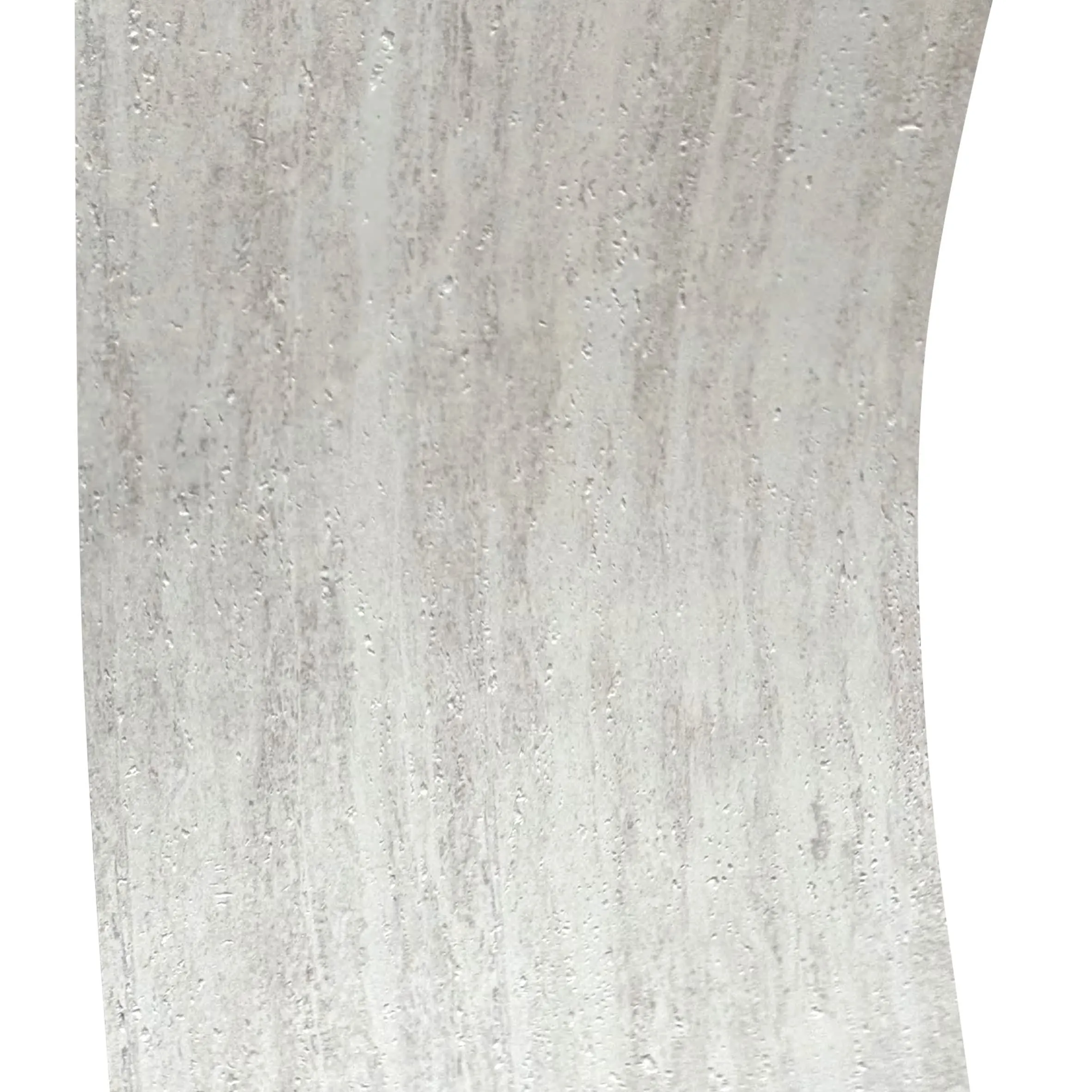
Most of us don't have time for fancy cleaning rituals, and good news: Ethereal Shadow Travertine doesn't require them. Daily care is all about preventing dirt and spills from becoming problems in the first place. Let's break it down into two easy steps: dry cleaning and damp cleaning.
Dirt and dust are travertine's silent enemies. They grind into pores, scratch the surface, and make the stone look dull over time. So grab a soft-bristled broom or a microfiber mop (avoid stiff brushes or vacuum beater bars—they'll scratch!) and sweep or dust your Ethereal Shadow Travertine at least once a day. Focus on high-traffic areas like entryways, kitchens, and living rooms—these are where dirt builds up fastest.
Pro Tip: Keep a small microfiber cloth near high-traffic spots (like by the front door or kitchen sink) for quick touch-ups. A 30-second wipe can save you from a deep clean later.
Sweeping gets rid of loose dirt, but for sticky spots or light spills, you'll need a damp clean. Here's the golden rule: always use a pH-neutral cleaner . Travertine is sensitive to acids (like vinegar or lemon) and harsh chemicals (bleach, ammonia), which can etch the surface or discolor the stone. Instead, mix a few drops of mild dish soap (the kind you use for hand-washing dishes, not the heavy-duty degreaser) with warm water. Dip a soft cloth or microfiber mop into the solution, wring it out until it's barely damp (travertine hates sitting in water!), and wipe the surface gently.
Let's say you're in a rush and don't have dish soap on hand—plain warm water works, too! The goal is to lift dirt without leaving a residue. Avoid "stone cleaners" that promise to "shine" or "polish"—many contain waxes or acids that can build up in pores over time, making the stone look cloudy.
Heads Up: Never use a steam cleaner on Ethereal Shadow Travertine! The high heat and pressure can force moisture deep into the pores, leading to cracks or discoloration down the line.
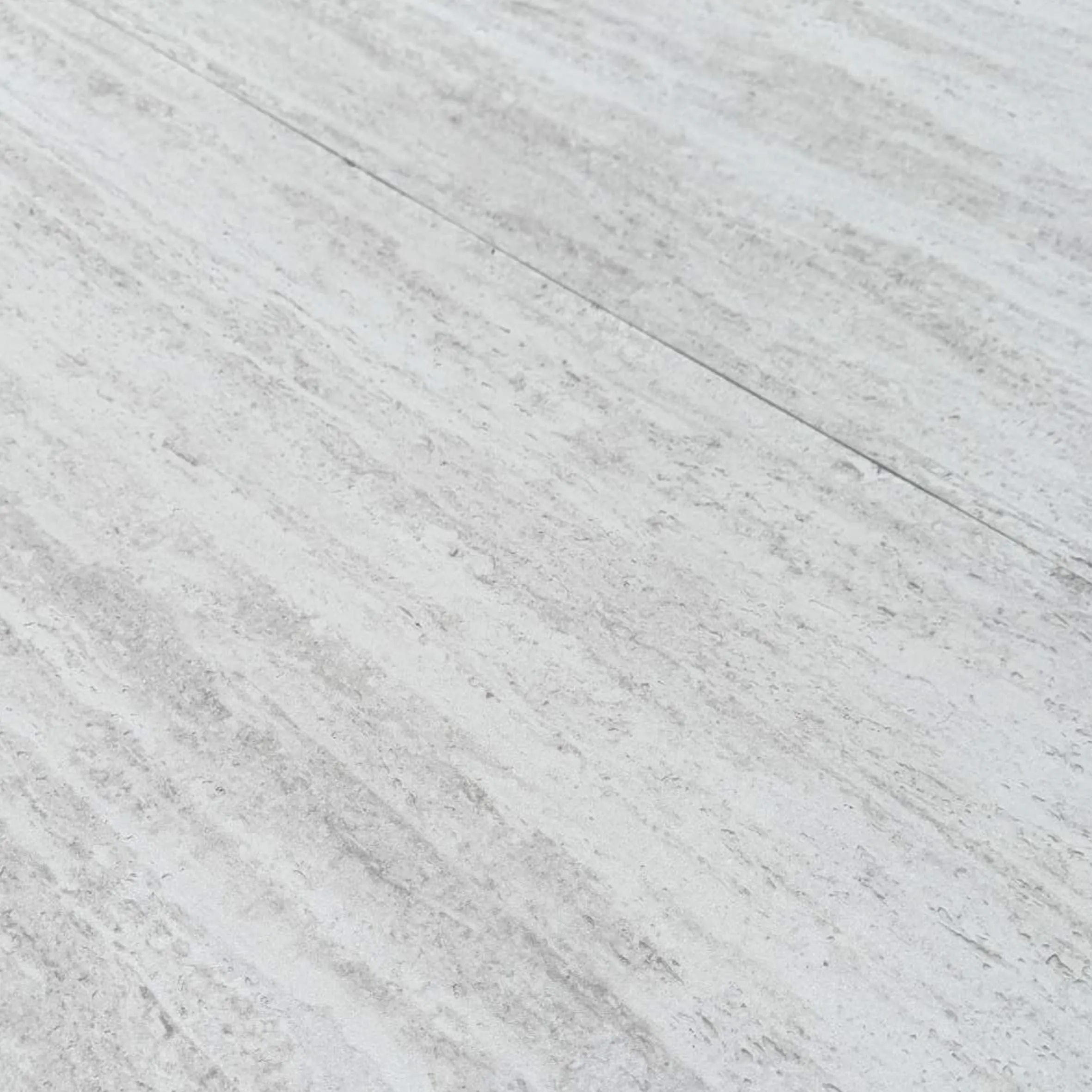
Even with daily cleaning, spills happen. The trick with Ethereal Shadow Travertine is to act fast—before the liquid has time to seep into those pores. Here's how to handle common culprits:
When you notice a spill (coffee, wine, juice, oil—you name it), grab a clean, absorbent cloth (paper towels work in a pinch, but microfiber is better) and blot the area gently. Wiping spreads the liquid, giving it more time to soak into the stone. Press firmly to soak up as much as possible, then switch to a dry cloth to blot again. Keep going until the cloth comes away clean.
Not all stains are created equal. Here's how to tackle the most common ones:
An ounce of prevention is worth a pound of cure. In kitchens, use coasters under glasses and trivets under hot pans (travertine can scratch or etch from heat). In entryways, place a doormat to trap dirt and moisture before it hits the floor. In bathrooms, use a non-slip mat with a rubber-free backing (rubber can discolor travertine) to catch water and soap scum.
Pro tip: If you have Ethereal Shadow Travertine countertops, avoid cutting directly on them—use a cutting board. Even a sharp knife can leave tiny scratches that trap dirt over time.

Think of sealing as a raincoat for your Ethereal Shadow Travertine. It doesn't make the stone non-porous, but it fills in those pores to slow down liquid absorption, giving you more time to clean up spills. Sealing is not a one-and-done step, though—over time, foot traffic, cleaning, and exposure to the elements wear it down. Here's how to do it right:
New Ethereal Shadow Travertine is usually sealed at the factory, but it's smart to check after installation. To test if your stone needs sealing, drop a few drops of water on the surface. If the water beads up, the sealer is still working. If it soaks into the stone within 5-10 minutes, it's time to reseal. For indoor floors or countertops, aim to seal every 1-3 years. For outdoor areas (patios, pool decks), where sun, rain, and foot traffic are harsher, seal every 6-12 months.
There are two main types of sealers for travertine: penetrating and topical. Penetrating sealers (also called impregnators) soak into the stone, filling pores from the inside out. They're invisible, so they won't change the stone's color or finish—perfect for Ethereal Shadow Travertine, where you want to preserve that natural look. Topical sealers (like wax or acrylic) form a layer on top of the stone, giving it a glossy finish, but they can yellow over time and need more frequent reapplication. Stick with penetrating sealers for Ethereal Shadow Travertine—you'll thank yourself later.
Sealing is simple, but it takes patience. Here's the step-by-step:
Even with daily care, Ethereal Shadow Travertine can start to look dull after a few months. Dirt builds up in pores, and soap residue (from even mild cleaners) can leave a film. That's when it's time for a deep clean. Skip the harsh abrasives—instead, try a poultice or a stone-safe deep cleaner.
A poultice is like a deep-cleaning mask for your travertine. It draws out dirt and stains from pores using a gentle, absorbent mixture. Here's how to make one:
If DIY isn't your thing, look for a pH-neutral, stone-specific deep cleaner (check the label for "travertine safe"). Avoid anything with "grout cleaner" or "heavy-duty" in the name—these often contain acids or abrasives. Follow the instructions on the bottle, and always rinse thoroughly to avoid residue.
Even the most well-meaning homeowners make missteps with travertine. Here are the ones to watch for:
We get it—vinegar is a go-to for cleaning everything from windows to sinks. But travertine is calcium-based, and acid + calcium = a chemical reaction that etches the stone. Over time, vinegar or lemon can leave dull, permanent marks. Stick to pH-neutral cleaners instead.
Travertine doesn't like sitting in water. When you mop with a soaking wet mop, water seeps into pores and can cause cracks, mold, or discoloration. Wring that mop out until it's just damp—you should barely see moisture on the surface.
"Oh, it's just a tiny coffee spot—I'll clean it later." Big mistake. The longer a stain sits, the deeper it seeps into the pores. Even if it's small, blot it immediately. You'll save yourself hours of scrubbing later.
Steel wool, scouring pads, or even hard-bristled brushes can scratch Ethereal Shadow Travertine's surface. Stick to soft cloths, microfiber mops, and plastic scrapers (for dried spills) instead.
Ethereal Shadow Travertine isn't meant to stay "perfect"—it's meant to age with your home. Over time, you might notice light scratches, subtle color changes, or a softening of the surface. That's called patina, and it's part of the stone's charm. But if you want to refresh it, here are a few options:
And remember: Ethereal Shadow Travertine is a natural stone, so no two slabs are exactly alike. Variations in color, veining, and porosity are normal—they're what make your floor or countertop one-of-a-kind.
| Cleaning Product | Safe for Ethereal Shadow Travertine? | Why or Why Not |
|---|---|---|
| pH-neutral dish soap + warm water | Yes | Gentle, removes dirt without leaving residue or etching. |
| Vinegar | No | Acidic; etches the surface and dulls color over time. |
| Baking soda paste | Yes (for stains) | Absorbs oil and organic stains; gentle enough for occasional use. |
| Bleach | No | Harsh chemicals can discolor travertine and damage sealers. |
| Penetrating stone sealer | Yes | Fills pores to slow liquid absorption; preserves natural look. |
| Wax-based polish | No | Builds up in pores, causing cloudiness; attracts dirt. |
At the end of the day, Ethereal Shadow Travertine's porosity isn't a flaw—it's what makes it special. It's a reminder that this stone was formed by nature, not a factory, and that a little care goes a long way. With daily sweeping, prompt spill cleanup, regular sealing, and gentle deep cleaning, you can keep that soft, shadowy glow for years to come. And when you do notice a scratch or a stain? Remember: it's just part of the story. Your travertine isn't just a floor or a countertop—it's a piece of the earth, living in your home. And that's worth a little extra love.
So go ahead—pour that morning coffee, host that dinner party, let the kids run around in socks. With these tips, your Ethereal Shadow Travertine will keep up with all of it, looking just as beautiful as the day it was installed.
Recommend Products












