
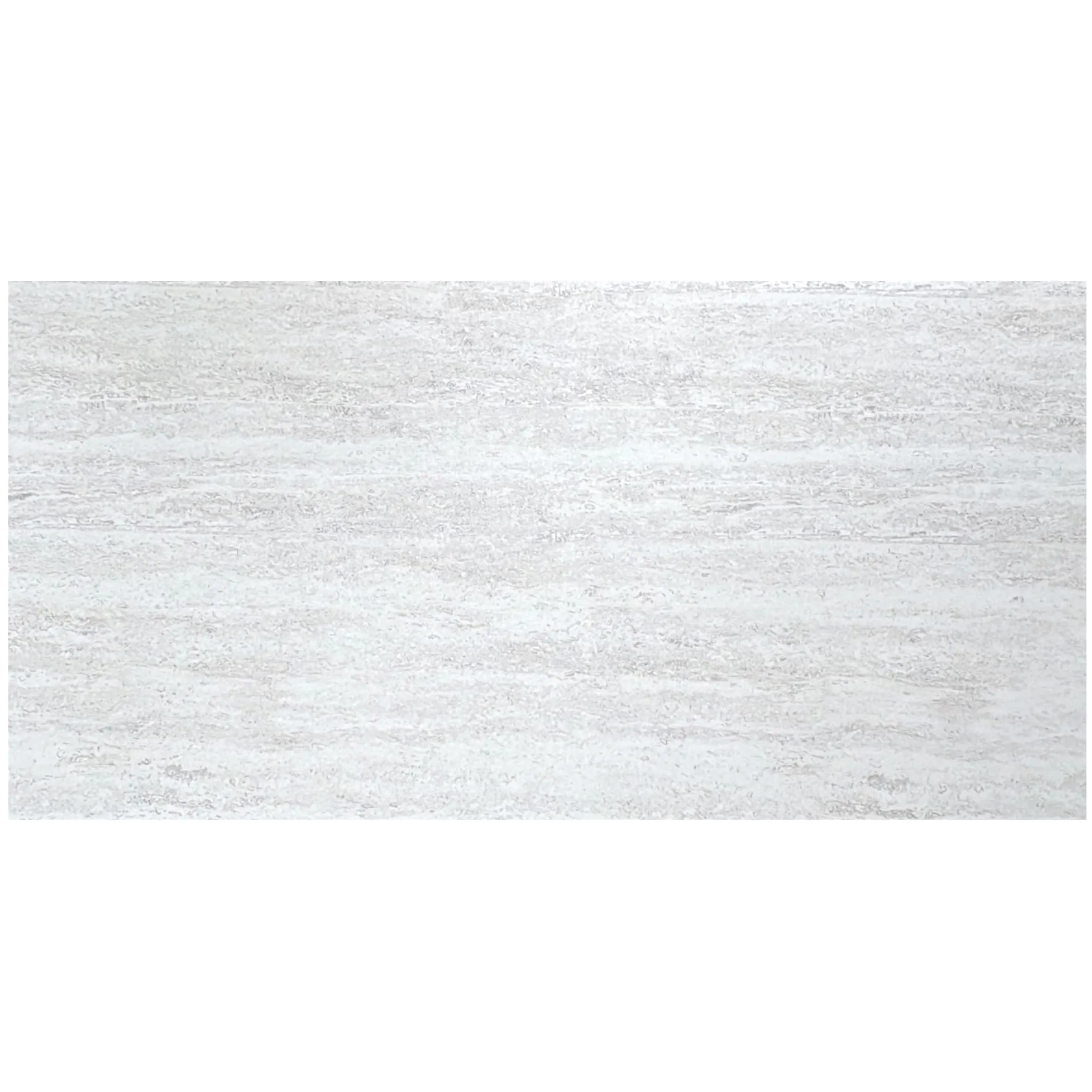
Navigating the nuances of natural stone to bring your design vision to life
Imagine walking into a space you've spent months designing—walls clad in what should be the soft, muted tones of ethereal shadow travertine, a material you fell in love with for its ability to blend warmth and sophistication. But instead of the cohesive, calming palette you envisioned, there are splotches of beige, streaks of gray, and even the occasional hint of pink. Disappointment creeps in, and suddenly, that "perfect" material feels like a misstep. Sound familiar? If you've ever worked with natural stone, you know color consistency isn't just a detail—it's the backbone of a project's success.
For designers, architects, and homeowners alike, selecting stone samples is more than just picking a pretty pattern. It's about ensuring that the slab you choose today will match the one delivered next week, and the one installed six months from now. And when it comes to a stone as uniquely beautiful as ethereal shadow travertine—with its dreamlike veining and subtle depth—this process becomes even more critical. In this guide, we'll break down how to select ethereal shadow travertine samples with confidence, avoiding common pitfalls and ensuring your project shines with uniformity and grace.
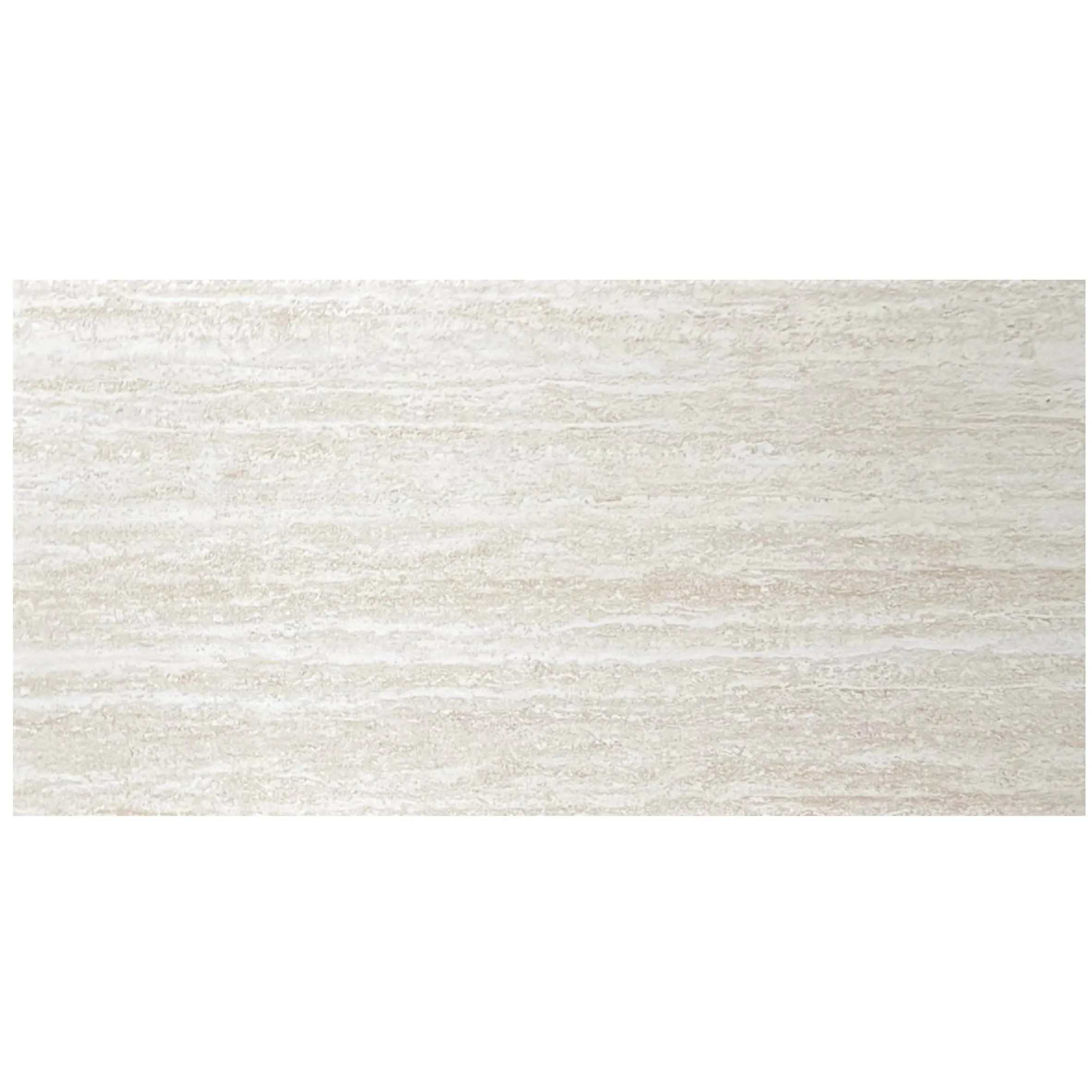
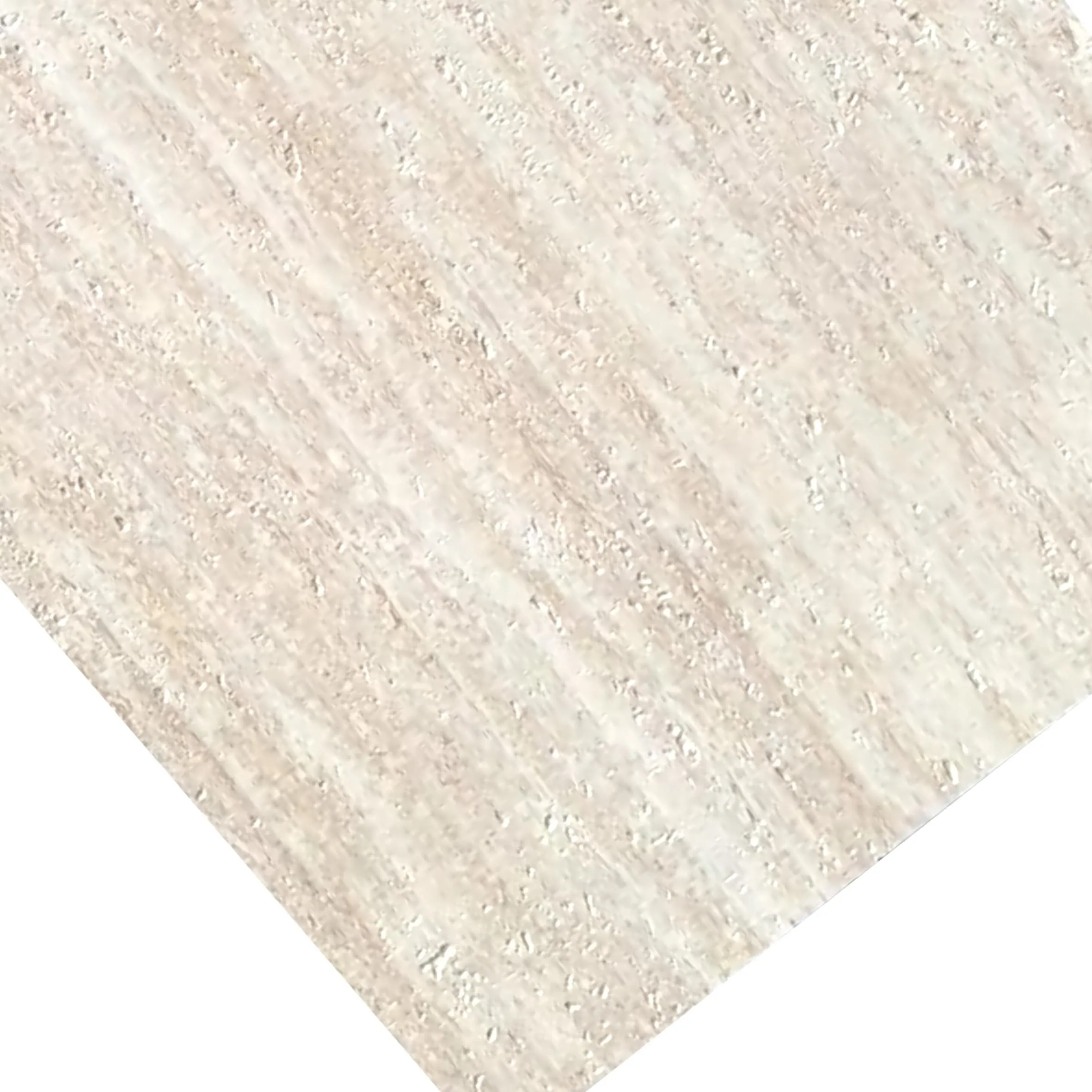
Before diving into sample selection, let's take a moment to appreciate what sets ethereal shadow travertine apart. Travertine itself is a form of limestone, formed by mineral-rich hot springs depositing calcium carbonate over time. What makes the "ethereal shadow" variant unique is its delicate balance of light and dark—think soft, cloud-like veining in shades of dove gray and charcoal, set against a warm, off-white base that glows subtly under different lighting. It's not as bold as red travertine or as uniform as fair-faced concrete; instead, it has a quiet drama that elevates spaces without overwhelming them.
Commonly used in both residential and commercial projects, ethereal shadow travertine shines in feature walls, fireplace surrounds, kitchen backsplashes, and even outdoor patios. Its neutral palette makes it versatile, pairing beautifully with wood grain board for a rustic-modern feel or with polished concrete for an industrial edge. But here's the catch: its natural beauty is also its greatest challenge. Because it's a product of nature, no two slabs are identical—and that variability can either add character or create chaos, depending on how you manage it.
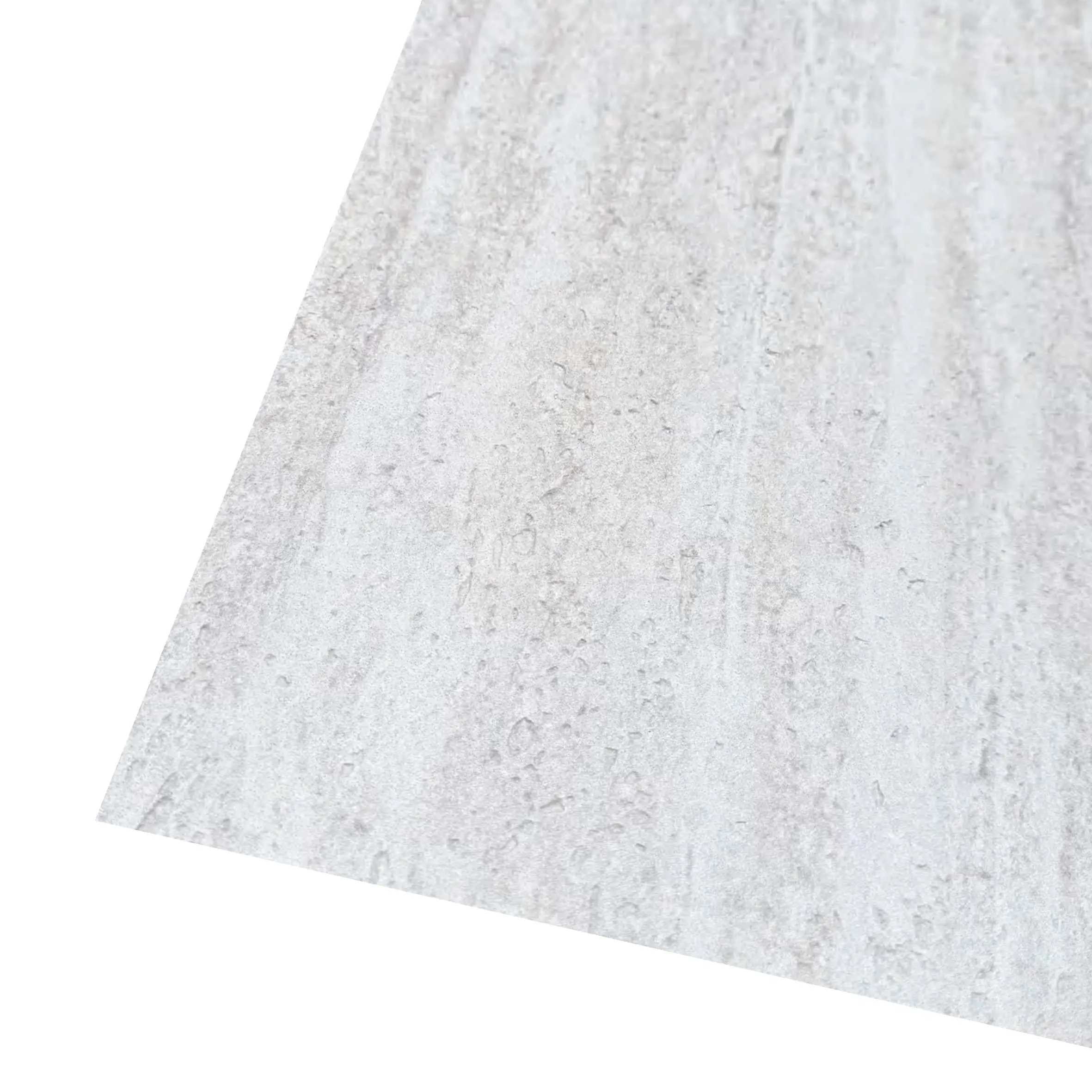
To master sample selection, you first need to understand why color inconsistency happens. Let's pull back the curtain on the factors that can turn your "perfect" stone samples into a mismatched puzzle:
Travertine forms in layers underground, and each layer (or "vein") can have slightly different mineral compositions. A quarry might extract stone from the top layer one month and a deeper layer the next, leading to variations in color intensity. For example, stone from a sunlit section of the quarry might have warmer undertones, while stone from a shaded area could lean cooler. Ethereal shadow travertine, with its subtle gradients, is especially sensitive to these shifts.
How the stone is cut and finished also plays a role. A honed finish (matte) might soften the appearance of veining, making colors look more uniform, while a polished finish can amplify contrast, highlighting every variation. Even something as simple as the angle of the saw blade during cutting can affect how light reflects off the stone, altering its perceived color. If your samples come from different batches with different finishing techniques, what looks consistent in the showroom might clash once installed.
Ever bought a shirt that looked navy in the store but black in your bedroom? The same principle applies to stone. Natural light, fluorescent lighting, and warm incandescent bulbs can all make the same piece of ethereal shadow travertine look drastically different. A sample that appears cool and gray under office lights might warm up to a beige-tinged tone in sunlight, throwing off your entire color scheme.
While this comes after installation, it's worth noting upfront: exposure to UV rays, moisture, and even air pollution can cause travertine to fade or discolor over time. Some samples might be "fresher" (newly quarried) and others might have been stored outdoors, leading to subtle differences in how they'll age. This is especially true for exterior projects, where ethereal shadow travertine might be paired with materials like gobi panel or foamed aluminium alloy board (vintage silver)—materials with their own aging properties.
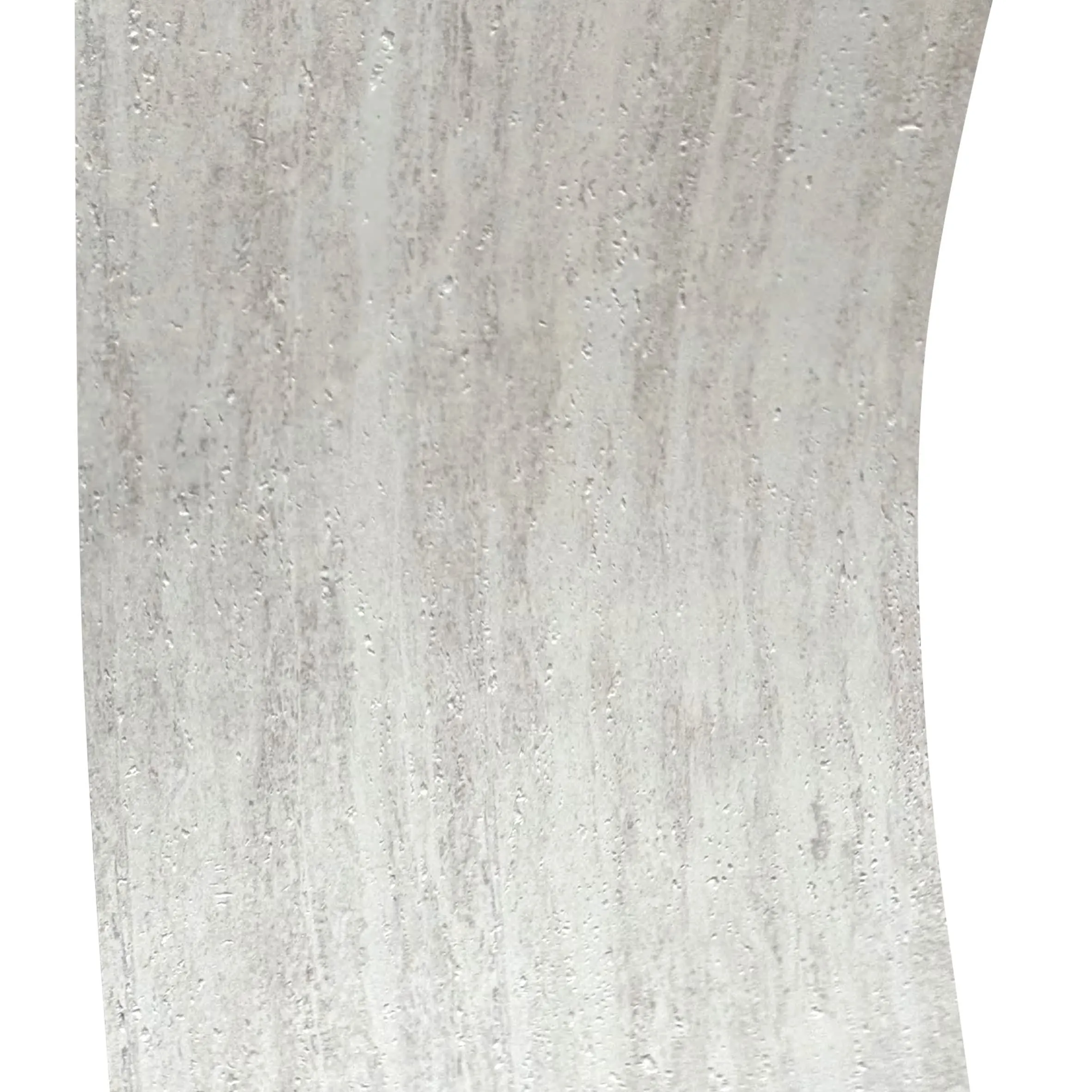
Now that you know what you're up against, let's walk through the process of selecting samples that will translate to a cohesive final product. This isn't just about picking the "prettiest" slab—it's about being methodical, patient, and a little bit of a detective.
Start by asking your supplier for at least 5–7 samples from the same quarry batch. A "batch" refers to stone extracted and processed around the same time, which minimizes variations from quarry layers or finishing techniques. But don't stop there—also request 2–3 samples from the next batch the supplier plans to deliver. This gives you a sense of how consistent their stock is over time. If the difference between batches is stark, you might want to reconsider that supplier.
Pro tip: Label each sample with the batch number and extraction date (if available). This might seem excessive, but it'll save you headaches later if you need to order more stone mid-project.
Never rely solely on the lighting in a showroom. Take the samples back to your project site (or a space with similar lighting) and view them at different times of day: morning sunlight, afternoon shade, and evening artificial light. For example, if you're designing a kitchen with under-cabinet LED lights, hold the samples under those exact bulbs. You might be surprised—ethereal shadow travertine that looked uniform under fluorescent showroom lights could reveal subtle pink undertones under warm LEDs.
Another trick: Take photos of the samples in each lighting scenario and compare them side by side. Sometimes, seeing the stone through a camera lens helps highlight variations your eye might miss in the moment.
Lay all your samples flat on a neutral surface (white or gray) and arrange them in a grid. Stand back and squint—this blur your focus, making it easier to spot obvious color shifts. Then, flip a few samples upside down or rotate them. Travertine veining is often directional, and rotating a sample can make inconsistencies more apparent. For ethereal shadow travertine, pay special attention to the density of the gray veining: Are some samples more "cloudy" and others more "streaky"? Do the base tones range from cream to off-white?
Don't rush this step. Spend 10–15 minutes just observing. The goal isn't to find perfectly identical samples (natural stone isn't manufactured tile, after all), but to ensure the variations are subtle enough to feel intentional, not haphazard.
Travertine is porous, which means it can absorb liquids and stain—including the sealers and cleaners you'll use post-installation. Take a small amount of the sealer you plan to apply and dab it on the back of one sample (in an inconspicuous corner). Let it dry for 24 hours, then compare it to an unsealed sample. Does the sealer darken the stone? Change its undertones? If so, you'll need to factor that into your selection—what looks consistent now might not after sealing.
For exterior projects, you can also do a quick "weather test": Mist a sample with water and leave it in direct sunlight for a day. Check if it fades or develops water spots. Ethereal shadow travertine is durable, but it's better to catch sensitivity early than after installation.
If your project involves a large surface (like a feature wall or floor), ask the supplier to create a small mock-up using 4–5 full-size tiles (or slabs) from your chosen batch. This gives you a sense of how the stone will look when installed together, including how grout lines (if any) will interact with the veining. For example, pairing ethereal shadow travertine with a light gray grout might soften inconsistencies, while a white grout could amplify them. A mock-up also helps you visualize how the stone plays with adjacent materials—say, a wood grain board accent wall or a foamed aluminium alloy board (vintage gold) trim.
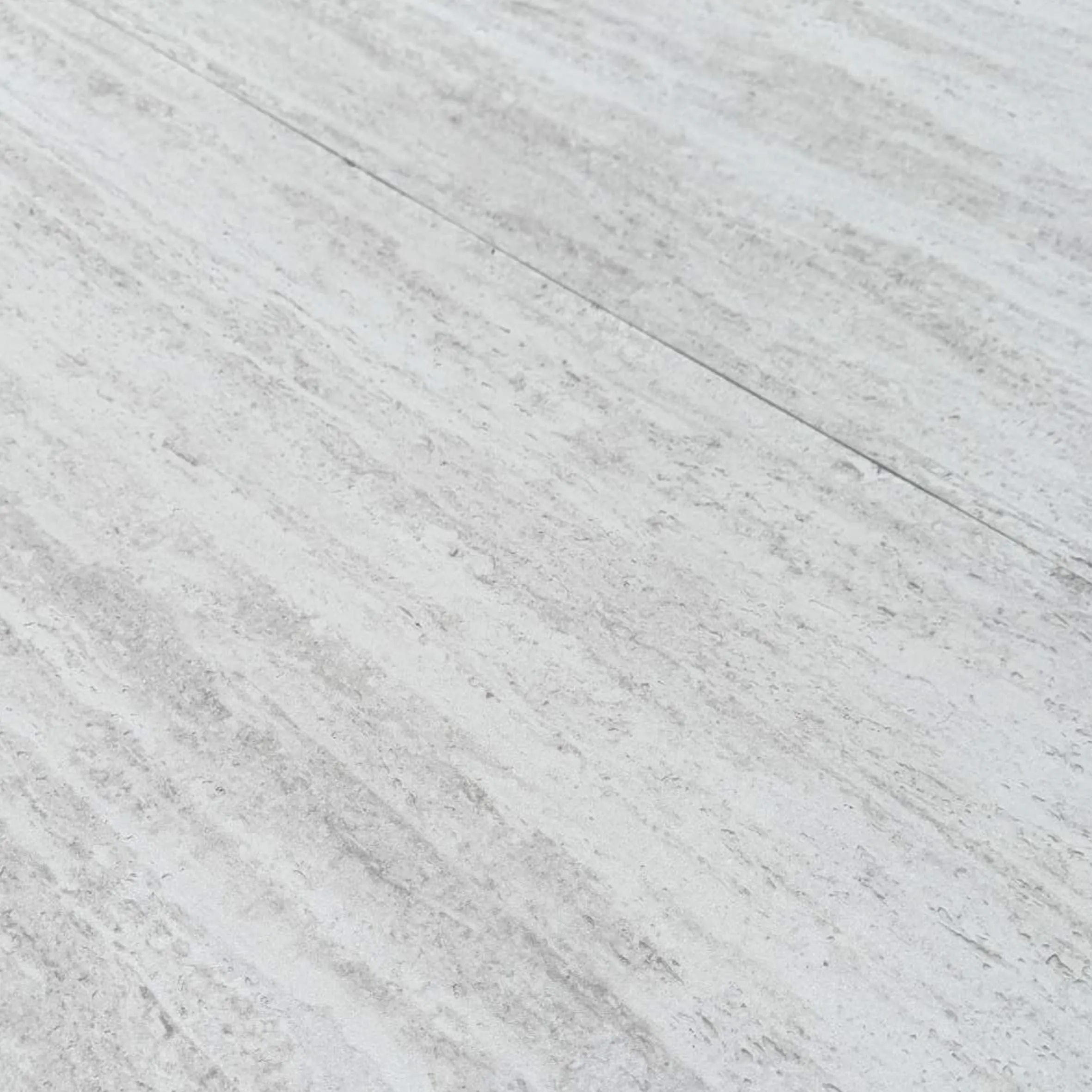
Sometimes, the best way to appreciate ethereal shadow travertine's color consistency (or challenges) is to compare it to other popular materials. Below is a breakdown of how it fares against three common alternatives: fair-faced concrete, wood grain board, and travertine (starry red).
| Material | Color Range | Consistency Level | Best For | Maintenance Needs |
|---|---|---|---|---|
| Ethereal Shadow Travertine | Off-white base with gray/charcoal veining | Medium (natural variations, but manageable with careful selection) | Interior walls, fireplaces, upscale kitchens | Seal annually; avoid acidic cleaners |
| Fair-Faced Concrete | Gray, beige, or white (uniform) | High (manufactured, minimal variation) | Industrial-chic spaces, exteriors | Low; occasional sealing |
| Wood Grain Board | Warm browns, tans, grays (varies by wood type) | Medium (grain patterns vary, but color is often dyed for consistency) | Accent walls, cabinetry, flooring | Regular dusting; avoid moisture |
| Travertine (Starry Red) | Vibrant red base with gold/cream veining | Medium-Low (bolder color means variations are more noticeable) | Statement walls, hospitality spaces | Seal every 6–12 months; prone to staining |
As you can see, ethereal shadow travertine sits in the middle of the consistency spectrum—not as uniform as fair-faced concrete, but more predictable than a bold stone like travertine (starry red). Its charm lies in that balance: it brings the warmth of natural stone without the high risk of clashing colors, making it a favorite for designers who want "character without chaos."

Still skeptical that careful sample selection makes a difference? Let's look at three projects where ethereal shadow travertine took center stage—all because the team prioritized consistency from the start.
A boutique hotel in wanted its lobby to feel like a "calm oasis," with walls clad in ethereal shadow travertine paired with bamboo mat board accents. The design team ordered 10 samples from two different suppliers, tested them under the lobby's skylights and warm pendant lights, and even created a mock-up using 12 slabs. They noticed that one supplier's batch had more pronounced charcoal veining, which clashed with the bamboo's warmth. The other supplier's batch had softer, more diffused veining—consistent enough to create a cohesive backdrop without feeling monotonous. Today, guests often comment on the "peaceful, almost meditative" vibe of the lobby, a testament to the stone's uniform beauty.
A homeowner in wanted to transform their living room with an ethereal shadow travertine feature wall, flanked by foamed aluminium alloy board (vintage silver) shelves. They initially ordered three samples, all from the same batch, and loved how they looked in the store. But when they took them home, they realized the samples looked drastically different under their living room's LED strip lights—one leaned pink, another gray, and the third cream. Instead of settling, they asked for 10 more samples, tested them at different times of day, and selected a subset with the most consistent off-white base. The result? A wall that glows softly in the morning and feels cozy in the evening, with the silver shelves adding just the right amount of contrast.
A tech company in wanted to update its office exterior with a modern, sophisticated look, using ethereal shadow travertine panels alongside gobi panel for texture. The challenge? Exterior stone is exposed to harsh sunlight and rain, which can exaggerate color variations. The contractor ordered samples from three batches, left them outdoors for two weeks, and compared their colorfastness. One batch faded noticeably, another developed water spots, but the third held its color beautifully. By selecting that batch and sealing the stone post-installation, the exterior now looks as crisp and uniform as it did on day one—even two years later.
You've selected the perfect samples, installed the stone, and stepped back to admire your handiwork. Now, how do you keep it looking consistent for years to come? Here are a few pro tips:
Selecting ethereal shadow travertine samples isn't just about checking a box on your project to-do list—it's about honoring the natural beauty of the stone while ensuring your design vision stays intact. It requires patience, curiosity, and a willingness to ask questions (and demand answers) from your supplier. But when done right, the payoff is enormous: a space that feels intentional, cohesive, and uniquely yours.
Remember, natural stone's variability is part of what makes it special. Ethereal shadow travertine isn't meant to be perfectly uniform—that would strip it of its "ethereal" charm. Instead, your goal is to find consistency within that variability, selecting samples that complement each other like a well-choreographed dance. With the steps outlined here, you'll be well on your way to creating a space that not only looks stunning today but stands the test of time tomorrow.
So go ahead—order those samples, test them in every light, and trust your eye. Your project (and future self) will thank you.
Recommend Products












