
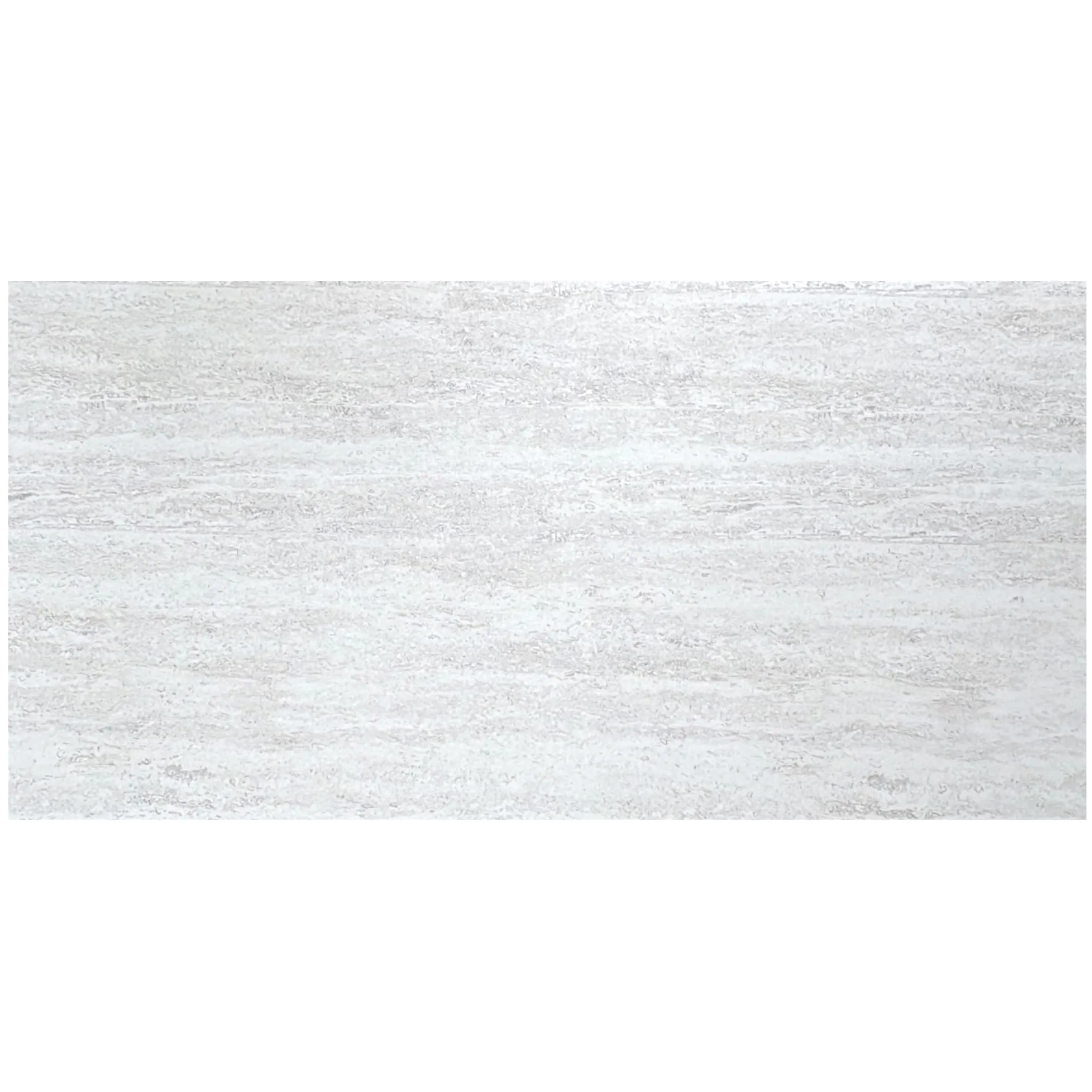
There's a quiet elegance to Ethereal Shadow Travertine that's hard to replicate. Its soft, muted gray tones, swirled with delicate veining that mimics the play of light and shadow at dawn, have made it a favorite among designers and homeowners alike. Whether gracing the floors of a modern minimalist living room, the walls of a boutique hotel lobby, or the countertops of a chef's kitchen, this natural stone brings a sense of timelessness and organic beauty to any space. But like many natural stones, its allure comes with a hidden vulnerability: porosity. Without proper protection, those subtle gray hues and intricate veins can quickly fall victim to stains, dullness, and discoloration. Sealing Ethereal Shadow Travertine isn't just a maintenance task—it's an act of preserving the stone's soul. Let's dive into why sealing matters, how it works, and how to do it right.
To understand why sealing is essential, we first need to appreciate what makes Ethereal Shadow Travertine unique. Travertine itself is a sedimentary rock formed over millennia by the slow deposition of calcium carbonate from mineral-rich hot springs. As water flows through the earth, it dissolves limestone, carrying the minerals to the surface where they cool, crystallize, and build up layer by layer. The result? A stone with a porous structure, marked by tiny holes (called "vugs") and channels created by gas bubbles trapped during formation.
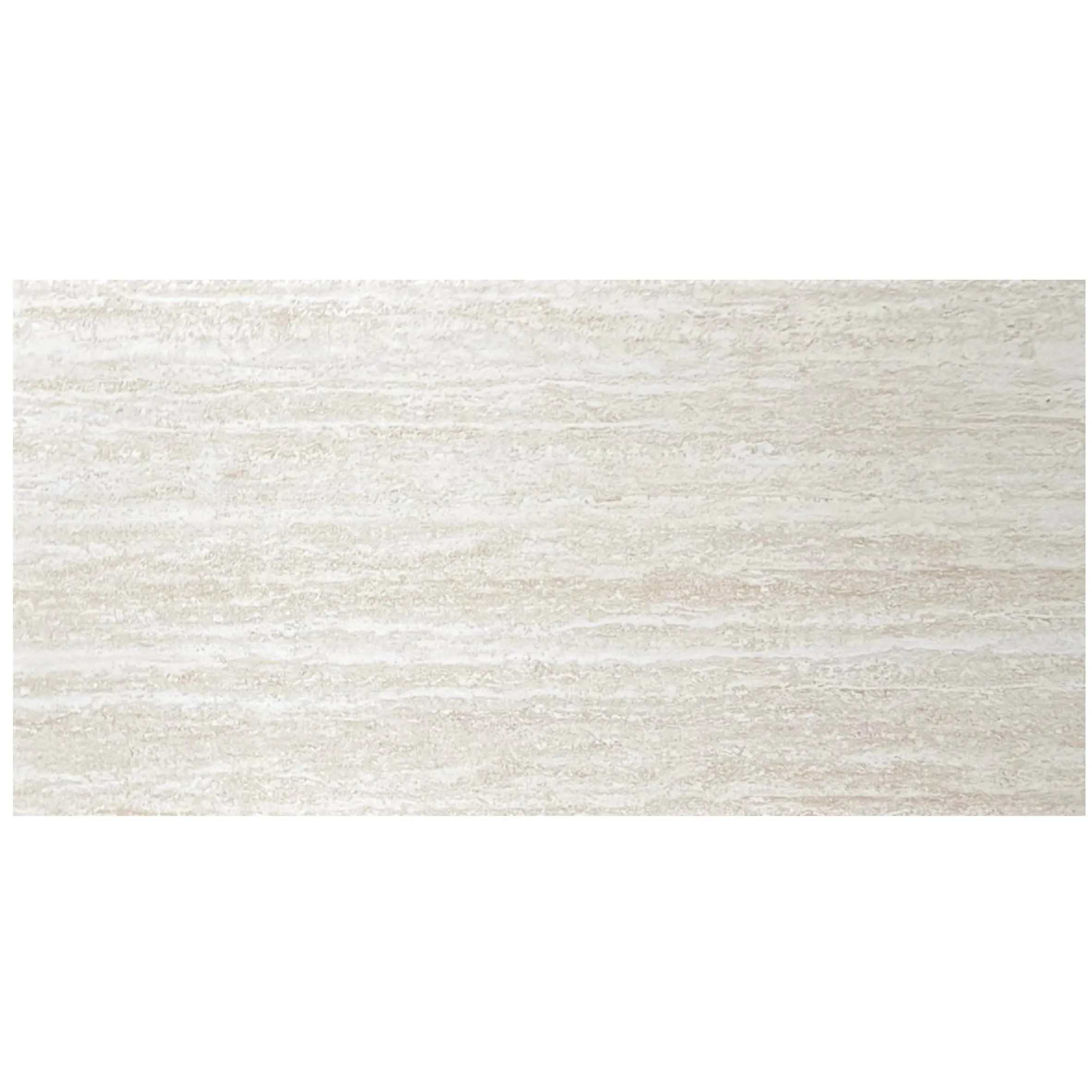
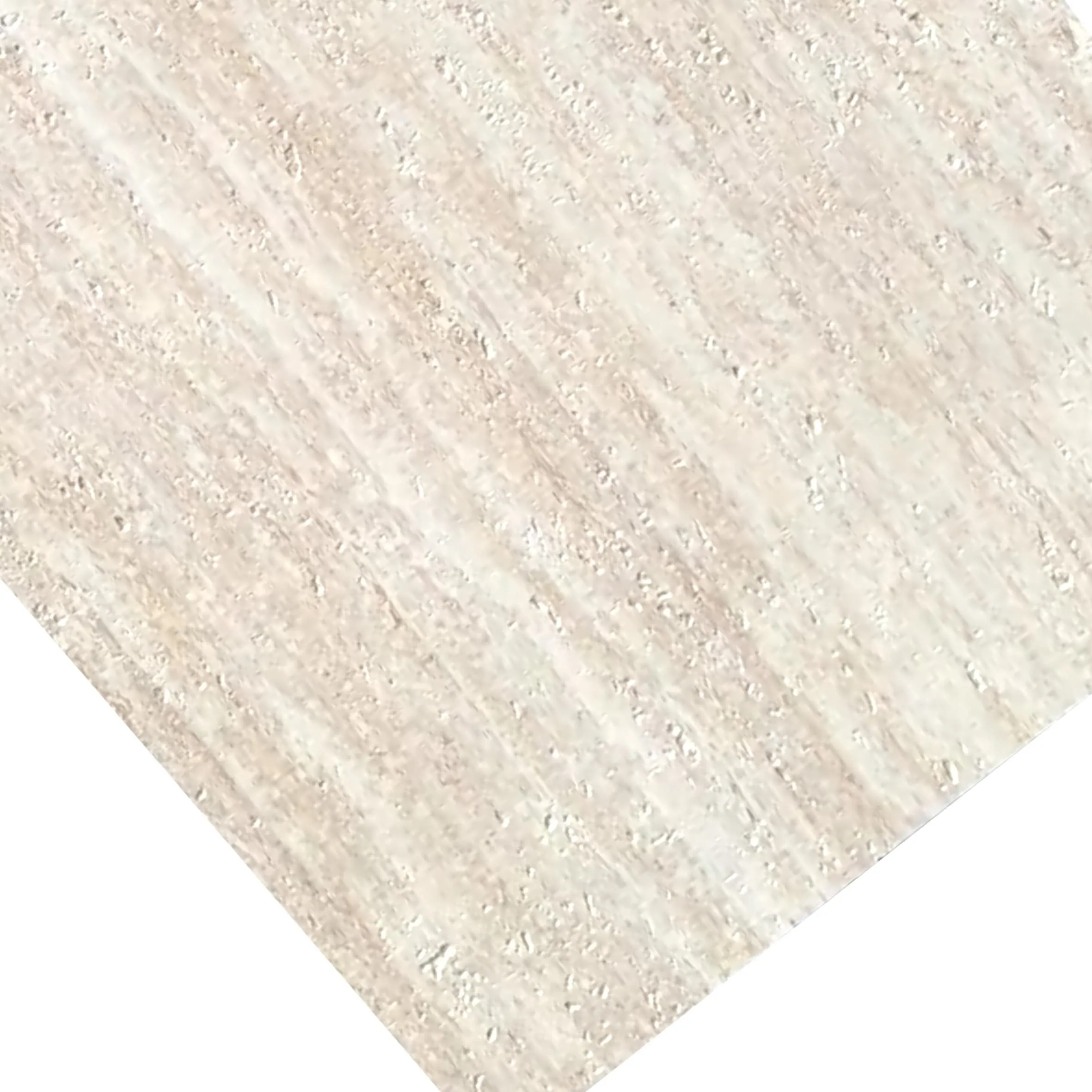
Ethereal Shadow Travertine stands out even among its travertine cousins. Unlike the bold, starry patterns of Travertine (Starry Blue) —which features vibrant blue hues dotted with iridescent flecks that mimic a night sky—or the warm, earthy tones of Travertine (Beige) , Ethereal Shadow leans into understatement. Its base color is a soft, cool gray, with veins ranging from nearly white to deep charcoal, creating a subtle, cloud-like effect. The surface is often honed to a smooth, matte finish, enhancing its tactile appeal while highlighting the stone's natural texture. It's a stone that doesn't shout; it whispers, inviting you to lean in and notice its details.
But that porosity that gives Ethereal Shadow Travertine its character is also its Achilles' heel. Those tiny vugs and pores aren't just visual—they're open channels that absorb liquids, oils, and dirt like a sponge. Without a protective barrier, everyday spills and wear can leave permanent marks, turning that once-pristine gray surface into a patchwork of stains.
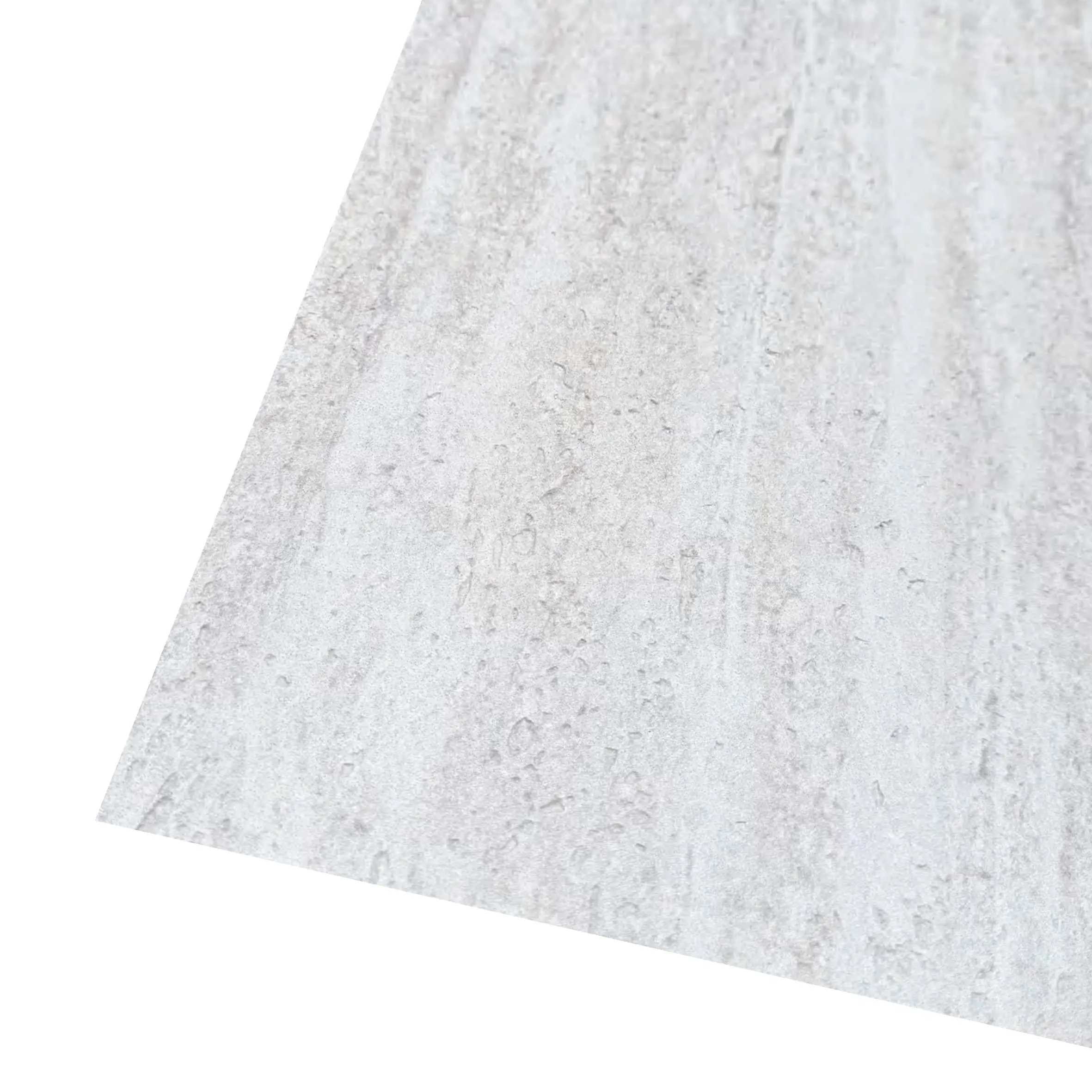
Let's paint a common scenario: You're hosting a Sunday brunch, and as you set down a mug of black coffee on your Ethereal Shadow Travertine countertop, you notice a small spill. You grab a cloth and wipe it up, but an hour later, you spot a faint brown ring where the coffee sat. That's porosity in action. The liquid didn't just sit on the surface—it seeped into the stone's pores, and even after wiping, some of it remained, staining the calcium carbonate from the inside out.
Stains on Ethereal Shadow Travertine come in many forms, each exploiting the stone's porous nature:
Compare this to a material like fair-faced concrete , which is dense and non-porous. Spills on fair-faced concrete sit on the surface, making them easy to wipe away, but the material lacks the warmth and organic beauty of Ethereal Shadow Travertine. For those who prioritize aesthetics, the trade-off is clear—but it comes with a responsibility to protect that beauty.
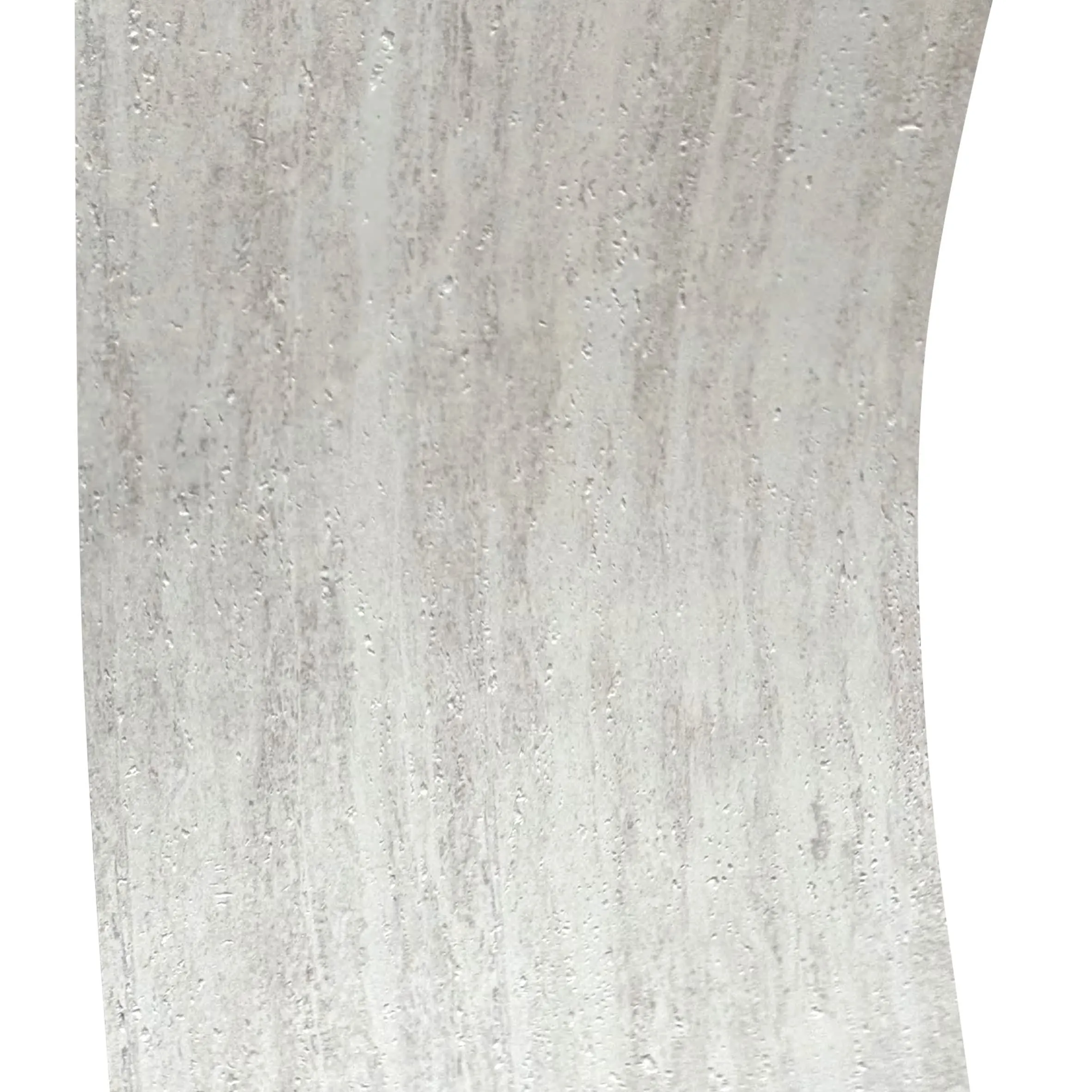
Sealing Ethereal Shadow Travertine isn't optional—it's the only way to ensure it stays as stunning as the day it was installed. Here's why:
The primary job of a sealer is to create a barrier that repels liquids, preventing them from seeping into the stone's pores. A good sealer buys you time—minutes, even hours—to wipe up spills before they can cause damage. Without sealing, a glass of red wine spilled at a dinner party could leave a permanent purple stain; with a fresh seal, you might not even notice it was there.
Unsealed Ethereal Shadow Travertine dulls over time. Dirt and grime accumulate in the pores, making the stone look lackluster, while stains create discoloration that breaks up its smooth, uniform appearance. Sealing keeps the pores closed, preventing dirt buildup and preserving the stone's original color and veining. It's like giving your stone a "shield" that keeps it looking vibrant for years.
Natural stone isn't cheap, and Ethereal Shadow Travertine is no exception. Sealing extends its lifespan by preventing damage from stains, etching, and wear. A well-sealed stone can last decades, even in high-traffic areas like entryways or kitchens, whereas an unsealed one might need replacement in just a few years. Think of sealing as an insurance policy for your investment.
Cleaning unsealed Ethereal Shadow Travertine is a chore. You'll find yourself scrubbing stubborn stains with harsh cleaners (which can actually damage the stone further) or hiring professionals for expensive deep cleanings. Sealed stone, on the other hand, is easy to maintain—regular sweeping and mopping with a pH-neutral cleaner is usually all it takes to keep it looking fresh.
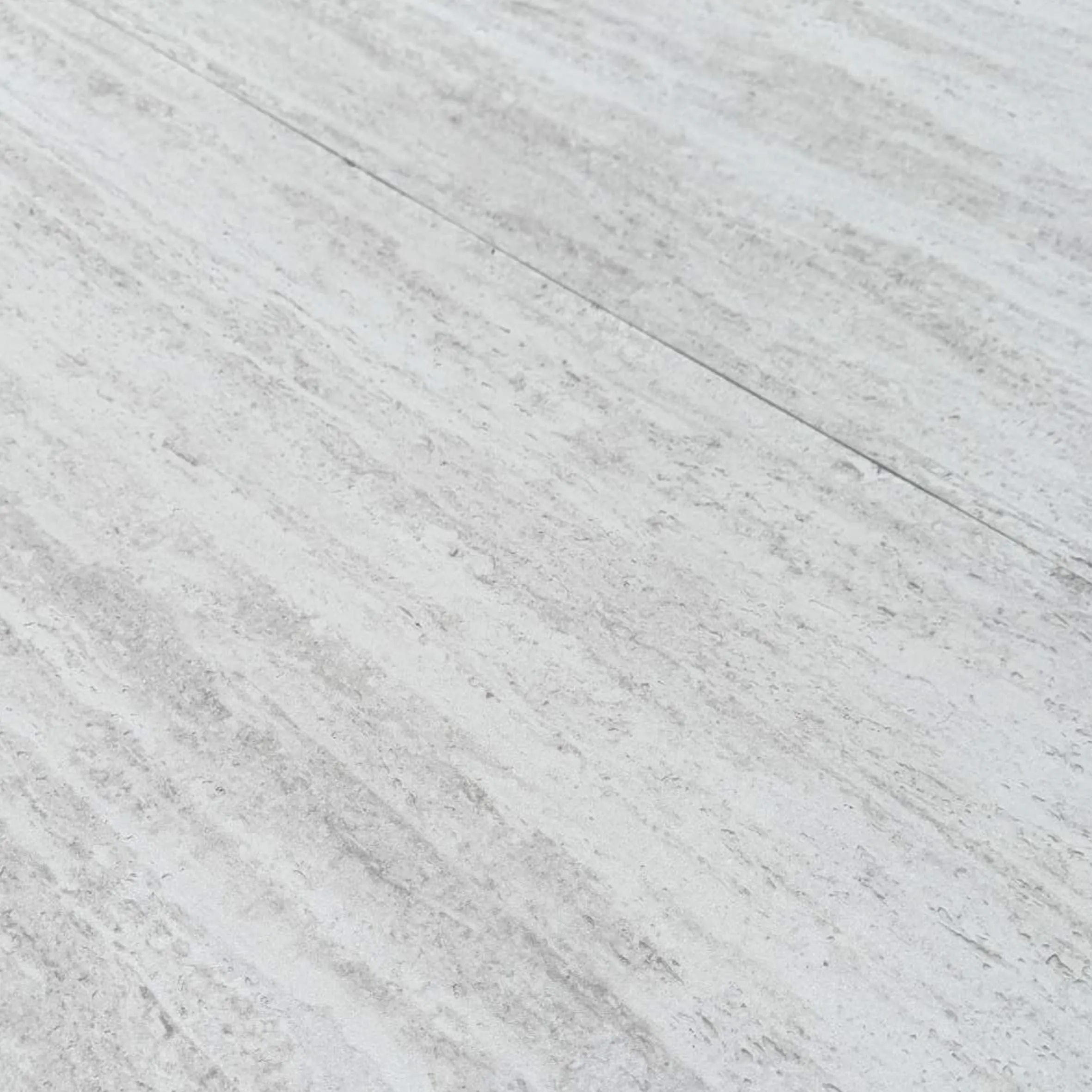
Sealers aren't magic—they're chemistry. Most stone sealers work by either penetrating the stone's pores or forming a protective layer on the surface. The key is to choose a sealer that protects without altering the stone's natural appearance.
Ethereal Shadow Travertine, with its matte finish and subtle veining, benefits most from penetrating sealers . These sealers are made of small molecules (like silicones, fluoropolymers, or acrylics) that soak into the stone's pores and harden, creating a water-resistant barrier from the inside out. They don't leave a glossy or sticky film on the surface, so the stone retains its natural texture and appearance. Topical sealers, which form a layer on the surface, can work but may alter the finish (making it glossy) or wear off quickly in high-traffic areas, requiring frequent reapplication.
To help you choose, here's a breakdown of common sealer types and their pros and cons for Ethereal Shadow Travertine:
| Sealer Type | How It Works | Pros | Cons | Best For |
|---|---|---|---|---|
| Penetrating (Silicone-Based) | Silicone molecules penetrate pores and bond with stone, repelling water and oils. | Long-lasting (5-10 years), invisible finish, breathable (allows moisture to escape). | More expensive, requires thorough surface prep. | High-traffic areas (floors, countertops), outdoor use. |
| Penetrating (Acrylic-Based) | Acrylic polymers soak into pores, forming a barrier against liquids. | Affordable, easy to apply, dries quickly. | Shorter lifespan (1-3 years), may darken stone slightly. | Low-traffic areas (walls, backsplashes), temporary protection. |
| Topical (Wax or Polymer) | Forms a protective film on the surface, preventing spills from reaching pores. | Adds shine, easy to reapply, budget-friendly. | Wears off quickly, can yellow over time, alters texture. | Decorative accents, low-use surfaces, temporary projects. |
For Ethereal Shadow Travertine, a penetrating silicone-based sealer is almost always the best choice. It offers long-term protection without changing the stone's look, ensuring that subtle gray veining and matte finish remain the focal point.

Sealing Ethereal Shadow Travertine isn't complicated, but it does require patience and attention to detail. Here's a step-by-step guide to ensure your stone gets the protection it deserves:
Start with a clean, dry surface. Any dirt, dust, or residue will prevent the sealer from bonding properly. Sweep or vacuum the stone to remove loose debris, then wash it with a pH-neutral stone cleaner (avoid vinegar, bleach, or ammonia, which can etch the stone). For new installations, wait at least 24-48 hours for the stone to fully dry before sealing—trapped moisture can cause the sealer to bubble or peel.
Not all sealers behave the same way on natural stone. To avoid surprises, test the sealer on a small, inconspicuous area (like the back of a tile or a corner) first. Apply a small amount, let it dry, and check for discoloration or changes in finish. If the result is (no darkening, no gloss), proceed.
Use a clean, lint-free cloth, sponge, or spray bottle to apply the sealer. Work in small sections (2-3 square feet at a time) to ensure even coverage. For porous stones like Ethereal Shadow Travertine, you may notice the sealer being absorbed quickly—this is normal. Let the first coat sit for 5-10 minutes, then wipe away any excess with a clean cloth (don't let it dry on the surface, as this can leave streaks).
Most travertines benefit from a second coat of sealer, especially if the first coat was absorbed rapidly. Wait 1-2 hours (or as directed by the sealer manufacturer) for the first coat to dry, then apply the second coat using the same method. Wipe away excess again after 5-10 minutes.
Allow the sealer to cure fully before using the surface. This can take anywhere from 24 to 72 hours, depending on the sealer type and humidity levels. Avoid walking on floors, placing items on countertops, or exposing the stone to water during this time—the sealer needs time to bond with the stone and harden.
Sealing is the foundation of stone care, but it's not the only step. To keep your Ethereal Shadow Travertine looking its best for years to come, follow these tips:
Compare this to caring for a material like wood grain board , which requires regular oiling to prevent drying and cracking. Ethereal Shadow Travertine, with its sealed surface, is low-maintenance by comparison—proof that beauty and practicality can coexist.
Ethereal Shadow Travertine isn't just a building material—it's a piece of nature, shaped by time and water, brought into our homes to connect us to the earth's beauty. Sealing it isn't about "fixing" a flaw; it's about honoring that beauty, ensuring it endures for years to come. Whether you're installing it in a cozy home or a grand commercial space, taking the time to seal and care for your Ethereal Shadow Travertine is an investment in both its appearance and its value.
So the next time you admire the soft gray tones and delicate veining of your Ethereal Shadow Travertine, remember: that beauty is protected by a silent barrier, working behind the scenes to keep stains at bay. And when you reseal it years from now, you'll be doing more than maintaining a stone—you'll be preserving a story, one that began millennia ago in a mineral-rich spring and continues in the spaces where you live, work, and create memories.
Recommend Products












