
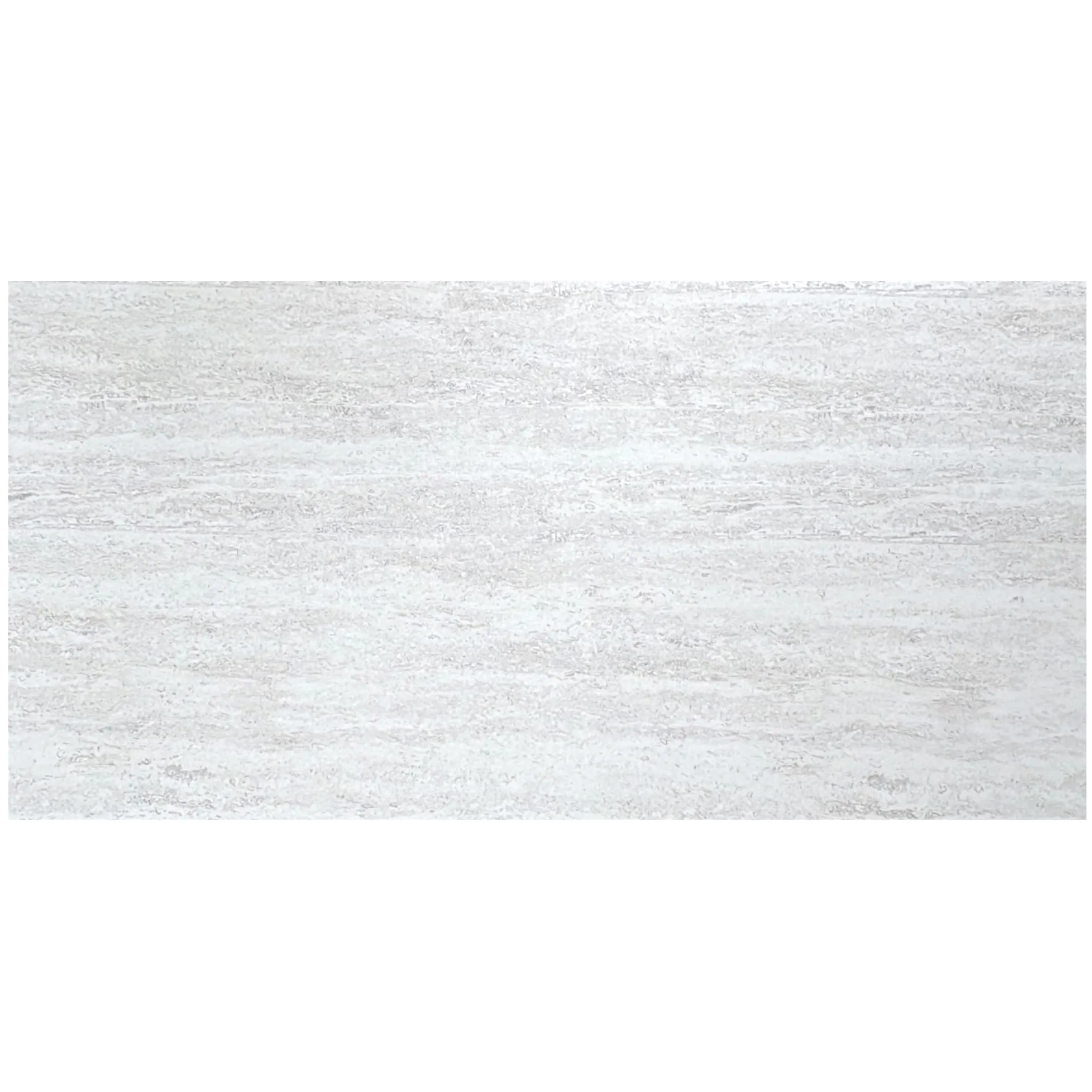
Ethereal Shadow Travertine has a way of turning ordinary spaces into something extraordinary. Picture walls clad in its soft, smoky gray tones, veined with whispers of silver that catch the light like moonlight on water. Or a kitchen countertop where its gentle texture invites touch, telling a story of ancient seas and slow-forming mineral deposits. It's no wonder this stone has become a favorite among designers—whether used in sleek modern homes or rustic villas, it brings a sense of calm, timeless elegance that's hard to replicate.
But here's the thing about Ethereal Shadow Travertine (and natural travertines in general, from the vibrant bursts of Travertine (Starry Blue) to the warm earthiness of Limestone (Beige) ): it's porous. That porosity is part of its charm—it gives the stone its unique, breathable texture—but it also makes it a magnet for stains. A spilled glass of red wine, a drizzle of olive oil, even a forgotten coffee mug can leave behind a mark that seems impossible to erase. If you've fallen for Ethereal Shadow Travertine's beauty, don't let the fear of staining keep you from enjoying it. With the right care, you can keep those shadows dancing and those veins glowing for decades.
To protect your Ethereal Shadow Travertine, it helps to first understand why stains happen. Travertine forms in hot springs and limestone caves, where mineral-rich water slowly deposits calcium carbonate. As it hardens, tiny air bubbles and channels get trapped, creating pores—like microscopic caves—that run throughout the stone. These pores are invisible to the naked eye, but they're big enough to absorb liquids, oils, and even pigments from food or drinks.
Think of it like a sponge: if you spill water on a dry sponge, it soaks in immediately. Travertine works the same way. A drop of oil, for example, doesn't just sit on the surface—it seeps into those pores, where it can oxidize and darken over time. Water-based stains (like coffee or wine) can be just as tricky, especially if they're left to dry; minerals in the liquid bond with the stone, leaving behind discoloration that's hard to lift.
Not all travertines are created equal, of course. Travertine (Starry Red) or Travertine (Starry Orange) might have more intense veining, but their porosity levels are similar to Ethereal Shadow. Even denser stones like Granite Portoro or Fair-Faced Concrete (a popular alternative for industrial-chic spaces) are less porous, but they lack travertine's soft, organic feel. So if you're set on Ethereal Shadow, the key is to outsmart those pores.
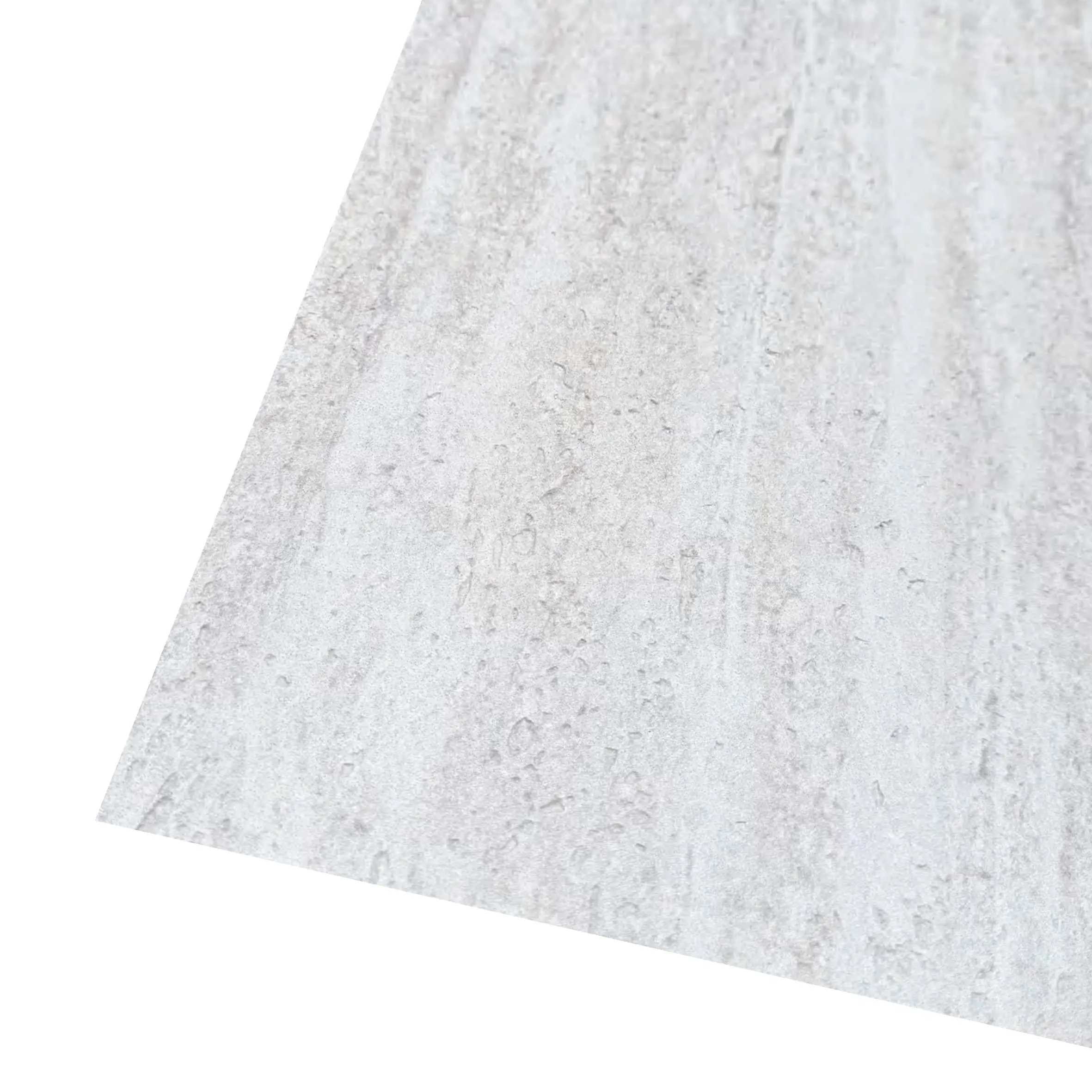
When it comes to travertine, prevention is always better than cure. A little proactive care can save you hours of scrubbing later. Here's how to keep your Ethereal Shadow Travertine stain-free:
Sealing is non-negotiable. A good sealer acts as a barrier, filling in those pores and slowing down liquid absorption. For Ethereal Shadow Travertine, opt for a penetrating sealer (also called an impregnating sealer). These seep into the stone, reacting with minerals to form a protective layer from the inside out, without altering the stone's natural texture or appearance. Avoid topical sealers, which sit on the surface—they can make the stone look glossy (which might clash with Ethereal Shadow's matte charm) and wear off quickly in high-traffic areas.
How often should you seal? For floors or countertops (high-traffic, high-spill zones), seal every 6–12 months. For walls or low-traffic areas, once every 2–3 years should suffice. To test if your sealer is still working, sprinkle a few drops of water on the stone. If the water beads up, you're good. If it soaks in within 5 minutes, it's time to reseal.
Sealers help, but they're not magic. Day-to-day care matters just as much. Get into these habits:
Stain prevention starts before the stone even touches your walls or floors. If you're installing Ethereal Shadow Travertine, work with a installer who understands natural stone. Ask for these key steps:
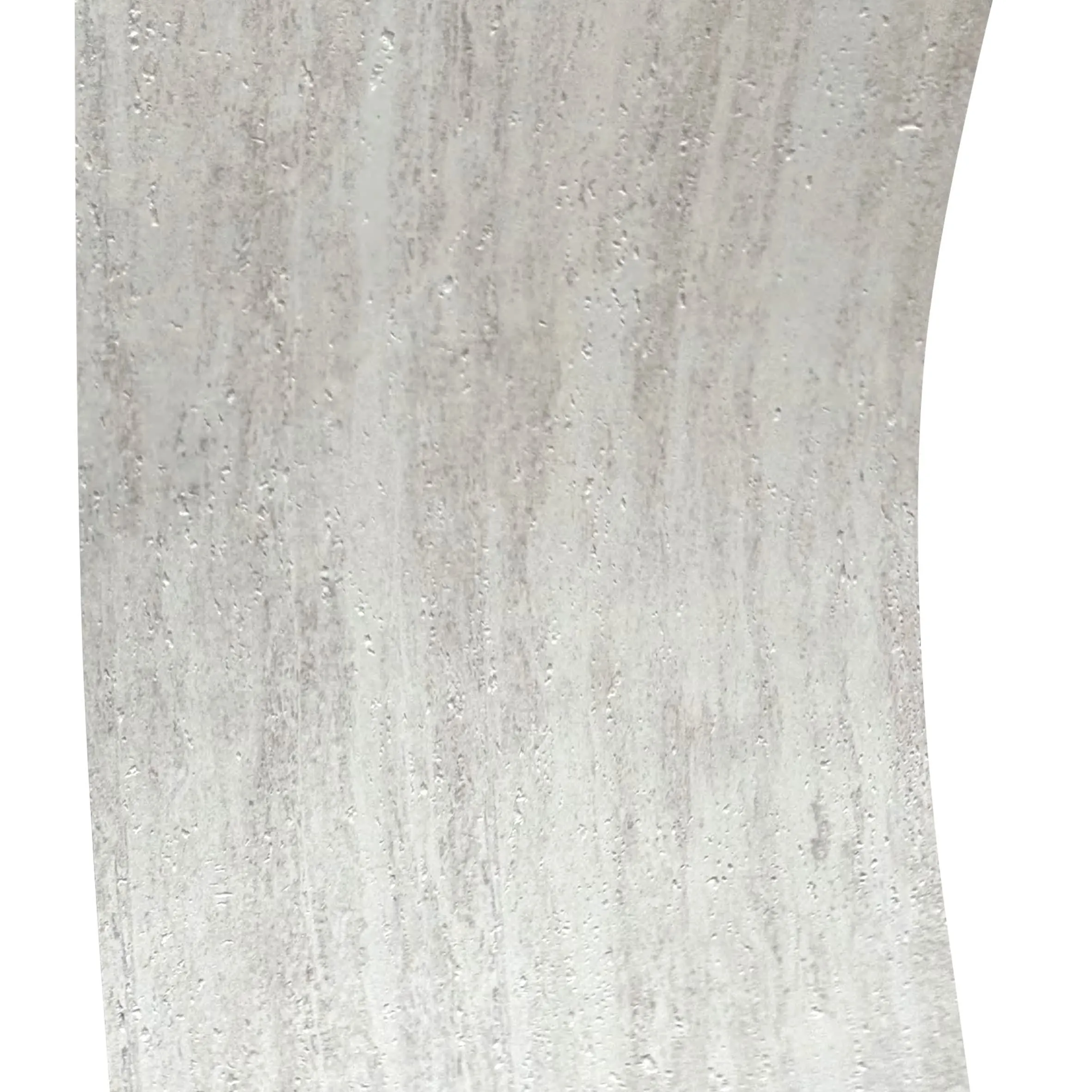
Even with the best prevention, life happens. Maybe a guest forgets a coaster, or a rainstorm soaks your travertine patio before you can cover it. The key is to act fast—and use the right method for the stain. Here's how to tackle common culprits:
| Stain Type | Common Causes | Removal Method |
|---|---|---|
| Oil-Based (Grease, Makeup, Cooking Oil) | Olive oil, lotion, lipstick, motor oil | Make a paste with 3 parts baking soda and 1 part water. Apply it to the stain, cover with plastic wrap (to keep it moist), and let sit for 12–24 hours. The baking soda will draw the oil out. Wipe away the paste with a damp cloth, then rinse with warm water. Repeat if needed. |
| Organic (Wine, Coffee, Tea, Fruit Juice) | Red wine, coffee, berry stains, tomato sauce | Mix 1 part hydrogen peroxide (3% concentration, like the kind in your medicine cabinet) with 2 parts water. Apply to the stain with a soft cloth, let sit 5–10 minutes, then blot gently. Avoid scrubbing—you don't want to push the stain deeper. For old stains, add a drop of dish soap to the mixture (make sure it's pH-neutral!) |
| Water Spots (Hard Water, Standing Water) | Leaky faucets, wet towels, rain on outdoor travertine | Buff the spot with a dry microfiber cloth—often, this is enough to lift mineral deposits. If not, mix equal parts water and white vinegar (yes, vinegar! But only for water spots—never for oil or organic stains) and gently wipe. Rinse immediately with water and dry. |
| Rust (Metal Furniture, Nails, Fertilizer) | Iron patio furniture, metal planters, rusty tools | Use a rust-removing product made for natural stone (look for ones with oxalic acid, which is gentle on travertine). Test it on an inconspicuous area first, then apply as directed. Rust stains are tricky—if the product doesn't work, call a professional stone restorer. |
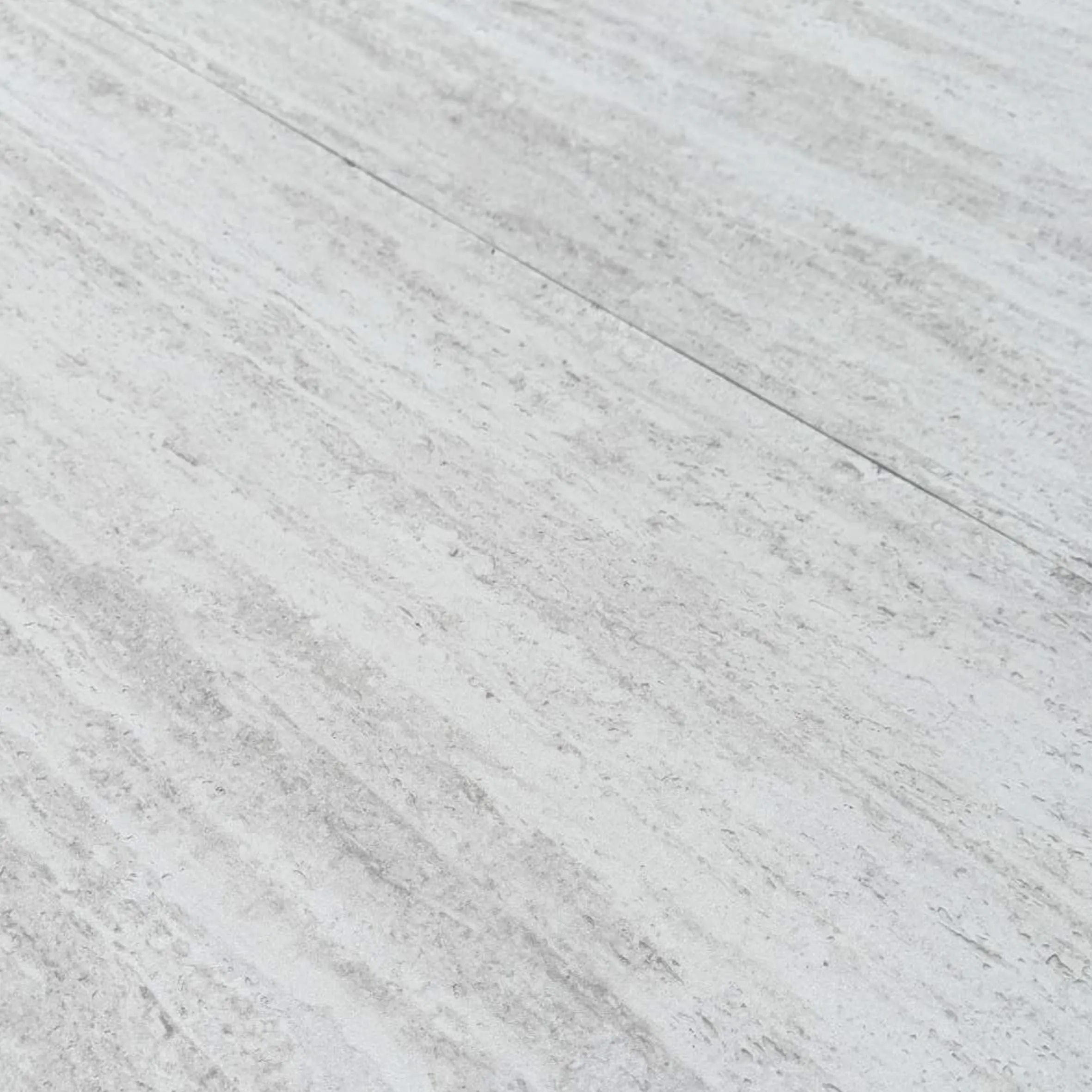
Love the look of Ethereal Shadow Travertine but need something more durable for high-spill areas (like a commercial kitchen or a kid-friendly playroom)? Consider MCM Flexible Stone from the MCM Project Board Series. These panels are crafted from modified composite materials, designed to mimic the texture and veining of natural travertine—even the subtle gray-silver of Ethereal Shadow—but with a non-porous, stain-resistant surface. They're flexible, lightweight, and easy to install, making them ideal for walls, backsplashes, or even furniture. Plus, they pair beautifully with other materials like Fair-Faced Concrete or Lunar Peak Silvery for a layered, modern look.
Another option? Polish Concrete —a sleek, industrial alternative that offers the same neutral palette as Ethereal Shadow Travertine but with zero porosity. It's not for everyone (it lacks travertine's organic texture), but it's a workhorse for high-traffic spaces where stains are a daily risk.

Stain prevention and removal are key, but regular maintenance will keep your Ethereal Shadow Travertine looking its best for years. Here's a quick checklist:
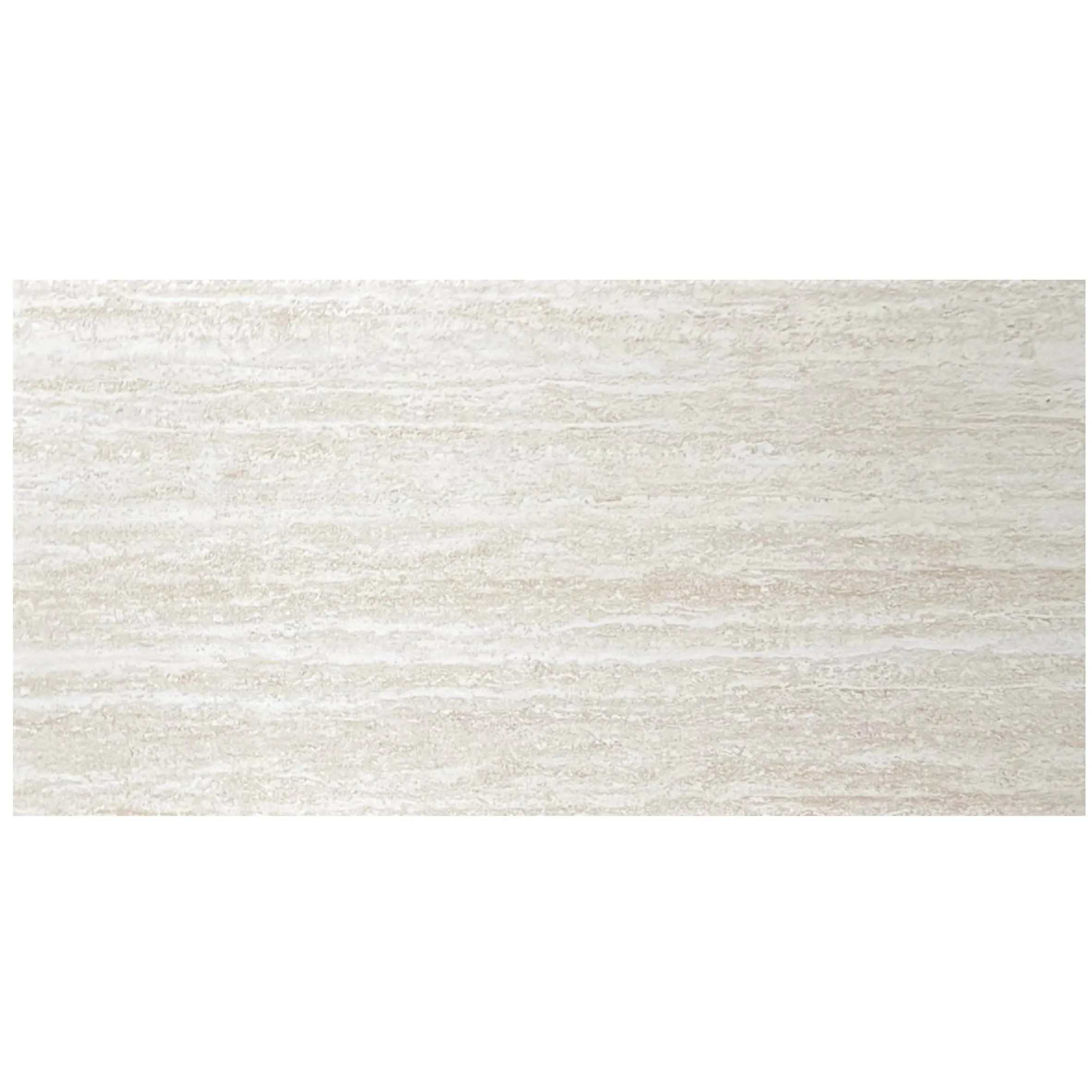
Ethereal Shadow Travertine isn't just a stone—it's a living, breathing part of your home, carrying the history of the earth in its veins. Stains might seem like a flaw, but they're a reminder that you're living in your space, not just preserving it. With a little sealing, a lot of blotting, and the right removal tricks, you can keep that stone glowing, turning everyday moments into memories against a backdrop of timeless beauty.
So go ahead—pour the wine, bake the bread, let the kids run barefoot on the travertine floors. With care, Ethereal Shadow Travertine will be there, shadow-dancing and story-telling, for years to come.
Recommend Products












