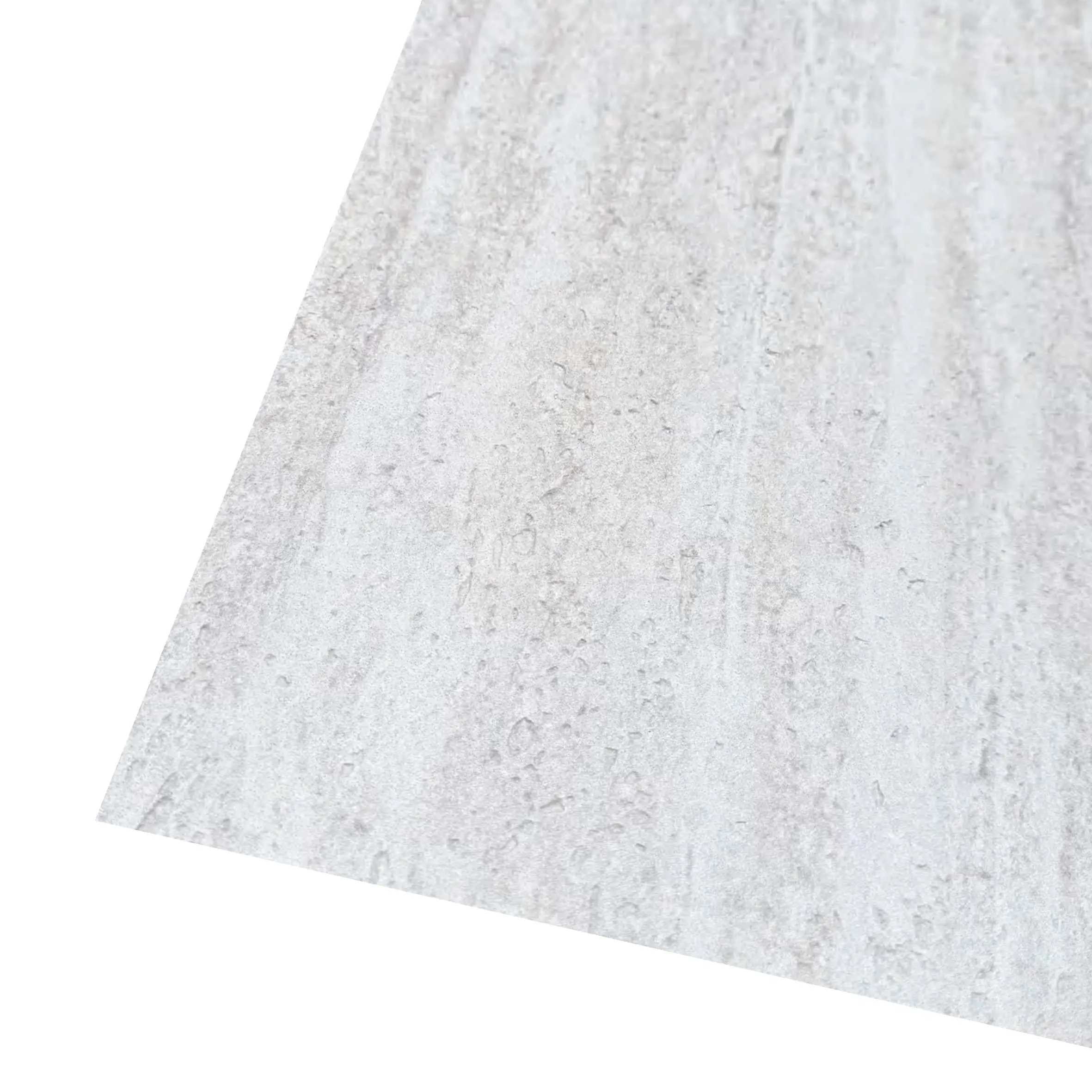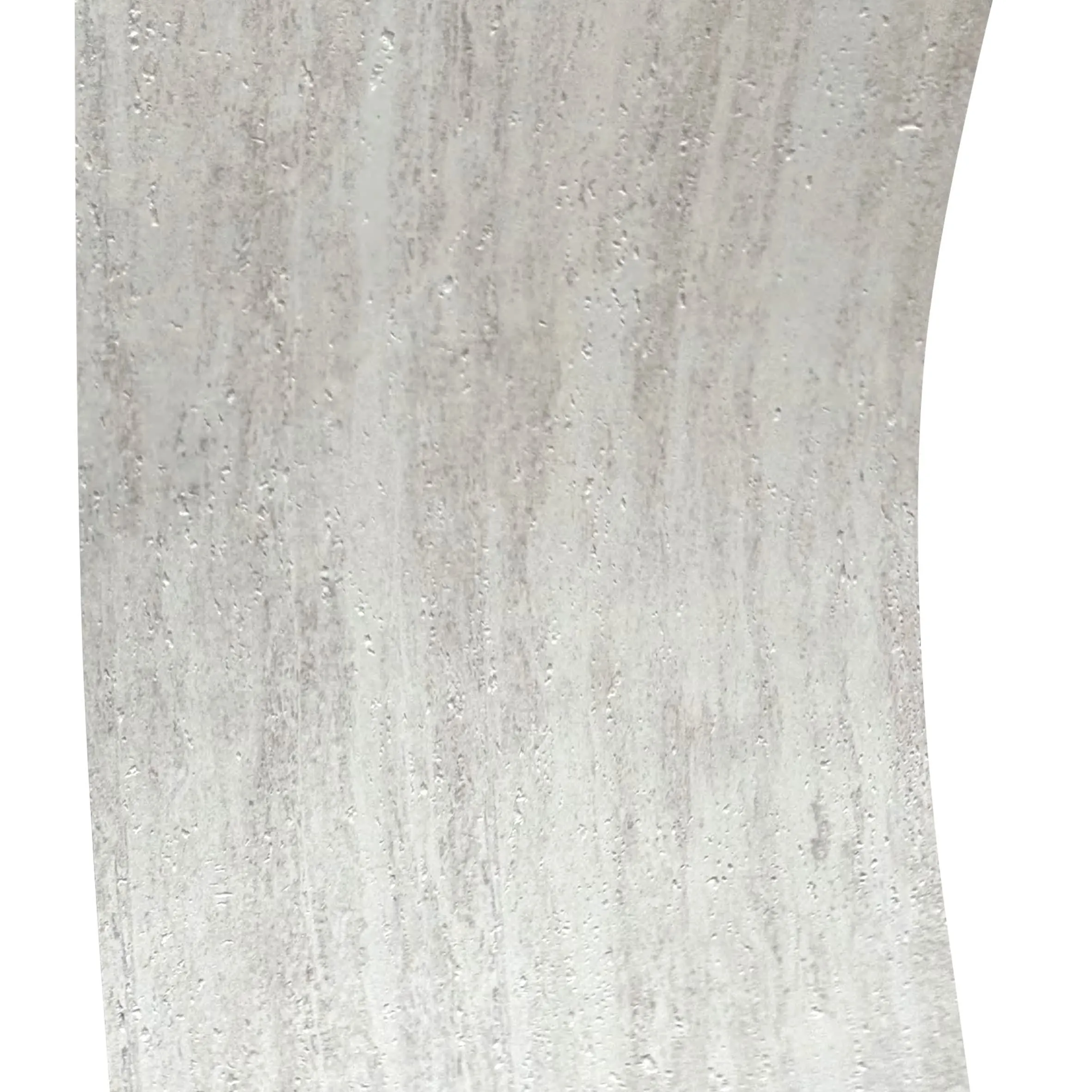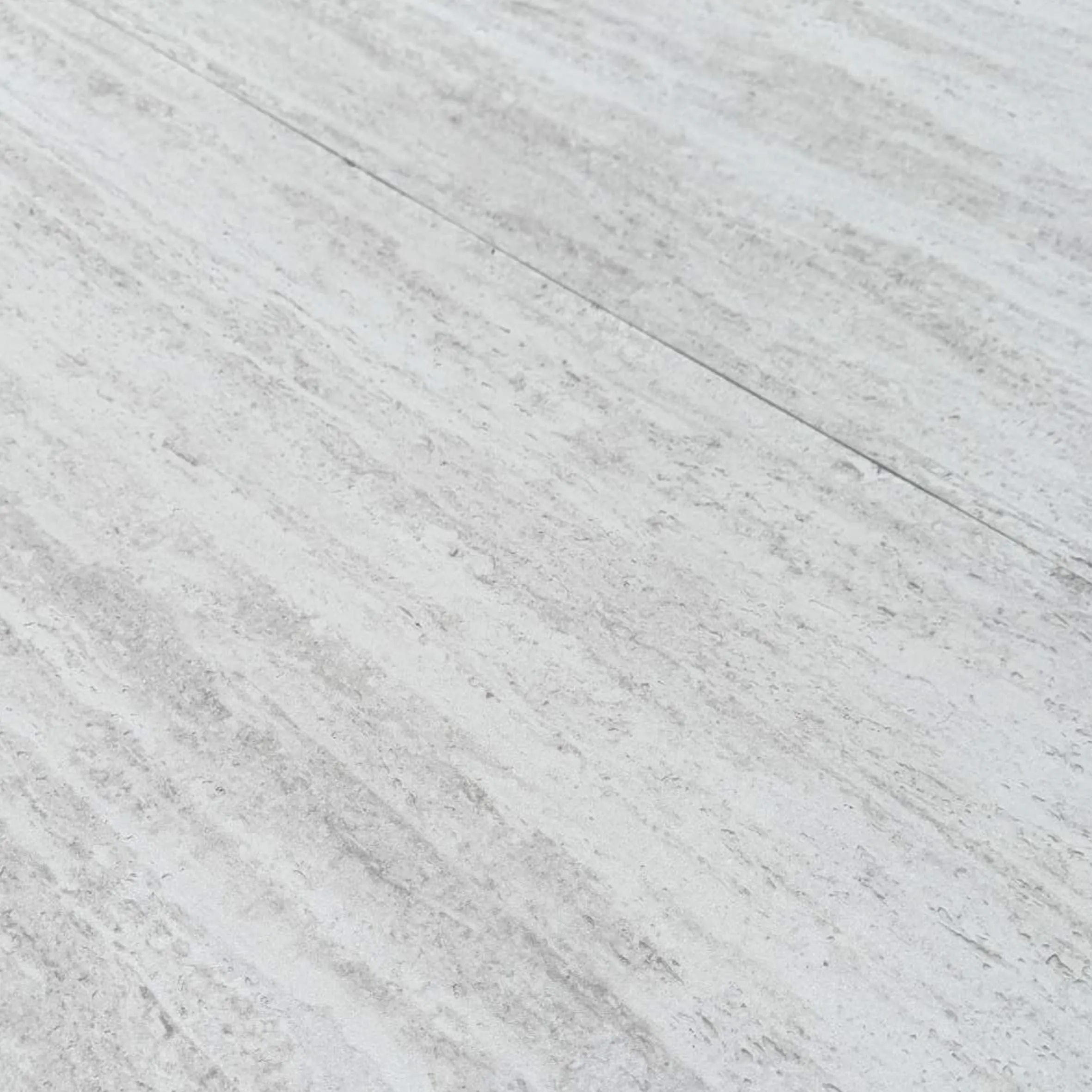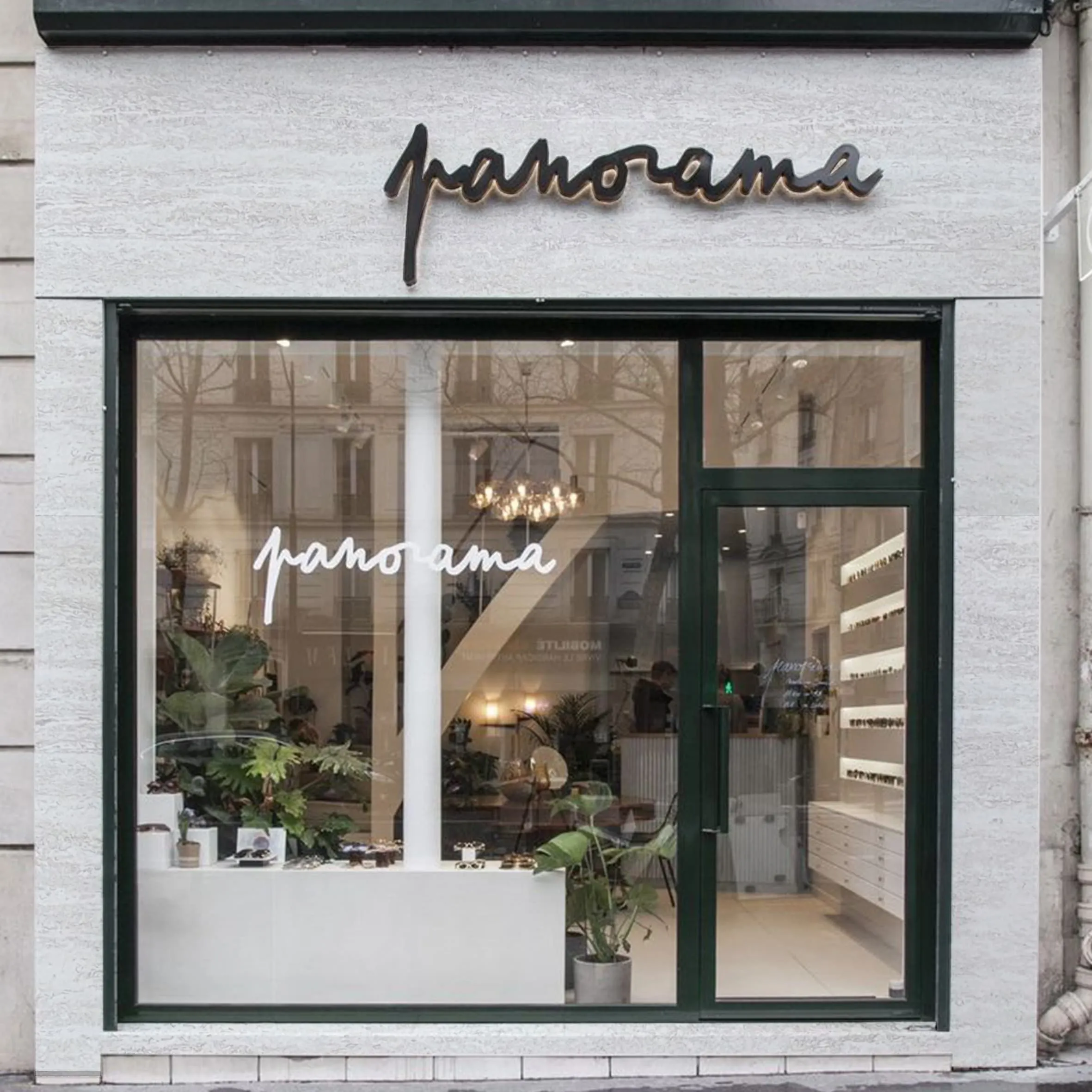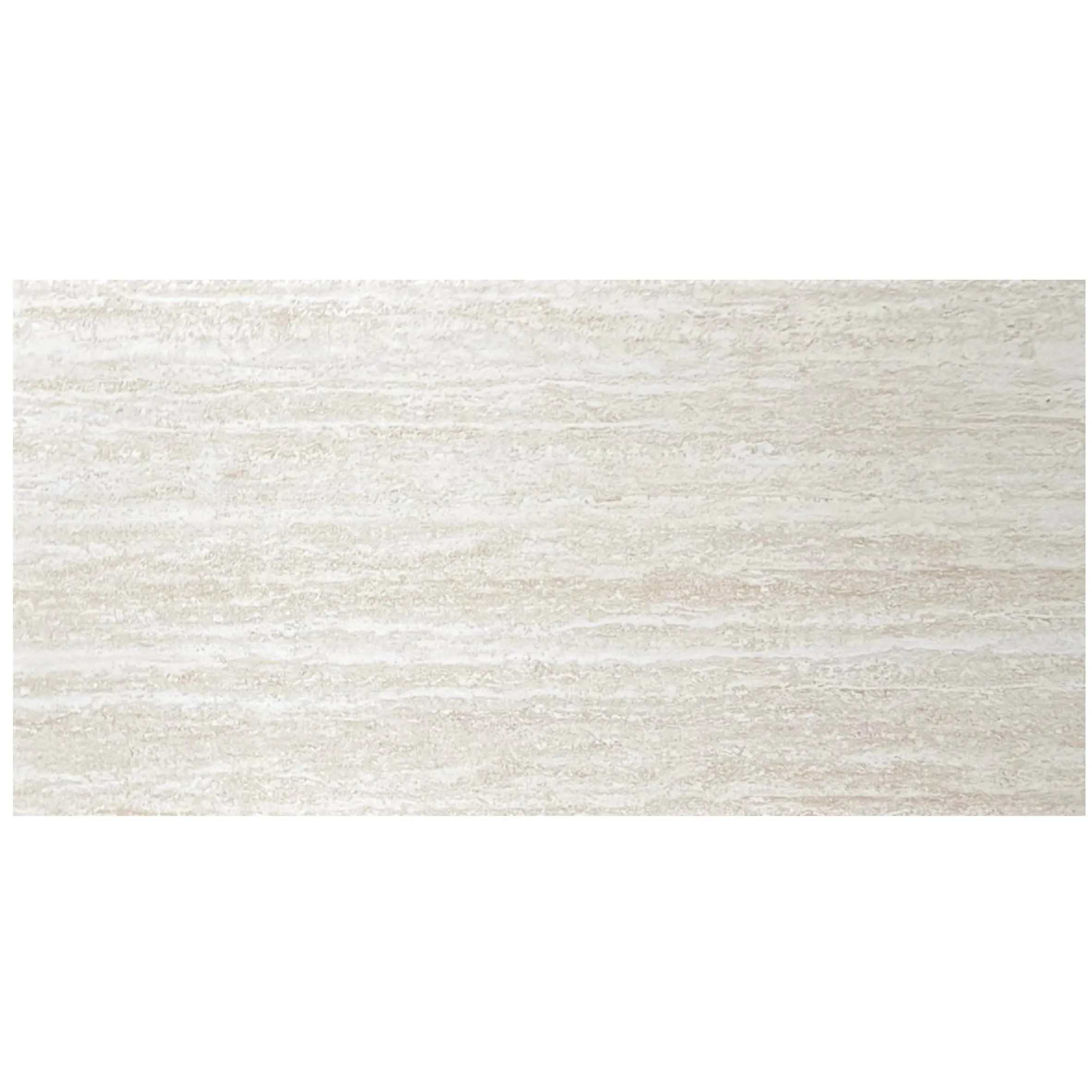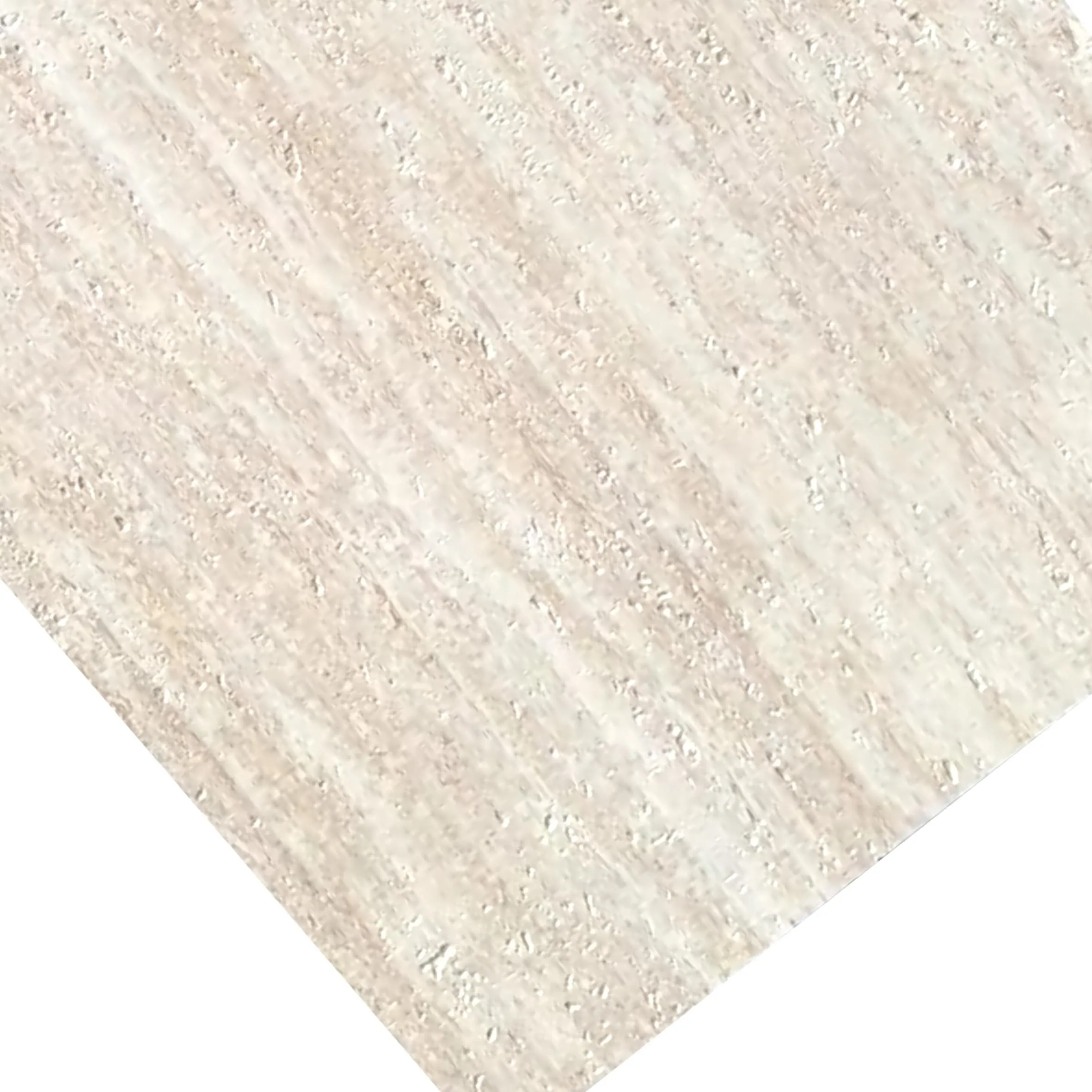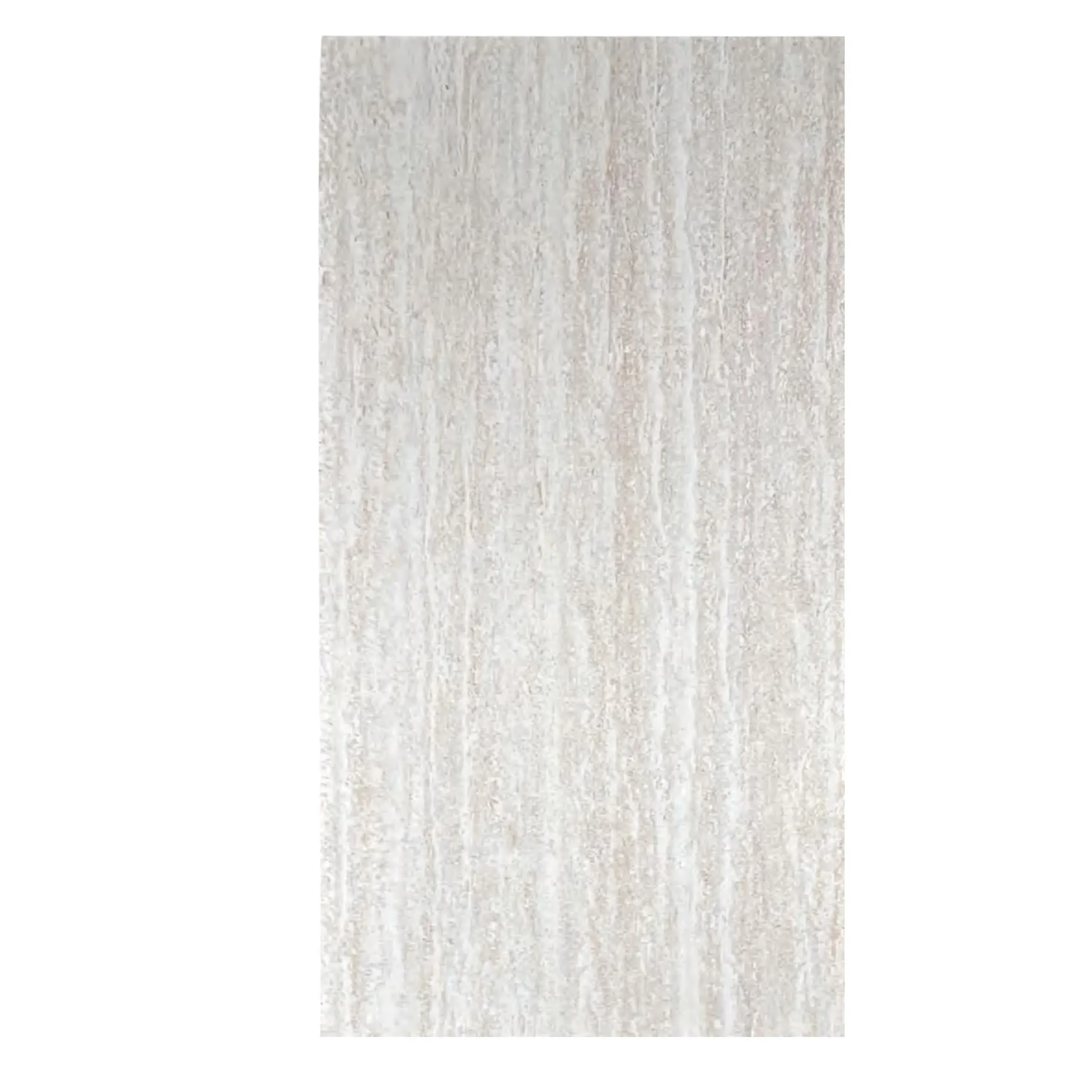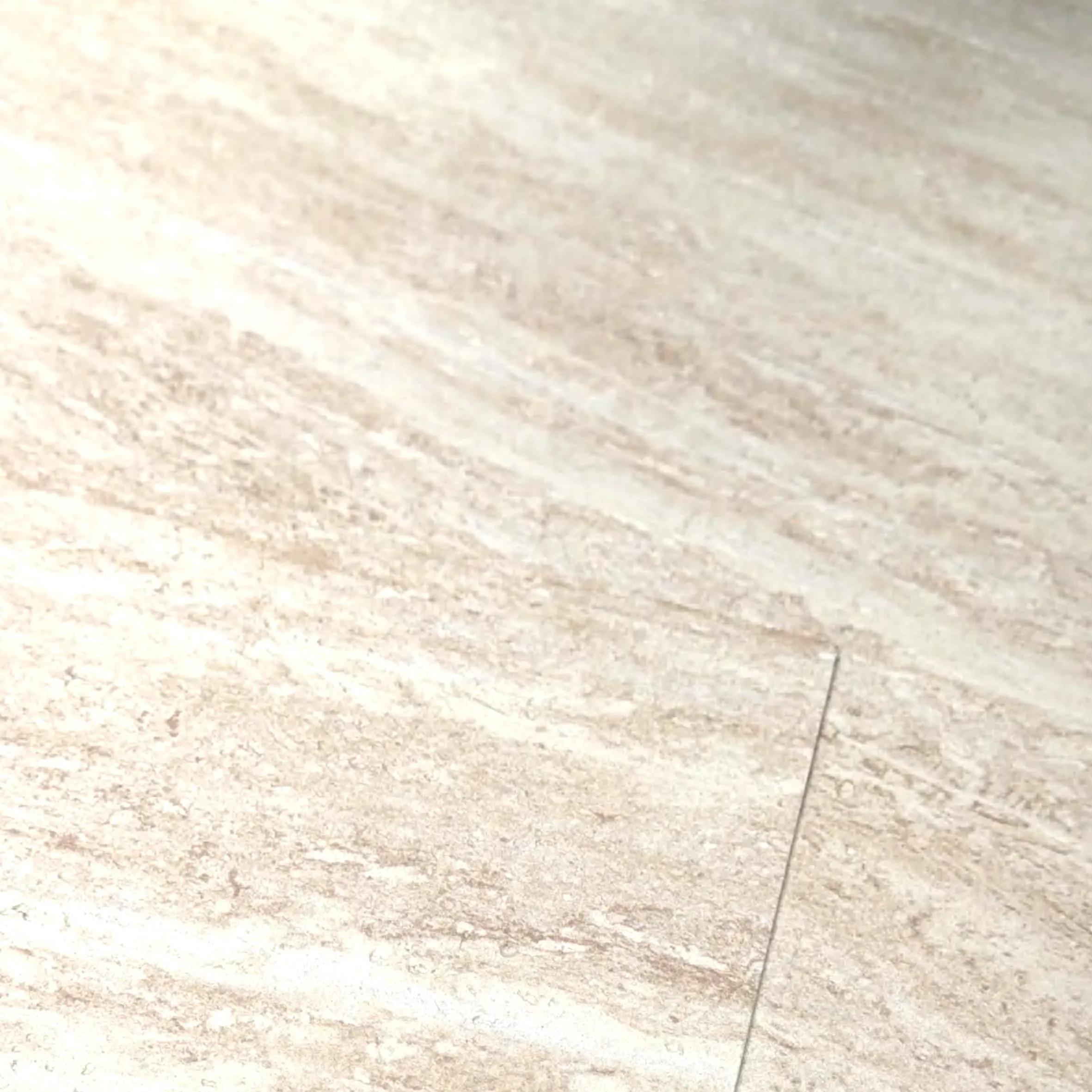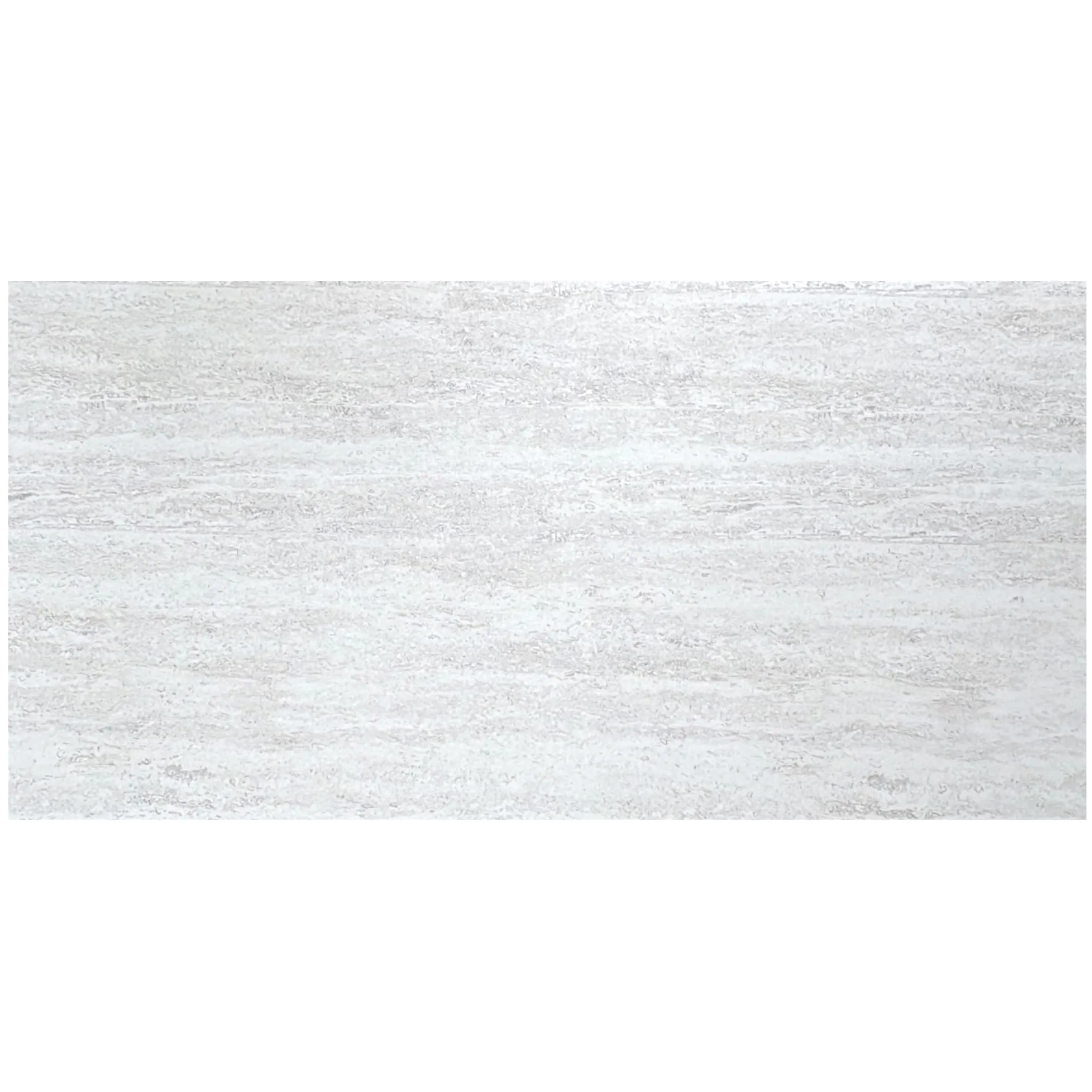
Walk into a room that feels "flat," and you'll notice it immediately—even if you can't put your finger on why. Maybe the walls are painted a single, matte color; the furniture lacks variation in finish; the floors are smooth and unbroken. It's not that the space is ugly, exactly—it's just… lifeless. Now step into a room where texture takes center stage: a wall with undulating stone, a floor that catches light in unexpected ways, a backsplash that seems to shift hue as you move. Suddenly, the air feels different. The room breathes. It tells a story. That's the power of visual depth—and texture is its greatest storyteller.
Texture is the unsung hero of interior design. It's the reason a rough-hewn wooden table feels cozy, why a velvet couch invites you to sink in, and how a stone wall can make a modern space feel rooted in history. But when it comes to creating depth—the kind that makes a room feel layered, dynamic, and infinitely interesting—few materials do it quite like travertine. And among travertine's many iterations, there's one that stands out for its ability to turn walls, floors, and surfaces into living, breathing canvases: Ethereal Shadow Travertine.
This isn't just stone. It's a study in light and shadow, a material that seems to shift and evolve with the sun's arc, with the flicker of a lamp, with the angle of your gaze. Ethereal Shadow Travertine doesn't just
have
texture—it
plays
with it, using subtle variations in tone, pore structure, and veining to create the illusion of depth where there is, quite literally, a flat surface. It's the difference between looking at a painting and stepping into it.