
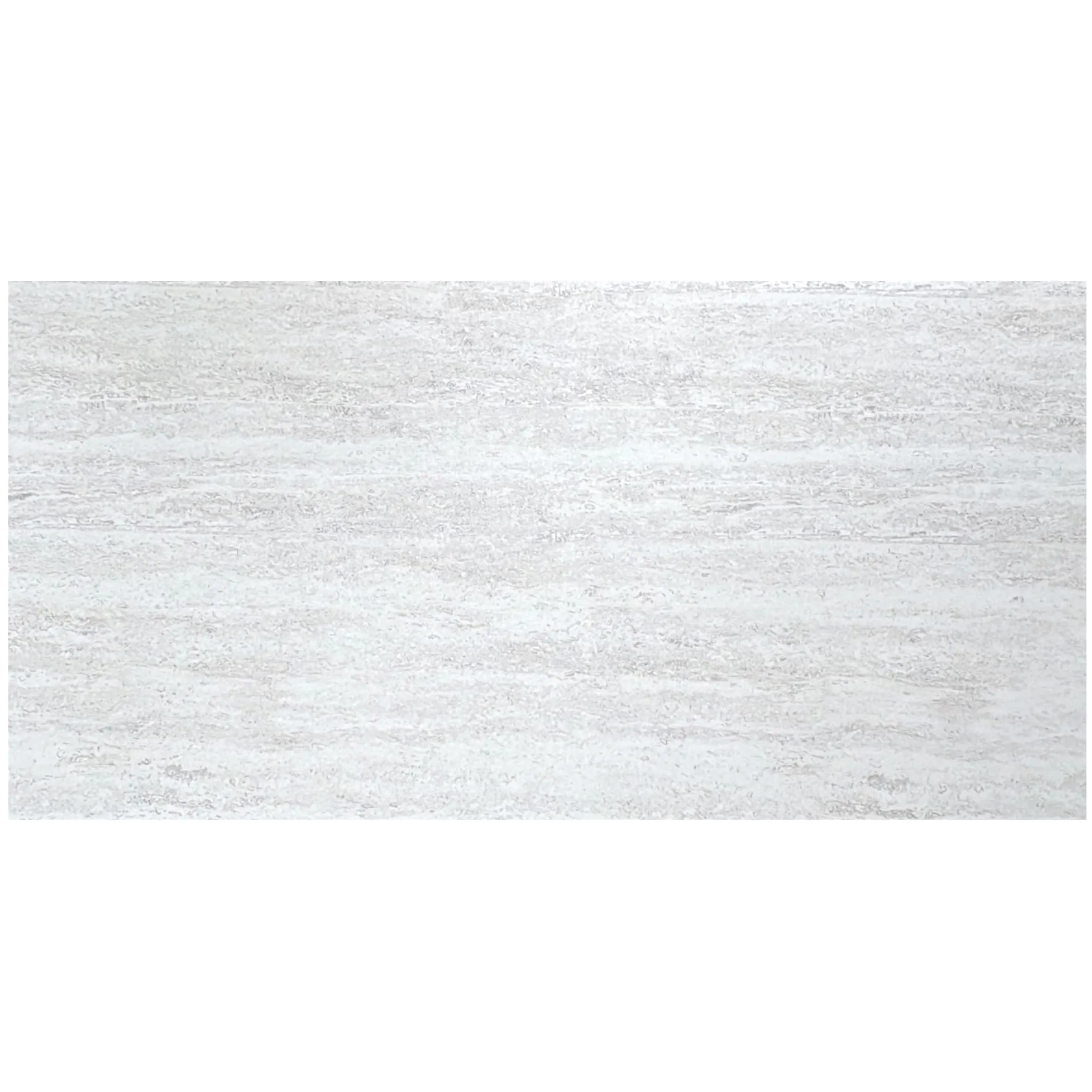
In the world of architecture and design, every choice we make leaves a footprint—not just on the walls and floors of our spaces, but on the planet we call home. Today, more than ever, homeowners, architects, and builders are pausing to ask: What story does this material tell? Is it one of harmony with nature, or one of resource depletion and waste? Two materials that often find themselves in this conversation are Ethereal Shadow Travertine —a natural stone with a name as poetic as its appearance—and engineered stone, a man-made alternative lauded for its consistency and versatility. Let's dive into their environmental journeys, from the moment they're extracted (or created) to the end of their lifecycle, to understand which might align better with a greener future.
Before we begin, it's worth noting that the building materials landscape is rich with sustainable options, from mcm flexible stone (a lightweight, durable alternative that reduces transportation emissions) to fair-faced concrete (celebrated for its raw, unpolished beauty and minimal processing). But today, our focus is on two heavyweights: the organic elegance of Ethereal Shadow Travertine and the engineered precision of its synthetic counterpart. Let's start at the very beginning—where these materials come from.
Every material's environmental impact starts with its birthplace. For Ethereal Shadow Travertine, that birthplace is the earth itself. Travertine, in general, is a form of limestone formed by mineral-rich water flowing through hot springs or geysers, depositing calcium carbonate over centuries. Ethereal Shadow Travertine is a specific variant, prized for its soft, muted tones—think whispers of gray and taupe, with subtle veining that looks like shadows dancing across the stone. To extract it, quarry workers use diamond-tipped saws and heavy machinery to carefully cut blocks from natural deposits, often in regions like Italy, Turkey, or Iran, where travertine has been mined for millennia.
Quarrying natural stone, including Ethereal Shadow Travertine, isn't without environmental trade-offs. The process can disrupt local ecosystems, leading to habitat loss, soil erosion, and noise pollution. Dust from quarrying can also affect air quality in nearby communities, though modern operations often use water sprays and dust collectors to mitigate this. What's more, the transportation of these heavy stone blocks from quarries to processing facilities (and then to job sites) adds to their carbon footprint—especially if the stone is imported from overseas. For example, a slab of Ethereal Shadow Travertine quarried in Turkey and shipped to a project in the U.S. will rack up more emissions than a locally sourced material like travertine (starry blue) , a vibrant cousin mined closer to home.
Engineered stone, on the other hand, isn't "born" in a quarry—it's created in a factory. Also known as quartz composite, it's made by mixing crushed natural stone aggregates (often marble, granite, or recycled stone) with polymer resins (like polyester or epoxy) and pigments. The mixture is then compressed under high pressure and heat to form slabs. The sourcing of its raw materials is a mixed bag: the stone aggregates can come from waste generated by natural stone quarries (which is a plus, as it repurposes material that might otherwise end up in landfills), but the resins are petroleum-based, a non-renewable resource. Extracting and processing these resins involves energy-intensive refining, contributing to greenhouse gas emissions.
Here's a key distinction: Ethereal Shadow Travertine's extraction is dependent on finite, natural deposits. Once a quarry is depleted, it's gone forever. Engineered stone, by contrast, relies on a mix of natural aggregates (which still require quarrying, just on a smaller scale) and synthetic resins. This means its sourcing is more "controllable" in terms of consistency, but it introduces a new set of environmental variables—namely, the production of those resins.
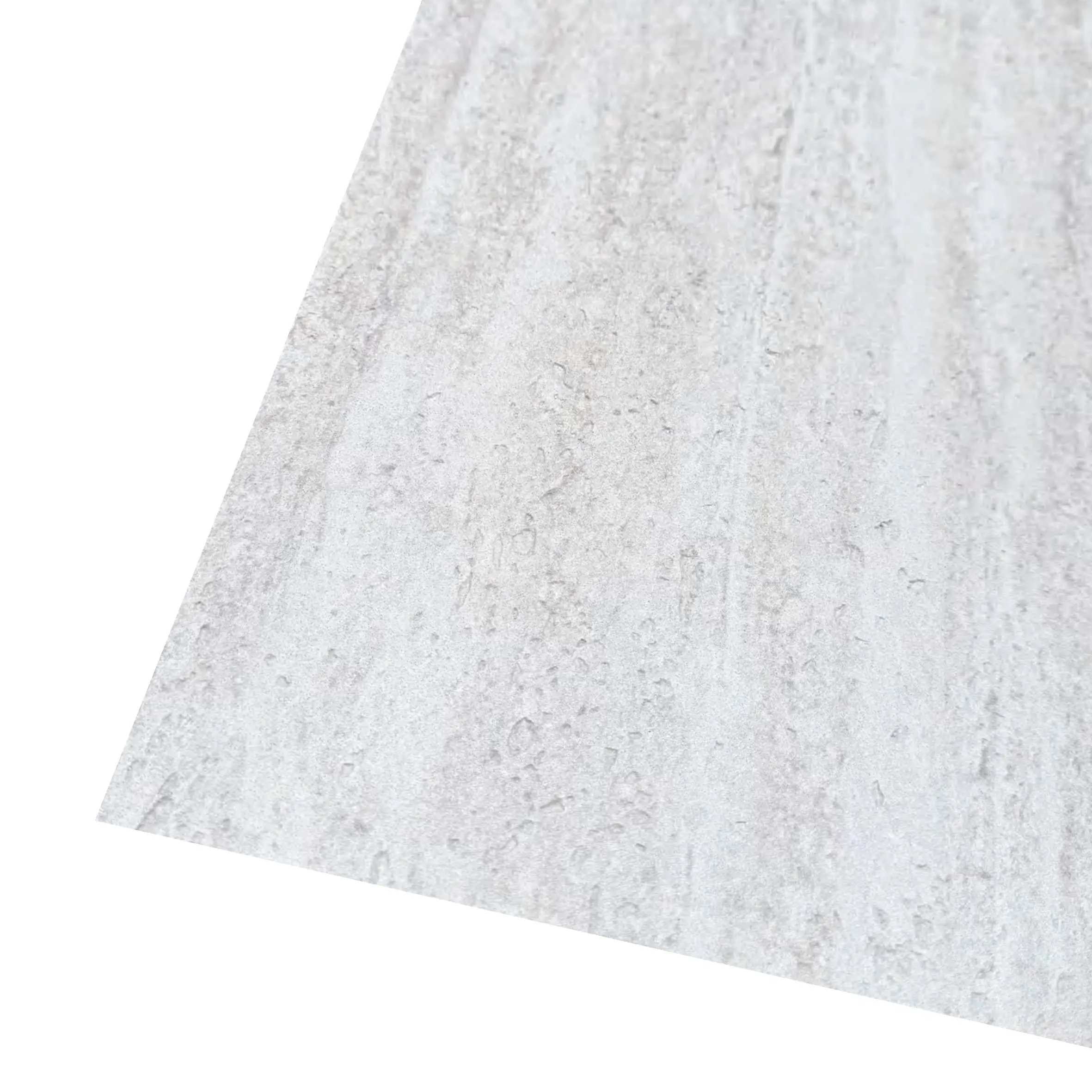
After extraction, both materials undergo processing, but their paths diverge dramatically here. Ethereal Shadow Travertine, being a natural stone, requires minimal manufacturing beyond cutting, shaping, and polishing. Once the blocks are quarried, they're transported to processing plants where they're sliced into slabs, honed or polished to achieve the desired finish, and then cut to size for specific projects. This process uses electricity (for machinery) and water (for cooling and polishing), but little in the way of chemicals—unlike some other natural stones, travertine doesn't require heavy-duty sealants during manufacturing (though sealants may be applied later on-site).
Engineered stone, by comparison, is a product of intense manufacturing. The process starts with crushing natural stone waste (like marble or granite scraps) into fine aggregates, which are then mixed with resins (typically 10-15% of the mixture), pigments, and sometimes glass or metal flecks for texture. This slurry is poured into molds, compressed under high pressure (up to 1000 psi) and heat (around 120°C) to bind the materials together. The slabs are then cured, polished, and cut to size.
This manufacturing process is energy-intensive. The compression and heating stages require significant electricity, often sourced from fossil fuels in many regions, leading to higher carbon emissions than the processing of natural stone like Ethereal Shadow Travertine. Additionally, the resins used in engineered stone contain volatile organic compounds (VOCs), which can off-gas during production and installation, contributing to indoor air pollution. Some studies have also linked long-term exposure to resin dust (from cutting engineered stone) to silicosis, a lung disease, highlighting occupational health concerns alongside environmental ones.
It's worth noting that not all engineered stones are created equal. Some manufacturers are investing in greener practices, using recycled resins or renewable energy in production, but these are still the exception rather than the rule. For Ethereal Shadow Travertine, the manufacturing footprint is largely tied to the efficiency of the quarry and processing plant—older operations with outdated machinery will use more energy than modern, optimized ones. In regions where quarries are powered by solar or wind energy, the carbon footprint of extraction and processing drops significantly.
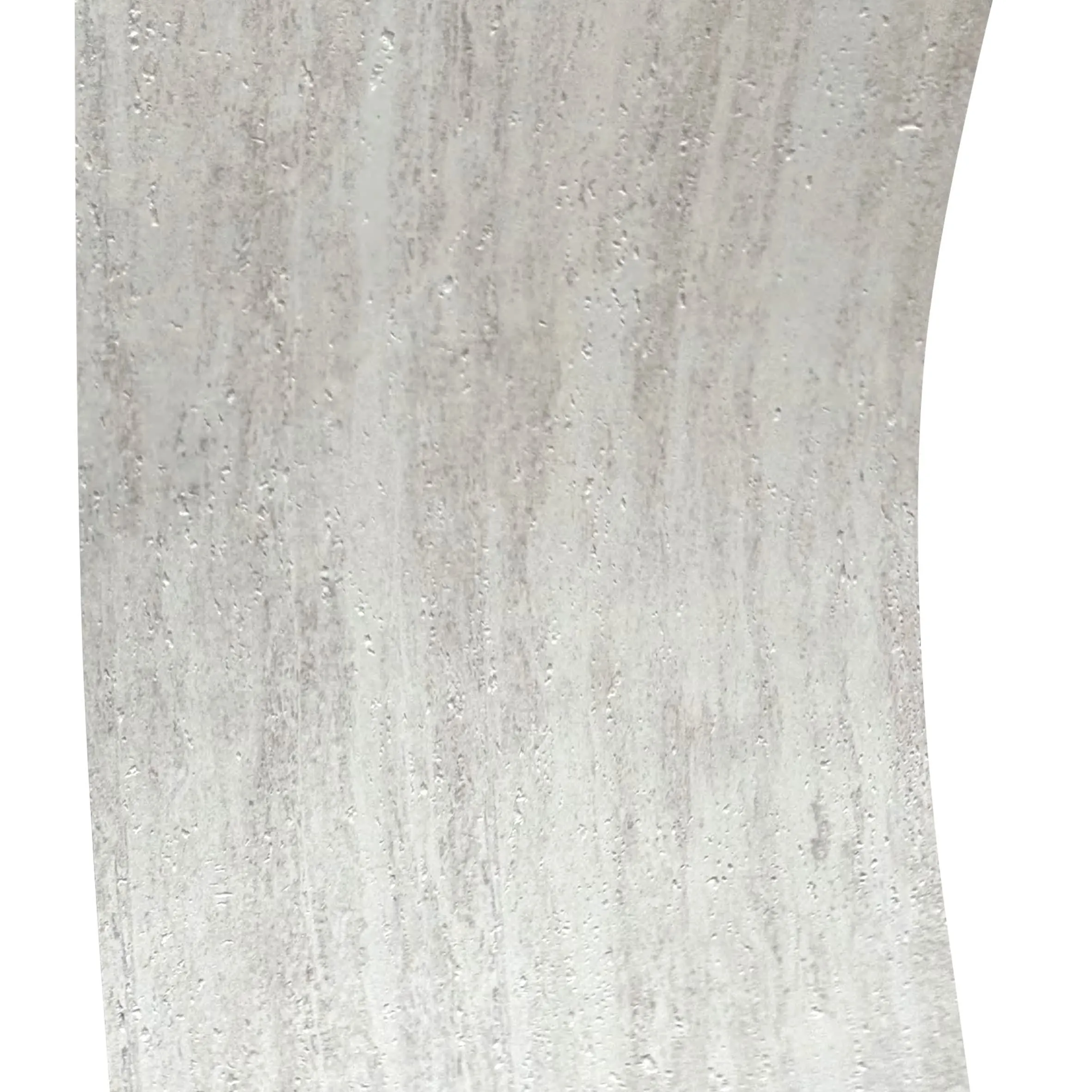
When it comes to sustainability, longevity is a silent superpower. A material that lasts decades (or even centuries) reduces the need for frequent replacements, which in turn cuts down on resource extraction, manufacturing, and transportation emissions. So, how do Ethereal Shadow Travertine and engineered stone stack up here?
Natural stone, including Ethereal Shadow Travertine, has a proven track record of durability. Think of ancient Roman structures like the Colosseum, which was built with travertine and still stands today, nearly 2,000 years later. While modern travertine slabs are thinner than those used in ancient times, they're still incredibly robust. With proper care—regular sealing to prevent staining, avoiding harsh chemicals—Ethereal Shadow Travertine floors, countertops, or walls can easily last 50+ years. In fact, many homeowners find that the stone develops a "patina" over time, with minor scratches and wear adding character rather than detracting from its beauty. This means less need for replacement, and thus fewer resources consumed over the long term.
Engineered stone, too, is durable—often marketed as "scratch-resistant" and "stain-proof" thanks to its resin binder. It holds up well to daily wear and tear, making it a popular choice for high-traffic areas like kitchens. However, its longevity is more variable. While some engineered stone slabs may last 20-30 years, they're more prone to chipping or cracking under extreme heat (e.g., placing a hot pan directly on the surface) than natural stone. The resin binder can also degrade over time when exposed to UV light, leading to discoloration in outdoor applications. This means that, in some cases, engineered stone may need to be replaced sooner than natural stone, increasing its lifecycle environmental impact.
Consider this: If you install Ethereal Shadow Travertine countertops in your home and they last 60 years, versus engineered stone that needs replacement after 25 years, the natural stone has effectively halved the environmental cost per decade of use. Longevity isn't just about durability—it's about reducing the "throwaway" culture that plagues the building industry.
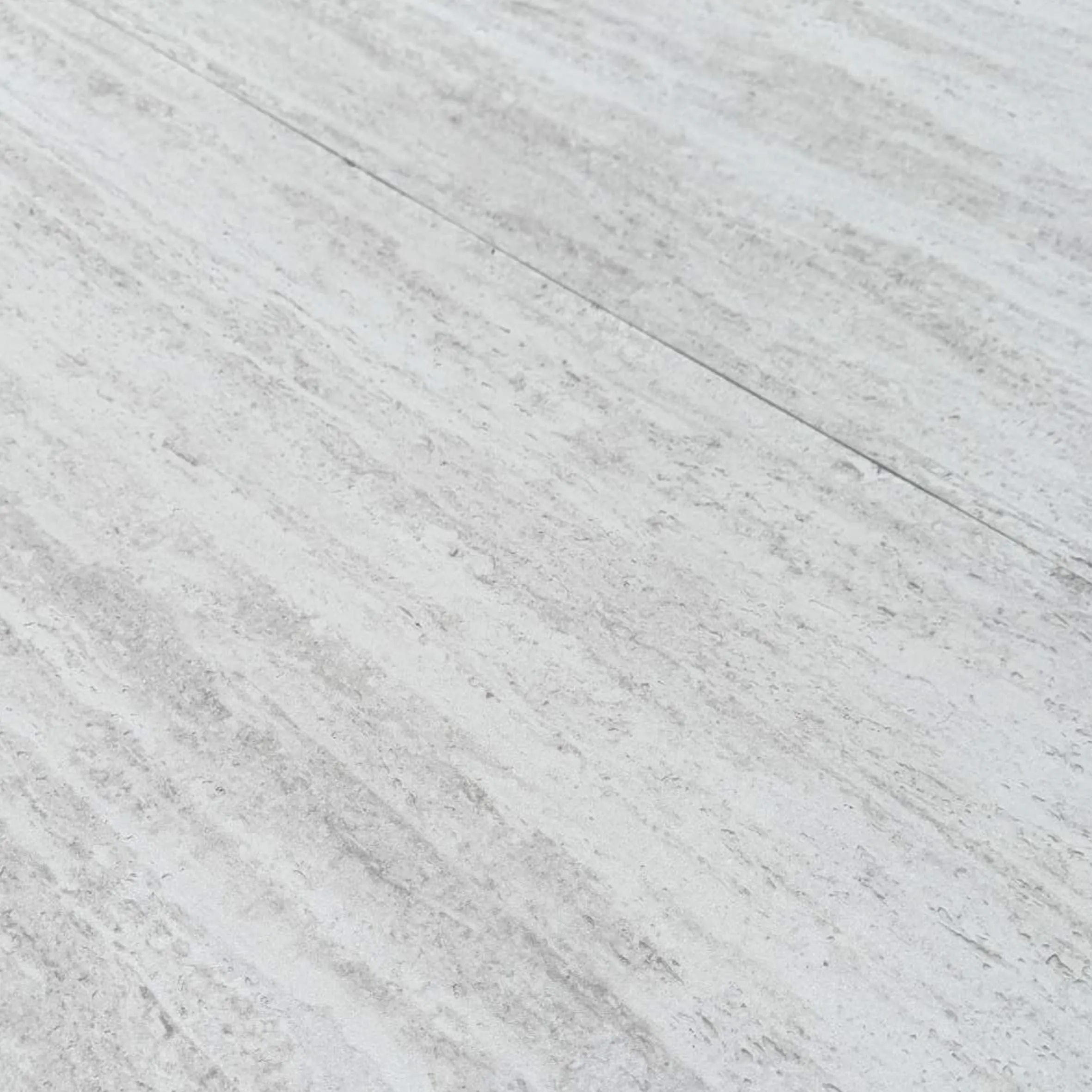
Every material eventually reaches the end of its useful life in a building. What happens then? For Ethereal Shadow Travertine, the story doesn't end at the dumpster. Natural stone is inert, meaning it doesn't release toxic chemicals as it breaks down. When a travertine slab is removed during a renovation, it can be crushed into gravel and used as aggregate in road construction, landscaping, or even new concrete. Some companies specialize in repurposing old natural stone, cutting it into smaller tiles or decorative pieces for accent walls. In some cases, historic buildings being demolished donate their travertine blocks to museums or heritage projects, giving the stone a second life as a piece of history.
Engineered stone, unfortunately, faces more challenges at the end of its lifecycle. The resin binder that gives it strength also makes it difficult to recycle. Unlike natural stone, which can be crushed and separated, engineered stone's resin and aggregate mixture is nearly impossible to split apart. This means that most engineered stone waste ends up in landfills, where it may take centuries to degrade (if it degrades at all). The resins in engineered stone can also leach harmful chemicals into soil and groundwater over time, though modern formulations are less toxic than older ones. Some manufacturers are experimenting with biodegradable resins, but these are still in the early stages of development.
Waste is also a factor during manufacturing. Ethereal Shadow Travertine, like all natural stone, generates waste during cutting and shaping—slabs that crack, offcuts that are too small for use. However, these offcuts are often repurposed: ground into powder for fertilizers (calcium carbonate is a key nutrient for soil), used as filler in other building materials, or even turned into decorative pebbles for gardens. Engineered stone manufacturing also produces waste, but much of it is in the form of resin-laden dust and scraps that are harder to repurpose, leading to higher landfill contributions.
To summarize the environmental journeys of Ethereal Shadow Travertine and engineered stone, let's look at a comparison table highlighting their key impacts:
| Environmental Factor | Ethereal Shadow Travertine | Engineered Stone |
|---|---|---|
| Extraction Impact | Quarrying can disrupt ecosystems, but modern practices mitigate habitat loss and dust. Limited to natural deposits. | Relies on natural aggregate (from quarries) and petroleum-based resins; reduces pressure on primary stone quarries but introduces resin sourcing issues. |
| Manufacturing Energy Use | Low to moderate: cutting, polishing, and shaping require electricity, but minimal chemical processing. | High: Compression, heating, and resin production demand significant energy; often fossil fuel-based. |
| Carbon Footprint | Moderate: Emissions primarily from transportation and quarry machinery; lower if locally sourced. | Higher: Emissions from energy-intensive manufacturing, resin production, and transportation of raw materials. |
| Durability/Lifespan | 50-100+ years with proper care; develops patina, reducing replacement need. | 20-30 years on average; prone to chipping, UV damage, and resin degradation. |
| Recyclability | Highly recyclable: Crushed for aggregate, repurposed as decorative stone, or used in construction. | Low: Resin-aggregate mix is hard to separate; most waste ends up in landfills. |
| Toxic Emissions | Low: Inert material; no off-gassing during use. | Moderate: VOCs from resin during manufacturing and installation; potential health risks from cutting dust. |
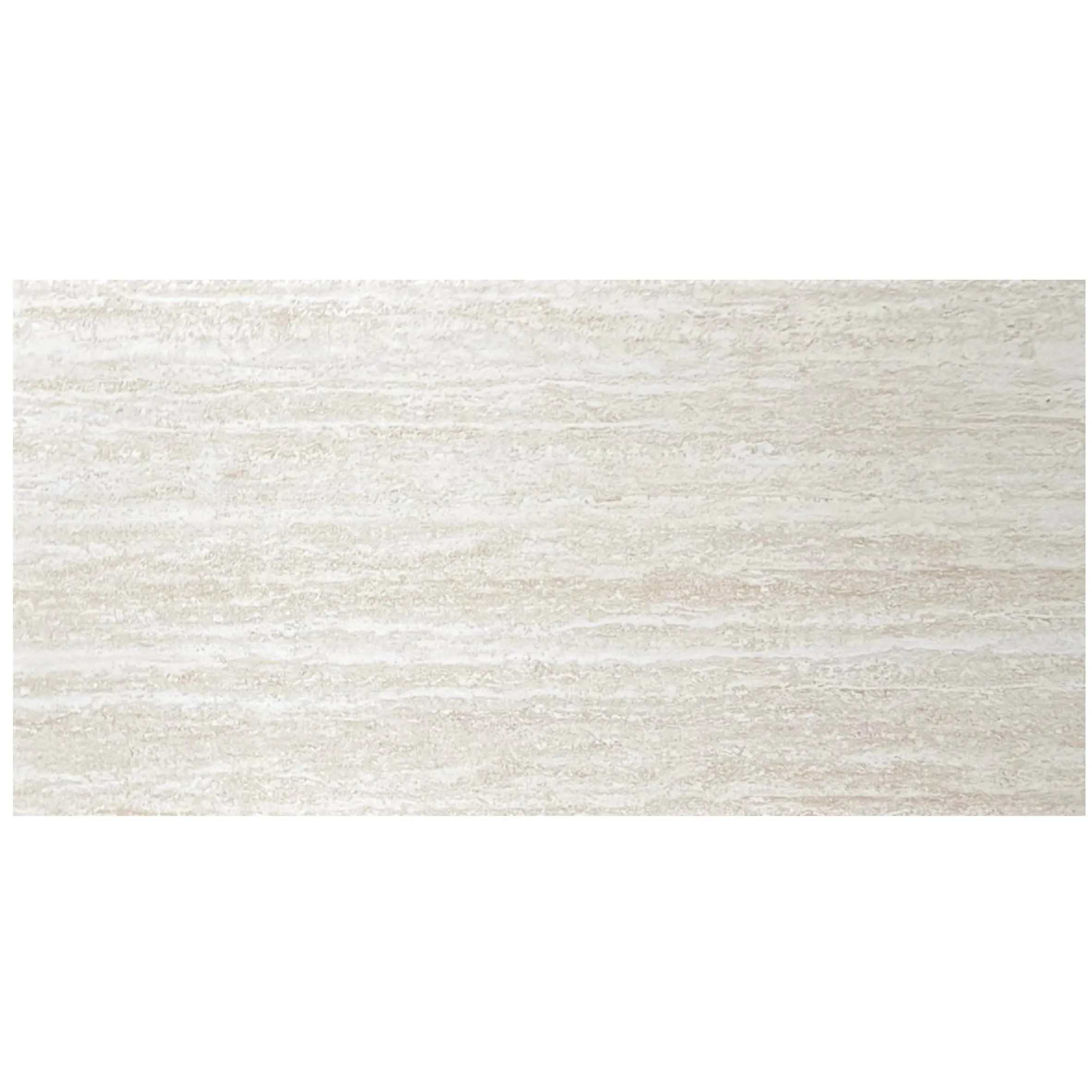
While Ethereal Shadow Travertine and engineered stone are worthy of comparison, it's important to remember that sustainability isn't a one-size-fits-all choice. For example, travertine (starry blue) —another stunning natural variant with bold, celestial-like veining—offers the same environmental benefits as Ethereal Shadow Travertine but with a more dramatic aesthetic. mcm flexible stone , mentioned earlier, is a game-changer for large-scale projects: its lightweight design reduces transportation emissions by up to 60% compared to traditional stone, and it's made from recycled natural stone particles bound with eco-friendly adhesives.
For those drawn to the look of stone but seeking lower environmental impact, fair-faced concrete is another contender. It requires minimal processing—just mixing, pouring, and curing—and its raw materials (cement, sand, aggregate) are widely available, reducing transportation costs. When left unpainted and unsealed, it ages gracefully, much like natural stone, and can be recycled as aggregate at the end of its life.
The key takeaway? The "greenest" material depends on your project's context: Where is the material sourced? How will it be used (indoor vs. outdoor)? What's the local climate (will durability be a bigger factor)? And, importantly, what's the manufacturer's commitment to sustainability? For example, a quarry that uses solar power to run its machinery and invests in reforestation around its sites will make Ethereal Shadow Travertine a far more eco-friendly choice than one that ignores environmental regulations.
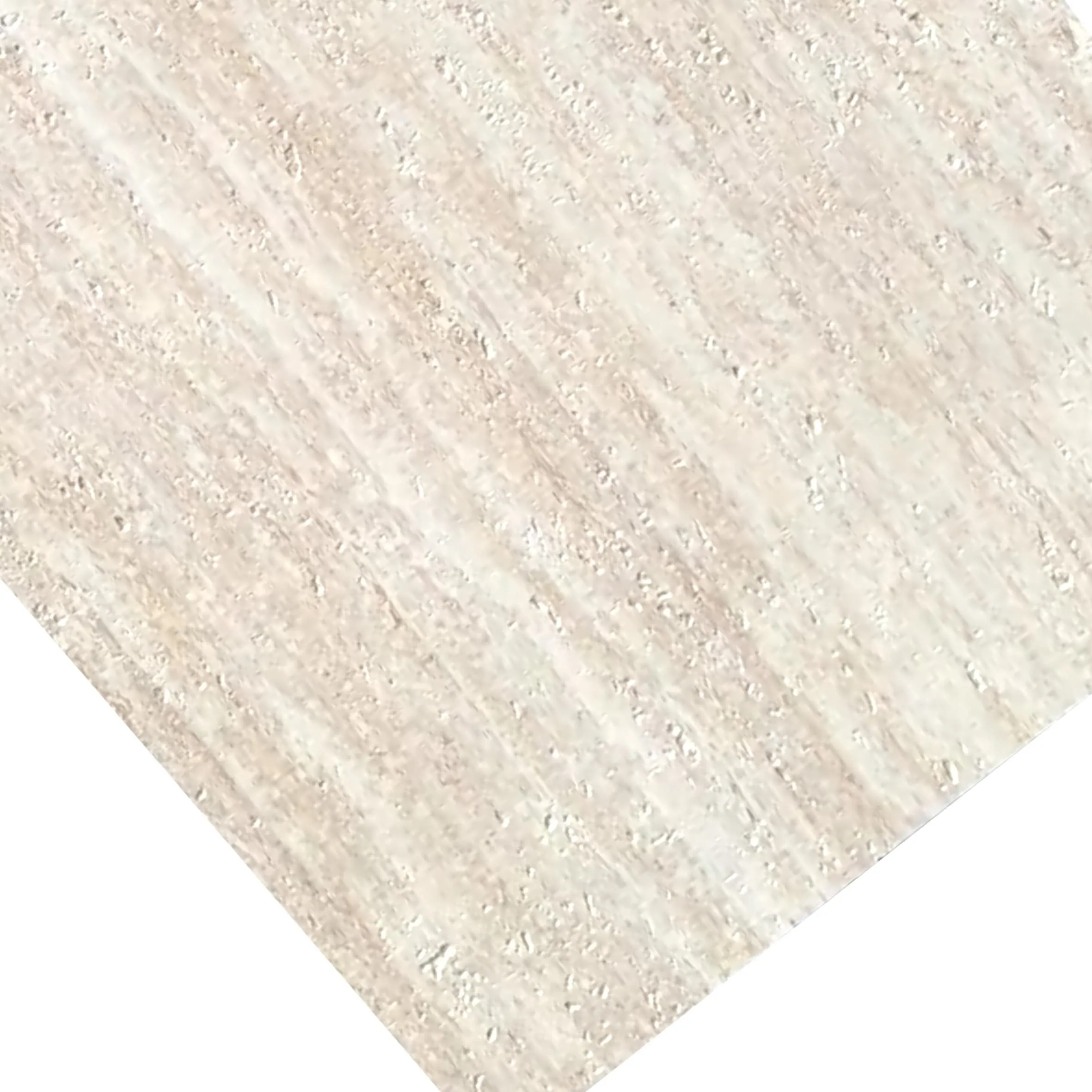
At the end of the day, both Ethereal Shadow Travertine and engineered stone have their place in the building world. Engineered stone offers consistency, affordability, and a wide range of colors that appeal to modern design trends. But when it comes to environmental impact—from extraction to end of life—Ethereal Shadow Travertine often comes out ahead, thanks to its natural origins, minimal processing, exceptional durability, and recyclability.
That said, sustainability is a journey, not a destination. As consumers and industry professionals, we have the power to push for better practices: demanding locally sourced natural stone to reduce transportation emissions, supporting engineered stone manufacturers that use recycled resins and renewable energy, and prioritizing durability over disposability. Whether you choose the organic beauty of Ethereal Shadow Travertine, the innovation of mcm flexible stone, or the raw simplicity of fair-faced concrete, the most important thing is to choose with intention—to ask, "What impact will this material have on the planet, not just today, but for generations to come?"
In the end, the most sustainable material is the one that aligns with your values, your project's needs, and the health of our shared home. And isn't that a story worth building?
Recommend Products












