
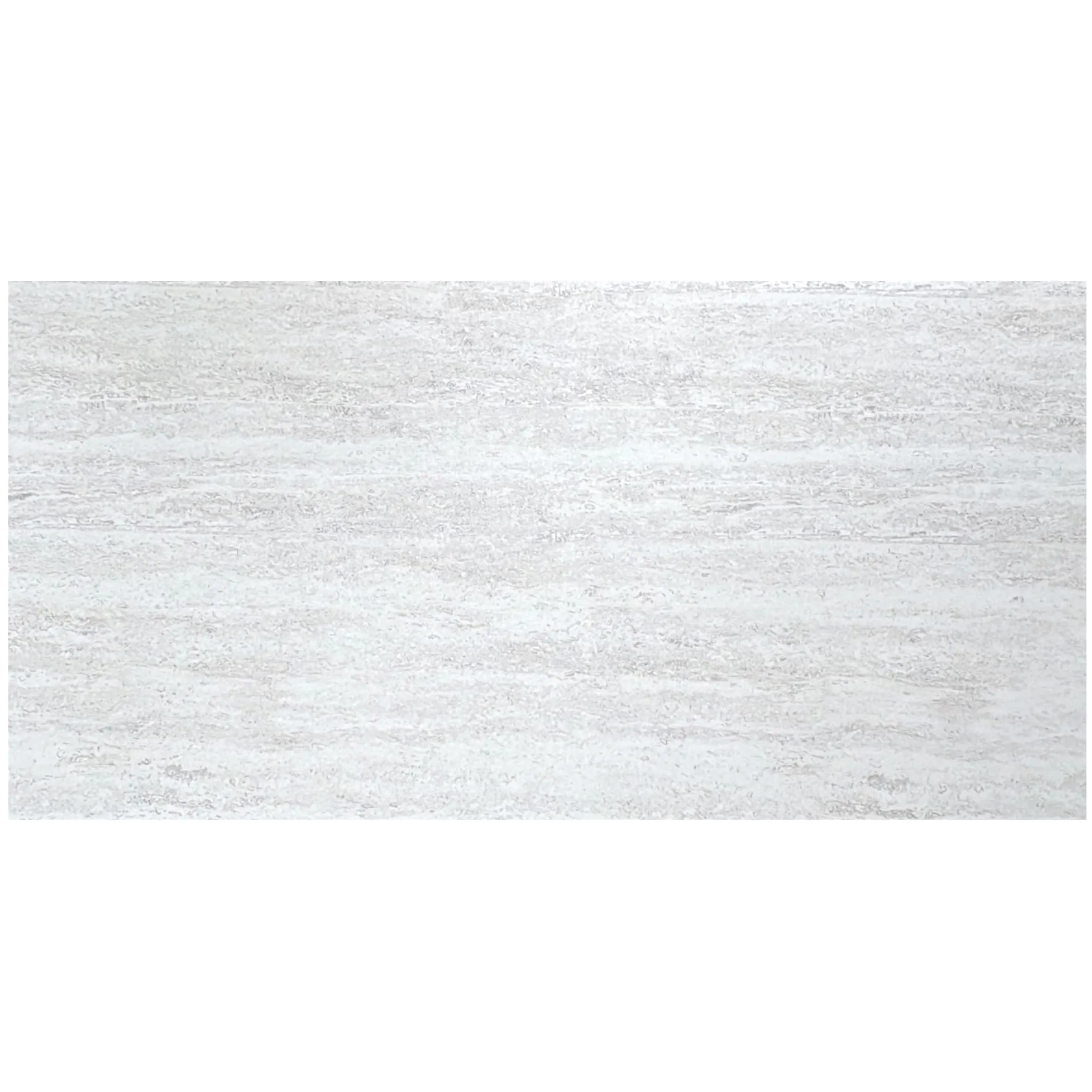
When it comes to designing spaces that feel both timeless and alive, natural stone has always been a go-to. But with so many options—from the rustic charm of masonry stone to the sleek modernity of fair-faced concrete —choosing the right one can feel overwhelming. Today, we're zooming in on two heavyweights: ethereal shadow travertine and limestone (beige) . Both bring organic beauty, but their unique personalities cater to different needs. Let's explore their stories, strengths, and how they measure up in the quest for true value.
Natural stone is nature's artwork, shaped by time, water, and minerals. Ethereal shadow travertine and limestone (beige) are no exceptions—each carries the marks of its geological journey, but their paths couldn't be more distinct.
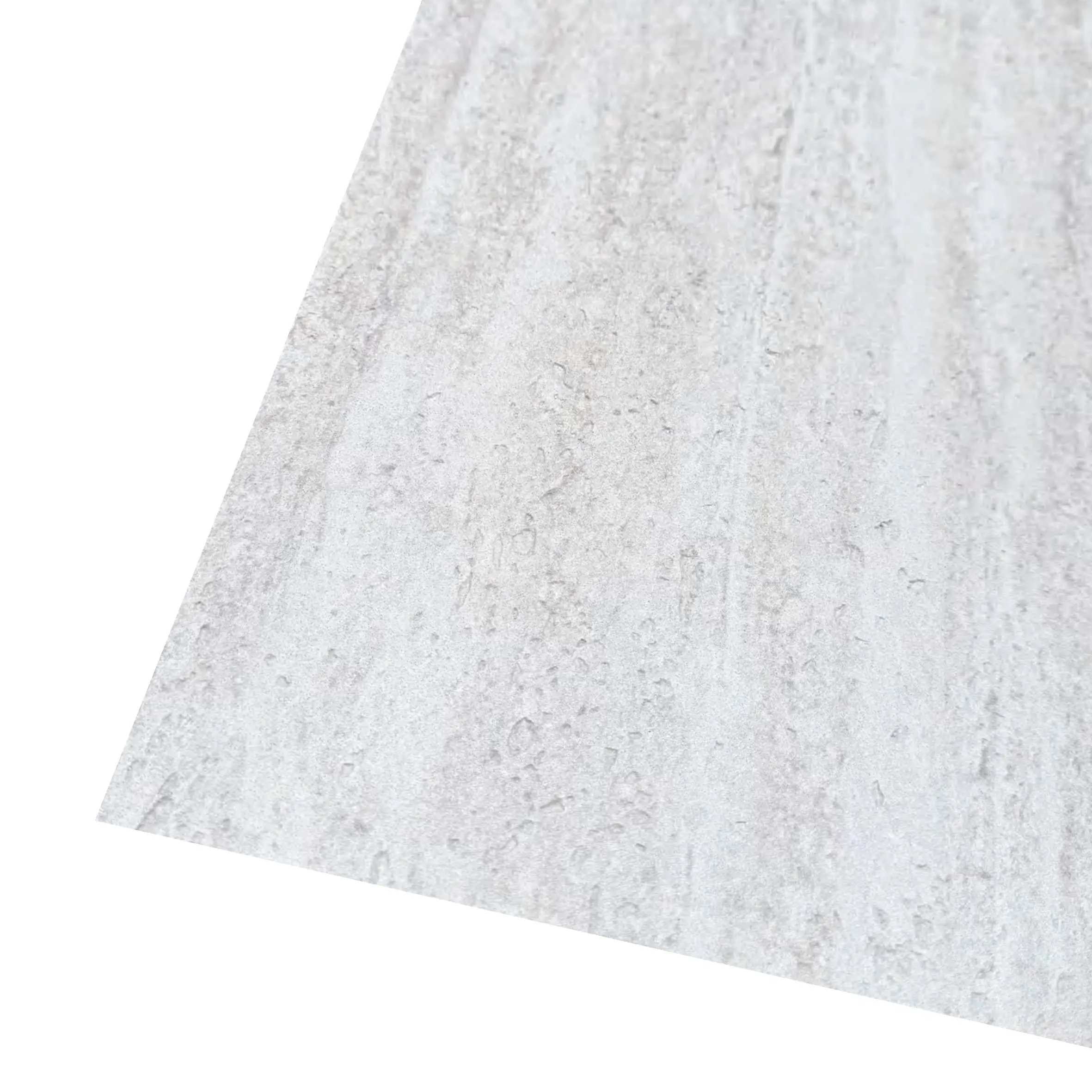
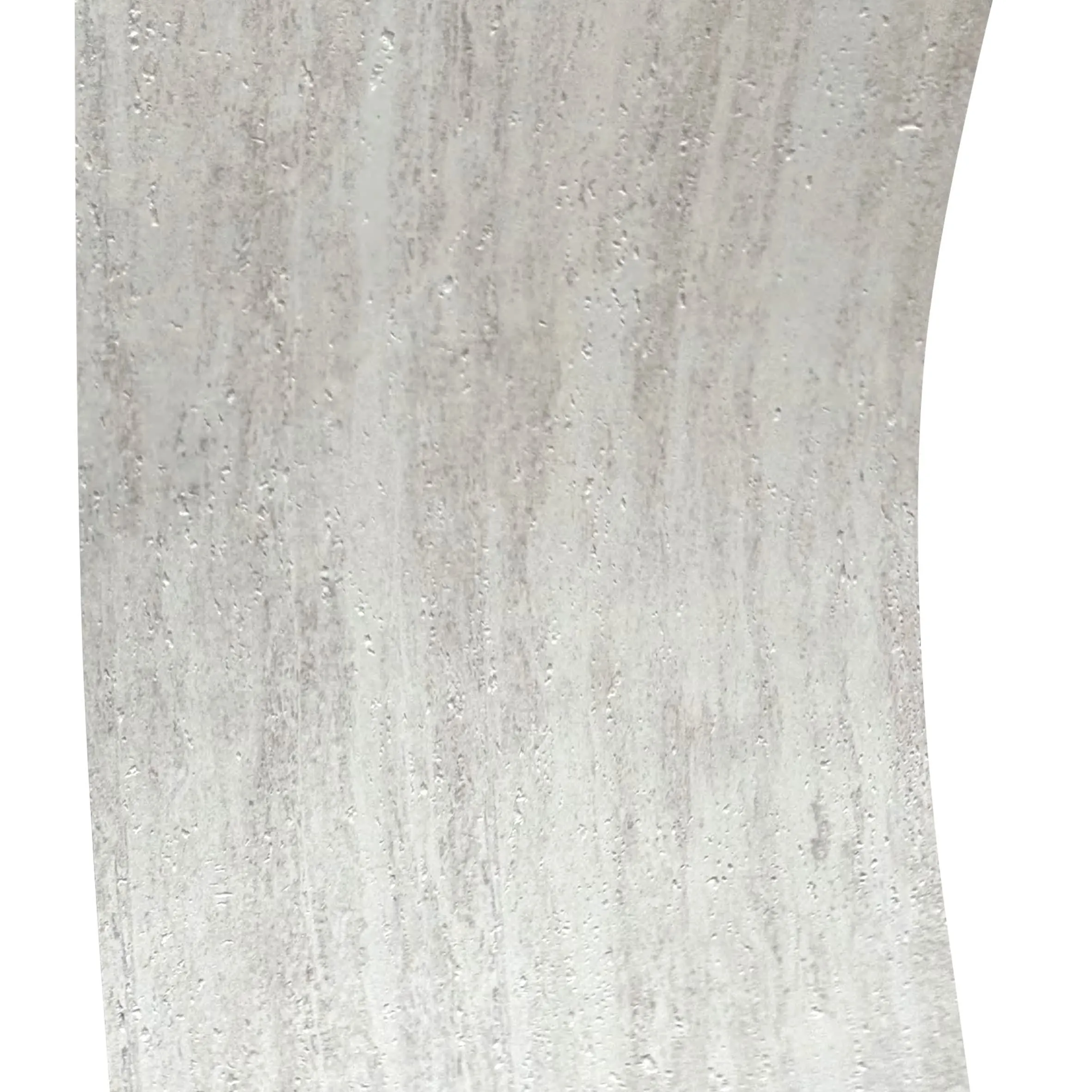
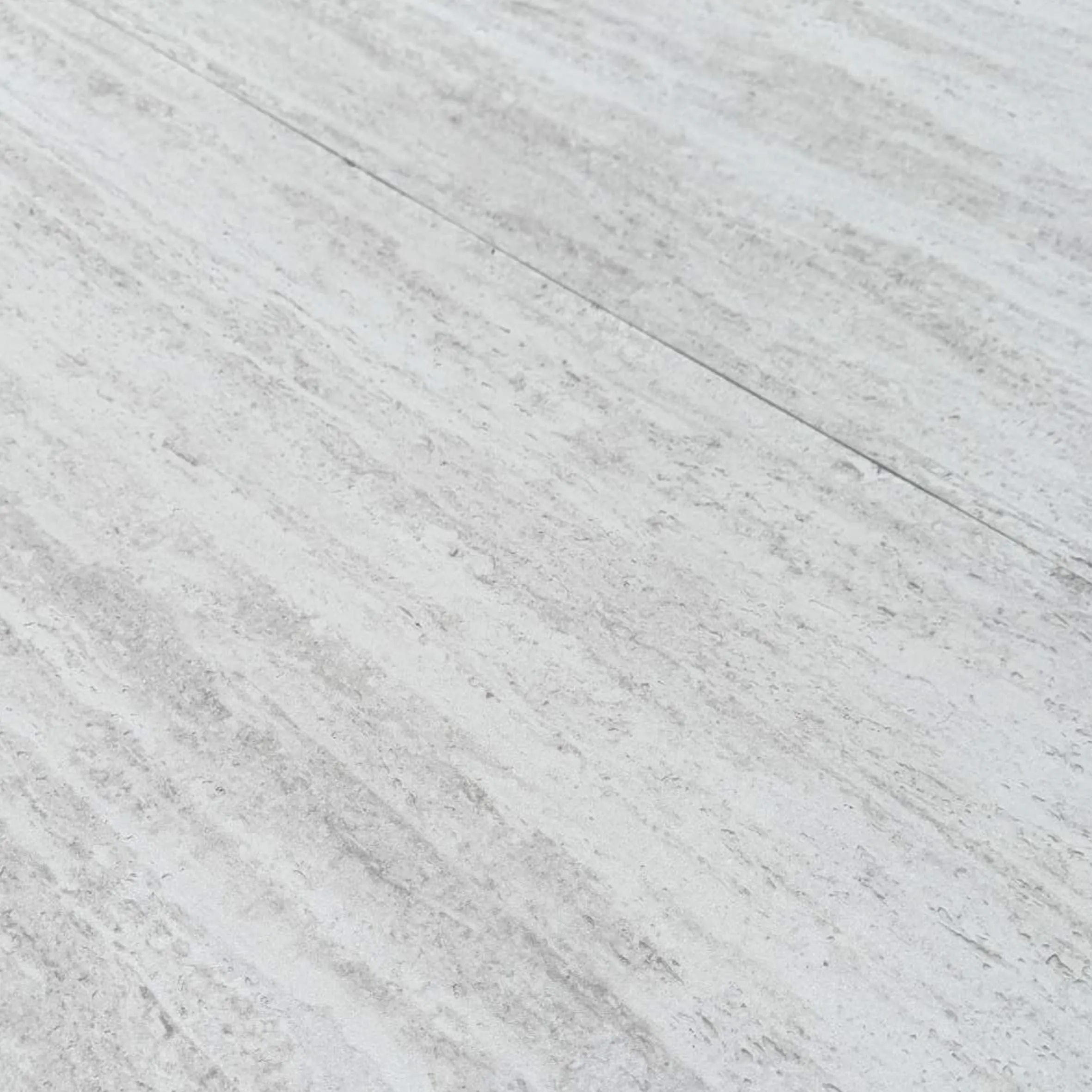
Imagine a stone that feels like dawn breaking over a misty valley. Ethereal shadow travertine is exactly that. Its base shimmers in soft ivory or pale gray, with delicate, wispy veining in charcoal or taupe that looks like shadows stretching at sunrise. The surface has a gentle, honeycombed texture—tiny pits formed by gas bubbles long ago—adding depth without feeling rough. It's part of MCM's innovative 3D printing series , which enhances its durability while keeping its natural soul intact.
This travertine isn't just beautiful; it's versatile. Use it for a bedroom accent wall, a kitchen backsplash, or even a fireplace surround, and it'll cast a warm, inviting glow. Unlike bold stones like red travertine or granite portoro , it whispers elegance rather than shouting.
Limestone (beige) is the cozy sweater of natural stones. Formed from marine sediments, it has a smooth, creamy base in soft sand or wheat tones, with faint, feathery veining in ivory or light brown. Its texture is silkier than travertine, with a subtle matte finish that feels cool to the touch on a hot day. It's the kind of stone that makes a space feel lived-in and welcoming, like a country cottage or a beach house at sunset.
Unlike ethereal shadow travertine, limestone (beige) plays well with others. Pair it with wood line accents for rustic charm, or with foamed aluminium alloy board (vintage silver) for industrial chic—it adapts, making it a favorite for designers who love flexibility.
Beauty is personal, but how a stone interacts with light, color, and space can make or break a design. Let's see how these two stack up.
Ethereal shadow travertine is a mood shifter. In bright rooms, its veining fades, creating an airy, almost weightless feel—perfect for small spaces or minimalist homes. In dimmer light, the shadows deepen, adding drama that turns a plain wall into a focal point. It's a stone for dreamers—those who want their space to feel like a retreat, not just a room.
Try pairing it with lunar peak silvery accents for a celestial vibe, or with bamboo mat board for earthy balance. It's not just a material; it's a mood.
Limestone (beige) is the friend who fits in everywhere. Its warm, neutral tone makes small rooms feel larger and large rooms feel cozier. Unlike the bold patterns of travertine (starry blue) or marble interstellar gray , its veining is understated—more like a gentle breeze than a storm—so it won't clash with busy furniture or bold art.
It's the stone of choice for spaces that need to feel timeless. A limestone (beige) floor in a kitchen will still look fresh in 20 years, whether you're into mid-century modern today or farmhouse chic tomorrow. It's reliability wrapped in beauty.
A pretty stone that chips after a year isn't worth the investment. Let's talk about how these stones hold up to real life—and what they need to stay looking their best.
Pro Tip: Both stones benefit from sealing, but if you're worried about maintenance, check out MCM flexible stone . It mimics natural stone's look but is more resistant to stains and scratches—great for busy families or commercial spaces.
Value isn't just about price—it's about getting what you pay for. Let's break down the numbers and what they mean for your project.
Expect to pay $18–$32 per square foot for ethereal shadow travertine. The higher cost comes from its rare veining and specialized processing (thanks to MCM's project board series ). But think of it as an investment: its one-of-a-kind look can boost your home's resale value, and it'll stay stylish for decades.
Best for: Smaller projects where impact matters—like a feature wall or a powder room. It's not the cheapest, but it's unforgettable.
Limestone (beige) is easier on the wallet, ranging from $12–$22 per square foot. Its lower cost makes it perfect for large areas—flooring an entire house, cladding a restaurant, or landscaping a patio. Even better, its timelessness means you won't need to replace it when trends change.
Best for: Budget-friendly projects that need to cover ground without sacrificing quality. It's the stone that gives you more for less.
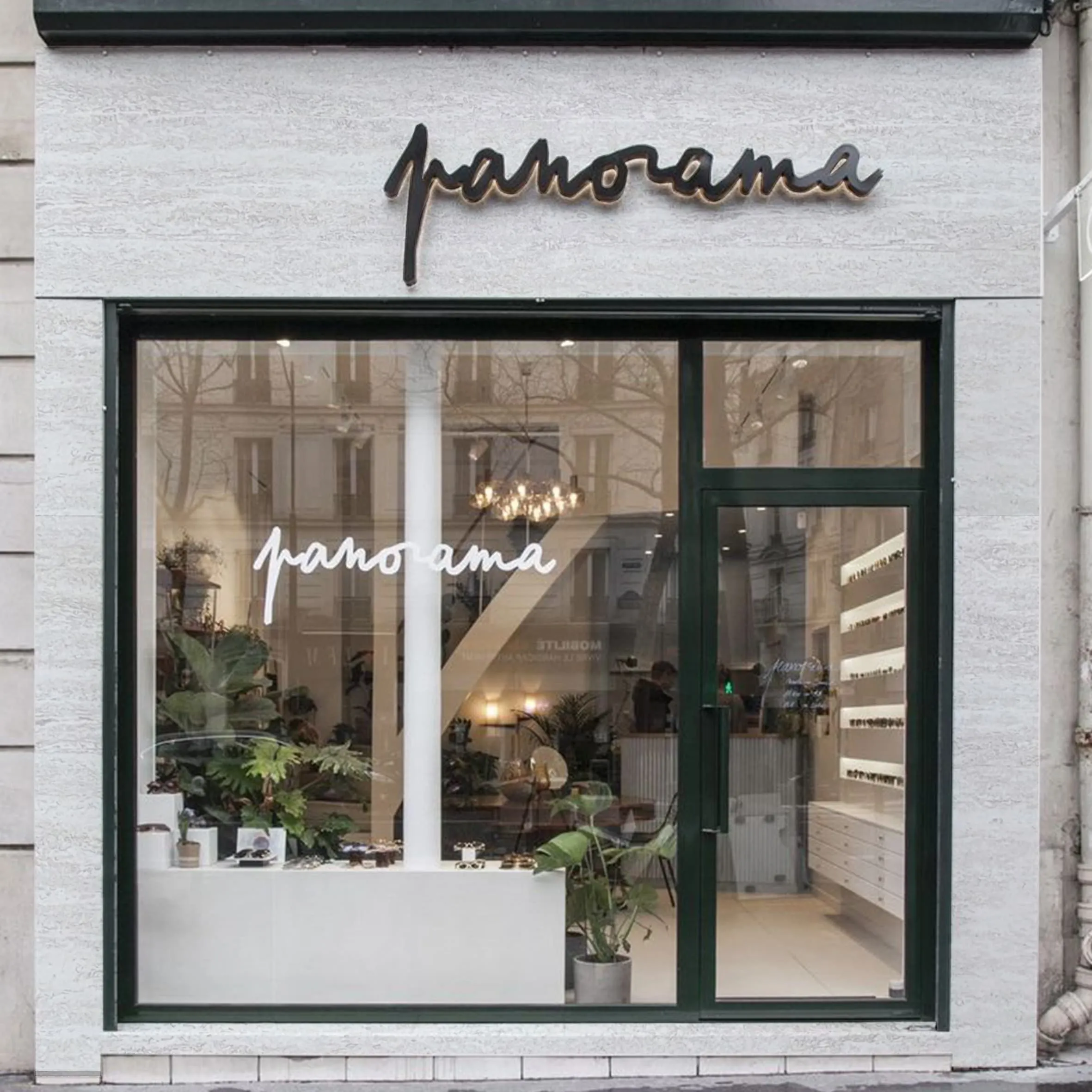
There's no "better" stone—only the one that fits your life. Here's a quick guide to decide:
Pick ethereal shadow travertine if… You crave uniqueness, have a medium-to-high budget, and want a stone that turns heads. It's for designers and homeowners who see their space as a canvas.
Pick limestone (beige) if… You want reliability, affordability, and a stone that works everywhere. It's for real-life living—busy families, commercial spaces, and anyone who wants beauty without the fuss.
And if you're still torn? Consider mixing them. Use ethereal shadow travertine for a striking accent wall and limestone (beige) for the floors—natural stone loves company. Whatever you choose, you're bringing a piece of the earth's history into your space, and that's always valuable.
Recommend Products












