
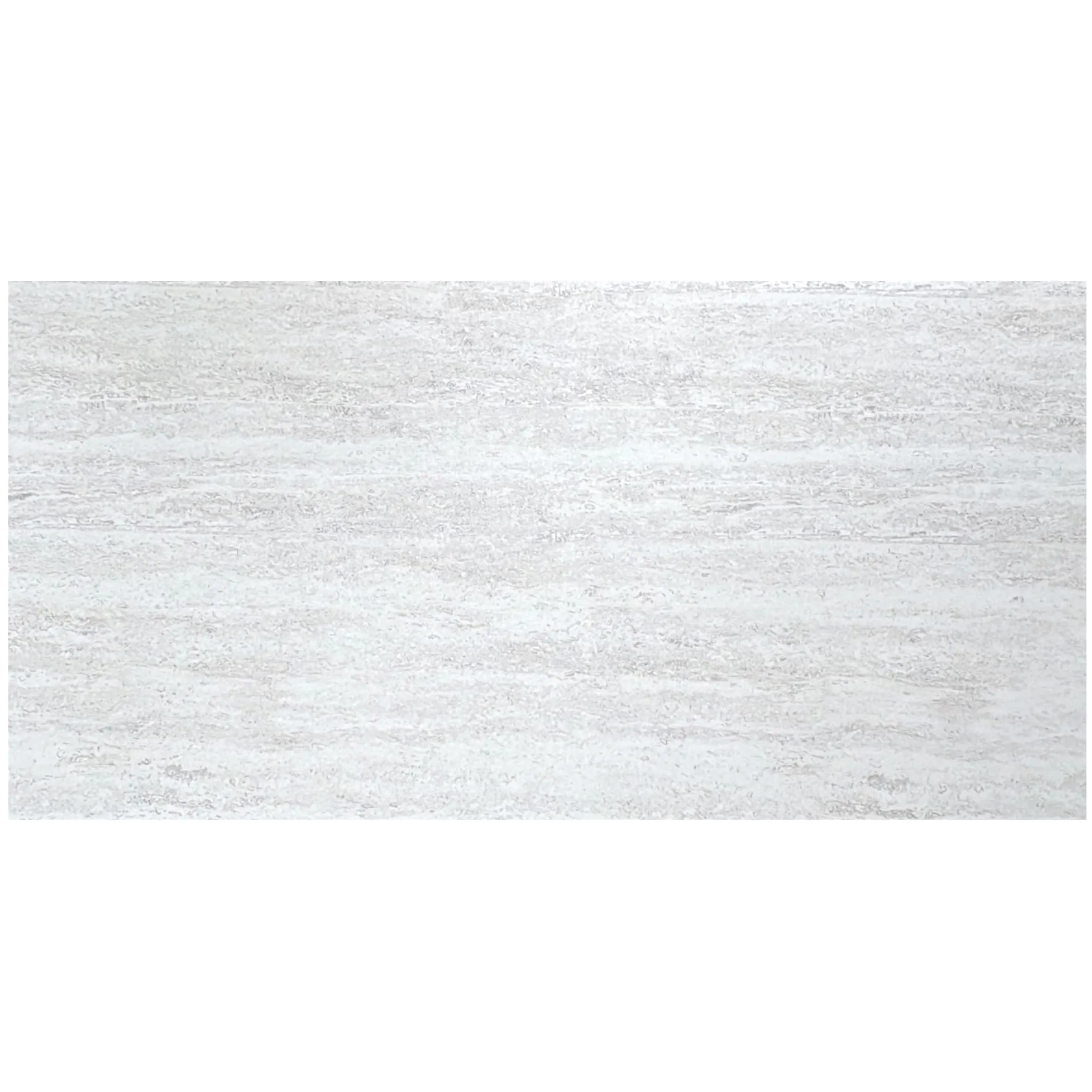
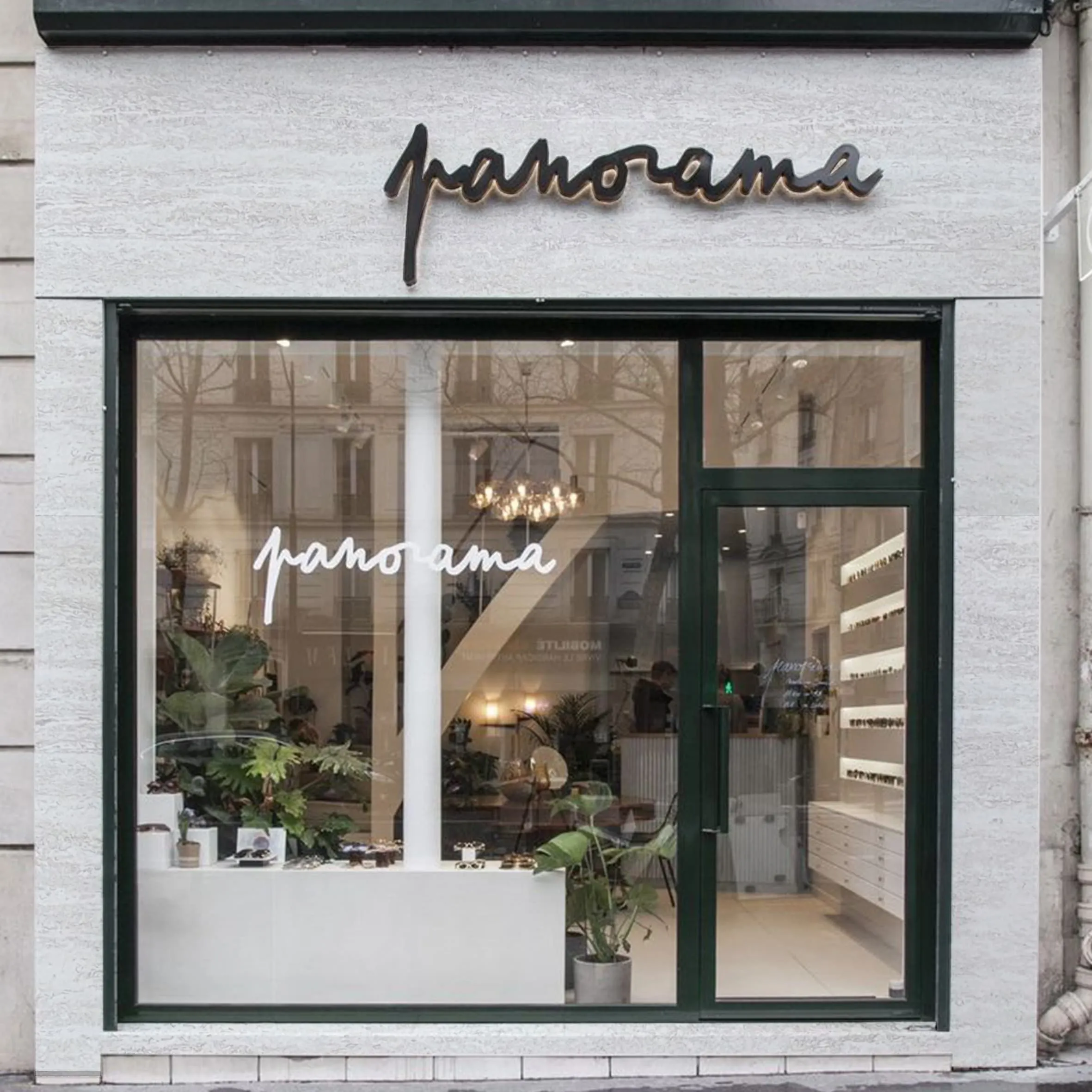
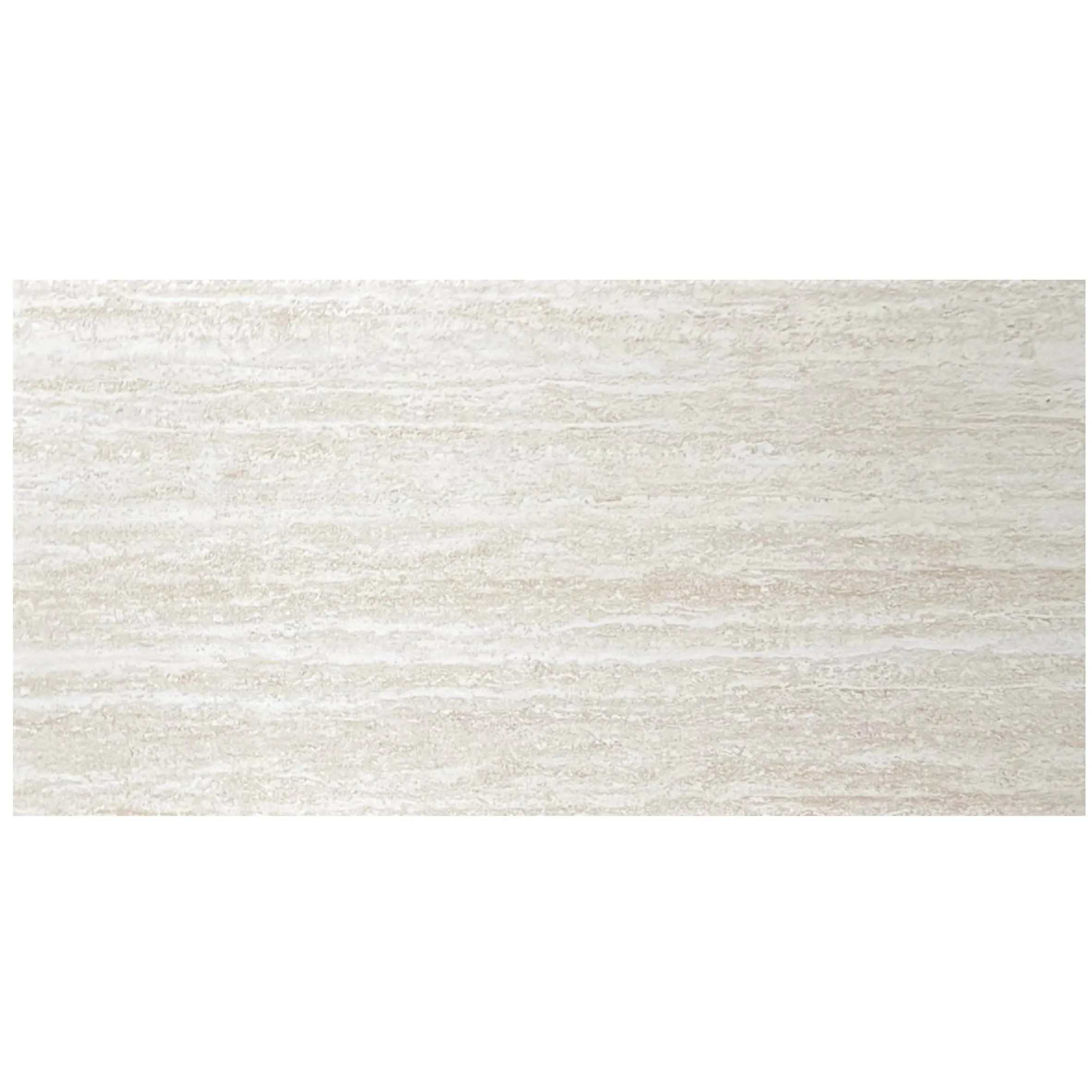
Let's start with the familiar. Standard travertine is the kind of stone that feels like an old friend—reliable, warm, and full of character. Formed over centuries by mineral-rich hot springs, it carries the marks of time in its unique veining, pitting, and soft color palette. Think creamy beiges, warm ivories, and gentle golds, with the occasional hint of rust or gray. It's the stone of ancient Roman amphitheaters, grand European villas, and cozy suburban kitchens alike, a testament to its enduring appeal.
What makes standard travertine so beloved? For one, its texture. Run your hand over a polished slab, and you'll feel a subtle roughness, a reminder of its natural origins. Those tiny pits and voids? They're not flaws—they're fingerprints, each one telling a story of how the stone was formed. And while it's durable enough for high-traffic areas like floors and entryways, it also softens a space, adding warmth that cooler stones like marble or granite sometimes lack.
But standard travertine isn't without its quirks. Its porous nature means it needs sealing to resist stains, and its color range, while beautiful, can feel limited if you're craving something bold or moody. It's a stone that plays well with others—paired with wood grain board, it evokes a rustic charm; mixed with fair-faced concrete, it balances industrial edge with organic warmth—but it's never been the star of the show when it comes to drama.
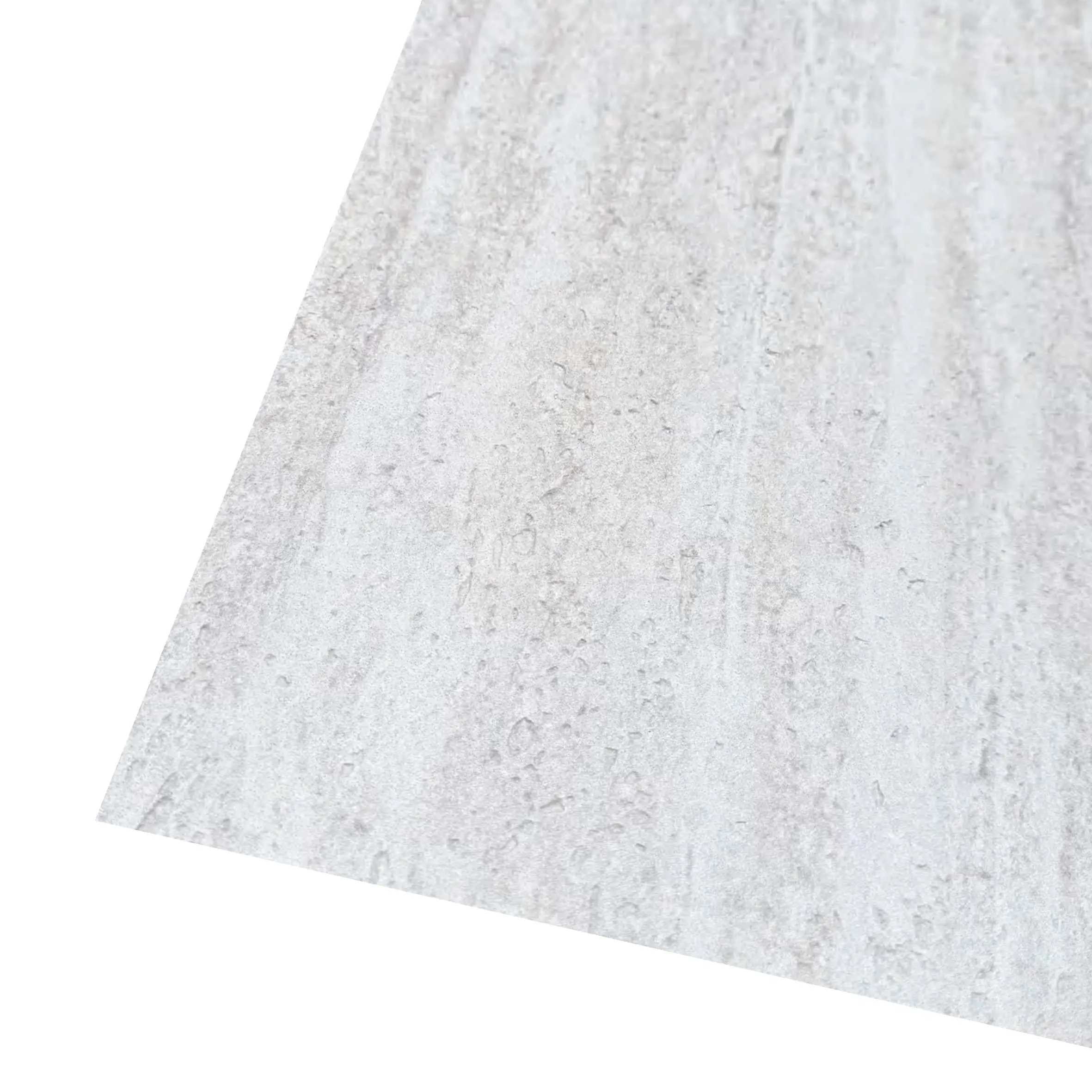
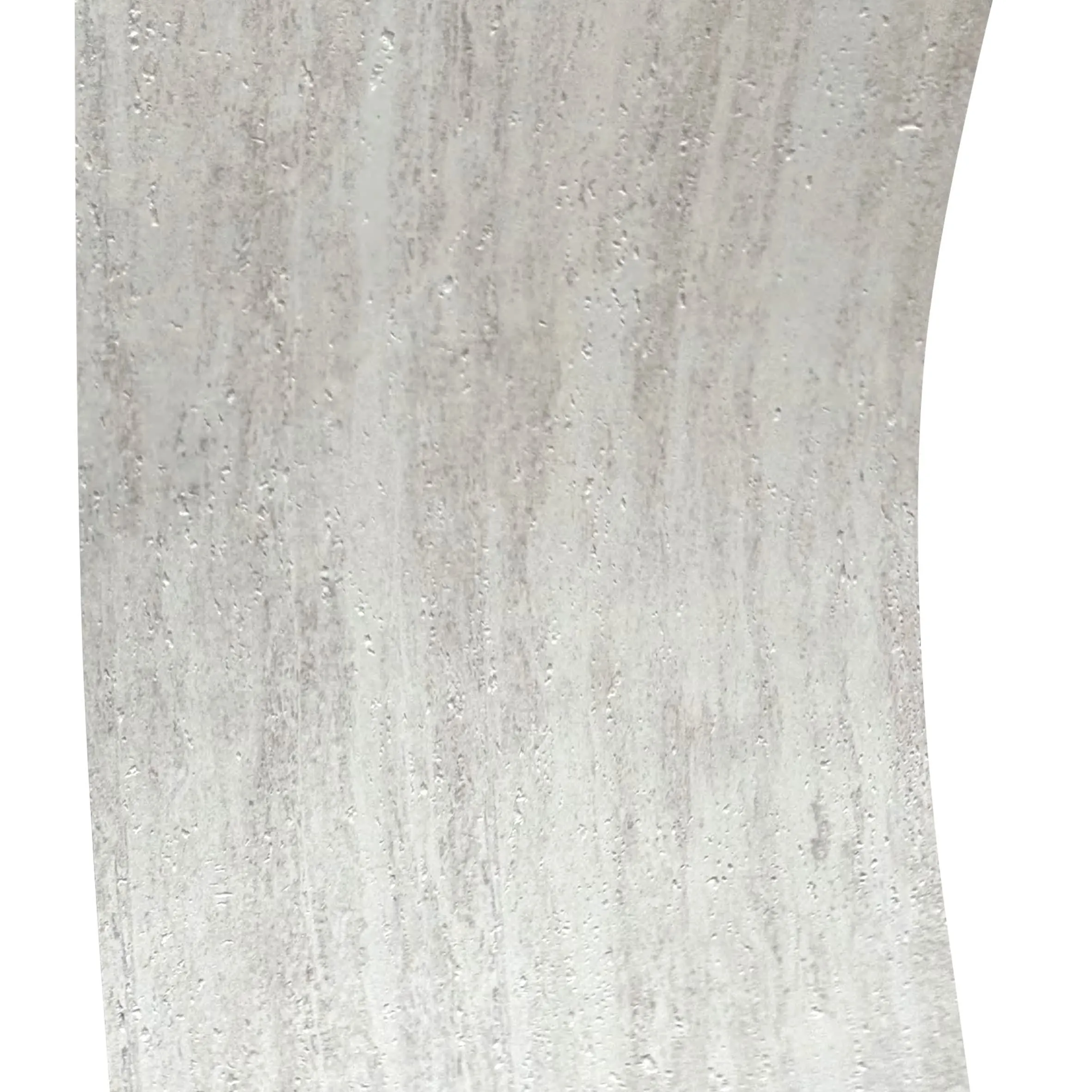
Enter Ethereal Shadow Travertine. If standard travertine is the cozy cabin in the woods, Ethereal Shadow is the mountain peak at dawn—majestic, mysterious, and utterly captivating. From the moment you lay eyes on it, you'll notice the difference: this isn't your grandmother's travertine. Its base color leans into shadowy grays and deep charcoals, with veins that twist and turn like smoke or mist, hence the "ethereal" in its name. Some slabs even have hints of silvery blue or soft lavender, as if the stone itself has captured a piece of the night sky.
What sets Ethereal Shadow apart isn't just its color—it's how it interacts with light. Standard travertine reflects light softly, like a morning fog. Ethereal Shadow, on the other hand, seems to absorb and release light, creating depth that shifts throughout the day. In the morning, with sunlight streaming in, its veins glow, turning from dark gray to silvery blue. At dusk, under warm artificial light, it takes on a moody, almost velvety quality, as if the stone itself is breathing. It's a chameleon, adapting to its surroundings while always maintaining its core identity.
But Ethereal Shadow isn't just about looks—it's a modern stone with modern benefits. While it retains travertine's natural porosity, advances in sealing technology mean it's more stain-resistant than ever. And unlike some trendy materials that fade with time, its unique veining ensures that no two slabs are alike, so your space will always feel one-of-a-kind. It's also surprisingly versatile: use it as a statement wall in a minimalist living room, as flooring in a spa-like bathroom, or even as a backsplash in a kitchen where you want to add drama without overwhelming the space.
| Feature | Standard Travertine | Ethereal Shadow Travertine |
|---|---|---|
| Color Palette | Cream, beige, ivory, soft gold; occasional rust or gray accents. | Deep grays, charcoal, with veins of silver, blue, or lavender; moody, atmospheric tones. |
| Texture & Finish | Subtly porous with natural pitting; typically honed or polished to a soft sheen. | Smooth surface with pronounced, flowing veining; honed or lightly polished for depth. |
| Light Interaction | Reflects light softly, adding warmth; veins are subtle and understated. | Absorbs and reflects light dynamically; veins glow or darken with changing light, creating depth. |
| Best For | Classic spaces, rustic interiors, warm color schemes, high-traffic areas. | Modern, moody, or statement-making spaces; accent walls, feature pieces, low-light areas. |
| Pairing Partners | Wood grain board, fair-faced concrete, warm metals (brass, copper). | Lunar Peak Silvery, mcm flexible stone, cool metals (chrome, nickel), dark woods. |
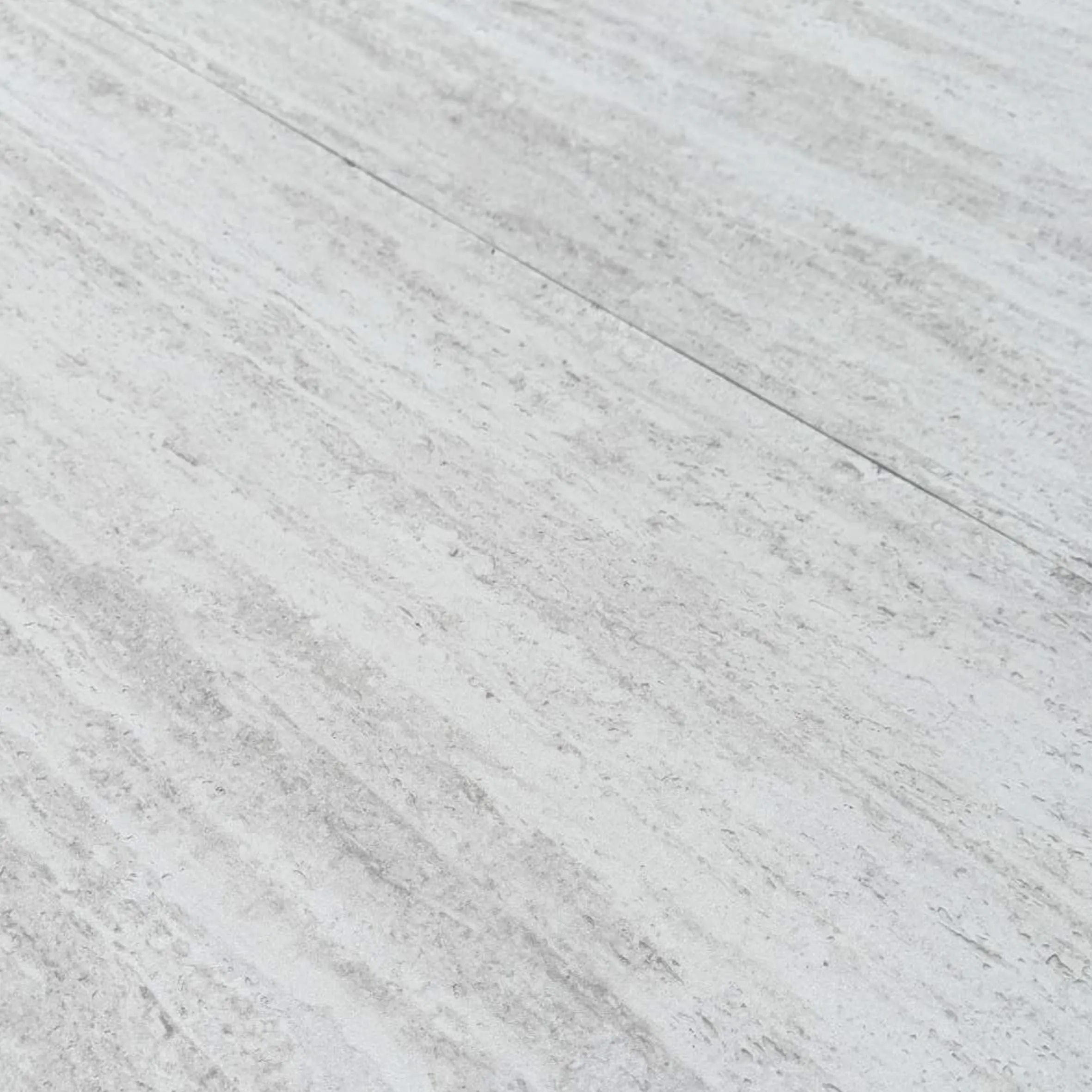
So, where does Ethereal Shadow Travertine shine brightest? In spaces that crave personality. Imagine a boutique hotel lobby, where a wall clad in Ethereal Shadow stretches from floor to ceiling, backlighting highlighting its veining like constellations in the night sky. Or a home office, where a desk made from the stone becomes a focal point, grounding the space while inspiring creativity. It's also surprisingly adaptable—pair it with Lunar Peak Silvery, and you get a cool, contemporary vibe that feels both sleek and organic; mix it with mcm flexible stone, and you've got a lightweight, durable combo perfect for commercial spaces.
One of the most exciting things about Ethereal Shadow is how it fits into modern design trends. We're living in an era where "cozy minimalism" and "quiet luxury" reign supreme—spaces that are clean-lined but not cold, luxurious but not ostentatious. Ethereal Shadow checks both boxes. Its moody color palette adds depth without clutter, and its natural texture keeps things from feeling too sterile. It's the kind of stone that makes a statement without screaming, perfect for the design-conscious homeowner who wants their space to feel curated, not chaotic.
Let's talk about pairing Ethereal Shadow Travertine with Lunar Peak Silvery—a combination that's equal parts modern and magical. Lunar Peak Silvery, with its sleek, metallic finish and cool, silvery tone, acts as the perfect counterpoint to Ethereal Shadow's earthy depth. Imagine a bathroom where Ethereal Shadow covers the walls, its dark veins swirling like storm clouds, while Lunar Peak Silvery frames the mirror and vanity, adding a touch of celestial shimmer. The contrast is striking: warm vs. cool, organic vs. sleek, grounded vs. elevated. It's a pairing that feels both timeless and futuristic, like bringing a piece of the moon down to earth.
In a world where sustainability matters more than ever, Ethereal Shadow Travertine holds its own. Like all natural stone, it's a renewable resource (though quarrying must be done responsibly), and its durability means it won't need replacing every decade. Unlike synthetic materials that off-gas or degrade over time, it ages gracefully, developing a patina that only adds to its character. And because it's a natural product, it can be recycled or repurposed if a space is renovated, reducing waste.
Of course, no material is perfect. Ethereal Shadow, like standard travertine, is heavier than alternatives like mcm flexible stone, which can make installation trickier in certain spaces. And while it's more stain-resistant than older travertine varieties, it still needs regular sealing to keep it looking its best. But for those willing to invest a little care, the payoff is a material that will outlast trends and become a beloved part of the space's story.
At the end of the day, choosing between standard travertine and Ethereal Shadow Travertine comes down to the story you want your space to tell. Standard travertine is the reliable narrator, spinning tales of tradition and warmth. Ethereal Shadow is the poet, crafting stories of mystery and light. It's for the designer who wants to challenge expectations, the homeowner who craves something unique, and anyone who believes that a space should feel like more than just a room—it should feel like an experience.
So, whether you're designing a cozy reading nook or a grand commercial space, consider Ethereal Shadow Travertine. It's not just a material—it's a mood, a moment, a memory in the making. And in a world that's always rushing, isn't that what we all want? A space that makes us pause, breathe, and think, "Wow. This is special."
Recommend Products












