
When you step into a modern healthcare facility, the first thing that strikes you isn't just the smell of antiseptic or the hum of medical equipment. It's the feeling of the space—the way light filters through windows, the texture of walls under your fingertips, the subtle colors that calm rather than overwhelm. Today's healthcare design has evolved far beyond sterile white rooms; it's about creating environments that heal, comfort, and inspire. For patients, these spaces can reduce anxiety and speed recovery. For staff, they foster focus and well-being. At the center of this transformation? Thoughtfully chosen materials that balance hygiene, durability, and warmth.
Among the most innovative materials shaping this shift is line stone board —a versatile surface that marries the organic beauty of natural stone with the practicality required in medical settings. But it's not alone. From the soft veining of travertine to the earthy texture of rammed earth board , designers are turning to materials that tell a story while meeting strict health standards. Let's dive into how these materials are redefining healthcare interiors, with a focus on real-world applications and the subtle details that make all the difference.
Healthcare design isn't just about aesthetics—it's a science. Three principles guide every choice: hygiene (ease of cleaning and resistance to pathogens), warmth (reducing stress through natural elements), and longevity (standing up to heavy foot traffic and frequent sanitization). Materials must check all three boxes, and the best ones do so with style.
Take fair-faced concrete , for example. Once associated with cold industrial spaces, it's now celebrated for its smooth, seamless finish that leaves nowhere for bacteria to hide. Its muted gray tones soften harsh lighting, while its durability ensures it looks fresh even after years of wheelchairs, stretchers, and daily scrubbing. Or consider lunar peak series materials, with their silvery, golden, or black metallic sheens. These surfaces reflect light gently, brightening dim corridors without creating the harsh glares that strain patients' eyes. They're also scratch-resistant, a must in busy clinics where every surface takes a beating.
Let's take a closer look at the materials transforming healthcare interiors, with insights drawn from real project photos and designer feedback. These aren't just samples in a catalog—they're surfaces that have been tested in hospitals, clinics, and rehabilitation centers, proving their worth in the most demanding environments.
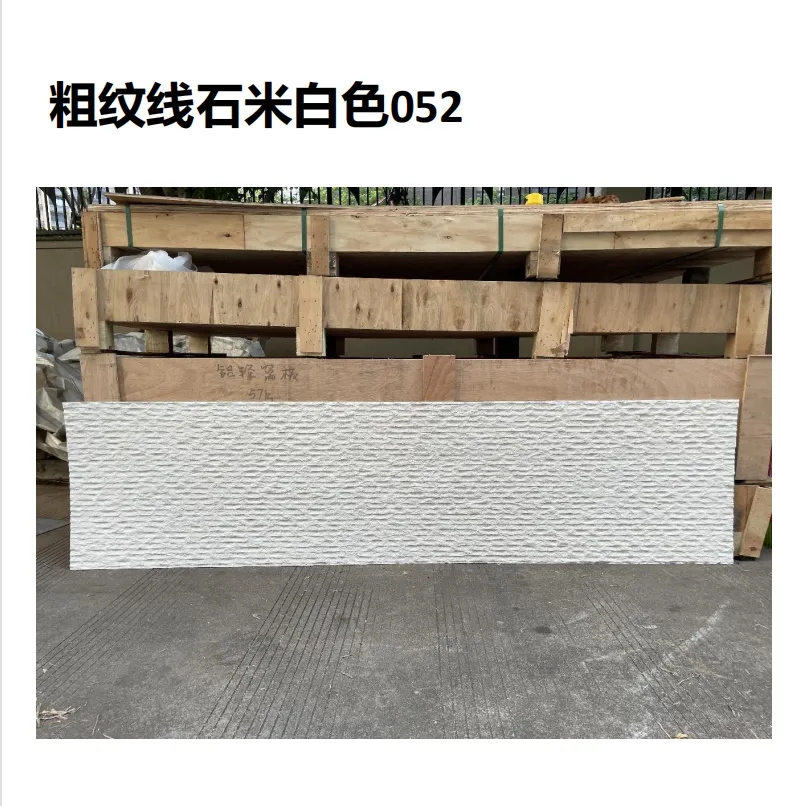
If healthcare design had a "MVP," line stone board might just claim the title. In real photos from pediatric clinics in Chicago, this material shines as wall paneling in waiting areas. Its defining feature? Subtle, parallel linear textures that mimic the grain of wood or the strata of sedimentary rock, but with a uniform finish that's easy to wipe down. Unlike porous natural stones, line stone board resists moisture, making it ideal for spaces like recovery rooms where spills are common. Designers love it for its chameleon-like ability to adapt: paired with soft lighting, it feels warm and inviting; under bright LED lights, it takes on a clean, clinical edge without feeling cold.
One project in a senior care facility used line stone board in shades of off-white and light gray for hallway walls. The linear patterns create a sense of movement, guiding residents safely toward their destinations, while the non-slip surface ensures stability for those with mobility aids. "It's like having a stone wall that's also a friend," one designer noted. "It doesn't shout, but it reassures."
There's a reason travertine has been used in architecture for millennia—from ancient Roman baths to modern hospitals. Its porous yet breathable surface regulates humidity, preventing the buildup of mold and mildew, while its natural veining adds visual interest that eases stress. In real photos of a cancer treatment center in Seattle, travertine (starry green) takes center stage as flooring in meditation rooms. The soft, mossy hues and scattered "starry" flecks of darker stone evoke a forest floor, transporting patients from the anxiety of treatment to a place of quiet reflection.
What makes travertine truly special in healthcare? Its warmth. Unlike ceramic tiles, which can feel cold underfoot, travertine retains heat, making it comfortable for patients who spend long hours sitting or lying down. And when sealed properly (a standard step in medical settings), its pores become non-porous, allowing for thorough disinfection without damaging the stone's natural beauty.
For facilities aiming to connect patients with nature, rammed earth board is a game-changer. Made by compressing layers of clay, sand, and gravel, this material carries the weight of history—think ancient adobe dwellings—with a modern twist. In real photos from a rehabilitation center in Arizona, rammed earth board (gradient) covers accent walls in physical therapy rooms. The gradient color transition, shifting from soft terracotta to warm beige, mirrors the desert landscape outside, creating a visual link to the world beyond hospital walls.
Beyond aesthetics, rammed earth offers surprising benefits: it's hypoallergenic, fire-resistant, and naturally sound-absorbing. In noisy environments like emergency departments, this can reduce stress levels for both patients and staff. "We had a patient tell us the walls 'feel like home,'" shared one facility manager. "That's the power of materials that don't feel 'medical.'"
Gone are the days when concrete meant drab gray blocks. Fair-faced concrete —finished to expose its natural texture without additional coatings—has become a favorite for healthcare ceilings and accent walls. In real photos from a research lab in Boston, this material was chosen for its ability to hide scuffs and stains, a must in spaces where equipment is moved constantly. Its smooth, monolithic surface leaves no crevices for dust or bacteria to collect, simplifying daily cleaning routines.
But it's not just about function. Fair-faced concrete's neutral palette acts as a blank canvas for art installations, like the vibrant murals of local flora that adorn the walls of a community health clinic in Portland. "It's industrial, but it's also gentle," a designer explained. "It lets the real stars—the patients and the art—shine."
For spaces that need a touch of modern elegance, the lunar peak series delivers. Available in silvery, golden, and black finishes, these materials blend the luster of metal with the durability of stone. In real photos from a luxury wellness center in Dubai, lunar peak silvery was used as a backsplash in a nutrition counseling room. Its soft metallic sheen reflects natural light from floor-to-ceiling windows, making the space feel airy and open, while its scratch-resistant surface stands up to daily use.
What sets lunar peak apart is its ability to balance glamour with practicality. Unlike polished metals, which show fingerprints and smudges, lunar peak's matte finish hides imperfections, making it ideal for high-traffic areas. "We wanted something that felt 'special' without being high-maintenance," the wellness center's director said. "Lunar peak checked both boxes."
To better understand how these materials stack up, let's examine their features, hygiene benefits, and aesthetic appeal side by side. The table below draws on real project data and designer feedback to highlight what makes each option unique:
| Material Name | Key Features | Hygiene Benefits | Aesthetic Appeal |
|---|---|---|---|
| Line Stone Board | Linear textures, uniform finish, moisture-resistant | Non-porous surface; easy to disinfect with hospital-grade cleaners | Subtle patterns reduce visual fatigue; available in neutral tones |
| Travertine (Starry Green) | Natural veining, breathable, heat-retaining | Sealed pores prevent mold growth; smooth surface resists bacteria | Calming green hue with "starry" flecks; evokes natural landscapes |
| Fair-Faced Concrete | Smooth, seamless, scratch-resistant | Minimal joints reduce bacterial hiding spots; easy to sanitize | Warm gray tones; acts as a neutral backdrop for art and color |
| Rammed Earth Board (Gradient) | Clay-based, gradient color transitions, sound-absorbing | Hypoallergenic; natural materials resist chemical degradation | Earthy textures and warm hues connect to nature |
| Lunar Peak Silvery | Metallic luster, matte finish, lightweight | Stain-resistant; fingerprint-hiding surface reduces cleaning frequency | Gentle light reflection; adds modern elegance without glare |
Numbers and specs tell part of the story, but real change happens in the moments patients and staff share with these materials. Take a children's hospital in Denver, where line stone board was used in playroom walls. The linear patterns, in soft blues and greens, became a game for young patients: "They trace the lines with their fingers and make up stories about where they lead," a child life specialist shared. "It turns a scary place into an adventure."
In a trauma center in Houston, travertine (starry blue) floors in the emergency waiting area have been a hit with families. "The blue reminds people of the ocean, and the starry flecks feel like looking up at the sky," a nurse explained. "We've noticed parents are less tense, which makes it easier for us to communicate with them during stressful times."
And in a rural health clinic in New Mexico, rammed earth board (khaki) walls have become a source of pride for the community. Made with locally sourced clay, the material reflects the region's landscape, creating a sense of ownership among patients. "People say, 'This clinic looks like us,'" the clinic's director noted. "That connection matters—it makes them more likely to come back for check-ups, which improves health outcomes."
As healthcare design continues to evolve, materials like line stone board, travertine, and rammed earth board will only grow in importance. Innovations are already on the horizon: self-cleaning coatings for line stone board, solar-reflective lunar peak variants to reduce energy costs, and travertine blends infused with antimicrobial agents. But at their core, these materials will always serve one purpose: to make healthcare spaces feel less like institutions and more like homes .
So the next time you walk into a healthcare facility, take a moment to notice the walls, the floors, the surfaces that surround you. They're not just there to look good—they're there to heal. And in that quiet, unspoken way, they're changing lives, one texture at a time.
Recommend Products












