
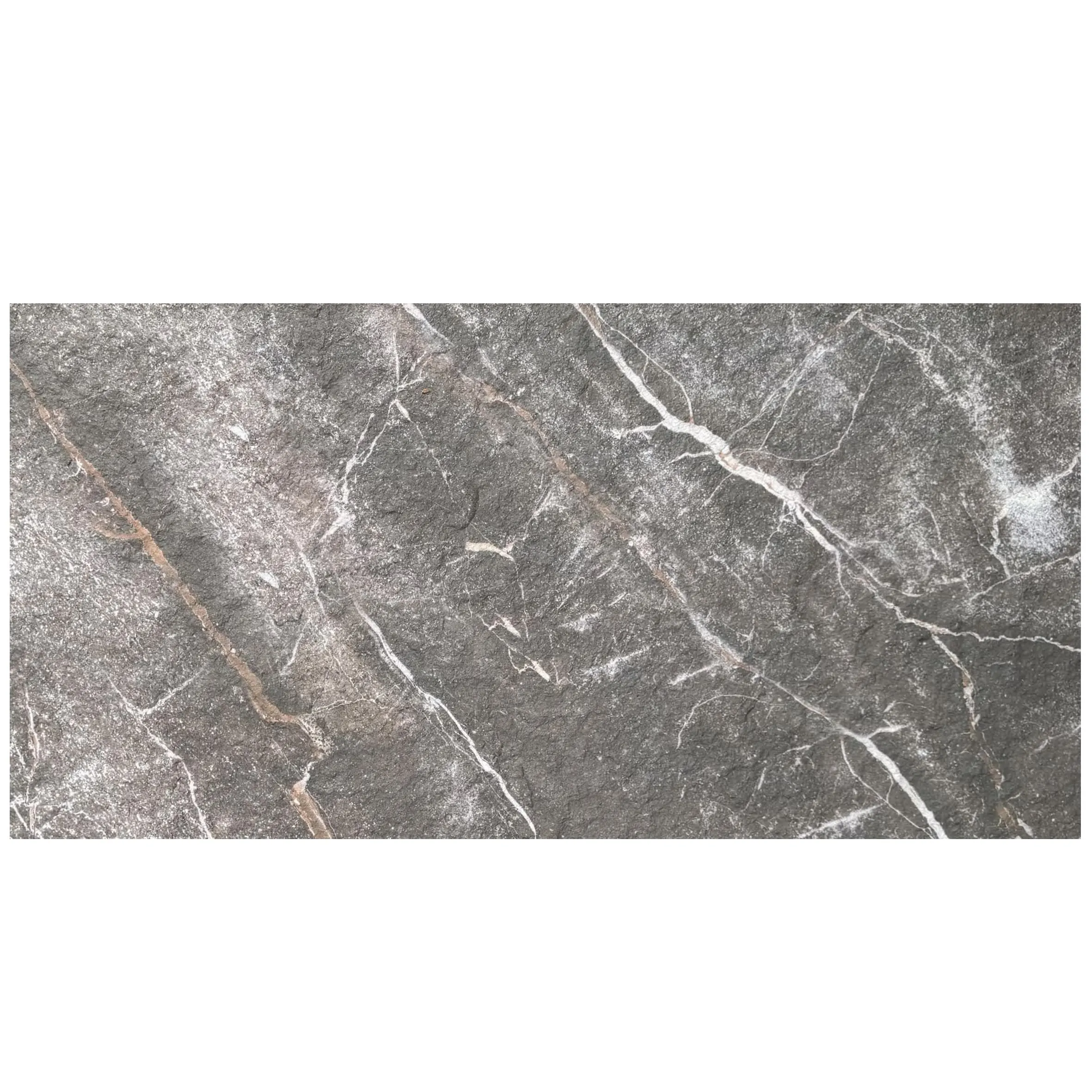
In the world of natural stone, few materials command attention quite like Granite Portoro. With its dramatic black base swirled with golden veins that catch the light like scattered embers, this stone isn't just a building material—it's a storyteller. For centuries, it has adorned palaces, museums, and luxury spaces, bridging continents and cultures. Today, we trace its journey from the quarries of Europe to the soaring skylines of the Middle East, exploring how a single stone has become a global symbol of timeless elegance.
Granite Portoro's story begins in Europe, where its origins are deeply intertwined with the continent's architectural heritage. While the name "Portoro" is often associated with marble, Granite Portoro distinguishes itself with a harder, more durable composition—making it ideal for both interior opulence and exterior resilience. Quarried primarily in regions like Tuscany, Italy, and parts of southern France, it first gained prominence during the Renaissance, when artisans sought materials that could withstand the test of time while exuding luxury.
In 17th-century France, for example, the Palace of Versailles reportedly incorporated Granite Portoro in its private salons, where the stone's bold contrast complemented gilded mirrors and silk draperies. "It was a material for kings," says Elena Bianchi, a Milan-based architectural historian. "Its density meant it could be polished to a high sheen, turning ordinary rooms into chambers fit for royalty." Even today, European architects lean into this legacy. The recently renovated Ritz Paris, for instance, features Granite Portoro countertops in its signature suites, pairing the stone with travertine (starry blue) floors to create a blend of classic and contemporary elegance.
Beyond palaces, modern Europe has embraced Granite Portoro in public spaces, too. The Guggenheim Museum Bilbao, known for its avant-garde design, used the stone in its lobby flooring, where its dark hue anchors the space against the building's titanium curves. "We chose Granite Portoro for its ability to ground bold architecture," explains Carlos Mendez, lead designer on the project's interior renovations. "It doesn't compete with the art; it elevates it."
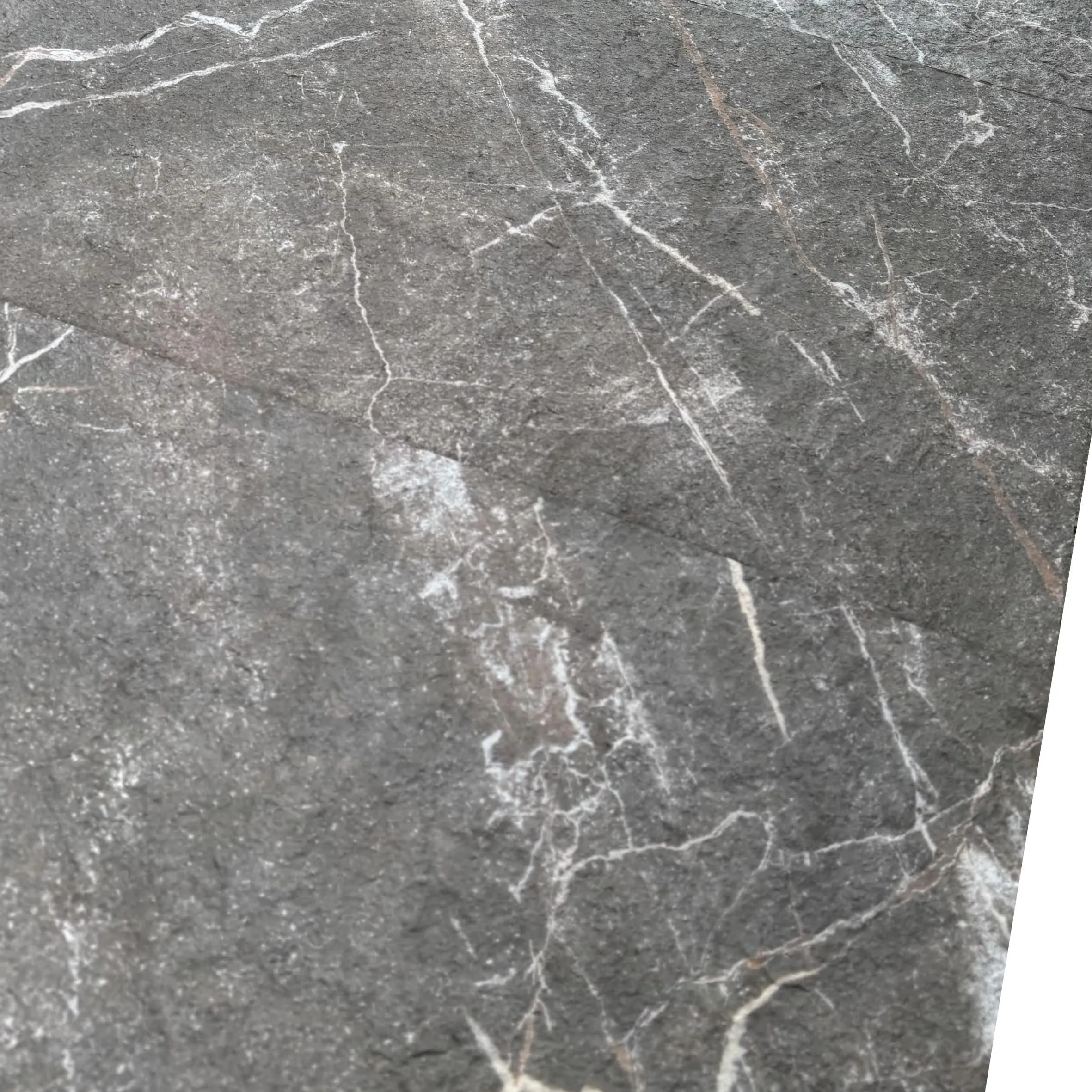
If Europe is Granite Portoro's birthplace, the Middle East is its playground for reinvention. Over the past two decades, as cities like Dubai, Abu Dhabi, and Doha have transformed into global hubs of innovation, demand for premium building materials has skyrocketed—and Granite Portoro has emerged as a favorite. "In the Middle East, luxury isn't just a preference; it's a language," says Ahmad al-Sayed, a Dubai-based developer specializing in high-end commercial projects. "Granite Portoro speaks that language fluently."
Part of this appeal lies in cultural affinity. Islamic architecture has long celebrated intricate patterns and rich textures, and Granite Portoro's veining—random yet rhythmic—resonates with the region's love for geometric artistry. The Burj Khalifa's observation deck, for example, uses Granite Portoro accents in its railings, where the golden veins echo the desert sunsets visible from the tower's heights. Similarly, the Abu Dhabi Louvre's courtyard features the stone in its fountain bases, pairing it with lunar peak black cladding to create a striking contrast between light and dark.
Another driver? The Middle East's focus on "destination architecture." From luxury resorts to ultra-modern office towers, developers aim to create spaces that are not just functional but Instagram-worthy. Granite Portoro delivers: its bold look makes it a star in hotel lobbies, retail facades, and even residential penthouses. "A client once told me, 'I want my villa to feel like a jewel box,'" recalls interior designer Layla Hassan, who used Granite Portoro for a Dubai Hills Estate project. "We wrapped the fireplace in it, and now it's the first thing guests notice. It's dramatic, but never overwhelming."
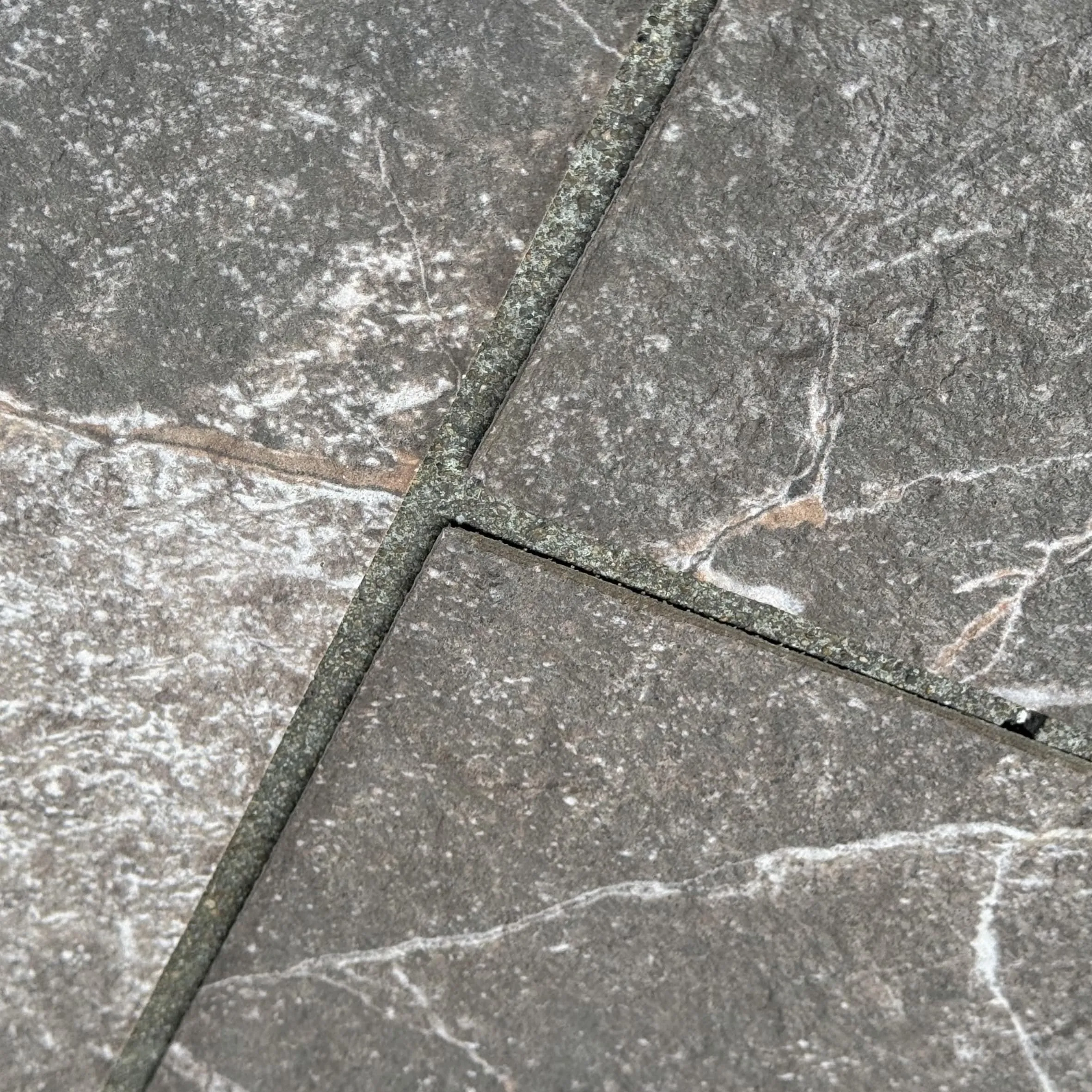
While Granite Portoro thrives in both Europe and the Middle East, its role and reception vary, shaped by regional tastes and needs. The table below highlights key differences and similarities:
| Aspect | European Market | Middle Eastern Market |
|---|---|---|
| Primary Use Cases | Historic renovations, boutique hotels, cultural institutions | Skyscrapers, luxury resorts, high-end retail |
| Design Aesthetic | Classic elegance; pairs with travertine (starry blue) and wood tones | Bold modernity; combined with lunar peak black and metallic accents |
| Key Demand Drivers | Heritage preservation, craftsmanship legacy | Luxury branding, social media appeal |
| Notable Projects | Ritz Paris (Paris), Guggenheim Bilbao (Spain) | Burj Khalifa (Dubai), Abu Dhabi Louvre (Abu Dhabi) |
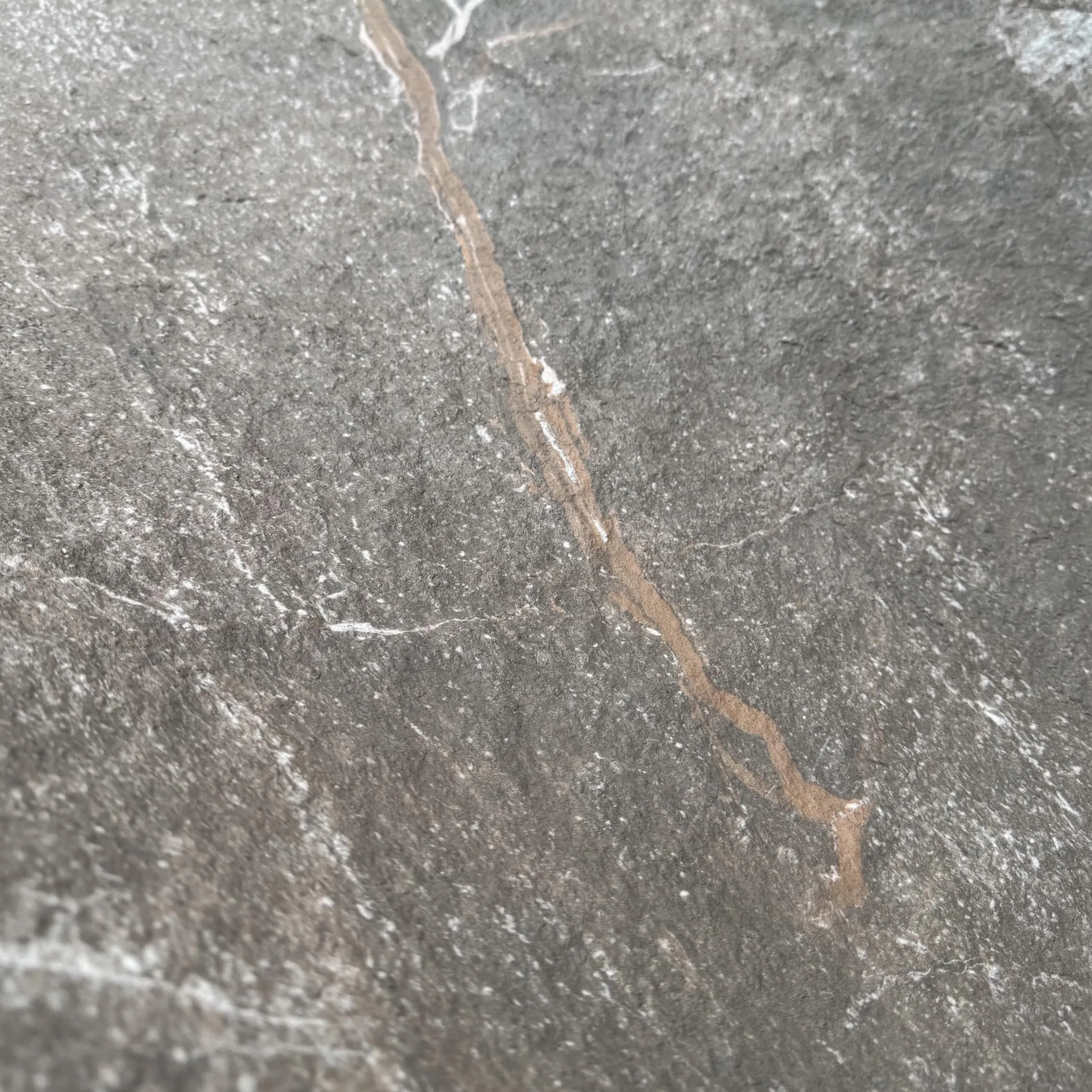
Granite Portoro's versatility shines not just on its own, but in how it harmonizes with other materials—including several from MCM's innovative product lineup. In Europe, architects often pair it with fair-faced concrete for an industrial-chic vibe. The Tate Modern's extension, for example, uses Granite Portoro for its stair treads, contrasting with the building's raw concrete walls to balance warmth and edge. "Concrete is cool and utilitarian; Granite Portoro adds soul," notes British architect Zaha Hadid (in a posthumous interview archived by her firm).
In the Middle East, the stone often teams up with foamed aluminium alloy board (vintage gold) for exterior cladding. The Dubai Mall's latest expansion features this combo: Granite Portoro panels frame gold-tinted aluminium windows, creating a facade that shimmers by day and glows by night. "It's a nod to both tradition and futurism," says al-Sayed. "Granite Portoro roots the design in natural beauty, while the aluminium adds that modern, forward-thinking feel."
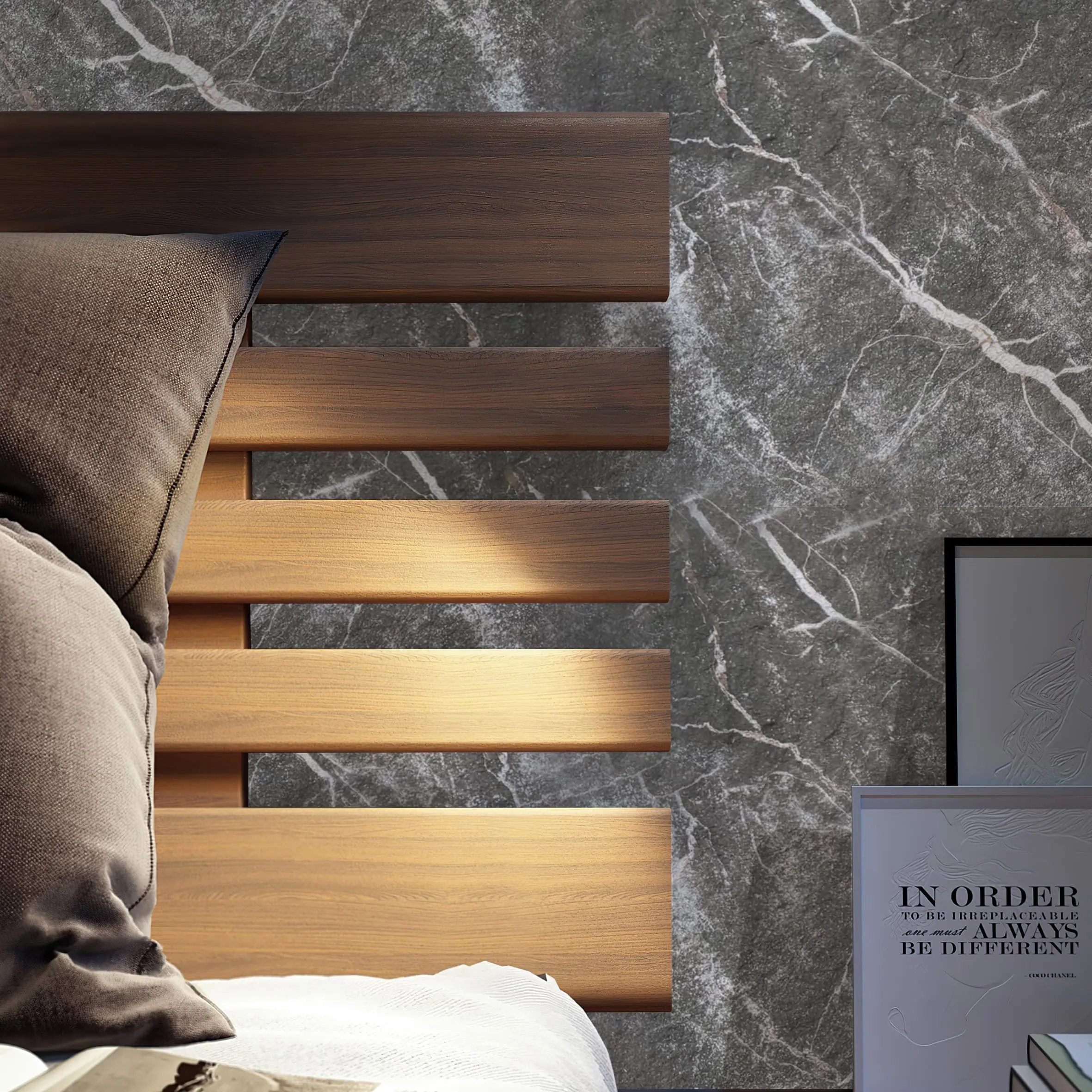
Even in residential spaces, the stone plays well with others. A recent villa project in Doha paired Granite Portoro countertops with weaving (khaki) wall panels, blending the stone's formality with the woven material's organic texture. "Clients want spaces that feel both luxurious and lived-in," Hassan explains. "Granite Portoro provides the 'wow' factor, but softer materials keep it from feeling cold."
Despite its global popularity, Granite Portoro isn't without hurdles. For one, sourcing is limited: most quarries are in Italy, and extracting the stone is labor-intensive, driving up costs. "A single slab can take weeks to cut and polish," says Marco Rossi, who runs a family-owned quarry in Carrara. "And with demand rising, we're under pressure to increase output without sacrificing quality."
Transportation is another issue, especially for Middle Eastern projects. Shipping from Europe to the Gulf can take 6–8 weeks, and the stone's weight (up to 200kg per slab) requires specialized handling. "We once had a shipment delayed by a port strike in Oman," al-Sayed recalls. "It set the project back a month. Now we always order extra slabs as backups."
Sustainability is also a growing concern. While Granite Portoro is durable (it can last centuries with proper care), quarrying has environmental impacts. To address this, MCM has introduced mcm flexible stone as a lightweight alternative for low-traffic areas. "Flexible stone mimics Granite Portoro's look but uses 70% less natural stone," says Sarah Chen, MCM's sustainability director. "It's not a replacement for the real thing, but it's a way to reduce our footprint."
Looking forward, Granite Portoro's future seems as bright as its golden veins. In Europe, there's a growing trend toward "adaptive reuse"—converting historic buildings into hotels, co-working spaces, or museums—and the stone is a natural fit. "Heritage projects will always need materials that honor the past," Bianchi predicts. "Granite Portoro does that better than any synthetic alternative."
In the Middle East, the focus is on pushing design boundaries. Architects are experimenting with new finishes, like honed (matte) Granite Portoro for exterior walls, or combining it with 3D-printed concrete for sculptural facades. "The next big thing? Using the stone in outdoor spaces," Hassan says. "Imagine a rooftop terrace with Granite Portoro flooring, surrounded by gobi panel planters. It would blend luxury with the desert landscape perfectly."
At its core, Granite Portoro's global appeal lies in its duality: it's timeless yet adaptable, luxurious yet grounding. Whether gracing a Renaissance palace in Florence or a futuristic tower in Dubai, it reminds us that great design transcends borders. As Rossi puts it: "Stone doesn't have a passport. It just has a story to tell—and Granite Portoro's story is far from over."
Recommend Products












