
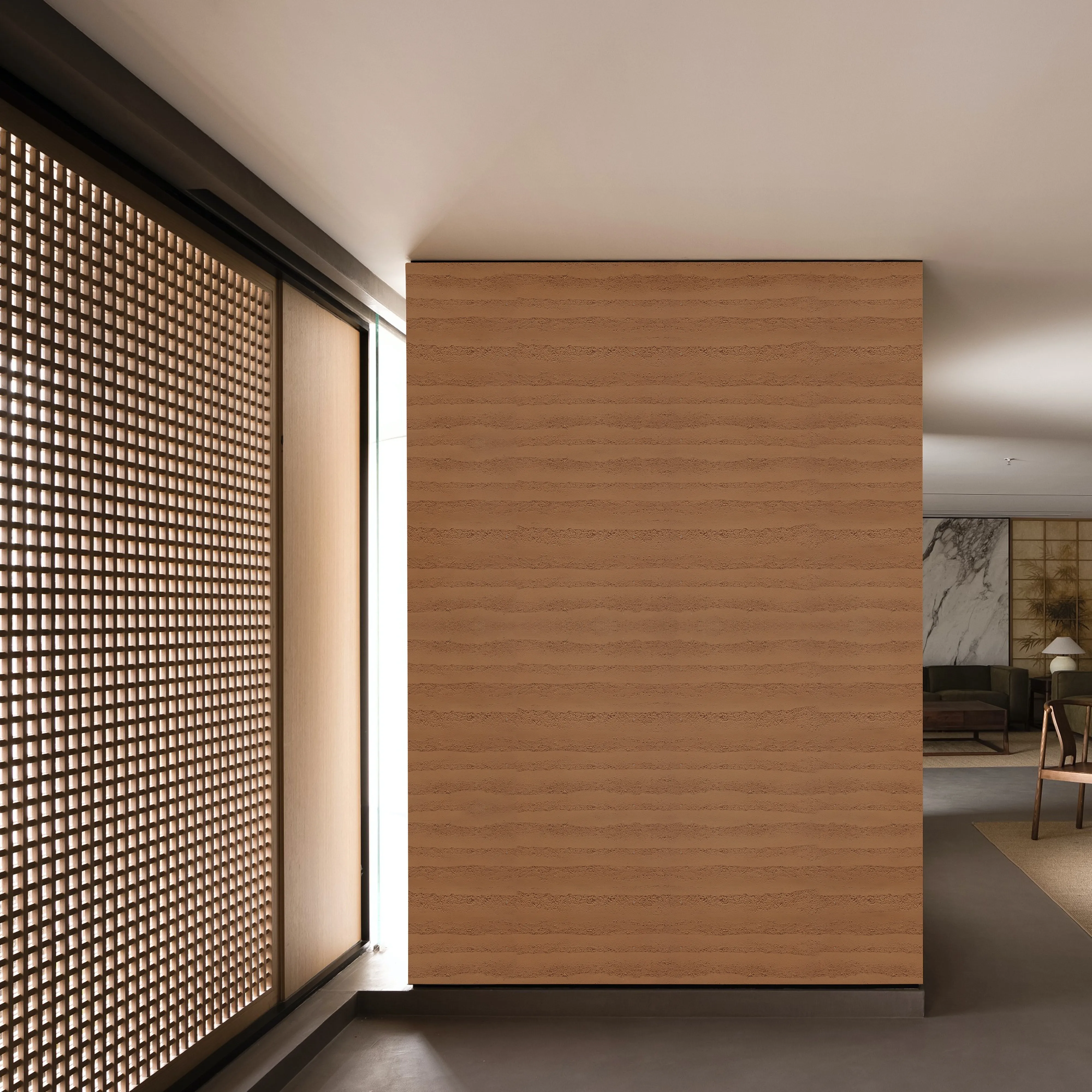
In the world of architecture, where glass and steel often dominate skylines, there's a quiet revolution unfolding—one that reaches back to the roots of human construction while embracing cutting-edge innovation. It's the revival of rammed earth, a material as old as the Great Wall of China and as fresh as today's most forward-thinking sustainable designs. Among its modern iterations, the rammed earth board (khaki) stands out, not just for its earthy charm but for its ability to bridge the gap between tradition and contemporary aesthetics. Let's dive into the story of this remarkable material, exploring why it's capturing the attention of architects, designers, and homeowners alike.
Rammed earth isn't new. For millennia, civilizations across the globe—from Africa's Great Zimbabwe to the cliff dwellings of the American Southwest—used this simple yet ingenious technique: compacting layers of soil, sand, and gravel within wooden forms to create thick, sturdy walls. These structures have withstood the test of time, their weathered surfaces telling stories of generations past. But as industrialization took hold, rammed earth fell out of favor, overshadowed by faster, cheaper building materials like concrete and brick.
Fast forward to the 21st century, and sustainability has become more than a buzzword—it's a mandate. Architects and builders are reimagining traditional materials with modern engineering, and rammed earth has emerged as a star player. Enter the rammed earth board : a lightweight, prefabricated version of its ancient cousin, designed for efficiency without sacrificing soul. And among the spectrum of hues available, khaki has become a fan favorite. Why? Because it's more than a color—it's a feeling: warm, grounded, and infinitely versatile.
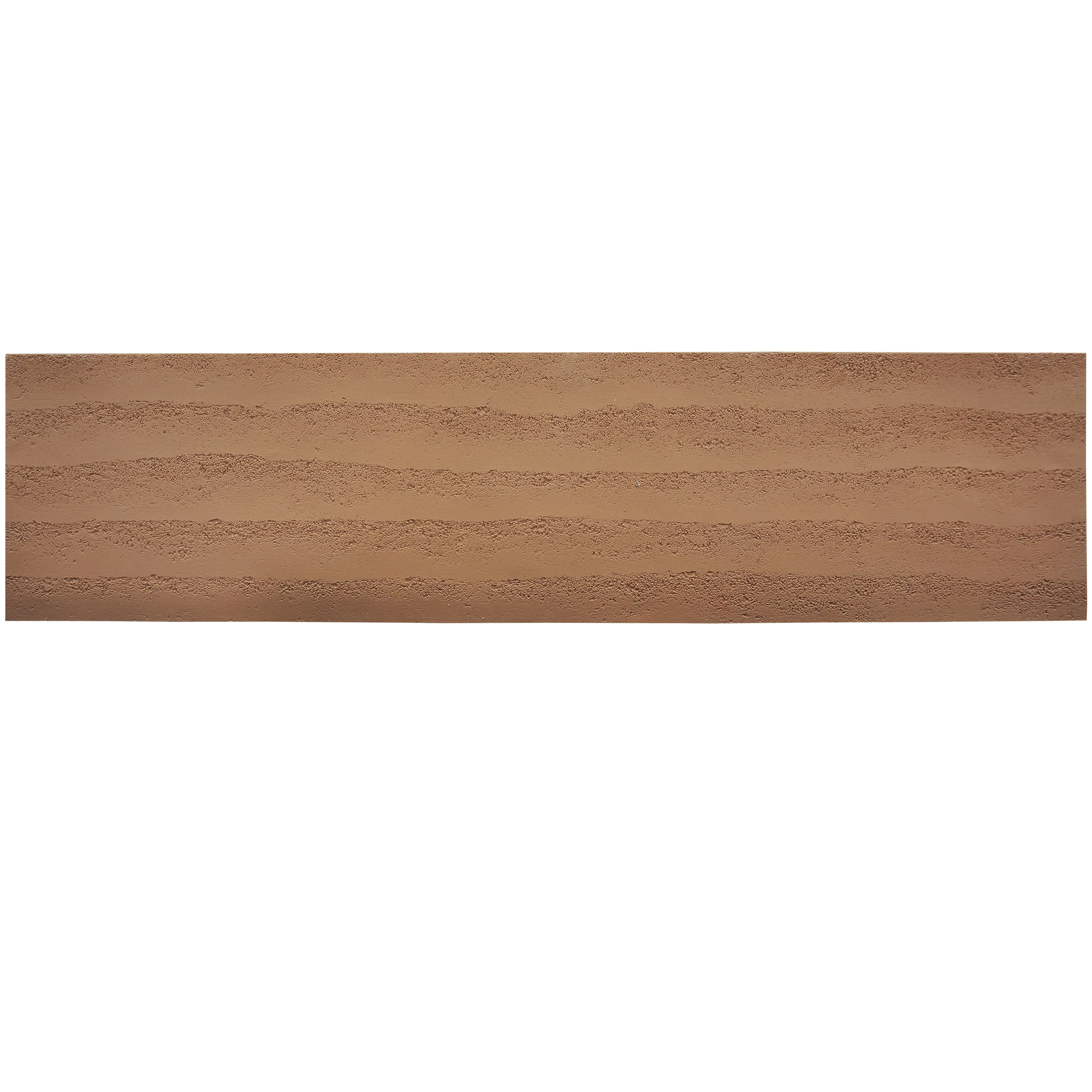
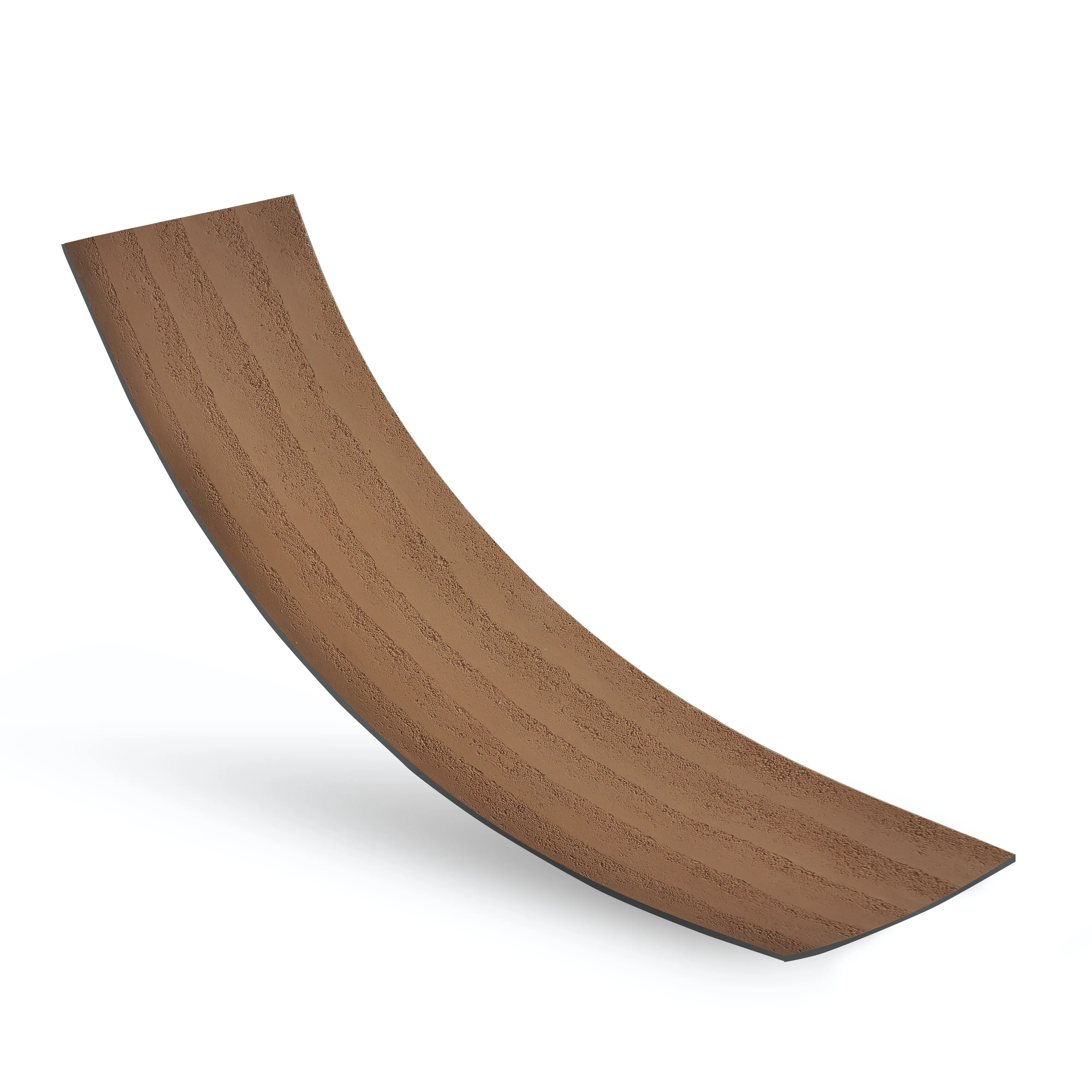
At its core, rammed earth board (khaki) is a blend of natural materials—typically local soil, sand, clay, and a dash of stabilizers like lime or cement—compressed under high pressure to form dense, durable panels. What sets the khaki variant apart is its unique color, achieved through natural pigments derived from iron oxides and earthy minerals. No harsh chemicals, no artificial dyes—just the raw, unfiltered beauty of the earth itself.
The manufacturing process is a dance of precision and tradition. Imagine a factory floor where modern machinery works in harmony with age-old principles: soil is sourced from sustainable local quarries, sifted to remove impurities, mixed with water and stabilizers, then layered into molds and compacted using hydraulic presses. The result? Panels that are not only strong (think: resistant to fire, pests, and rot) but also surprisingly lightweight, making them easier to transport and install than traditional rammed earth walls.
The khaki color, in particular, is a masterclass in subtlety. It's not too bold to clash with other materials, nor too muted to fade into the background. Picture the soft glow of desert sand at dawn, or the warm undertones of aged leather—this is the palette khaki brings to a space. It's a color that invites touch, that feels lived-in from the moment it's installed, and that evolves gracefully over time, developing a rich patina that tells the story of the building it adorns.
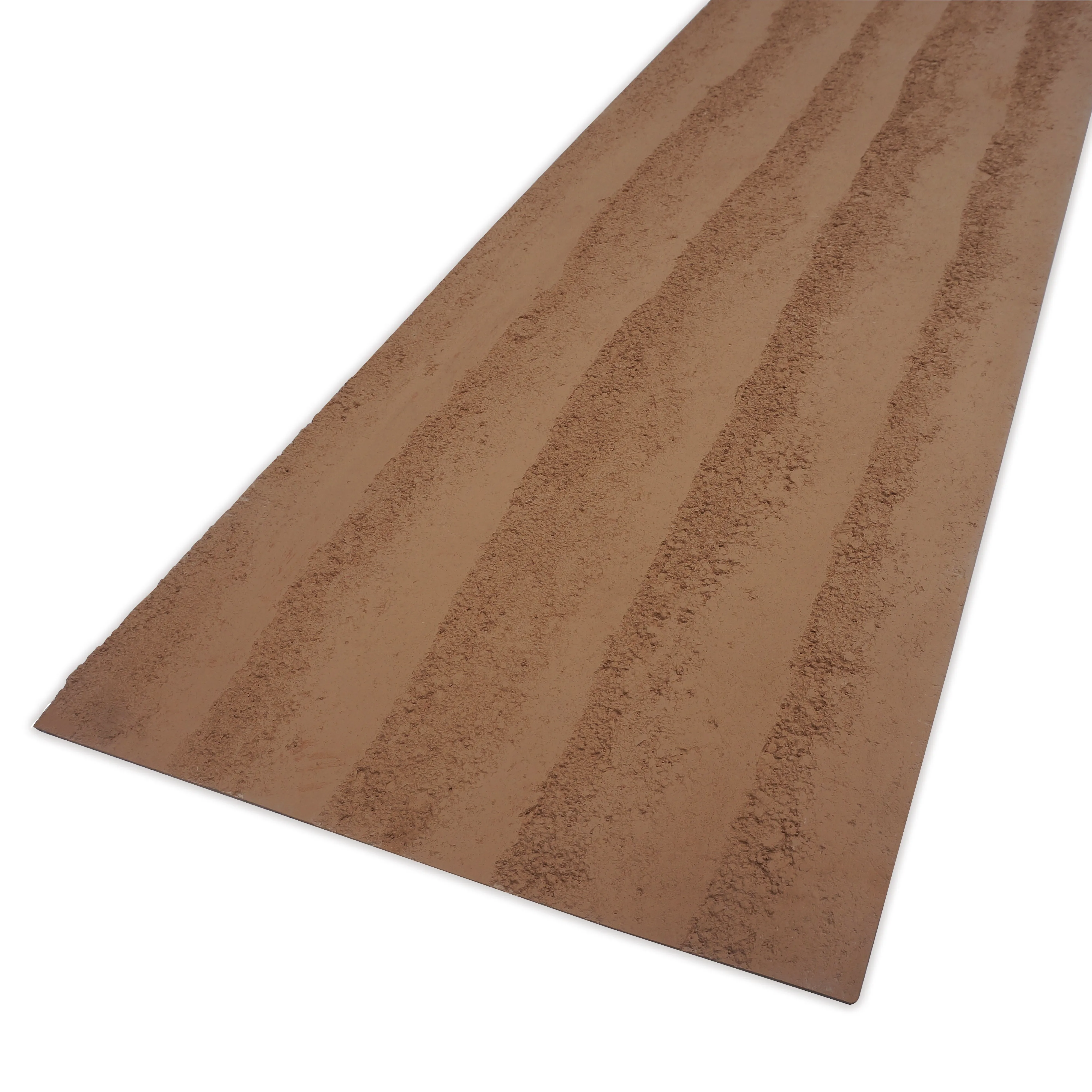
Let's get technical—without losing the heart of what makes this material special. The rammed earth board (khaki) isn't just a pretty face; it's a powerhouse of functionality. Here's what makes it tick:
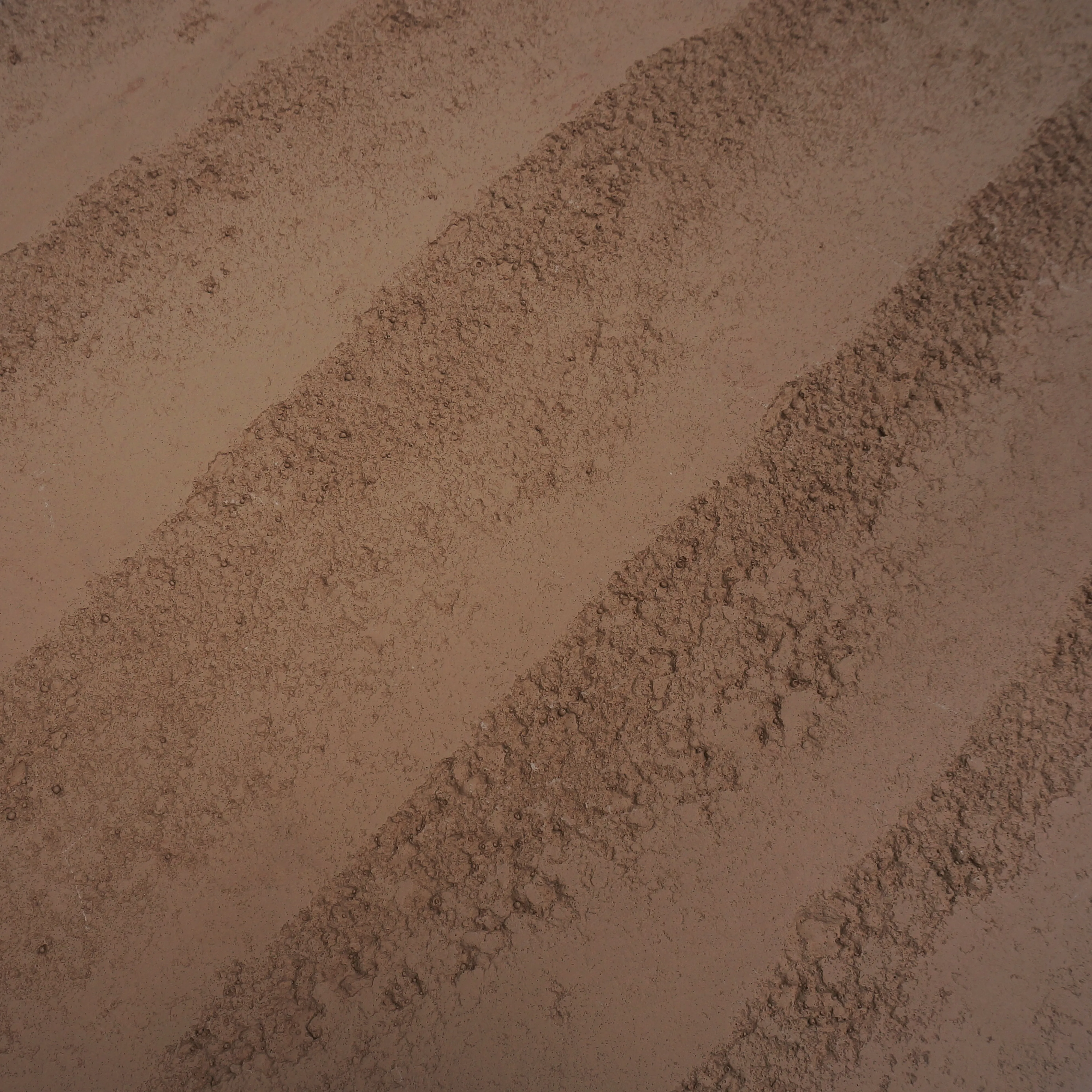
Run your hand along a khaki rammed earth panel, and you'll feel it immediately: a tactile, almost organic texture that no smooth concrete or uniform drywall can replicate. Each panel bears the marks of its creation—the slight variations in soil density, the tiny specks of gravel, the gentle undulations from the compaction process. These aren't flaws; they're character. In a world of mass-produced perfection, this texture adds depth, warmth, and a sense of authenticity that resonates on a primal level. It's the difference between a room that feels "designed" and one that feels "alive."
Don't let its earthy appearance fool you—this material is tough. Thanks to modern stabilization techniques, rammed earth board (khaki) boasts impressive compressive strength, often exceeding that of standard concrete blocks. It's fire-resistant, mold-resistant, and doesn't off-gas harmful chemicals, making it a safe choice for both residential and commercial spaces. But here's the kicker: despite its strength, it's surprisingly flexible. Unlike rigid stone or brick, these panels can tolerate minor structural shifts without cracking, a feature that makes them ideal for regions prone to earthquakes or soil movement. It's durability with a soft side—strong enough to last generations, yet gentle enough to adapt to the earth's natural rhythms.
In an era where "green building materials" are more than a trend, rammed earth board (khaki) walks the walk. Let's break it down: local sourcing reduces transportation emissions; natural raw materials mean minimal processing; and the absence of synthetic additives ensures it's fully biodegradable at the end of its long life. Even the khaki pigment is sourced from natural iron oxides, avoiding the toxic runoff associated with artificial dyes. Compare that to vinyl siding or fiber cement boards, which often rely on petroleum-based products and energy-intensive manufacturing. For architects and homeowners committed to reducing their carbon footprint, this isn't just a material choice—it's a statement.
Ever walked into a stone cottage on a hot day and marveled at how cool it felt inside? That's the magic of thermal mass, and rammed earth board (khaki) has it in spades. The dense panels absorb heat during the day and release it slowly at night, regulating indoor temperatures without relying heavily on HVAC systems. In colder climates, this means warmer winters; in hotter ones, cooler summers. It's a passive cooling and heating solution that not only reduces energy bills but also creates a more comfortable living environment—no sudden temperature spikes, just a steady, gentle warmth that feels like a hug from the earth itself.
So, we've covered the "what" and the "how"—now, let's talk about the "why." Why choose rammed earth board (khaki) over other materials? The answer lies in its ability to enrich both the aesthetics and functionality of a space in ways that few materials can match.
One of the most delightful surprises about khaki rammed earth is its versatility. Think it only works in desert-style homes or rural retreats? Think again. This material plays well with others, complementing everything from sleek fair-faced concrete to warm wood grain board to industrial metal accents. In a minimalist urban loft, it adds warmth without clutter; in a cozy mountain cabin, it amplifies the rustic charm; in a modern office, it softens the sterility of glass partitions. The khaki hue, with its neutral undertones, acts as a blank canvas for designers—pair it with vibrant textiles for a bohemian vibe, or with monochromatic furniture for Scandinavian simplicity. It's a material that doesn't dictate style; it elevates it.
Let's be honest: sustainability can sometimes feel like a trade-off. "Eco-friendly" often gets equated with "granola-chic" or "limited options." But rammed earth board (khaki) shatters that myth. It's proof that you don't have to sacrifice aesthetics for the planet—or vice versa. Imagine a luxury home that uses khaki rammed earth panels for its exterior facade: it's striking, timeless, and built with materials that tread lightly on the earth. Or a community center that chooses rammed earth for its interior walls, creating a space that feels both grand and grounded, while reducing its carbon footprint by up to 30% compared to traditional construction. This is sustainability with style—and that's a game-changer.
Building materials often have a "shelf life" of style—think avocado-green appliances from the 70s or shag carpets from the 80s. But rammed earth board (khaki) is different. Its beauty is timeless, rooted in the earth itself, and it only gets better with age. Unlike painted walls that chip or fade, or synthetic materials that degrade, khaki rammed earth develops a rich patina over the years. Sunlight softens its hues, rainwater highlights its texture, and everyday life adds subtle character marks that make the space uniquely yours. It's a material that grows with your home, your family, and your memories—making it not just a building choice, but an investment in lasting beauty.
In a world where indoor air quality is a growing concern, rammed earth board (khaki) offers a breath of fresh air—literally. Because it's made from natural materials, it doesn't emit volatile organic compounds (VOCs) or other harmful chemicals, unlike many paints, laminates, and synthetic wall panels. Its porous nature also helps regulate humidity, absorbing excess moisture in the air to prevent mold growth and releasing it back when the air is dry. The result? A healthier living environment that supports respiratory health and overall well-being. It's a small detail, but one that matters—especially in spaces where people spend most of their time, like homes and offices.
Curious how rammed earth board (khaki) holds up against other popular building materials? Let's break it down with a side-by-side comparison:
| Feature | Rammed Earth Board (Khaki) | Fair-Faced Concrete | Wood Grain Board |
|---|---|---|---|
| Texture & Aesthetics | Warm, organic texture with subtle color variations; develops a rich patina over time. | Sleek, industrial look with uniform finish; can feel cold without additional design elements. | Natural wood grain patterns; adds warmth but may lack the earthy depth of rammed earth. |
| Sustainability | High: Made from local, natural materials; low embodied energy; biodegradable at end of life. | Moderate: Requires energy-intensive production; limited recyclability; non-biodegradable. | Variable: Depends on wood source (FSC-certified is better); may require chemical treatments. |
| Durability | Excellent: Resistant to fire, pests, and rot; can last 100+ years with minimal maintenance. | High: Strong and fire-resistant; prone to cracking if not properly reinforced. | Moderate: Susceptible to water damage, warping, and termites without treatment. |
| Thermal Performance | Superior: High thermal mass regulates indoor temperatures naturally, reducing energy use. | Good: Moderate thermal mass; conducts heat/cold more than rammed earth. | Low: Poor thermal mass; requires additional insulation for energy efficiency. |
| Installation & Cost | Moderate upfront cost; lightweight panels simplify installation; long-term savings on energy and maintenance. | Low to moderate cost; heavy, requires professional installation; may need sealing to prevent staining. | Moderate cost; easy to install but may require periodic refinishing (staining, sealing). |
As the table shows, rammed earth board (khaki) holds its own—and often surpasses—other materials in key areas like sustainability, thermal performance, and long-term durability. While it may have a slightly higher upfront cost than fair-faced concrete or budget-friendly wood composites, its energy savings, low maintenance needs, and timeless appeal make it a cost-effective choice over the life of a building.
Still not convinced? Let's look at how rammed earth board (khaki) is being used in real-world projects to stunning effect:
In each case, the material isn't just a backdrop—it's a focal point, a conversation starter, and a testament to the power of sustainable design. It's proof that when architecture connects with nature, the results are both beautiful and functional.
As we look to the future of architecture, one thing is clear: sustainability, health, and authenticity will continue to drive design choices. Green building materials are no longer a niche trend; they're a necessity. And in this landscape, rammed earth board (khaki) is poised to play a starring role.
Imagine a world where buildings don't just occupy space but harmonize with it—where walls breathe, temperatures regulate naturally, and every surface tells a story of the earth it came from. That's the vision that drives the adoption of materials like khaki rammed earth. It's a vision of architecture that respects the past, embraces the present, and safeguards the future.
So, whether you're an architect designing your next masterpiece, a homeowner building your dream house, or simply someone who appreciates the beauty of natural materials, rammed earth board (khaki) deserves a spot on your radar. It's more than a building material; it's a celebration of the earth's beauty, a commitment to sustainability, and a reminder that some of the best innovations are the ones that bring us back to where we started.
In the end, architecture is about creating spaces that matter. And with rammed earth board (khaki) , those spaces don't just matter—they endure.
Recommend Products












