
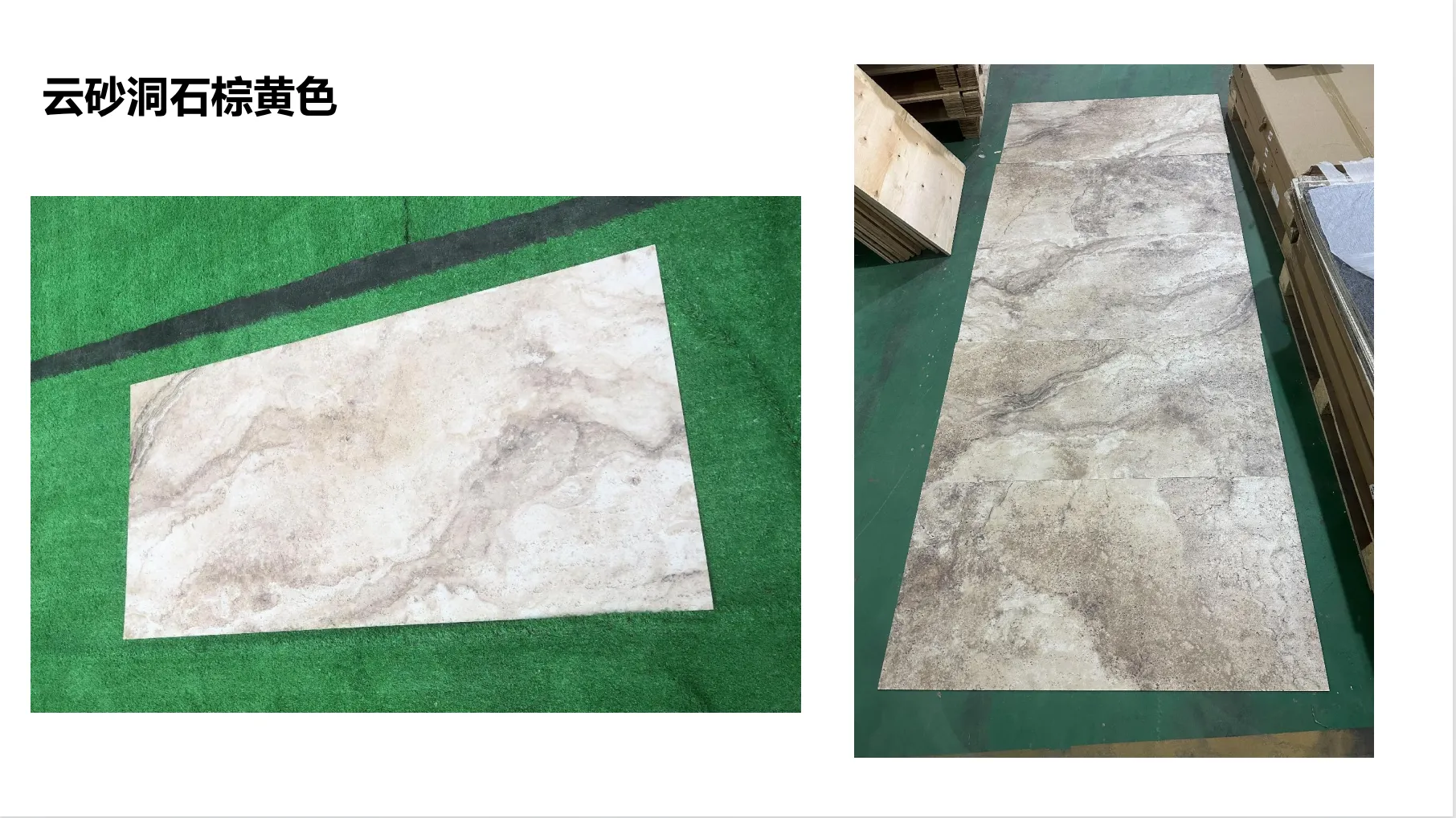
In the world of natural stone, few materials evoke warmth and timelessness quite like dolomitic travertine in claybank. Its soft, earthy tones—reminiscent of sun-baked soil and ancient pathways—have made it a staple in both residential and commercial design, from kitchen countertops to outdoor patios. But beneath its beauty lies a characteristic that both defines and challenges it: porosity. Those tiny, invisible pores that give the stone its unique texture and depth can also leave it vulnerable to stains, water damage, and wear over time. Today, we're unpacking the science of porosity in dolomitic travertine (claybank), why it matters, and how proper sealing can help you protect this natural treasure for decades to come.
Before we dive into porosity, let's get to know the star of the show. Travertine itself is a type of limestone formed by the precipitation of calcium carbonate from mineral-rich hot springs or groundwater. What sets dolomitic travertine(claybank) apart is its composition: it contains a higher proportion of dolomite, a mineral made of calcium magnesium carbonate, alongside the usual calcite. This dolomite content gives the stone added hardness compared to pure calcite travertine, making it slightly more durable—but it doesn't eliminate its porous nature.
The "claybank" descriptor refers to its color: a warm, muted brown with hints of terracotta and gold, often swirled with lighter veins of cream or taupe. Run your hand across its surface, and you'll feel a subtle, almost velvety texture, thanks to those aforementioned pores. It's a stone that feels alive, as if it holds the story of the earth's geological past in every indentation.
Porosity is simply the measure of void space within a material—in other words, how much of the stone is made up of tiny holes or channels. In dolomitic travertine, these pores form during its formation, as carbon dioxide bubbles escape from the mineral-rich water that creates the stone. The result is a network of micro-pores and macro-pores that range in size from a few micrometers to visible pits (though in claybank varieties, most are too small to see with the naked eye).
First, let's celebrate the pores: they're part of what makes dolomitic travertine so unique. Those tiny spaces scatter light in ways that give the stone a soft, matte finish, avoiding the harsh shine of polished granite or marble. They also make the stone "breathable," allowing moisture vapor to escape—a boon for outdoor applications where trapped water can lead to cracking in freezing temperatures.
But porosity isn't all good news. Those same pores act like tiny sponges, absorbing liquids, oils, and even dirt. Spill a glass of red wine on an unsealed travertine floor, and within minutes, the liquid can seep below the surface, leaving a stain that's hard to remove. Outdoors, rainwater can penetrate the stone, carrying with it minerals that cause efflorescence (that white, powdery film) or freeze-thaw damage in cold climates. Even indoor spaces aren't safe: cooking oils, acidic cleaners, and everyday spills can all take a toll over time.
For designers and homeowners, this means a trade-off: embrace the stone's natural character, or risk compromising its appearance down the line. The good news? You don't have to choose—you just need to understand how to manage porosity through sealing.
Not all travertine is equally porous, and understanding your stone's specific porosity level is key to choosing the right sealer. So how do experts measure it? Common methods include:
For most homeowners, the water absorption test is enough to gauge vulnerability. If a drop of water soaks into the stone within 5-10 minutes, it's highly porous and will need a heavy-duty sealer. If it beads up or takes longer, you might opt for a lighter sealer that preserves the stone's breathability.
Sealing is the process of applying a protective barrier to the stone's surface (and sometimes into its pores) to reduce absorption and repel stains. For dolomitic travertine (claybank), it's not just a "nice-to-have"—it's a necessity if you want to keep your stone looking its best. Let's break down the key implications of porosity for sealing:
Not all sealers are created equal, and the wrong one can either fail to protect the stone or leave it looking unnatural. Here's a quick comparison of the most common options:
| Sealer Type | How It Works | Best For | Durability | Pros | Cons |
|---|---|---|---|---|---|
| Penetrating (Impregnating) Sealer | Absorbs into pores, forming a chemical barrier that repels liquids without changing the stone's appearance. | Outdoor areas, high-traffic floors, porous stones like travertine. | 5-10 years (indoor), 2-5 years (outdoor). | Preserves natural look, breathable (prevents efflorescence). | May need multiple coats; doesn't protect against surface scratches. |
| Topical Sealer | Forms a film on the stone's surface, creating a physical barrier against liquids and scratches. | Low-traffic indoor areas (e.g., backsplashes), polished travertine. | 1-3 years (indoor), 6-12 months (outdoor). | Adds shine; easy to reapply. | Can make stone look "plastic"; may yellow over time; not breathable. |
| Enhancing Sealer | Penetrates pores and darkens/intensifies the stone's color, highlighting veining and texture. | Indoor accent walls, fireplaces, stones with subtle coloring. | 3-7 years (indoor). | Boosts aesthetic appeal; offers moderate stain protection. | Color change is permanent; not ideal for light-colored travertine. |
For dolomitic travertine (claybank), penetrating sealers are usually the best bet. They protect from within without altering the stone's natural matte finish, and their breathability helps prevent moisture buildup—critical for outdoor use or humid indoor spaces like bathrooms.
Applying sealer to travertine isn't as simple as spraying and walking away. Porous stones require patience and precision:
Even the best sealer won't last forever. Outdoor travertine exposed to rain, sun, and foot traffic will need resealing every 2-3 years; indoor areas can go 5-7 years. To test if it's time, drop a small amount of water on the stone. If it beads up, the sealer is still working. If it soaks in, it's time for a refresh.
For large-scale projects—like commercial facades or high-rise cladding—dolomitic travertine (claybank) is sometimes paired with materials designed to enhance durability. One popular option is mcm flexible stone , a lightweight, engineered cladding material that mimics the look of natural stone but with added strength and weather resistance. By combining travertine for focal points with MCM flexible stone for larger surfaces, designers can enjoy the best of both worlds: the natural beauty of travertine and the practicality of a low-maintenance, non-porous alternative.
Porosity is what makes dolomitic travertine (claybank) special—it's a reminder that natural materials aren't perfect, but their imperfections are part of their charm. With the right knowledge, a quality sealer, and a little maintenance, you can keep those pores from becoming a problem. Whether you're installing it in your home or specifying it for a commercial project, remember: sealing isn't just about protecting stone—it's about preserving a piece of the earth's history, one pore at a time.
So go ahead, fall in love with that claybank travertine. Just don't forget to give it the protection it deserves.
Recommend Products












