
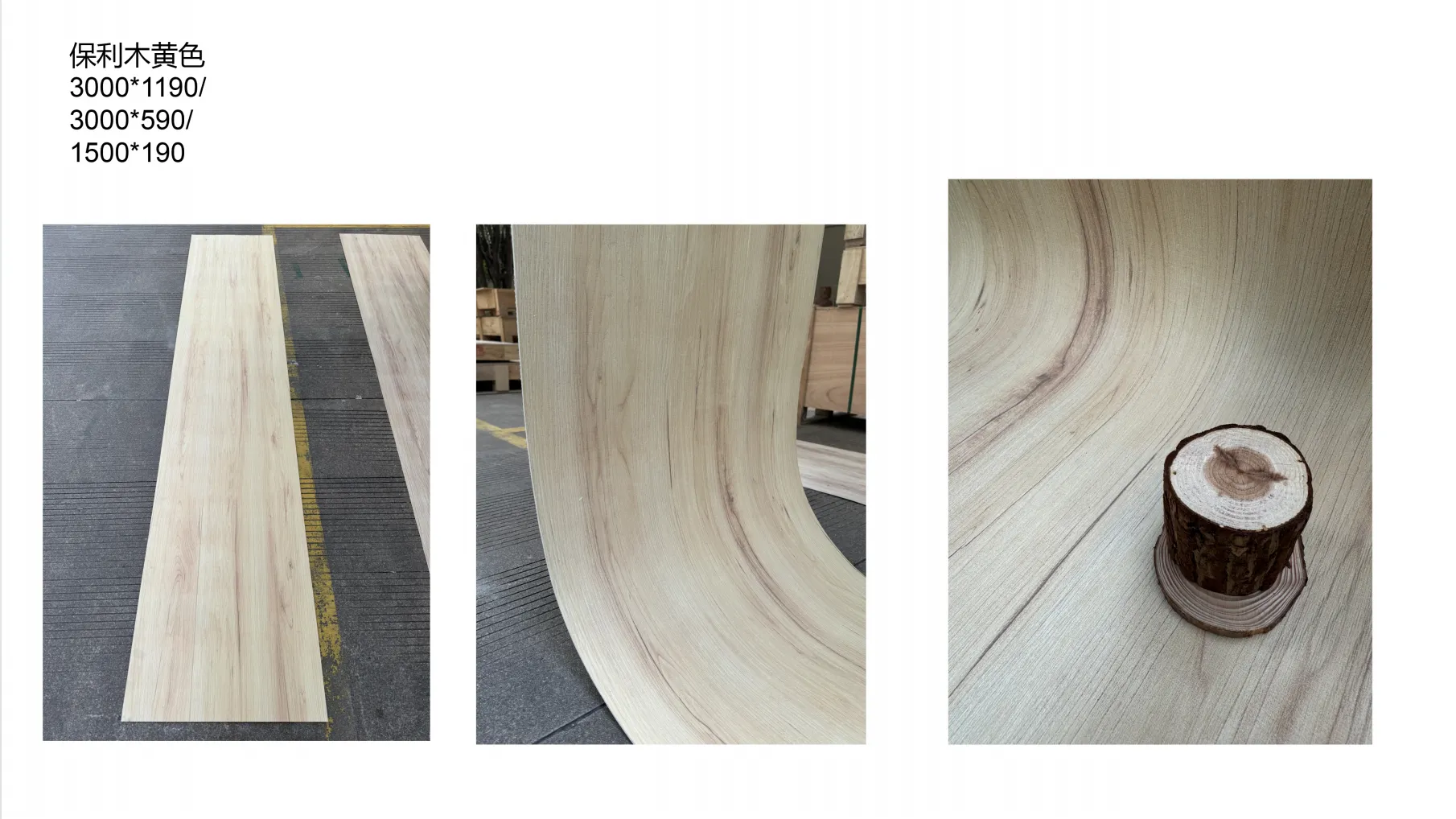
In the world of architecture, exterior cladding has always been a silent storyteller. It's not just a protective layer for buildings; it's a language that speaks to identity, culture, and innovation. Walk through any modern city, and you'll notice a shift—gone are the days of monotonous, one-size-fits-all facades. Today's architects and designers crave materials that blend durability with personality, sustainability with style, and functionality with flexibility. Enter poly wood board: a material that's quietly revolutionizing how we think about what wraps our buildings. But to truly understand its impact, we need to step back and explore why cladding innovation matters now more than ever, and how poly wood board stands out in a crowded field of contenders—from the rustic charm of rammed earth board to the sleek sheen of foamed aluminium alloy board.
At first glance, you might mistake poly wood board for traditional timber. It has that warm, organic grain, the subtle texture that feels familiar, like a well-loved wooden fence or a vintage bookshelf. But look closer, and you'll realize it's something entirely new. Poly wood board is a composite material, typically made by blending recycled wood fibers with high-performance polymers. The result? A material that borrows the best of wood—its natural beauty, its tactile appeal—and amplifies it with the resilience of modern engineering. It's lightweight, so it doesn't strain building structures like heavy stone or concrete. It's flexible, bending gently around curves and angles that would crack rigid materials. And unlike real wood, it laughs off rot, pests, and the harsh whims of weather—no need for annual painting or sealing.
Think of it as wood, but reimagined. Where traditional timber might warp in humidity or splinter in frost, poly wood board stays steady. Where solid wood panels are heavy and hard to maneuver, poly wood feels almost featherlight during installation. It's a material designed for the way we build now: fast, efficient, and uncompromising on aesthetics. But to appreciate its uniqueness, let's compare it to some of the other innovative cladding options reshaping our skylines.
For decades, cladding was a utilitarian afterthought. Brick, concrete, stone—these materials did their job, protecting buildings from rain, wind, and time. But as architecture evolved, so did expectations. Today's buildings need to do more: they need to reduce energy use, adapt to quirky designs, and reflect the values of their occupants. Traditional materials often fall short. Take fair-faced concrete, for example. It's strong and industrial-chic, but it's heavy, requiring reinforced structures, and it offers little insulation, driving up heating and cooling costs. Or consider natural stone: beautiful, but fragile, hard to install on complex facades, and prone to weathering that fades its color over time.
Then there are the sustainability pressures. With 30% of global carbon emissions tied to the construction industry, architects and builders are under increasing pressure to choose materials with lower footprints. Poly wood board steps into this gap. By using recycled wood fibers, it diverts waste from landfills. Its polymer component is often derived from recycled plastics, giving new life to materials that might otherwise pollute oceans or landscapes. And because it lasts for decades—some manufacturers claim 50+ years of performance—it reduces the need for frequent replacements, cutting down on material waste over a building's lifetime.
Poly wood board isn't the only player in the innovative cladding game. Let's pit it against three other rising stars to see where it shines brightest:
| Material | Key Features | Best For | Sustainability | Aesthetic Vibe |
|---|---|---|---|---|
| Poly Wood Board | Lightweight, flexible, weather-resistant; natural wood grain texture | Curved facades, residential homes, commercial spaces aiming for warmth | High: Uses recycled materials; low VOC emissions; long lifespan | Warm, organic, rustic-modern |
| Flexible Stone | Thin, lightweight stone veneer; natural stone texture | Historic renovations, accent walls, high-end residential | Moderate: Requires quarrying (though some use reclaimed stone); durable | Elegant, earthy, timeless |
| Foamed Aluminium Alloy Board | Sleek, metallic, fire-resistant; lightweight with a metallic sheen | Modern commercial buildings, tech offices, industrial-chic designs | Moderate: Aluminium is recyclable, but production has high energy costs | Bold, futuristic, industrial |
| Rammed Earth Board | Natural clay/soil blend; textured, earthy appearance; good insulation | Eco-resorts, sustainable homes, rustic public spaces | High: Low embodied energy; local materials reduce transport emissions | Primitive, grounding, earthy |
What jumps out? Poly wood board balances versatility, sustainability, and warmth in a way few materials do. Flexible stone offers timeless elegance but can't match poly wood's flexibility for curved designs. Foamed aluminium alloy board brings futuristic flair but lacks the organic charm that makes poly wood feel inviting. Rammed earth board is wonderfully sustainable but is heavier and less adaptable to modern, sleek architectures. Poly wood, in short, is a chameleon—it fits in with rustic cabins and glass-and-steel skyscrapers alike.
One of poly wood board's greatest strengths is its adaptability. It doesn't box architects into a single design style; instead, it bends to their vision. Let's explore a few real-world scenarios where it's making waves:
Imagine a boutique hotel nestled in a mountain town, aiming to blend in with its natural surroundings without feeling outdated. The architects chose poly wood board for the exterior, installing it vertically to mimic the look of a traditional log cabin. But unlike logs, the poly wood panels are lightweight enough to wrap around the hotel's curved, glass-walled lobby, creating a striking contrast between natural texture and modern transparency. Guests comment on how the warm wood tones make the building feel welcoming, even on snowy winter days, while the hotel's owners appreciate that they won't have to replace warped or rotting wood panels every few years.
In the heart of a bustling city, a tech startup wanted an office that reflected its commitment to sustainability and creativity. The design team paired poly wood board with foamed aluminium alloy board (vintage silver) for a bold, industrial-modern look. The poly wood covers the lower floors, softening the building's edge and creating a pedestrian-friendly vibe, while the silver aluminium rises above, adding a futuristic touch. The poly wood panels even integrate planter boxes for a living wall, their flexibility allowing the boxes to be mounted at varying angles without cracking. Employees love the natural light filtering through the wood-grain facade, and the company's sustainability report highlights the recycled materials in the poly wood as a key win.
Building a home on the coast used to mean choosing between durability and beauty. Salt air eats away at wood, while concrete and stone feel cold and unwelcoming. One family solved this by cladding their beach house in poly wood board. The material's resistance to salt and moisture means it won't rot or warp, even in hurricane-force winds. Its light color reflects sunlight, keeping the home cooler in summer, and its wood-like texture adds warmth that makes the house feel like a retreat, not a bunker. "It looks like driftwood," the homeowner says, "but it's tough as nails. We never have to worry about repainting or replacing it—we can just enjoy the view."
Sustainability isn't just a trend in architecture—it's a necessity. With climate change accelerating, every material choice matters, and poly wood board delivers on this front in ways that feel almost too good to be true. Let's break it down:
Most poly wood board manufacturers use post-consumer wood waste—think sawdust from furniture factories, or wood chips from construction sites—and mix it with recycled plastics, like old water bottles or packaging. This diverts tons of material from landfills each year. For context, one major manufacturer estimates that a single 4x8-foot poly wood panel contains the equivalent of 300 plastic bottles. That's not just recycling—it's upcycling, turning waste into something beautiful and functional.
Poly wood board isn't just a pretty face; it's a good insulator. Its composite structure traps air, reducing heat transfer between the inside and outside of a building. In winter, that means less heat escapes; in summer, less cool air leaks out. This can lower a building's energy bills by 10-20%, according to some studies—proof that sustainability and cost-effectiveness can go hand in hand.
The most sustainable material is the one that lasts. Poly wood board's resistance to rot, pests, and weather means it can go decades without needing replacement. Compare that to traditional wood cladding, which might need to be stripped, repainted, or replaced every 10-15 years, or vinyl siding, which can crack and fade in as little as 20 years. By reducing the frequency of replacements, poly wood board cuts down on material waste, transportation emissions (from delivering new materials), and labor—all of which add up to a lower carbon footprint over a building's lifetime.
As architecture continues to evolve, cladding is becoming more than just a static skin—it's becoming adaptive. Imagine buildings that change color with the seasons, or cladding that absorbs pollution, or panels that generate solar energy. Where does poly wood board fit into this future? Its flexibility and composite nature make it ripe for innovation. Some manufacturers are already experimenting with adding solar-reflective pigments to poly wood panels, turning them into passive cooling systems. Others are blending in conductive materials, allowing the cladding to double as a low-energy heating source in winter.
Then there's the rise of 3D printing in construction—a trend exemplified by the MCM 3D printing series. While poly wood board isn't yet 3D-printed, its composite structure suggests it could be. Imagine architects designing custom, curved poly wood panels printed on-site, reducing waste from cutting and shipping. Or panels with intricate, 3D-printed textures that mimic everything from bamboo mat board to the rough-hewn look of rock cut stone. The possibilities are endless, and poly wood's adaptability positions it to lead the charge.
Exterior cladding is no longer just about keeping the rain out. It's about telling a story—of sustainability, of innovation, of place. Poly wood board has emerged as a key narrator in this story, blending the warmth of natural materials with the resilience of modern engineering. It's not perfect—no material is—but it strikes a balance that few others can: it's sustainable without sacrificing style, durable without feeling industrial, and versatile enough to fit into almost any architectural vision.
Whether paired with foamed aluminium for a bold, modern statement or used alone for a quiet, rustic charm, poly wood board reminds us that the best building materials don't just serve a function—they inspire. They make us look twice at a building, feel connected to it, and believe that the future of architecture can be both beautiful and responsible. In a world where we're all craving more meaning in the spaces we inhabit, poly wood board isn't just cladding—it's a step toward buildings that feel human.
Recommend Products












