In the world of architecture, exterior cladding is more than just a protective layer—it's the skin of a building, the first impression that tells a story. Whether you're designing a cozy suburban home, a sleek urban office, or a cultural landmark, the choice of cladding material shapes not only how a structure looks but how it feels. Today, two materials stand out for their ability to blend form and function:
Poly Wood Board and COLORIA's MCM (Modified Composite Material) solutions. Both promise to transform facades, but they bring distinct personalities to the table. Let's dive into their world—exploring their textures, strengths, and the unique charm they add to spaces.
Poly Wood Board: The Warmth of Wood, Reinvented
Walk through a neighborhood with modern homes, and you might spot a facade that feels both timeless and fresh—warm, with the organic grain of wood, but without the telltale signs of warping or fading. Chances are, that's
Poly Wood Board at work. A blend of recycled wood fibers, plastic polymers, and additives, this material was born from a simple idea: capture the beauty of natural wood without its vulnerabilities.
At its core,
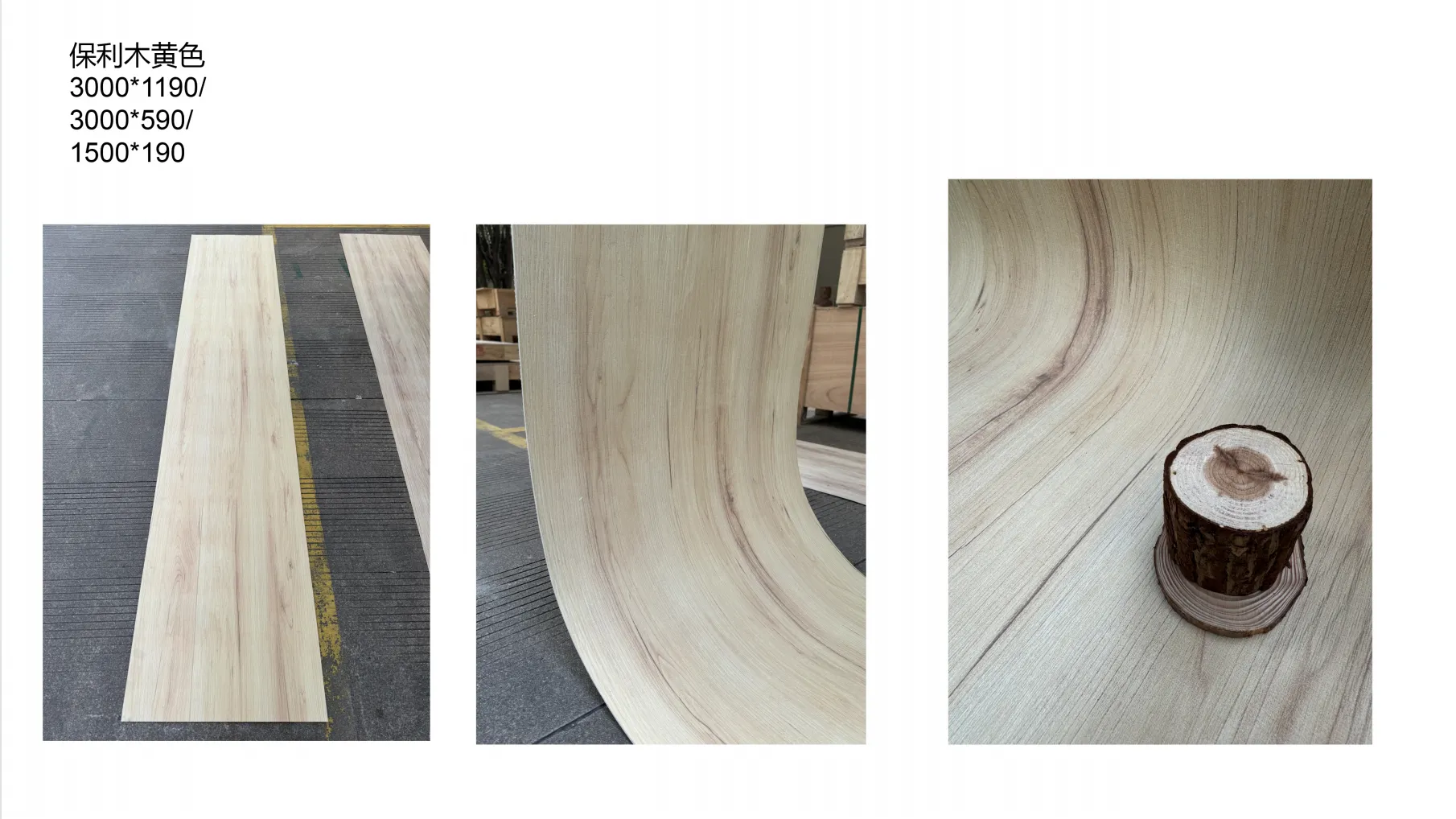
Poly Wood Board is a sustainable alternative to solid wood. By repurposing wood waste and using recycled plastics, it reduces reliance on deforestation while sidestepping the issues that plague real wood: rot, insect infestations, and the need for constant sealing. Run your hand over its surface, and you'll notice the subtle ridges of
wood grain board
textures—some mimicking oak, others bamboo or teak—so convincing that visitors often do a double-take. "Clients love that it feels like wood but doesn't demand the same upkeep," says Mia Chen, a residential architect in Portland. "A beach house in Florida with Poly Wood cladding? No more sandblasted surfaces or termite worries."
-
Cozy Aesthetics:
Perfect for spaces aiming for a rustic, cabin-like vibe or a suburban "homey" feel. Variants like
bamboo mat board
and
white wood
add versatility—think sunlit porches or cottage exteriors.
-
Low Maintenance:
Unlike real wood, it resists moisture, so no peeling paint or annual staining. A quick hose-down once a year keeps it looking new.
-
Sustainability:
Made from recycled materials, it's a favorite for eco-conscious projects. Some brands even offer 100% recyclable options at the end of their lifespan.
Considerations to Keep in Mind
-
Design Limits:
While it mimics wood beautifully, it can't replicate the depth of natural stone or industrial textures. If you're after a sleek, modern look, you might crave more variety.
-
Heat Sensitivity:
In extreme heat, darker Poly Wood shades can warp slightly. It's less of an issue in temperate climates but worth noting for desert or tropical regions.
Case Study: The Miller Residence
Nestled in the Pacific Northwest, the Miller family wanted a home that felt connected to the surrounding forest but could withstand rainy winters. Their architect chose Poly Wood Board in a warm
wood line
finish for the exterior. "It's like bringing the woods inside out," says Mr. Miller. "Even after three years of rain and mossy winters, the cladding still looks as rich as the day it was installed."
COLORIA MCM Solutions: Where Innovation Meets Artistry
If
Poly Wood Board is the cozy storyteller, COLORIA's MCM solutions are the bold innovators. MCM, or Modified Composite Material, is a game-changer in cladding—lightweight, flexible, and designed to push the boundaries of what's possible in exterior design. Imagine a material that can curve around a building's contours, mimic the sparkle of
travertine (starry green)
under sunlight, or channel the raw elegance of
fair-faced concrete
—all while weighing a fraction of traditional stone. That's COLORIA MCM.
The Magic of MCM: Flexible, Lightweight, Limitless
At the heart of COLORIA's appeal is its
mcm flexible stone
technology. Unlike rigid stone slabs, MCM panels are made by bonding thin layers of natural minerals (like stone or concrete) to a reinforced fiber core, creating a material that bends without breaking. "We used
mcm big slab board series
for a museum in Chicago with a curved facade," explains Raj Patel, a commercial architect. "Traditional stone would have required heavy structural support, but MCM panels are so light, we could achieve the curve without overloading the building."
But it's the aesthetics that truly set COLORIA apart. Flip through their catalog, and you'll find a universe of textures:
lunar peak silvery
shimmers like moonlight on rock;
gobi panel
evokes the rugged beauty of desert landscapes;
foamed aluminium alloy board (vintage gold)
adds a touch of industrial luxury. For a recent hotel project in Dubai, Patel chose
travertine (starry blue)
MCM panels. "At night, the facade glows like a starry sky—guests stop to take photos every evening," he laughs. "It's not just cladding; it's public art."
Why COLORIA MCM Stands Out
-
Design Freedom:
From
wave panel
curves to
semicircle board
accents, MCM bends to the architect's vision. It even mimics rare stones like
travertine (starry red)
or
dolomitic travertine (dark grey)
without the cost of quarried materials.
-
Durability:
Resistant to fire, UV rays, and saltwater, it's ideal for coastal buildings or high-traffic urban areas. A hospital in Miami used
lunar peak black
MCM—after five hurricane seasons, it still looks brand-new.
-
Eco-Friendly:
Uses minimal natural resources compared to traditional stone. COLORIA's manufacturing process also reduces waste, with panels cut to exact sizes to avoid scraps.
Things to Note
-
Cost:
Premium designs like
marble interstellar gray
or
golden travertine (white golden)
can be pricier than Poly Wood Board, though long-term savings in maintenance often offset the upfront cost.
-
Installation Expertise:
Flexible panels require skilled installers to ensure proper adhesion, especially for complex shapes.
Case Study: The Azure Arts Center
In Seattle, the Azure Arts Center wanted a facade that felt "alive." COLORIA's
mcm flexible stone
in
travertine (starry orange)
delivered. "The panels catch the morning light and shift color—from soft peach at dawn to deep amber at sunset," says the center's director. "It's become a landmark; people call it 'the building that blushes.'"
Poly Wood Board vs. COLORIA MCM: A Side-by-Side Look
To help you decide which fits your project, here's a breakdown of their key features:
|
Feature
|
Poly Wood Board
|
COLORIA MCM Solutions
|
|
Material Makeup
|
Recycled wood fibers + plastic polymers
|
Thin natural stone/concrete layers + fiber-reinforced core
|
|
Weight
|
Moderate (heavier than MCM, lighter than solid wood)
|
Ultra-lightweight (3-5kg per sqm, 70% lighter than natural stone)
|
|
Best For
|
Rustic homes, suburban exteriors, porches, cabins
|
Modern buildings, curved facades, high-rises, statement walls
|
|
Aesthetic Range
|
Wood tones and textures (e.g.,
bamboo mat board
,
wood grain board
)
|
Stones, concrete, metals, and custom finishes (e.g.,
lunar peak golden
,
fair-faced concrete
)
|
|
Weather Resistance
|
Good (resists moisture, not ideal for extreme heat)
|
Excellent (resists UV, salt, fire, and extreme temperatures)
|
|
Installation
|
DIY-friendly for small projects
|
Requires professional installation for complex designs
|
Choosing Your Cladding: It's About the Story You Want to Tell
At the end of the day, the choice between
Poly Wood Board and COLORIA MCM comes down to the narrative of your building. Do you want to whisper "welcome home" with the warmth of wood? Or shout "innovation" with the bold textures of MCM? For a mountain retreat, Poly Wood's
wood line
finish might feel like a natural hug. For a tech startup's headquarters, COLORIA's
foamed aluminium alloy board (vintage silver)
could signal cutting-edge energy.
"I don't see them as competitors," says Chen. "I see them as tools. A client might use Poly Wood for their home's main facade and COLORIA MCM for an accent wall with
ripple board (grey)
—blending coziness with modernity." The key is to balance function (climate, maintenance, budget) with emotion (how the building makes people feel).
So, whether you're drawn to the earthy charm of Poly Wood or the artistic versatility of COLORIA MCM, remember: great cladding doesn't just cover a building—it makes it memorable. As Patel puts it: "The best facades aren't just seen—they're experienced."
*All product names mentioned are trademarks of their respective owners. Real photos of COLORIA MCM and
Poly Wood Board can be viewed on their official websites for project inspiration.