
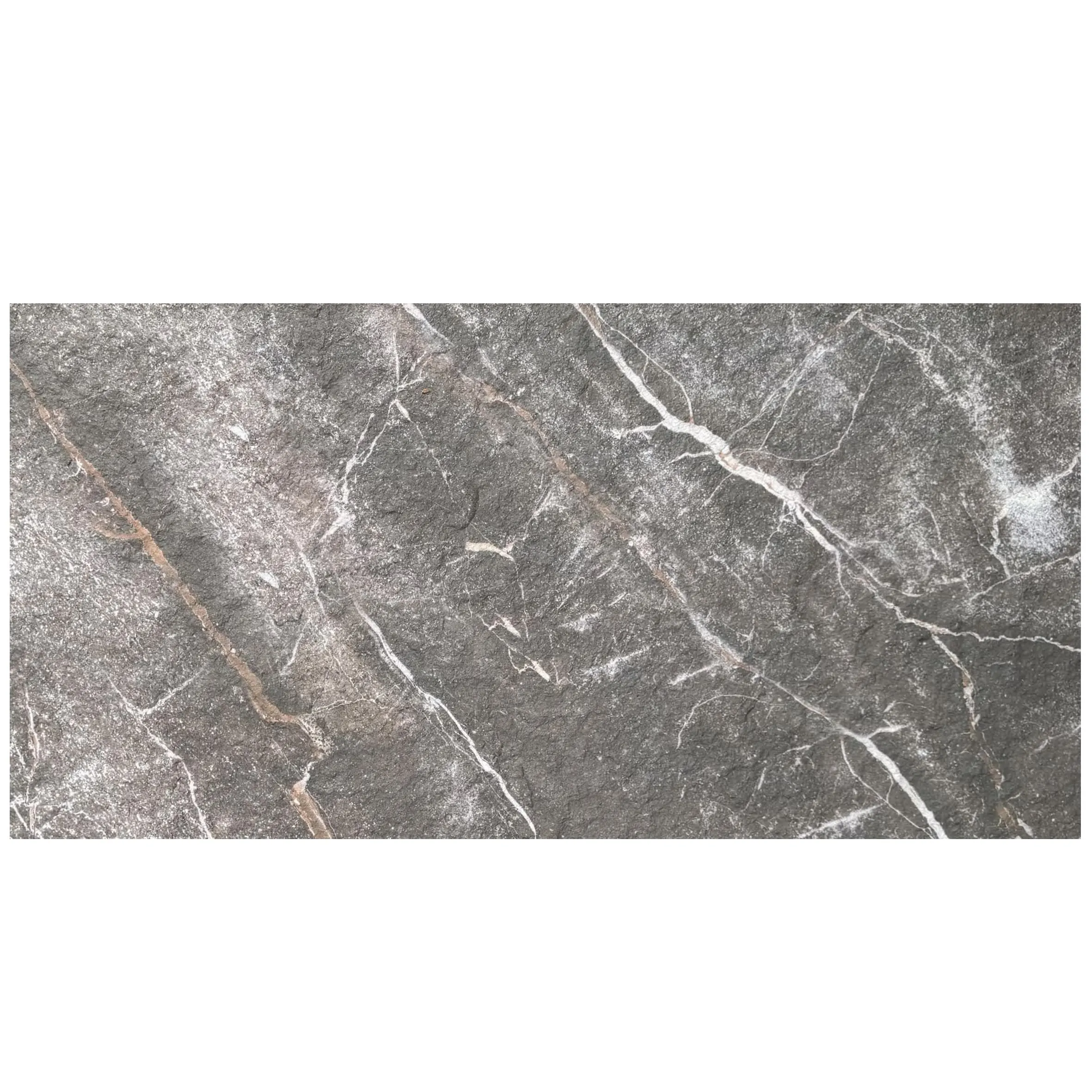
When we walk down a street, our eyes are often drawn to the buildings that line it—their shapes, colors, and the stories they seem to tell. But behind that visual appeal lies a critical layer that works tirelessly, day in and day out: the exterior cladding. More than just a pretty face, cladding is the first line of defense for any structure, shielding it from rain, wind, UV rays, and the relentless march of time. It's the silent guardian that keeps interiors comfortable, reduces energy costs, and preserves the building's integrity for decades. Choosing the right cladding material isn't just a design decision; it's an investment in longevity, resilience, and the building's future value.
In a market flooded with options—from sleek modern composites to rustic natural stones—one material stands out for its unbeatable combination of strength, beauty, and endurance: Granite Portoro. With its striking black base swirled with golden veins, it's not just a cladding material; it's a statement. But what truly sets it apart is its ability to stand up to the harshest elements while maintaining its elegance. Let's dive into why Granite Portoro has become a go-to choice for architects, builders, and homeowners who refuse to compromise on quality.
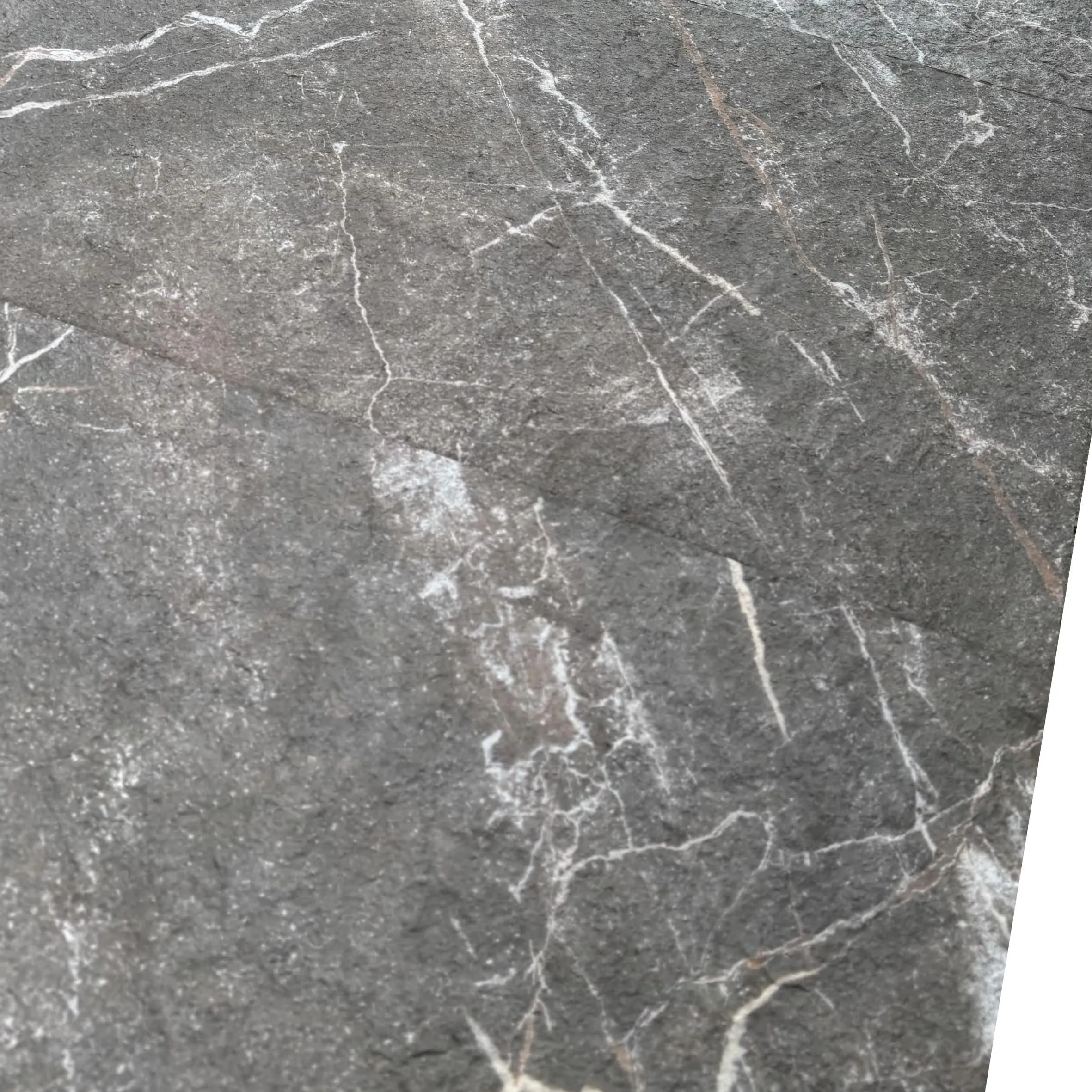
Granite Portoro isn't your average stone. Its name, "Portoro," is said to derive from the Italian "porto oro," meaning "golden port," a nod to the opulent gold veins that streak through its deep black background. Quarried primarily in Italy, this natural granite is formed over millions of years by the slow cooling of magma beneath the Earth's surface, resulting in a rock that's as tough as it is beautiful. Unlike softer stones like marble or even some travertines (think travertine (starry blue) with its delicate, star-like pockmarks), Granite Portoro is defined by its density and crystalline structure, which gives it unparalleled strength.
Visually, it's a showstopper. The contrast between the inky black base and the bold, irregular gold veins creates a pattern that's both dramatic and timeless. No two slabs are exactly alike—each has its own unique arrangement of veins, making every cladding project one-of-a-kind. This natural variation is part of its charm; it adds depth and character to a building's facade, turning it from a mere structure into a work of art. Whether paired with modern glass panels or traditional brick, Granite Portoro has a versatility that few materials can match.
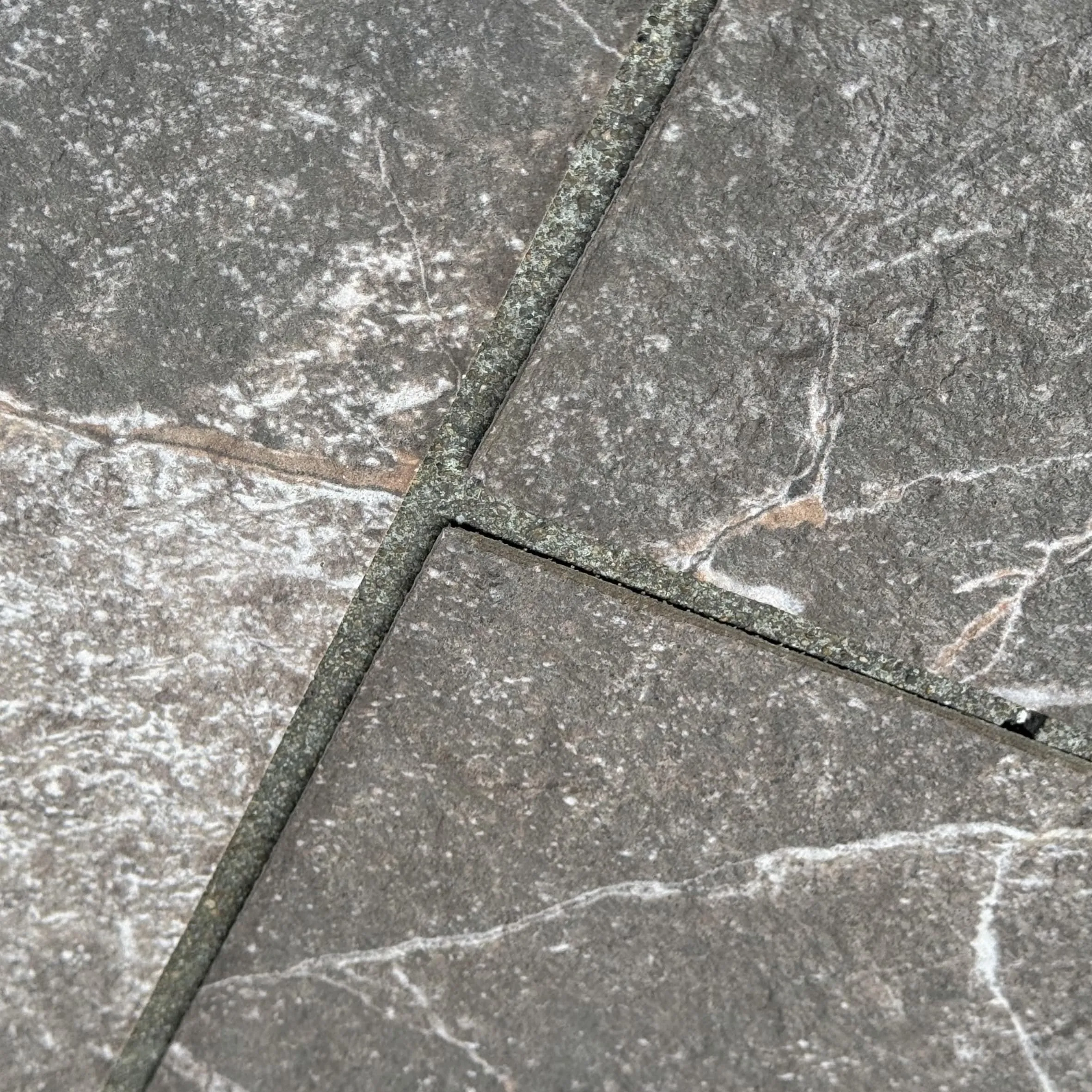
When it comes to exterior cladding, durability is non-negotiable. A building's facade faces constant wear: from stray baseballs to hailstorms, from foot traffic (for lower levels) to the gradual abrasion of wind-blown sand. Granite Portoro excels here, thanks to its inherent physical properties. Let's start with hardness: on the Mohs scale, which measures mineral hardness, granite typically ranks between 6 and 7 (diamond is 10). This means it's highly resistant to scratches, dents, and chips—even from heavy objects or repeated contact. Compare that to mcm flexible stone , which, while flexible and lightweight, may not offer the same level of scratch resistance in high-impact areas.
Compressive strength is another key metric, and Granite Portoro doesn't disappoint. With a compressive strength often exceeding 200 MPa (megapascals), it can withstand immense pressure without cracking or deforming. This makes it ideal for large-scale commercial buildings, where the cladding must support its own weight and resist structural stress over time. Unlike materials that weaken with age, Granite Portoro actually grows more resilient; ancient granite structures around the world, some thousands of years old, still stand today as testament to its longevity.
Abrasion resistance is also critical, especially for buildings in urban areas or near busy roads. The constant friction from wind, dust, and even cleaning equipment can wear down softer materials, but Granite Portoro's dense surface holds up. It maintains its smooth finish and color even after years of exposure, ensuring the building looks as good on its 50th anniversary as it did on day one.
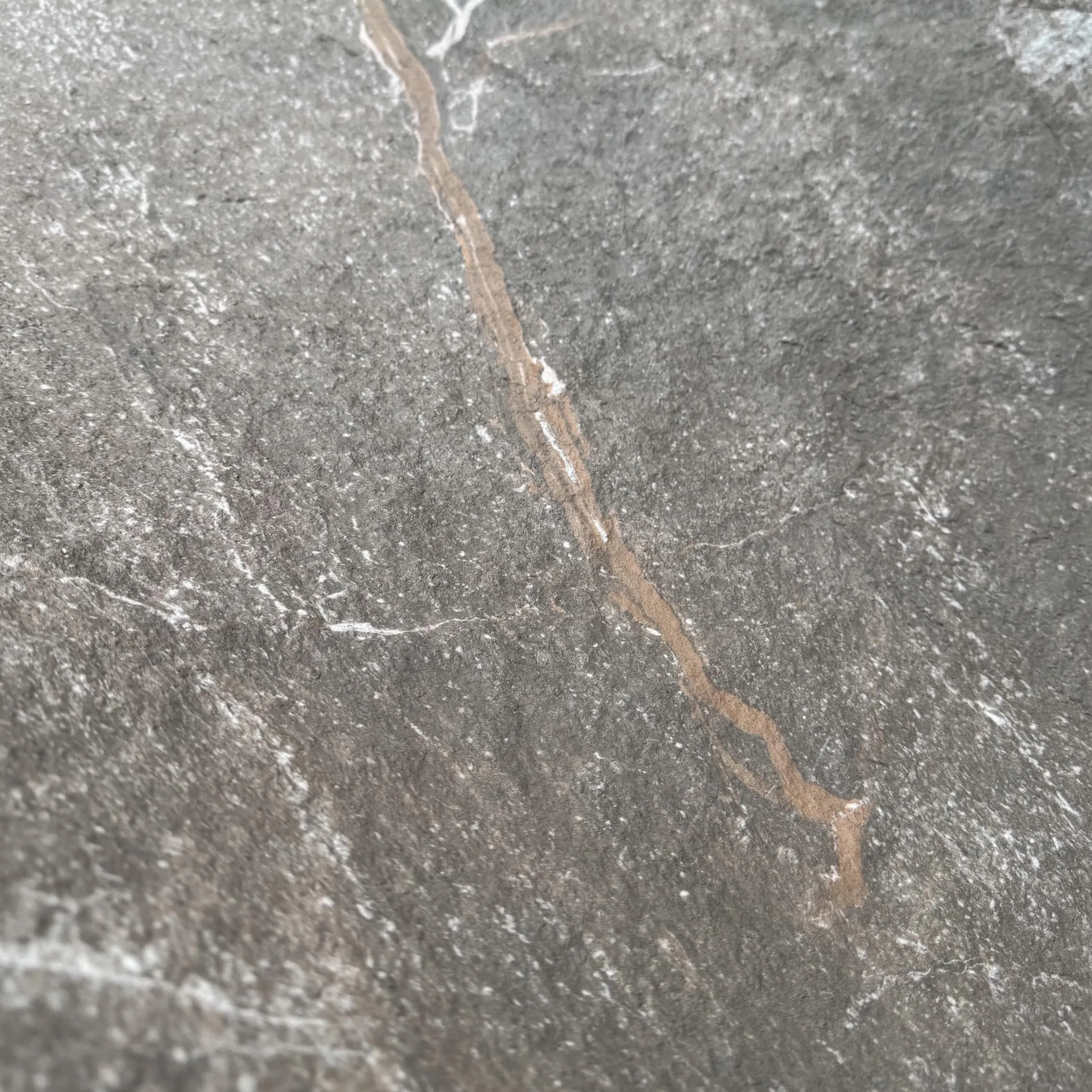
A building's cladding is at the mercy of Mother Nature, and Granite Portoro is built to stand her tests. Let's break down how it performs against common weather challenges:
Sunlight's UV rays are a silent enemy of many cladding materials, causing colors to fade and surfaces to degrade over time. Granite Portoro, however, is naturally UV-resistant. Its dark color and dense mineral composition absorb and reflect UV radiation without breaking down, so the gold veins stay vibrant and the black base remains deep, even in regions with intense sunlight—think desert climates or coastal areas with year-round sunshine.
Rain, snow, and humidity can seep into porous materials, leading to mold, mildew, or freeze-thaw damage. Granite Portoro has a very low water absorption rate (typically less than 0.5%), meaning it repels moisture rather than soaking it up. This is a game-changer for areas with heavy rainfall or snowfall. Even in freeze-thaw cycles—where water seeps in, freezes, expands, and cracks materials—Granite Portoro holds firm, as there's little water to freeze and cause damage.
Buildings in regions with extreme temperature swings face another challenge: thermal expansion and contraction. Materials that expand too much in heat or contract too sharply in cold can warp, crack, or pull away from the structure. Granite Portoro has a low coefficient of thermal expansion, meaning it changes size minimally with temperature shifts. Whether it's a scorching summer day or a frigid winter night, it stays stable, maintaining its bond with the building and avoiding costly repairs.
Coastal buildings face salt spray from the ocean, which can corrode metal and eat away at concrete. Urban buildings deal with air pollution and de-icing salts in winter. Granite Portoro is resistant to both. Its non-reactive surface doesn't corrode or stain when exposed to salt, making it a top choice for beachfront properties. Similarly, it stands up to the chemicals in urban air, ensuring the facade doesn't develop unsightly discoloration or pitting over time.
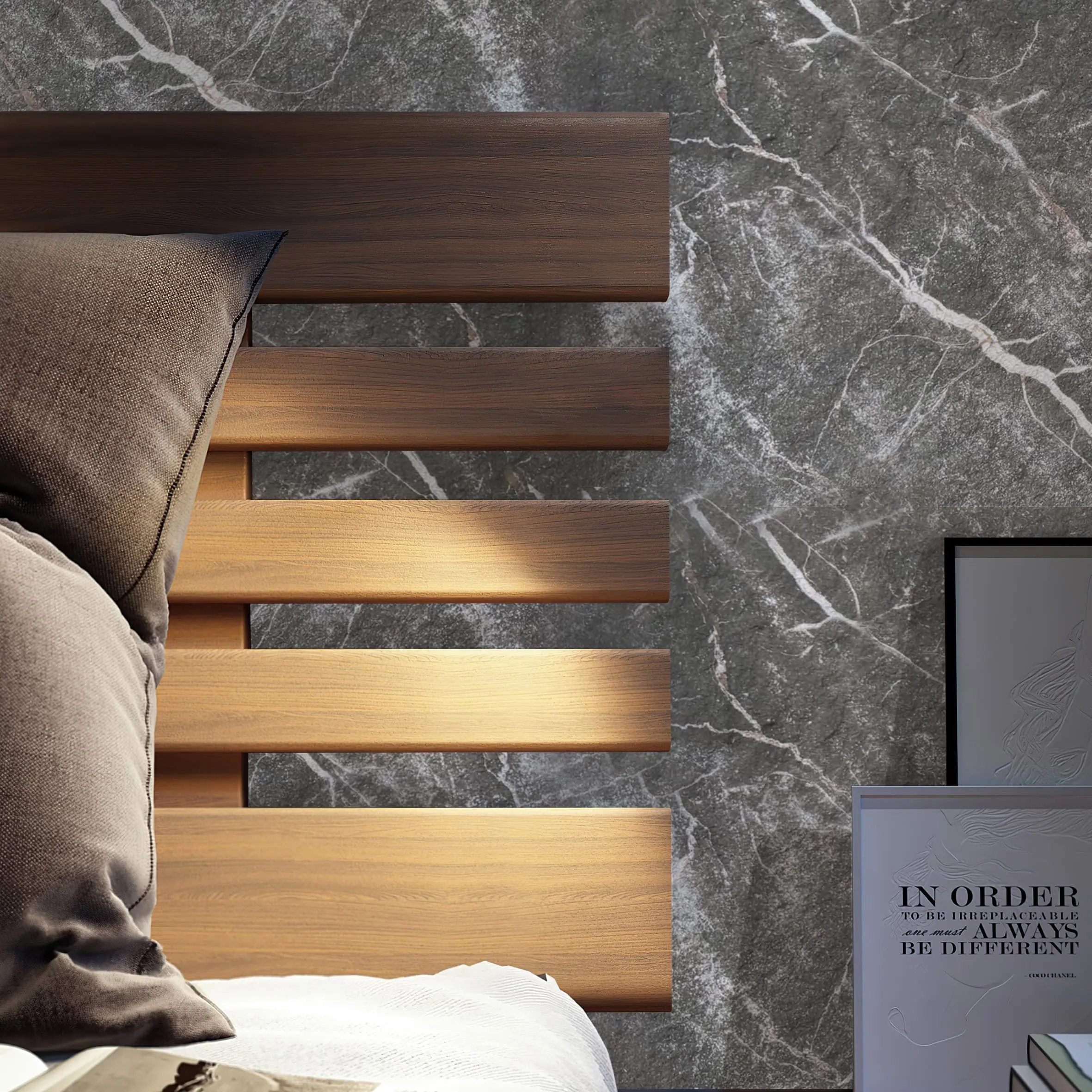
Durability and weather resistance are essential, but a cladding material also needs to inspire. Granite Portoro's aesthetic appeal is as strong as its physical properties, making it a favorite among designers aiming for both form and function. Its classic black-and-gold palette is inherently luxurious, adding a touch of elegance to any style—from modern minimalist to traditional neoclassical.
In modern architecture, it pairs beautifully with glass and steel, creating a sleek, high-end look that's perfect for luxury hotels or corporate headquarters. For more rustic or industrial designs, it can be paired with materials like fair-faced concrete , where its veining softens the concrete's starkness. Even in residential settings, a Granite Portoro accent wall or entryway makes a bold statement, elevating curb appeal and increasing property value.
What's more, its versatility extends beyond color. It can be finished in various ways—polished for a glossy, reflective surface that catches the light, honed for a matte, understated look, or even bush-hammered for a textured, slip-resistant finish (ideal for outdoor flooring or lower cladding panels). This adaptability means it can fit any vision, whether the goal is to stand out or blend in.
To truly appreciate Granite Portoro, it helps to see how it stacks up against other popular cladding options. Let's compare it to two alternatives: fair-faced concrete (a minimalist favorite) and foamed aluminium alloy board (vintage silver) (a lightweight, modern choice).
| Feature | Granite Portoro | Fair-Faced Concrete | Foamed Aluminium Alloy Board (Vintage Silver) |
|---|---|---|---|
| Durability | Exceptional hardness (Mohs 6-7), scratch/chip-resistant, lifespan of 50+ years. | Strong but prone to cracking over time; may require patching; lifespan of 20-30 years with maintenance. | Lightweight but less impact-resistant; can dent under heavy force; lifespan of 15-25 years. |
| Weather Resistance | UV-stable, low water absorption, resistant to freeze-thaw and salt; minimal color fading. | Absorbs moisture (risk of mold/staining); may develop efflorescence (white salt deposits); fades slightly in UV light. | UV-resistant but may oxidize over time; lightweight (good for wind resistance) but not ideal for coastal salt exposure. |
| Aesthetic Appeal | Timeless black-and-gold veining; unique, natural patterns; versatile finishes (polished, honed). | Minimalist, industrial look; uniform but can have surface imperfections; limited color options (gray, off-white). | Sleek, metallic finish; lightweight appearance; modern but may clash with traditional architecture. |
| Weight | Heavy (25-30 kg/m²); requires strong structural support. | Moderate (20-25 kg/m²); manageable with standard framing. | Very lightweight (3-5 kg/m²); easy to install, no special structural support needed. |
| Cost | Higher upfront cost; but low maintenance and long lifespan make it cost-effective over time. | Lower upfront cost; but higher maintenance costs (repairs, sealing) over time. | Moderate upfront cost; may require replacement sooner, increasing long-term costs. |
As the table shows, while each material has its merits, Granite Portoro's combination of durability, weather resistance, and aesthetic appeal makes it a superior long-term investment. It may cost more initially, but its minimal maintenance needs and decades-long lifespan mean it often works out cheaper in the end—plus, it never goes out of style.
Even the best material needs proper installation and care to perform at its best. Granite Portoro is no exception, but with the right approach, it's surprisingly low-maintenance.
Due to its weight, Granite Portoro requires professional installation by experienced masons. The substrate (the surface it's attached to) must be strong and level—typically a concrete or steel frame. Slabs are cut to size using diamond-tipped tools, ensuring clean edges and precise fits. Once in place, they're secured with mechanical anchors or adhesive, and joints are sealed with a flexible, weather-resistant caulk to prevent water intrusion. While installation is more involved than for lightweight materials like foamed aluminium alloy board (vintage silver) , the result is a secure, long-lasting facade that won't shift or fail over time.
One of the best things about Granite Portoro is how little maintenance it needs. For day-to-day care, a simple rinse with water and mild soap (avoid harsh chemicals) is enough to remove dirt and grime. Annual sealing with a penetrating stone sealer helps enhance its water resistance and protect against stains—though even without sealing, its low porosity means stains are rare. Unlike wood, it doesn't need painting or staining; unlike metal, it doesn't rust or corrode. In short, once installed, it's a "set it and forget it" material, freeing up time and budget for other building needs.
Granite Portoro's versatility has made it a staple in projects around the world. Here are a few examples of where it excels:
Exterior cladding is more than just a covering—it's a commitment to a building's future. It needs to protect, inspire, and endure, and Granite Portoro does all three with ease. Its natural strength makes it durable enough to withstand decades of wear and tear, while its weather resistance ensures it stands up to sun, rain, snow, and salt. Add in its timeless beauty and versatility, and it's clear why it's a favorite among architects and builders who refuse to compromise.
Whether you're designing a commercial skyscraper, a cozy home, or a historic renovation, Granite Portoro offers peace of mind: the knowledge that your building's facade will look stunning and perform flawlessly for years to come. It's not just a material—it's an investment in quality, beauty, and longevity. And in a world where so much is temporary, that's a rare and valuable thing.
Recommend Products












