
When it comes to exterior design, we often focus on the "first impression"—the way a building greets visitors, the harmony of colors, the texture that catches the eye. But what lies beneath that beauty is just as critical: a silent battle against the elements. Rain that beats down, sun that bleaches, snow that freezes and thaws, salt air that corrodes—these are the unseen forces that can turn a stunning facade into a faded, worn-out shell in just a few years. For homeowners, architects, and designers, the challenge isn't just creating something beautiful; it's creating something that stays beautiful, no matter what the sky throws at it. That's where materials like Marble Veil White come into play—a solution that marries aesthetic elegance with the kind of resilience that stands up to time and weather.
In recent years, the demand for exterior materials that offer both form and function has skyrocketed. Gone are the days when we had to choose between a material that looked good and one that lasted. Today's innovations, especially in the realm of Modified Composite Materials (MCM), have blurred that line, offering options that mimic the look of natural stone, wood, or metal while packing in engineered durability. Marble Veil White, a standout in this category, has emerged as a favorite among professionals and homeowners alike. It's not just a surface; it's a statement—and a shield. Let's dive into what makes this material so special, how it holds up against the elements, and how it can transform the exterior of any building, from a cozy home to a towering commercial space.
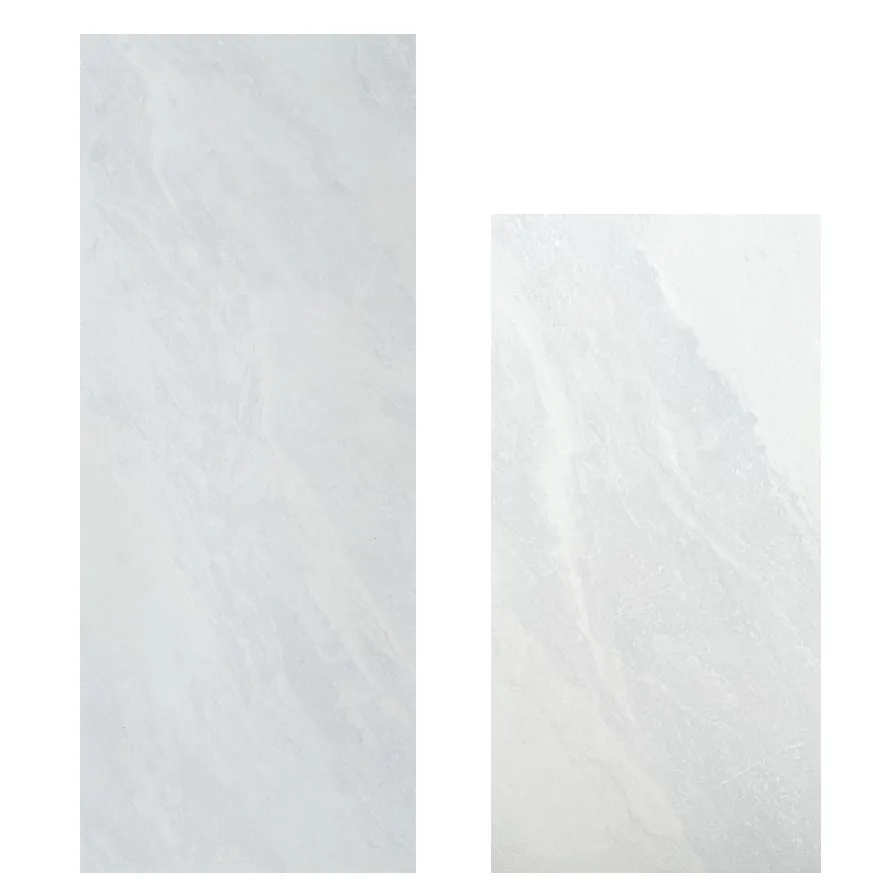
At first glance, Marble Veil White looks like something quarried from the hills of Carrara—a soft, milky white base swirled with delicate gray veining that seems to flow like watercolor. It's the kind of material that evokes timelessness, elegance, and a touch of luxury. But here's the twist: unlike natural marble, which is porous, heavy, and prone to staining, Marble Veil White is a engineered composite, part of MCM's extensive lineup of exterior solutions. It's designed to capture the aesthetic of natural marble while addressing its biggest flaws, making it a practical choice for exterior applications.
So, what exactly is in Marble Veil White? Without getting too deep into the chemistry, it's a blend of natural stone particles, polymers, and reinforcing fibers, all compressed and treated to create a panel that's lightweight, flexible, and incredibly durable. The "veil" in its name refers to the thin, wispy patterns that run across its surface—subtle enough to add depth without overwhelming, making it versatile enough to fit into modern, traditional, or even industrial design schemes. And because it's part of MCM's range, it's backed by years of research into weather resistance, ensuring that the veining won't fade, the color won't yellow, and the surface won't crack or chip, even in harsh climates.
One of the most appealing aspects of Marble Veil White is its adaptability. It's available in large slabs, which means fewer seams and a more seamless look for exteriors. It can be cut into custom shapes, used as cladding for entire walls, or incorporated as accents around windows, doors, or entryways. Whether paired with warm wood tones, sleek metals, or earthy stone, it acts as a neutral canvas that elevates the overall design. But its true magic lies in its ability to look like a high-maintenance luxury material while requiring almost no maintenance at all—a win-win for anyone who wants beauty without the hassle.
Let's talk about the elements—because when it comes to exteriors, they're the ultimate test. A material that looks stunning in a showroom might crumble after a single rainy season or warp under the summer sun. Marble Veil White, however, is built to face these challenges head-on. Let's break down how it holds up against common weather threats:
UV Resistance: The sun's ultraviolet rays are a silent enemy of exterior surfaces, causing colors to fade and materials to become brittle over time. Natural marble, for example, can lose its luster and even develop discoloration when exposed to prolonged sunlight. Marble Veil White, though, is treated with UV-stabilizing agents during production, which lock in its color and prevent fading. Whether it's installed in a sun-drenched desert or a coastal area with intense UV exposure, the white base remains bright, and the gray veining stays crisp, year after year.
Moisture Resistance: Rain, humidity, and even morning dew can seep into porous materials, leading to mold, mildew, or water damage. Natural stone is particularly vulnerable here—marble, for instance, can absorb water like a sponge, leading to stains or cracks as the water freezes and expands in cold weather. Marble Veil White, by contrast, has a non-porous surface that repels moisture. Water beads up and rolls off, rather than soaking in, making it ideal for regions with heavy rainfall or high humidity. It's also resistant to saltwater corrosion, a boon for coastal properties where salt air can eat away at metal fixtures and stone surfaces.
Temperature Stability: Extreme temperature swings—hot days followed by cold nights—can cause materials to expand and contract, leading to cracks or warping. This is a common issue with rigid materials like traditional concrete or natural stone, which lack flexibility. Marble Veil White, however, has a degree of flexibility built in (thanks to its composite structure), allowing it to expand and contract slightly without sustaining damage. Whether it's installed in a region with scorching summers and freezing winters or a place with mild but variable temperatures, it maintains its shape and integrity.
Impact Resistance: Hail, flying debris from storms, or even accidental bumps from ladders or tools can chip or dent exterior surfaces. Marble Veil White's reinforced composite core gives it a surprising amount of toughness. While it's not indestructible (no material is), it's far more resistant to impact than natural marble or even some types of siding. This means fewer repairs, less maintenance, and a longer lifespan for your exterior.
In short, Marble Veil White isn't just designed to look good—it's designed to survive. It's a material that understands the reality of exterior living: beauty shouldn't be temporary, and durability shouldn't mean sacrificing style.
No exterior design exists in a vacuum. Even the most stunning material like Marble Veil White shines brighter when paired with complementary textures and tones. The key is to choose materials that not only look good together but also share that same commitment to weather resistance. Let's explore a few standout options that pair beautifully with Marble Veil White, creating exteriors that are both cohesive and resilient.
Fair-Faced Concrete: The Industrial Contrast
There's something inherently striking about the contrast between the soft, flowing veining of Marble Veil White and the raw, rugged texture of fair-faced concrete. Fair-faced concrete, with its muted gray tones and subtle imperfections, brings an industrial, earthy edge to a design, while Marble Veil White adds a touch of refinement. Together, they create a balance of hard and soft, modern and timeless. What's more, fair-faced concrete is itself a weather-resistant champion—it's durable, low-maintenance, and ages gracefully, developing a rich patina over time without losing structural integrity. When used alongside Marble Veil White, it adds depth and visual interest, whether as accent walls, columns, or trim. Imagine a modern home with a Marble Veil White facade, accented by fair-faced concrete pillars and a matching concrete walkway—the result is sleek, grounded, and built to last.
Epoch Stone: Timeless Earthiness
For those who prefer a warmer, more organic look, Epoch Stone is an excellent companion to Marble Veil White. Epoch Stone, part of MCM's lineup, is designed to mimic the look of weathered natural stone, with earthy tones ranging from soft beiges to deep browns and subtle grays. Its texture is slightly rougher than Marble Veil White, adding tactile interest to the exterior. When paired together, Marble Veil White's lightness brightens up Epoch Stone's warmth, creating a palette that feels both cozy and sophisticated. This combination works beautifully for rustic-inspired homes, cabins, or even commercial spaces aiming for a "back-to-nature" vibe. Epoch Stone, like Marble Veil White, is engineered for durability, resisting moisture, UV rays, and temperature changes, so the pairing remains consistent and attractive for decades.
Lunar Peak Silvery: The Metallic Modernist
For a more contemporary, high-end look, consider pairing Marble Veil White with Lunar Peak Silvery. Lunar Peak Silvery is a metallic-finished panel that shimmers with a soft, silvery sheen, evoking the glow of moonlight on water. It's sleek, modern, and adds a touch of luxury to any exterior. When combined with Marble Veil White, the silvery tones complement the gray veining in the marble, creating a cohesive, sophisticated palette. This pairing is perfect for urban homes, boutique hotels, or office buildings where a cutting-edge aesthetic is key. Lunar Peak Silvery isn't just about looks, though—it's made from durable materials that resist corrosion, fading, and scratches, ensuring that its metallic shine stays bright even in harsh weather conditions. Together, Marble Veil White and Lunar Peak Silvery create an exterior that feels both futuristic and timeless, a rare blend that's sure to turn heads.
To better understand how these materials stack up in terms of key features, let's take a closer look at their weather resistance, aesthetic appeal, and practicality:
| Material | Weather Resistance | Aesthetic Appeal | Installation Ease | Maintenance Needs |
|---|---|---|---|---|
| Marble Veil White | Excellent (UV, moisture, temperature resistant) | Soft white base with gray veining; elegant, timeless | Lightweight panels; easy to cut and install | Low (occasional cleaning with water and mild soap) |
| Fair-Faced Concrete | Excellent (durable, resists cracking and fading) | Raw, industrial gray with subtle texture; modern, earthy | Prefabricated panels available; moderate weight | Low (resists staining; occasional sealing optional) |
| Epoch Stone | Very Good (moisture-resistant, UV-stable) | Earthy tones (beige, brown, gray); mimics weathered natural stone | Lightweight MCM panels; easy to handle | Low (no sealing required; simple cleaning) |
| Lunar Peak Silvery | Very Good (corrosion-resistant, UV-stable) | Metallic silvery sheen; sleek, modern, futuristic | Lightweight and flexible; compatible with standard mounting systems | Low (resists fingerprints; occasional wipe-down) |
As the table shows, each of these materials brings its own unique aesthetic to the table while sharing a commitment to weather resistance and low maintenance. When combined, they create exteriors that are not just visually stunning but also built to withstand the test of time.
One of the biggest advantages of Marble Veil White (and many MCM materials) is how user-friendly it is—both in terms of installation and upkeep. Unlike natural marble, which is heavy, brittle, and requires specialized tools to cut and install, Marble Veil White comes in lightweight panels that are easy to handle, cut, and mount. This not only saves time and labor costs but also reduces the structural load on a building, making it a viable option for both new construction and renovations.
Installation typically involves mounting the panels to a substrate using a simple clip or adhesive system, depending on the application. Because the panels are lightweight, there's no need for heavy-duty structural support, and the process can often be completed by a standard construction crew without specialized training. This ease of installation is a huge plus for projects with tight timelines or budget constraints. Imagine a homeowner wanting to refresh their home's exterior before selling—with Marble Veil White, the transformation could happen in a matter of days, not weeks.
When it comes to maintenance, Marble Veil White is a dream. Unlike natural marble, which requires regular sealing to prevent staining and etching, this engineered material is non-porous and resistant to most common stains, including oil, dirt, and mildew. A simple rinse with a garden hose or a wipe-down with a soft cloth and mild soap is usually enough to keep it looking fresh. Even in areas with heavy pollution or frequent rain, the panels retain their brightness and clarity, with no need for harsh chemicals or expensive professional cleaning. For busy homeowners or commercial property managers, this low-maintenance aspect is a game-changer—it frees up time and resources to focus on other priorities, knowing the exterior is taking care of itself.
Another key consideration is repair. In the unlikely event that a panel is damaged (say, by a wayward branch or a construction accident), replacing it is straightforward. Individual panels can be removed and swapped out without disturbing the surrounding material, unlike natural stone, which often requires extensive repairs or even full wall replacements. This modularity not only makes repairs easier but also more cost-effective, ensuring that the exterior can be quickly restored to its original condition.
To truly understand the impact of Marble Veil White, let's look at a real-world example: a coastal home in Maine, where the exterior was struggling to withstand the harsh salt air, heavy rain, and freezing winters. The homeowners, a retired couple, had originally chosen natural limestone for their facade, drawn to its light color and classic look. But within five years, the limestone had begun to show signs of wear: salt deposits had stained the surface, rain had caused pitting, and the once-bright white had faded to a dull gray. They loved their home but were frustrated by the constant need for repairs and cleaning.
After consulting with an architect specializing in coastal resilience, they decided to replace the limestone with Marble Veil White panels, paired with fair-faced concrete accents and Lunar Peak Silvery trim. The transformation was dramatic. The new facade, with its crisp white base and flowing gray veins, brought back the brightness the homeowners had loved, but with a durability that the limestone couldn't match. Three years later, the exterior still looks as fresh as the day it was installed. The salt air hasn't stained it, the winter freezes haven't cracked it, and the summer sun hasn't faded it. The homeowners report spending almost no time on maintenance—just an occasional rinse with the hose—and the home now stands out in the neighborhood as a beacon of timeless elegance.
What's most striking about this case study is how Marble Veil White addressed both the aesthetic and practical needs of the homeowners. They didn't have to compromise on beauty to get durability; instead, they got both. It's a testament to how modern materials are redefining what's possible in exterior design, allowing us to create spaces that are as resilient as they are beautiful.
Marble Veil White is part of a broader category known as flexible stone solutions, which are quickly becoming the gold standard in exterior design. These materials, often part of MCM's product lines, are engineered to mimic the look and feel of natural stone, wood, or metal while offering enhanced flexibility, durability, and sustainability. Unlike rigid natural materials, flexible stone panels can bend slightly without breaking, making them ideal for curved surfaces or buildings with unique architectural features. They're also lightweight, which reduces transportation costs and carbon footprints, and many are made from recycled or eco-friendly materials, aligning with the growing demand for sustainable construction practices.
In a world where climate change is leading to more extreme weather events—stronger storms, hotter temperatures, more frequent freeze-thaw cycles—flexible stone solutions like Marble Veil White are more than just a trend; they're a necessity. They offer a level of adaptability and resilience that traditional materials can't match, ensuring that our buildings not only look good today but continue to look good tomorrow, no matter what the climate brings. For architects and designers, this means more creative freedom—they can push the boundaries of form and function without worrying about material limitations. For homeowners and business owners, it means peace of mind, knowing that their investment is protected.
Exterior design is a balancing act—between form and function, aesthetics and resilience, today's trends and tomorrow's weather. Marble Veil White, with its stunning visual appeal and unwavering durability, strikes that balance perfectly. It's a material that understands that a building's exterior is more than just a pretty face; it's a protector, a storyteller, and a reflection of the care and thought put into its design. Whether paired with fair-faced concrete for an industrial edge, Epoch Stone for earthy warmth, or Lunar Peak Silvery for modern luxury, it creates exteriors that are as resilient as they are beautiful.
As we look to the future of construction and design, it's clear that materials like Marble Veil White will play a central role. They represent a shift toward smarter, more sustainable solutions—ones that respect both the environment and the needs of the people who inhabit these spaces. So, whether you're building a new home, renovating a commercial property, or simply dreaming of a more beautiful, durable exterior, consider the possibilities that Marble Veil White and other flexible stone solutions offer. After all, the best exterior designs aren't just seen—they're felt, and they stand the test of time.
In the end, that's the true measure of a great exterior material: not just how it looks on day one, but how it looks ten years later, after countless storms, seasons, and sunrises. With Marble Veil White, you're not just choosing a material—you're choosing peace of mind, and a promise that beauty and resilience can go hand in hand.
Recommend Products












