
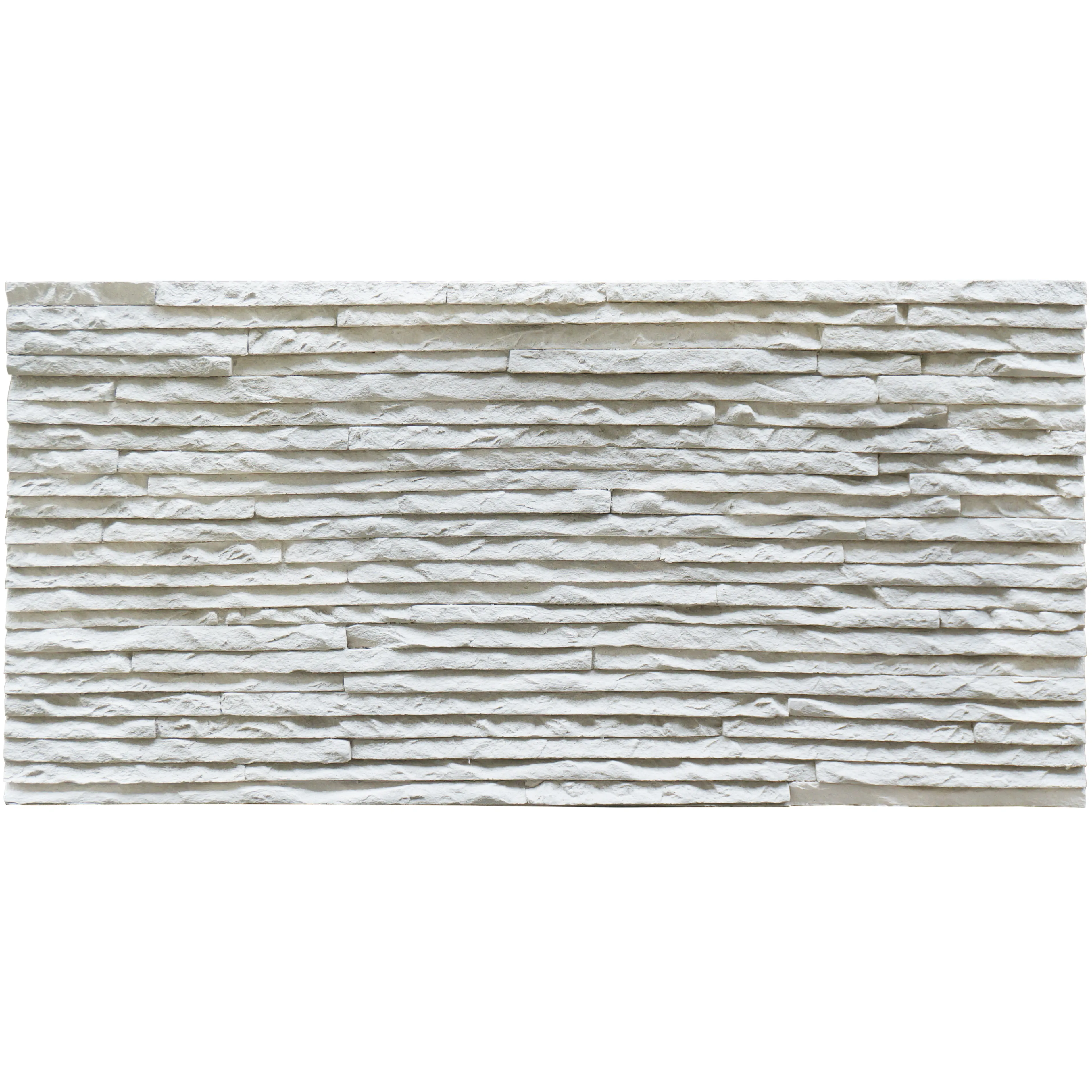
How a dull, outdated facade became the neighborhood's most inviting home—one slab at a time.
Let me take you back to 2023, when Sarah and Mark first bought their 1980s ranch-style home in Portland. From the street, it wasn't ugly—it was just… there . The exterior was clad in a faded, off-white vinyl siding that had yellowed in the sun, with chipped trim and a front porch floor that creaked like a haunted house. "It felt like living in a cookie-cutter," Sarah told me. "We wanted something that matched the warmth of the inside—cozy, timeless, but not stuck in the past."
They tried painting the siding (twice!), but the color peeled within a year. They considered wood, but the Pacific Northwest rain meant constant maintenance. Then there was the issue of texture: the flat vinyl offered zero visual interest, making the house blend into the row of similar homes on their street. "We'd walk up to the door and think, 'Is this really our house?'" Mark laughed. "It had no personality."
Worst of all, the siding was rigid—when they tried to add a small curved awning over the bay window, the installers said it would crack the vinyl. "That's when we realized: we needed something flexible, durable, and beautiful ," Sarah said. And that's when their contractor mentioned Muretto stone (beige) .
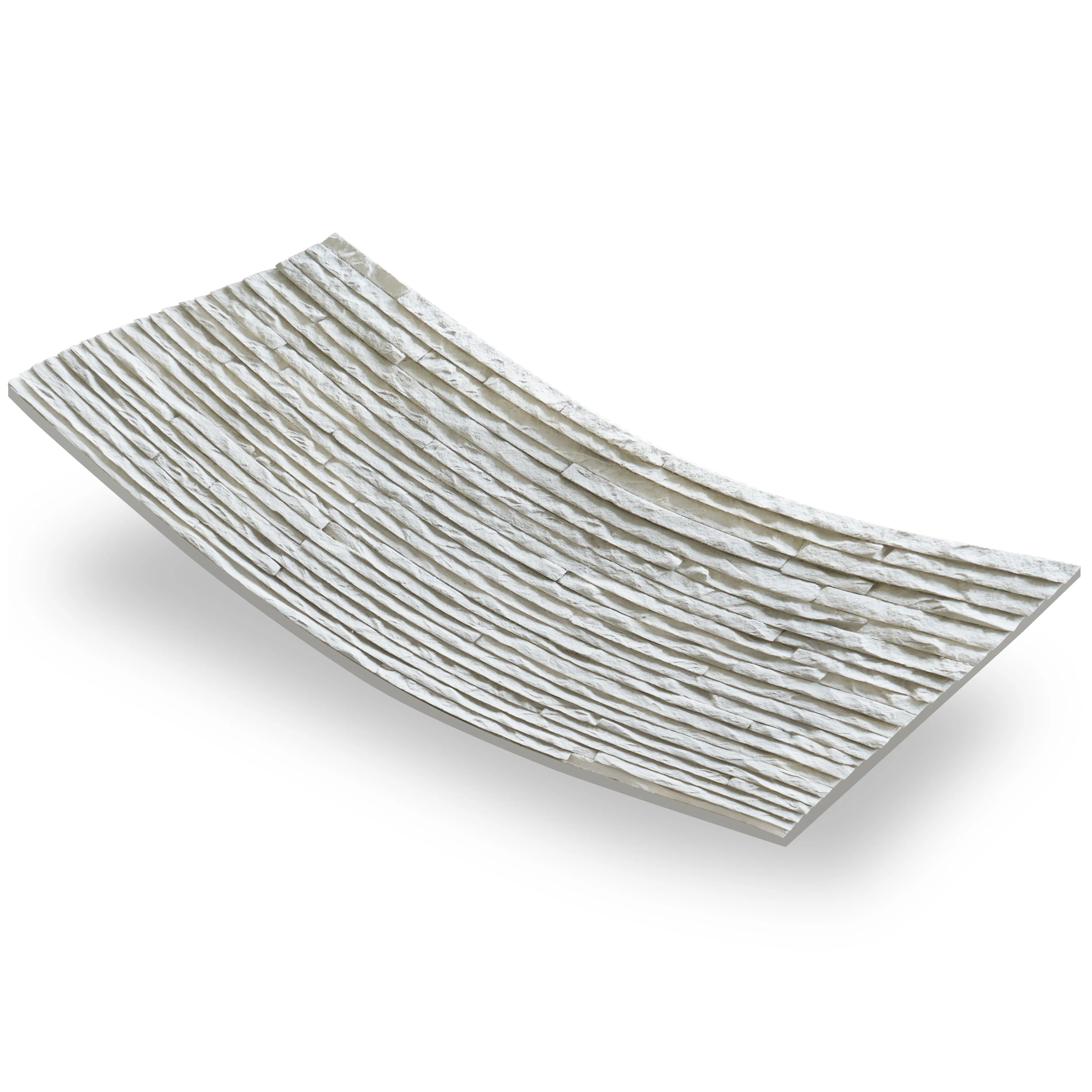
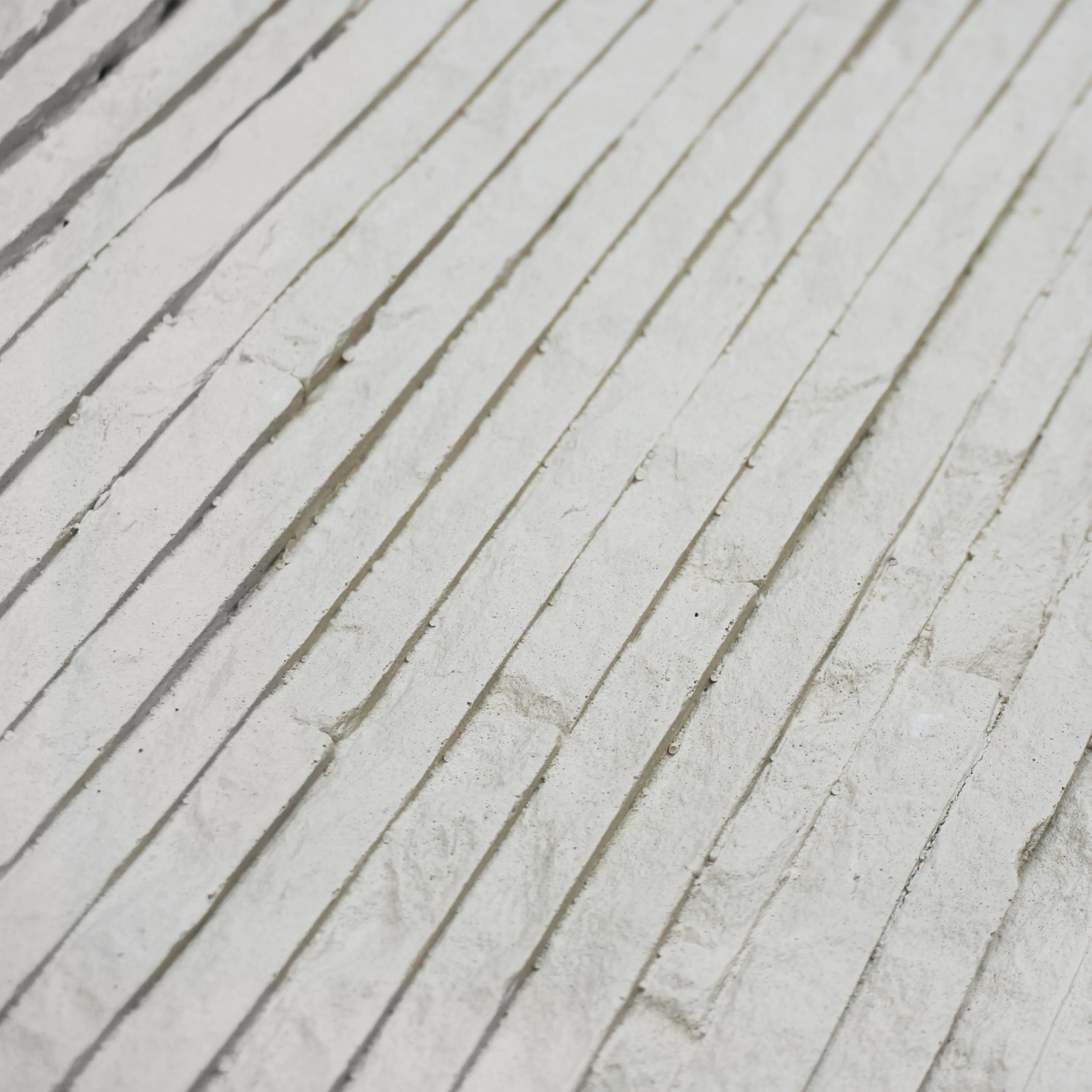
At first, Sarah and Mark were skeptical. They'd seen "faux stone" products before—cheap, plasticky, and nothing like the real thing. But when their contractor showed them samples of Muretto stone (beige) , they were hooked. "It felt like holding a piece of soft sandstone, but with this subtle, warm beige tone that wasn't too yellow or too gray," Mark recalled. "And the texture—tiny, natural-looking veining that made it feel alive, not manufactured."
What really sold them? Learning it was part of the MCM big slab board series . "Big slabs meant fewer seams," the contractor explained. "Instead of hundreds of small tiles, we could cover large sections with one slab, giving the exterior a smooth, cohesive look." Plus, unlike traditional stone, Muretto is flexible stone —lightweight and bendable enough to wrap around curves, like that bay window awning they'd dreamed of. "Suddenly, the impossible awning was possible," Sarah said.
They also loved that Muretto stone (beige) wasn't just a pretty face. It's water-resistant, fade-proof, and requires almost no maintenance—perfect for Portland's rainy winters. "We compared it to the wood grain board we'd considered earlier," Mark added. "Wood would've needed staining every year, and termites? No thank you. Muretto? Just a hose-down twice a year. Done."
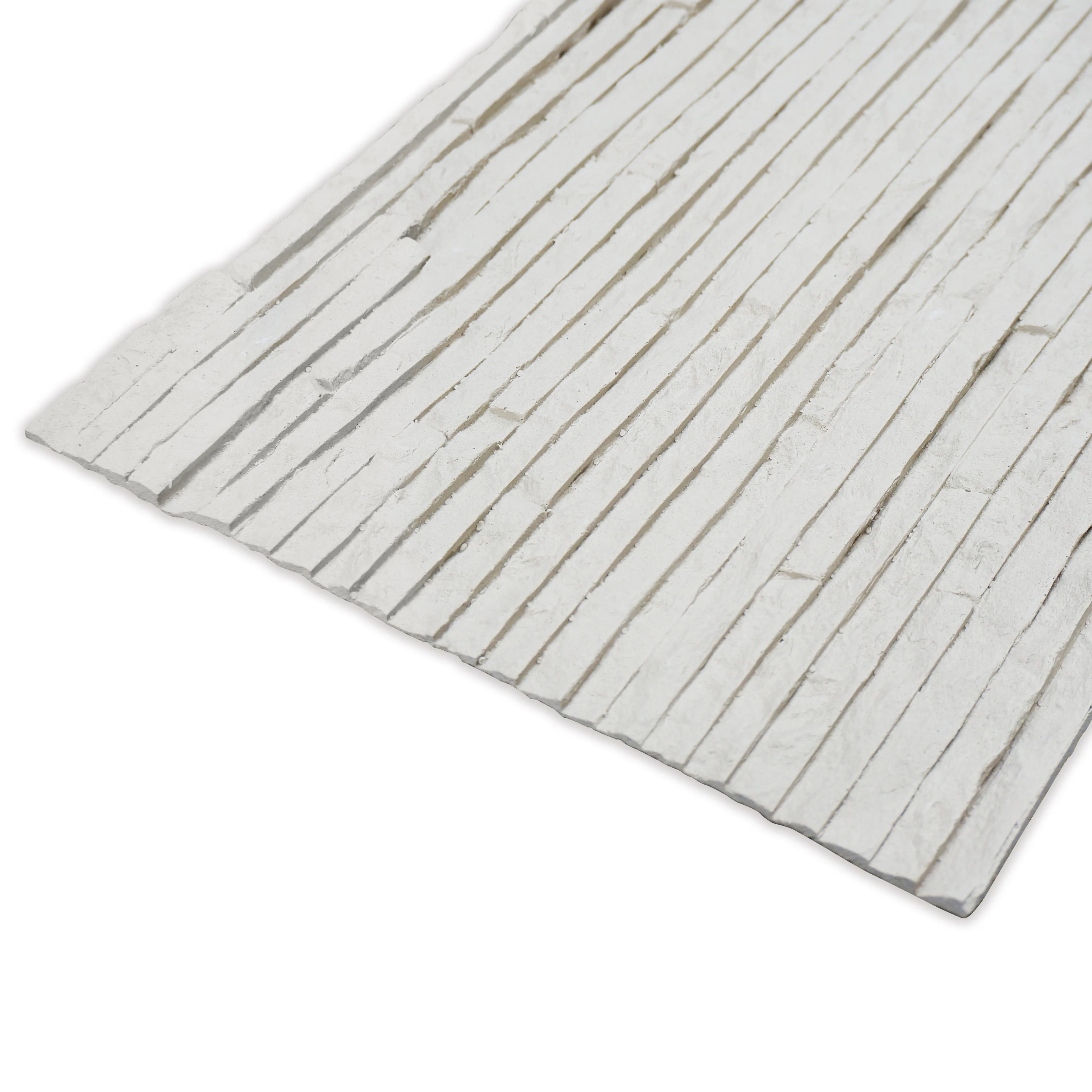
The installation took three weeks, and Sarah and Mark documented every step. "Watching the old vinyl come down felt like peeling off a band-aid," Sarah said. "Underneath was this sad, bare plywood, but we kept imagining what was coming next."
First, the crew installed a moisture barrier, then began mounting the MCM big slab board series panels. "The flexibility blew my mind," Mark said. "They curved a slab over the bay window awning like it was fabric. No cracks, no gaps—just a perfect, smooth bend." The beige hue started to take shape, and suddenly, the house began to glow. "The stone catches the morning light and turns it into this soft, golden warmth," Sarah said. "Our neighbor walked by and yelled, 'Is that new stone? It looks like it's been there for 100 years!'"
They added small accents, too: a strip of wood grain board along the base of the porch to tie in the wooden front door, and black metal trim to contrast with the beige stone. "It balanced the warmth of the Muretto with a modern edge," Sarah explained. "No more 'ranch-style blah'—now it feels like a cozy cabin meets contemporary design."
| Feature | Before (Vinyl Siding) | After (Muretto Stone Beige) |
|---|---|---|
| Appearance | Faded, flat, yellowed vinyl; no texture or character. | Warm beige stone with natural veining; smooth, seamless slabs; curved awning over bay window. |
| Durability | Chipped easily; faded in sun; cracked when bent. | Water-resistant, fade-proof, flexible (no cracking!); withstands rain, wind, and temperature swings. |
| Maintenance | Painting every 1-2 years; prone to mold in humidity. | Hose down twice yearly; no painting, sealing, or repairs needed. |
| Curb Appeal | Blended into the neighborhood; "meh" reactions from visitors. | Neighbors stop to compliment; "Wow, that's your house? It's stunning!" is now a weekly comment. |
| Joy Factor | "Is this really our house?" | "We love pulling into the driveway now. It feels like home." |
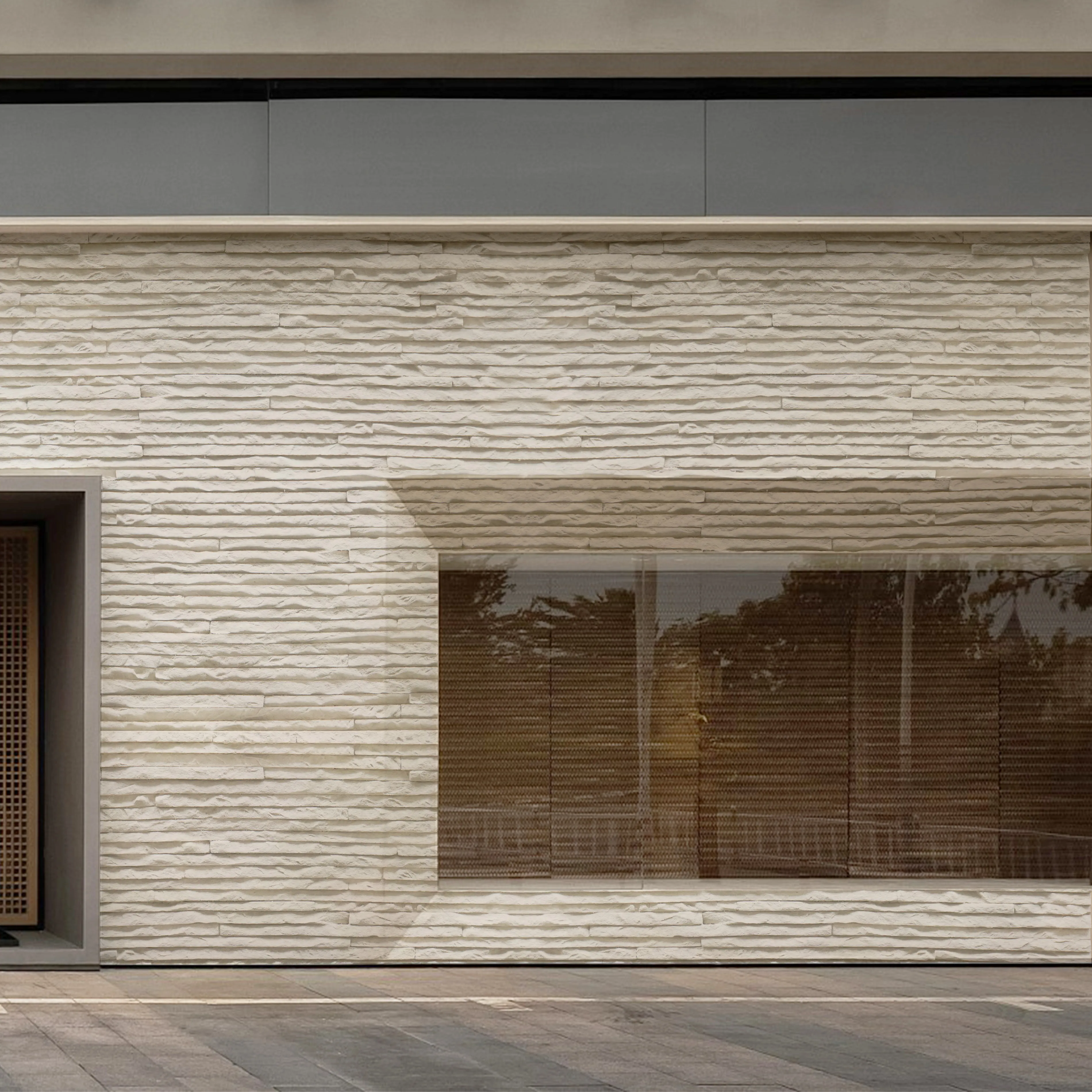
Today, Sarah and Mark's home is unrecognizable—in the best way. The Muretto stone (beige) facade shimmers softly in the sun, its natural texture inviting you to reach out and touch it. The curved awning over the bay window is a focal point, not an afterthought, and the wood grain board base ties the whole look together. "We even added string lights along the porch, and the stone reflects the warm glow at night—it's like living in a little oasis," Sarah said.
But the best part? How it makes them feel. "Before, we'd rush into the house to escape the boring exterior," Mark admitted. "Now, we sit on the porch for hours. We've had more barbecues, more chats with neighbors, just because we're proud to show off our home."
So, is Muretto stone (beige) worth it? For Sarah and Mark, it wasn't just a renovation—it was a transformation. "It's not just about the stone," Sarah said. "It's about finally having a home that matches who we are: warm, resilient, and a little bit unique."
And to anyone considering a similar project? "Don't settle for 'good enough,'" Mark advised. "Look for something that checks all the boxes—beauty, durability, flexibility. For us, that was Muretto. And honestly? We'd do it again in a heartbeat."
Recommend Products












