
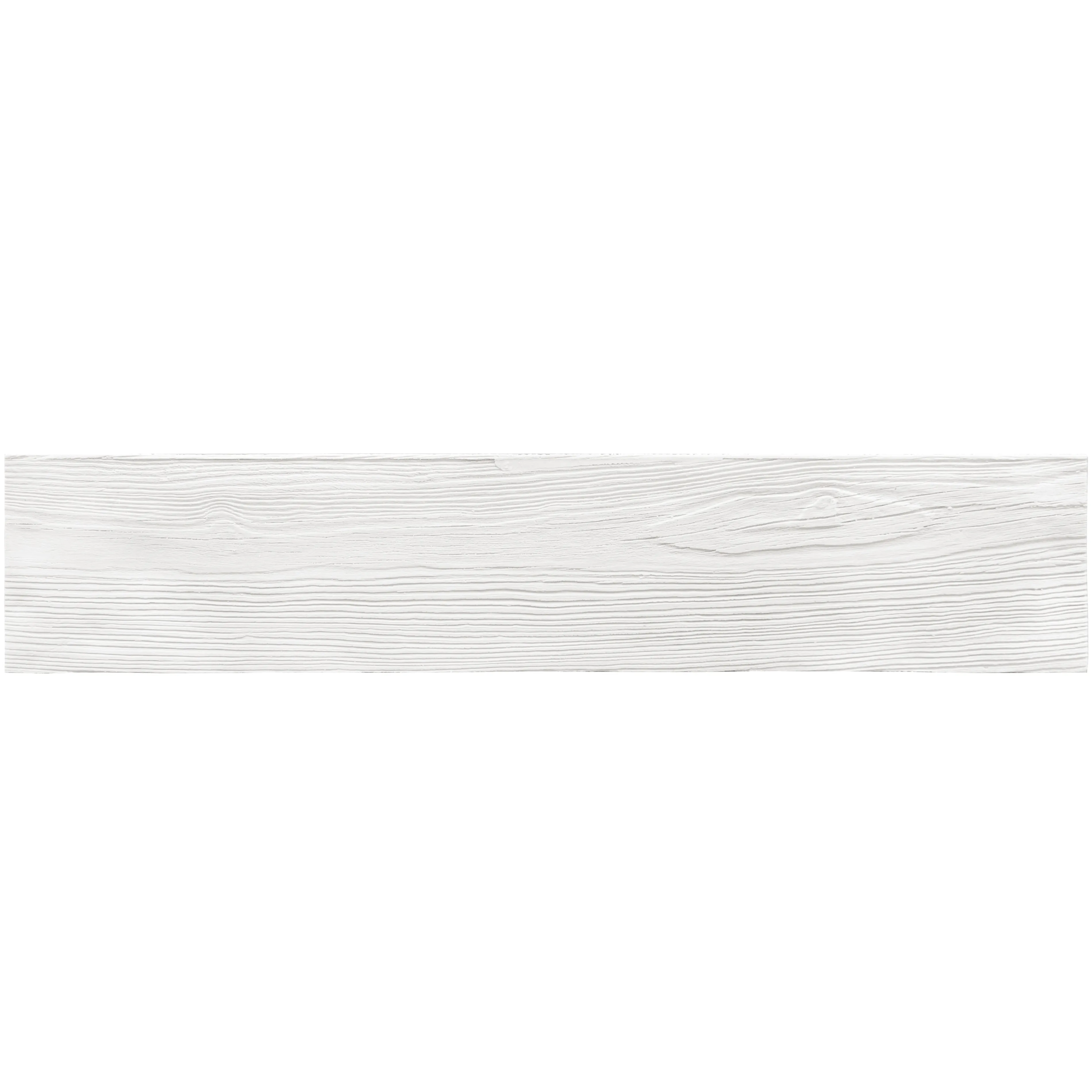
There's a moment we've all experienced—standing in front of a building, whether it's our own home, a local shop, or a community center, and feeling a quiet disappointment. The paint is chipped, the siding is warped, the once-vibrant details have faded into something forgettable. Exteriors take a beating: sun, rain, snow, time. They're the first impression, the face a space shows to the world. But renovation? It's often talked about in terms of "cost" and "hassle," not "joy" or "transformation." That's where materials like White Wood MCM come in—not just as building blocks, but as storytellers. Let's dive into how these innovative materials are turning tired exteriors into something that makes people stop, smile, and say, "Wow, what a difference."
Walk through any neighborhood, and you'll spot the common culprits of exterior fatigue. A Victorian home with peeling clapboard that once gleamed white, now a patchwork of faded cream and gray. A mid-century ranch where the "modern" stone facade has grown dull, its edges chipping from years of freeze-thaw cycles. A downtown storefront with plywood boards covering broken windows, a temporary fix that's become permanent. These spaces aren't just "old"—they're disconnected from the life happening around them.
Homeowners and designers alike know the drill: choosing exterior materials means balancing a dozen competing needs. It has to look good, obviously—but it also has to stand up to rainstorms and harsh sunlight. It shouldn't require repainting every two years or power-washing every season. And in a world where sustainability matters more than ever, it can't come with a heavy environmental footprint. Traditional options often fall short: natural wood warps and rots; concrete cracks; vinyl fades and feels cheap. So what's the alternative?
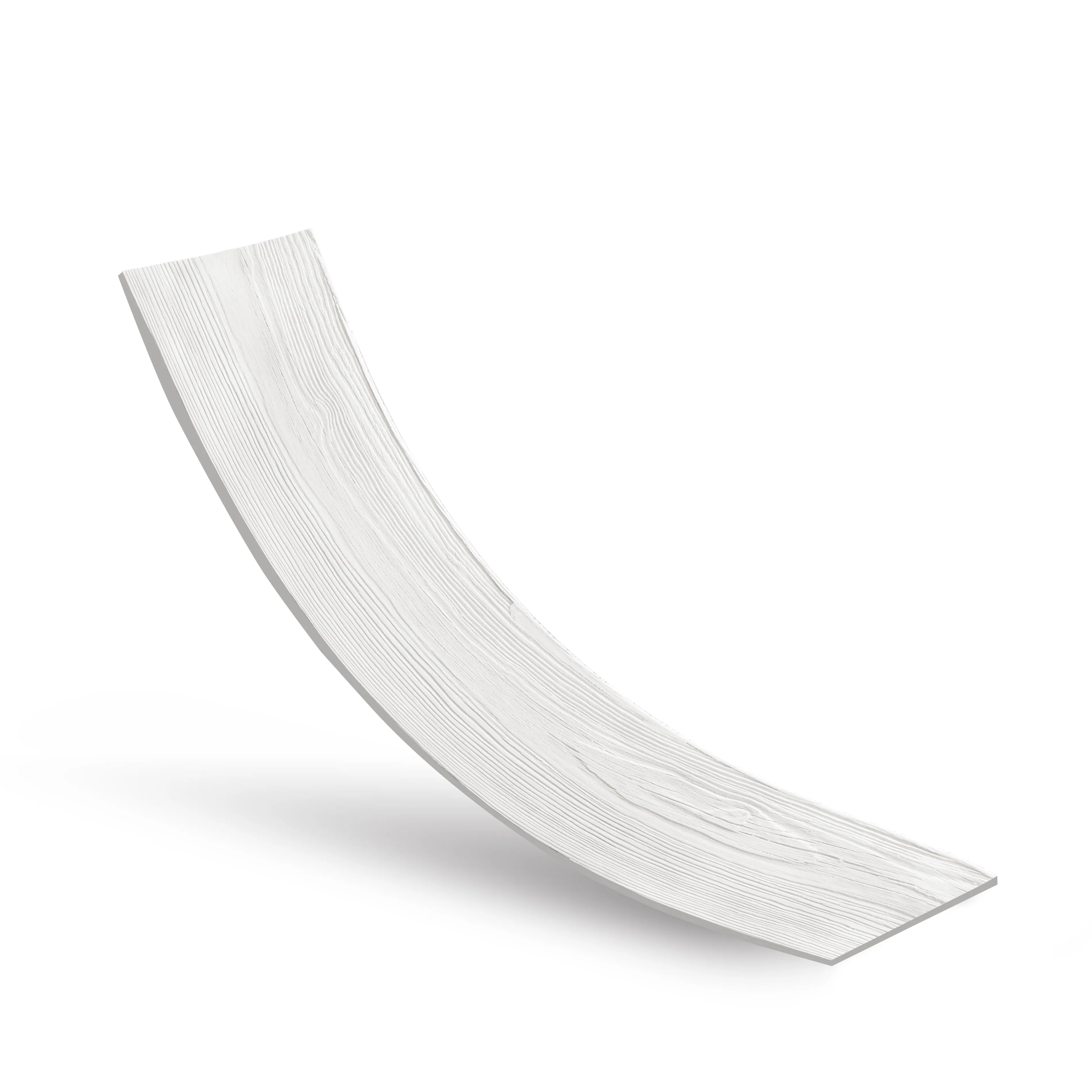
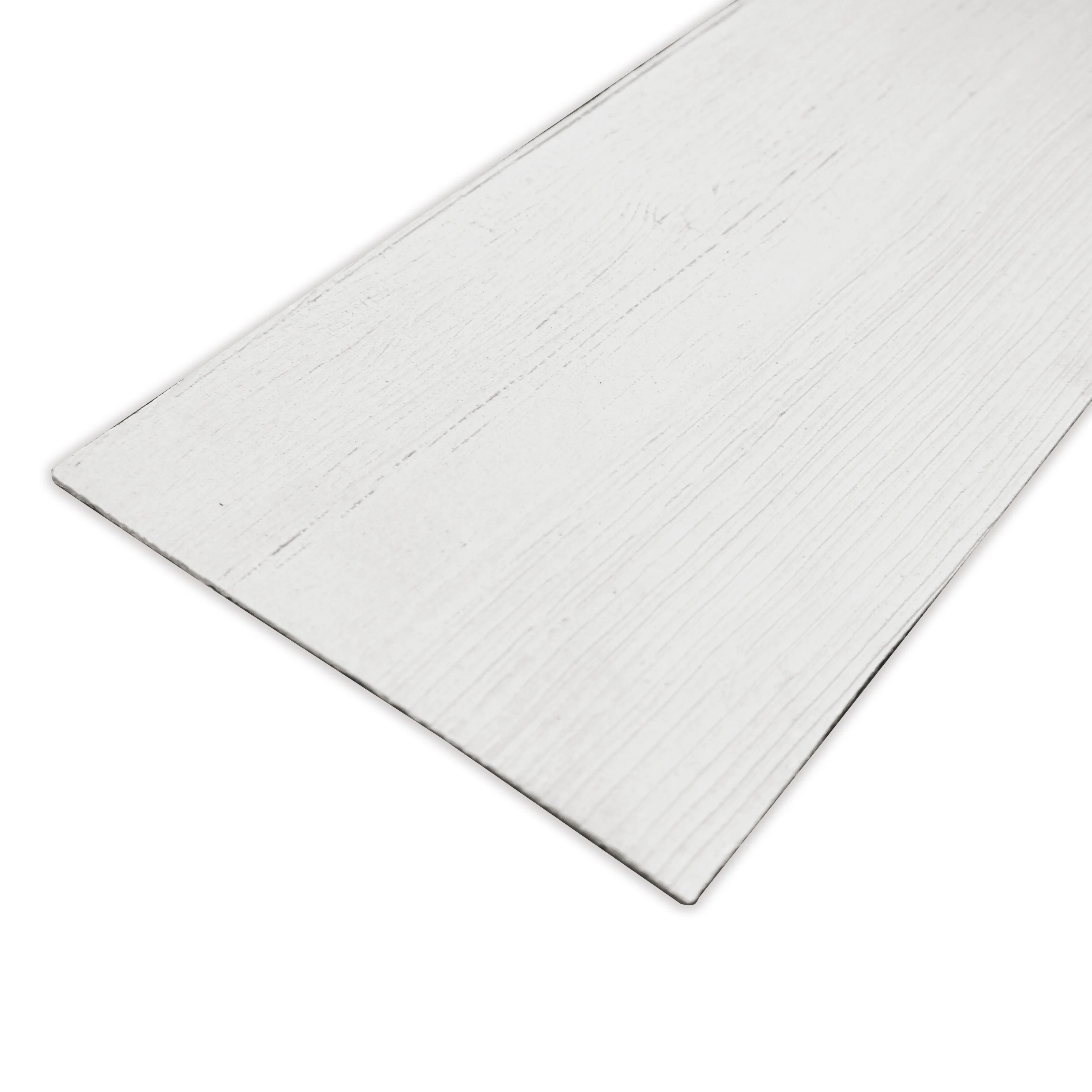
Modified Composite Material, or MCM, isn't just a buzzword. It's a category of materials designed to solve the classic exterior dilemma. Think of it as nature's best qualities—warmth of wood, texture of stone, earthiness of rammed earth—reimagined with modern engineering. Water-resistant, UV-stable, lightweight, and customizable, MCM panels have quietly revolutionized how we approach exteriors. And among them, White Wood MCM stands out for its ability to bring the timeless charm of wood without the upkeep. But it's rarely alone; designers are mixing and matching MCM variants to create layers of texture and color that feel intentional, not generic.
Take, for example, pairing White Wood MCM with Fair-faced concrete MCM. The White Wood adds softness, the fair-faced concrete adds industrial edge—a combo that feels both cozy and contemporary. Or adding a Rammed earth board (gradient) as an accent wall: its blend of warm terracotta fading into soft beige mimics the look of hand-tamped earth, but with the durability of composite. And Wood grain board MCM? It's the detail that ties everything together, adding subtle depth where a flat surface would feel one-note.
Curious how these materials stack up against the old standbys? Let's break it down:
| Material Type | Durability | Maintenance Needs | Aesthetic Appeal | Installation Ease |
|---|---|---|---|---|
| Traditional Wood Siding | Low (prone to rot, warping, insect damage) | High (repaint every 2-3 years, seal annually) | Warm, natural—but fades quickly | Moderate (heavy, requires precise cutting) |
| White Wood MCM | High (resistant to moisture, pests, UV rays) | Low (occasional hose-down, no painting/sealing) | Warm, wood-like grain with consistent color | High (lightweight, interlocking panels) |
| Standard Concrete | Medium (cracks over time, stains easily) | Moderate (seal every 1-2 years, hard to repair chips) | Industrial, but dull and prone to discoloration | Low (heavy, requires formwork, long cure time) |
| Fair-faced Concrete MCM | High (fiber-reinforced, impact-resistant) | Low (resistant to stains, minimal sealing) | Sleek, raw concrete look with uniform texture | High (lightweight panels, quick installation) |
| Clay Bricks | High (but mortar crumbles over time) | Moderate (repointing mortar every 10-15 years) | Classic, but limited color/texture options | Low (heavy, labor-intensive laying) |
| Rammed Earth Board (Gradient) MCM | High (weather-resistant, colorfast pigments) | Low (no mortar, easy to replace individual panels) | Organic, earthy gradient colors—like sunset in stone | High (lightweight, tongue-and-groove design) |
| Plywood Panels | Low (swells with moisture, delaminates) | High (must be painted/sealed immediately, prone to warping) | Flat, generic—often needs heavy paint to hide grain | Moderate (light but fragile, requires careful handling) |
| Wood Grain Board MCM | High (scratch-resistant, stable in temperature swings) | Low (no sanding or refinishing) | Subtle, realistic wood grain—adds depth without overwhelming | High (interlocking system, can be cut to custom sizes) |
Numbers and specs tell part of the story, but nothing beats seeing a space come alive. Let's walk through three real-world examples where White Wood MCM and its MCM cousins turned "meh" into "marvelous."
Before: Nestled in a tree-lined suburb, this 1970s split-level had seen better days. The original cedar siding, once a rich honey color, had faded to a washed-out gray, with patches of bare wood where the stain had peeled away entirely. The lower level was clad in a mismatched "stone" veneer—cheap, thin, and already chipping at the corners. A rickety wooden deck jutted off the back, its boards warped so badly you could see daylight through the gaps. "It felt like the house was shrinking into itself," homeowner Maria recalled. "My kids were embarrassed to have friends over. I stopped noticing it, too—until a neighbor mentioned how 'tired' it looked. That stung."
The Design Plan: Maria worked with designer Lila to prioritize warmth and cohesion. "We wanted it to feel like a home, not a construction site," Lila said. The main facade got White Wood MCM panels in a soft off-white, their subtle grain mimicking the original cedar but with zero upkeep. The lower level, once a hodgepodge of fake stone, was wrapped in Fair-faced concrete MCM—its smooth, matte finish grounding the lighter wood above. For the entryway, they added a pop of color with Rammed earth board (gradient) in warm terracotta fading to sand, framing the front door like a welcome mat made of stone. The deck? Replaced with composite decking, but the railings got Wood grain board MCM panels, tying the whole look together.
After: Six weeks later, Maria stood in her driveway and cried. "It's like meeting my house for the first time," she said. The White Wood MCM glows in the morning sun, its texture softening the sharp angles of the split-level. The Fair-faced concrete adds a modern edge without feeling cold, while the gradient rammed earth entryway makes guests smile before they even ring the doorbell. "The kids bring friends over now—they actually show off the house," Maria laughed. "And I don't worry about power-washing or staining anymore. Last month, we had a rainstorm that would've ruined the old siding. I went outside afterward, and the White Wood panels just looked… clean. Like the rain had given them a shower. It's the little things, you know?"
Before: On a busy street in Portland, Oregon, "Bean There, Brew That" was a hidden gem—literally. Tucked between a laundromat and a hardware store, its exterior was a blank canvas of gray concrete blocks, the only signage a faded vinyl banner that read "OPEN" in peeling letters. "We had great coffee, but no one walked in," owner Jake said. "People would pass by, staring at their phones, and never glance up. The exterior didn't say 'Come in, stay awhile'—it said 'Nothing to see here.'" The concrete absorbed heat in summer, making the interior swelter, and in winter, it felt like a cold wall, repelling customers instead of inviting them.
The Design Plan: Jake partnered with local firm Studio Terra to turn the café into a "neighborhood living room." The goal? Warmth, visibility, and a connection to the street. The upper half of the facade got White Wood MCM in a warm ivory, its vertical grain drawing the eye upward to new large windows (replacing the old, small ones). The lower half, prone to scuffs from bike locks and delivery trucks, was clad in Wood grain board MCM in a rich walnut tone—durable enough to handle daily wear but with the cozy vibe of a wooden bookshelf. The sidewalk patio, once a patch of cracked concrete, was extended and lined with Fair-faced concrete MCM benches, their smooth surface perfect for setting down a latte. "We wanted it to feel like an extension of the interior," designer Carlos explained. "Like the café spills out onto the street, not hides behind it."
After: "The first week, we had regulars asking, 'When did you move?'" Jake laughed. The White Wood MCM brightens the block, catching the light and making the café visible from a block away. The Wood grain board lower panels add depth, making the space feel grounded, while the Fair-faced concrete benches have become a favorite spot for people-watching. "We're busier now—way busier," Jake said. "But it's not just the numbers. It's the way people linger. They take photos of the facade for their Instagram. A local artist even painted a mural next to our patio, saying the new exterior 'inspired' her. That's the magic, right? When a building stops being a box and starts being part of the community."
Before: Built in 1923, the Lincoln Elementary Schoolhouse in upstate New York had been vacant for a decade. Its red brick exterior was pockmarked with graffiti, its wooden windows broken, the iconic bell tower leaning slightly to the left. "It was heartbreaking," said Mayor Elena, who grew up attending Lincoln. "That school taught generations of kids. We couldn't let it become a ruin." The town voted to renovate it into a community center, but there was a catch: it had to honor its past while being functional for the future. "We couldn't just slap on new siding and call it a day," Elena said. "The heritage board would never approve. But we also couldn't keep the original brick—it was crumbling, and the mortar was shot."
The Design Plan: Preservation architect Raj faced a unique challenge: balancing historical accuracy with modern durability. "The original school had wood clapboard accents under the eaves and a stone foundation," Raj explained. "We needed to replicate that look without using materials that would fail in another 20 years." The brick was repaired where possible, but the damaged sections were replaced with White Wood MCM panels painted to match the original clapboard's warm cream. The stone foundation, once a jumble of cracked limestone, got Rammed earth board (gradient) in soft beige and gray, mimicking the earthy tones of the original stone but with reinforced strength. The bell tower, stabilized with steel beams, was wrapped in Wood grain board MCM, its texture echoing the weathered wood of the original tower supports. "We didn't want to 'restore' it to 1923—we wanted to give it a 2023 that still felt like 'Lincoln,'" Raj said.
After: Last fall, the Lincoln Community Center opened with a parade. "I saw my third-grade teacher there, crying," Mayor Elena said. "She kept touching the White Wood panels, saying they felt just like the old clapboard. But better—smoother, stronger." The Rammed earth foundation looks so much like the original stone that visitors often can't tell where the old ends and the new begins. Inside, the space hosts after-school programs, senior yoga, and town meetings. "It's not a museum," Elena said. "It's alive. And that's because the materials didn't just fix the building—they let it keep telling its story. The White Wood MCM isn't hiding the past; it's carrying it forward."
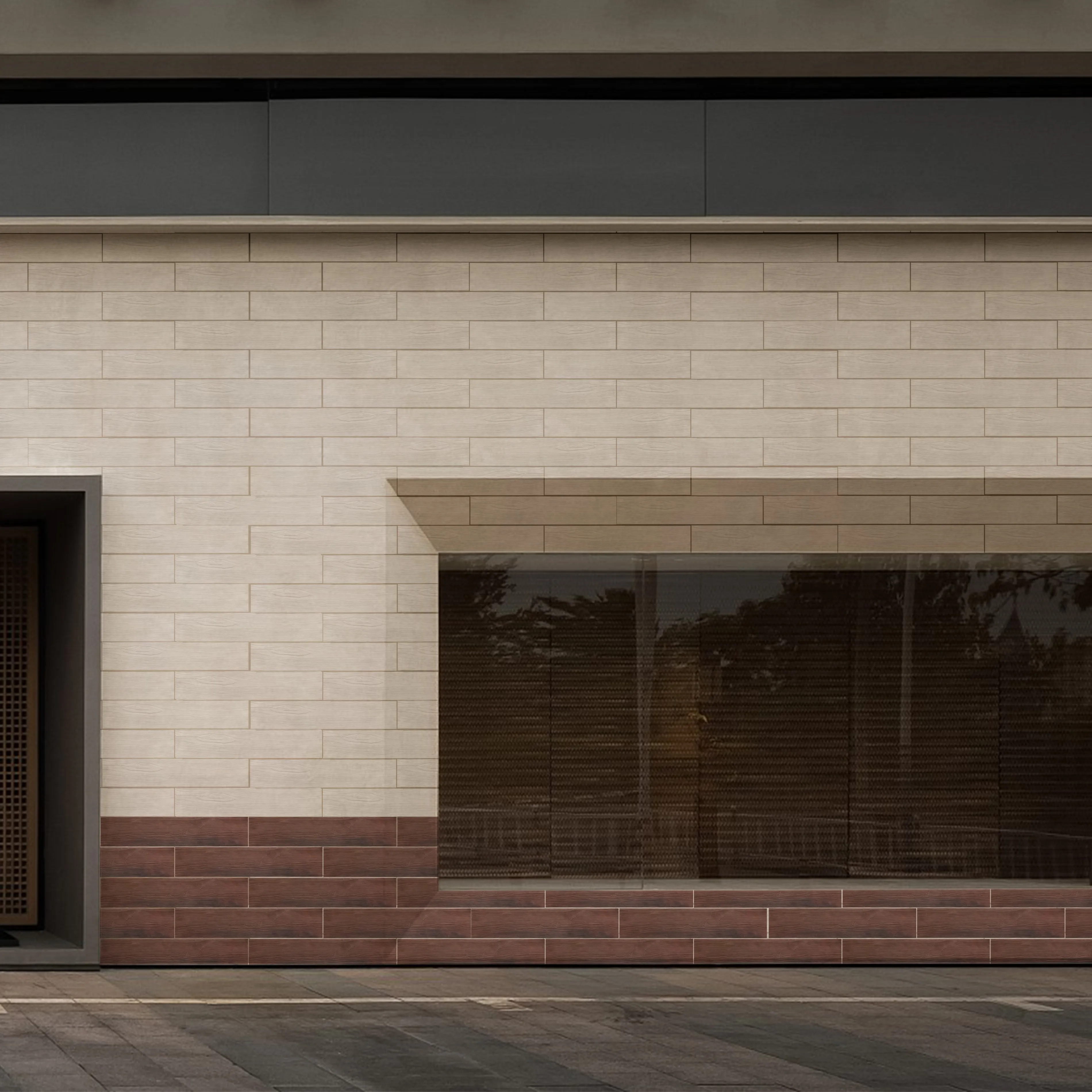
These transformations aren't just about "curb appeal." They're about how spaces make us feel. A home that makes Maria's kids proud. A café that turns strangers into regulars. A schoolhouse that becomes a community hub again. MCM materials like White Wood, Fair-faced concrete, and Rammed earth gradient aren't just solving practical problems—they're creating emotional connections. They're proving that renovation doesn't have to be a chore, and that exteriors can be more than just protective shells. They can be beautiful, resilient, and full of heart.
So the next time you pass a building that makes you pause, take a closer look. Chances are, it's not just the design—it's the materials, working quietly behind the scenes to turn "what was" into "what could be." And maybe, just maybe, it'll inspire you to see your own space with fresh eyes. After all, every exterior has a story to tell. It just needs the right materials to tell it.
Recommend Products












