
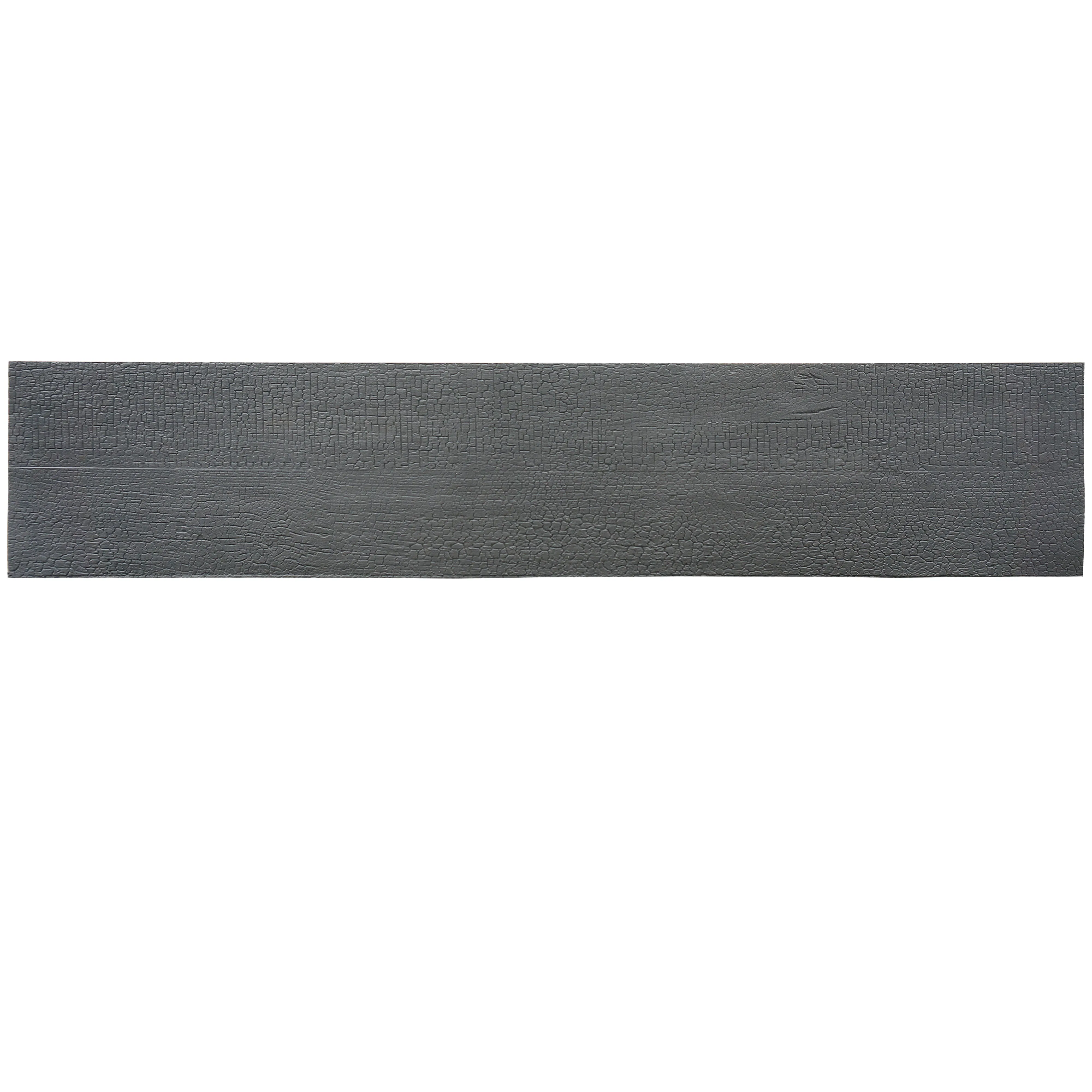
Walk down any street, and you'll notice it immediately: buildings don't just stand—they speak . Their exteriors whisper stories of style, purpose, and the people who brought them to life. Exterior wall cladding is the voice of that conversation. It's not just a protective layer; it's a declaration of personality, a bridge between architecture and emotion. And in a world where we crave spaces that feel both authentic and enduring, one material has been turning heads for all the right reasons: charcoal burnt wood board . But what makes it so special? Let's start with the basics—because great design, like great conversation, starts with listening.
Imagine running your hand over a wall and feeling not just smoothness, but history . That's the magic of charcoal burnt wood board. Born from an ancient technique—think traditional Japanese shou sugi ban , where wood is carefully charred to enhance its natural properties—this material marries time-tested wisdom with modern innovation. The process is surprisingly poetic: select wood planks are exposed to controlled flames, which chars the surface, creating a deep, smoky layer that ranges from inky black to ambered brown. It's not just about looks, though. That charring does something remarkable: it transforms the wood's cellular structure, making it resistant to rot, pests, and the wear of weather. But there's a hidden hero in this transformation, one that often goes unnoticed but makes all the difference in longevity: pH balance .
You might be thinking, "pH? That's for swimming pools and soil, right?" True—but it's also the secret to keeping your cladding from falling apart. Wood, by nature, is a living material, even after it's cut. Its pH level (a measure of acidity or alkalinity) can shift over time, especially when exposed to rain, humidity, or pollutants. If it swings too far acidic or alkaline, the wood becomes vulnerable: nails corrode, fibers break down, and that beautiful finish you fell in love with starts to look tired. Charcoal burnt wood board solves this by stabilizing pH during the charring process. The high heat alters the wood's natural chemicals, creating a surface that hovers around a neutral to slightly alkaline pH—optimal for repelling moisture and resisting decay. It's like giving your walls a built-in shield, one that works silently, year after year.
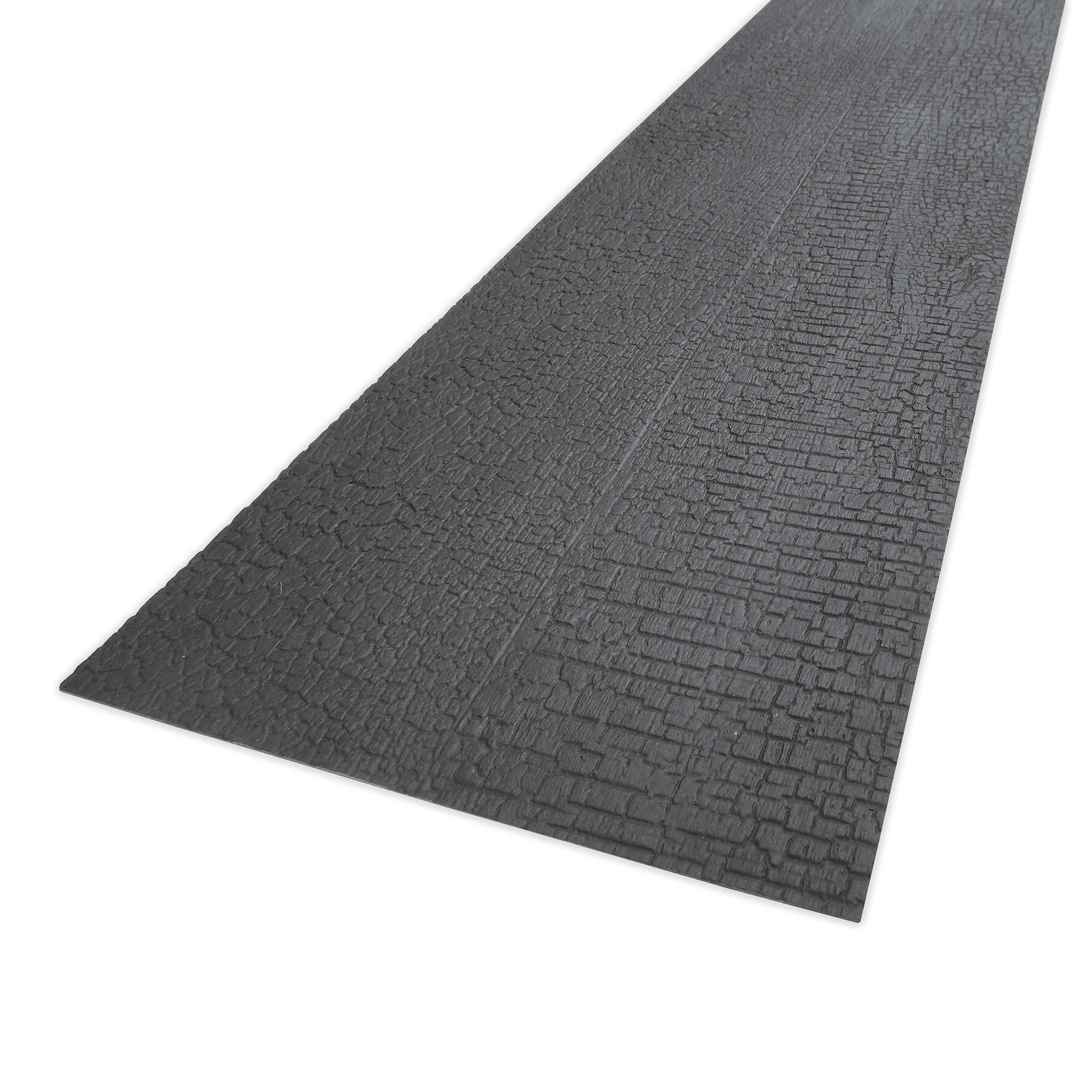
Let's get practical. Suppose you've just installed a stunning wood cladding. It looks perfect—until a rainy season hits. If the pH is off, that water doesn't just bead up and roll away. It seeps in, reacting with the wood's natural acids or alkalis, breaking down the fibers from the inside out. You might start noticing soft spots, discoloration, or even mold. Suddenly, that "investment" becomes a headache. Charcoal burnt wood board avoids this by design. Its charred layer acts as a buffer, keeping pH levels steady even when the weather throws its worst at it. Think of it as a material that "breathes" without losing its balance—much like how we stay healthy by maintaining our own internal equilibrium.
But pH stability isn't just about durability. It's about preserving beauty, too. When wood's pH is balanced, its color holds true. The rich, charred tones don't fade into a dull gray; they deepen with age, developing a patina that tells the story of sun, rain, and time. I once visited a home in the Pacific Northwest, where the charcoal burnt wood cladding had been up for 15 years. Instead of looking worn, it glowed—like a well-loved leather jacket, better with every scuff. The homeowner smiled and said, "It's not just a wall. It's a diary." That's the power of a material that ages with grace.
It all comes down to precision. During the charring process, artisans monitor temperature and exposure time to ensure the wood's surface chars evenly without burning through. This controlled charring creates a layer of carbon (the "charcoal" part) that's naturally alkaline, balancing the wood's inherent acidity. Post-charring, some manufacturers add a gentle sealant (often plant-based, to keep things eco-friendly) that locks in that pH balance without clogging the wood's pores. The result? A material that's both tough and tender—resistant to the elements, but still connected to its natural roots.
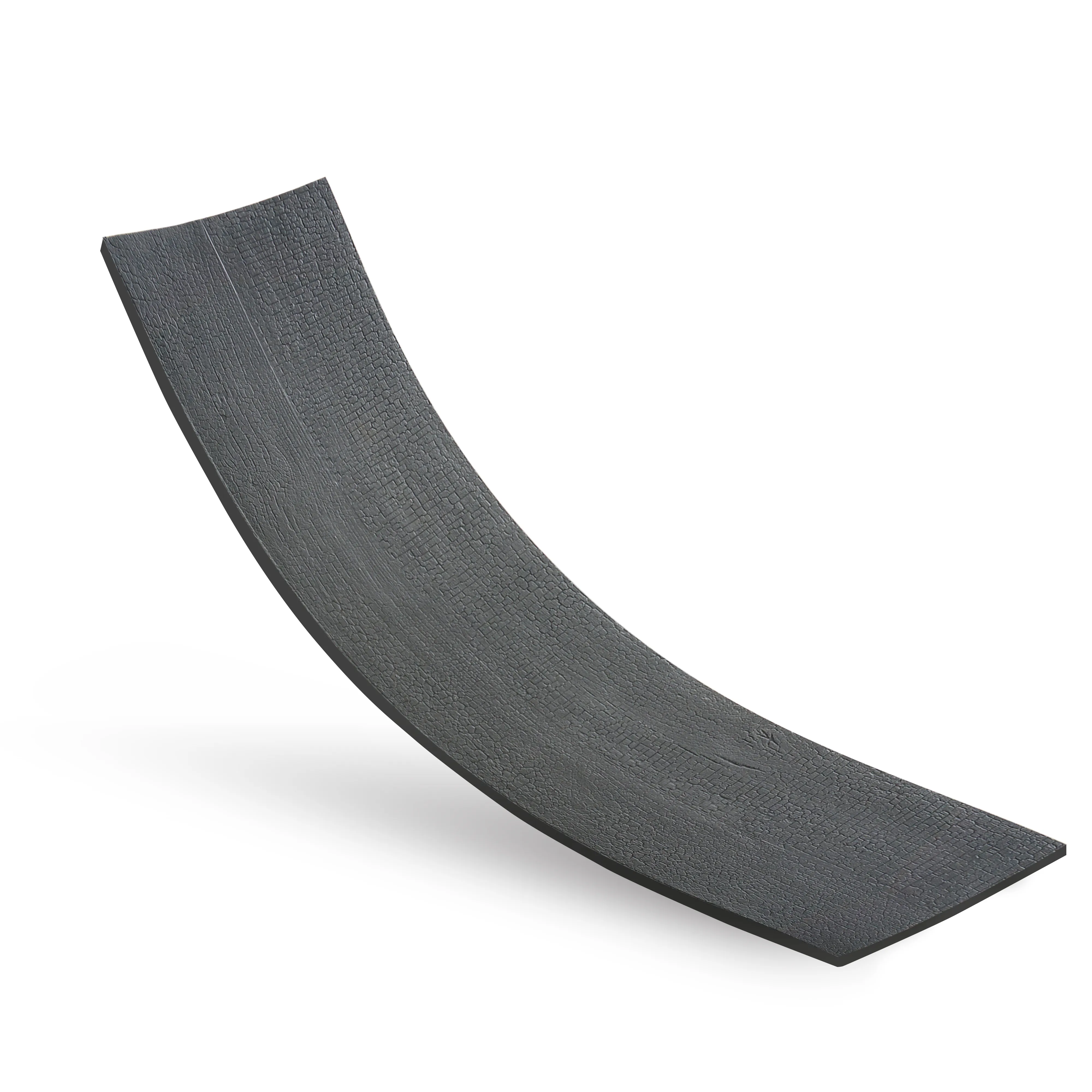
Okay, so pH is crucial—but let's be real: we don't fall in love with materials just for their chemistry. We fall in love with how they make us feel . Charcoal burnt wood board delivers on that front, too. Let's break it down:
Curious how charcoal burnt wood board holds up against other popular cladding options? Let's put it side by side with two favorites: MCM flexible stone (a modern composite) and wood grain board (a more traditional wood alternative). Here's how they measure up in the categories that matter most:
| Feature | Charcoal Burnt Wood Board | MCM Flexible Stone | Wood Grain Board |
|---|---|---|---|
| Durability | Excellent (50+ year lifespan; rot/pest resistant) | Very Good (30–40 years; weather-resistant but less impact-resistant) | Moderate (15–20 years; prone to rot without heavy treatment) |
| Aesthetic Appeal | Rich, organic texture with unique char patterns; ages gracefully | Sleek, uniform look with stone-like finish; consistent color | Warm, natural wood grain; may fade or warp over time |
| pH Stability | High (charred layer balances pH naturally) | Moderate (pH neutral but less breathable; may trap moisture) | Low (naturally acidic; requires chemical treatments to stabilize) |
| Sustainability | High (renewable wood, low-chemical process) | Moderate (recyclable but made from synthetic binders) | Moderate (renewable but often requires toxic preservatives) |
| Installation Ease | Moderate (requires skilled labor for precise charring/sealing) | Easy (lightweight, flexible panels; DIY-friendly for some) | Easy (similar to traditional wood siding; familiar to contractors) |
As you can see, charcoal burnt wood board pulls ahead in durability, pH stability, and that intangible "soul" factor. It's not that the others aren't great—MCM flexible stone, for example, is a fantastic choice for modern, low-maintenance projects—but when you want a material that feels alive , charcoal burnt wood board has no equal.
Let's step out of the lab and into the streets. Where is this material making waves? One standout example is a boutique hotel in the mountains of Colorado. The owners wanted a building that felt like it belonged to the landscape, not just sat on it. They chose charcoal burnt wood board for the exterior, and the result is stunning: the dark planks blend with the pine trees, while the warm undertones glow against the snow in winter. Guests often comment on how "cozy yet grand" it feels—like staying in a luxury cabin that's been here for centuries. The general manager put it best: "It's not just a hotel. It's a hug from the mountains."
Closer to home, a family in Portland, Oregon, replaced their old vinyl siding with charcoal burnt wood board. They were tired of repainting every few years and wanted something that would grow with their kids. Five years later, the walls still look brand-new, even after harsh Pacific Northwest rains. "We used to avoid the backyard because the siding looked so sad," the mom laughed. "Now we hang out there every evening. It feels like the house is happy to see us."
Let's tackle the elephant in the room: maintenance. You might think a burnt wood wall needs constant coddling, but the truth is surprisingly low-key. Here's the scoop:
At the end of the day, choosing exterior cladding is about more than checking boxes. It's about choosing how you want to interact with the world. Do you want a wall that's just a barrier, or one that's a conversation starter? A surface that fades, or one that deepens with time? Charcoal burnt wood board isn't just a trend—it's a return to materials with meaning. It's for the homeowner who wants their house to feel like a home, the architect who wants to tell a story, and anyone who believes that great design should warm you up, not just dress you up.
So, the next time you pass a building with that rich, charred exterior, take a second look. You're not just seeing cladding—you're seeing a choice: to build something that lasts, that matters, and that feels human . And in a world that's often too quick to prioritize speed over soul, that's a choice worth celebrating.
Recommend Products












