
Walk down any street in a contemporary neighborhood, and you'll notice something different about the houses and buildings lining the road. Gone are the days when exterior walls were merely functional barriers—today, they're statements. They tell stories of style, sustainability, and the personalities of those who live or work behind them. Architects and homeowners alike are no longer satisfied with "good enough"; they want materials that blend beauty with brawn, that look timeless but feel fresh, and that stand up to the elements without demanding constant attention. In this evolving landscape, one material has quietly but firmly risen to the top: poly wood board. It's not just a trend; it's a shift in how we think about exterior design.
But why poly wood board? What makes it stand out in a market flooded with options—from sleek fair-faced concrete to textured MCM flexible stone , from classic brick to modern wood grain board ? The answer lies in its ability to bridge gaps: between nature and technology, between aesthetics and practicality, between tradition and innovation. Let's dive into the world of poly wood board, exploring why it's becoming the go-to choice for modern facades, how it stacks up against other materials, and where it fits in the latest design trends sweeping the architectural world.
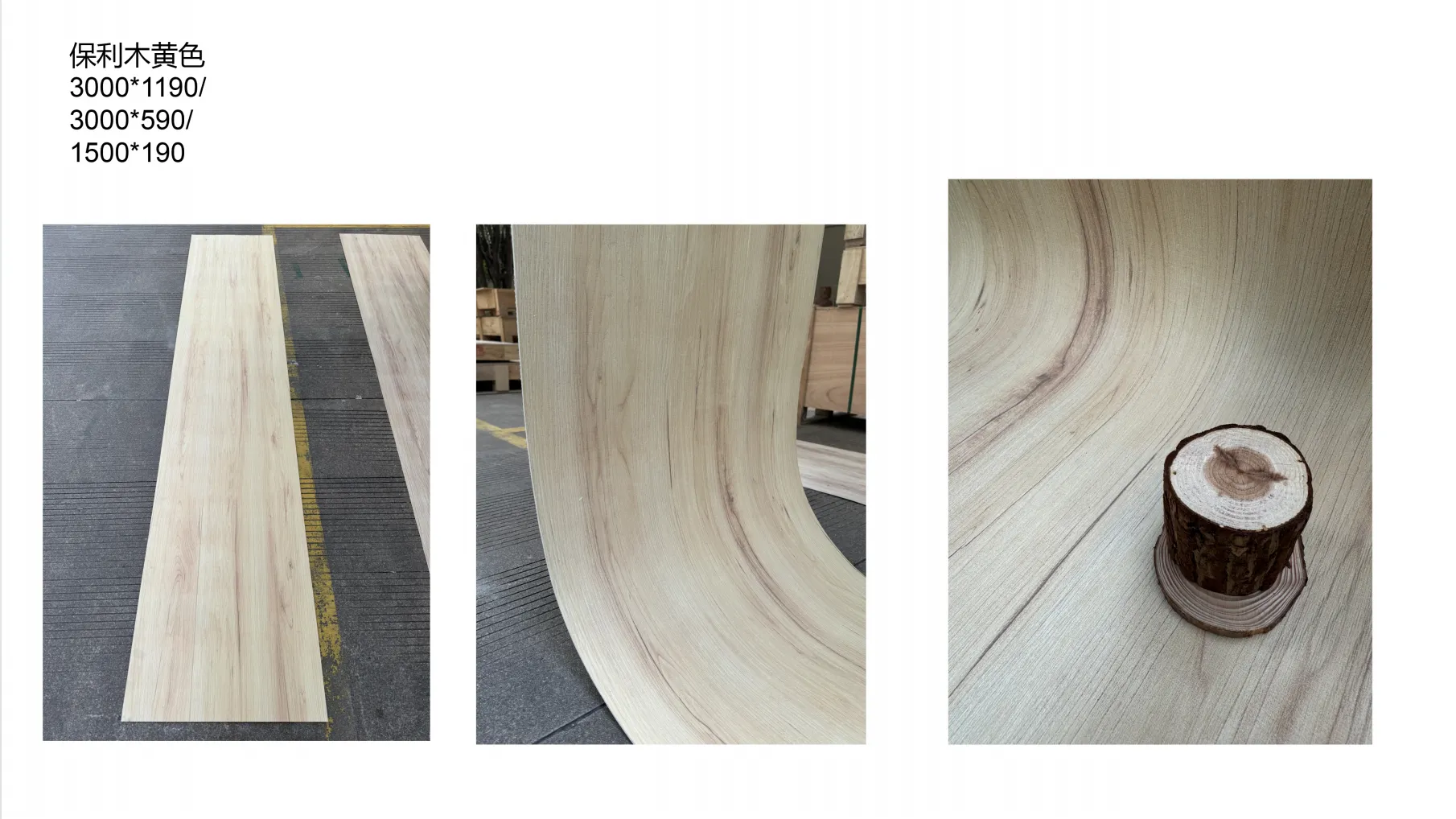
First things first: Let's demystify the term. Poly wood board—sometimes called polywood or engineered wood composite—is a hybrid material made by blending wood fibers (often recycled) with polymers (think high-density polyethylene or polypropylene). The result? A product that looks and feels like real wood but comes with a laundry list of upgrades. It's not solid wood, nor is it cheap plastic siding; it's the best of both worlds, engineered to solve the biggest pain points of traditional materials.
Imagine the warm, organic texture of a wooden cabin, but without the warping, rotting, or termite damage. Picture the rich grain patterns of oak or cedar, but in colors that won't fade after a single summer. That's poly wood board in a nutshell. It's designed to mimic the aesthetic of natural wood while outperforming it in almost every measurable way—durability, maintenance, sustainability, and even cost over time.
But it's not just about imitation. Poly wood board has its own personality, too. Manufacturers can tweak the formula to create unique textures, from smooth planks that evoke modern minimalism to rough-hewn surfaces that nod to rustic charm. It comes in a spectrum of colors, from classic neutrals like warm beiges and deep grays to bold hues that make a statement. And because it's a composite, it's lightweight and flexible, making installation a breeze compared to heavy stone or solid wood.
Trends come and go, but poly wood board is sticking around because it addresses real needs. Let's break down the reasons architects, builders, and homeowners are falling for it:
Durability That Outlasts the Elements : Traditional wood is beautiful, but it's high-maintenance. Rain, snow, UV rays, and pests can turn a once-pristine wooden facade into a warped, faded mess in just a few years. Poly wood board, on the other hand, laughs in the face of the elements. It's water-resistant, so no rotting or swelling in humid climates. It's UV-stabilized, meaning colors stay vibrant even after years of sun exposure. And since it's not organic, termites and mold don't stand a chance. We're talking a lifespan of 25+ years with minimal upkeep—compare that to painted wood, which might need repainting every 3–5 years, or solid wood siding that could require replacement in a decade.
Low Maintenance, High Reward : Let's be honest—no one wants to spend weekends sanding, staining, or painting their exterior walls. Poly wood board eliminates that hassle. A quick rinse with a hose once or twice a year is usually all it takes to keep it looking fresh. No need for sealants, pesticides, or specialized cleaners. For busy homeowners or commercial property managers, this is a game-changer. It's the "set it and forget it" of exterior materials.
Sustainability That Checks the Green Box : In an era where green building materials are no longer optional, poly wood board shines. Most brands use recycled wood fibers (from sawdust, wood chips, or even old pallets) and recycled plastics (think plastic bottles or bags), keeping waste out of landfills. By choosing poly wood over solid wood, you're also reducing demand for newly harvested timber, helping combat deforestation. And because it lasts so long, it reduces the need for frequent replacements, cutting down on material waste over time. Many manufacturers even offer products that are free of harmful chemicals like formaldehyde, making them safer for both the environment and the people who live near them.
Design Flexibility for Every Style : Whether you're designing a Scandinavian-inspired home with clean lines, a modern farmhouse with rustic accents, or an industrial-chic office space, poly wood board can adapt. Its versatility is one of its biggest selling points. Want horizontal planks for a sleek, contemporary look? Done. Prefer vertical panels to add height to a low-slung building? No problem. Mix and match colors—say, a warm cedar-toned base with charcoal accents—to create visual interest. Some brands even offer custom engraving or embossing, letting you add unique patterns or logos to commercial facades. It plays well with other materials, too: pair it with metal accents for an edgy vibe, or with stone for a more traditional feel. The possibilities are almost endless.
To really understand why poly wood board is gaining ground, it helps to see how it compares to other popular exterior materials. Let's put it head-to-head with a few contenders in a side-by-side breakdown:
| Material | Durability | Maintenance | Sustainability | Aesthetic Versatility | Installation Ease | Cost (Long-Term) |
|---|---|---|---|---|---|---|
| Poly Wood Board | Excellent (25+ years; resists rot, pests, fading) | Very Low (Hose down occasionally; no staining/painting) | High (Uses recycled materials; reduces deforestation) | High (Mimics wood; multiple colors/textures/styles) | Easy (Lightweight; no specialized tools needed) | Moderate-High (Higher upfront, but low maintenance reduces long-term costs) |
| MCM Flexible Stone | Very Good (Lightweight, impact-resistant; weatherproof) | Low (Wipe clean; resistant to staining) | Moderate (Depends on manufacturing; some use natural stone) | High (Textured, stone-like appearance; modern industrial vibe) | Moderate (Requires professional installation for large areas) | High (Premium material; installation adds cost) |
| Fair-Faced Concrete | Excellent (Extremely durable; fire-resistant) | Low (Minimal upkeep; may develop patina over time) | Moderate (High embodied carbon; long lifespan offsets some impact) | Moderate (Industrial, minimalist look; limited texture/color options) | Difficult (Heavy; requires formwork and skilled labor) | High (Labor-intensive installation; high upfront cost) |
| Wood Grain Board | Good (Depends on wood type; prone to rot/pests without treatment) | High (Annual staining/sealing; sanding for damage) | Moderate (Uses natural wood; may come from sustainable sources) | High (Authentic wood look; classic appeal) | Moderate (Heavier than poly wood; requires careful handling) | Low-Moderate (Lower upfront, but high maintenance costs over time) |
| Vinyl Siding | Good (Resists rot/pests; prone to cracking in extreme cold) | Low (Hose down; may fade or warp in high heat) | Low (Made from non-recyclable plastics; short lifespan) | Low (Plastic-like appearance; limited texture options) | Easy (Lightweight; DIY-friendly) | Low (Cheap upfront, but needs replacement every 10–15 years) |
As the table shows, poly wood board doesn't just compete—it often comes out on top, especially when you factor in long-term value. While it may have a higher upfront cost than vinyl or even some natural woods, its low maintenance and 25+ year lifespan mean you'll save money (and time) in the long run. And compared to premium materials like MCM flexible stone or fair-faced concrete , it offers similar durability and aesthetic appeal at a more accessible price point.
Materials don't exist in a vacuum—they thrive when they align with the design trends of the moment. Poly wood board isn't just a great product; it's a great product for right now. Let's look at the biggest exterior design trends it complements perfectly:
Biophilic design—the practice of incorporating natural elements into built environments—has been gaining steam for years, and it's not slowing down. People crave connection to nature, even in urban settings, and poly wood board delivers that in spades. Its wood-like appearance taps into our innate love for organic materials, creating a sense of calm and warmth. Unlike cold fair-faced concrete or sterile metal, poly wood board feels alive, with textures that invite touch and colors that evoke forests, meadows, and sunlit groves. It's a way to bring the outdoors in, even on the outside of your home.
Minimalism isn't about being cold or sterile anymore—it's about "warm minimalism," a style that pairs clean lines with soft textures and earthy tones. Think neutral palettes, uncluttered facades, and materials that add subtle depth. Poly wood board fits this trend perfectly. Its understated grain patterns add visual interest without overwhelming the eye, and its warm color options (think soft grays, creamy whites, and natural browns) create a sense of balance. It works beautifully with large windows, simple landscaping, and minimalist hardscaping, proving that "less" can still feel inviting.
Gone are the days of monolithic exteriors. Today's designers are mixing materials to create dynamic, layered facades. Picture poly wood board paired with black metal accents, or combined with MCM flexible stone for a contrast of smooth and rough. The key is balance: poly wood's organic texture softens the industrial edge of metal or concrete, while those materials add structure to poly wood's warmth. It's a trend that celebrates eclecticism, allowing homeowners to showcase their personality through unexpected combinations.
Luxury and sustainability are no longer mutually exclusive. High-end homeowners and commercial developers are increasingly prioritizing green building materials not just for ethics, but for aesthetics—sustainability has become a status symbol. Poly wood board checks this box, too. Its recycled content, low maintenance, and long lifespan make it a favorite among eco-conscious designers. It's a way to say, "I care about the planet, and I also care about how my building looks."
Enough theory—let's talk real life. Where is poly wood board actually being used, and how is it transforming spaces? The answer is: almost everywhere. From residential homes to commercial buildings, from coastal cottages to urban lofts, it's proving its versatility across environments and use cases.
For homeowners, curb appeal is everything—and poly wood board delivers. It's a popular choice for entire home exteriors, as well as accent walls, gables, and porch ceilings. In coastal areas, where saltwater and humidity wreak havoc on traditional wood, poly wood board is a lifesaver, resisting rot and corrosion. In snowy climates, it stands up to freeze-thaw cycles without cracking. And in sunny regions, its UV resistance ensures that beautiful cedar tone stays vibrant year after year. Homeowners love it because it lets them have the "wooden house" look without the endless maintenance.
Businesses are catching on, too. Cafés, boutique hotels, and co-working spaces are using poly wood board to create welcoming, on-brand exteriors. A coffee shop might opt for warm, honey-toned planks to evoke a cozy, rustic vibe, while a tech startup could choose sleek, charcoal poly wood for a modern, forward-thinking look. It's also a hit in retail—stores use it to create inviting storefronts that stand out in busy shopping districts, drawing customers in with its warm, approachable aesthetic.
Exterior walls aren't the only application—poly wood board is revolutionizing outdoor living spaces, too. It's used for decking, fencing, pergolas, and even outdoor kitchens, blurring the line between indoor and outdoor areas. Imagine a backyard with a poly wood deck that matches the exterior of your home, creating a seamless flow. Or a fence that provides privacy without blocking light, thanks to poly wood's slatted design options. It's durable enough to withstand rain, snow, and sun, making it the perfect choice for spaces that get heavy use.
We've touched on sustainability, but it's worth diving deeper—because when it comes to exterior materials, the environmental impact matters. Let's break down why poly wood board is more than just "eco-friendly marketing speak":
Recycled Content : Most poly wood boards are made with 90% or more recycled materials—wood fibers from sawmills (which would otherwise go to waste) and plastic from bottles, bags, and other post-consumer waste. By using recycled content, manufacturers reduce the need for virgin materials, cutting down on deforestation and plastic pollution.
Low Embodied Carbon : Embodied carbon is the total CO2 emitted during a material's production, transportation, and installation. While poly wood board does require energy to manufacture, its lightweight nature reduces transportation emissions compared to heavy materials like stone or concrete. Plus, its long lifespan means fewer replacements, which lowers its overall carbon footprint over time.
No Toxic Chemicals : Traditional wood often requires treatments with pesticides, preservatives, or stains that leach into the soil and water. Poly wood board, on the other hand, is inert—it doesn't require chemical treatments to resist rot or pests. Many brands are also free of formaldehyde and other volatile organic compounds (VOCs), making them safer for both the environment and the people who live near them.
Reduced Waste : Because poly wood board is so durable, it doesn't need to be replaced as often as traditional materials. That means less waste in landfills and fewer resources spent on manufacturing new products. And when it does reach the end of its lifespan (which could be 30+ years from now), many poly wood boards are recyclable, closing the loop even further.
In short, poly wood board isn't just a green building material—it's a responsible one. It aligns with global efforts to reduce carbon emissions, combat deforestation, and move toward a circular economy. For homeowners and businesses looking to reduce their environmental impact without sacrificing style, it's a no-brainer.
At this point, you might be wondering: Is poly wood board the best choice for my project? The answer depends on your priorities. If you value:
Then yes—poly wood board is likely a great fit. It's ideal for homeowners who want the look of wood without the hassle, for businesses aiming to create welcoming, on-brand exteriors, and for anyone who cares about both design and the planet.
Of course, it's not the only option. If you're set on a ultra-industrial look, fair-faced concrete might be more your speed. If you want the texture of natural stone, MCM flexible stone could be better. But for most people, poly wood board offers the best balance of form and function, making it a smart investment in the future of your property.
Exterior design is evolving, and poly wood board is at the forefront of that evolution. It's not just a material—it's a reflection of our changing values: a desire for beauty without sacrifice, for sustainability without compromise, for materials that work with us, not against us. As we continue to prioritize both aesthetics and practicality, poly wood board will only grow in popularity, inspiring new designs, new applications, and new ways to think about the spaces we inhabit.
So the next time you pass a house with a warm, inviting facade that looks like wood but seems too perfect to be real, take a closer look. Chances are, it's poly wood board—quietly redefining what exterior walls can be. And who knows? Maybe it's the material that will redefine your own home, too.
Recommend Products












