
Walk down any street, and you'll notice something immediately—the buildings don't just stand; they speak . A weathered brick wall might whisper tales of the past, while a sleek glass facade shouts modernity. But what if your building's exterior has lost its voice? Maybe the paint is peeling, the wood is rotting, or it just feels… stuck. Exterior wall renovation isn't just about fixing cracks or slapping on new paint. It's about giving your building a new language—one that reflects its purpose, its personality, and the stories you want it to tell. And when it comes to finding that language, COLORIA's Poly Wood Board and Flexible Stone aren't just materials—they're translators, turning your vision into a visual narrative that stops people in their tracks.
Let's start with the obvious: exterior walls take a beating. Sun, rain, snow, wind, even the occasional stray soccer ball—they're the first line of defense between your space and the elements. But here's the thing: they're also the first thing anyone sees. A lackluster exterior doesn't just look bad; it sends a message that the space inside might not be worth exploring. Think about it—would you walk into a restaurant with a moldy, chipped exterior? Probably not. Your building's outside is its handshake, its "hello." It should feel warm, intentional, and full of character.
Traditional renovation materials often fall short. Vinyl siding fades and cracks. Real wood looks beautiful but demands constant upkeep—staining, sealing, replacing rotted planks. Concrete? Durable, sure, but can feel cold and lifeless. So what's the alternative? Materials that don't force you to choose between beauty and brawn. That's where COLORIA steps in, with innovations like Poly Wood Board and mcm Flexible Stone that redefine what exterior walls can be.
If you've ever dreamed of a wooden exterior—those rich, earthy tones, the texture that feels like a hug from nature—you've probably also dreaded the maintenance. Real wood and the elements don't mix well. Moisture leads to rot, UV rays fade the color, and before you know it, that "cozy cabin" vibe turns into a "fixer-upper nightmare." Enter Poly Wood Board: COLORIA's love letter to wood lovers everywhere, minus the stress.
What Makes Poly Wood Board Different?
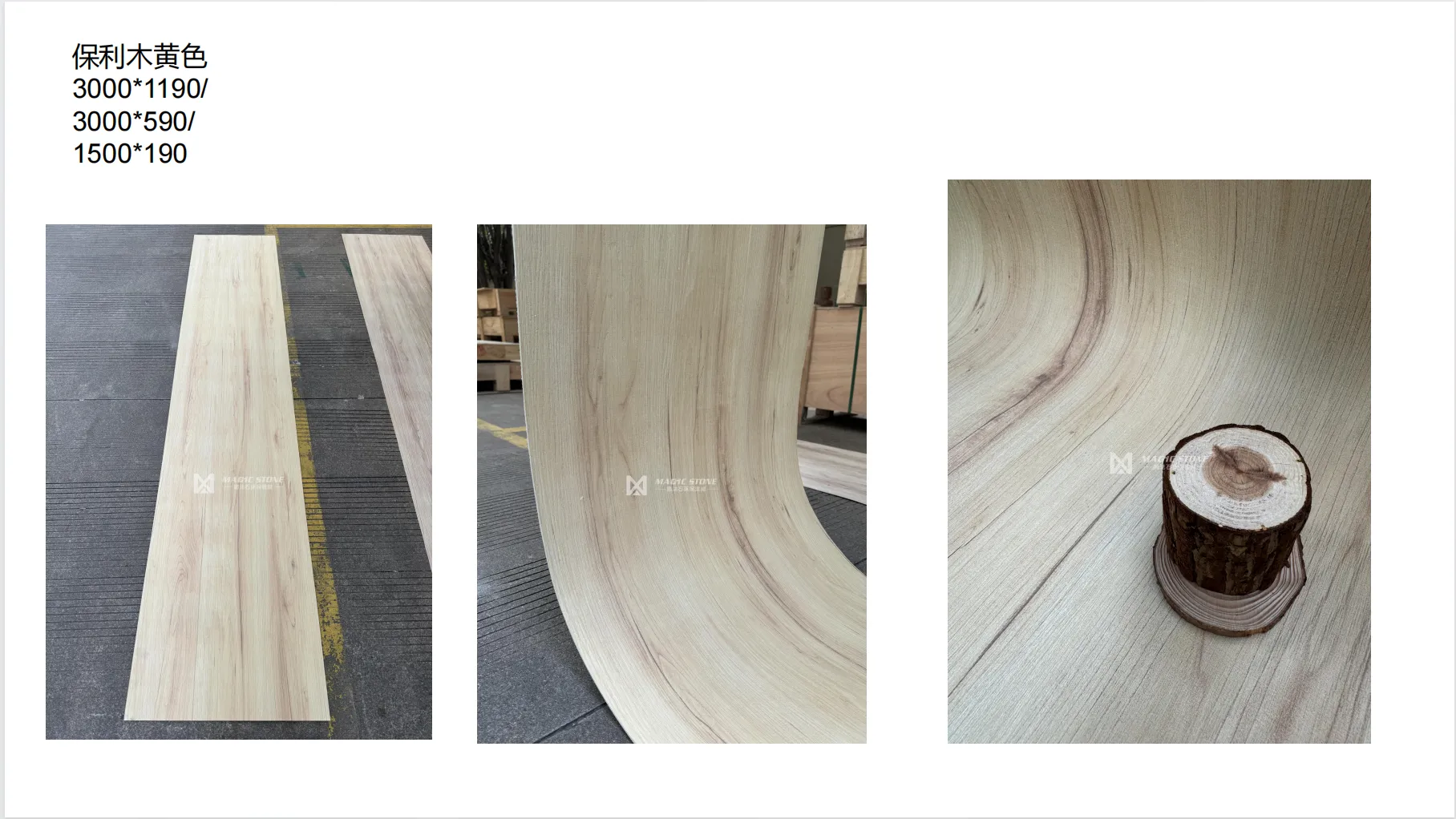
Poly Wood Board is engineered to mimic the look and feel of real wood—down to the grain patterns, the subtle variations in color, and that warm, organic texture—without any of the drawbacks. It's made from a blend of recycled polymers and wood fibers, which means it's resistant to moisture, insects, and rot. No more yearly staining. No more replacing warped planks after a rainstorm. And because it's made with recycled materials, it's a nod to sustainability too—you can have that "natural" look without cutting down trees.
But don't just take our word for it—let's talk about the "real photos" part. When COLORIA says "Poly Wood Board real photos," they're not showing you airbrushed studio shots. They're capturing the material in action: a suburban home with Poly Wood Board siding in a soft honey tone, catching the afternoon light so it looks like it's glowing from within. A café with vertical Poly Wood Board panels in deep walnut, paired with large windows that make the space feel open and inviting. Even a commercial office building, where Poly Wood Board accents break up the monotony of glass, adding warmth to an otherwise sleek design.
One of the most striking real photos in COLORIA's portfolio? A mountain retreat where the exterior is clad entirely in Poly Wood Board in a weathered oak finish. From a distance, you'd swear it's real wood—rough-hewn, full of character. But up close, there's no splintering, no cracks, just smooth, consistent texture that's stood up to years of snow and wind. It's the kind of photo that makes you think, "Why would I ever use real wood again?"
If Poly Wood Board is the "warm hug" of exterior materials, mcm Flexible Stone is the "wow factor." Stone has always been a symbol of strength and timelessness—think ancient castles, grand cathedrals. But traditional stone is heavy, hard to install, and limited in how it can be shaped. COLORIA's Flexible Stone changes the game. It's stone, but not as you know it—thin, lightweight, and surprisingly bendable, which means it can cling to curves, wrap around corners, and transform even the most ordinary wall into a work of art.
Take, for example, travertine (starry green)—one of COLORIA's most eye-catching Flexible Stone options. Imagine a wall covered in this material: creamy beige stone, dotted with tiny, iridescent green flecks that catch the light like stars in a night sky. It's not just stone; it's a conversation starter. A boutique hotel in Bali used travertine (starry green) as an accent wall around its entrance, and guests now stop to take photos before they even check in. It's that kind of detail that turns a building into a destination.
| Material | Durability | Maintenance | Aesthetics | Sustainability |
|---|---|---|---|---|
| Real Wood | Low (prone to rot, insects, warping) | High (yearly staining/sealing) | Warm, organic, but fades over time | Depends on sourcing (may involve deforestation) |
| Poly Wood Board | High (resistant to moisture, insects, UV damage) | Low (no staining/sealing needed; occasional cleaning) | Mimics real wood grain/texture; consistent color | High (made with recycled materials) |
| Traditional Stone | High (durable but heavy; can crack under stress) | Medium (may need sealing; hard to repair chips) | Timeless, but limited in design flexibility | Low (quarrying has environmental impact) |
| mcm Flexible Stone | High (flexible, impact-resistant, weatherproof) | Low (no sealing; easy to clean with water) | Endless designs (e.g., travertine starry green); conforms to curves | Medium (uses less raw stone than traditional options) |
| Fair-Faced Concrete | High (strong, fire-resistant) | Medium (may develop cracks; stains can be hard to remove) | Raw, industrial; can feel cold without accents | Medium (high carbon footprint, but durable long-term) |
Flexible Stone isn't just about looks, though. Its lightweight nature makes installation a breeze—no need for heavy machinery or reinforced structures. It's also surprisingly tough. One installer in Arizona shared a story: after a monsoon with 60 mph winds, the Flexible Stone panels on a commercial building stayed intact, while neighboring walls with traditional stucco had chunks missing. It's stone that bends, not breaks, which is a game-changer for areas prone to extreme weather.
The magic of exterior design often happens when materials play well together. Poly Wood Board and mcm Flexible Stone are like two musicians in a band—each shines on its own, but together, they create something unforgettable. Take a modern home, for example: the lower half clad in Poly Wood Board (warm, inviting), the upper half in travertine (starry green) for a pop of color, and accents of fair-faced concrete to add industrial edge. It's a mix of textures and tones that feels balanced, intentional, and uniquely "you."
Fair-faced concrete is another great partner here. Its raw, unpolished look (think exposed aggregate, subtle formwork lines) contrasts beautifully with the warmth of Poly Wood Board. A restaurant in Chicago used this combo: Poly Wood Board for the patio walls (creating a cozy, cabin-like vibe) and fair-faced concrete for the main facade (adding a sleek, urban touch). The result? A space that feels both approachable and sophisticated, like a neighborhood spot with big-city style.
And let's not forget about versatility. Poly Wood Board comes in a range of finishes—from light pine to deep mahogany—so you can match it to any architectural style. Pair a light oak Poly Wood Board with travertine (starry blue) for a coastal feel, or a dark walnut with lunar peak black Flexible Stone for a moody, dramatic look. The possibilities aren't just endless; they're personal . This isn't about picking a "trend"—it's about picking materials that tell your story.
We've talked about looks, but let's get practical. Renovating an exterior wall is an investment—you want materials that will last, save you money in the long run, and maybe even help the planet. COLORIA's Poly Wood Board and Flexible Stone deliver on all three.
Durability That Stands the Test of Time
Poly Wood Board is built to last. Unlike real wood, it won't rot, warp, or attract termites. It's UV-resistant, so that rich color you love won't fade to a dull gray after a few summers. And because it's moisture-resistant, it's perfect for humid climates or areas with heavy rain—no more worrying about mold or mildew. Similarly, mcm Flexible Stone is scratch-resistant, impact-resistant, and designed to handle temperature extremes. One homeowner in Minnesota installed it 10 years ago, and it still looks as vibrant as the day it went up—even after countless snowstorms and sub-zero winters.
Sustainability is another win. Poly Wood Board uses recycled materials, reducing the demand for virgin plastics and wood. Flexible Stone, being lightweight, requires less energy to transport and install than traditional stone, cutting down on carbon emissions. And because both materials last decades, you're not constantly replacing them—less waste, less hassle, and a smaller environmental footprint overall.
Let's not overlook cost. Yes, high-quality materials like these might have a higher upfront price tag than cheap vinyl or basic paint. But think about the long-term savings. No more paying for yearly wood staining or replacing rotted siding. No more repainting every 3-5 years. Over time, COLORIA's materials pay for themselves—not just in dollars, but in peace of mind.
Words can only say so much. That's why "real photos" matter. They're proof that these materials don't just sound good on paper—they look incredible in real life. Take the example of a bed and breakfast in Vermont. The owners wanted a "rustic chic" vibe but hated the idea of maintaining real wood siding. They chose Poly Wood Board in a weathered cedar finish, paired with mcm Flexible Stone in travertine (starry green) for the gable ends. The real photos tell the story: warm wood tones that blend with the surrounding forest, accented by those starry green flecks that catch the morning light. Guests now rave about the "cozy, magical" exterior—and bookings have gone up by 30% since the renovation.
Or consider the office building in Austin, Texas, that was stuck in the 90s with faded red brick. The new owners wanted something modern but not sterile. They went with Poly Wood Board in a light ash finish for the lower level (adding warmth) and fair-faced concrete for the upper floors (keeping it sleek). Accent walls in travertine (starry orange) add pops of color that reflect the city's vibrant energy. The real photos show employees lingering outside during lunch, drawn to the inviting exterior—a small change that's boosted morale and even productivity.
These aren't just renovations. They're transformations. They're about taking a space that felt invisible and making it unforgettable. And the best part? Your building could be next.
Exterior wall renovation isn't just a home improvement project. It's an act of reimagination. It's looking at your building and asking, "What story do I want it to tell?" With COLORIA's Poly Wood Board and mcm Flexible Stone, that story can be one of warmth and durability, of beauty and resilience, of tradition and innovation. Whether you're renovating a home, a café, an office, or anything in between, these materials don't just cover walls—they create experiences.
So if your building's exterior has lost its voice, don't just fix it—reimagine it. Choose materials that work as hard as you do, that look as good as they perform, and that tell the world exactly who you are. After all, the best buildings aren't just seen—they're felt. And with Poly Wood Board and Flexible Stone, your building's new voice might just be the one everyone's talking about.
Recommend Products












