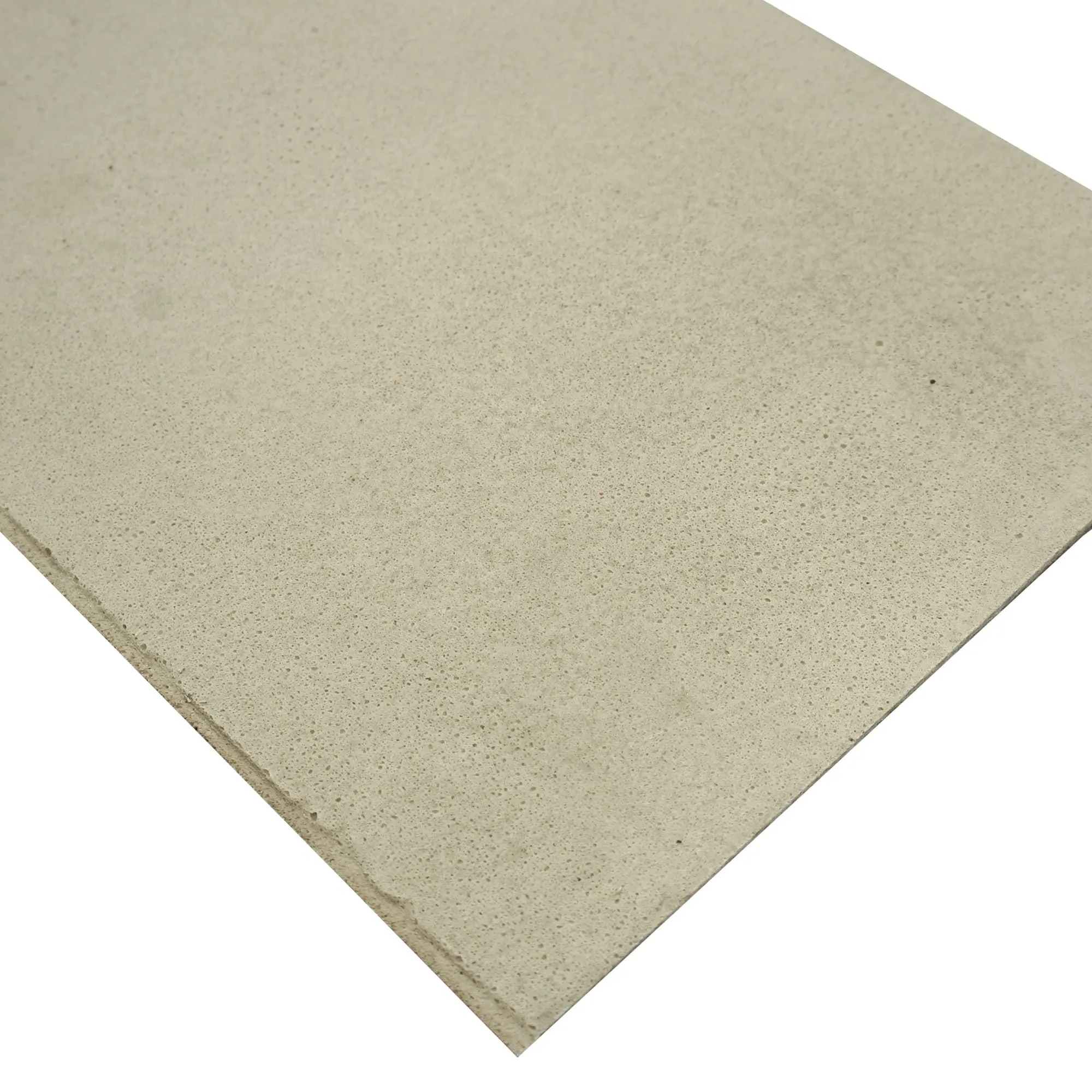
Alright, let's talk about something truly special in the world of architecture and construction: fair-faced concrete. It's more than just a structural element; it's a design statement, a testament to raw honesty and industrial chic. For architects and builders, understanding fair-faced concrete isn't just about technical specifications; it's about appreciating its aesthetic power, its challenges, and increasingly, the innovative solutions that are making its distinct look more accessible and sustainable.
We're going to dive deep into what fair-faced concrete actually is, why it's so appealing, the hurdles involved in traditional applications, and how modern materials, particularly advanced
MCM (Modified Cementitious Material)
from companies like
COLORIA GROUP
, are revolutionizing the way we achieve this sophisticated finish. Get ready to explore the essentials, from historical context to cutting-edge applications, all aimed at empowering you to bring that stunning fair-faced concrete aesthetic to your next project, without the traditional headaches.
When we talk about fair-faced concrete, or sometimes 'exposed concrete' or 'architectural concrete', we're referring to concrete surfaces that are intended to remain visible in the finished structure, without any additional finishes like plaster, paint, or cladding. The surface itself is the final aesthetic. This means its appearance – color, texture, joint lines, and even minor imperfections – becomes an integral part of the building's design.
The beauty of fair-faced concrete lies in its raw, unadorned honesty. It showcases the material in its purest form, celebrating the texture imparted by the formwork, the subtle variations in color, and the robust solidity of concrete itself. It embodies a minimalist aesthetic, often associated with Brutalist architecture, but has evolved to be a versatile element in contemporary design, from sleek modern homes to grand public buildings.
The Allure: Why Architects Love It
-
Aesthetic Versatility:
Despite its 'raw' nature, fair-faced concrete can evoke many feelings. It can be rugged and industrial, sleek and minimalist, or even warm and inviting when paired with natural timber or soft lighting. Its neutral palette allows other design elements to shine.
-
Honesty of Material:
It speaks to a design philosophy that values authenticity. There's no hiding behind superficial layers; what you see is the structural material itself. This can create a powerful sense of integrity in a building.
-
Durability and Longevity:
Concrete is inherently robust. When properly executed, fair-faced concrete surfaces are incredibly durable, resistant to wear and tear, and can last for centuries, aging gracefully with character.
-
Thermal Mass Benefits:
Exposed concrete can contribute to a building's thermal performance, absorbing and releasing heat slowly, which can help regulate internal temperatures and potentially reduce energy consumption.
-
Low Maintenance:
Once properly sealed, fair-faced concrete requires minimal maintenance compared to painted or cladded surfaces, reducing long-term upkeep costs.
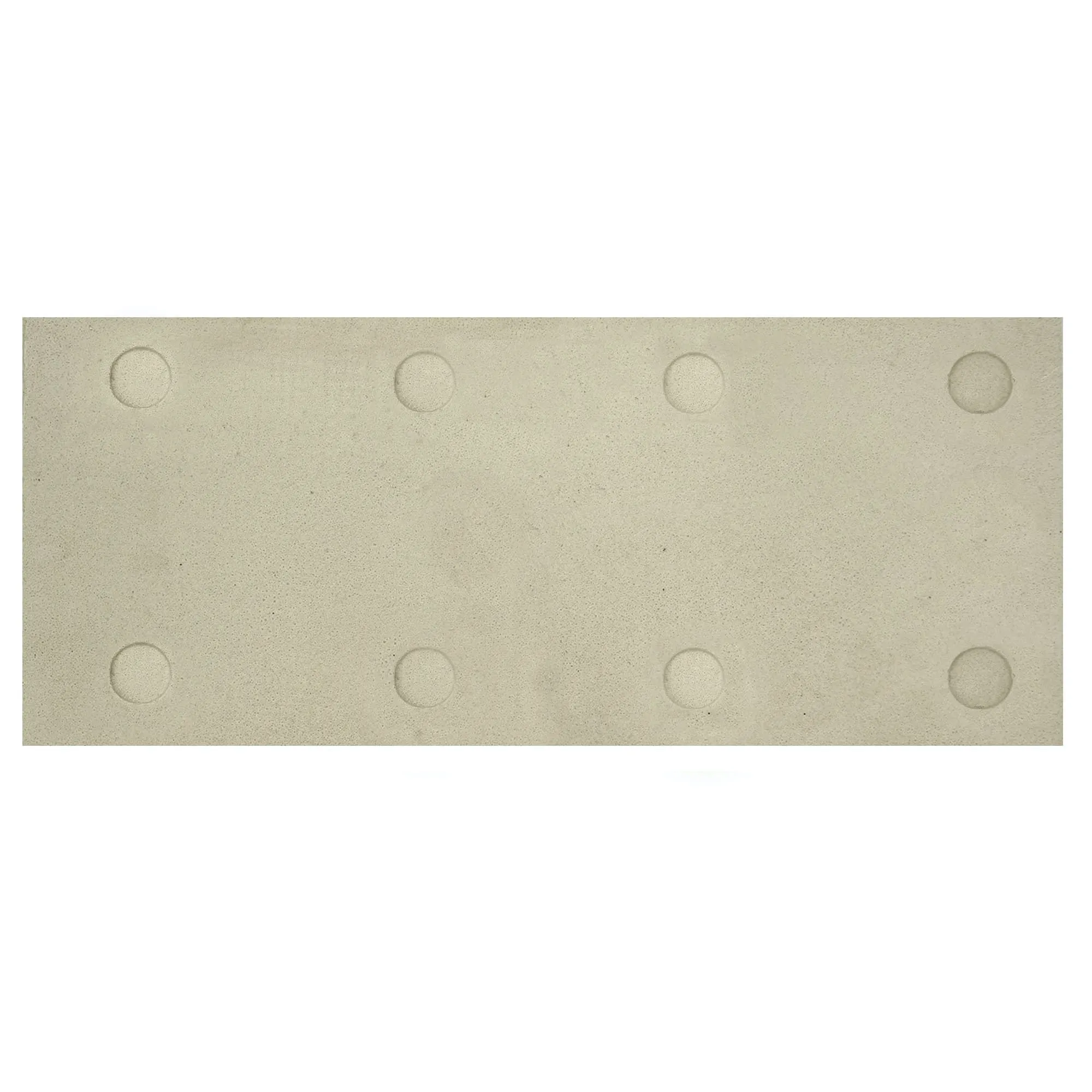
The Traditional Hurdles: Why Fair-Faced Concrete Can Be a Challenge
While the appeal of fair-faced concrete is undeniable, achieving it traditionally has always been a high-stakes game. It's not just about pouring concrete; it's about a meticulous process where every step, from formwork design to curing, can dramatically impact the final outcome. Any flaw is exposed, literally, for all to see.
Technical Complexities and Risks
-
Formwork Precision is Paramount:
The formwork dictates the final surface. It must be perfectly clean, meticulously constructed, watertight, and often needs to be specifically chosen for its surface texture (e.g., smooth steel, textured timber, or plastic liners). Any gaps, unevenness, or contamination will be imprinted on the concrete.
-
Mix Design and Consistency:
The concrete mix itself needs to be carefully controlled. Consistency in aggregate size, cement type, water-cement ratio, and admixtures is crucial to avoid color variations, segregation, and honeycombing. Self-compacting concrete (SCC) is often preferred for its flowability and ability to fill formwork without excessive vibration, but it's a specific art.
-
Pouring and Vibration Techniques:
Concrete must be poured steadily and vibrated carefully to eliminate air voids (bug holes) without causing segregation. Over-vibration or under-vibration can both ruin the surface. This requires highly skilled and experienced labor.
-
Curing Conditions:
Proper curing is essential for strength development and to prevent cracking and staining. Uniform temperature and moisture conditions must be maintained, which can be challenging on site, especially in varying weather conditions.
-
Demolding and Protection:
The removal of formwork must be done gently to avoid damage. Once exposed, the concrete needs immediate protection from staining, impacts, and environmental elements.
-
Unpredictability:
Despite best efforts, traditional fair-faced concrete can be unpredictable. Slight variations in materials, weather, or human error can lead to inconsistencies in color, texture, or the presence of defects like bug holes, cold joints, or staining. Rectifying these can be difficult, if not impossible, without compromising the raw aesthetic.
Cost and Time Implications
All these technical demands translate directly into higher costs and longer project timelines. Specialized formwork materials, highly skilled labor, stringent quality control, and potential delays due to weather or rework contribute to a significantly more expensive and time-consuming process than standard concrete construction. This often puts the fair-faced concrete aesthetic out of reach for projects with tighter budgets or schedules.
Environmental Footprint
Traditional concrete production is known for its high carbon footprint, primarily due to cement manufacturing. While efforts are being made to develop greener concrete mixes, the sheer volume of concrete used globally means its environmental impact remains a concern for sustainability-focused projects. Architects and builders are increasingly seeking materials that offer both aesthetic appeal and a reduced environmental impact.
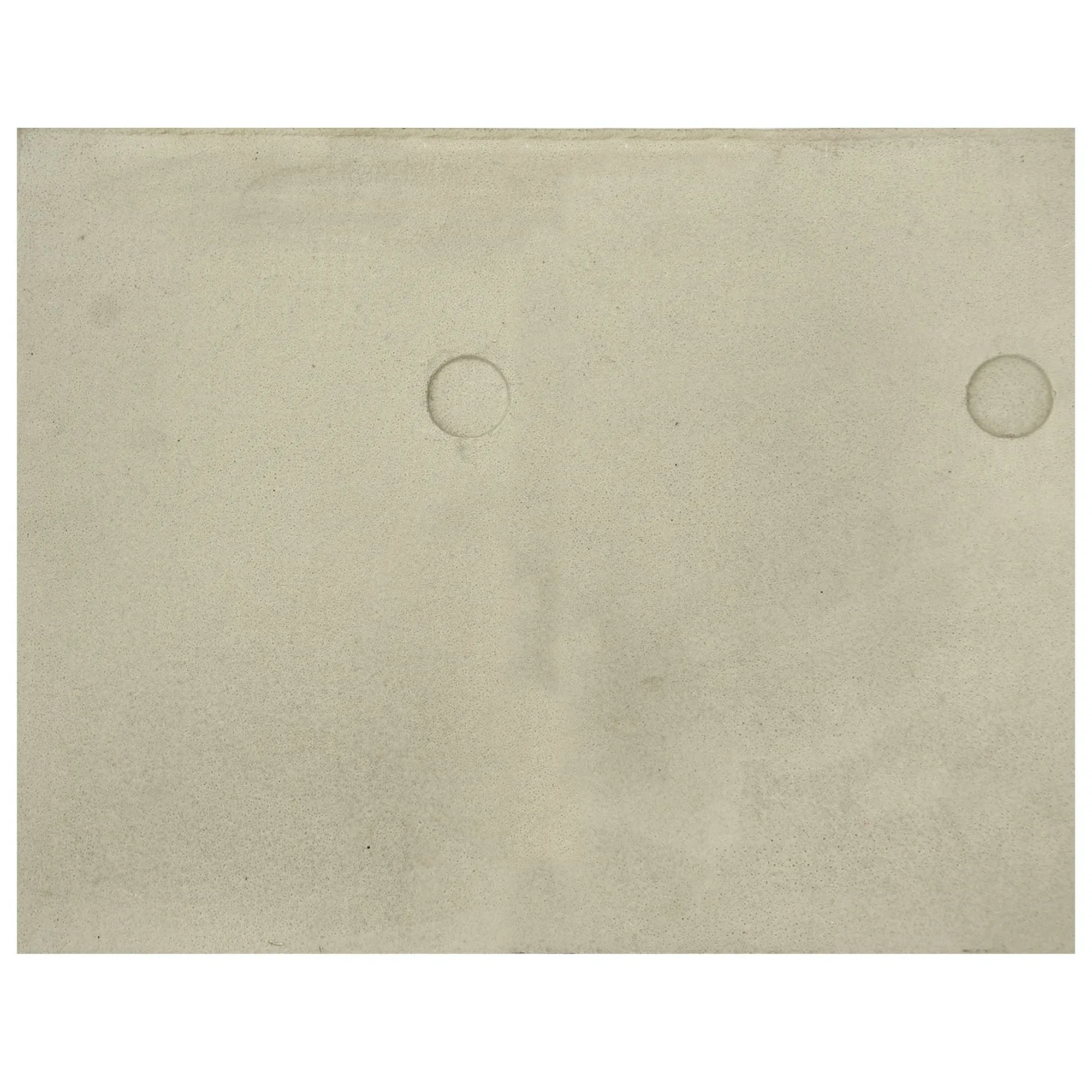
A New Era: How
COLORIA GROUP
and MCM are Redefining Fair-Faced Concrete
This is where innovation truly shines. Recognizing the strong demand for the fair-faced concrete look, coupled with the significant challenges of achieving it traditionally, companies like
COLORIA GROUP
have pioneered advanced material solutions. Our core offering,
MCM (Modified Cementitious Material)
, is a game-changer, offering a way to capture the essence of fair-faced concrete without the inherent risks, costs, and complexities.
COLORIA GROUP
stands as a leading
one-stop solution provider
in architectural materials, with decades of industry experience. Our focus has always been on delivering high-quality, innovative solutions for both residential and commercial projects globally, with a strong presence in regions like Saudi Arabia. We understand the nuances of architectural design and the practicalities of construction, which has driven our development of the MCM product line.
Understanding MCM: The Science Behind the Solution
So, what exactly is
MCM (Modified Cementitious Material)
? Think of it as a highly engineered, advanced composite material primarily composed of modified cement, mineral powders, and various additives, all bound together with a specialized polymer. Crucially, it's
not
just a thin veneer or a paint; it's a robust material designed to mimic the aesthetic and tactile qualities of natural materials, including stone, brick, timber, and yes, fair-faced concrete, with remarkable fidelity.
The modification process significantly enhances the material's properties, making it incredibly flexible, lightweight, durable, and highly workable. Unlike traditional concrete, which is poured and sets in place, MCM is often manufactured into thin sheets or panels, or even sculpted, allowing for unparalleled control over the final finish.
Key Advantages of
COLORIA GROUP
's MCM for Fair-Faced Concrete Aesthetic
Here's why our MCM products are rapidly becoming the preferred choice for architects and builders looking to achieve the fair-faced concrete look:
-
Unmatched Aesthetic Control and Consistency:
With MCM, we eliminate the unpredictability of on-site concrete pours. Our manufacturing process allows for precise control over color, texture, and pattern. This means you can achieve a consistent fair-faced concrete look across an entire facade or interior, something incredibly difficult with traditional methods. We can meticulously replicate the subtle variations, aggregate exposure, and even the formwork textures that define authentic fair-faced concrete. This level of control empowers designers to realize their vision without compromise.
-
Significantly Lighter Weight:
One of the most immediate benefits of MCM is its reduced weight. Traditional fair-faced concrete often adds considerable load to a structure, requiring robust structural support, which in turn increases foundation costs and overall construction complexity. MCM panels are remarkably thin and lightweight, drastically reducing the dead load on buildings. This makes it ideal for facade renovations, high-rise buildings, and projects where structural weight is a critical consideration. Easier handling also means faster and safer installation.
-
Enhanced Flexibility and Durability:
Despite its thinness, MCM boasts impressive strength and flexibility. The modified composition gives it a tensile strength that far surpasses traditional concrete, making it resistant to cracking, chipping, and impact damage. Its flexibility also means it can accommodate minor structural movements without compromise, providing a more resilient finish for both
interior and exterior decoration
. This material stands up exceptionally well to harsh weather conditions, UV exposure, and environmental pollutants, ensuring long-term aesthetic integrity.
-
Superior Installation Efficiency:
Because MCM comes in pre-manufactured panels or sheets, installation is dramatically faster and simpler than pouring and curing concrete on-site. It requires less specialized equipment and fewer highly specialized trades, reducing labor costs and project timelines. This efficiency translates directly into cost savings and earlier project completion. The controlled factory environment also means less waste and a cleaner construction site.
-
Truly
Green and Eco-friendly
:
This is a cornerstone of our philosophy at
COLORIA GROUP
. Our MCM products are manufactured using natural inorganic raw materials and a proprietary low-temperature firing process. This significantly reduces energy consumption and carbon emissions compared to traditional cement production. Furthermore, MCM is often made from recycled content and is fully recyclable itself. Its lightweight nature also reduces transportation fuel consumption. Choosing MCM means making a conscious decision towards sustainable building practices without sacrificing aesthetic quality.
-
Unparalleled
Customization
Options:
Beyond replicating standard fair-faced concrete, MCM offers incredible versatility. We can
customize
colors, textures, and even incorporate specific patterns or designs into the panels. Want a specific aggregate exposure? A particular type of formwork imprint? A specific joint pattern? MCM allows for this level of bespoke design, empowering architects to create truly unique and personalized architectural statements that would be prohibitively expensive or technically impossible with traditional concrete.
-
Reduced Maintenance:
MCM surfaces are designed to be low maintenance. They are inherently resistant to staining, efflorescence, and fungal growth. A simple cleaning routine is usually sufficient to maintain their pristine appearance over time, reducing the need for costly and frequent upkeep associated with some traditional concrete finishes.
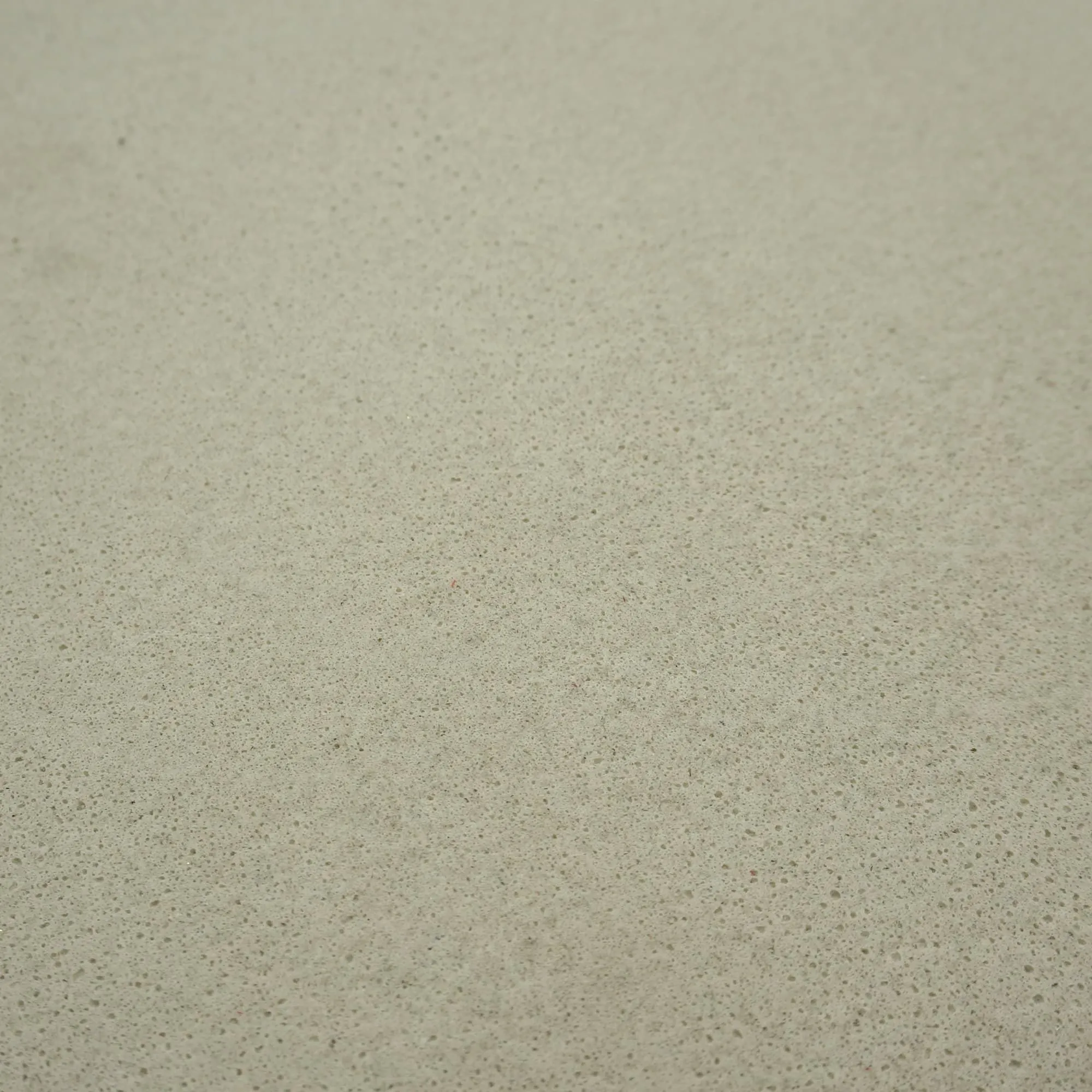
COLORIA GROUP's MCM Product Series for Architectural Versatility
At
COLORIA GROUP
, we've developed a comprehensive range of MCM products, each tailored to specific architectural needs, ensuring that whether you're working on a sprawling commercial complex or a bespoke residential interior, you have the perfect solution. Our products are designed for both
interior and exterior decoration
, providing seamless design possibilities.
-
Grand Scale, Seamless Look:
These are large-format panels, often mimicking the expansive, monolithic appearance of cast-in-place concrete walls. The large dimensions minimize joint lines, creating a clean, modern aesthetic perfect for large facades, feature walls, and public spaces where an imposing yet refined presence is desired.
-
Efficiency in Installation:
Despite their size, they are lightweight and easier to handle than massive concrete slabs, accelerating installation while reducing structural requirements.
-
Ideal for:
Modern commercial buildings, high-end residential exteriors, public galleries, and large interior feature walls.
-
Versatility for Volume Projects:
This series is designed with the practicalities of large-scale construction projects in mind. Available in various standard sizes, it offers a balance of aesthetic quality, cost-effectiveness, and ease of application.
-
Standardized Excellence:
While still offering extensive
customization
in terms of texture and color, this series focuses on delivering consistent quality and performance for projects requiring a significant volume of material.
-
Ideal for:
Multi-residential developments, office buildings, educational institutions, and any project needing a reliable and attractive fair-faced concrete finish at scale.
-
Unleashing Design Freedom:
This is where architectural imagination truly takes flight. Our 3D printing capabilities allow for the creation of intricate, complex, and highly textured surfaces that are virtually impossible or prohibitively expensive to achieve with traditional concrete.
-
Sculptural and Artistic:
From deeply sculpted patterns to bespoke textures, and even customized artistic elements that can mimic the raw, organic feel of weathered concrete or specific formwork impressions, this series offers unprecedented design flexibility.
-
Ideal for:
Signature architectural features, artistic installations, highly
customized
facades, branded elements, and any project seeking a truly unique and impactful fair-faced concrete expression.
-
The Ultimate in Adaptability:
While distinct from traditional fair-faced concrete, our Flexible Stone series can be engineered to capture the granular, rugged aesthetic often associated with exposed concrete surfaces, particularly those with coarse aggregate exposure or a more weathered appearance. The 'flexible' aspect is key here.
-
Bend It, Wrap It:
This product's inherent flexibility allows it to be applied to curved surfaces, complex geometries, or existing structures where rigid panels wouldn't work. It's incredibly thin and lightweight, making it perfect for renovations or adding a fair-faced concrete touch without significant structural modifications.
-
Seamless Integration:
Its flexibility allows for smooth transitions and wraps around corners, creating a continuous, uninterrupted fair-faced concrete appearance.
-
Ideal for:
Column cladding, curved walls, intricate architectural details, furniture surfaces, and applications where traditional rigid concrete is simply not feasible. It's an excellent choice for achieving a refined, yet raw aesthetic with maximum adaptability.
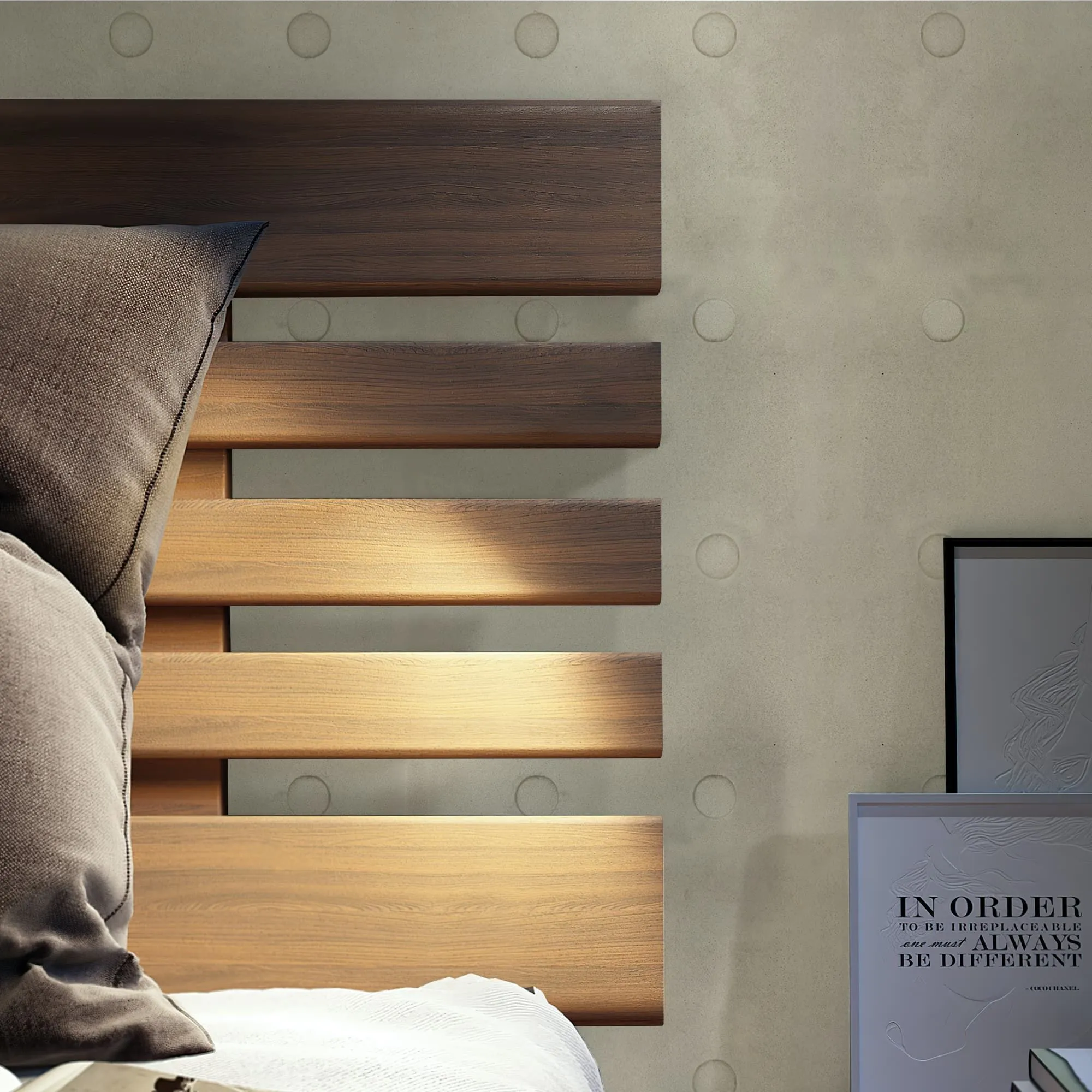
Real-World Impact: How MCM Transforms Projects
Let's put this into perspective. Imagine an architect tasked with designing a new cultural center. They envision a powerful, Brutalist-inspired facade, with expansive fair-faced concrete walls. Traditionally, this would involve a complex and costly dance of specialized formwork, highly skilled concrete crews, and constant vigilance against defects that could mar the final look. Delays due to weather or curing issues would be a constant threat.
With
COLORIA GROUP
's MCM Big Slab Board Series, that architect can achieve the exact same aesthetic vision, but with predictable results, faster installation, and a significantly reduced environmental footprint. The panels arrive on site, ready for installation, perfectly replicating the desired concrete texture and color, allowing the project to proceed smoothly and efficiently. This is the power of a true
one-stop solution provider
.
A Closer Look at Sustainability: The
Green and Eco-friendly
Advantage
In today's construction climate, sustainability isn't just a buzzword; it's a fundamental requirement. Traditional concrete, while incredibly useful, faces increasing scrutiny for its environmental impact, particularly the CO2 emissions from cement production.
COLORIA GROUP
's MCM offers a compelling alternative for projects committed to environmental stewardship.
Our commitment to being
green and eco-friendly
isn't just about manufacturing. It extends through the entire product lifecycle:
-
Reduced Raw Material Consumption:
MCM is a composite material that requires less virgin raw material extraction compared to traditional concrete for the same surface area.
-
Lower Energy Manufacturing:
The production process for MCM operates at much lower temperatures than cement kilns, drastically cutting down on energy consumption and associated greenhouse gas emissions.
-
Minimized Waste:
Precision manufacturing reduces waste during production, and the modular nature of MCM panels helps minimize on-site waste.
-
Lightweight for Reduced Transport Emissions:
The significantly lighter weight of MCM panels means less fuel is consumed during transportation from the factory to the job site.
-
Durability and Longevity:
A product that lasts longer requires less frequent replacement, further reducing its lifetime environmental impact.
-
Recyclability:
Many MCM compositions are designed to be recyclable at the end of their useful life, contributing to a circular economy model.
By choosing MCM, architects and builders can confidently integrate the stunning fair-faced concrete aesthetic into their designs while adhering to stringent sustainability goals, offering their clients not just beauty, but also environmental responsibility.
The Power of
Customization
: Beyond Standard Concrete
One of the most exciting aspects of MCM technology, particularly from a design perspective, is the degree of
customization
it offers. Traditional fair-faced concrete, while aesthetically powerful, is limited by the physical properties of concrete and the chosen formwork. If you wanted a unique texture or a very specific color blend, it was often a costly, risky, or even impossible endeavor.
With
COLORIA GROUP
's MCM, the canvas is wide open. We can tailor:
-
Color Palette:
From a range of grays – cool, warm, light, dark – to subtle earth tones or even bespoke color blends, the possibilities are extensive. This allows for perfect integration with existing material palettes or the creation of entirely new, distinct looks.
-
Surface Texture:
Replicate the smooth sheen of polished concrete, the rough grain of timber-formed concrete, the distinct lines of board-formed concrete, or create entirely new, abstract textures. Our MCM 3D Printing Series takes this to another level, allowing for deeply sculpted, geometric, or organic patterns.
-
Panel Size and Shape:
While we have standard sizes, we can produce panels in dimensions that precisely fit your design, minimizing cuts and waste on site, and creating seamless, expansive surfaces or intricate modular patterns.
-
Joint Patterns and Details:
The way panels are joined can significantly impact the final aesthetic. MCM allows for precise control over joint width, depth, and even color, enabling the creation of intricate patterns or near-invisible seams.
This level of
customization
means that architects are no longer limited by the constraints of conventional materials but can push the boundaries of design, realizing truly unique and personalized fair-faced concrete expressions for every project. It empowers creativity and ensures that each building can tell its own unique story through its facade and interior finishes.
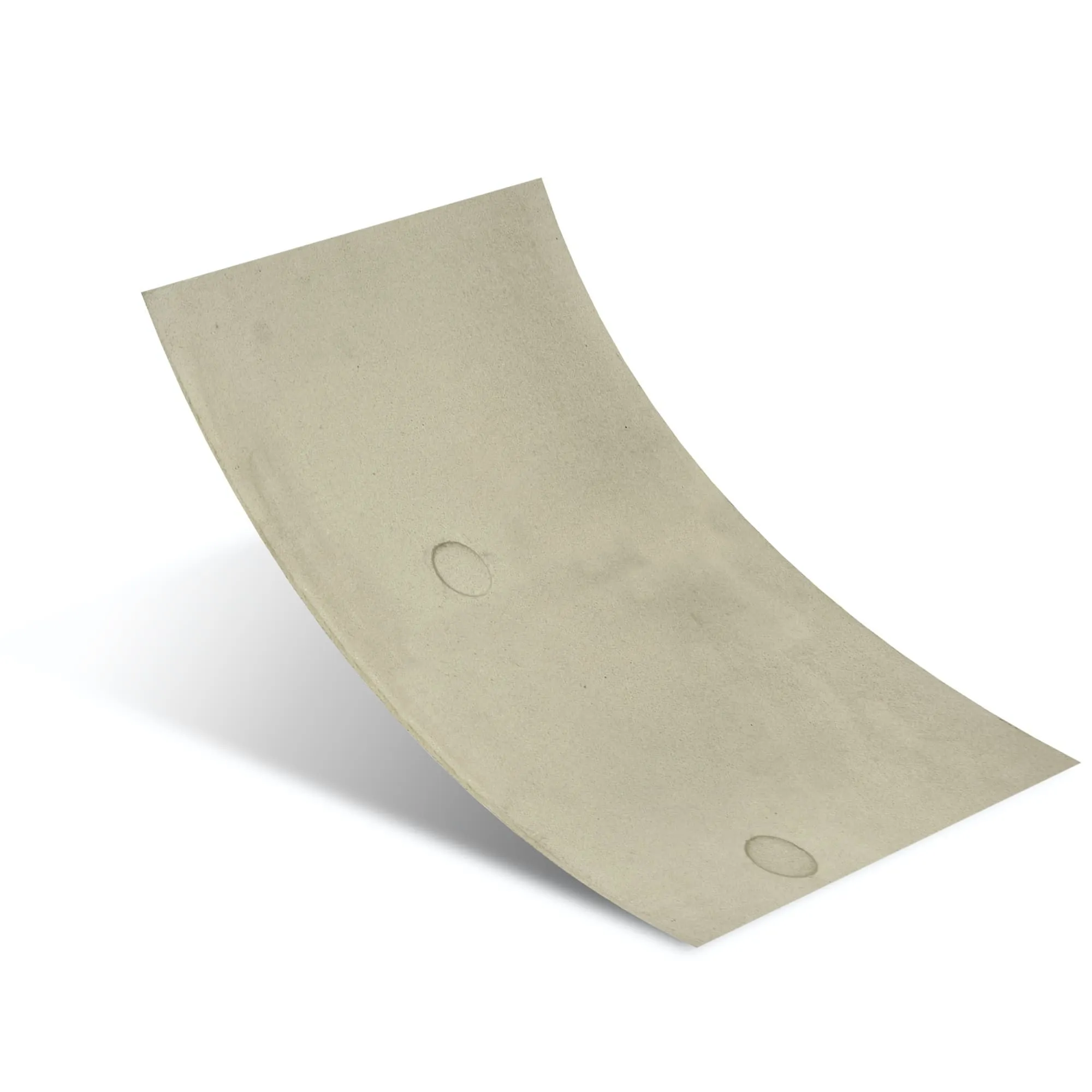
The Practicalities: Installation, Maintenance, and Longevity
Beyond aesthetics and sustainability, practical considerations like installation and long-term performance are crucial for architects and builders.
COLORIA GROUP
's MCM products are designed with these in mind.
Streamlined Installation
MCM panels are typically installed using mechanical fasteners or specialized adhesives onto a prepared substrate, or as part of a ventilated facade system. The process is clean, efficient, and less dependent on weather conditions than traditional concrete pouring. This means:
-
Faster Project Completion:
Reduced installation time directly translates to meeting tighter deadlines and earlier occupancy.
-
Reduced Labor Costs:
The simplified installation process requires fewer specialized trades and less on-site supervision.
-
Less On-Site Disruption:
No messy concrete pours, extensive formwork, or lengthy curing times mean a cleaner, safer, and less disruptive construction environment.
-
Quality Control:
Since the panels are manufactured under controlled factory conditions, the quality and consistency are assured before they even arrive on site.
Low Maintenance, Enduring Beauty
The inherent properties of MCM make it an exceptionally low-maintenance material. Its dense, non-porous surface resists water penetration, preventing staining and the growth of mold or algae. Unlike traditional concrete which can absorb pollutants or show efflorescence, MCM maintains its crisp, fair-faced appearance with minimal effort.
-
Simple Cleaning:
Regular cleaning with mild soap and water is usually sufficient to keep surfaces looking new.
-
Resilience:
Resistant to UV radiation, frost-thaw cycles, and general atmospheric pollutants, ensuring the aesthetic integrity is preserved over decades.
-
No Repainting or Re-rendering:
The color and texture are integral to the material, eliminating the need for periodic reapplication of finishes.
Longevity and Performance
COLORIA GROUP
's MCM products are engineered for the long haul. With proper installation, they offer exceptional durability and a long service life, outperforming many traditional finishing materials. This longevity, combined with low maintenance, contributes to a lower total cost of ownership over the building's lifespan. Our commitment to rigorous testing and quality assurance means architects and builders can specify MCM with confidence, knowing they are choosing a material that will perform reliably and beautifully for years to come.
Beyond the Facade: MCM for
Interior and Exterior Decoration
While often celebrated for exterior facades, the versatility of
COLORIA GROUP
's MCM extends seamlessly to
interior decoration
. The appeal of a raw, minimalist fair-faced concrete look is equally compelling indoors, whether in a chic urban loft, a modern office space, or a contemporary retail environment.
For interiors, MCM offers all the aesthetic benefits of concrete without the challenges of structural concrete inside. Its lightweight nature is a huge advantage, allowing it to be applied to almost any wall without significant structural reinforcement. Furthermore, the absence of dust and mess associated with traditional concrete work makes it a much cleaner option for interior fit-outs.
Imagine:
-
Feature Walls:
Create stunning focal points with a textured fair-faced concrete wall in a living room, lobby, or conference room.
-
Retail Displays:
Use MCM to build a robust, industrial-chic backdrop for merchandise.
-
Kitchen Backsplashes and Island Cladding:
Its durability and resistance to moisture make it a practical and stylish choice.
-
Bathroom Walls:
Achieve a spa-like, minimalist aesthetic that is also highly functional.
-
Ceiling Features:
Lightweight panels can easily transform a plain ceiling into an architectural statement.
The ability to maintain a consistent fair-faced concrete aesthetic from the exterior facade right through to the interior spaces creates a cohesive and powerful architectural narrative, a testament to the comprehensive nature of our
one-stop solution provider
approach.
Why Partner with
COLORIA GROUP
?
Choosing a material is one thing; choosing the right partner to supply it is another. At
COLORIA GROUP
, we pride ourselves on being more than just a material supplier; we are your dedicated
one-stop solution provider
for architectural materials, particularly in the realm of advanced cementitious applications. With decades of industry experience and a global footprint, including a robust agency network in regions like Saudi Arabia, we bring unparalleled expertise to every project.
Our Commitment to You:
-
Expert Guidance:
Our team possesses deep knowledge of architectural materials and construction practices. We work closely with architects and builders from conception to completion, offering technical support, material selection advice, and customized solutions to meet specific project demands.
-
Quality Assurance:
Every MCM product that leaves our factory undergoes stringent quality control processes. We are committed to delivering materials that not only meet but exceed industry standards for performance and aesthetics.
-
Innovation at Our Core:
We continuously invest in research and development to push the boundaries of material science. Our MCM technology is a testament to this, and we're always exploring new ways to enhance sustainability, durability, and aesthetic possibilities.
-
Global Reach, Local Support:
Our extensive network ensures that wherever your project is located, you have access to our products and responsive local support. This global-local approach allows us to understand regional architectural trends and construction challenges, tailoring our solutions accordingly.
-
Comprehensive Solutions:
From initial design consultations to material specification, production, and logistical support, we offer a complete package. This
one-stop solution provider
approach simplifies the procurement process for our clients, ensuring a smooth and efficient project workflow.
Comparative Overview: Traditional Fair-Faced Concrete vs.
COLORIA GROUP
's MCM
To summarize the distinct advantages, let's look at a comparative table highlighting the key differences and benefits:
|
Feature
|
Traditional Fair-Faced Concrete
|
COLORIA GROUP's MCM (Modified Cementitious Material)
|
|
Aesthetic Control
|
Fair-Faced Concrete">
High risk of inconsistencies (color variation, bug holes, cold joints). Unpredictable outcome due to on-site factors.
|
Precise and consistent control over color, texture, and pattern. Factory-produced for predictable, high-quality finish.
|
|
Weight
|
Fair-Faced Concrete">
Heavy, requiring significant structural support and foundations.
|
Significantly lightweight, reducing structural load and enabling wider application (e.g., renovations, high-rises).
|
|
Flexibility & Formability
|
Fair-Faced Concrete">
Rigid, difficult for complex shapes or curved surfaces.
|
Highly flexible (especially Flexible Stone series), suitable for curved surfaces and intricate designs. Can be 3D printed for complex geometries.
|
|
Installation
|
Fair-Faced Concrete">
Complex, labor-intensive, time-consuming. Highly dependent on skilled labor and weather conditions. Lengthy curing.
|
Fast, clean, and efficient panel installation. Less weather-dependent. Reduced labor requirements and faster project completion.
|
|
Cost Implications
|
Fair-Faced Concrete">
High initial costs due to specialized formwork, skilled labor, and risk of rework.
|
Lower overall project costs due to faster installation, reduced labor, minimal waste, and predictable outcomes.
|
|
Sustainability
|
Fair-Faced Concrete">
High carbon footprint from cement production. Significant raw material consumption.
|
Green and Eco-friendly
: Low energy manufacturing, reduced carbon emissions, often made from recycled content, lightweight for reduced transport impact, recyclable.
|
|
Maintenance
|
Fair-Faced Concrete">
Can be prone to staining, efflorescence, cracking if not perfectly sealed and maintained.
|
Low maintenance, resistant to staining, mold, and UV. Durable finish requiring simple cleaning.
|
|
Customization
|
Fair-Faced Concrete">
Limited by formwork and concrete mix properties. Difficult to achieve bespoke textures/colors consistently.
|
Exceptional
customization
in color, texture, pattern, and size, enabling unique architectural expressions (e.g., 3D Printing Series).
|
|
Application Scope
|
Fair-Faced Concrete">
Primarily structural and facade elements.
|
Versatile for both
interior and exterior decoration
, facades, feature walls, ceilings, and complex architectural details.
|
|
Reliability
|
Fair-Faced Concrete">
High risk of on-site issues and rework impacting schedule and budget.
|
High reliability and predictability due to factory-controlled manufacturing and consistent material properties.
|
Conclusion: Embracing the Future of Fair-Faced Aesthetics
Fair-faced concrete remains an enduring symbol of architectural elegance and honesty. Its raw beauty and structural integrity resonate deeply with designers and clients alike. However, the traditional methods of achieving this aesthetic have long presented significant hurdles in terms of cost, complexity, and predictability.
The advent of advanced materials like
MCM (Modified Cementitious Material)
from
COLORIA GROUP
has fundamentally shifted this landscape. We offer architects and builders an innovative pathway to realize the stunning fair-faced concrete look, not just with fidelity, but with enhanced control, efficiency, sustainability, and unprecedented
customization
. As a dedicated
one-stop solution provider
,
COLORIA GROUP
empowers you to transform architectural visions into tangible realities, ensuring your projects stand out for their beauty, durability, and environmental responsibility, whether for grand facades or intricate
interior and exterior decoration
.
By embracing these modern material innovations, you can confidently specify and construct buildings that not only capture the timeless appeal of fair-faced concrete but also meet the rigorous demands of contemporary design, construction, and sustainability. The future of architectural concrete aesthetics is here, and it's more accessible, adaptable, and responsible than ever before.