
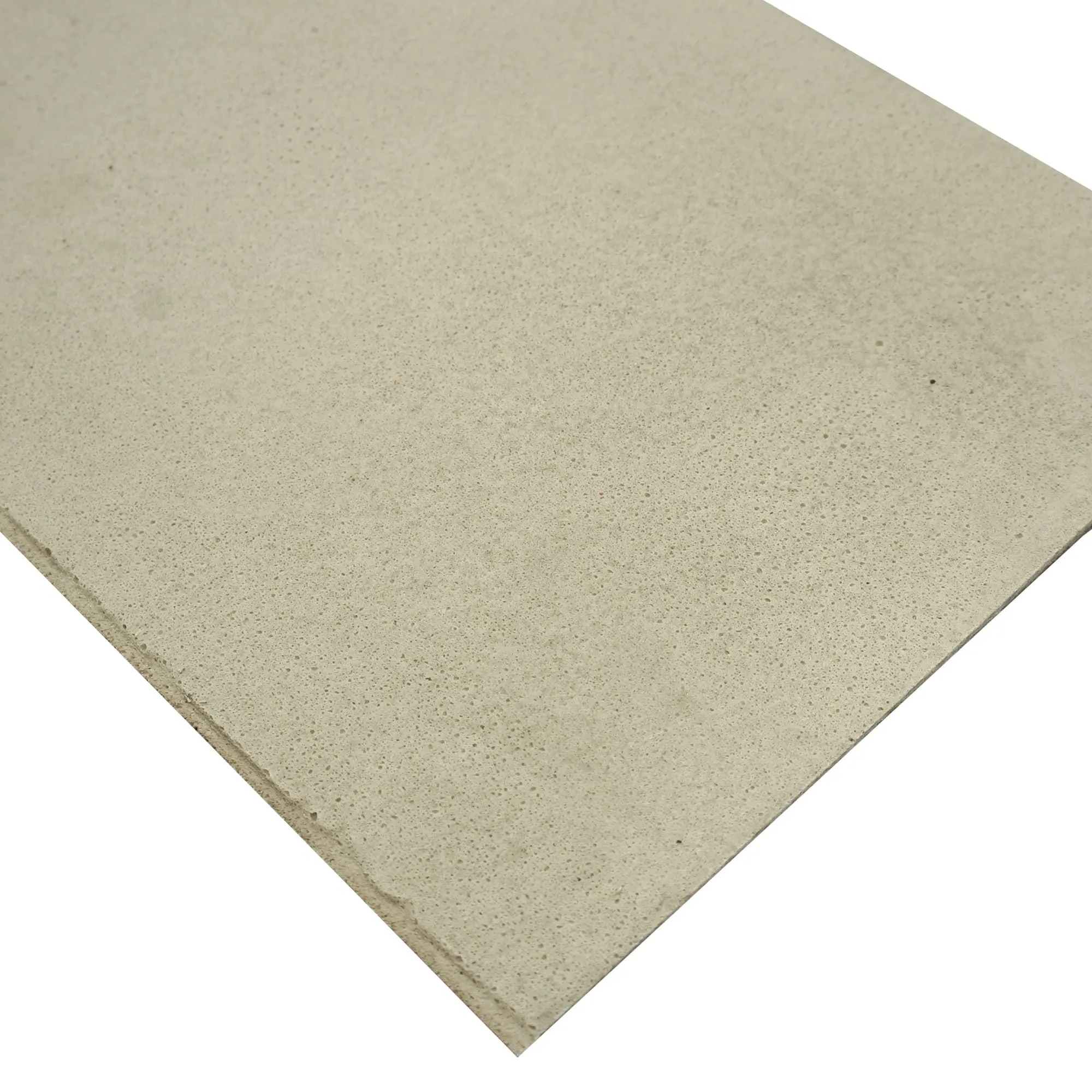
Walk into almost any modern, upscale hotel or trendy boutique establishment today, and you'll likely notice a striking aesthetic that's both raw and refined: fair-faced concrete. It's no longer just for industrial spaces or Brutalist architecture; this design choice has carved out a significant niche in the hospitality sector, captivating designers and guests alike with its understated elegance and surprisingly warm, inviting vibe. But achieving this look, especially across diverse projects and global markets, can present a myriad of challenges. This is where innovation steps in, offering smarter, more sustainable ways to bring this coveted aesthetic to life without compromise.
The allure of fair-faced concrete lies in its authenticity. It's a material that speaks volumes without shouting, offering a backdrop that highlights intricate decor, lush textiles, or vibrant artworks. Its characteristic textures, from the subtle sheen to the visible aggregate, tell a story of craftsmanship and honest materials. For hotels, this translates into spaces that feel grounded, sophisticated, and genuinely unique. It's about creating an atmosphere where guests can unwind in an environment that feels both contemporary and timeless, a comfortable sanctuary away from the usual.
Why has this particular style gained such traction? It boils down to a few key elements that resonate deeply with modern travelers. Firstly, there's the industrial charm . It evokes a sense of history, a nod to manufacturing and urban grit, yet when softened with thoughtful lighting, plush furnishings, and natural elements like wood or greenery, it transforms into something surprisingly luxurious. This juxtaposition is incredibly powerful, creating visual interest and a layered aesthetic that feels both edgy and comforting.
Secondly, fair-faced concrete offers incredible versatility. While it might seem monolithic, its appearance can vary significantly based on the type of formwork used, the finish, and even the natural imperfections that are often embraced as part of its character. This allows architects and interior designers immense freedom to tailor the look to a hotel's specific brand identity – from rugged and minimalist to sleek and polished. It's a blank canvas that provides a strong foundational element for any design scheme, allowing other design components to truly shine.
Lastly, there's the perception of durability and longevity. Guests appreciate materials that feel substantial and well-built. Concrete, by its very nature, projects an image of strength and permanence. In the demanding environment of a hotel, where high traffic and frequent use are the norm, materials that can withstand the test of time without losing their aesthetic appeal are invaluable. However, traditional concrete, for all its strengths, comes with its own set of practical challenges that can make it less than ideal for every project, especially when pursuing intricate designs or aiming for specific performance metrics.
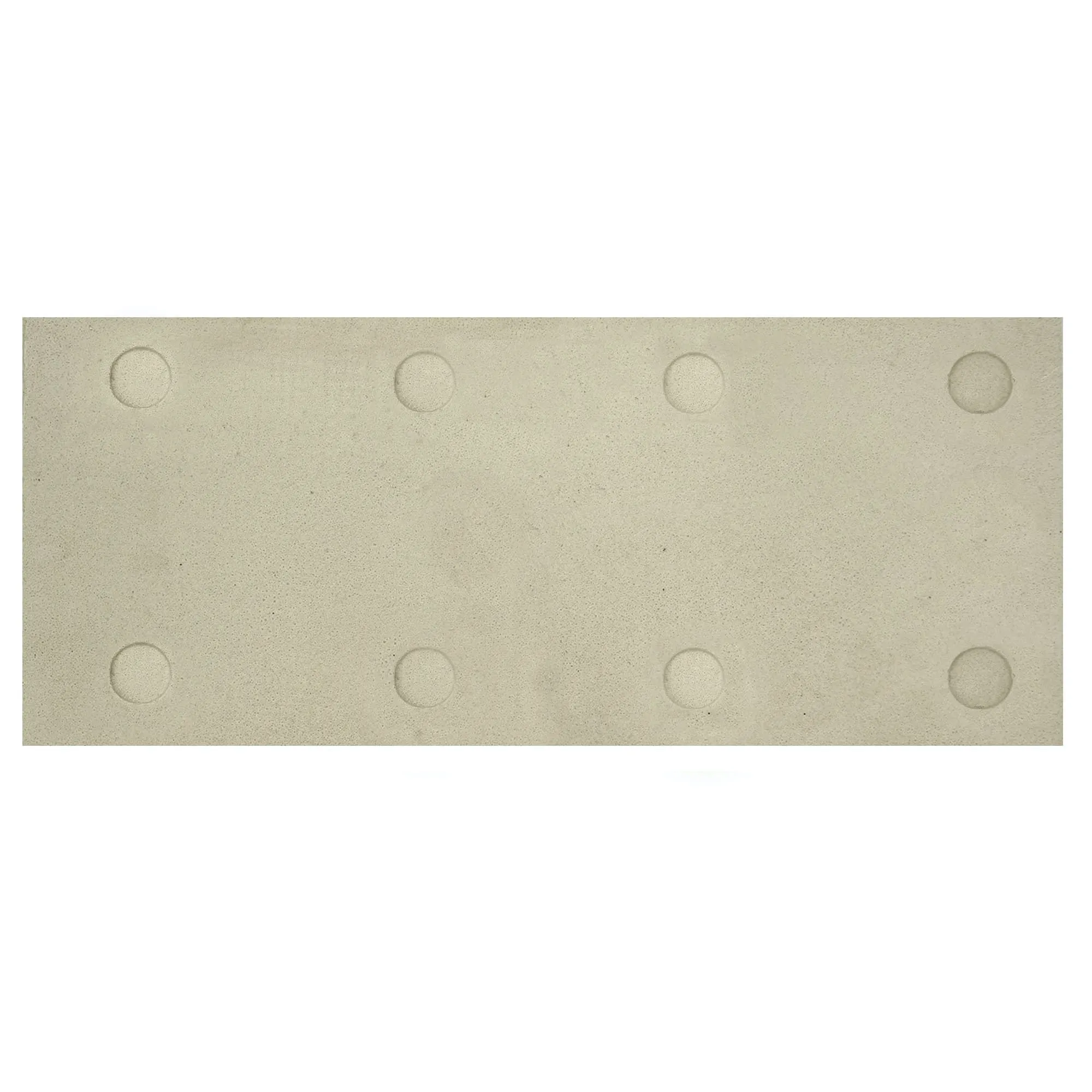
While the aesthetic benefits of fair-faced concrete are undeniable, working with traditional poured concrete in large-scale hospitality projects often introduces significant complexities. Architects and developers frequently face a spectrum of issues that can impact project timelines, budgets, and overall feasibility.
These challenges aren't insurmountable, but they do require careful planning and often come with a premium. This is precisely why the industry has been actively seeking innovative materials that can deliver the same stunning aesthetic with fewer headaches.
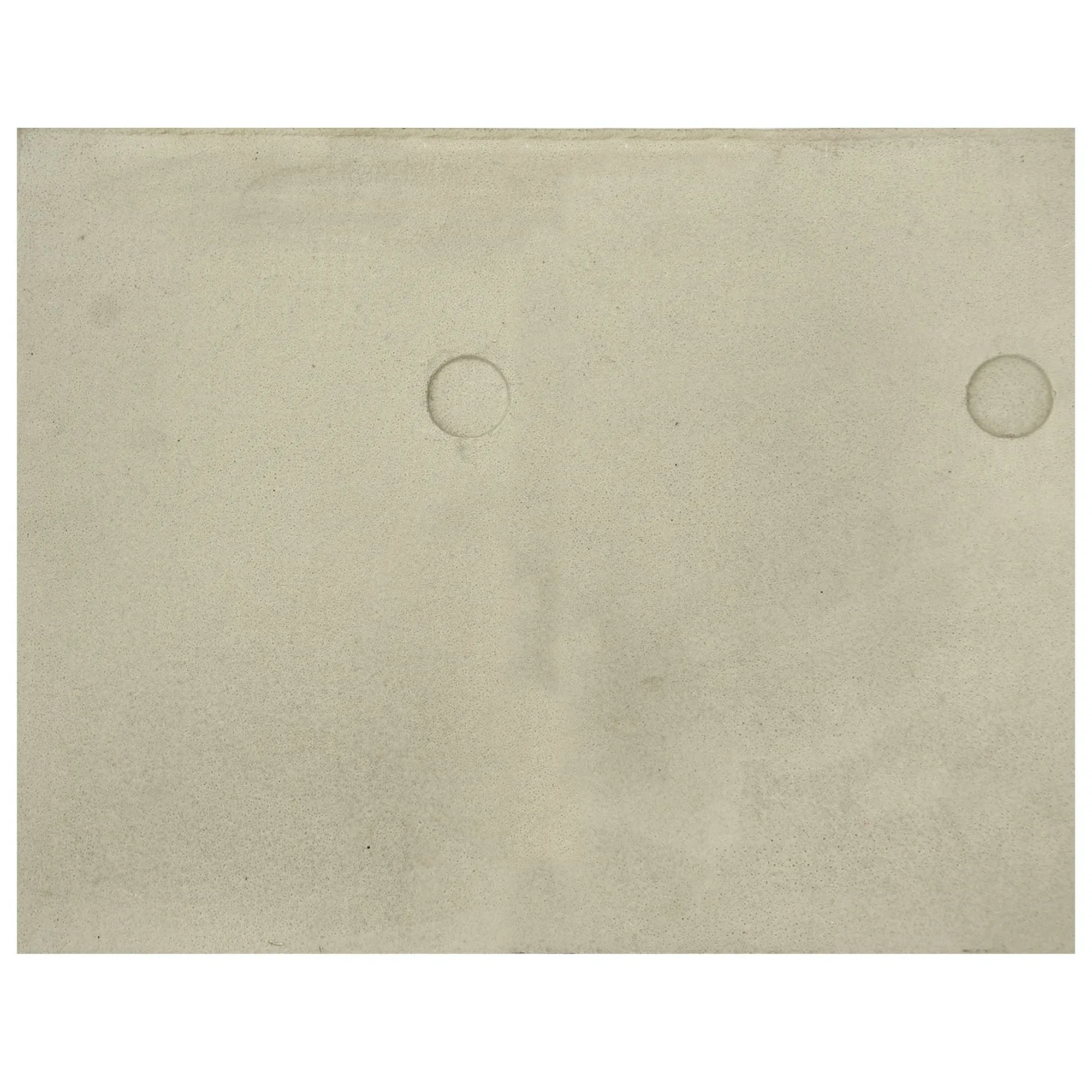
Enter COLORIA GROUP , a leader in providing comprehensive, architectural design solutions that meet the evolving demands of the global construction and interior design markets. With decades of industry experience and a strong presence in key markets like Saudi Arabia, COLORIA GROUP has distinguished itself as a one-stop solution provider for high-quality interior and exterior decoration materials. Our mission is to empower architects, designers, and developers to bring their most ambitious visions to life, seamlessly combining aesthetics, performance, and sustainability.
At the heart of our innovative offerings is our flagship MCM materials series. MCM, or Modified Cementitious Material, is a revolutionary class of eco-friendly, lightweight, and incredibly versatile composite materials. It's engineered to replicate the look and feel of a vast array of natural and traditional finishes, including the coveted fair-faced concrete, natural stone, wood, brick, and even leather, with astonishing realism. This means you can achieve that sought-after industrial charm, or any other aesthetic, without the inherent limitations of conventional materials.
What truly sets COLORIA GROUP's MCM materials apart is their unique composition and manufacturing process. Utilizing a blend of inorganic minerals, cementitious binders, and polymer additives, MCM products are flexible, breathable, and remarkably durable. They offer an unparalleled combination of aesthetic freedom and practical advantages, making them an ideal choice for the rigorous demands of hospitality design .
Our MCM product lines are specifically designed to address the challenges faced by the hospitality sector, offering superior alternatives for both new constructions and renovations. Let's look at how our key series redefine what's possible:
"In hospitality design, every detail counts towards the guest experience. COLORIA GROUP's MCM materials offer us the freedom to achieve stunning, durable, and sustainable aesthetics, allowing us to focus on creating unforgettable spaces without the traditional construction headaches. Their ability to faithfully replicate the warmth and character of fair-faced concrete, while offering customization and ease of installation, is truly game-changing."
– A Leading Hotel Architect, Middle East Region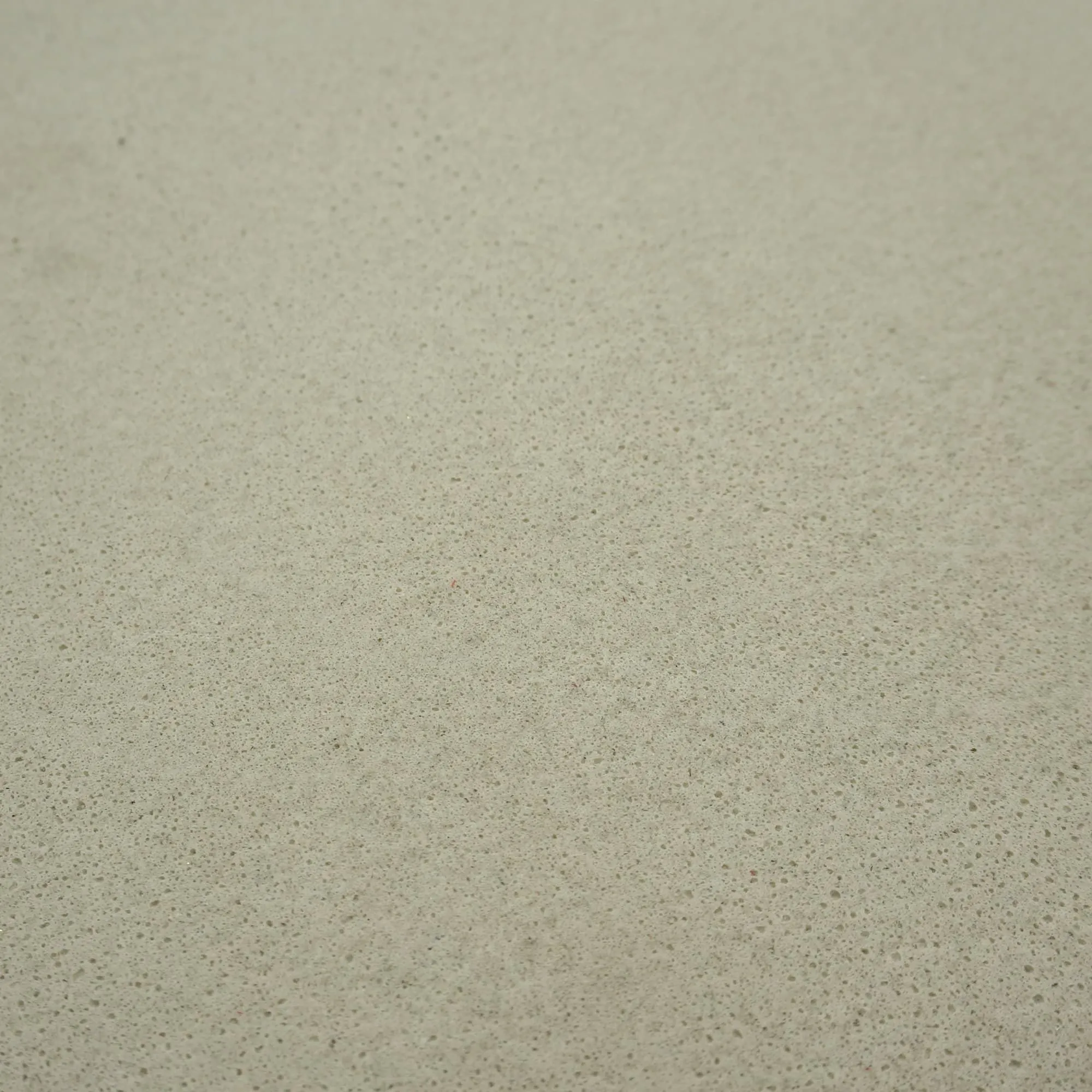
The theoretical benefits of MCM are compelling, but their real impact is felt in the practical advantages they offer throughout a project lifecycle, especially when aiming for that distinctive fair-faced concrete look in a hotel setting.
One of the most significant advantages of MCM materials, compared to traditional concrete or stone, is their remarkably low weight. This translates directly into substantial savings and design flexibility. For high-rise hotel developments, it means less demand for heavy structural foundations and frameworks, reducing material costs and construction time. For renovation projects, particularly in older buildings, MCM allows designers to introduce new aesthetics without overloading existing structures, often avoiding costly and time-consuming structural modifications. This lightweight property also simplifies handling and installation, reducing labor costs and making the construction process more efficient and safer.
COLORIA GROUP's MCM materials offer an unparalleled palette for creative expression. While fair-faced concrete is the focus here, our products can mimic virtually any texture and color. This means designers are no longer constrained by the limitations of a single material. Want a feature wall that looks like exposed concrete but with a subtle metallic sheen? Or a reception desk that combines the texture of raw concrete with a smooth, polished finish? MCM makes it possible. The MCM Big Slab Board Series and MCM 3D Printing Series are particularly powerful tools for realizing unique visions, allowing for bespoke patterns, textures, and even integrated artistic elements that elevate a hotel's interior beyond the ordinary. This level of customization ensures that every hotel can develop a distinct personality that resonates with its target audience.
Unlike traditional concrete, which involves wet trades, curing times, and potential mess, MCM materials are installed as pre-finished panels or sheets. This significantly reduces installation time and minimizes disruption on-site, a critical factor for operational hotels undergoing renovations or for new constructions aiming for rapid completion. The dry installation process means less debris, less noise, and a cleaner construction environment, which is beneficial for neighboring businesses and for maintaining a professional site. This efficiency translates into faster project handover and quicker revenue generation for hotel owners.
Hospitality environments demand materials that can withstand high traffic, frequent cleaning, and general wear and tear without losing their appeal. COLORIA GROUP's MCM materials are engineered for durability. They are resistant to fading, scratching, and water, making them ideal for high-traffic areas like lobbies, corridors, and even bathrooms. Their non-porous nature makes them easy to clean and maintain, resisting stains and preventing the growth of mold or mildew – a major advantage in maintaining hygiene standards and reducing operational costs for hotels. Unlike traditional concrete which can crack or chip, MCM offers a more resilient surface that retains its pristine look for longer.
As the world moves towards more sustainable practices, the demand for green building materials is skyrocketing. COLORIA GROUP's MCM materials are at the forefront of this movement. They are made from natural, inorganic materials, often utilizing recycled content, and their production process is significantly less energy-intensive than traditional cement or stone quarrying. Furthermore, their lightweight nature reduces transportation emissions, and their long lifespan minimizes the need for frequent replacement, contributing to a circular economy model. Choosing MCM for your hotel project is a tangible step towards achieving LEED certification or other green building accreditations, demonstrating a commitment to environmental responsibility that resonates with eco-conscious travelers.
While traditional concrete can be a poor insulator and reflect sound, MCM materials offer improved thermal and acoustic properties. Depending on the specific product and installation method, MCM can contribute to better insulation, helping to maintain comfortable indoor temperatures and potentially reducing energy consumption for heating and cooling. Additionally, some MCM formulations and installation techniques can help dampen sound, creating quieter and more pleasant environments for guests – a crucial element for ensuring a restful and enjoyable stay in a hotel.
| Feature/Benefit | Traditional Fair-Faced Concrete | COLORIA GROUP MCM Materials |
|---|---|---|
| Weight | Very heavy, requires significant structural support | Extremely lightweight (1/8th to 1/10th of traditional concrete) |
| Installation Time | Long, messy, weather-dependent (pouring, curing) | Fast, dry installation (pre-finished panels), minimal disruption |
| Design Flexibility | Limited post-pour, difficult for intricate shapes | High, customizable textures, patterns (incl. 3D printing), flexible stone options |
| Environmental Impact | High carbon footprint (cement production) | Low carbon footprint, made from natural/recycled materials, sustainable building materials |
| Maintenance | Prone to cracking/stains, challenging repairs | High durability, water-resistant, easy to clean, low maintenance |
| Application Scope | Primarily new construction, structural limitations | New construction, extensive renovations (even high-rise/curved surfaces) |
| Guest Experience | Can be cold, stark if not balanced; potential noise issues | Warm, inviting aesthetic; contributes to better acoustics/insulation |
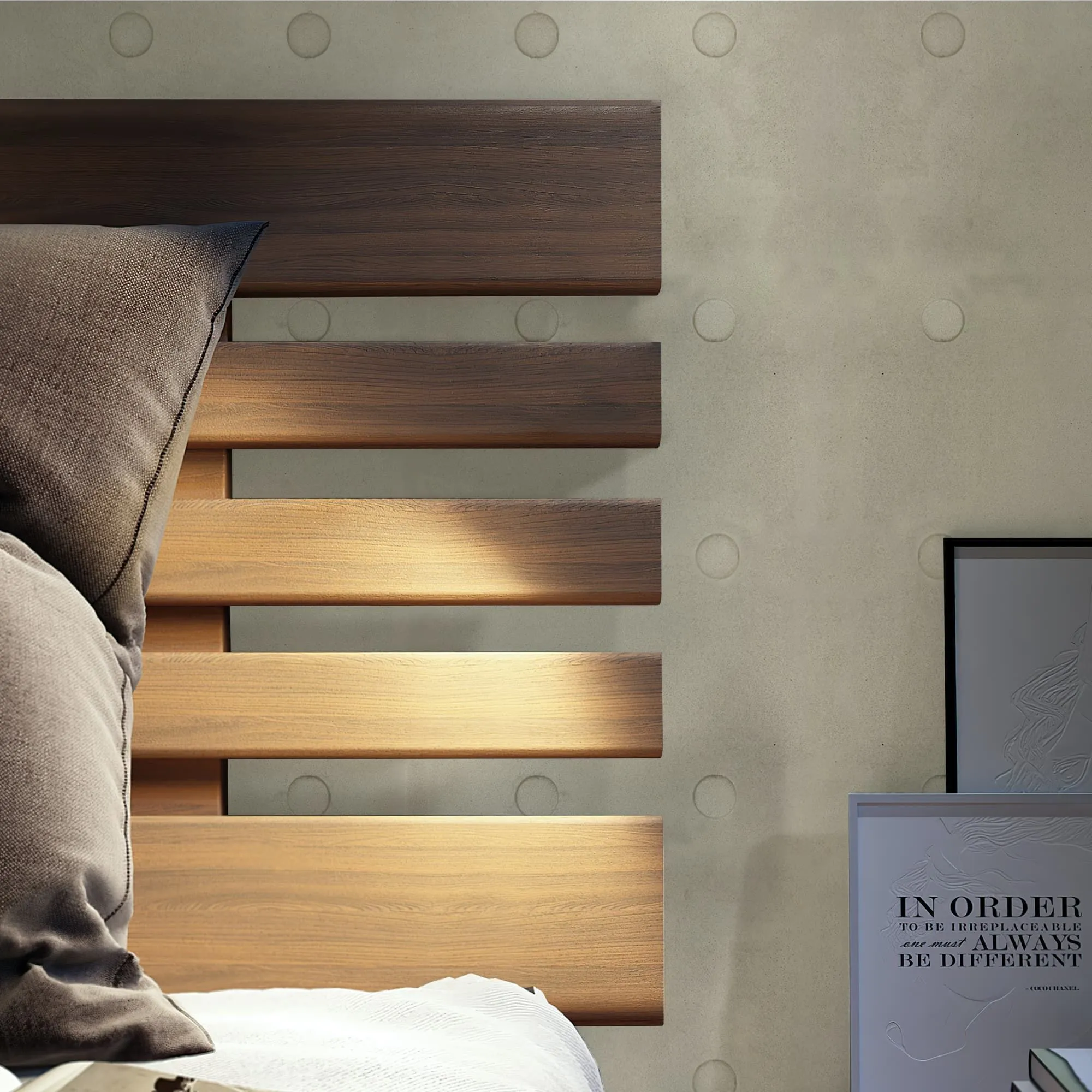
The versatility of COLORIA GROUP's MCM materials means they are suitable for nearly every area within a hotel, transforming spaces and elevating the guest experience. For the desired fair-faced concrete aesthetic, these applications are particularly impactful:
Our global reach, underscored by our agency in Saudi Arabia and extensive experience, ensures that COLORIA GROUP can deliver these sophisticated architectural design solutions to projects no matter their scale or location. We understand the nuances of diverse climates and construction practices, offering tailored support from concept to completion.
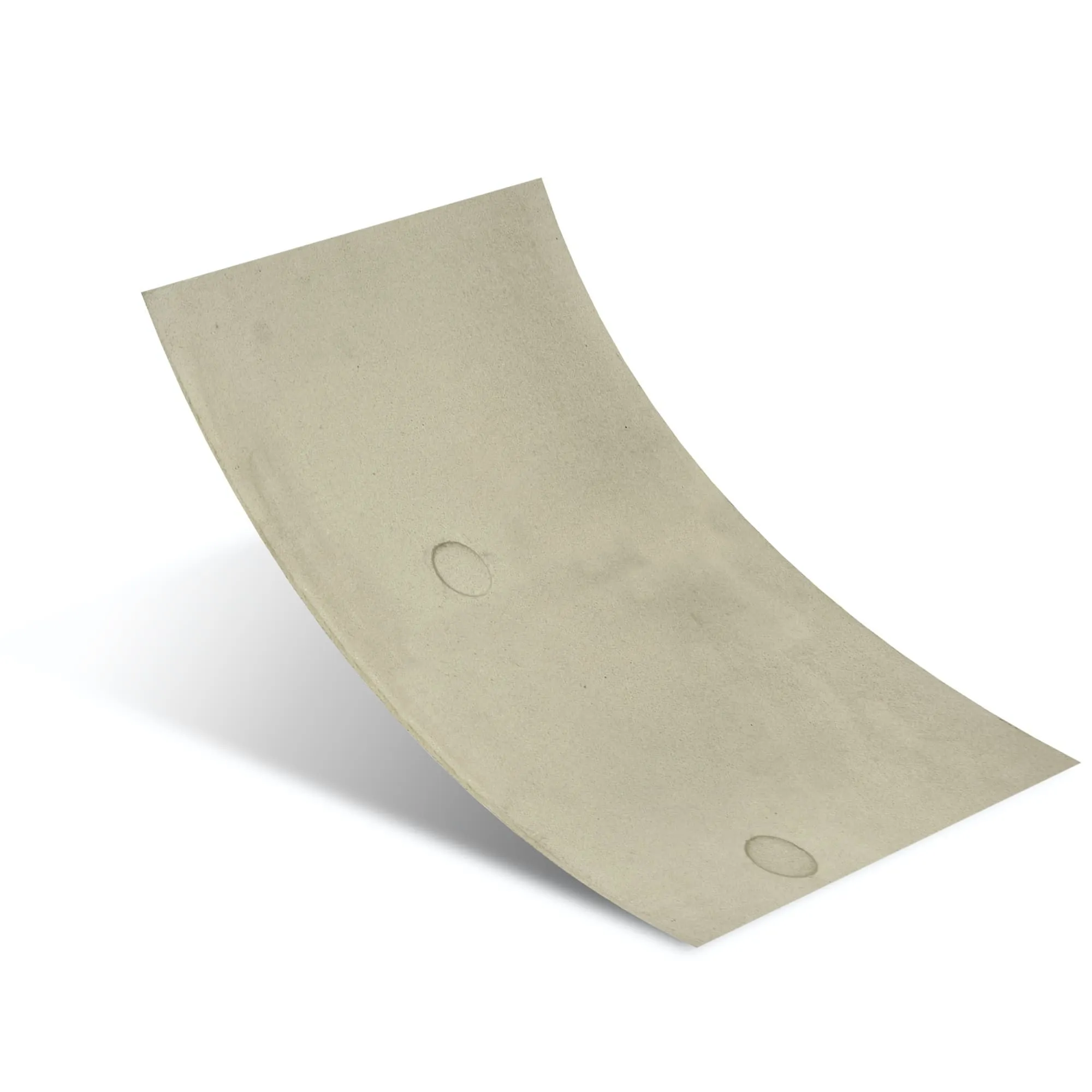
As the hospitality industry continues to evolve, embracing new technologies and prioritizing both guest experience and environmental responsibility, the choice of building materials becomes more critical than ever. The demand for that warm, industrial charm that fair-faced concrete brings isn't going away; if anything, it's growing stronger as designers seek to create more authentic, grounded, and Instagram-worthy spaces.
COLORIA GROUP is at the forefront of this evolution, offering MCM materials that not only meet but exceed the expectations of modern hotel design. We provide the tools for designers to achieve the sophisticated aesthetics they envision, free from the constraints and compromises of traditional construction. From the grand scale of MCM Big Slab Board Series in a luxurious lobby to the intricate details possible with the MCM 3D Printing Series in a bespoke suite, our products are designed to inspire and enable.
Our commitment to sustainable building materials means that choosing COLORIA GROUP is also choosing a greener path. Hotels can proudly showcase their beautiful, durable interiors knowing that they've made a responsible choice for the planet. This commitment resonates deeply with today's environmentally conscious traveler, enhancing a hotel's brand image and appeal.
Ultimately, the goal of hospitality design is to create memorable experiences. By utilizing innovative materials like MCM flexible stone and our various board series, hotels can craft environments that are not just aesthetically pleasing but also functional, durable, and sustainable. COLORIA GROUP is more than a material supplier; we are a partner in realizing visionary spaces, transforming design challenges into opportunities for innovation. We invite you to explore how our cutting-edge MCM solutions can elevate your next hospitality project, bringing that coveted fair-faced concrete charm and much more, into stunning reality.
The era of compromise in design is over. With COLORIA GROUP, the possibilities are as expansive as your imagination. Let's build the future of hospitality, one beautiful, sustainable surface at a time.
Recommend Products












