


The Timeless Appeal and Modern Challenges of Concrete
The love for fair-faced concrete in residential architecture isn't just a fleeting trend. It taps into something primal. Think of the works of Tadao Ando or Le Corbusier; the material itself becomes a central part of the design narrative. It's a canvas that plays with light and shadow, creating a dynamic facade that changes throughout the day. Its neutral grey palette allows landscaping and natural surroundings to pop, while its texture provides a sense of grounding and solidity.
In a world full of synthetic, mass-produced finishes, fair-faced concrete feels authentic. It doesn't hide what it is. This 'what you see is what you get' quality resonates with a design philosophy that values simplicity, minimalism, and structural honesty. For a homeowner, it signals a commitment to bold, confident design.
However, translating this architectural vision into reality is where the dream often collides with practical constraints. The traditional method of creating a fair-faced concrete wall is a monumental task. It involves:
- Intense Structural Demands: Concrete is incredibly heavy. The building's foundation and structure must be over-engineered to support tons of extra weight, adding significant cost and complexity from the very beginning of the project.
- Complex Formwork: To get that smooth surface, you need perfectly constructed molds, or formwork. Any imperfection in the formwork—a slight warp, a gap, or a rough texture—will be permanently imprinted on the concrete surface. This requires highly skilled, and therefore expensive, carpentry.
- On-Site Pouring Risks: The concrete mix itself must be perfect. The pouring process is a one-shot deal. Factors like temperature, humidity, and mixing consistency can all lead to undesirable outcomes like honeycombing (voids), color blotches, or cracks. A single mistake can compromise the entire wall, leading to costly and time-consuming repairs, if they are even possible.
- Environmental Concerns: Traditional cement production is one of the world's largest contributors to CO2 emissions. The sheer volume of cement, water, and aggregates required for a large residential project carries a significant environmental footprint.
For many homeowners and even developers, these challenges can make true fair-faced concrete a non-starter. The budget balloons, the construction timeline extends, and the risk of an imperfect finish is just too high. So, for years, the industry has been searching for a better way—a solution that delivers the aesthetic without the baggage.
The Revolution: Understanding MCM (Modified Cementitious Material)
Enter the game-changer: MCM. This acronym stands for Modified Cementitious Material, and it represents a paradigm shift in how we think about cladding and facade materials. At its core, MCM is a technologically advanced composite material, and companies like COLORIA GROUP have spent decades perfecting its formula and application.
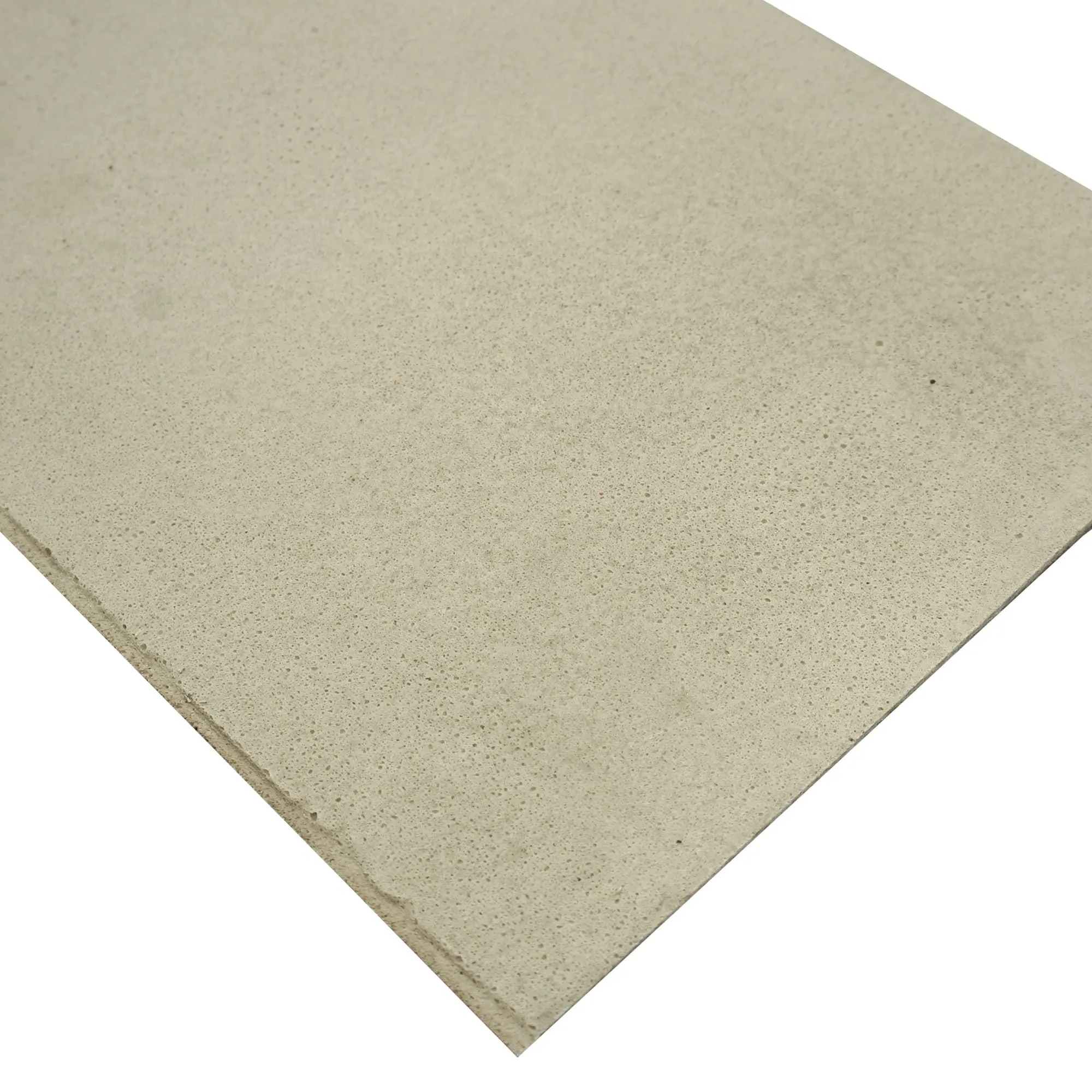
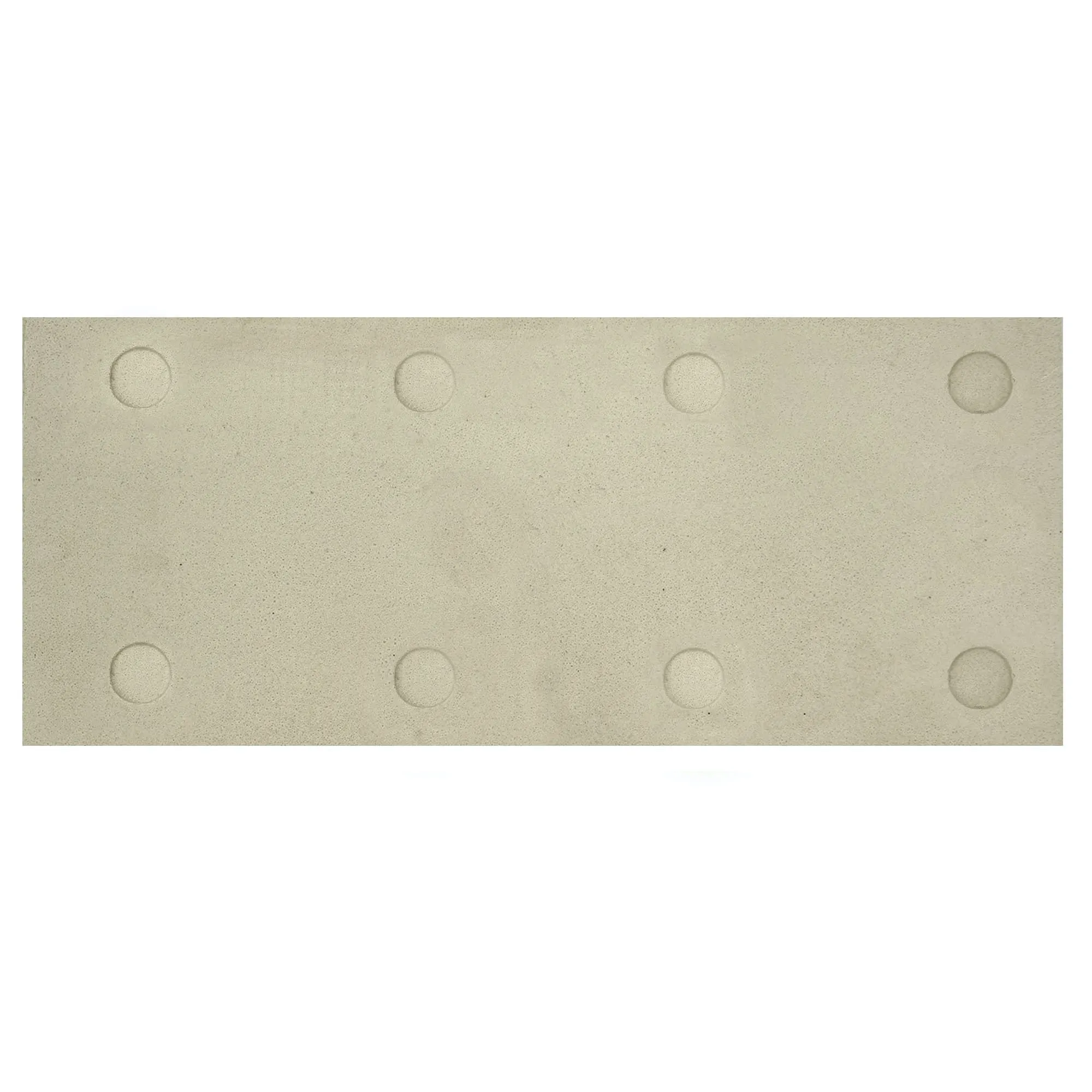
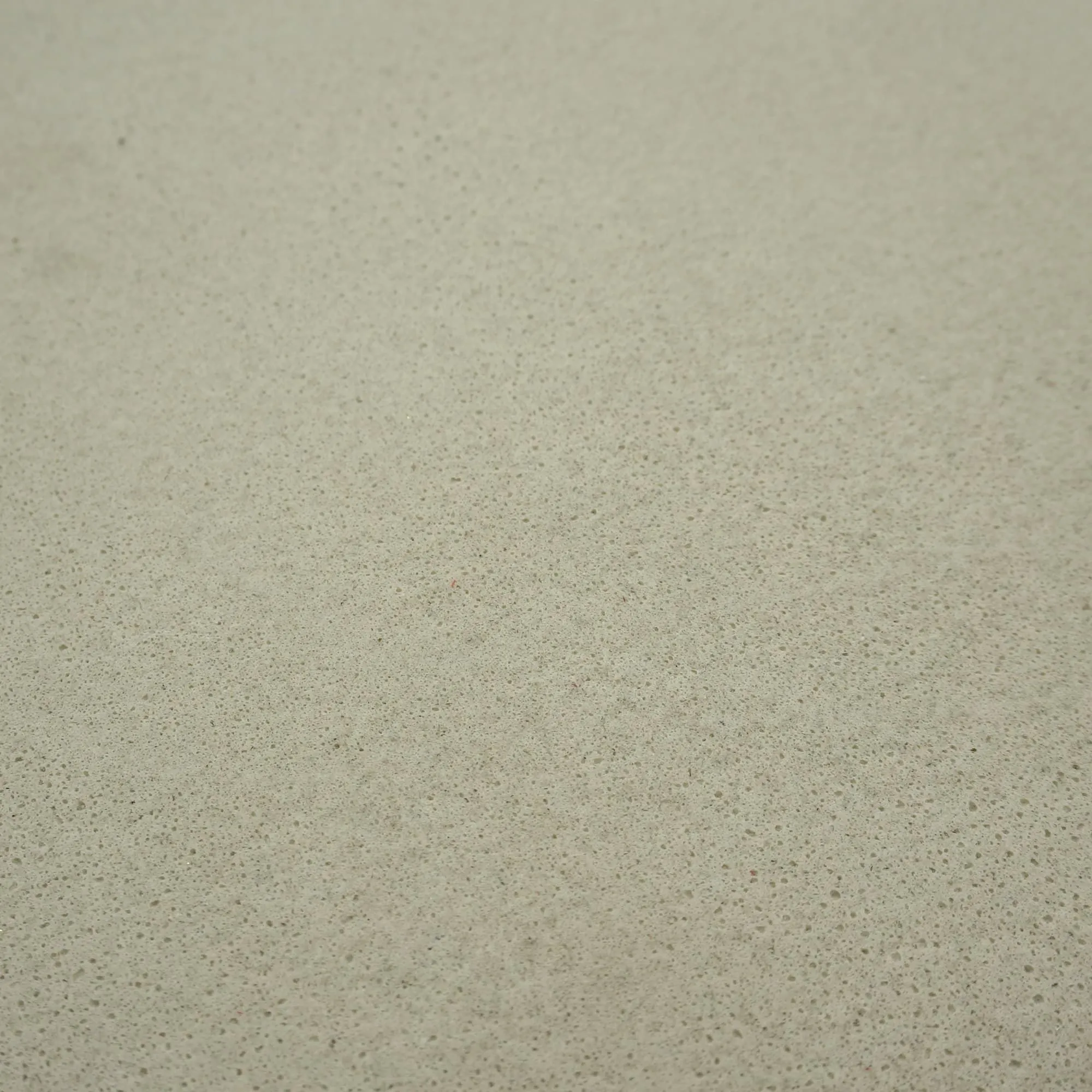
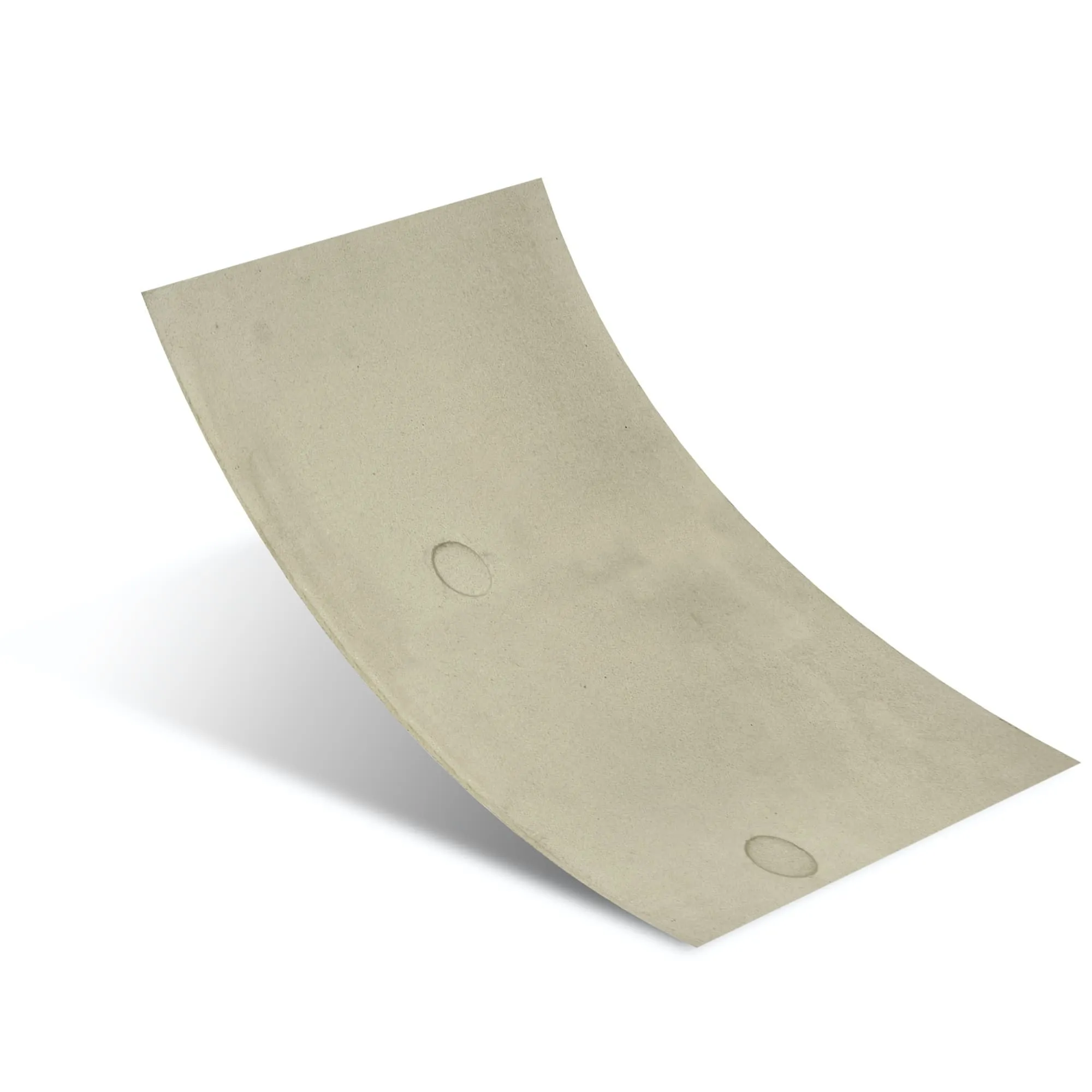
So, what is it, really? Imagine taking natural ingredients—like common soil, stone powder, and other mineral fragments—and, through a specialized process of modification and low-temperature firing, transforming them into lightweight, thin, and even flexible panels. It's not a synthetic plastic or a simple fiber cement board. It's a unique material with its own distinct properties, capable of mimicking an astonishing range of natural textures, from stone and wood to, most importantly for our topic, the subtle and sophisticated look of fair-faced concrete.
COLORIA GROUP has positioned itself not just as a manufacturer, but as a genuine one-stop solution provider in this space. Their expertise goes beyond simply selling a product; it encompasses guiding architects, designers, and homeowners through the entire process, from material selection and customization to ensuring a successful application. This holistic approach is crucial when working with innovative materials.
The advantages of MCM panels over traditional poured concrete are dramatic and address virtually every one of the challenges we discussed:
- Incredibly Lightweight: MCM panels are a fraction of the weight of solid concrete. This immediately reduces the structural load on the building, which can lead to significant savings in foundation and framing costs. It also makes them suitable for retrofitting onto existing buildings without requiring major structural upgrades.
- Flexibility: This is perhaps the most mind-bending property. Certain MCM products, like flexible stone, can be bent to wrap around curved walls, columns, and archways—a feat that is simply impossible with traditional concrete or even precast concrete panels.
- Ease and Speed of Installation: Instead of complex formwork and risky on-site pouring, MCM panels are installed more like large-format tiles. They are adhered to a prepared substrate, a process that is much faster, cleaner, and requires less specialized labor. This can shave weeks or even months off a construction schedule.
- Quality and Consistency: Because MCM panels are manufactured in a controlled factory environment, the quality is consistent from panel to panel. You get the desired color and texture every time, eliminating the risk of on-site pouring errors.
- Sustainability: The production process for MCM is far more eco-friendly. It uses low-temperature firing, consuming significantly less energy than cement production. The use of natural and often recycled raw materials, combined with the material's light weight (reducing transportation emissions), makes it a much greener choice for the environmentally conscious homeowner.
Exploring COLORIA GROUP's MCM Portfolio for Exteriors
To truly understand the potential of MCM, it helps to look at the specific product lines developed to meet different design needs. COLORIA GROUP's range demonstrates the sheer versatility of this technology, offering tailored solutions that go far beyond a one-size-fits-all approach.
For the Monolithic Look: The MCM Big Slab Board Series
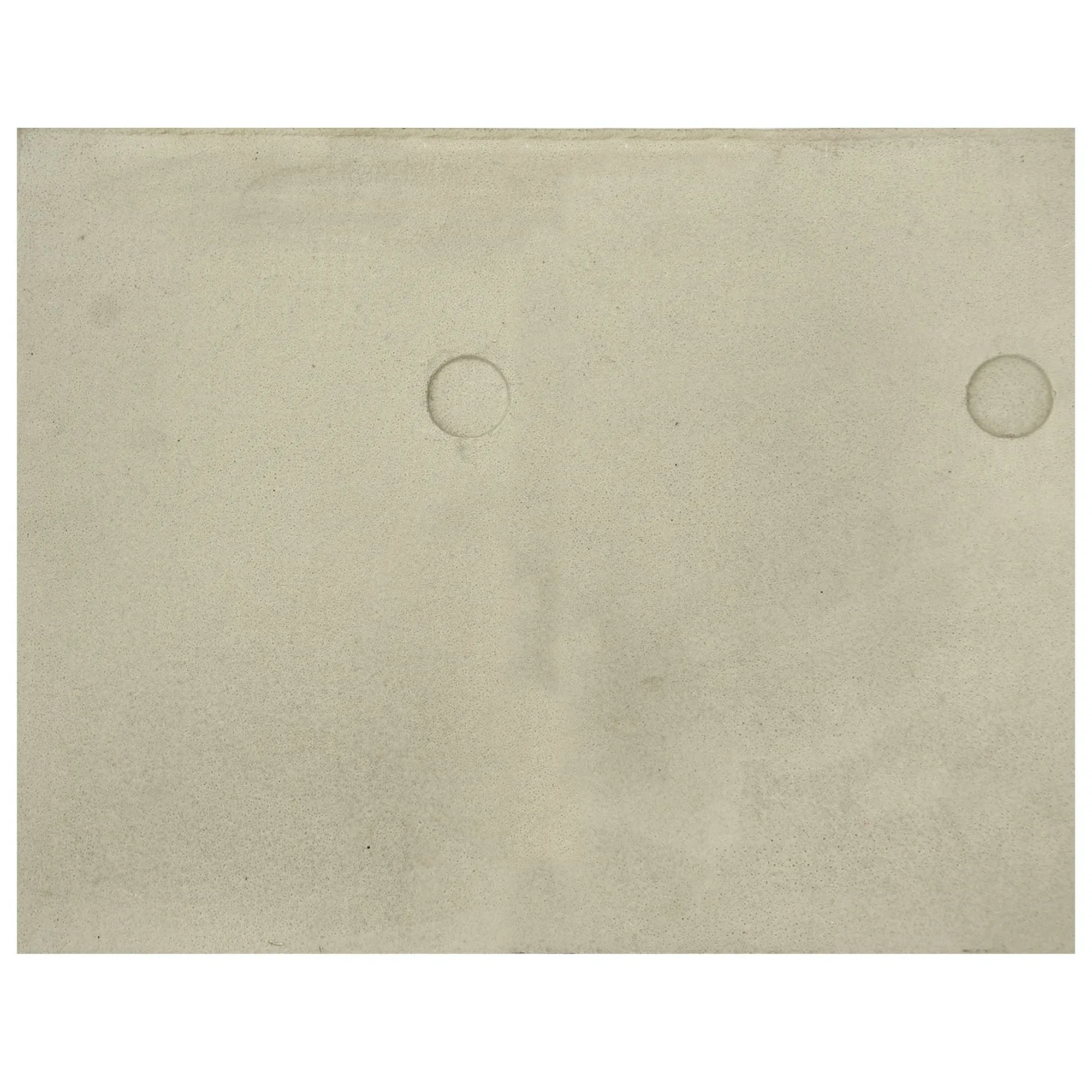
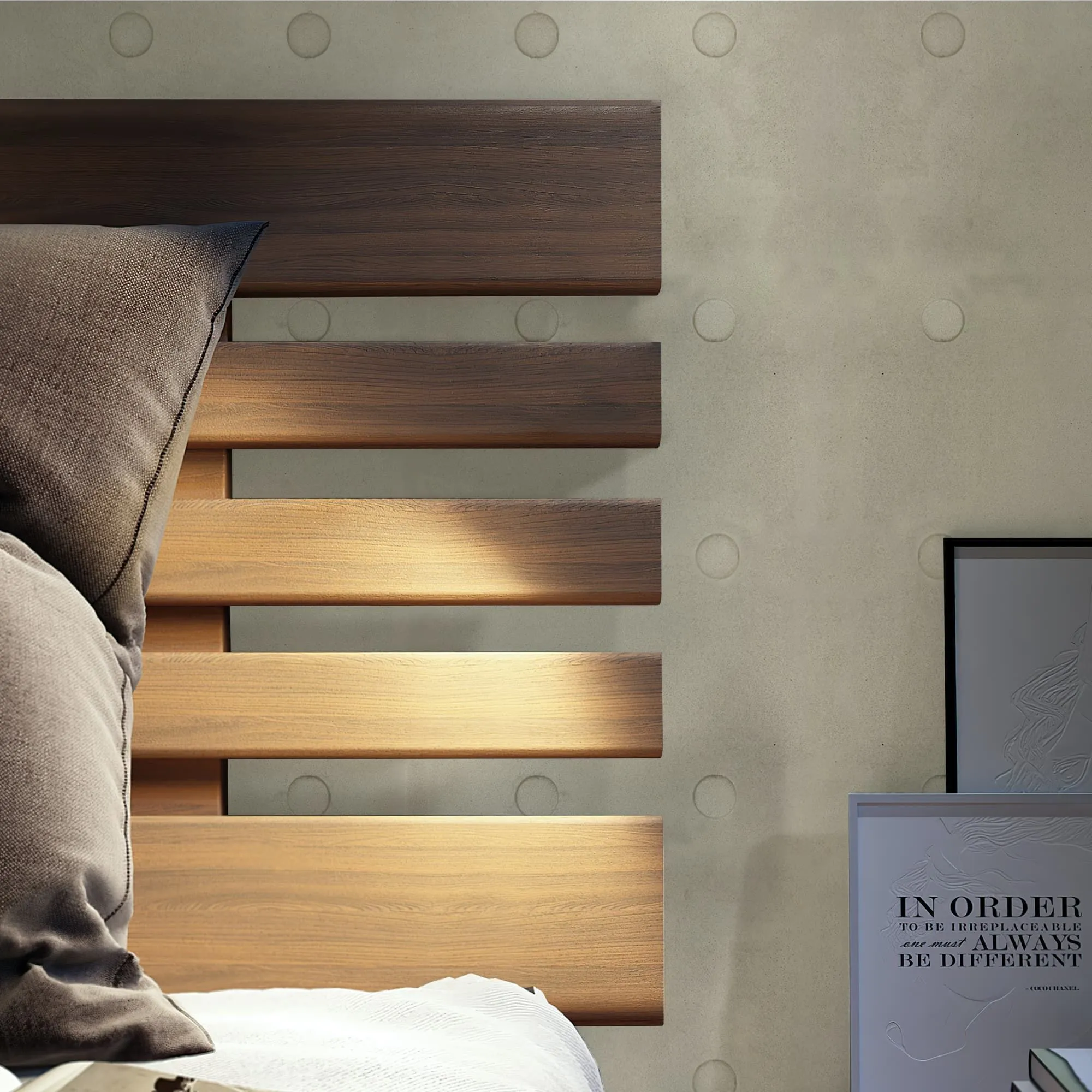
For those who desire the grand, seamless appearance of large-scale architectural concrete, the MCM Big Slab Board Series is the ultimate solution. These are large-format panels designed to minimize joint lines and create a visually clean, monolithic facade. When you see a modern home clad in these large slabs, the effect is powerful and sophisticated. It perfectly captures the essence of fair-faced concrete, complete with subtle textural variations and the iconic pinholes (formwork tie-holes) if desired.
The benefit here is primarily aesthetic. Fewer seams mean a more convincing and uninterrupted surface. This is ideal for feature walls, main elevations, and any area where the design calls for a bold, minimalist statement. Because they are still lightweight and relatively easy to handle compared to genuine precast concrete slabs of the same size, they make this high-end look achievable for a wider range of residential projects.
The Creative Frontier: The MCM 3D Printing Series
This is where MCM technology truly breaks away from simple mimicry and enters the realm of bespoke creation. The MCM 3D Printing Series leverages advanced digital technology to create custom textures, patterns, and three-dimensional reliefs directly onto the surface of the panels. This opens up a universe of design possibilities that are simply unattainable with traditional concrete.
Imagine a home exterior where a section of the facade features a subtle, wave-like pattern that catches the afternoon sun. Or a feature wall with a custom geometric design that reflects the homeowner's personal style. It could be an intricate floral motif, a corporate logo, or a completely abstract texture. The 3D printing process allows for a level of personalization that transforms a building material into a form of architectural art. This series empowers architects and designers to move beyond the constraints of standard finishes and craft exteriors that are genuinely unique and expressive.
A Touch of Nature's Texture: MCM Flexible Stone
While our focus is on the concrete aesthetic, it's worth mentioning the MCM Flexible Stone series to illustrate the breadth of the technology. These products replicate the look and feel of natural stone, such as slate, travertine, or granite, but in a thin, lightweight, and flexible format. For residential exteriors, this is revolutionary. It allows for the application of a 'stone' finish on curved surfaces, building columns, or even complex architectural details where using heavy, rigid, natural stone would be logistically impossible or prohibitively expensive. It demonstrates that the core MCM technology is a platform for a wide range of natural-looking finishes, giving designers a cohesive yet varied palette of materials to work with.
Comparing the Options: A Practical Breakdown
To put it all into perspective, a direct comparison can be incredibly helpful. Let's look at how traditional poured-in-place fair-faced concrete stacks up against an innovative alternative like COLORIA GROUP's MCM Big Slab Board Series.
| Feature | Traditional Fair-Faced Concrete | MCM Big Slab Board Series |
|---|---|---|
| Weight | Fair-Faced Concrete"> Extremely heavy (approx. 2400 kg/m³). Requires massive structural support and deep foundations. | MCM Big Slab Board Series"> Extremely lightweight (approx. 8-10 kg/m²). Can be applied to standard structures, including lightweight steel frames. |
| Installation | Fair-Faced Concrete"> Slow, complex, and high-risk. Involves building formwork, pouring, curing, and stripping. Highly weather-dependent. | MCM Big Slab Board Series"> Fast and efficient. Panels are applied to the substrate with a specialized adhesive. Less labor-intensive and not as sensitive to weather. |
| Flexibility & Form | Fair-Faced Concrete"> Completely rigid. Curved forms are possible but require exceptionally complex and expensive custom formwork. | MCM Big Slab Board Series"> Can be manufactured in flat or pre-curved panels. Can conform to slight irregularities in the substrate. |
| Cost | Fair-Faced Concrete"> Very high, driven by specialized labor, material volume, and the need for heavy-duty structural engineering. | MCM Big Slab Board Series"> More cost-effective. Savings come from reduced structural needs, faster installation, and lower labor costs. |
| Consistency & Quality | Fair-Faced Concrete"> Prone to on-site errors: color variations, honeycombing, cracks. The final result is uncertain until the formwork is removed. | MCM Big Slab Board Series"> Factory-controlled quality. Guarantees consistent color, texture, and finish across the entire project. |
| Environmental Impact | Fair-Faced Concrete"> High carbon footprint due to cement production. High water consumption. Heavy materials increase transport emissions. | MCM Big Slab Board Series"> Low carbon footprint. Low-energy production process, use of natural/recycled materials, and lightweight nature reduces transport emissions. |
| Customization | Fair-Faced Concrete"> Limited to what can be achieved with formwork liners and concrete admixtures. Post-pour modifications are difficult. | MCM Big Slab Board Series"> Highly customizable. A wide range of colors, textures, and even 3D printed patterns are available from the factory. |
Beyond Aesthetics: The Sustainable Choice for Modern Homes
In today's world, the decision to build or renovate a home comes with a growing sense of environmental responsibility. Homeowners are increasingly looking for materials that are not only beautiful and durable but also kind to the planet. This is where MCM technology truly shines and aligns with the values of a new generation of builders and residents.
The green credentials of MCM panels from a provider like COLORIA GROUP are multi-faceted. It starts with the source. The primary raw materials are often natural soil, stone powder, and other mineral components, reducing the reliance on energy-intensive virgin resources. The manufacturing process itself is a key differentiator. Unlike the high-temperature kilns required for cement (over 1400°C) and ceramics, MCM is produced at low temperatures (around 100-120°C). This drastic reduction in heat translates directly to a massive saving in energy consumption and a significant drop in associated carbon emissions.
The benefits continue throughout the material's lifecycle. The light weight of the panels means less fuel is needed to transport them from the factory to the project site. During the product's long life on the building's exterior, it is highly durable, resistant to fire (Class A fire rating), freeze-thaw cycles, and UV radiation, meaning it won't need to be replaced for decades. This longevity is a cornerstone of sustainable design—the most sustainable product is one you don't have to replace. And finally, at the end of its life, MCM material can often be recycled and repurposed, contributing to a circular economy.
Conclusion: The Future of Facades is Smart, Sustainable, and Stunning
The desire for the clean, powerful aesthetic of fair-faced concrete in residential design is stronger than ever. But the practical, financial, and environmental barriers of the traditional method have long kept it out of reach for many.
MCM technology has fundamentally changed this equation. By re-engineering the very concept of a concrete finish, companies like COLORIA GROUP have created a solution that is not a compromise, but an upgrade. MCM panels deliver the coveted aesthetic with unparalleled consistency and quality. They liberate architects from the constraints of weight and rigidity, opening up new possibilities for curved surfaces and custom 3D textures. They dramatically shorten construction timelines, reduce labor costs, and make projects more predictable.
Most importantly, they do all of this while championing a more sustainable approach to construction. For the modern homeowner, this is the complete package: a home exterior that is visually stunning, built to last, and reflective of a forward-thinking, environmentally conscious mindset. The raw beauty of concrete has been perfected, and its future in residential architecture looks lighter, more flexible, and greener than ever before.










