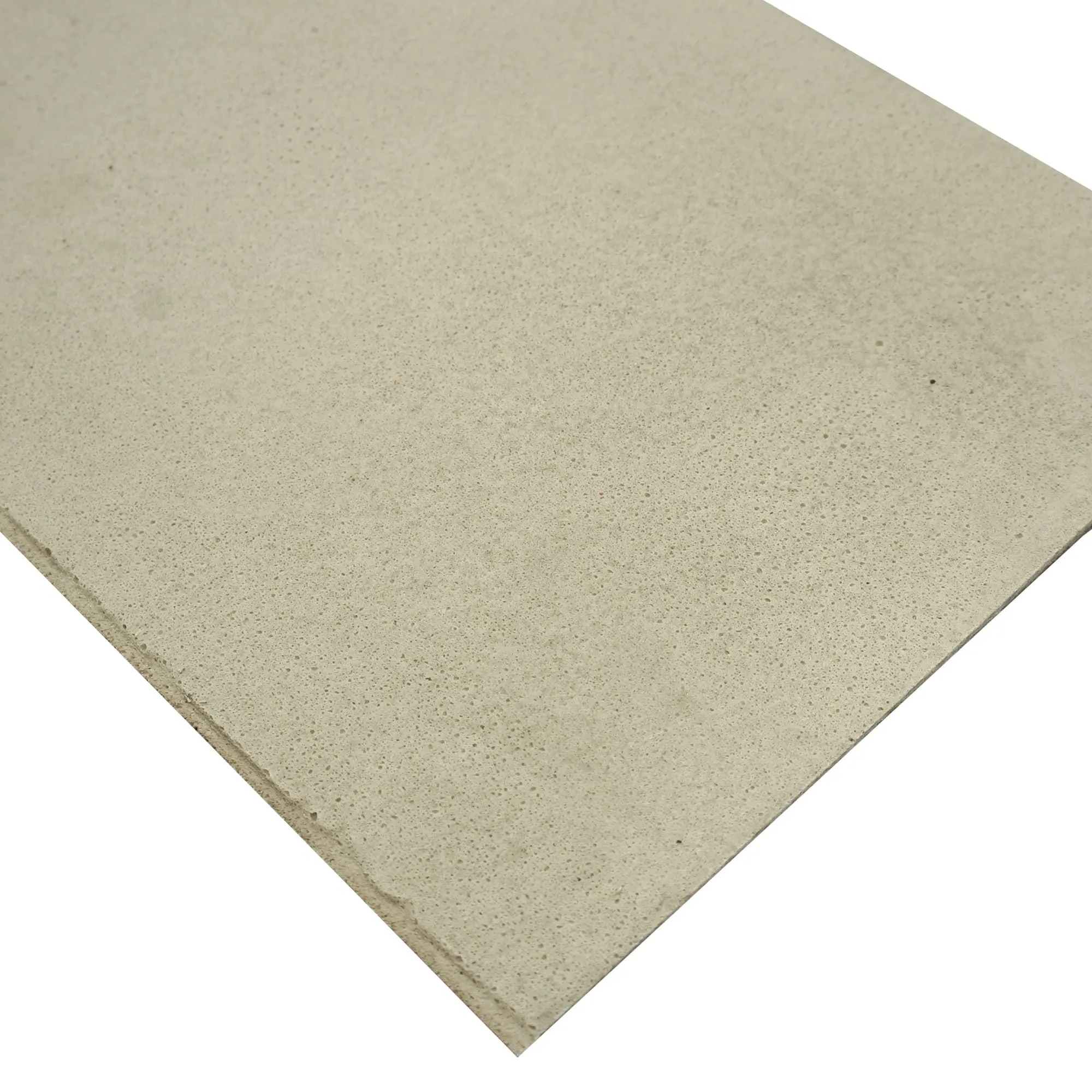
Choosing the right material for commercial wall projects is a decision that extends far beyond mere aesthetics. It's about blending durability with design, cost-effectiveness with long-term value, and functionality with the specific needs of a space. For architects, designers, and project managers, the dilemma often boils down to a choice between materials that offer distinct advantages and present unique challenges. Today, we're diving deep into two prominent contenders:
Fair-Faced Concrete and Ceramic Tiles. Both have carved out significant niches in commercial design, but which one truly stands out for your next project? Let's break it down, exploring their strengths, weaknesses, and how modern innovations, particularly those from COLORIA GROUP, are reshaping the conversation.
From sleek, minimalist offices to bustling retail environments and robust industrial complexes, the walls of a commercial space are constantly subjected to wear and tear, not to mention the crucial role they play in defining the atmosphere and branding. This choice impacts everything from initial construction costs and installation timelines to long-term maintenance, sustainability credentials, and even the psychological impact on occupants. It's a decision that echoes through the lifespan of a building.
We'll start by examining the established merits and drawbacks of
Fair-Faced Concrete and Ceramic Tiles. But we won't stop there. We'll also explore how innovative materials like those from COLORIA GROUP, particularly our **MCM** (Modified Cementitious Material) series, offer compelling alternatives that can overcome many of the traditional limitations, bringing unparalleled **customization** and **green environmental protection** to the forefront of architectural design.
Fair-Faced Concrete, also known as exposed concrete or architectural concrete, is celebrated for its raw, unadorned aesthetic. It showcases the natural texture and imperfections of concrete, making it a favorite for industrial, minimalist, and brutalist designs. It's not just a structural element; it's a finish in itself, requiring meticulous planning and execution to achieve the desired visual quality.
-
Industrial Aesthetic and Modern Appeal:
Fair-Faced Concrete offers a distinctive, contemporary look that is highly sought after in modern architecture. Its grey tones and raw textures provide a sophisticated, urban feel, making it ideal for art galleries, high-end retail stores, contemporary offices, and public buildings aiming for an avant-garde presence. It can create powerful, statement-making walls that exude strength and authenticity.
-
Exceptional Durability and Longevity:
Concrete is inherently robust. When properly cured and maintained, fair-faced concrete walls are incredibly durable, resistant to impact, abrasion, and general wear and tear. This makes them suitable for high-traffic commercial areas where longevity is paramount. They can withstand significant abuse without showing signs of degradation, contributing to lower replacement costs over the building's lifecycle.
-
Fire Resistance:
Concrete is a non-combustible material, offering excellent fire resistance. This is a critical safety advantage in commercial buildings, providing valuable time for evacuation and reducing potential structural damage in the event of a fire. Meeting stringent building codes for fire safety is often easier with concrete.
-
Thermal Mass Benefits:
Concrete possesses high thermal mass, meaning it can absorb and store heat energy, then release it slowly. This can contribute to more stable internal temperatures, potentially reducing heating and cooling loads, and leading to energy savings in commercial buildings. In large, open-plan offices or retail spaces, this passive temperature regulation can enhance occupant comfort.
-
Structural and Finish in One:
In many applications, fair-faced concrete can serve as both the structural element and the finished surface, reducing the need for additional layers of finishes. This can simplify construction processes and potentially save time and material costs, especially for projects with tight schedules and budgets.
-
Low Maintenance (Once Cured):
Once the concrete is fully cured and, if desired, sealed, it generally requires minimal maintenance. Routine cleaning is usually sufficient to keep it looking good. Unlike painted surfaces, it won't chip or peel, and unlike some other finishes, it doesn't require frequent reapplication.
-
Versatility in Formwork:
While primarily known for flat surfaces, concrete can be cast into various shapes and textures using different formwork techniques. This allows for some degree of design flexibility, enabling architects to create unique patterns or three-dimensional effects directly in the concrete.
-
Acoustic Properties:
Concrete's density can contribute to good sound insulation, helping to block out external noise and containing sound within a space, which is beneficial for offices, conference rooms, or entertainment venues. Its hard surface can also be incorporated into acoustic design if treated appropriately.
-
High Initial Cost and Installation Complexity:
Achieving a high-quality fair-faced concrete finish is notoriously difficult and expensive. It requires skilled labor, specialized formwork, precise mix designs, and meticulous pouring and curing techniques. Any mistakes during the process are often irreversible and highly visible, leading to costly rework or unsatisfactory results. The cost of labor and expertise can significantly drive up project expenses.
-
Susceptibility to Cracking and Staining:
Concrete, by its nature, can crack, especially due to temperature changes, shrinkage, or structural movement. While minor hairline cracks might be acceptable, larger cracks can compromise aesthetics and require repairs. It's also porous, making it susceptible to staining from oils, liquids, and dirt if not properly sealed and maintained. Commercial environments are prone to spills, making this a significant concern.
-
Limited Design Flexibility (Post-Installation):
Once poured and cured, changing the look of a fair-faced concrete wall is extremely challenging. Repainting often defeats the purpose of the raw aesthetic, and adding new finishes can be difficult and costly. This lack of adaptability can be a drawback for commercial spaces that may require future rebranding or aesthetic updates.
-
Environmental Impact:
Traditional concrete production is energy-intensive and a significant contributor to global CO2 emissions, primarily due to cement manufacturing. While efforts are being made to develop greener concrete, the environmental footprint remains a concern for eco-conscious projects. This can be a hurdle for projects aiming for high sustainability certifications.
-
Heavy and Structurally Demanding:
Concrete is a very heavy material. Using it extensively for walls, especially in high-rise commercial buildings, can impose significant structural loads, requiring robust foundations and structural frames. This can add to the overall construction cost and complexity.
-
Cold and Impersonal Feel:
While some appreciate the stark beauty of concrete, others find it cold, austere, and impersonal. In certain commercial environments, such as hospitality or healthcare, a warmer, more inviting aesthetic might be preferred. Balancing the raw concrete with other materials is often necessary to soften its impact.
-
Acoustic Reverberation:
While it offers sound insulation, the hard, reflective surface of fair-faced concrete can contribute to significant acoustic reverberation within a space, leading to echoes and poor sound quality. This can be problematic in open-plan offices, restaurants, or auditoriums, often requiring additional acoustic treatments.
-
Long Curing Time:
Concrete requires a substantial amount of time to fully cure and achieve its designed strength and appearance. This curing period can delay subsequent construction phases, potentially impacting project timelines, which is a critical factor in fast-paced commercial developments.
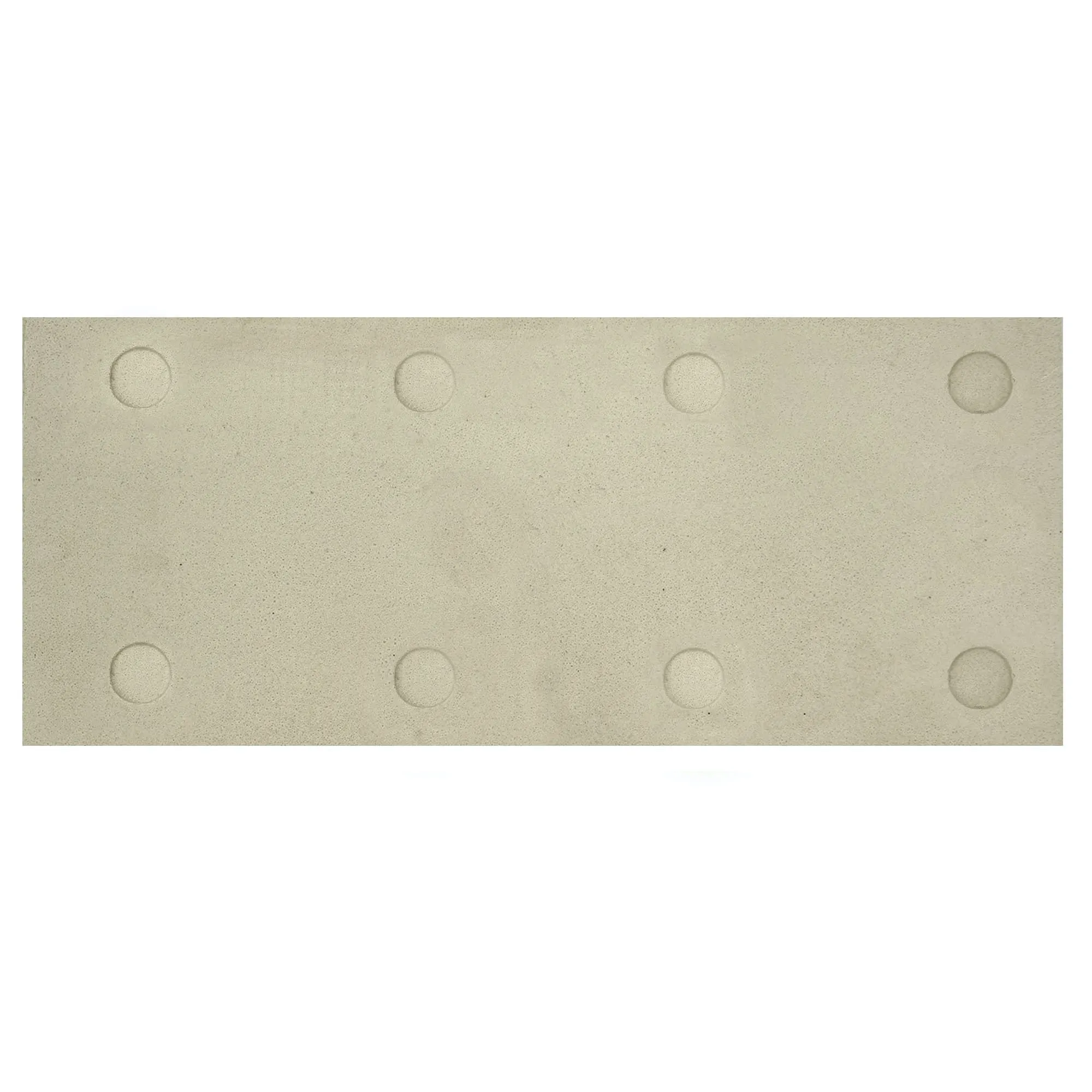
Ceramic Tiles: The Versatile Classic
Ceramic tiles have been a staple in commercial and residential construction for centuries, evolving into a vast array of options in terms of size, shape, color, pattern, and texture. Their popularity stems from a combination of aesthetic versatility and practical benefits, making them a go-to choice for various applications, especially in areas demanding hygiene and moisture resistance.
Pros of Ceramic Tiles for Commercial Wall Projects:
-
Immense Design Versatility and Aesthetic Options:
The sheer variety of ceramic tiles is unparalleled. They come in virtually every color, pattern, size, and finish imaginable, from glossy and smooth to textured and matte. This allows for incredible design flexibility, enabling architects and designers to create specific moods, brand identities, or visual effects. They can mimic natural stone, wood, fabric, or abstract patterns, offering endless creative possibilities for commercial interiors.
-
Excellent Durability and Wear Resistance:
Modern ceramic tiles, especially porcelain varieties, are incredibly durable and resistant to scratches, abrasions, and impacts. They can withstand heavy foot traffic and daily wear and tear common in commercial settings like lobbies, restrooms, kitchens, and retail floors. Their glazed surfaces also make them resistant to fading from UV exposure.
-
Water and Moisture Resistance:
This is one of the primary advantages of ceramic tiles. Their glazed surface makes them impervious to water, making them an ideal choice for wet areas such as commercial kitchens, bathrooms, spa facilities, and medical environments where hygiene and moisture control are crucial. This also prevents mold and mildew growth.
-
Easy to Clean and Maintain:
Ceramic tiles are non-porous and can be easily wiped clean with standard cleaning agents. Stains typically don't penetrate the surface, making them a low-maintenance option for busy commercial spaces. This contributes to maintaining high standards of cleanliness and appearance with minimal effort.
-
Hygienic Properties:
Due to their non-porous nature and ease of cleaning, ceramic tiles are highly hygienic. They do not harbor allergens, dust mites, or bacteria, making them an excellent choice for healthcare facilities, food service areas, and schools where sanitation is a top priority.
-
Cost-Effectiveness (Mid-Range Options):
While high-end designer tiles can be expensive, a wide range of mid-priced ceramic and porcelain tiles offers an excellent balance of quality, aesthetics, and cost-effectiveness. This makes them accessible for projects with varying budget constraints.
-
Fire Resistance:
Like concrete, ceramic tiles are non-combustible and offer good fire resistance, contributing to the overall safety of commercial buildings. They do not contribute to flame spread or smoke production.
-
Repairability (Individual Tiles):
If an individual tile gets damaged, it can often be replaced without having to redo the entire wall section, provided matching tiles are available. This can be a cost-effective solution for localized damage.
Cons of Ceramic Tiles for Commercial Wall Projects:
-
Grout Lines: A Maintenance Challenge:
The most significant drawback of ceramic tiles, particularly in commercial settings, is the grout. Grout lines are porous, prone to staining, and can harbor dirt, grime, mold, and mildew, especially in high-traffic or wet areas. Cleaning grout can be labor-intensive and, over time, grout can crack or degrade, requiring re-grouting. This significantly increases long-term maintenance efforts and costs.
-
Prone to Chipping and Cracking (Impact):
While durable, ceramic tiles can chip or crack if subjected to heavy impact, especially at their edges. This is a particular concern in commercial spaces where heavy equipment, carts, or furniture might strike the walls. Once a tile is chipped, it compromises the aesthetic and can be challenging to repair seamlessly.
-
Installation Complexity and Time:
Installing ceramic tiles, especially intricate patterns or large formats, requires skilled labor and can be time-consuming. Proper substrate preparation, accurate leveling, and precise setting are crucial for a professional finish and long-term durability. This can add to labor costs and extend project timelines.
-
Rigid and Cold Feel:
Similar to concrete, tiles can give off a hard, cold, and sometimes sterile impression, which might not be desirable for all commercial environments aiming for warmth or comfort. In larger expanses, this effect can be amplified.
-
Acoustic Properties:
Ceramic tiled surfaces are highly reflective of sound, leading to significant acoustic reverberation. This can create noisy environments, making communication difficult and contributing to discomfort in open offices, restaurants, or large lobbies, often necessitating additional acoustic treatments.
-
Weight:
Tiles, particularly larger porcelain formats, can be heavy, requiring a sufficiently strong substrate for wall applications. This can add to the structural load, although generally less so than solid concrete.
-
Discontinuation Risk:
If specific tiles are discontinued, finding replacements for repairs or future expansions can become a major headache, forcing a compromise on consistency or a more extensive renovation.
-
Lack of Seamlessness:
Despite efforts to minimize grout lines, the inherent nature of tiled surfaces means they are never truly seamless. This can sometimes break up the visual flow, especially when a continuous, monolithic surface is desired for a modern aesthetic.
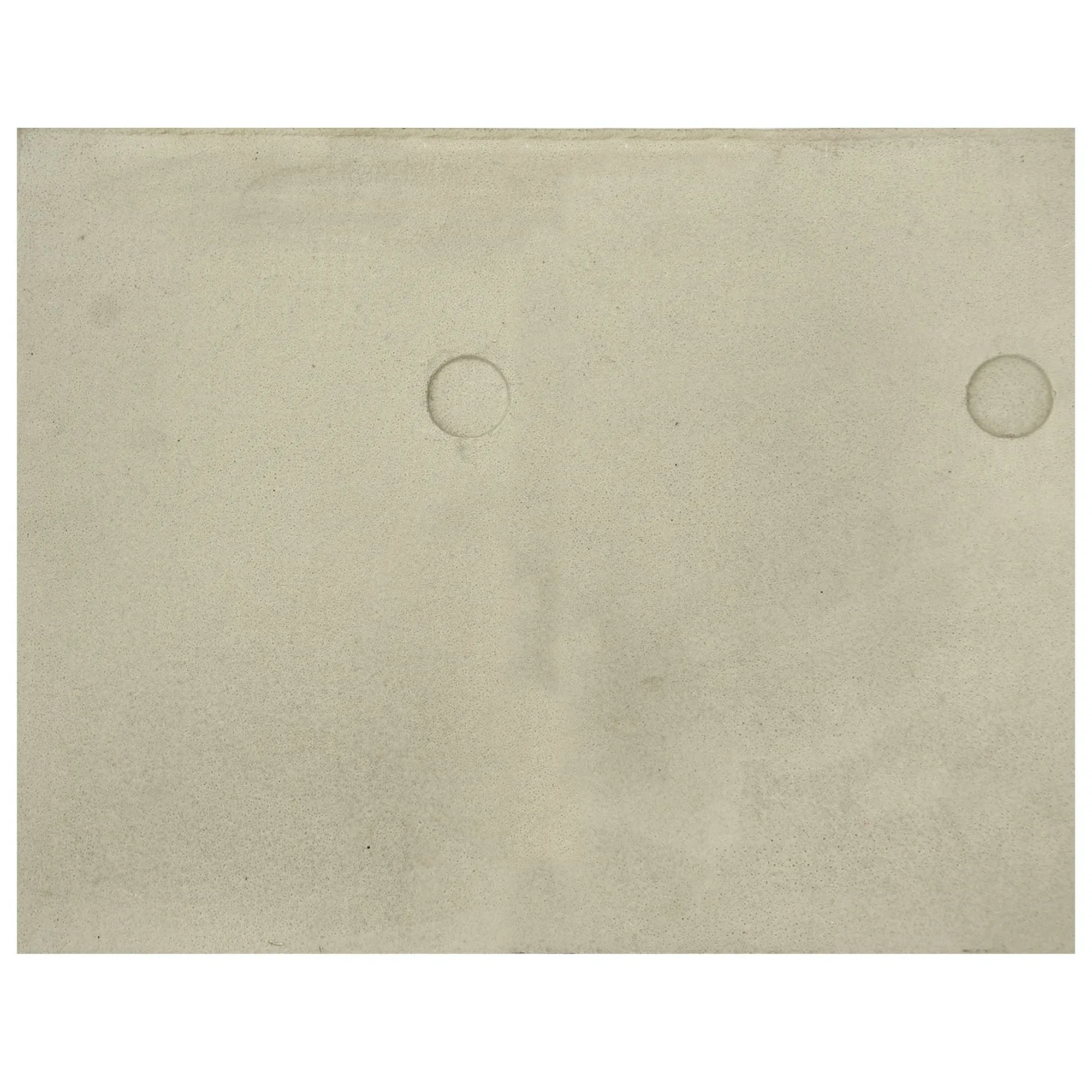
The Modern Dilemma: Bridging the Gap with Innovation
So, where does this leave us?
Fair-Faced Concrete offers unparalleled strength and a distinctive raw aesthetic but comes with significant installation challenges, high costs, and limited design adaptability. Ceramic Tiles provide immense versatility and hygiene but are plagued by grout maintenance issues and susceptibility to impact damage. In the fast-evolving world of commercial architecture, project managers, designers, and clients are increasingly seeking solutions that combine the best of both worlds, while addressing growing demands for sustainability and rapid installation.
This is precisely where innovative materials step in, offering a fresh perspective on wall finishes. The search for materials that are lightweight, durable, aesthetically flexible, easy to install, and environmentally responsible has led to significant advancements. And it's here that companies like COLORIA GROUP are making a profound impact, fundamentally altering the landscape of architectural materials.
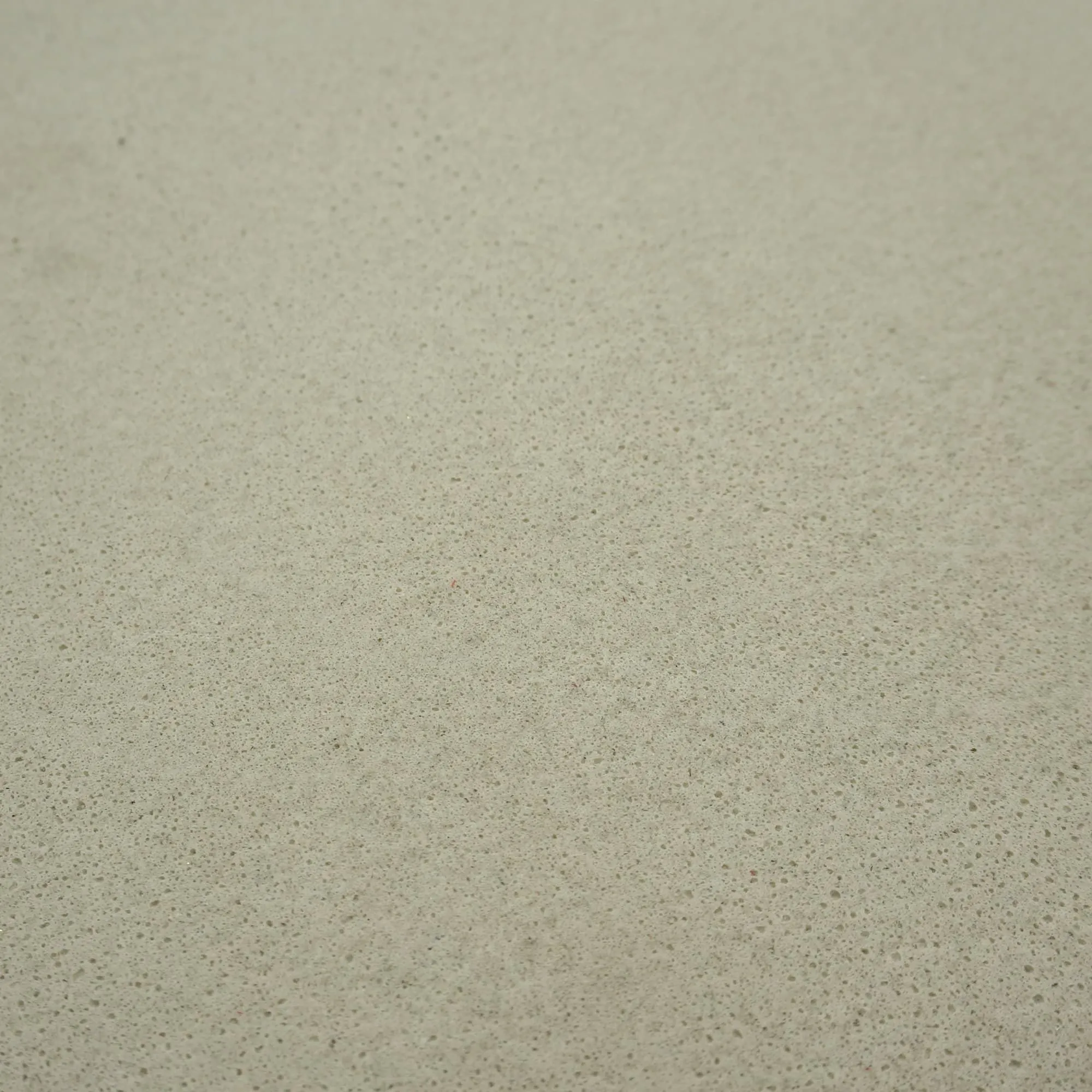
COLORIA GROUP: A New Paradigm with MCM Materials
At COLORIA GROUP, we understand the intricate demands of modern commercial projects. As a dedicated **one-stop solution provider** in architectural materials, we leverage decades of industry experience to offer high-quality interior and exterior decoration materials and. Our global reach, highlighted by our strong presence in Saudi Arabia, ensures that we bring cutting-edge solutions to diverse markets. Our core philosophy revolves around addressing the gaps left by traditional materials, and our flagship **MCM** (Modified Cementitious Material) series is a testament to this commitment.
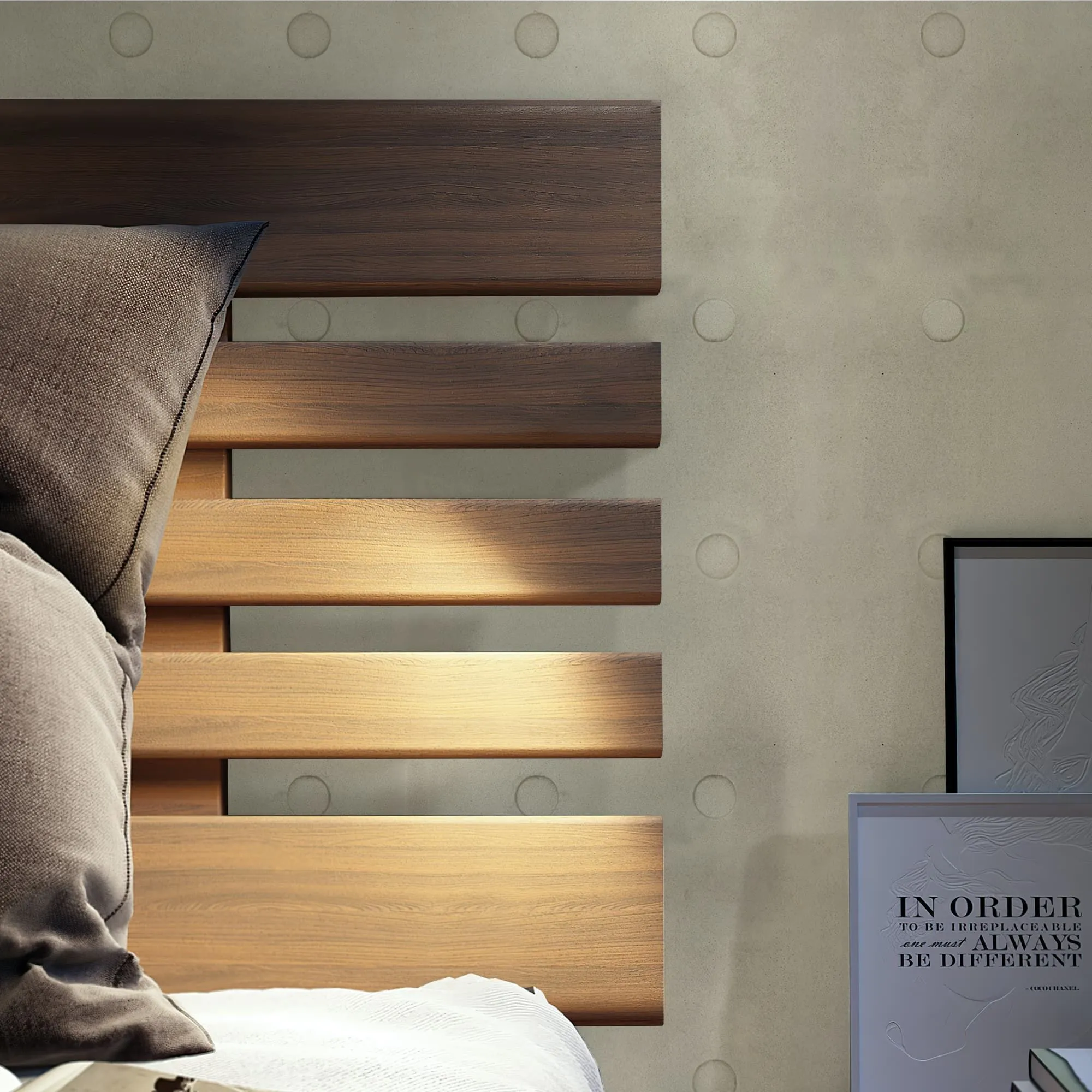
MCM materials are a revolutionary class of composites that mimic the appearance and texture of natural materials like stone, wood, or even concrete, but with significantly enhanced performance characteristics. They are incredibly lightweight, flexible, and robust, offering an intelligent alternative to both traditional
fair-faced concrete and ceramic tiles. Let's look at how COLORIA GROUP's MCM series redefines the possibilities for commercial wall projects.
Introducing COLORIA GROUP's MCM Product Series:
-
MCM Big Slab Board Series:
Imagine large, seamless wall coverings that exude the grandeur of natural stone or concrete, but without the weight, fragility, or complex installation. Our Big Slab series offers exactly that. These expansive panels minimize grout lines, providing a sleek, continuous aesthetic that's perfect for grand lobbies, high-end retail spaces, or minimalist office designs. They deliver the visual impact of fair-faced concrete with the installation ease of a panel system.
-
MCM Project Board Series:
Designed specifically for the rigorous demands of commercial projects, these boards offer exceptional durability and versatility. Whether it's for an office corridor, a hotel room, or a school, the Project Board series combines resilience with aesthetic flexibility, making it a reliable choice for areas requiring tough yet beautiful finishes.
-
MCM 3D Printing Series:
This is where true **customization** comes to life. Our 3D Printing series allows for intricate, three-dimensional textures and patterns to be created on MCM surfaces. This means bespoke wall designs that are truly unique to your brand or project concept. Imagine relief patterns, corporate logos, or abstract art seamlessly integrated into your wall finish – a level of personalization almost impossible with traditional materials.
-
MCM Flexible Stone:
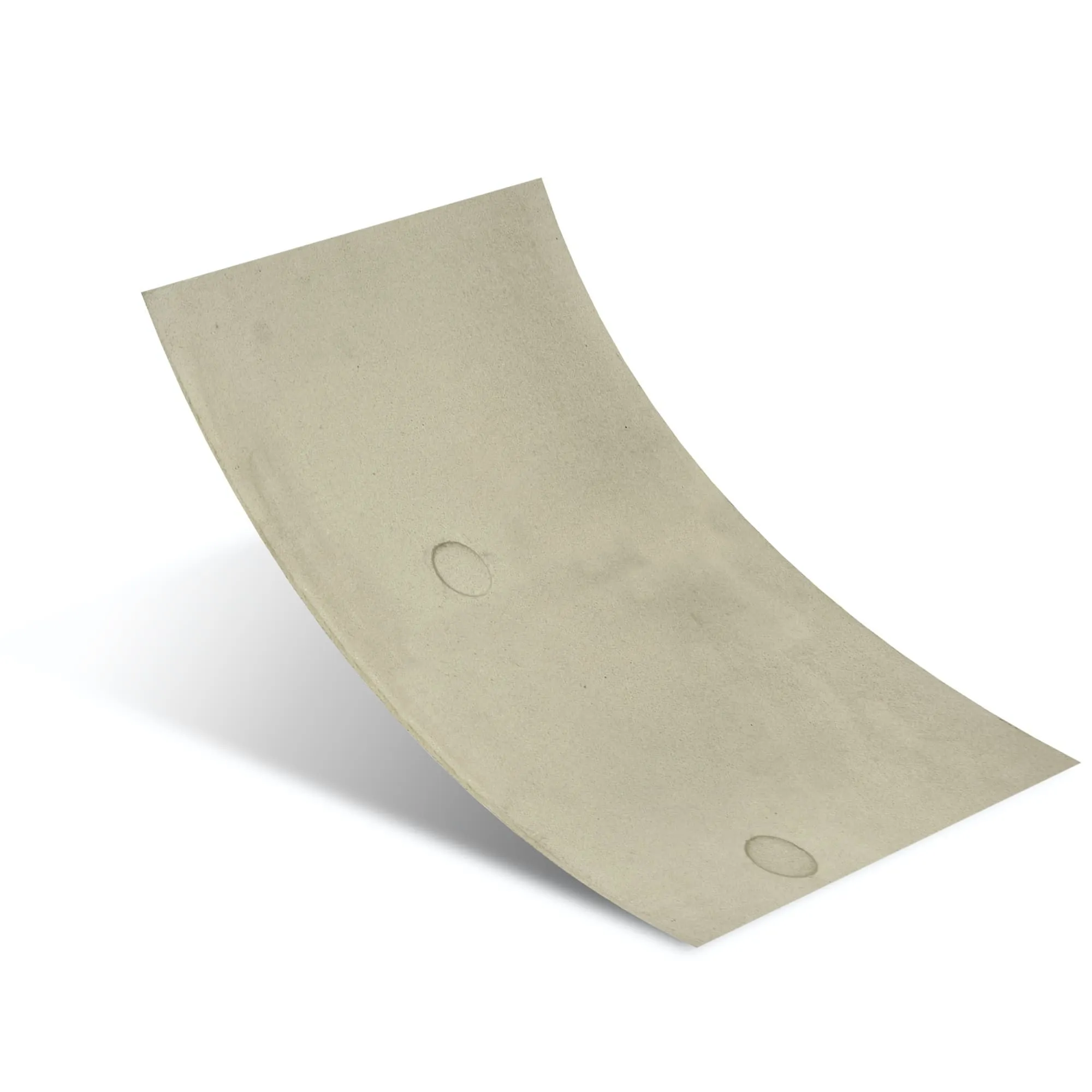
This product is a game-changer. As the name suggests, it's a form of **flexible stone** that combines the natural beauty of stone with the pliability of a veneer. This allows for application on curved surfaces, columns, and even in situations where the weight of real stone would be prohibitive. It offers a stunning, natural aesthetic without the structural limitations and high costs of traditional stone, directly addressing many of the challenges posed by heavier alternatives while providing superior design adaptability.
How COLORIA GROUP's MCM Materials Address the Gaps:
-
Lightweight and Easy Installation:
MCM materials are significantly lighter than concrete or traditional tiles. This reduces structural load, simplifies logistics, and drastically cuts down on installation time and labor costs. They can often be installed with adhesives, minimizing the need for heavy machinery and extensive site preparation.
-
Unmatched Design Flexibility and Customization:
Unlike the rigidity of concrete or the modularity of tiles, MCM allows for extensive design freedom. With the ability to mimic almost any texture, color, and finish, combined with our 3D Printing series, we offer truly bespoke solutions. This enables architects to realize their boldest visions without compromise.
-
Superior Durability and Low Maintenance:
Engineered for performance, MCM materials are highly durable, resistant to impact, abrasion, fading, and moisture. They are less prone to cracking than concrete and, importantly, eliminate the problematic grout lines associated with tiles, leading to significantly lower long-term maintenance requirements and superior hygiene.
-
Enhanced Sustainability:
Our MCM products embody **green environmental protection**. They are produced using eco-friendly processes, often incorporating recycled materials, and requiring less energy in manufacturing and transportation compared to traditional concrete or heavy ceramic tiles. Their longevity also reduces the need for frequent replacements, contributing to less waste.
-
Thermal and Acoustic Benefits:
While lightweight, MCM materials can be engineered to offer improved thermal insulation and acoustic absorption properties, contributing to more energy-efficient and quieter commercial spaces. This directly counters some of the acoustic challenges faced by concrete and tile surfaces.
-
Cost-Effectiveness Over Lifecycle:
While initial material costs might vary, the overall project cost-effectiveness of MCM materials often surpasses traditional options when considering ease of installation, reduced labor, lower structural requirements, and minimal long-term maintenance.
A Comparative Look: Traditional vs. Innovative
|
Feature/Aspect
|
Fair-Faced Concrete
|
Ceramic Tiles
|
COLORIA GROUP MCM Materials
|
|
Aesthetics
|
Raw, industrial, minimalist; can be cold. Limited post-installation changes.
|
High versatility, mimic many materials; modular look due to grout lines.
|
Unmatched versatility, mimic natural materials perfectly (stone, wood, concrete), **customization** via 3D printing; seamless large formats.
|
|
Durability
|
Extremely durable, impact resistant; prone to cracking and staining if unsealed.
|
Very durable, scratch/abrasion resistant; prone to chipping on impact.
|
Highly durable, impact, abrasion, fade, and moisture resistant; flexible and less prone to cracking than concrete.
|
|
Installation
|
Complex, skilled labor, precise formwork, long curing time, high cost.
|
Requires skilled labor, time-consuming for large areas, complex patterns.
|
Lightweight, easier and faster installation (adhesive), lower labor costs, less structural demand.
|
|
Maintenance
|
Low (once sealed); prone to staining if not cleaned promptly. Hard to repair major cracks.
|
Easy to clean surface; grout lines require intensive cleaning, prone to staining/mildew, re-grouting needed.
|
Very low maintenance, non-porous, no grout lines; easy to clean and repair localized damage.
|
|
Cost
|
High initial cost due to labor and complexity.
|
Mid-range to high, significant grout maintenance costs.
|
Competitive overall lifecycle cost due to easy installation and low maintenance.
|
|
Environmental Impact
|
High CO2 emissions from cement production; heavy.
|
Energy-intensive production; heavy; grout issues.
|
**Green environmental protection**: eco-friendly production, often recycled content, lightweight for transport, long lifespan.
|
|
Design Flexibility
|
Limited post-installation; formwork allows some initial texture.
|
High variety in patterns/colors; modularity of tiles.
|
Extreme flexibility: large slabs, **flexible stone** for curves, 3D textures, bespoke designs.
|
|
Weight
|
Very heavy, high structural load.
|
Heavy, requires strong substrate.
|
Significantly lightweight, reduces structural load.
|
|
Acoustics
|
Good sound insulation; high reverberation without treatment.
|
Highly reflective, poor acoustics without treatment.
|
Can be engineered for improved acoustic absorption, reducing reverberation.
|
|
Applications
|
Industrial, minimalist, structural-as-finish.
|
Wet areas, high-traffic floors, decorative walls.
|
Interior and exterior walls, facades, feature walls, curved surfaces, high-end commercial spaces, retail, hospitality, office.
|
The Future of Commercial Walls: A Holistic Perspective
The decision between
Fair-Faced Concrete, Ceramic Tiles, or modern alternatives like COLORIA GROUP's MCM materials is never straightforward. It's a complex interplay of budget, aesthetics, functional requirements, and long-term vision. However, what's increasingly clear is that the industry is moving towards solutions that offer greater efficiency, environmental responsibility, and adaptability without compromising on design integrity or durability.
For projects where a raw, honest, and unyielding aesthetic is paramount,
Fair-Faced Concrete might still hold a unique appeal. Yet, the challenges of its high upfront cost, complex execution, and environmental footprint are significant considerations. It requires a project with deep pockets, ample time, and a high tolerance for the inherent 'imperfections' that define its charm. For architects specifying
fair-faced concrete, it's not just a material choice but a commitment to a demanding process. Its environmental credentials, despite recent innovations in greener cement, still lag behind many modern alternatives, posing questions for projects striving for aggressive sustainability targets.
Ceramic Tiles continue to be a powerhouse for applications demanding hygiene, moisture resistance, and a vast array of finishes. From busy commercial kitchens to pristine hospital walls, their practical benefits are undeniable. However, the Achilles' heel of grout maintenance remains a persistent issue, particularly in high-traffic or public-facing areas where cleanliness and appearance are critical. The modular nature of tiles also means a complete seamless aesthetic is often elusive, and the risk of chipping or cracking from impact always exists in dynamic commercial environments. For projects with moderate budgets and a need for diverse visual options, tiles offer a tried-and-true path, but one that comes with a built-in maintenance caveat.
This is why the emergence and maturation of materials like COLORIA GROUP's MCM series are so vital. They represent a harmonious blend of the desired characteristics of traditional materials, augmented by modern engineering. The ability to achieve the grand scale and raw appeal of concrete without its weight or installation headaches, or the intricate beauty of stone through our **
flexible stone** products without the associated structural and cost burdens, is transformative. The potential for **customization** through our 3D Printing series elevates design possibilities to an entirely new level, allowing commercial spaces to truly embody a unique brand identity or architectural vision. More importantly, our commitment to **green environmental protection** aligns perfectly with the global shift towards sustainable construction practices.
COLORIA GROUP, as a **one-stop solution provider**, doesn't just offer materials; we provide comprehensive solutions that streamline the entire project lifecycle, from selection to installation. Our decades of experience in the architectural materials domain, coupled with our international presence, especially with agencies in Saudi Arabia, means we are uniquely positioned to support commercial projects, large or small, with expert advice and high-performance products. We understand the nuances of global markets and local requirements, ensuring our solutions are not just innovative but also practical and compliant.
Ultimately, the choice of wall material for a commercial project is a strategic one. It impacts the initial investment, the long-term operational costs, the daily experience of occupants, and the overall impression a building leaves. By carefully weighing the pros and cons of
Fair-Faced Concrete, Ceramic Tiles, and increasingly, advanced **MCM** solutions, architects, designers, and developers can make informed decisions that lead to more beautiful, functional, sustainable, and economically viable commercial spaces. The future isn't just about choosing between existing options; it's about embracing innovations that offer superior performance and design freedom.
Ready to Redefine Your Commercial Walls?
Explore the transformative potential of COLORIA GROUP's MCM materials. Let us be your one-stop solution provider for architectural excellence, bringing innovation, customization, and green environmental protection to your next project.