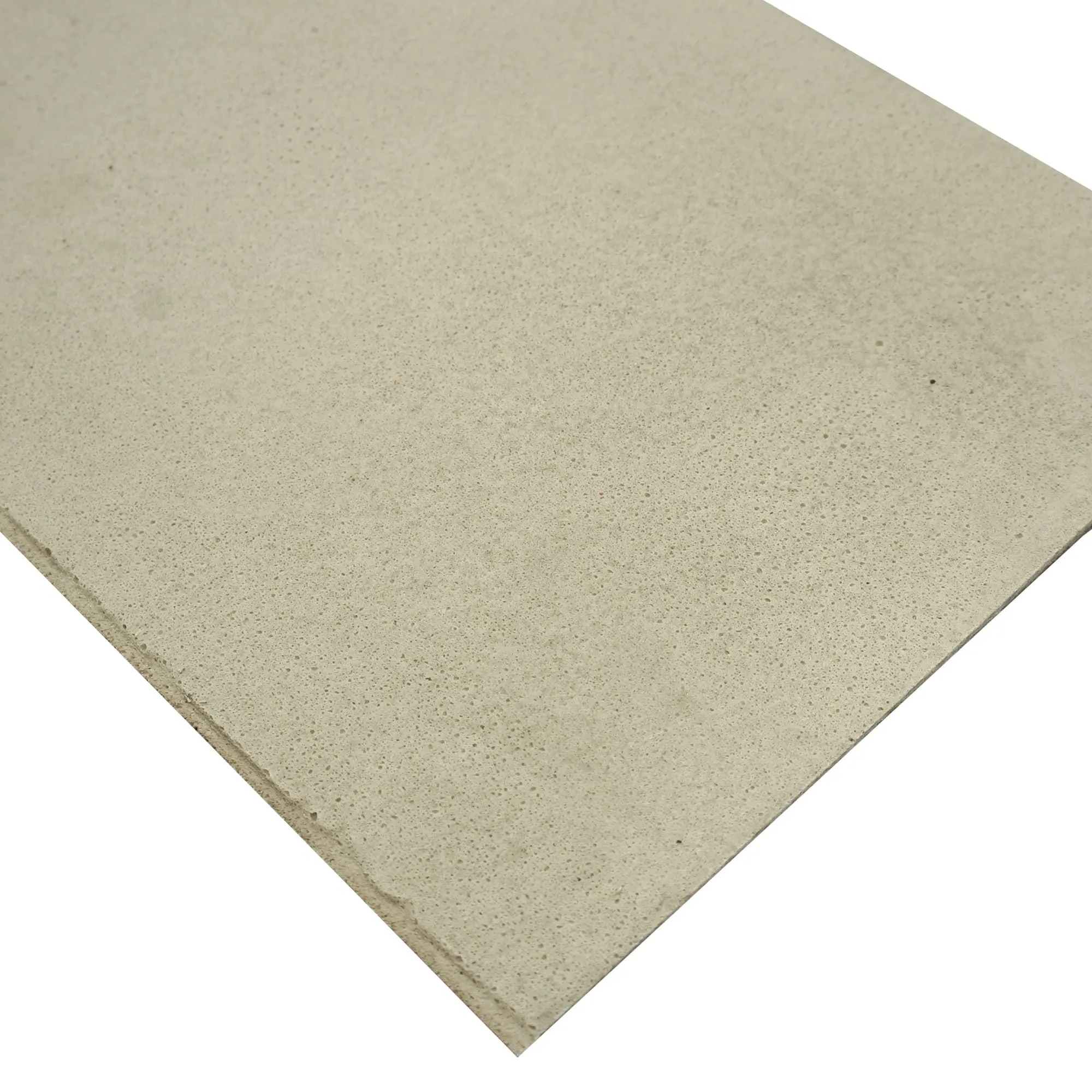
When you're dreaming up the perfect exterior for your building, whether it's a cozy home or a bustling commercial space, the choice of cladding material is one of the biggest decisions you'll make. It's not just about looks; it's about durability, maintenance, sustainability, and ultimately, the long-term value of your investment. Today, we're diving deep into a classic head-to-head: fair-faced concrete versus natural stone. Both have their loyal fans and distinct advantages, but which one truly stands out for exterior cladding in modern architecture? Let's break it down, and you might just find a surprising alternative that combines the best of both worlds.
Fair-faced concrete, also known as architectural concrete or exposed concrete, is exactly what it sounds like: concrete that is left visible as a finished surface, rather than being covered up. Its raw, industrial aesthetic has captivated architects and designers for decades, offering a minimalist, robust, and often monumental look.
-
Aesthetic Versatility:
While often associated with brutalism, fair-faced concrete can be surprisingly versatile. It can be smooth, textured, colored, or cast into various shapes, offering immense design freedom.
-
Durability and Strength:
Concrete is inherently strong and resilient. It stands up incredibly well to harsh weather conditions, impacts, and general wear and tear, making it a long-lasting choice for exteriors.
-
Thermal Mass:
Its high thermal mass helps regulate indoor temperatures, potentially leading to energy savings by reducing the need for constant heating and cooling.
-
Fire Resistance:
Concrete is non-combustible, providing excellent fire protection for buildings.
-
Cost-Effectiveness (Potentially):
Depending on the project scale and complexity, concrete can be more economical than natural stone, especially for large areas where panels can be pre-fabricated.
-
Appearance Consistency:
Achieving a perfectly uniform finish across large concrete surfaces can be challenging. Variations in color, texture, and air bubbles are common and can be seen as either character or a flaw.
-
Cracking:
Concrete is prone to shrinkage cracking over time due to temperature changes and moisture loss. While often superficial, these cracks can sometimes compromise aesthetics or structural integrity if not managed.
-
Maintenance and Staining:
Without proper sealing, concrete can absorb moisture and stains from pollutants, algae, and efflorescence. Regular cleaning and re-sealing are often necessary.
-
Environmental Impact:
Traditional concrete production is energy-intensive and contributes significantly to carbon emissions due to cement manufacturing.
-
Weight:
Concrete is heavy, requiring robust structural support, which can add to construction costs and complexity.
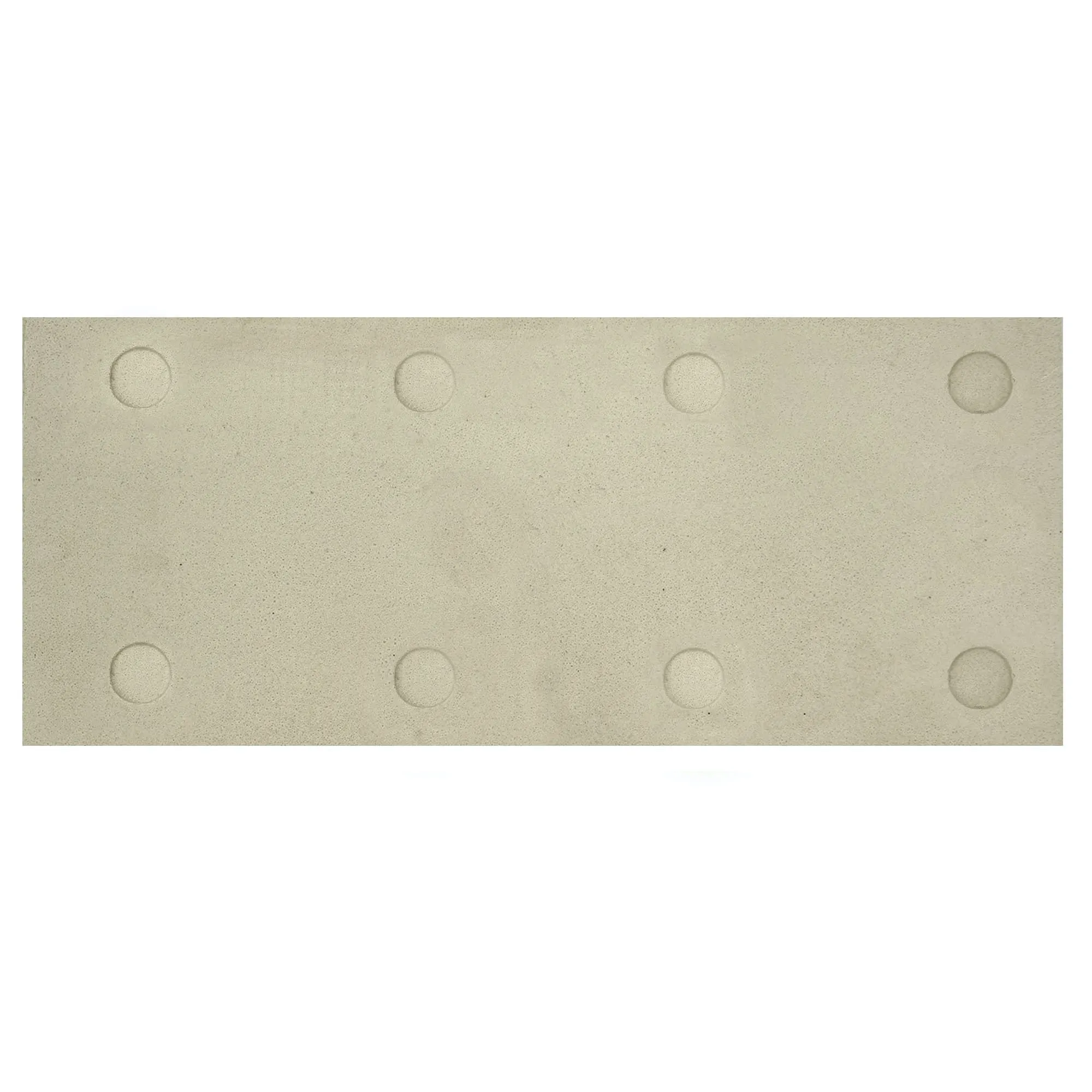
Embracing Natural Stone: Timeless Elegance
Natural stone – think granite, marble, travertine, limestone, slate – has been a go-to cladding material for centuries. Its inherent beauty, unique patterns, and connection to the earth give buildings a sense of gravitas, luxury, and permanence that is hard to replicate.
The Undeniable Advantages of Natural Stone
-
Unrivaled Aesthetics:
Each piece of natural stone is unique, offering variations in color, veining, and texture that create a truly bespoke and luxurious finish. Its organic beauty matures gracefully over time.
-
Exceptional Durability:
Many natural stones are incredibly dense and durable, standing up to extreme weather conditions, UV radiation, and general wear for centuries.
-
Increased Property Value:
Buildings clad in natural stone often command a higher market value due to the perception of quality and luxury.
-
Longevity:
Properly installed and maintained, natural stone can last for hundreds of years, making it a truly long-term investment.
-
Natural and Sustainable (Often):
As a naturally occurring material, its environmental footprint can be lower than manufactured alternatives, especially if sourced locally.
The Drawbacks of Natural Stone
-
High Cost:
This is often the biggest hurdle. The cost of quarrying, cutting, transportation, and skilled installation makes natural stone one of the most expensive cladding options.
-
Weight and Structural Requirements:
Like concrete, natural stone is very heavy, demanding substantial structural support and specialized installation techniques.
-
Limited Sizes:
Quarrying dictates the size of panels, which can be restrictive for certain architectural designs.
-
Porosity and Staining:
Many natural stones, especially lighter varieties, are porous and susceptible to staining from oils, acids, and pollutants without proper sealing and regular maintenance.
-
Installation Complexity:
Working with natural stone requires highly skilled craftsmen, which adds to both cost and project timeline.
-
Availability:
Specific types of stone might only be available from certain quarries, leading to potential supply chain issues and higher transportation costs.
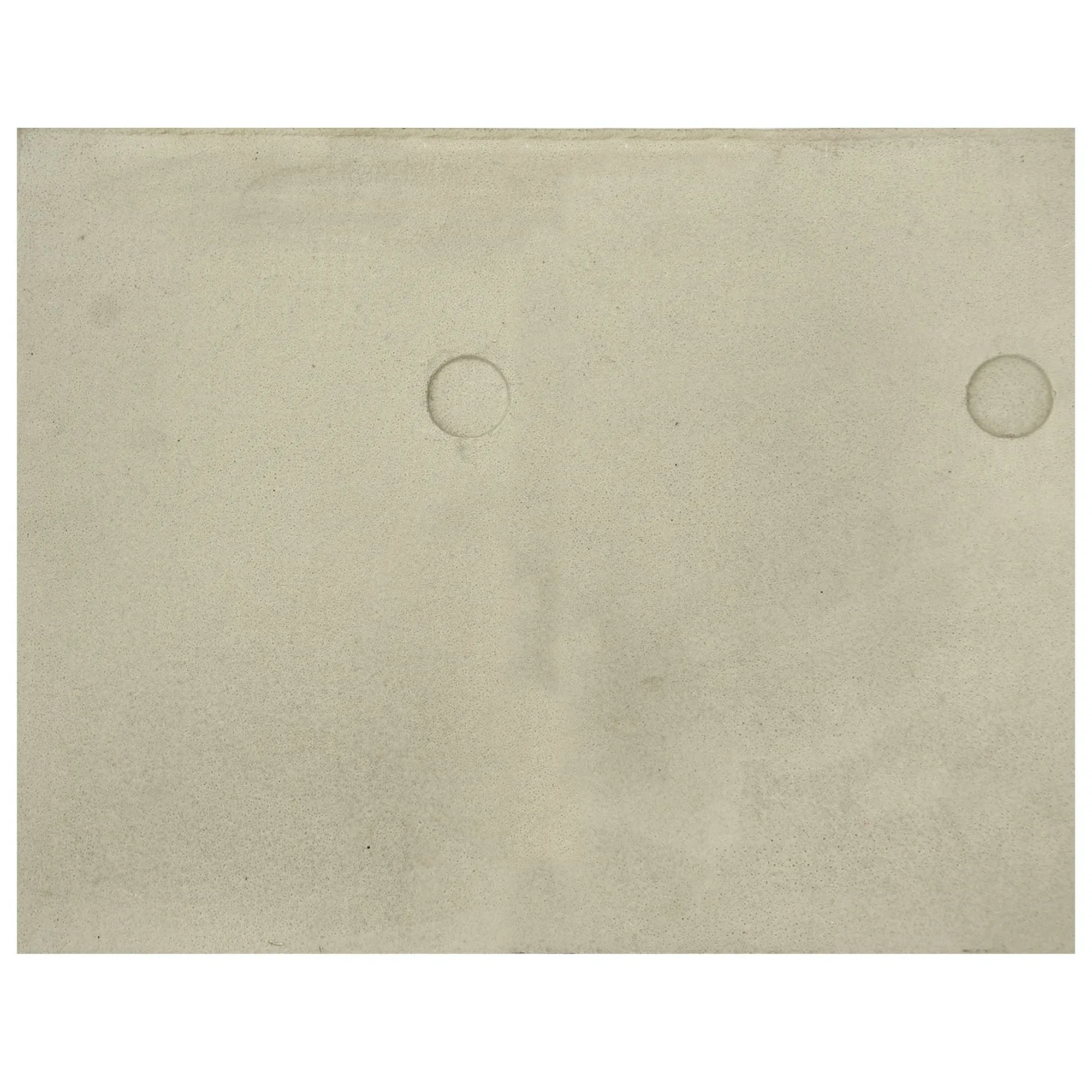
Head-to-Head Comparison: Fair-Faced Concrete vs. Natural Stone
To make it easier to digest, here's a quick comparison of the key aspects:
|
Feature
|
Fair-Faced Concrete
|
Natural Stone
|
|
Aesthetics
|
Raw, industrial, modern; uniform or textured; can be colored.
|
Unique, organic, luxurious; wide range of natural patterns and colors.
|
|
Durability
|
Excellent strength, impact resistance, fireproof.
|
Exceptional longevity, weather resistance, UV stable.
|
|
Cost
|
Generally moderate to high, depending on finish and complexity.
|
High due to material, quarrying, cutting, and specialized installation.
|
|
Weight
|
Heavy; requires significant structural support.
|
Very heavy; requires substantial structural support and specialized handling.
|
|
Maintenance
|
Requires sealing to prevent staining; potential for efflorescence.
|
Requires sealing for porosity; susceptible to etching from acids; regular cleaning.
|
|
Customization
|
High design flexibility in shape, texture, and form.
|
Limited by natural slab sizes and inherent patterns.
|
|
Environmental Impact
|
High embodied energy from cement production.
|
Lower embodied energy, but quarrying and transport can have impacts.
|
|
Installation
|
Can be complex, requires skilled labor for consistent finish.
|
Highly specialized, skilled craftsmen essential.
|
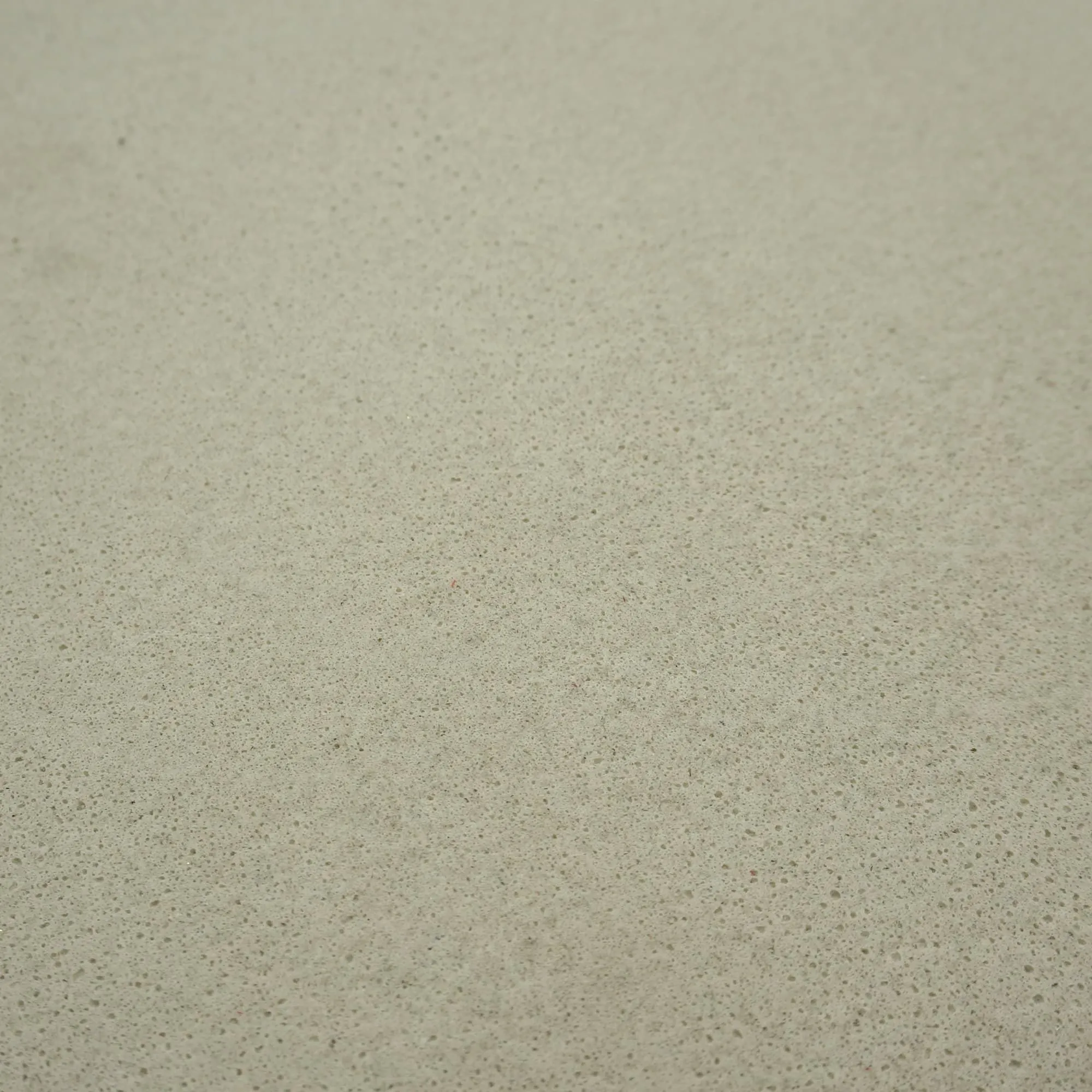
Is There a Better Way? Introducing MCM Technology
So, it seems like both fair-faced concrete and natural stone have their strong points, but also significant drawbacks, especially when it comes to weight, cost, and sometimes, environmental concerns. What if there was a material that offered the aesthetic appeal, durability, and luxury feel of these traditional options, but with added benefits?
This is where
COLORIA GROUP
steps in with our innovative
MCM (Modified Cementitious Material) product series
. We've dedicated ourselves to being a
one-stop solution provider
in architectural materials, delivering cutting-edge solutions that overcome the common challenges faced with traditional cladding choices.
The Advantages of COLORIA GROUP's MCM Products
Our MCM technology represents a significant leap forward, offering a fantastic alternative for both residential and commercial projects.
-
Lightweight & Flexible:
Unlike traditional concrete or stone, our MCM products, particularly the
MCM Flexible Stone
series, are incredibly thin and flexible. This drastically reduces structural load, simplifies transportation, and speeds up installation. Imagine achieving the look of a solid stone wall without the immense weight!
-
Stunning Aesthetics:
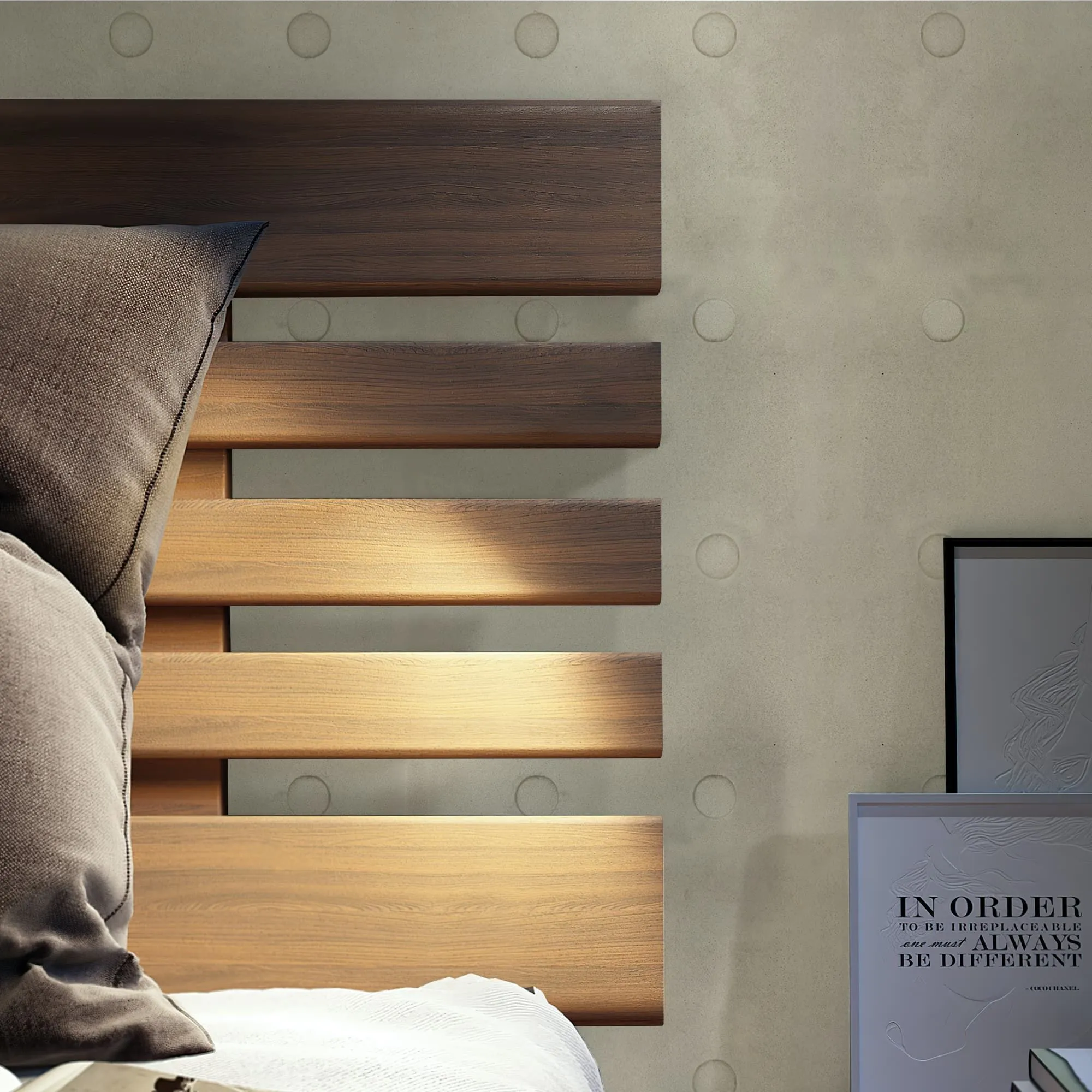
Our MCM products can mimic the intricate patterns and textures of natural stone, the raw elegance of fair-faced concrete, or even be customized into unique designs. The
MCM Big Slab Board Series
and
MCM Project Board Series
offer expansive, seamless finishes, perfect for modern architectural expressions.
-
Eco-Friendly & Sustainable:
Our commitment to green building means our MCM materials are made from natural mineral powders and other environmentally friendly components. They are breathable, non-toxic, and contribute to healthier living and working environments. This is a crucial aspect for environmentally conscious builders and clients.
-
Cost-Effective:
Reduced material weight, easier handling, and quicker installation translate directly into lower labor costs and shorter project timelines, making it a more economical choice in the long run.
-
Durability & Performance:
Don't let the "flexible" part fool you. Our MCM products boast excellent weather resistance, UV stability, fire resistance, and superior adhesion, ensuring a long-lasting and beautiful facade. They are engineered to perform in diverse climates, from the bustling cities to the arid landscapes where we have a strong presence, like Saudi Arabia.
-
Customization at Its Best:
With our MCM technology, particularly our
MCM 3D Printing Series
, we push the boundaries of design. Imagine intricate textures, bespoke patterns, or specific color matching – if you can dream it, we can create it. This level of customization is simply not possible with conventional materials.
-
Easy Installation:
The lightweight and flexible nature of our products means they can be easily cut, bent, and adhered to various substrates, significantly simplifying the installation process compared to heavy stone slabs or pouring concrete.
Making the Right Choice for Your Project
So, Fair-Faced Concrete vs. Natural Stone? The answer isn't always straightforward, as both have their merits for exterior cladding. If you're after a raw, industrial, and minimalist look, fair-faced concrete offers a compelling, cost-effective solution for large-scale projects, assuming you're prepared for its weight and potential for aesthetic inconsistencies. If timeless luxury, unparalleled organic beauty, and ultimate longevity are your top priorities, and budget is less of a concern, natural stone remains an iconic choice, though it comes with significant logistical and installation complexities.
However, for those seeking a modern solution that delivers the best of both worlds – the exquisite aesthetics of stone and concrete, combined with sustainability, flexibility, customization, and cost-efficiency –
COLORIA GROUP
's MCM series emerges as the clear winner. We understand that every project has unique needs, and our decades of industry experience enable us to provide tailored, high-quality interior and exterior decoration materials and support services globally.
We are more than just a supplier; we are your partner in bringing architectural visions to life, offering innovative materials that empower you to design without compromise. Our extensive range, from the imposing
MCM Big Slab Board Series
to the versatile
MCM Flexible Stone
, ensures that whatever your project demands, we have a solution that is not only beautiful but also smart, sustainable, and cost-effective.
Ready to explore how
COLORIA GROUP
can transform your next project with our advanced MCM solutions? Discover the future of architectural cladding today!