
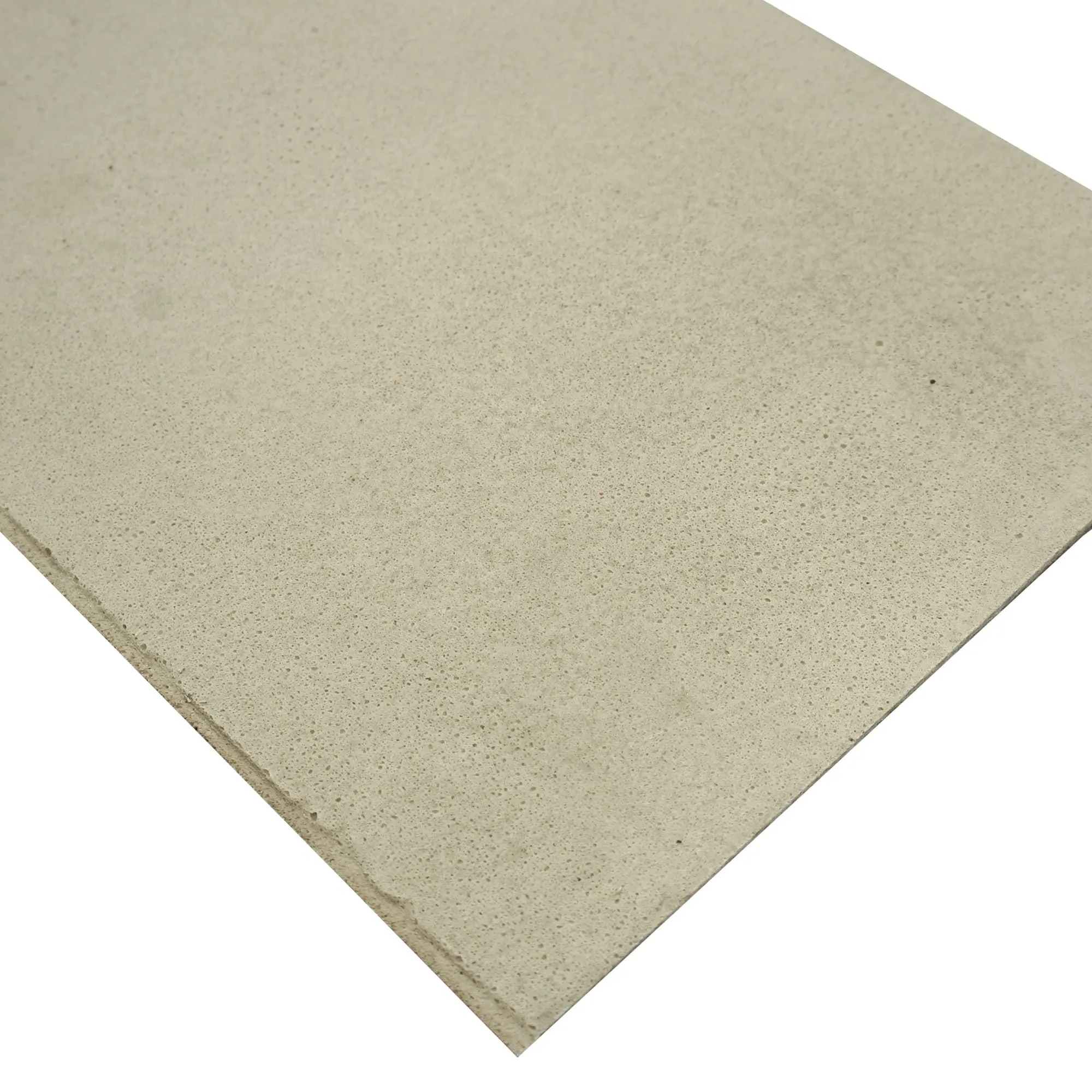
When embarking on a new home build or a significant renovation, few decisions weigh as heavily as the choice of exterior cladding. It's not merely about curb appeal; it's about the long-term performance, maintenance, and ultimate value of your property. Among the myriad options available, two stand out for their distinct characteristics and enduring popularity: fair-faced concrete and stucco. Both offer unique advantages and present their own set of challenges, leading many homeowners and developers to ponder: which is the right choice for my residential exterior?
This comprehensive guide aims to peel back the layers on fair-faced concrete and stucco, examining them through the critical lenses of durability and aesthetics. We'll explore what each material brings to the table, delve into their installation processes, discuss their long-term maintenance requirements, and ultimately help you make an informed decision that aligns with your vision and practical needs. Beyond these traditional options, we'll also introduce you to innovative, modern solutions, such as those championed by COLORIA GROUP, a global one-stop solution provider that is revolutionizing the construction materials landscape with advanced MCM (Modified Cementitious Material) products, offering superior performance and design versatility.
Fair-faced concrete, also known as architectural concrete or exposed concrete, is a type of concrete that serves as both a structural element and a finished surface. Unlike conventional concrete that's typically hidden behind other finishes, fair-faced concrete is left exposed to reveal its natural texture, color, and form. The term "fair-faced" implies that the concrete surface is of high quality, requiring no further plastering or cladding. Its aesthetic is characterized by a minimalist, industrial, and often brutalist appeal, celebrating the raw beauty of the material itself.
Achieving a truly "fair-faced" finish is an art form. It demands meticulous attention to detail during every stage of construction, from the selection of aggregates and admixtures to the mixing, pouring, and curing processes. The formwork used plays a crucial role in defining the final surface texture, whether it's a smooth, glass-like finish, a textured wood grain imprint, or a more rugged, raw appearance. Any imperfections in the formwork or during pouring will be permanently visible, making quality control paramount.
The visual impact of fair-faced concrete is undeniable and highly distinctive. It evokes a sense of permanence, strength, and modern sophistication. Here's why it captivates so many:
Durability is arguably fair-faced concrete's strongest suit. When properly designed and installed, it offers exceptional longevity and resilience:
While robust, fair-faced concrete is not without its challenges:
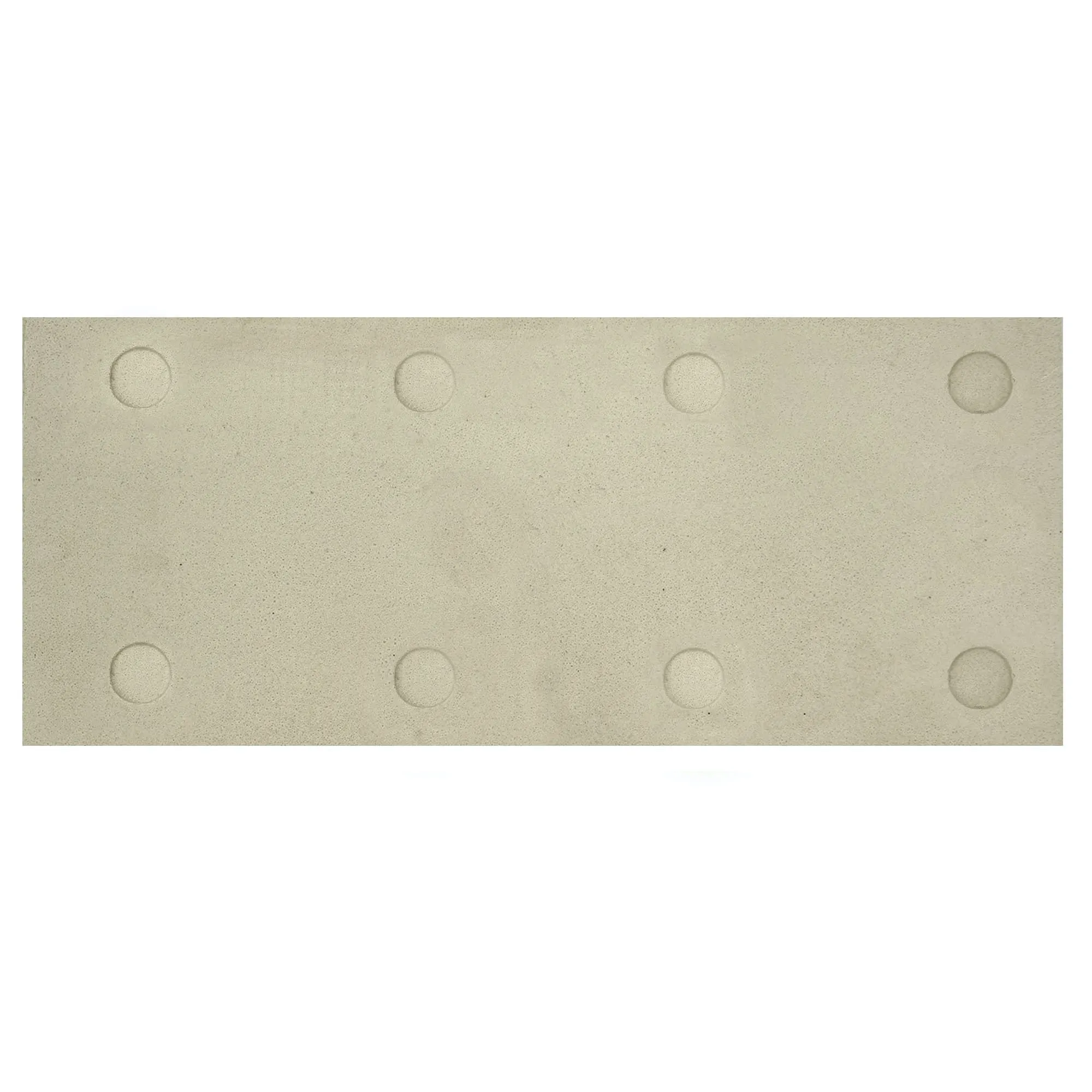
Stucco is a traditional building material composed of cement, sand, lime, and water, applied in several layers over a structural base, typically masonry or a lath system. It dries to a hard, durable, and decorative finish. Historically, stucco dates back thousands of years, with early forms used by ancient Egyptians, Greeks, and Romans. Modern stucco formulations often include acrylic additives to enhance flexibility, adhesion, and crack resistance.
The application process usually involves a scratch coat, a brown coat, and a finish coat. Each layer plays a role in building thickness, achieving flatness, and providing the final aesthetic. The finish coat is where the magic happens, allowing for a vast array of textures and colors, transforming the exterior into a dynamic and appealing surface.
Stucco's enduring popularity in residential exteriors stems from its incredible aesthetic versatility:
When correctly installed and maintained, stucco can be a remarkably durable exterior finish:
Despite its advantages, stucco also presents specific challenges that homeowners should be aware of:
To help crystallize the differences and aid in your decision-making, let's look at a comparative breakdown of fair-faced concrete and stucco across several key metrics:
| Feature | Fair-Faced Concrete | Stucco |
|---|---|---|
| Aesthetics | Fair-Faced Concrete"> Industrial, minimalist, raw, natural grey tones. Textures defined by formwork (smooth, wood grain). Sculptural possibilities. | Highly versatile, traditional, Mediterranean/Southwestern. Wide range of textures (smooth, rough, dash). Extensive color palette. Seamless appearance. |
| Durability | Fair-Faced Concrete"> Exceptional structural strength, fire resistance, high thermal mass, pest/rot resistant. Long lifespan. | Good weather and impact resistance, fire resistant. Can last decades with proper care. Vulnerable to moisture intrusion if detailing is poor. |
| Maintenance | Fair-Faced Concrete"> Requires regular sealing to prevent staining. Crack repair can be complex to match. Generally low, but specific. | Periodic inspection for cracks, cleaning, potential repainting/recoating. Crucial to address moisture issues promptly. |
| Installation | Fair-Faced Concrete"> Highly skilled labor required. Meticulous formwork and pouring. On-site casting, weather-dependent. Longer construction times. | Skilled labor required for proper layering and finishing. Multi-coat application with curing times. Sensitive to temperature and humidity during application. |
| Cost (Material & Labor) | Fair-Faced Concrete"> Generally higher initial cost due to specialized labor, formwork, and precise execution demands. | Moderate to high, depending on finish complexity, number of coats, and regional labor costs. Repairs can be costly if extensive. |
| Environmental Impact | Fair-Faced Concrete"> High embodied energy in cement production (carbon footprint). However, high thermal mass can reduce operational energy. Long lifespan reduces replacement frequency. | Lower embodied energy than concrete, especially traditional lime-based stucco. Can be a durable, long-lasting solution, reducing waste over time. |
| Moisture Management | Fair-Faced Concrete"> Relatively impermeable, but cracks can allow water. Sealing is critical. | Porous; requires meticulous flashing, weep screeds, and proper drainage systems to prevent water penetration into the wall assembly. Its Achilles' heel. |
| Repairability | Fair-Faced Concrete"> Challenging to achieve seamless repairs; color and texture matching is difficult. | Can be repaired, but color and texture matching can be difficult, often resulting in visible patches. |
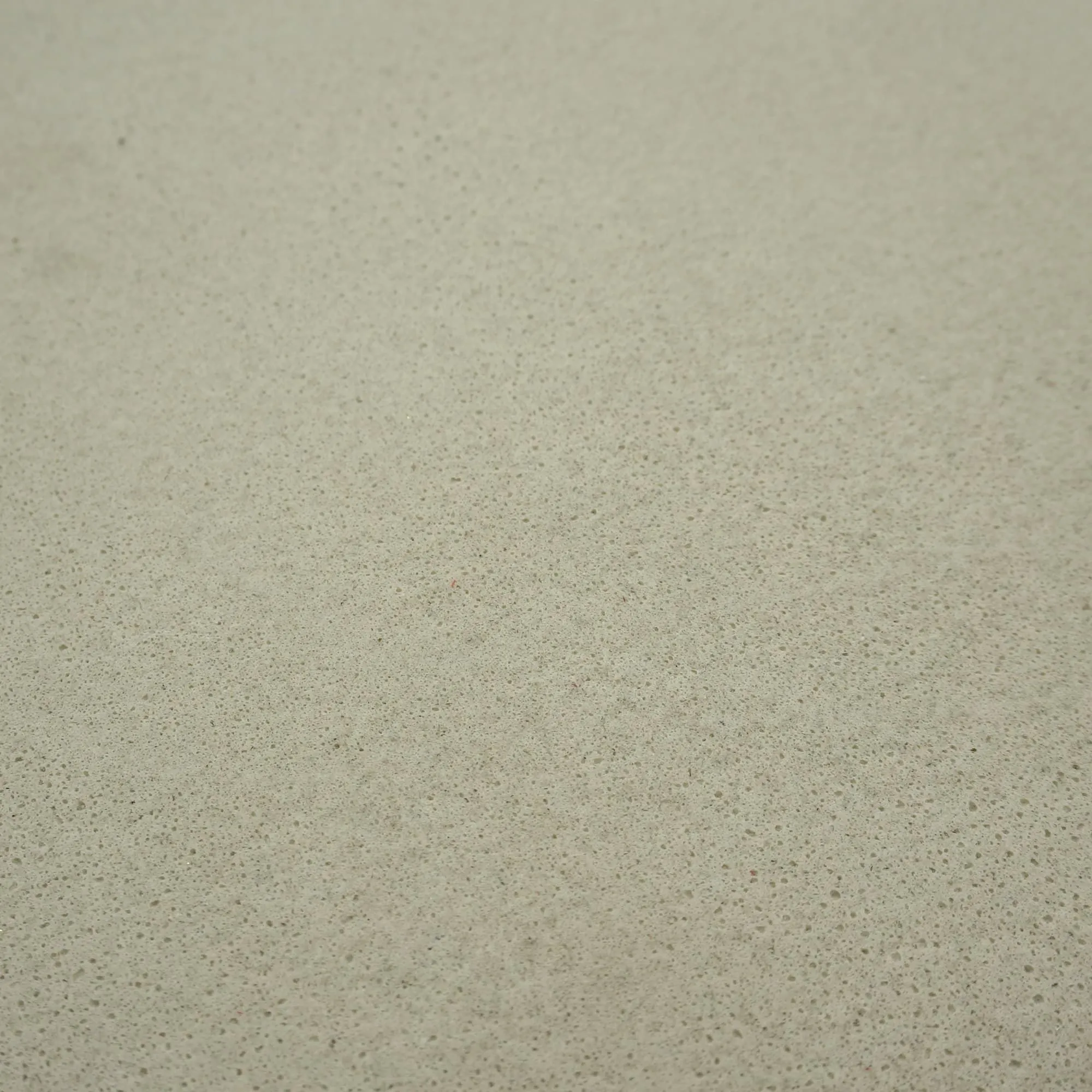
As we've seen, both fair-faced concrete and stucco offer compelling benefits, yet both come with inherent limitations. Homeowners and architects are increasingly seeking materials that can deliver the best of both worlds: the robust durability and contemporary appeal of concrete, combined with the aesthetic versatility and ease of application often associated with stucco, all while addressing concerns about environmental impact and long-term performance. This is precisely where modern material science steps in, offering innovative solutions that transcend traditional boundaries.
The construction industry is evolving rapidly, driven by a demand for sustainable, high-performance, and design-flexible materials. While fair-faced concrete boasts strength and a unique aesthetic, its application is labor-intensive, costly, and offers limited design flexibility in terms of pre-cast patterns or colors without significant added effort. Stucco, with its color options and textures, can sometimes fall short on long-term durability if not installed perfectly, particularly concerning moisture management, and it still relies on a multi-layered, time-consuming application process.
This evolving landscape has paved the way for advanced materials that aim to mitigate these traditional drawbacks while amplifying advantages. COLORIA GROUP, as a leading one-stop solution provider in architectural materials, has been at the forefront of this innovation, particularly with its advanced MCM (Modified Cementitious Material) products. These materials are designed to offer superior performance characteristics, a broader range of design possibilities, and more sustainable construction practices, directly addressing the limitations found in conventional fair-faced concrete and stucco.
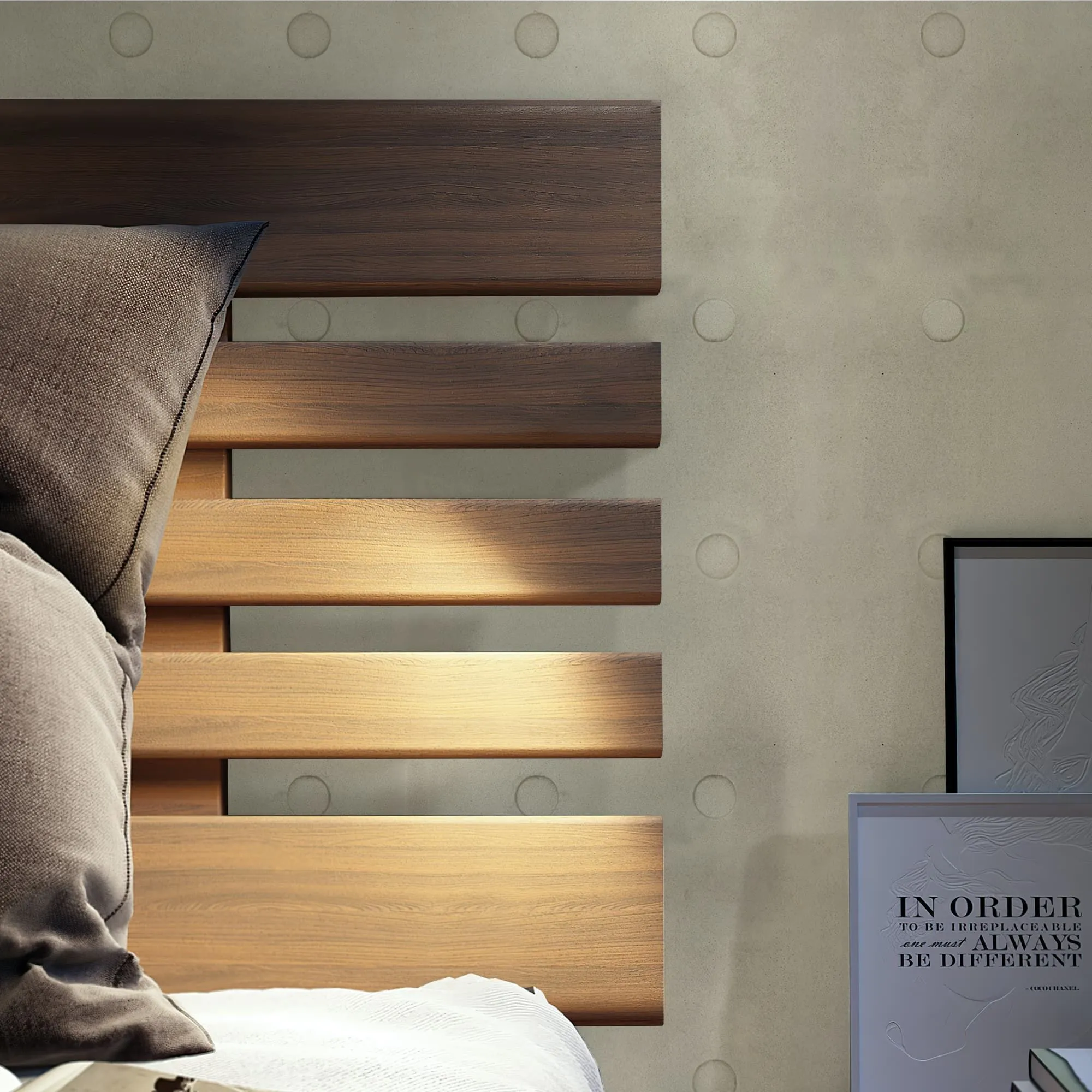
COLORIA GROUP specializes in a revolutionary category of materials known as MCM (Modified Cementitious Material) . This advanced material isn't just an alternative; it's a significant upgrade that redefines what's possible for both interior and exterior finishes. MCM combines the best attributes of cementitious products with enhanced flexibility, lighter weight, and superior aesthetic customization.
MCM is a composite material made from a combination of inorganic raw materials, such as mineral powders, quartz sand, cement, and a unique binding agent, often incorporating polymers. Through a special high-temperature curing process, these materials are transformed into flexible, thin, and remarkably durable sheets or tiles. The innovation lies in its ability to mimic the appearance and feel of various natural materials—stone, wood, brick, leather—with exceptional realism, while retaining the inherent strength and longevity of a cementitious product.
Unlike traditional fair-faced concrete which is poured on-site and stucco which is hand-troweled, MCM products are typically manufactured off-site as lightweight panels, allowing for more consistent quality, faster installation, and reduced on-site labor and waste. This translates directly into cost and time efficiencies for residential projects, without compromising on aesthetic quality or structural integrity.
The durability of COLORIA GROUP's MCM series is a significant leap forward:
Where fair-faced concrete is limited in its natural finishes and stucco relies on textured plaster, MCM offers an unprecedented spectrum of aesthetic possibilities:
COLORIA GROUP's commitment to innovation is showcased in its diverse MCM (Modified Cementitious Material) product lines, each designed to meet specific architectural and design requirements:
The MCM Big Slab Board Series offers expansive panels that are perfect for creating grand, seamless facades. These large-format boards minimize joints, enhancing the continuity and elegance of the building exterior. They are ideal for projects aiming for a modern, sophisticated look, providing the imposing presence of large stone slabs or polished concrete without the massive weight or installation challenges. Their lightweight nature simplifies logistics and speeds up installation, making large-scale projects more efficient.
Designed specifically for large-scale commercial and residential developments, the MCM Project Board Series emphasizes efficiency, cost-effectiveness, and robust performance. These boards are engineered for rapid installation and long-term durability, making them the go-to choice for developers seeking high-quality, sustainable cladding solutions for multiple units or expansive building envelopes. They offer a balance of aesthetic appeal and practical functionality for demanding project environments.
Pushing the boundaries of design, the MCM 3D Printing Series leverages advanced manufacturing techniques to create textured surfaces and intricate patterns that are otherwise impossible to achieve. This series allows for bespoke designs, unique architectural features, and tactile experiences on building exteriors. Imagine a facade with a flowing parametric design or a relief sculpture—this series makes such artistic visions a tangible reality, offering unparalleled customization for architects seeking to make a bold statement.
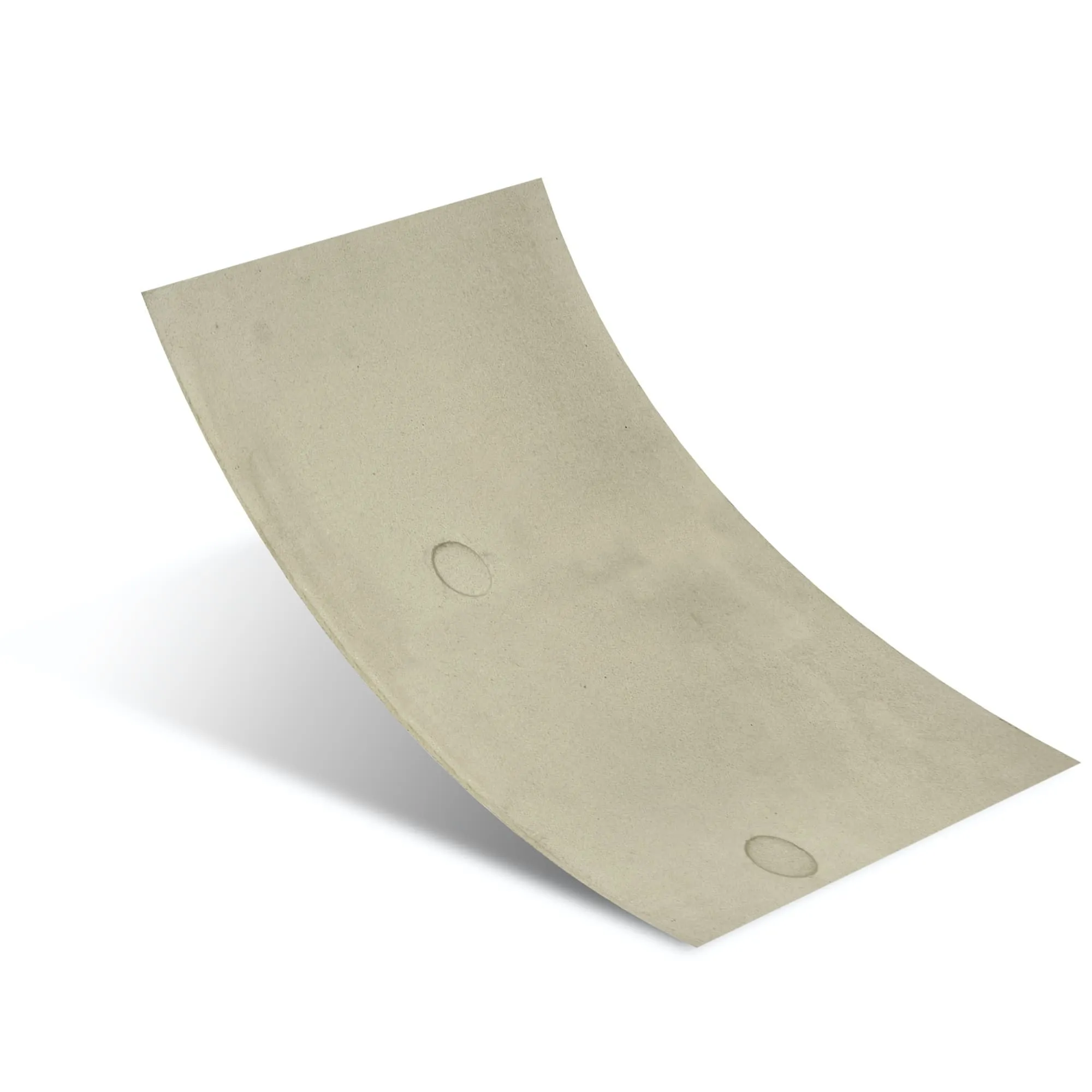
Perhaps one of the most compelling innovations, MCM Flexible Stone perfectly encapsulates the essence of MCM. This product genuinely looks and feels like natural stone, yet it is incredibly thin, lightweight, and flexible. It can be applied over existing surfaces, wrapped around columns, or used on curved walls, offering the beauty and gravitas of natural stone without its inherent limitations in terms of weight, cost, and installation complexity. It's an ideal solution for achieving a high-end stone aesthetic in situations where traditional stone would be impractical or prohibitively expensive. The integration of this flexible stone technology into Coloria Group's offerings significantly broadens the scope of architectural design, allowing for the natural elegance of stone to be incorporated into designs that previously could not accommodate its weight or rigidity. It offers an unprecedented opportunity to blend the durability of a robust exterior with the nuanced textures and colors typically associated with quarried materials, all while maintaining a commitment to green environmental protection due to its lightweight nature and reduced transportation impact.
In today's construction landscape, the environmental footprint of building materials is a paramount concern. Both fair-faced concrete and stucco have their environmental considerations, but modern materials like MCM are designed with sustainability in mind.
Choosing an exterior material is no longer just about initial cost and aesthetics; it's about a holistic understanding of the material's impact throughout its lifecycle. COLORIA GROUP prides itself on being a one-stop solution provider that not only delivers high-performance materials but also champion environmentally responsible building practices, offering products that genuinely support a greener future for construction.
The choice between fair-faced concrete, stucco, and innovative materials like COLORIA GROUP's MCM ultimately depends on a confluence of factors, including your design vision, budget, desired durability, and commitment to sustainability. There is no universally "best" option, but rather the "most suitable" one for your specific project.
The exterior of your home is its first impression and its primary shield against the elements. Whether you lean towards the stoic grandeur of fair-faced concrete or the artistic versatility of stucco, understanding their characteristics is key to a successful project. However, the architectural landscape is continually evolving, and with it, the materials available to bring visions to life.
COLORIA GROUP is proud to offer a forward-thinking solution in its MCM (Modified Cementitious Material) product line, which transcends the limitations of traditional options. As a dedicated one-stop solution provider , we empower architects, builders, and homeowners with materials that marry exceptional durability with unparalleled aesthetic flexibility, all while championing green environmental protection . From the expansive elegance of our MCM Big Slab Board Series to the natural realism of MCM Flexible Stone , our products are designed to deliver not just facades, but enduring legacies of beauty, performance, and environmental responsibility.
By choosing an innovative material like MCM, you are investing in a future where your home's exterior is not just a protective shell but a dynamic, resilient, and visually stunning expression of modern architectural excellence. Make an informed choice that will stand the test of time, weather, and evolving design trends.
Recommend Products












