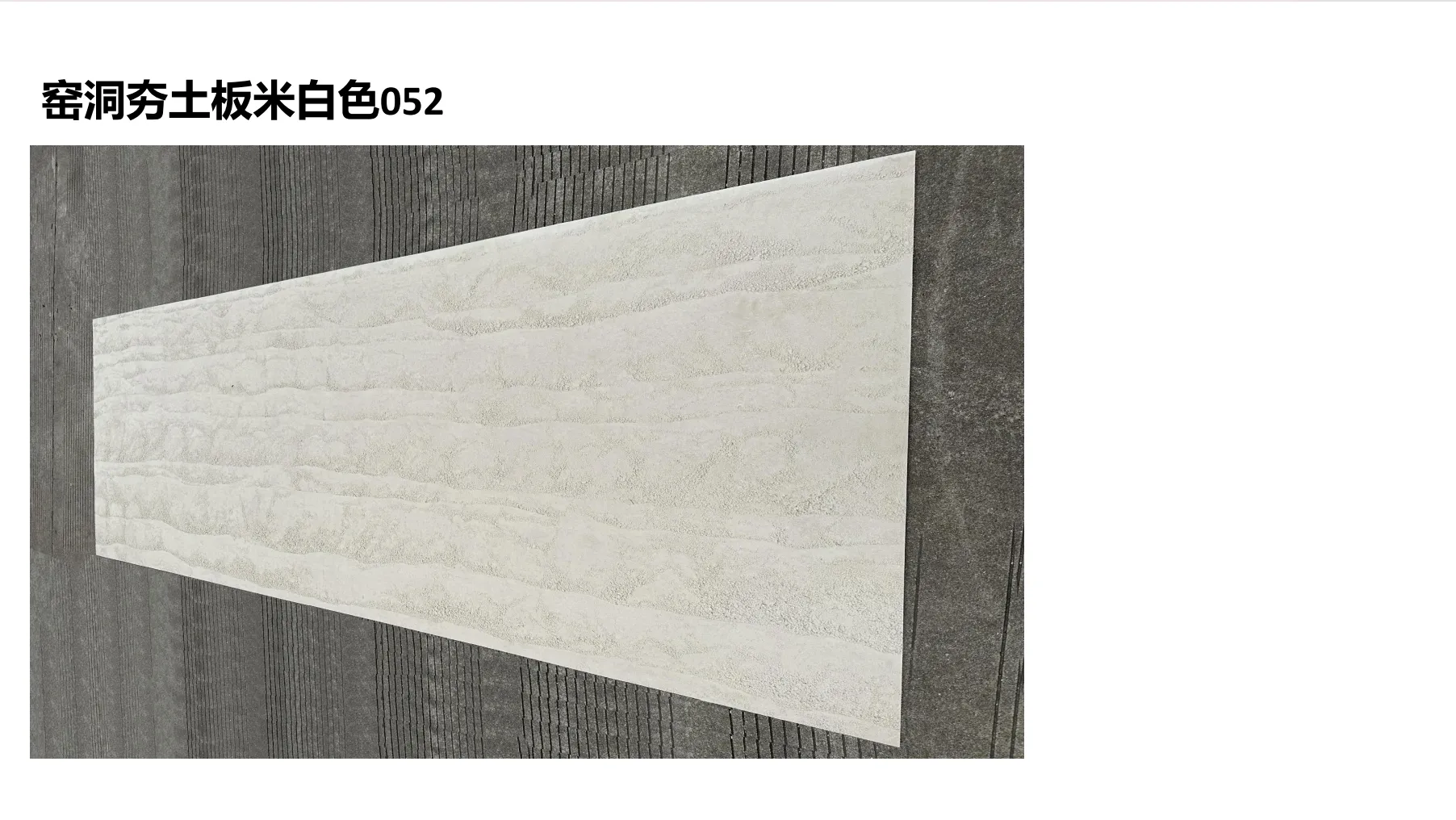
If you've been scrolling through design inspiration lately, chances are you've stumbled upon gradient color rammed earth boards—those stunning panels that look like nature painted them with soft, flowing hues. They blend the warmth of traditional building materials with a modern, artistic twist, making them a favorite for homeowners, architects, and designers alike. But let's be real: when you're considering a material for your home or project, curiosity (and maybe a little confusion) kicks in. What exactly are these boards made of? Do they hold up in rainy climates? Are they eco-friendly? We're breaking down the most common questions about gradient color rammed earth boards, so you can go from "what is this magic?" to "how do I get it?" in no time.
What Are Gradient Color Rammed Earth Boards, Anyway?
Let's start with the basics. Gradient color rammed earth boards are a modern take on traditional rammed earth—a building technique that's been around for centuries, using compressed layers of earth to create strong, durable walls. The "gradient color" part is where the fun comes in: instead of using a single shade of soil, manufacturers layer different colored earth mixtures (think soft beiges, warm terracottas, cool grays, or even subtle blues and greens) and compress them together. The result? A smooth, natural transition from one color to another, like a sunset frozen in stone or a mountain range captured in a panel. These boards are typically precast in factories, which means they're consistent in size, strength, and that eye-catching gradient effect. They're made with natural materials—usually a mix of local soil, sand, gravel, and a small amount of binder (like lime or cement) to hold everything together. No harsh chemicals, no artificial dyes—just earth, compacted to perfection.
How Are They Made? Walk Me Through the Process.
Great question! The process is equal parts old-world craftsmanship and modern engineering. First, the team selects soils with different natural pigments—maybe a rich red clay from one region, a pale sand from another, and a deep brown loam from somewhere else. These soils are sifted to remove rocks or debris, then mixed with sand (for texture) and a binder (like lime, which is eco-friendly, or cement for extra strength). Next, they layer these colored mixtures into a mold—think of it like stacking colored cake batter, but way sturdier. Each layer is compacted using a hydraulic press or mechanical rammer, which squeezes the earth so tightly that the particles bind together, creating a solid, dense panel. The key to the gradient effect? The layers are slightly blended at the edges before compaction, so there's no harsh line between colors—just a soft, gradual shift. After compaction, the boards are cured (left to dry slowly) for several weeks to ensure they harden properly. The result? A panel that's not just a building material, but a piece of functional art.
What Makes Them Different from Regular Rammed Earth or Other Materials?
Traditional rammed earth is amazing, but it's usually a single color (think: the classic terracotta or earthy brown you see in historic adobe homes). Gradient color rammed earth boards take that concept and turn up the creativity with those blended hues. Plus, traditional rammed earth is often built on-site, layer by layer, which can be time-consuming and weather-dependent. Gradient boards are precast in controlled factory settings, so they're ready to install right away—no waiting for layers to dry on-site.
To give you a better sense, let's compare them to a couple of other popular materials you might be considering:
|
Feature
|
Gradient Color Rammed Earth Boards
|
Fair-Faced Concrete
|
Travertine (Starry Blue)
|
|
Looks
|
Soft, blended color gradients; earthy texture
|
Industrial, smooth gray; minimalist
|
Polished beige stone with striking blue "starry" veins
|
|
Materials
|
Natural soil, sand, gravel, lime/cement binder
|
Cement, sand, water, aggregates
|
Natural travertine stone (calcium carbonate)
|
|
Eco-Friendliness
|
Low carbon footprint; uses local, abundant materials
|
High carbon emissions from cement production
|
Natural, but requires mining and transportation
|
|
Durability
|
50+ years with proper sealing
|
100+ years (high compressive strength)
|
50+ years (prone to etching if not sealed)
|
So, if you want something that's natural, customizable, and has that "wow" factor, gradient rammed earth boards stand out from the crowd.
What Are the Benefits of Using Gradient Color Rammed Earth Boards?
Where do we even start? Let's list the highlights:
1. Aesthetic Appeal:
The gradient colors are showstoppers. They add depth and warmth to any space, whether you're using them for an accent wall, a fireplace surround, or an exterior facade. No two panels are exactly alike, so your project gets a one-of-a-kind look.
2. Sustainability:
These boards are about as green as building materials get. They use natural, locally sourced soil (reducing transportation emissions), minimal binders, and no synthetic colors. Plus, they're recyclable at the end of their life—just crush them up and use them as aggregate for new projects.
3. Thermal Mass:
Like traditional rammed earth, these boards have excellent thermal mass, meaning they absorb heat during the day and release it at night. This helps regulate indoor temperatures, keeping your space cooler in summer and warmer in winter—hello, lower energy bills!
4. Durability:
When properly installed and sealed, they're tough. We're talking resistant to cracks, dents, and even fire (since they're made of earth and minerals, not flammable materials).
5. Low Maintenance:
Unlike wood or some stones, they don't need frequent staining or sealing. A quick wash with mild soap and water now and then is usually all it takes to keep them looking fresh.
Simply put, they're a material that works hard and looks good doing it.
Where Can I Use Them? Any Project Too Big or Too Small?
The short answer: almost anywhere! These boards are surprisingly versatile. Here are some of our favorite applications:
Interior Walls:
Imagine a living room with a gradient rammed earth accent wall, shifting from soft sage green to warm terracotta—it's instant mood lighting, no bulbs needed. They work in bedrooms, home offices, or even bathrooms (with proper sealing, of course).
Exterior Facades:
Want your home to stand out in the neighborhood? Gradient boards make a statement as siding, whether you go bold with a sunset-inspired orange-to-pink gradient or subtle with beige-to-gray. They hold up well against sun, wind, and rain (again, sealing is key here).
Fireplaces:
Their heat-resistant properties make them perfect for fireplace surrounds. The gradient colors add a cozy, natural vibe that pairs beautifully with crackling fires.
Outdoor Spaces:
Think garden walls, patio dividers, or even pool coping. They blend seamlessly with plants and natural landscapes, turning your backyard into a retreat.
Commercial Projects:
Cafés, boutique hotels, and offices love them for their unique look and sustainability story. A restaurant with a gradient rammed earth bar? Instant Instagram spot.
As for size: they come in standard panel sizes (usually 2-4 feet wide and 4-8 feet tall), but many manufacturers can custom-cut them for smaller projects, like a tiny home accent wall, or larger ones, like a commercial building facade. No project is too "out there"—if you can dream it, they can probably make it work.
How Do They Hold Up in Extreme Climates? Rain, Snow, Heat—Will They Crack?
This is a big one, especially if you live somewhere with wild weather. Let's break it down by climate:
Hot, Dry Climates:
These boards thrive here! Their thermal mass helps keep interiors cool, and the low moisture content in the air means they're less likely to absorb water. Just make sure they're sealed to prevent UV rays from fading the colors over time (though natural fading can add character, too).
Rainy or Humid Climates:
They can handle this, but sealing is non-negotiable. A good quality penetrating sealer will repel water, preventing mold, mildew, or erosion. Think of it like sunscreen for your boards—apply once every 5-7 years, and they'll stay happy.
Snowy or Freeze-Thaw Climates:
The key here is avoiding water absorption. If water seeps into the board and freezes, it can expand and cause cracking. But with proper sealing and installation (making sure there's a slope to shed water away from the boards), they'll hold up just fine. Many manufacturers even test their boards in freeze-thaw cycles to ensure durability.
Coastal Areas:
Salt air can be tough on some materials, but gradient rammed earth boards (with, you guessed it, sealing) resist salt damage better than wood or untreated stone. Just rinse them off occasionally to remove salt buildup.
The bottom line: with a little care (read: sealing), they're adaptable to most climates. Always check with the manufacturer for climate-specific recommendations—they'll know what works best for your area.
What Colors and Gradients Are Available? Can I Customize My Own?
The color options are almost endless—since they use natural soil pigments, the sky (or the earth) is the limit. Here are some popular gradients we see often:
Earthy Neutrals:
Beige-to-taupe, sand-to-soft gray, or brown-to-umber—these are timeless and pair with any decor style, from modern minimalist to boho chic.
Warm Tones:
Terracotta-to-orange (think desert sunset), pink-to-peach (soft and romantic), or amber-to-gold (luxurious and warm).
Cool Tones:
Sage green-to-olive, light blue-to-slate (like
travertine (starry blue) but with a gradient twist), or lavender-to-gray (moody and sophisticated).
Bold Statements:
Red-to-purple, yellow-to-green (for the adventurous), or black-to-white (dramatic and modern).
And yes—customization is totally a thing! Most manufacturers will work with you to create a one-of-a-kind gradient. Want to match the colors of your favorite mountain range? Send them a photo. Have a specific Pantone shade in mind? They can source soil or add natural pigments (like iron oxide for reds, copper for greens) to get the exact hue. Just keep in mind that custom gradients may take a bit longer and cost a little more, but the result is a material that's uniquely yours.
Are They Eco-Friendly? I Care About Sustainability—Do These Deliver?
If sustainability is a priority for you, you'll love gradient color rammed earth boards. Let's count the eco-points:
Local Materials:
Most manufacturers source soil from nearby quarries or suppliers, cutting down on transportation emissions. No shipping materials from across the globe here!
Low Carbon Footprint:
Traditional concrete production is a major carbon emitter, but rammed earth uses minimal binders (like lime, which has a lower carbon footprint than cement) and requires less energy to produce than fired bricks or steel.
Natural and Non-Toxic:
No VOCs, no formaldehyde, no synthetic dyes—just earth, sand, and a little binder. This means better indoor air quality for your home or space.
Durable and Long-Lasting:
A longer lifespan means less need for replacement, which reduces waste over time. When they do reach the end of their life, they can be crushed and reused as fill or aggregate—no ending up in a landfill.
Thermal Efficiency:
As we mentioned earlier, their thermal mass helps reduce heating and cooling costs, lowering your home's energy use (and carbon footprint) year-round.
Of course, no material is 100% perfect—some binders like cement are still not as eco-friendly as we'd like, but many manufacturers offer lime-based options for a greener choice. Ask your supplier about their sustainability practices—most are happy to share their process (and proud of it!).
How Much Do They Cost? Are They Budget-Friendly?
Let's talk numbers—gradient color rammed earth boards are generally considered a mid-to-high-end material, but they're an investment that pays off in durability and style. Here's a rough breakdown:
Material Cost:
Expect to pay anywhere from $25 to $60 per square foot, depending on the size of the panels, the complexity of the gradient (custom colors cost more), and the manufacturer. For comparison, natural stone like
travertine (starry blue) can run $50 to $100+ per square foot, while
fair-faced concrete is around $15 to $30 per square foot. So gradient rammed earth sits in the middle—more affordable than high-end stone, but pricier than basic concrete.
Installation Cost:
You'll also need to factor in installation, which typically ranges from $10 to $20 per square foot. Since they're precast panels, installation is faster than traditional on-site rammed earth, but it still requires a skilled contractor who knows how to handle the material (no DIY unless you're an experienced builder!).
Long-Term Savings:
Remember that thermal mass we mentioned? Lower energy bills over time can offset the initial cost. Plus, their durability means you won't be replacing them every 10-15 years like some materials.
If you're on a tighter budget, consider using them as an accent (like a single wall) instead of covering an entire space. A little gradient rammed earth goes a long way in making a statement!
How Do I Maintain Them? Any Special Cleaning or Care Tips?
The best part? They're low-maintenance. Here's what you need to do to keep them looking their best:
Regular Cleaning:
For day-to-day dirt or dust, a soft brush or damp cloth works wonders. For deeper cleaning (say, after a muddy footprints incident), mix mild dish soap with warm water and gently scrub with a soft sponge. Avoid harsh cleaners like bleach or abrasive pads—they can strip the sealer or scratch the surface.
Sealing:
This is the most important step! Apply a penetrating sealer (look for one designed for natural stone or rammed earth) when the boards are first installed, then reapply every 5-7 years (or as recommended by the manufacturer). Sealer prevents water absorption, stains, and fading. Think of it as a protective shield that lets the gradient colors shine through.
Handling Stains:
Spills happen! Blot (don't rub) liquids immediately with a clean cloth. For oil-based stains (like cooking grease), mix baking soda with water to make a paste, apply it to the stain, let it sit for 10-15 minutes, then wipe clean. If the stain sets, a poultice made for natural stone can help lift it out.
Avoiding Damage:
Don't hang heavy items directly on the boards without using wall anchors—they're strong, but not indestructible. Also, keep objects (like lawnmowers or tools) away from exterior panels to prevent chips.
With just a little TLC, your gradient rammed earth boards will look as good in 20 years as they did on day one.
Where Can I Buy Gradient Color Rammed Earth Boards? Any Trusted Brands?
Since gradient color rammed earth boards are still gaining popularity, they're mostly available through specialty building material suppliers or direct from manufacturers. Here are some tips to find them:
Local Suppliers:
Start by checking with stone yards, architectural supply stores, or eco-friendly building material companies in your area. They may carry pre-made panels or can connect you with local manufacturers.
Online Retailers:
Sites like BuildDirect or EcoHome supply directories list sustainable building materials, including rammed earth products. Just be sure to check shipping costs—these panels are heavy!
Direct from Manufacturers:
Many manufacturers (like those specializing in
mcm flexible stone or custom rammed earth products) will ship nationwide. Do a quick Google search for "
gradient color rammed earth board manufacturers" and read reviews—look for companies with photos of finished projects and positive customer feedback.
Architects and Designers:
If you're working with a professional, ask them for recommendations. They often have relationships with suppliers and can help you navigate custom orders.
Pro tip: Request samples before ordering! Most manufacturers will send small sample panels so you can see the colors, texture, and gradient quality in person. Lighting can change how colors look, so it's worth testing them in your space before committing.