
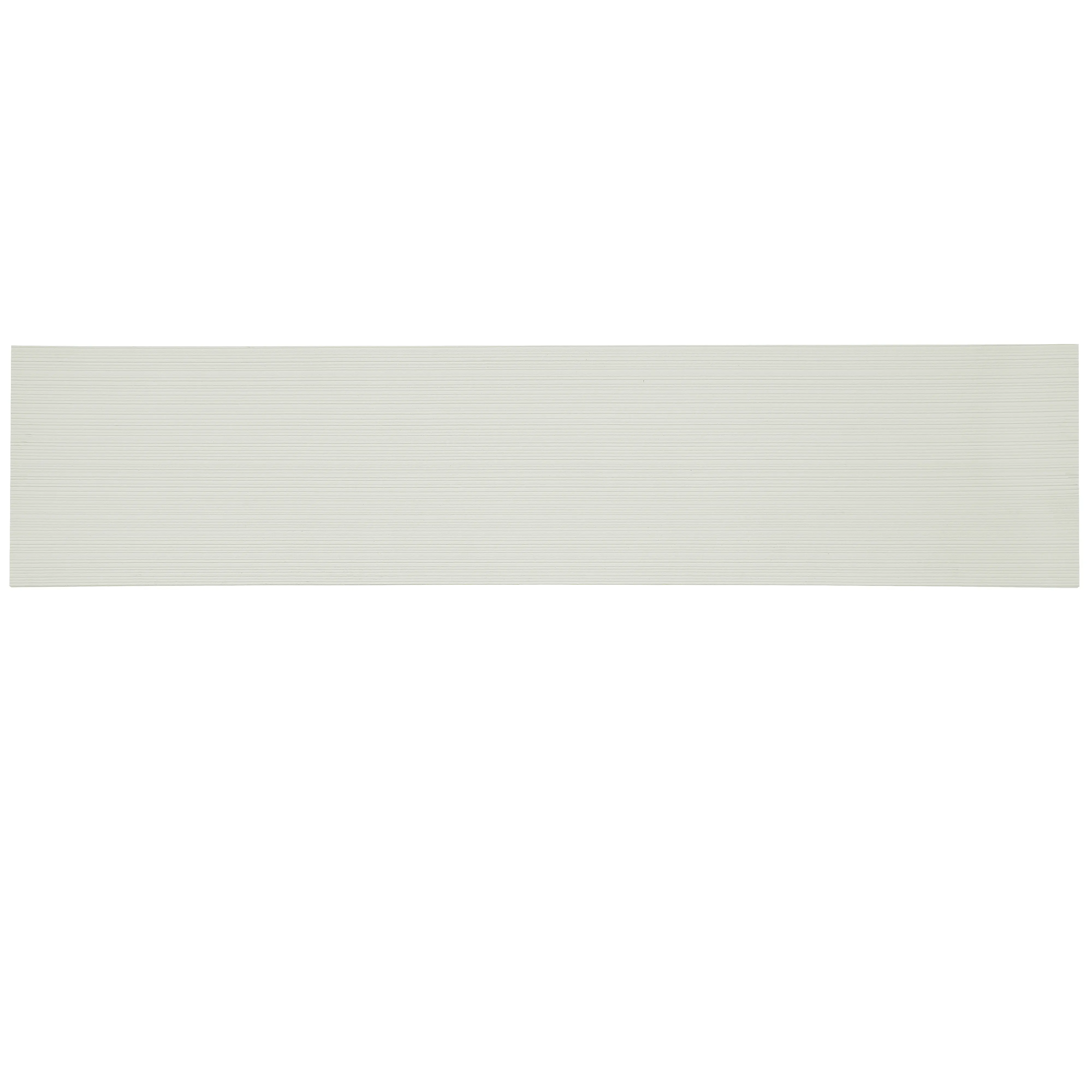
Exploring the sustainable innovation behind COLORIA's flagship material and beyond
Walk into any modern design studio, and you'll hear the same buzzword echoing through the conversations: sustainability. It's no longer a niche concern reserved for eco-activists; today's homeowners, architects, and businesses are demanding materials that don't just look good, but do good too. We want spaces that reflect our values—spaces that tell a story of responsibility, without sacrificing an ounce of style. That's where COLORIA steps in, and their Fine Line Stone (White) is leading the charge. But what exactly makes this material a game-changer in the world of eco-friendly design? Let's dive in.
First, let's set the stage. Traditional building materials have long been at odds with environmental health. Quarrying natural stone disrupts ecosystems and releases massive amounts of carbon. Concrete production is one of the largest contributors to global CO2 emissions. Even "natural" options often come with hidden costs: heavy transportation, high energy use in processing, and short lifespans that lead to frequent replacements. For designers and builders committed to reducing their carbon footprint, the choice has often felt like a trade-off—until now.
COLORIA's MCM (Modified Composite Material) technology isn't just a new product; it's a rethink of what building materials can be. Lightweight, durable, and crafted with sustainability in mind, MCM is changing the narrative. And at the forefront of this revolution is Fine Line Stone (White)—a material that marries the timeless elegance of natural stone with a eco-friendly core that's impossible to ignore.
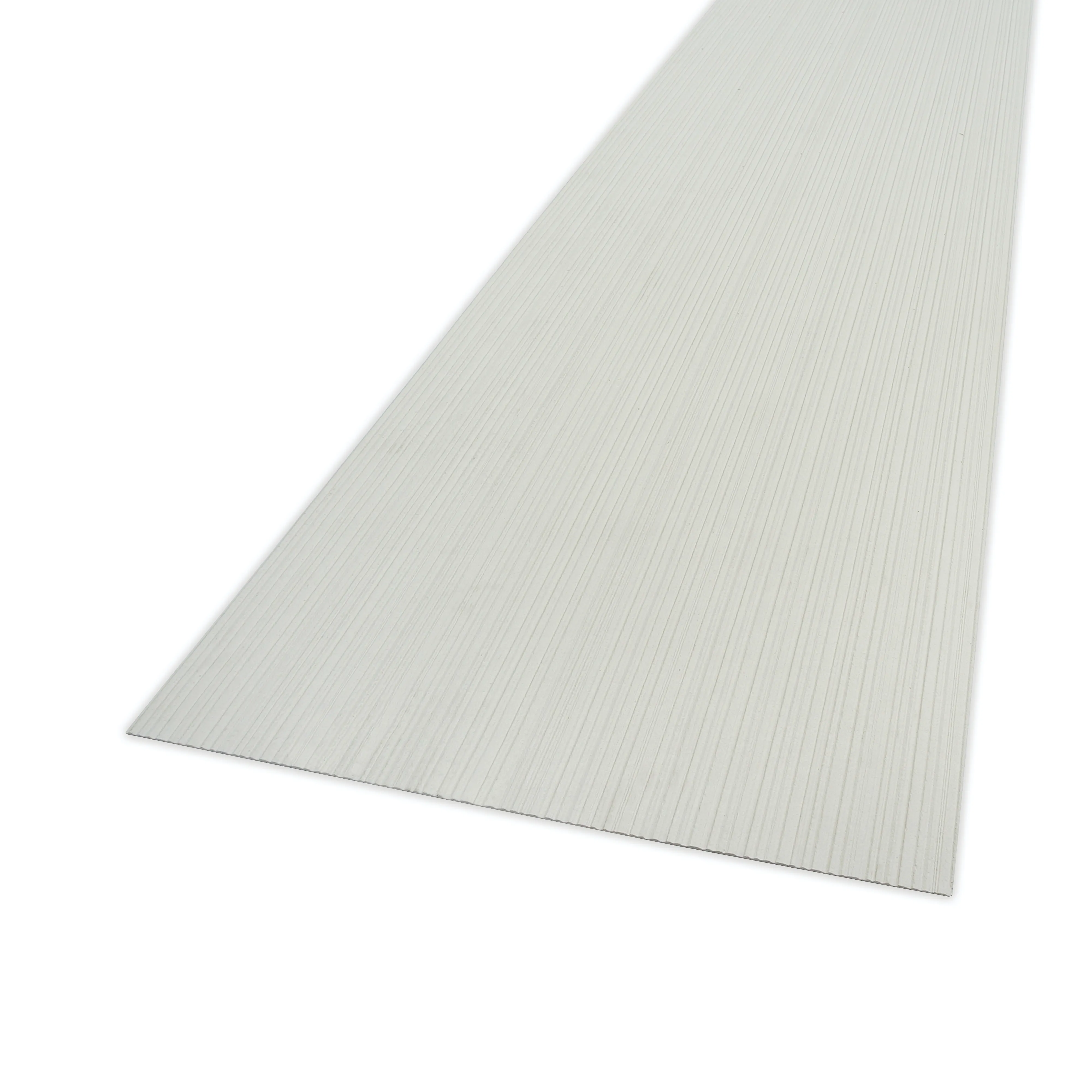
Before we get to the star of the show—Fine Line Stone (White)—let's unpack the science behind MCM. Modified Composite Material is exactly what it sounds like: a blend of natural minerals, recycled polymers, and advanced binders, engineered to mimic the look and feel of traditional materials (think stone, wood, or metal) while addressing their biggest flaws. The result? A material that's lighter, stronger, and far more sustainable than its predecessors.
Here's the magic in simple terms: MCM starts with a base of recycled aggregates—think crushed stone, glass, or even post-industrial waste—that would otherwise end up in landfills. These aggregates are mixed with a low-VOC (volatile organic compound) binder, which reduces harmful emissions during production. The mixture is then pressed into thin, flexible panels, which are cured using energy-efficient processes that minimize heat and electricity use. The final product? A panel that's up to 80% lighter than natural stone, yet just as durable, with a lifespan that outlasts many traditional materials by decades.
But MCM isn't just about sustainability—it's about versatility. COLORIA's engineers have perfected the art of replicating textures and colors, so whether you're craving the rough-hewn charm of Travertine (starry green) or the sleek modernity of Foamed Aluminium Alloy Board (vintage silver), MCM can deliver. And at the heart of this versatility lies Fine Line Stone (White), a material that's become a favorite for its understated elegance and adaptability.
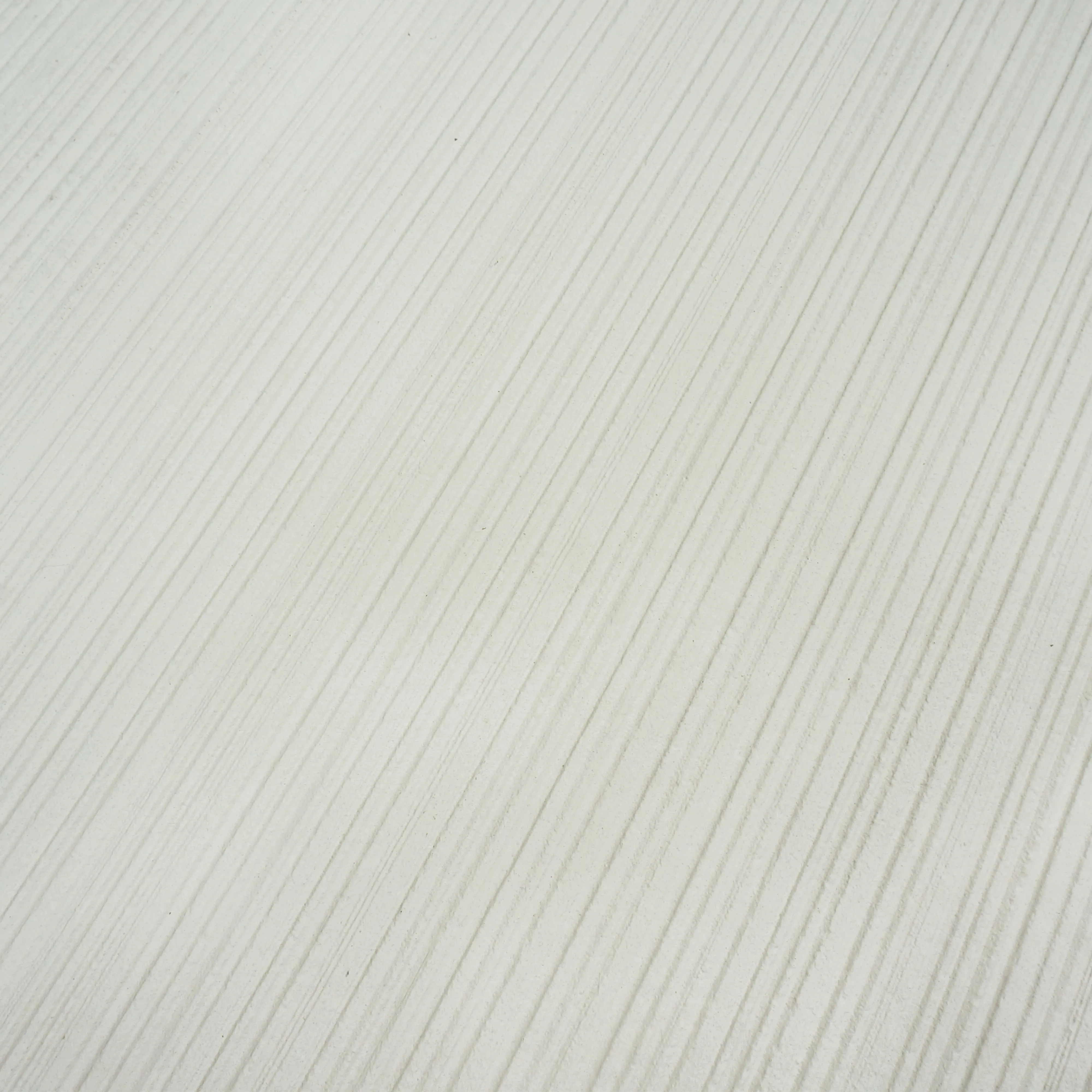
Let's zoom in on Fine Line Stone (White). At first glance, it's easy to mistake it for natural marble or limestone. Its surface is smooth yet subtly textured, with fine, linear veining that adds depth without overwhelming a space. It's the kind of material that works equally well in a minimalist home office, a luxury hotel lobby, or a cozy café—it adapts, elevates, and complements. But beneath that stunning exterior is a commitment to sustainability that's baked into every layer.
So, what's in the composition? Fine Line Stone (White) starts with a recycled stone aggregate base, sourced from construction waste that would otherwise contribute to landfill overcrowding. This not only reduces the need for new quarrying but also gives new life to materials that would have gone to waste. Next, COLORIA adds a proprietary binder made from plant-based polymers, cutting down on the use of petroleum-derived chemicals. The panels are then cured using a low-temperature process, which slashes energy consumption compared to firing natural stone or concrete in high-heat kilns.
But the eco-friendly benefits don't stop at production. Fine Line Stone (White) is also designed to be long-lasting. Its resistance to moisture, UV rays, and impact means it won't crack, fade, or degrade quickly—unlike painted surfaces or even some natural stones that require frequent sealing. This durability translates to less frequent replacements, which in turn reduces the demand for new materials and the carbon emissions associated with manufacturing and transportation.
Installation is another area where sustainability shines. Because MCM panels are lightweight (typically 4-6 kg per square meter, compared to 25-30 kg for natural stone), they require less structural support, reducing the need for heavy steel framing or reinforced walls. This cuts down on construction time, labor costs, and the carbon footprint of the building process itself. Plus, the panels are easy to cut and shape on-site, minimizing waste during installation—no more piles of discarded stone scraps cluttering job sites.
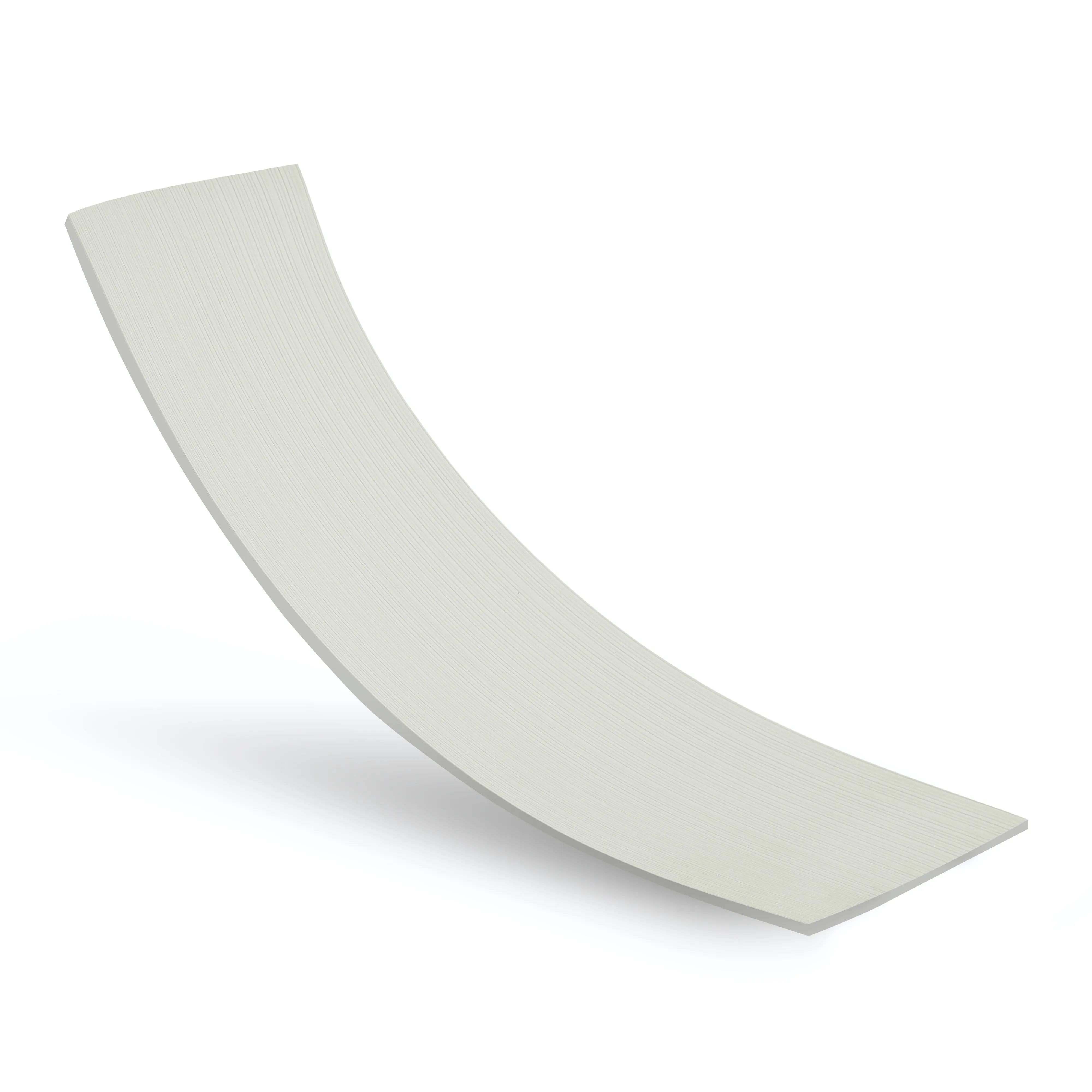
Fine Line Stone (White) might be the poster child, but it's far from the only eco-friendly option in COLORIA's lineup. The brand has expanded its MCM technology to create a range of materials that cater to diverse design needs, all while upholding the same sustainability standards. Let's explore a few standout examples.
For those craving a metallic finish with an industrial edge, Foamed Aluminium Alloy Board (vintage silver) is a revelation. Made by mixing recycled aluminum with a foaming agent, this material is 70% lighter than solid aluminum, yet surprisingly strong. The "vintage silver" finish mimics the look of aged metal, adding warmth to modern spaces, but its eco-credentials are what truly set it apart. By using recycled aluminum, COLORIA reduces the energy needed to produce new metal (aluminum recycling uses 95% less energy than primary production), and the foaming process further cuts down on material waste. It's a favorite for accent walls, backsplashes, and even furniture—proof that industrial style can be kind to the planet.
Fair-faced concrete has long been beloved for its raw, organic texture, but traditional concrete is anything but green. COLORIA's take on this classic material flips the script. Their Fair-faced Concrete MCM panels use recycled aggregates and a low-carbon cement alternative, slashing CO2 emissions by up to 40% compared to standard concrete. The result? The same rugged, industrial charm you love, but with a footprint that won't keep you up at night. It's perfect for warehouses converted into lofts, modern retail spaces, or outdoor patios—durable enough to withstand the elements, and sustainable enough to feel good about.
Travertine is a timeless choice, but quarrying it can devastate natural landscapes. COLORIA's Travertine (starry green) offers a solution. Using MCM technology, they replicate the porous, pitted texture of natural travertine, complete with the subtle "starry" flecks that give it its name. But instead of extracting from fragile ecosystems, they use recycled stone and eco-friendly pigments. The result is a material that looks and feels like the real thing, without the environmental cost. It's ideal for creating a warm, earthy vibe in bathrooms, kitchens, or outdoor walkways—proof that you don't have to sacrifice natural beauty for sustainability.
Numbers tell a powerful story, so let's put COLORIA's eco-friendly claims to the test. Below is a comparison of Fine Line Stone (White) and other COLORIA MCM materials against traditional options, highlighting their environmental impact, durability, and practical benefits.
| Material | Carbon Footprint (kg CO2 per m²) | Expected Lifespan | Weight (kg per m²) | Recycled Content |
|---|---|---|---|---|
| Natural Marble | 25-30 | 15-20 years (with frequent sealing) | 28-35 | 0% |
| Traditional Concrete | 18-22 | 20-25 years (prone to cracking) | 20-25 | 5-10% |
| COLORIA Fine Line Stone (White) (MCM) | 5-7 | 50+ years (no sealing required) | 4-6 | 40-50% |
| COLORIA Foamed Aluminium Alloy Board (vintage silver) | 3-4 | 60+ years (rust and corrosion resistant) | 3-5 | 70-80% (recycled aluminum) |
| COLORIA Fair-faced Concrete (MCM) | 8-10 | 45+ years (weather-resistant) | 5-7 | 35-45% |
The numbers speak for themselves. COLORIA's MCM materials, including Fine Line Stone (White), drastically reduce carbon footprints while outlasting traditional options. Take carbon footprint: natural marble clocks in at 25-30 kg of CO2 per square meter, while Fine Line Stone (White) sits at just 5-7 kg—a reduction of over 70%. And with lifespans double or triple those of traditional materials, MCM means fewer replacements, less waste, and long-term savings for both your wallet and the planet.
Weight is another key factor. The lightweight nature of MCM panels reduces transportation emissions (since more panels can be shipped per load) and lowers the structural demands of buildings, which in turn reduces the need for energy-intensive steel and concrete in construction. It's a ripple effect of sustainability that starts with the material itself and extends to every stage of a project's lifecycle.
Sustainability isn't just about the materials—it's about how they're made. COLORIA's manufacturing facilities are designed with the planet in mind, from energy use to waste reduction. Let's pull back the curtain on their process to see how Fine Line Stone (White) and other MCM products go from concept to reality, without costing the Earth.
Step 1: Sourcing Recycled Materials. COLORIA partners with local construction companies to collect waste stone, concrete, and metal, diverting thousands of tons from landfills each year. This not only reduces the brand's reliance on new resources but also supports circular economy practices in the construction industry.
Step 2: Low-Impact Mixing. The recycled aggregates are mixed with plant-based binders and natural pigments in a closed-loop system, meaning excess materials are captured and reused, minimizing waste. The binders are free from harmful chemicals like formaldehyde and phthalates, ensuring indoor air quality isn't compromised once the panels are installed.
Step 3: Energy-Efficient Curing. Unlike traditional stone or concrete, which require high-temperature kilns, MCM panels are cured in low-heat, humidity-controlled chambers. This process uses 60% less energy than conventional methods, cutting down on carbon emissions and reducing the brand's reliance on fossil fuels.
Step 4: Zero-Waste Packaging. Once cured, panels are packaged using recycled cardboard and biodegradable wraps, avoiding plastic wherever possible. Even the pallets used for shipping are made from recycled wood, and COLORIA offers a pallet return program to ensure they're reused instead of discarded.
It's this attention to detail—from sourcing to shipping—that makes COLORIA's commitment to sustainability more than just marketing. It's a holistic approach that ensures every step of the journey is as green as the final product.
Don't just take our word for it—ask the professionals who've worked with COLORIA's materials. Take Sarah Chen, an architect based in Portland, who used Fine Line Stone (White) in a recent boutique hotel project. "We wanted the lobby to feel luxurious but also align with the hotel's eco-certification goals," she says. "Fine Line Stone (White) was the perfect fit. It looks like high-end marble, but we cut our carbon footprint by nearly half compared to using real stone. Plus, the install was a breeze—because it's so lightweight, we didn't need to reinforce the walls, which saved time and money."
Then there's Miguel Torres, a homeowner in Colorado who renovated his kitchen with Foamed Aluminium Alloy Board (vintage silver) as a backsplash. "I wanted something industrial but sustainable, and this material checked both boxes," he explains. "It's held up to splatters, heat, and even my kids' sticky fingers, and I love knowing it's made from recycled aluminum. It's the little choices that add up, right?"
These stories highlight a key point: sustainability doesn't have to be a sacrifice. With COLORIA's MCM materials, designers and homeowners can have it all—style, durability, and a clear conscience.
As the demand for sustainable materials grows, COLORIA shows no signs of slowing down. The brand is already experimenting with new MCM formulations, including panels made from 100% recycled plastic waste and binders derived from agricultural byproducts. They're also exploring carbon-negative production methods, where the manufacturing process actually removes more CO2 from the atmosphere than it emits.
Fine Line Stone (White) might be leading the charge today, but it's just the beginning. With options like Travertine (starry green), Fair-faced concrete, and Foamed Aluminium Alloy Board (vintage silver) already making waves, COLORIA is proving that eco-friendly design isn't a trend—it's the future. And that future looks bright, elegant, and just a little bit more sustainable.
At the end of the day, Fine Line Stone (White) is more than a building material—it's a statement. It says that you care about the planet, but you also refuse to compromise on style. It's proof that sustainability and luxury can coexist, that "eco-friendly" doesn't have to mean "boring," and that every choice we make in design has the power to shape a better future.
So, whether you're designing a skyscraper or refreshing your home's accent wall, consider the story your materials tell. With COLORIA's MCM products—from Fine Line Stone (White) to Foamed Aluminium Alloy Board (vintage silver)—that story is one of innovation, responsibility, and timeless beauty. And that's a story worth building.
Recommend Products












