
Exploring the true cost of beauty, durability, and long-term value in architectural design
Walk into any space—whether a cozy café, a bustling office, or the lobby of a luxury hotel—and your first impression is often written in the walls. Cladding materials don't just cover structures; they tell stories. They set moods. They age alongside us, bearing witness to the laughter, the work, the quiet moments that make a building feel like more than just concrete and steel. But here's the thing: that story comes with a price tag. A price tag that goes far beyond the initial invoice, weaving through installation days, maintenance checks, and even the day you realize, "Wait, why is this material fading already?"
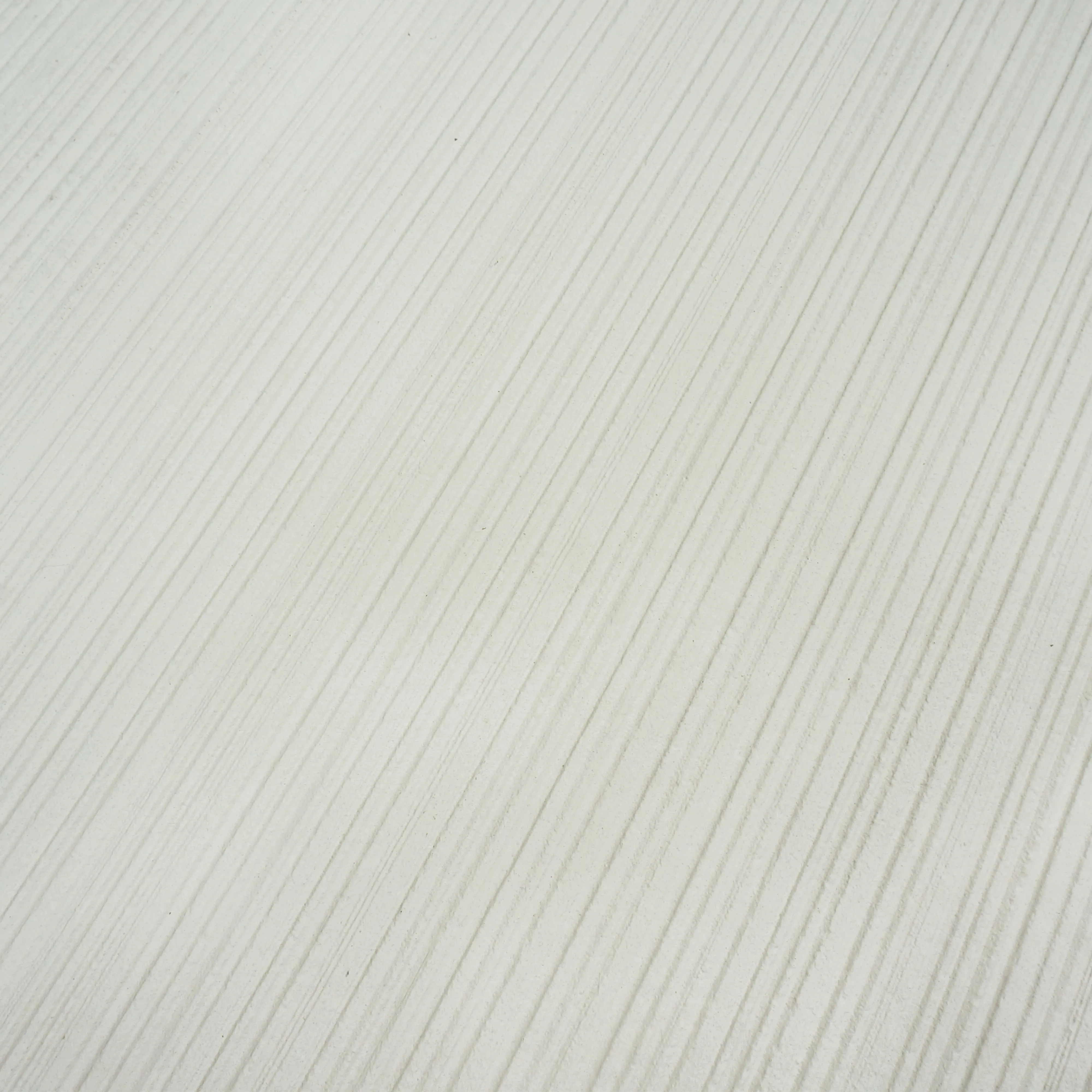
Today, we're diving into one such material that's been turning heads in modern architecture: Fine Line Stone (White) . Part of the innovative MCM flexible stone series, it's praised for its sleek, understated elegance—a texture that feels both organic and precise, like a brushstroke frozen in stone. But is it worth the investment? To answer that, we need to look beyond the surface (pun intended) and compare it to the traditional heavyweights: natural travertine, fair-faced concrete, and even newer contenders like the Lunar Peak series. This isn't just a cost analysis; it's a conversation about what "value" really means when you're building something meant to last.
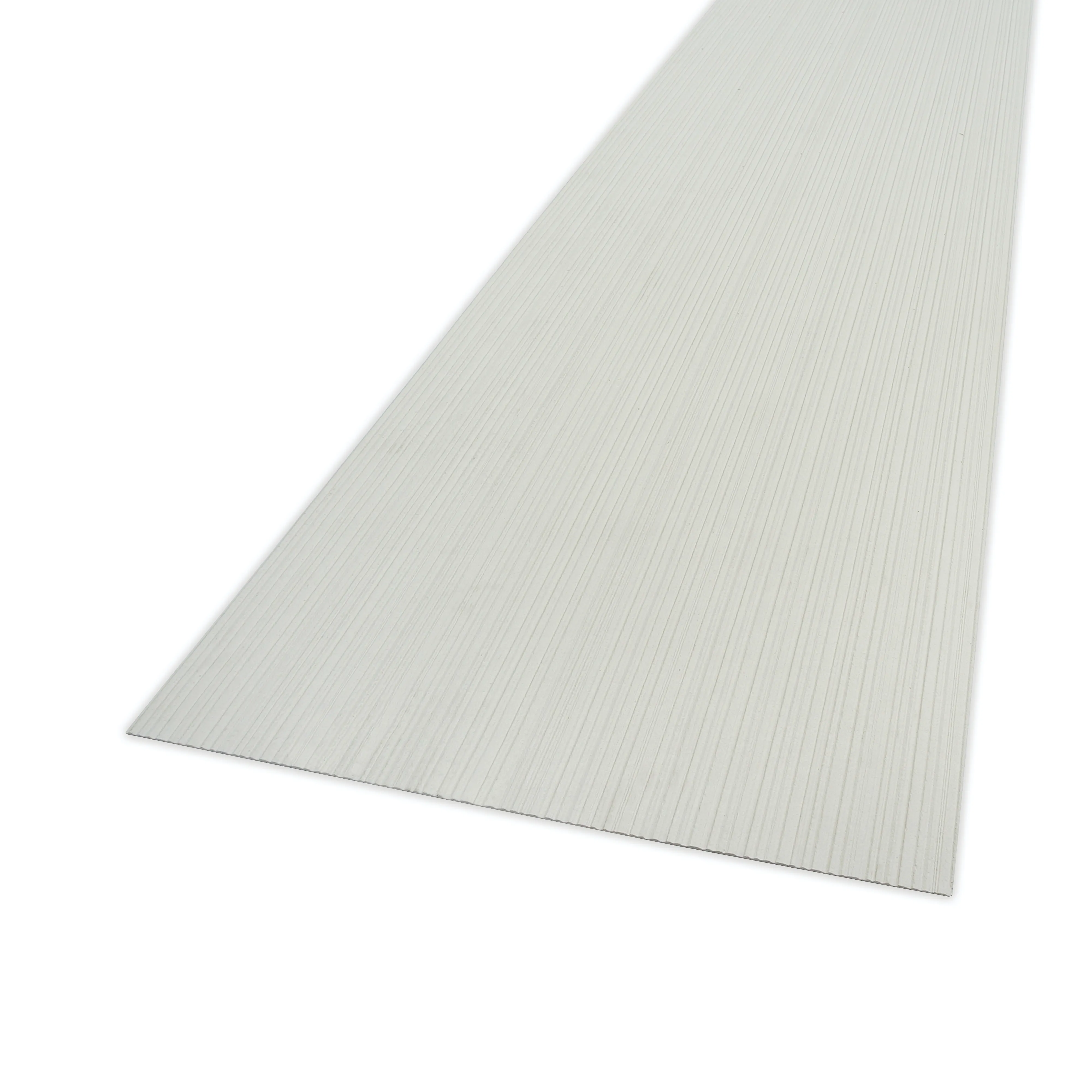
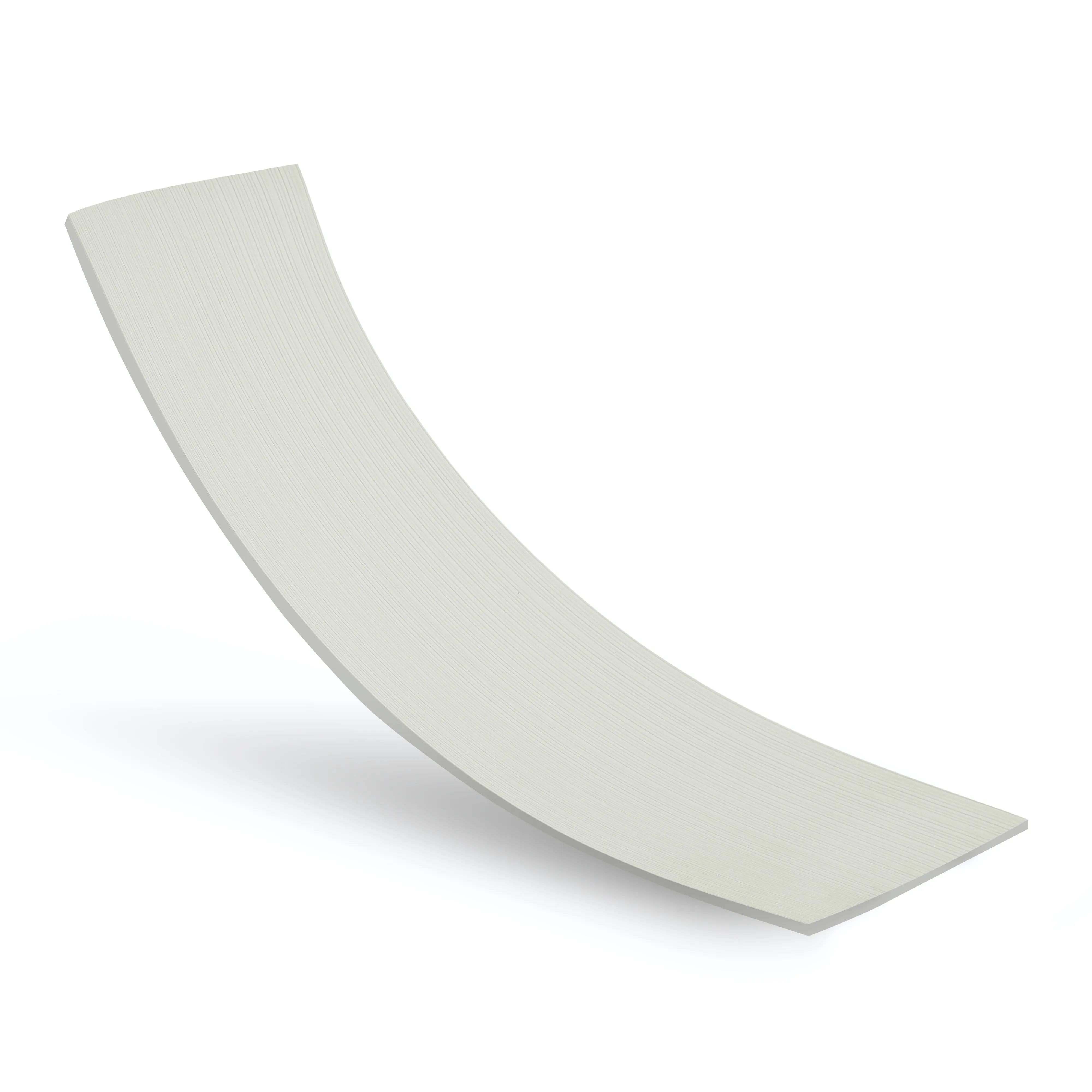
Let's start with the star of the show. Fine Line Stone (White) isn't your average cladding. As a product of MCM (Modified Composite Material) technology, it's engineered to mimic the look of natural stone—think the soft veining of marble or the subtle grain of travertine—but with a twist: it's flexible, lightweight, and designed to outperform its natural counterparts in real-world conditions. Imagine a material that can bend slightly to follow curved walls, that weighs a fraction of solid stone (making installation a breeze), and that resists stains, scratches, and UV damage like a champ. That's MCM flexible stone in a nutshell, and Fine Line Stone (White) is its minimalist masterpiece—clean, bright, and surprisingly versatile.
But here's where the cost conversation begins. At first glance, MCM materials like Fine Line Stone (White) often carry a higher upfront price than, say, basic concrete panels. A quick market check shows it averaging around $45–$60 per square meter for the material alone. Compare that to standard fair-faced concrete, which might hover around $30–$40 per square meter, and it's easy to think, "Why pay more?" But as anyone who's ever replaced a leaky roof or repainted peeling walls knows, the first number on the quote is rarely the whole story.
To truly understand Fine Line Stone (White)'s value, we need to stack it against the materials architects and builders have turned to for decades. Let's break down three common alternatives:
Travertine is the classic romantic—warm, porous, with a timeless beauty that feels like it's been pulled straight from an Italian villa. It's no wonder it's a go-to for high-end projects. But that romance comes with a price. Natural travertine can cost $70–$100 per square meter for material alone, and that's before factoring in its porous nature. Without regular sealing (every 1–2 years, at $2–$4 per square meter each time), it soaks up stains like a sponge—coffee spills, rainwater, even foot traffic grime. Over time, those sealant costs add up, and let's not forget installation: travertine is heavy, requiring extra labor and structural support, which can push installation costs to $30–$50 per square meter.
Then there's fair-faced concrete—the "industrial chic" darling. Raw, unpolished, and proudly imperfect, it's beloved for its minimalist vibe and low material cost ($30–$40 per square meter). But don't let the simplicity fool you. Fair-faced concrete is a diva when it comes to installation. Getting that "perfectly imperfect" finish requires skilled labor, and any mistakes (like air bubbles or uneven pouring) are impossible to hide. Worse, over time, it's prone to cracking, especially in areas with extreme temperature fluctuations. Patching those cracks? That's $15–$25 per square meter, and if left unchecked, they can lead to water damage—turning a "budget-friendly" choice into a financial headache.
For something a bit flashier, there's the Lunar Peak series—think metallic finishes that shimmer like moonlight on stone. Part of the MCM family, they're closer in tech to Fine Line Stone (White) but with a bolder aesthetic. Material costs here run $55–$75 per square meter, making them pricier than Fine Line but still cheaper than natural travertine. They share MCM's durability perks, though their metallic finish may require more careful cleaning to avoid scratches—something to consider if you're designing a high-traffic space.
Let's cut through the noise with hard numbers. Below is a side-by-side comparison of Fine Line Stone (White) and its alternatives, breaking down costs from material to maintenance over a 20-year lifespan—the average time many homeowners or businesses own a property. This table includes everything from initial material and installation costs to annual upkeep and even the "replacement tax" if a material fails before the 20-year mark.
| Material Type | Material Cost per sqm | Installation Cost per sqm | Annual Maintenance Cost per sqm | Expected Lifespan (Years) | Total Cost Over 20 Years* |
|---|---|---|---|---|---|
| Fine Line Stone (White) (MCM) | $45–$60 | $20–$30 | $1–$2 (mild soap cleaning) | 30–50 | $75–$110 |
| Natural Travertine (Beige) | $70–$100 | $30–$50 | $5–$8 (sealing, stain removal) | 20–30 | $200–$290 |
| Fair-Faced Concrete | $30–$40 | $25–$40 | $3–$6 (crack repairs, sealing) | 25–40 (with luck) | $120–$180 |
| Lunar Peak Silvery (MCM) | $55–$75 | $25–$35 | $2–$3 (specialized cleaning) | 30–50 | $100–$150 |
*Total cost includes material, installation, and 20 years of maintenance. For materials with lifespans under 20 years, replacement costs are estimated but not included here (e.g., travertine may need partial replacement around Year 15).
Let's unpack this. Fine Line Stone (White) starts with a material cost higher than fair-faced concrete but lower than natural travertine. But when you add installation—thanks to its lightweight design, it requires fewer workers and less structural support—its installation costs drop to $20–$30 per square meter, beating both travertine and concrete. Then there's maintenance: at $1–$2 per square meter annually, it's a fraction of travertine's $5–$8. Over 20 years, that translates to a total cost of $75–$110 per square meter for Fine Line Stone (White), compared to $200–$290 for travertine. Even fair-faced concrete, with its lower upfront material cost, ends up costing $120–$180 over 20 years—higher than Fine Line—because of those sneaky crack repairs and sealing fees.
Numbers tell a story, but they don't capture everything. Let's talk about the "invisible" costs that can make or break a project:
Natural travertine isn't just heavy—it's fragile. Installers have to handle each slab with care, cutting it on-site (which creates dust, noise, and waste) and ensuring it's perfectly level to avoid cracks. A 100-square-meter project with travertine might take a crew of 4–5 people a full week. Fine Line Stone (White), on the other hand, comes in larger, flexible panels that can be cut with standard tools and installed in half the time. Fewer labor hours mean lower installation costs and faster project completion—critical for businesses losing revenue while under construction or homeowners eager to move in.
Imagine owning a restaurant with travertine walls. The first year, it's stunning. By Year 2, there's a coffee stain by the counter that won't budge, even after professional cleaning. By Year 3, you're scheduling quarterly sealant appointments, closing early to let the crew work, and watching your profit margin shrink. That's the hidden cost of high-maintenance materials: not just the money, but the time, the stress, and the frustration of watching your once-beautiful space lose its luster. Fine Line Stone (White), with its stain-resistant surface, wipes clean with a damp cloth. No sealants, no special cleaners, no panic when a guest spills wine. That peace of mind? Priceless.
Natural stone like travertine can last 20–30 years with perfect care, but "perfect care" is rare in the real world. Harsh weather, accidental impacts, even the wrong cleaning products can cut that lifespan short. MCM materials like Fine Line Stone (White), though newer, are engineered to last 30–50 years with minimal upkeep. That means if you're building a home to pass down to your kids, or a commercial space to lease for decades, you're avoiding the massive cost of full replacement down the line. Lunar Peak series, too, shares this durability, but their metallic finish may show scratches more easily than Fine Line's matte white, making them better suited for low-traffic areas.
Let's circle back to that 20-year total cost table. Fine Line Stone (White) comes in at $75–$110 per square meter over two decades. Travertine? $200–$290. Fair-faced concrete? $120–$180. On paper, it's a no-brainer. But value isn't just about dollars and cents—it's about how a material makes you feel every time you walk through the door. Fine Line Stone (White)'s bright, clean surface reflects light, making spaces feel larger and more open. Its consistent texture means no unsightly variations or cracks to distract from your design vision. And because it's lightweight, it puts less strain on your building's structure, potentially reducing long-term structural maintenance costs too.
Take the example of a boutique hotel in downtown Portland that switched to MCM flexible stone for its exterior renovation. They reported a 30% reduction in installation time, a 50% drop in annual maintenance costs, and guests raved about the "fresh, modern vibe" of the new cladding. A residential builder in Colorado noted that homes with Fine Line Stone (White) sold 15% faster than those with traditional concrete exteriors, with buyers citing the "low-maintenance luxury" as a key selling point. These aren't just anecdotes—they're proof that the right cladding material can boost property value, customer satisfaction, and even marketability.
Let's be clear: if budget is your only concern and you're building a temporary structure or don't mind frequent maintenance, there are cheaper options. But if you're investing in a space that matters—one you want to love for years, one that will stand up to the chaos of daily life, one that won't nickel-and-dime you with hidden costs—Fine Line Stone (White) and other MCM flexible stone products make a compelling case. They're not just a material; they're a long-term partner in your project, balancing beauty, durability, and cost in a way traditional materials often can't.
At the end of the day, cladding is about more than covering walls. It's about creating spaces that feel intentional, that grow with you, and that don't let you down when life gets messy. Fine Line Stone (White) may cost a bit more upfront, but when you factor in installation ease, minimal maintenance, and decades of reliable performance, it's not just an expense—it's an investment. And in a world where so many things feel disposable, isn't that worth paying for?
Recommend Products












