

How this innovative material is redefining design durability and elegance
Walk into any thoughtfully designed space—whether it's a cozy home, a sleek office, or a bustling restaurant—and you'll notice something subtle but powerful: the materials. They're not just background elements; they shape how we feel, how we move, and how we connect with the world around us. For decades, natural stone, concrete, and wood have dominated the scene, each with its own charm but also its own limitations. Heavy, hard to install, prone to wear, or expensive to maintain—these are the trade-offs designers and homeowners have long accepted.
But what if there was a material that kept the beauty of natural stone, the sturdiness of concrete, and added a dose of flexibility and practicality? Enter modified cementitious materials—a category that's quietly revolutionizing the industry. And among these, Fine Line Stone (White) stands out as a material that doesn't just build spaces, but elevates them. Let's dive into what makes this material a game-changer, and why it's quickly becoming a favorite among architects, designers, and DIY enthusiasts alike.
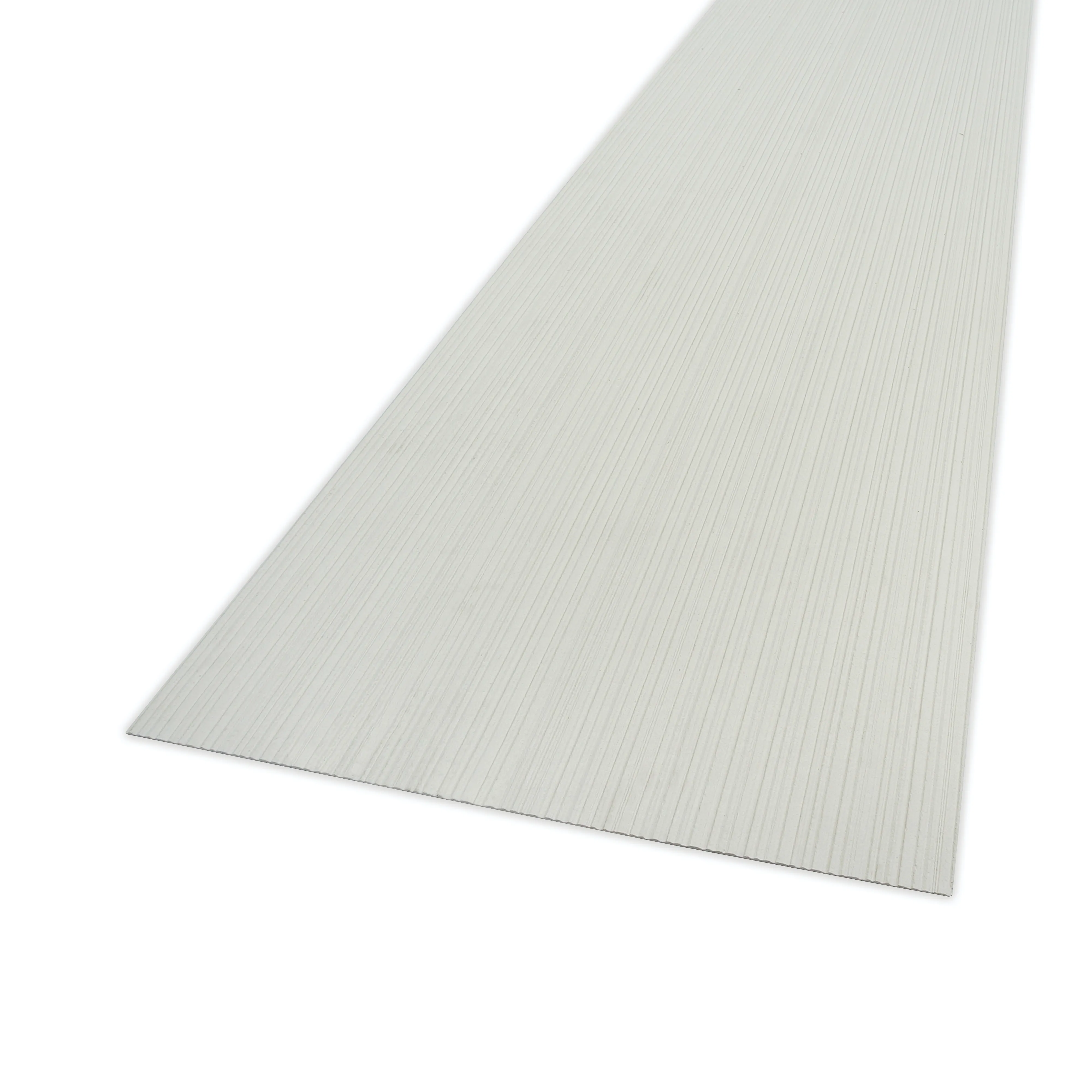
At its core, Fine Line Stone (White) is a modified cementitious material. Think of it as cement's sophisticated cousin—engineered to blend the best of industrial strength with artistic flair. Unlike traditional cement, which can feel cold and utilitarian, modified cementitious materials like Fine Line Stone are formulated with additives that enhance flexibility, reduce weight, and mimic the intricate textures of natural stone—all while retaining cement's legendary durability.
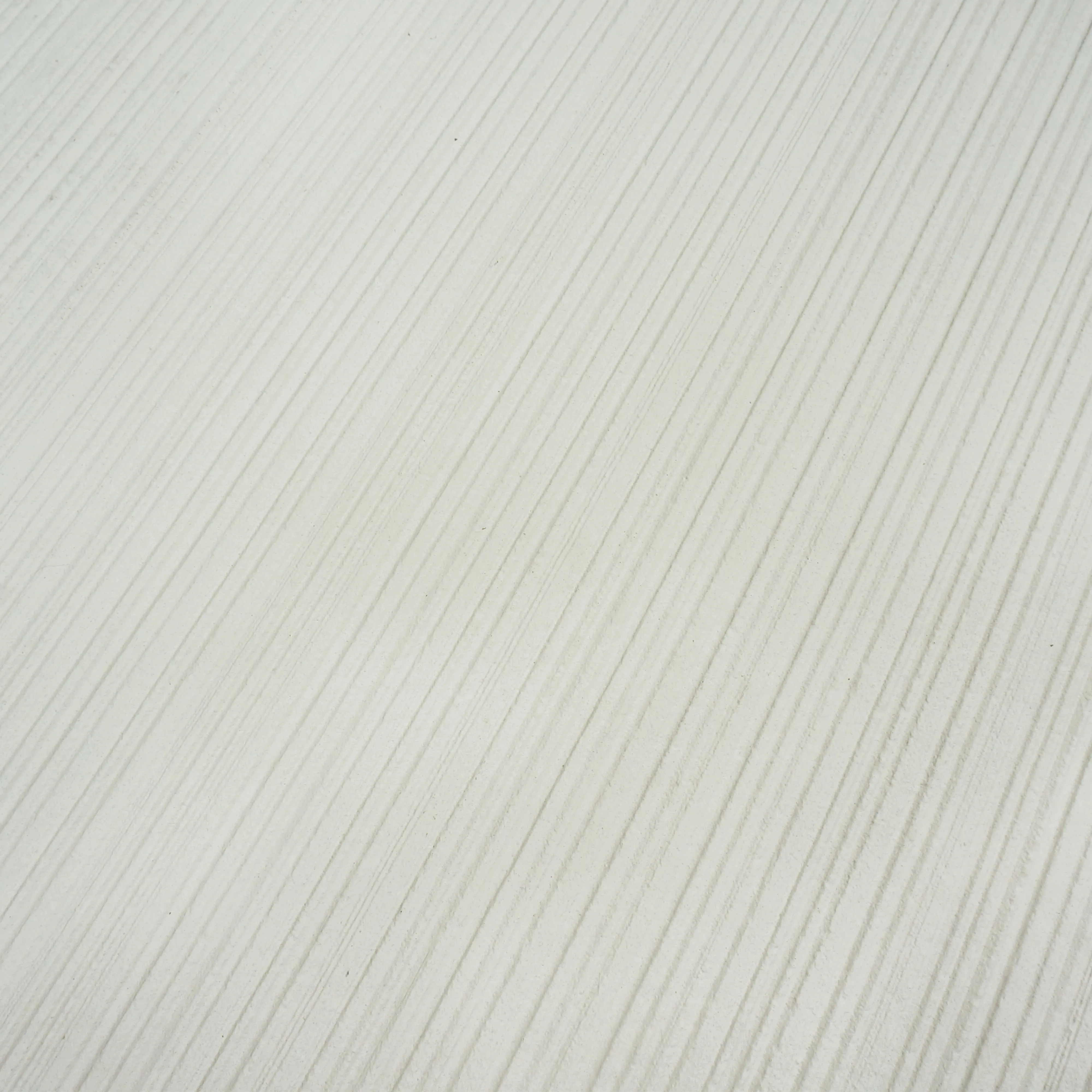
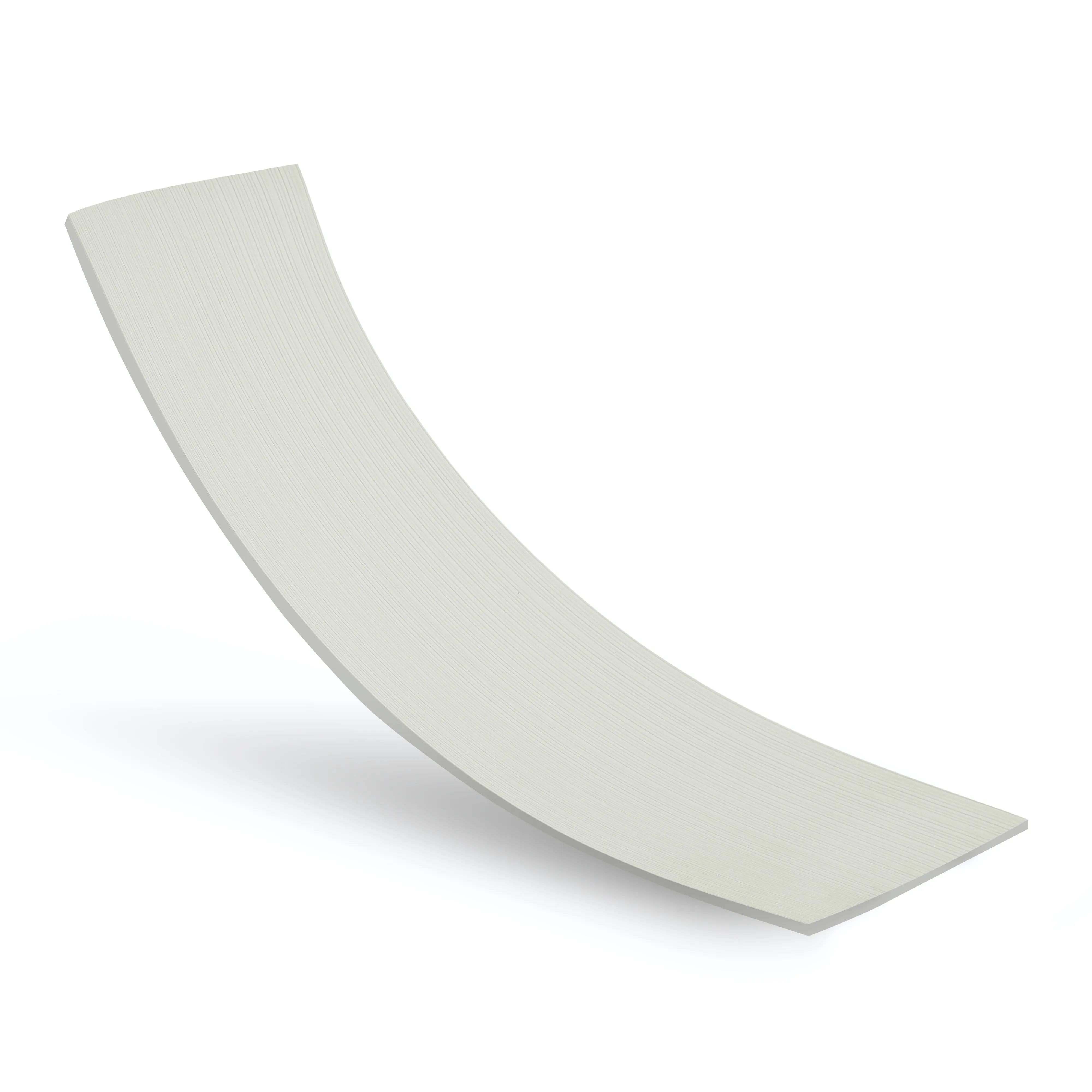
The "Fine Line" in its name hints at its aesthetic: delicate, yet defined veining that mimics the soft marbling of white marble or the subtle grain of limestone, but with a precision that's hard to achieve in natural stone. And while we're focusing on the white variant here, it's part of a broader family of MCM flexible stone products—materials designed to bend, cut, and shape without cracking, making them ideal for curved surfaces or custom installations.
But what really sets it apart is its place in the MCM big slab board series . This means it's available in large-format slabs (often up to 1200x2400mm), which translates to fewer seams, a more seamless look, and faster installation—no small detail when you're tackling a kitchen backsplash or a commercial lobby wall.
Let's get practical: what makes this material worth considering over, say, natural marble, traditional concrete, or even other engineered stones? Here are the key advantages that make Fine Line Stone (White) a standout choice:
Natural stone is beautiful, but it's porous—prone to staining, scratching, and weathering. Traditional concrete can crack under stress. Fine Line Stone (White), though, is built to last. Its modified cement base resists chipping, staining, and water damage, making it ideal for high-traffic areas like entryways or kitchen countertops. Even in outdoor spaces, it holds up against rain, UV rays, and temperature swings—no fading, no warping, just consistent beauty year after year.
One of the biggest headaches with natural stone is its weight. A single slab of marble can weigh hundreds of pounds, requiring heavy machinery and reinforced structures to install. Fine Line Stone (White), by contrast, is significantly lighter—thanks to its engineered composition—without sacrificing strength. This makes it easier to transport, handle, and install, even in upper-floor renovations or spaces with weight restrictions. Imagine hanging a feature wall in your living room without worrying about reinforcing the floor below—that's the freedom of lightweight materials.
White is a timeless color, but Fine Line Stone (White) isn't just "white." Its veining ranges from soft gray whispers to bolder, more defined lines, letting you tailor the look to your space. Want a minimalist, Scandi-inspired kitchen? Opt for subtle veining. Going for a dramatic, high-end hotel vibe? Choose a slab with more pronounced marbling. And because it's part of the MCM flexible stone line, it can be cut into custom shapes—think curved edges for a fireplace surround or geometric patterns for a statement wall.
It also plays well with other materials. Pair it with warm woods for a cozy, organic feel, or contrast it with Foamed Aluminium Alloy Board (Vintage Silver) for a modern, industrial edge. The white base acts as a neutral canvas, letting other elements—art, furniture, or metallic accents—shine.
In an era where sustainability matters, modified cementitious materials like Fine Line Stone (White) have a leg up. Traditional stone mining disrupts ecosystems, while concrete production is carbon-intensive. Fine Line Stone, however, often uses recycled materials in its mix, and its lightweight nature reduces transportation emissions. Plus, its longevity means less frequent replacement—good for your wallet and the planet.
Let's be real: no one wants to spend weekends sealing stone or scrubbing stains. Fine Line Stone (White) requires minimal upkeep. A quick wipe with a damp cloth is usually enough to keep it clean, and unlike natural marble, it doesn't need regular sealing. Spills? Blot them up, and they're gone—no permanent marks. This makes it perfect for busy families, rental properties, or commercial spaces where time is money.
Still on the fence? Let's put Fine Line Stone (White) head-to-head with two common alternatives: natural travertine (a popular natural stone) and fair-faced concrete (a minimalist favorite). Here's how they stack up:
| Attribute | Fine Line Stone (White) | Natural Travertine | Fair-Faced Concrete |
|---|---|---|---|
| Weight | Lightweight (6-8 kg/m²) | Heavy (20-25 kg/m²) | Moderate (15-18 kg/m²) |
| Stain Resistance | High (no sealing needed) | Low (requires annual sealing) | Moderate (prone to oil stains) |
| Design Flexibility | High (custom veining, shapes, large slabs) | Low (natural variations, limited sizes) | Moderate (uniform but limited texture) |
| Installation Ease | Easy (lightweight, large slabs) | Difficult (heavy, requires pros) | Moderate (needs precise pouring) |
| Eco Impact | Low (recycled content, low transport emissions) | High (quarrying disrupts ecosystems) | High (carbon-intensive production) |
The verdict? Fine Line Stone (White) outperforms traditional options in nearly every category—making it a smarter, more stylish choice for modern spaces.
This material isn't just for one type of space—it's versatile enough to shine anywhere. Here are a few ways designers are using it:
One of the joys of working with MCM products is how well they complement each other. Fine Line Stone (White) is no exception—it plays nicely with other materials in the MCM lineup, letting you create layered, textured spaces. Here are a few winning combinations:
This pairing is all about contrast: the soft, organic veining of the white stone against the cool, metallic sheen of the vintage silver aluminum. Use the aluminum for accent panels, shelving brackets, or trim, and let the Fine Line Stone take center stage as the main wall or countertop material. It's modern, industrial, and surprisingly warm—perfect for a loft apartment or a trendy café.
For a more rustic or Scandinavian vibe, pair the white stone with wood-grain MCM flexible stone. The warmth of the wood balances the coolness of the white, creating a space that feels cozy and inviting. Try this in a bedroom—wood-grain accent wall with a Fine Line Stone (White) headboard backdrop—or a kitchen with wood-grain cabinet fronts and white stone countertops.
Looking for something ethereal? Lunar Peak Silvery —with its subtle, moonlit shimmer—complements Fine Line Stone (White) beautifully. Use Lunar Peak for a feature wall behind a bed or sofa, and layer the white stone on adjacent surfaces for a cohesive, otherworldly feel. It's perfect for spaces where you want to evoke calm and serenity.
We touched on this earlier, but it's worth diving deeper: sustainability isn't just a buzzword for Fine Line Stone (White)—it's a core part of its design. Here's why it's a greener choice:
For architects and builders aiming for LEED certification or other green building standards, Fine Line Stone (White) can help earn points in categories like "Materials and Resources" and "Indoor Environmental Quality."
At the end of the day, building materials are about more than just function—they're about feeling. A space clad in Fine Line Stone (White) feels bright, open, and timeless. It's a material that adapts to your style, your needs, and your values—durable enough for daily life, beautiful enough to inspire, and sustainable enough to feel good about.
Whether you're renovating a small bathroom or designing a commercial complex, Fine Line Stone (White) proves that modified cementitious materials have come a long way. They're no longer just "engineered"—they're crafted , with an eye for both practicality and poetry. And in a world where we're all looking for materials that do more with less, that's a win-win.
So, the next time you're dreaming up a space, consider the quiet power of Fine Line Stone (White). It might just be the material that turns your vision into something extraordinary.
Recommend Products












