

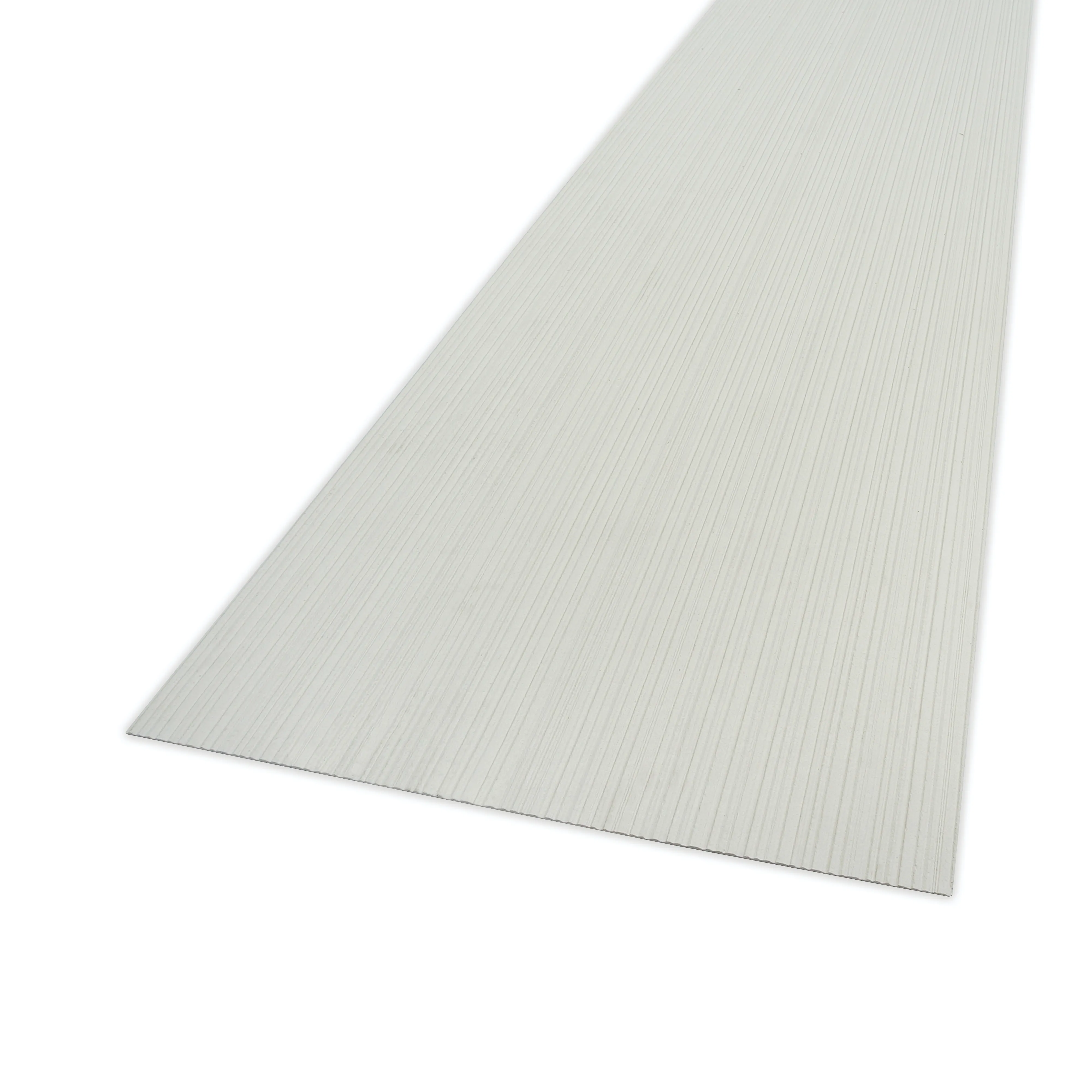
When it comes to constructing or renovating a building, every detail matters—from the layout and design to the materials chosen. Among these details, fire safety stands as one of the most critical, as it directly impacts the protection of lives, property, and assets. For architects, contractors, and building owners, understanding the fire performance of materials isn't just a box to check; it's a responsibility. Today, we're diving deep into a material that's gaining traction in modern design circles: Fine Line Stone (White) . Part of the innovative MCM flexible stone family, this material blends aesthetic appeal with functional durability—but how does it hold up when it comes to fire safety? In this article, we'll unpack everything you need to know about Fine Line Stone (White)'s fire rating, why it matters for building codes, and how it compares to other popular materials like fair-faced concrete and cement board .
Before we get into the specifics of Fine Line Stone (White), let's take a moment to ground ourselves in why fire ratings are non-negotiable. Fires in buildings can spread rapidly, fueled by materials that ignite or contribute to flame spread. The right materials, however, can slow this spread, contain fires, and provide crucial time for evacuation and firefighting efforts. Fire ratings—measured in hours—indicate how long a material can withstand fire exposure before losing structural integrity or allowing flames and heat to pass through. For example, a 1-hour fire rating means a material can resist fire for 60 minutes under standard test conditions. This isn't just about meeting legal requirements; it's about creating spaces where people feel safe, knowing the structure is built to protect them.
Building codes, such as the International Building Code (IBC) in the United States or the Eurocode in Europe, set strict standards for fire resistance based on a building's use (residential, commercial, industrial), occupancy load, and height. These codes aren't arbitrary—they're developed through years of research, testing, and real-world lessons learned from past tragedies. Choosing a material that doesn't meet these codes can lead to project delays, fines, or, worse, catastrophic failures in the event of a fire. That's why understanding a material's fire rating isn't just for compliance officers; it's for anyone invested in the safety and longevity of a building.
To fully grasp Fine Line Stone (White)'s fire performance, it helps to understand the basics of fire ratings. Let's break down some key terms:
For most building applications—especially walls, ceilings, and exterior cladding—FRR and FSI are the primary metrics. Non-combustible materials, which don't ignite or contribute to fire spread, are often required in high-risk areas. Now, where does Fine Line Stone (White) fit into this framework?

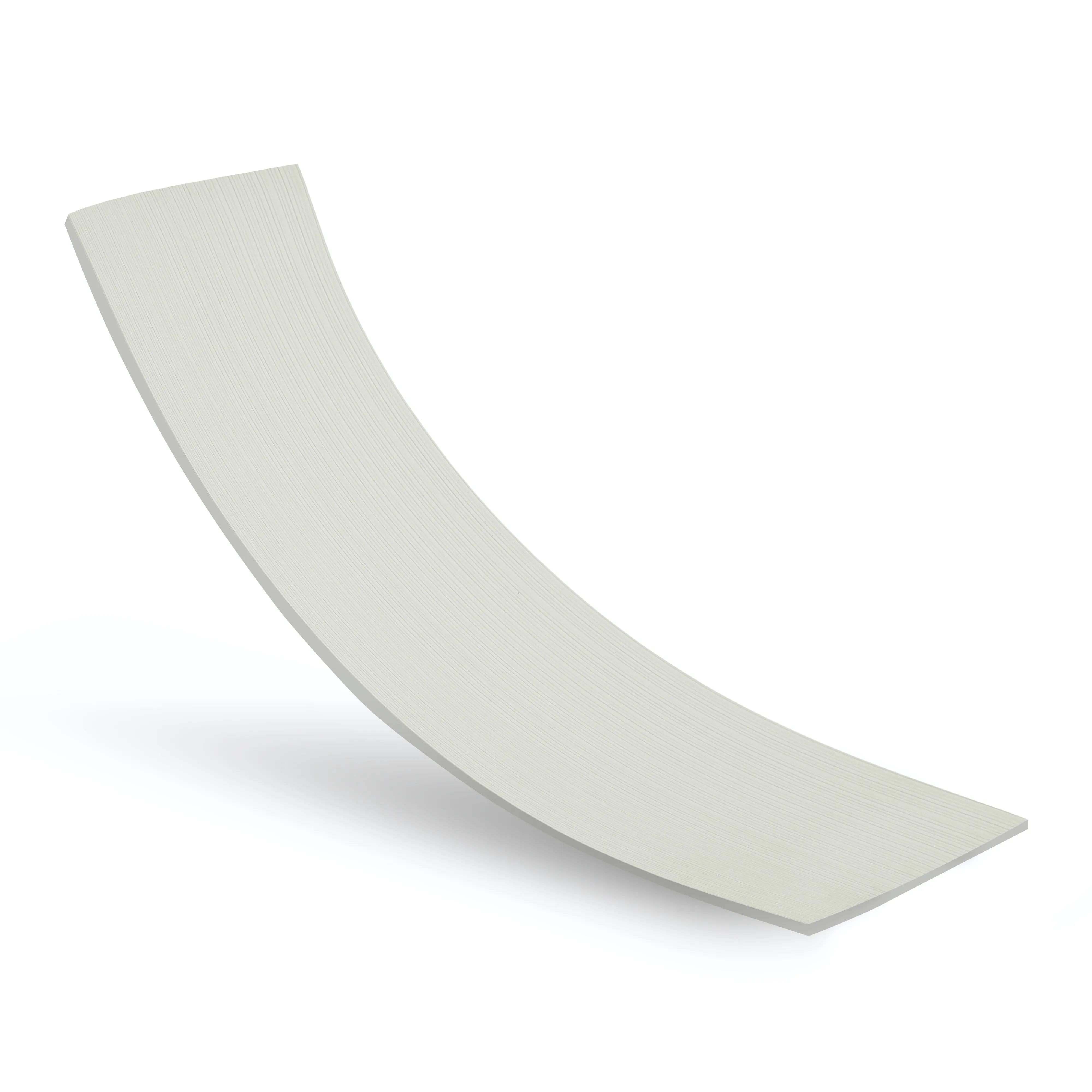
Fine Line Stone (White) is part of the MCM flexible stone series, a category of materials known for their versatility, lightweight nature, and mimicry of natural stone aesthetics. MCM, or Modified Composite Material, combines mineral aggregates, polymers, and reinforcing fibers to create a product that's both durable and flexible—ideal for curved surfaces or complex architectural designs. But what makes it stand out in terms of fire safety?
To determine its fire rating, Fine Line Stone (White) undergoes rigorous testing in accredited laboratories. According to manufacturer data and third-party certifications, the material consistently achieves a Class A fire rating when tested to ASTM E84 standards. A Class A rating means it has a Flame Spread Index (FSI) of 0-25 and a Smoke Developed Index (SDI) of 0-450, placing it among the most fire-resistant materials available for building cladding and interior surfaces. This is largely due to its composition: the high mineral content (including stone aggregates) makes it inherently non-combustible, while the polymer binders are formulated to resist ignition and slow flame spread.
But Class A is just the starting point. For structural applications where fire resistance ratings (FRR) are required—such as load-bearing walls or partitions—Fine Line Stone (White) has been tested to ASTM E119 standards. In these tests, the material has demonstrated the ability to maintain integrity for up to 2 hours under fire exposure. This means that in the event of a fire, a wall clad with Fine Line Stone (White) could resist flame penetration and structural failure for 120 minutes, providing ample time for evacuation and emergency response. This 2-hour FRR is particularly significant for commercial buildings, hospitals, and schools, where longer evacuation times may be necessary.
It's also worth noting that Fine Line Stone (White) does not release toxic fumes when exposed to high heat, a critical factor in fire safety. Unlike some synthetic materials that can emit harmful chemicals (e.g., formaldehyde) when burned, the mineral-based composition of MCM flexible stone minimizes off-gassing, reducing health risks for occupants and firefighters.
While Fine Line Stone (White)'s Class A fire rating and 2-hour FRR are impressive, compliance with local building codes depends on more than just raw test data. Building codes vary by region, and even within countries, jurisdictions may have specific amendments or additional requirements. For example, the International Building Code (IBC) mandates Class A materials for exterior walls of buildings taller than 40 feet, as well as for interior walls in exit stairwells and corridors. In Europe, the Eurocode EN 13501-1 classifies materials based on reaction to fire, with Fine Line Stone (White) typically falling under Euroclass A2-s1, d0 —indicating limited combustibility, low smoke production, and no flaming droplets. This aligns with the strictest European standards for high-rise and public buildings.
To ensure compliance, architects and contractors should always verify two things: (1) the specific fire rating certification for the product (ask the manufacturer for a copy of the ASTM E84 or EN 13501-1 test report), and (2) the local code requirements for their project's occupancy type and location. For instance, a hotel in California (which faces wildfire risks) may have stricter exterior cladding requirements than an office building in a low-risk area. In all cases, Fine Line Stone (White)'s Class A rating and 2-hour FRR position it as a strong candidate for compliance, but due diligence is key.
To put Fine Line Stone (White)'s fire performance into context, let's compare it to two other commonly used building materials: fair-faced concrete and cement board . Both are known for their durability and fire resistance, making them popular choices for commercial and industrial projects. The table below summarizes their key fire-related properties:
| Material | Fire Rating (ASTM E84) | Fire Resistance Rating (ASTM E119) | Key Fire-Safe Features | Common Applications |
|---|---|---|---|---|
| Fine Line Stone (White) (MCM flexible stone) | Class A (FSI 0-25, SDI 0-450) | Up to 2 hours | Non-combustible mineral base, low smoke production, no toxic fumes | Exterior cladding, interior walls, accent panels, curved surfaces |
| Fair-Faced Concrete | Class A (FSI 0-25, SDI 0-450) | 2-4 hours (depending on thickness) | High thermal mass, slow heat transfer, non-combustible | Structural walls, floors, ceilings, exterior facades |
| Cement Board | Class A (FSI 0-25, SDI 0-450) | 1-2 hours (with proper installation) | Mineral-based, moisture-resistant, fire-retardant core | Backer boards for tile, interior partitions, soffits |
As the table shows, all three materials achieve Class A fire ratings, making them suitable for high-risk areas. However, Fine Line Stone (White) offers unique advantages in terms of design flexibility and weight. Fair-faced concrete, while excellent for structural fire resistance, is heavy and rigid, limiting its use on curved or non-load-bearing surfaces. Cement board, too, is rigid and often requires additional finishing (e.g., tile, paint) to match aesthetic goals. Fine Line Stone (White), on the other hand, combines fire safety with the look of natural stone—think subtle veining, matte textures, and a crisp white palette—without the weight or installation challenges of real stone. This makes it a favorite among architects looking to balance safety with design vision.
Another point of comparison is sustainability. Fine Line Stone (White), as part of the MCM flexible stone series, is often made with recycled mineral aggregates, reducing its environmental footprint. It's also lightweight, which lowers transportation and installation costs—an added bonus for budget-conscious projects. While fair-faced concrete and cement board are durable, their production and transportation can have higher carbon footprints due to their weight and energy-intensive manufacturing processes.
Understanding fire ratings is one thing; seeing how a material performs in real-world settings is another. Fine Line Stone (White) has been used in a variety of projects where fire safety is paramount, and its performance has consistently met or exceeded expectations. Let's explore a few examples:
Hospitals and clinics require materials that are not only fire-resistant but also easy to clean and maintain. Fine Line Stone (White) has been used in patient rooms, corridors, and waiting areas of several medical centers across Europe and North America. Its Class A fire rating ensures compliance with strict healthcare building codes (e.g., NFPA 99), while its smooth, non-porous surface resists bacteria growth—an added benefit for infection control. In one case study, a children's hospital in Chicago chose Fine Line Stone (White) for its main atrium walls, citing both fire safety and the calming, natural aesthetic as key factors in the decision.
Schools and universities face unique fire safety challenges, with large occupant loads and the need for clear evacuation routes. Fine Line Stone (White) has been used in auditoriums, gymnasiums, and classroom walls, where its 2-hour FRR provides peace of mind. A high school in Austin, Texas, recently renovated its performing arts center using the material for the stage backdrop and side walls. The design team noted that the material's flexibility allowed for the curved, acoustic-friendly surfaces they wanted, while the fire rating ensured compliance with local codes for assembly spaces.
Exterior cladding on high-rise buildings is a critical area for fire safety, as flames can spread rapidly between floors. Fine Line Stone (White) has been selected for the facade of a 22-story office building in Seattle, where its lightweight nature reduced structural load while its Class A rating met the city's strict fire codes for high-rises. The material's ability to mimic the look of white marble also aligned with the building's modern, minimalist design vision, proving that safety and aesthetics don't have to be mutually exclusive.
If you're considering Fine Line Stone (White) for your next project, here are some key steps to ensure fire safety compliance and optimal performance:
Fire safety in building materials is not a luxury—it's a necessity. Fine Line Stone (White), as part of the MCM flexible stone series, stands out as a material that delivers on both fronts: it offers top-tier fire performance (Class A rating, 2-hour FRR) and the kind of aesthetic versatility that architects and designers crave. Whether you're working on a hospital, school, high-rise, or residential project, choosing a material with proven fire resistance isn't just about checking a box on a code compliance list—it's about protecting the people who will live, work, and learn in the spaces you create.
In a market flooded with materials that prioritize style over substance, Fine Line Stone (White) is a refreshing exception. Its combination of non-combustible composition, low smoke production, and durability makes it a smart choice for safety-conscious projects, while its ability to mimic natural stone ensures that design vision isn't compromised. When paired with proper installation and compliance with local codes, it's a material that offers peace of mind—knowing that you've chosen something that looks good and does good, even in the face of fire.
So, the next time you're spec'ing materials for a project, remember: fire ratings aren't just numbers on a page. They're a promise of protection. And with Fine Line Stone (White), that promise is backed by rigorous testing, real-world performance, and a commitment to both safety and style. It's more than a building material—it's a foundation for spaces that feel secure, beautiful, and built to last.
Recommend Products












