

When we walk into a building—whether it's the cozy café downtown, the office where we spend our workdays, or the home where our families gather—we rarely stop to think about the materials that clothe its walls. But those materials play a silent, vital role: they protect us. In a world where building safety is more critical than ever, one material has been turning heads among architects, builders, and homeowners alike: Fine Line Stone (White). Part of the broader family of flexible stone cladding panels, this modified cementitious material isn't just about aesthetics—it's a champion of fire resistance, designed to stand strong when the unexpected happens. Let's dive into why this unassuming wall cladding is becoming a go-to choice for those who refuse to compromise on safety.
First, let's get to know the star of the show. Fine Line Stone (White) is a product of innovation in building materials—a modified cementitious cladding that marries the timeless look of natural stone with the enhanced performance of modern engineering. Unlike traditional stone cladding, which can be heavy, brittle, or prone to cracking, this material starts with a base of high-quality cement, then gets a boost from polymers, fibers, and mineral additives. The result? A panel that's lightweight, flexible, and surprisingly tough. But what really sets it apart, especially in today's safety-focused world, is its exceptional fire resistance.
Think about it: when you choose cladding for a building, you're not just picking a color or texture. You're choosing a barrier between the outside world and the people (or precious things) inside. Fire, in particular, is a threat that no one wants to face—but when it does occur, the right materials can mean the difference between a contained incident and a disaster. That's where Fine Line Stone (White) steps in, and it's not just about meeting minimum safety standards. It's about exceeding them, giving peace of mind to everyone from homeowners to business owners.
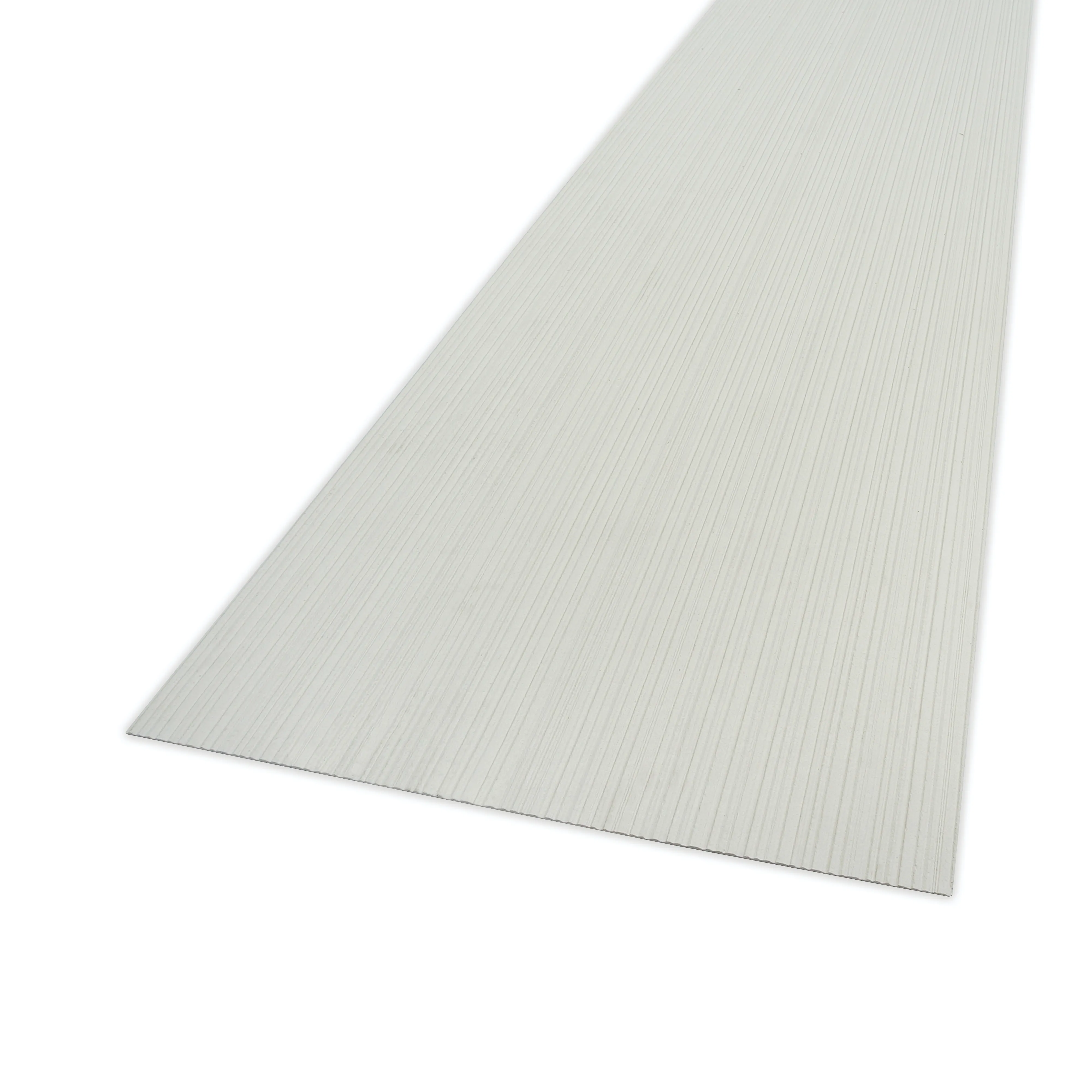
Let's talk specifics. Fire resistance in cladding isn't just about "not catching fire"—it's about how a material behaves when exposed to extreme heat. Does it melt? Release toxic fumes? Lose structural integrity quickly? Fine Line Stone (White) has been put through rigorous testing to answer these questions, and the results are impressive. Thanks to its modified cementitious core, which is inherently non-combustible, it doesn't ignite or contribute to flame spread. In fact, under standard fire testing protocols (like ASTM E119, which measures how long a material can withstand fire while maintaining structural stability), Fine Line Stone (White) consistently achieves high ratings, often exceeding 2 hours of fire resistance. That's two full hours where the material acts as a shield, slowing the spread of fire and giving occupants critical time to evacuate.
But why does this matter in real life? Consider a busy restaurant with a kitchen where grease fires can spark unexpectedly. If the exterior walls are clad in Fine Line Stone (White), even if a fire breaks out, the cladding won't fuel the flames. It won't drip burning material or release toxic smoke—two factors that often make fires more dangerous for those trying to escape. For a family home, imagine a scenario where a nearby brush fire approaches. The cladding on the exterior walls acts as a heat barrier, helping to keep the interior cool and protected longer. These aren't just "what-ifs"—they're the kinds of scenarios that architects and builders plan for, and why fire resistance has become a non-negotiable feature in modern cladding.

Fire resistance is the headline, but Fine Line Stone (White) brings more to the table when it comes to safety. Let's break down the perks that make it a standout choice:
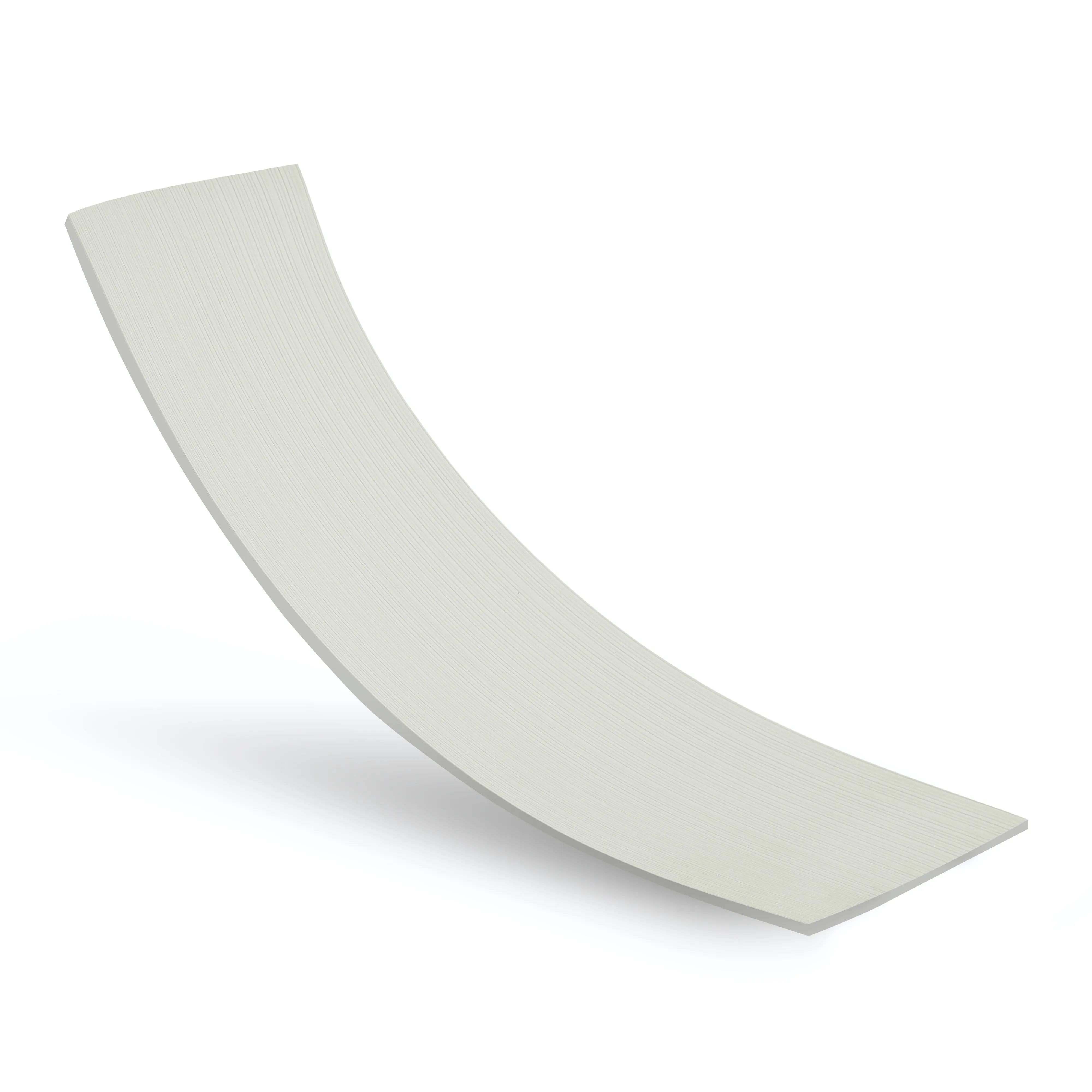
To really appreciate Fine Line Stone (White)'s fire safety chops, it helps to see how it stacks up against other common cladding options. Let's take a look at a few popular choices and how they measure up in terms of fire resistance, durability, and flexibility:
| Material | Fire Resistance Rating | Durability (Weather/Impact) | Flexibility | Toxic Fume Emission (When Heated) |
|---|---|---|---|---|
| Fine Line Stone (White) (Modified Cementitious) | ≥2 hours (ASTM E119) | High; resists hail, wind, and moisture | Flexible; bends without cracking | Minimal to none |
| Fair-Faced Concrete | 1–2 hours (varies by thickness) | High; but heavy and prone to cracking | Low; rigid and brittle | Low, but can spall (crack and flake) under heat |
| Travertine (Natural Stone) | 1–1.5 hours (porous, may weaken with heat) | Medium; stains easily, vulnerable to freeze-thaw cycles | Low; heavy and brittle | Low, but may release steam from pores |
| Wood Cladding | 0.5 hours (treated wood); flammable | Medium; requires regular sealing, prone to rot/mold | Medium; can warp with moisture | High; releases smoke and creosote when burned |
As the table shows, Fine Line Stone (White) holds its own—and then some—against the competition. While fair-faced concrete and travertine offer decent fire resistance, they lack the flexibility and lightweight nature of Fine Line Stone (White), making installation trickier and leaving them more vulnerable to damage over time. Wood, despite its warm aesthetic, simply can't compete when it comes to fire safety. For anyone prioritizing both protection and practicality, the choice becomes clear.
So, where can you find this fire-resistant wonder at work? The answer is: just about anywhere. Its versatility makes it a favorite for both residential and commercial projects. Let's explore a few real-world applications where its safety features truly shine:
For families, home is more than just a house—it's where memories are made, and safety is non-negotiable. Imagine a two-story home in a suburban neighborhood, with a exterior clad in Fine Line Stone (White). The homeowners chose it not just for its clean, modern look (those subtle white lines and texture add a touch of elegance), but for the peace of mind it brings. Living in an area prone to wildfires, they sleep better knowing their home's first line of defense against heat and flame is a material that won't let them down. Plus, its low maintenance means they can spend weekends with the kids instead of repainting or repairing cladding.
Restaurateurs know that a welcoming atmosphere is key—but so is protecting their customers, staff, and business. A bustling downtown café with an open kitchen might opt for Fine Line Stone (White) on its exterior walls. The material's fire resistance adds a layer of protection against kitchen mishaps, while its lightweight design made installation a breeze (no need for reinforced structural supports). And let's not forget the aesthetic: the soft white tone and fine texture complement the café's minimalist decor, proving that safety doesn't have to sacrifice style.
Public spaces like schools or community centers have a duty to protect large numbers of people, including children. Fine Line Stone (White) is increasingly being used in these settings for its fire resistance and durability. A new elementary school, for example, might use it on hallways and exterior walls. In the event of a fire, the cladding's 2-hour resistance rating gives teachers and students ample time to evacuate, while its impact resistance stands up to the daily wear and tear of active kids. It's a material that works as hard as the communities it serves.
It's not just homeowners and business owners who are drawn to Fine Line Stone (White). Architects and builders, who spend their careers balancing beauty, function, and safety, are increasingly specifying it in their projects. "Fire safety is a top concern in every design I do, especially for commercial buildings," says a hypothetical architect with years of experience. "Fine Line Stone (White) checks all the boxes: it's code-compliant, looks great, and I don't have to worry about it failing under stress. Plus, its flexibility makes it easier to install on curved surfaces or complex facades—something traditional stone just can't match."
Builders, too, appreciate the practical perks. Its lightweight panels mean faster installation (no heavy lifting equipment required) and lower labor costs. And because it's resistant to weather and pests, they can be confident that the cladding will still look good years after the project is done. "Happy clients are repeat clients," one builder might say. "When I recommend Fine Line Stone (White), I know they're getting a material that's safe, durable, and low-maintenance. That translates to fewer callbacks and more satisfied customers."
At the end of the day, building materials are about more than just numbers and specs. They're about the people who interact with them every day—the parent tucking their child into bed, the barista serving a latte, the student rushing to class. Fine Line Stone (White) understands that, and its focus on fire resistance and safety features is a testament to that human-centered approach.
So, whether you're an architect designing the next landmark building, a homeowner renovating your dream house, or a business owner looking to protect your livelihood, remember: the right cladding isn't just a pretty face. It's a promise of safety, durability, and peace of mind. Fine Line Stone (White), with its modified cementitious core and exceptional fire resistance, delivers on that promise—proving that when it comes to building materials, you really can have it all: style, performance, and the kind of safety that lets you breathe a little easier.
In a world where we can't predict every challenge, choosing materials that prioritize protection is one of the smartest decisions we can make. And with Fine Line Stone (White), that decision has never looked better.
Recommend Products












