

Walk into any school, and you'll immediately sense its personality. The walls, the floors, the way light filters through—they all tell a story. Educational institutions aren't just buildings; they're living, breathing spaces where curiosity is sparked, friendships are forged, and futures are shaped. But here's the thing: those spaces take a beating. Think about it—students rushing between classes, backpacks scraping walls, art projects gone awry (hello, paint splatters), and the endless foot traffic that turns hallways into war zones for less resilient materials. For educators and facility managers, the challenge has always been clear: how do you create a space that's both beautiful and built to last? Enter Fine Line Stone (White)—a cladding solution that doesn't just check the boxes for durability and style, but reimagines what educational spaces can feel like.
Let's start with a scenario we've all seen (or maybe even experienced). Mrs. Hernandez, the principal of Lincoln Elementary, stands in the hallway after school, staring at a fresh scuff mark on the wall near the cafeteria. It's the third one this week. "Another repair bill," she sighs, already mentally adding it to the list. Down the hall, Mr. Patel, the art teacher, is cleaning dried glue off a classroom wall—again. "Why can't we find something that doesn't look worn out after a month?" he mutters. Meanwhile, in the auditorium, sunlight streams through the windows, highlighting the dull, gray fair-faced concrete panels that line the walls. "It feels like a bunker in here," a student once told him. "Can't we have something… brighter?"
These are the quiet battles of educational design. Cladding isn't just about covering a wall—it's about creating an environment that supports learning. Dull, damaged walls don't inspire. High-maintenance materials drain budgets and time better spent on textbooks or field trips. And in a world where students spend upwards of 1,000 hours a year in school, the spaces around them matter more than we often realize. Studies show that well-designed classrooms with natural light and warm aesthetics can boost student engagement by up to 20%. But how do you balance that with the chaos of daily school life?
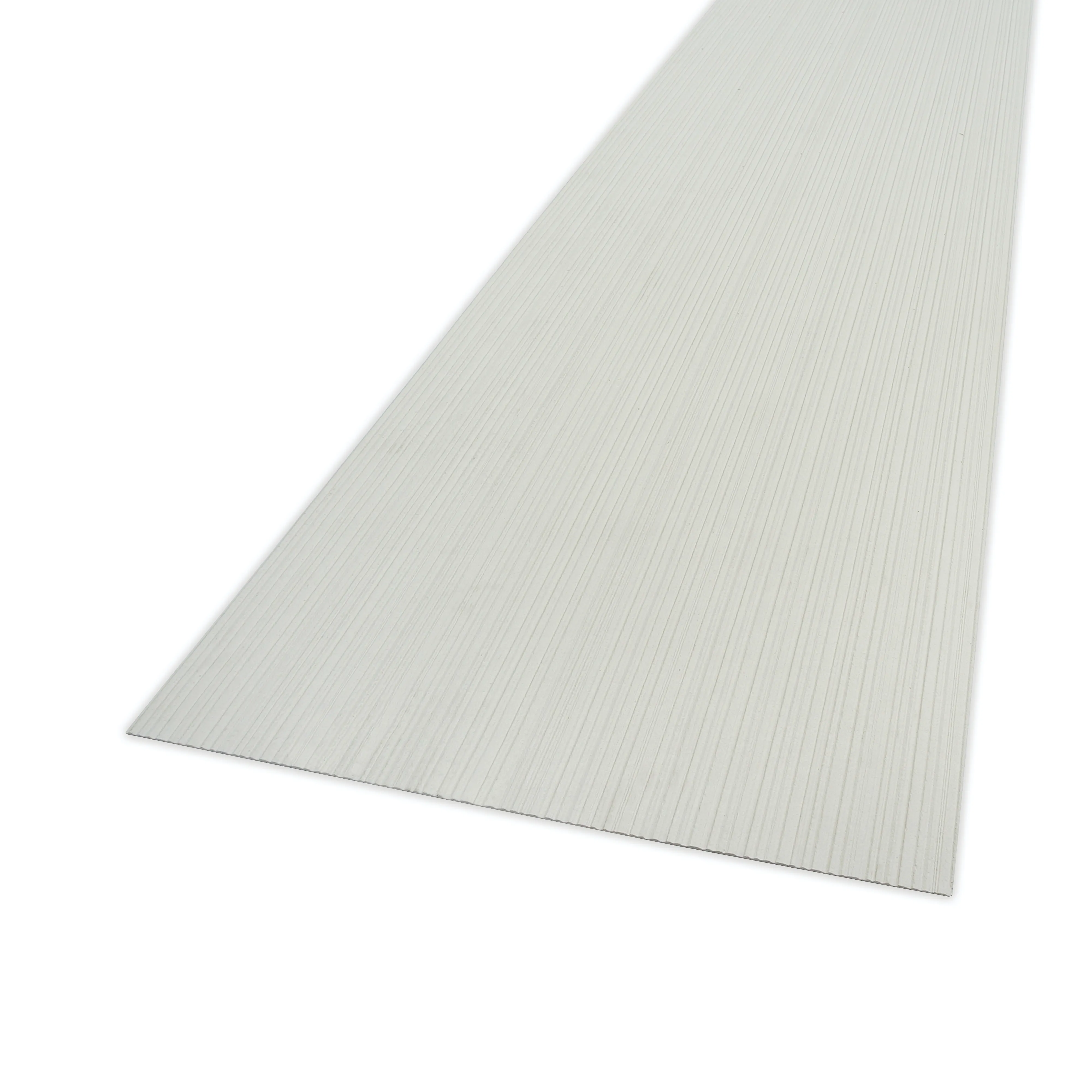
Fine Line Stone (White) isn't your average cladding material. Think of it as the overachiever of the stone world—quietly impressive, adaptable, and built to handle whatever students (and teachers) throw at it. But what exactly is it? At its core, it's a type of mcm flexible stone, a modern composite material that marries the timeless beauty of natural stone with the flexibility and resilience of engineered materials. Unlike rigid stone slabs that crack under stress or delicate tiles that chip easily, mcm flexible stone bends (ever so slightly) with impact, making it surprisingly forgiving in high-traffic areas. And the "White" variant? It's a soft, warm white—think fresh snow on a sunny day, not stark hospital white—that brightens spaces without feeling sterile.
But let's get practical. What makes this stone a game-changer for schools? Let's break it down:
Let's talk about the elephant in the room: kids. They're not trying to damage things—they're just being kids. A third-grader chasing a runaway soccer ball, a middle schooler tripping over their own feet (and catching themselves on the wall), a high schooler leaning against a locker while gossiping with friends—these are daily occurrences. Fine Line Stone (White) laughs in the face of these moments. Its secret? A dense, non-porous surface that resists scratches, stains, and even minor impacts. Spilled juice? Wipe it off with a damp cloth. Crayon? A little soap and water, and it's gone. Backpack scuffs? Barely noticeable. Compare that to wood grain board, which can warp with moisture and scratch easily, or traditional travertine (beige), which is porous and prone to staining if not sealed every few months. With Fine Line Stone, Mrs. Hernandez might finally stop losing sleep over repair bills.
But it's not just about kids. Educational buildings also face the elements. Rain, snow, harsh sunlight—exterior cladding takes a beating. Fine Line Stone (White) holds up here, too. Its UV-resistant finish prevents fading, so that crisp white stays bright even after years of sun exposure. And unlike some materials that crack in freezing temperatures, its flexibility helps it withstand thermal expansion and contraction. For schools in climates with extreme weather, that's not just a nice-to-have—it's a necessity.

Let's circle back to Mr. Patel's auditorium problem. Dull, gray fair-faced concrete has its place (it's durable, we'll give it that), but it doesn't exactly scream "dream big." Fine Line Stone (White), on the other hand, is a master of light. Its soft, matte finish reflects natural light without glare, turning dim spaces into bright, airy ones. Imagine walking into a classroom lined with Fine Line Stone—sunlight bounces off the walls, making the room feel larger, more open. Students sit up straighter; teachers find themselves smiling more. It's not magic, it's design. Color psychology tells us that white and light neutrals evoke calmness and clarity—perfect for a math class where focus is key, or a library where quiet concentration matters.
But it's not just about brightness. Fine Line Stone (White) has texture, too. Run your hand over it, and you'll feel the subtle, natural grain—a nod to the organic beauty of travertine (beige) but with a cleaner, more modern edge. It's not too busy, not too plain—just right for spaces that need to feel both sophisticated and approachable. Pair it with wood grain board accents (think warm wooden trim or bookshelves) and suddenly, that "bunker" auditorium becomes a space where students actually want to perform. Add a splash of color with murals or artwork, and the stone becomes the perfect backdrop—letting creativity take center stage without competing for attention.
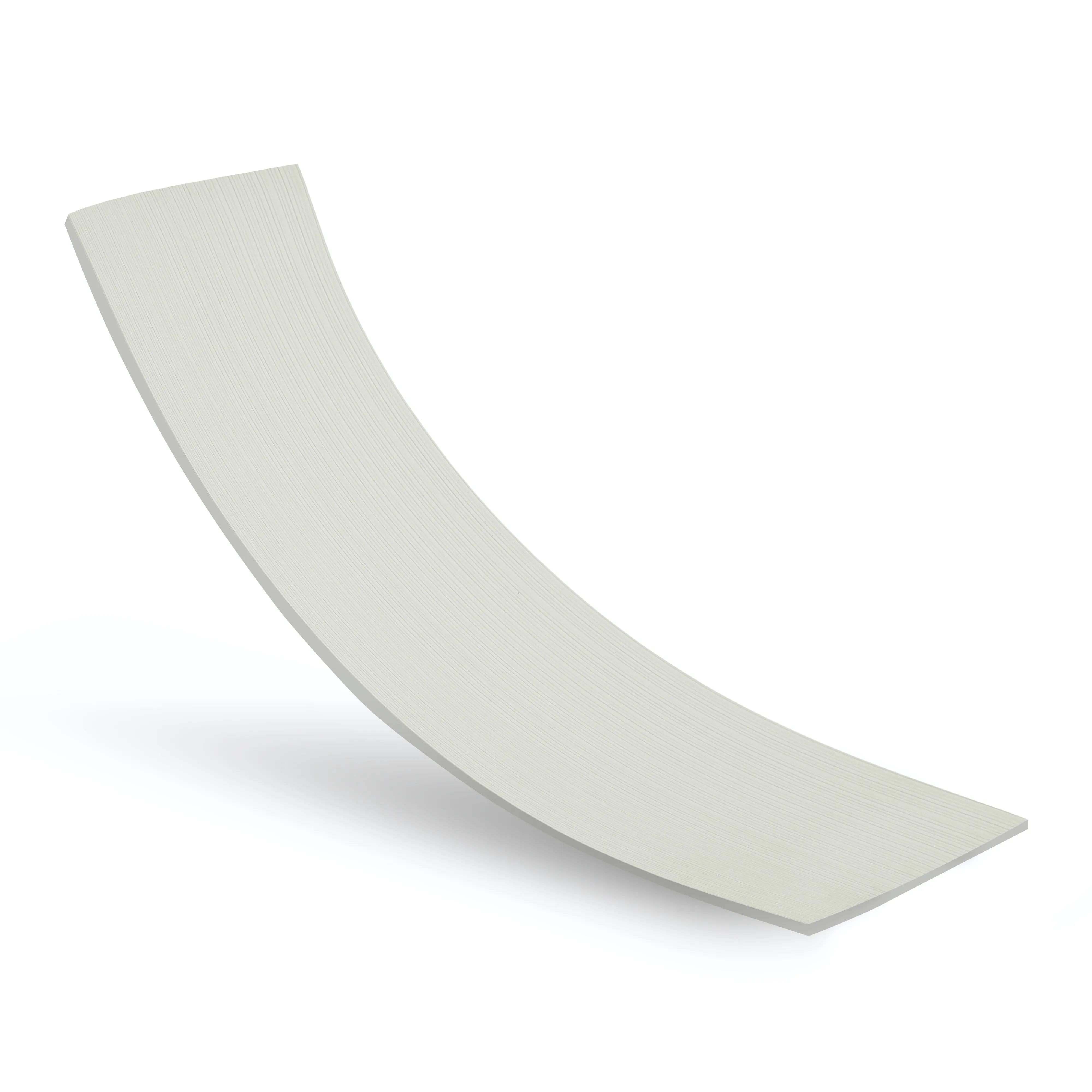
Curious how Fine Line Stone (White) compares to other common cladding materials in schools? Let's break it down with a side-by-side look:
| Material | Durability | Maintenance | Aesthetic Appeal | Sustainability | Best For |
|---|---|---|---|---|---|
| Fine Line Stone (White) | High (resists scratches, stains, impacts) | Low (wipe clean; no sealing needed) | Bright, airy, with subtle texture; versatile for modern/classic spaces | High (made with recycled materials; low VOC emissions) | Classrooms, hallways, exteriors, auditoriums |
| Fair-Faced Concrete | High (durable but prone to staining) | Medium (needs sealing; hard to clean stains) | Dull, industrial; can feel cold/drab | Medium (uses natural materials but high carbon footprint in production) | Industrial-style spaces, exteriors (if budget is tight) |
| Wood Grain Board | Low-Medium (prone to scratches, warping, moisture damage) | High (needs regular sealing; vulnerable to water) | Warm, inviting; adds natural charm | Medium (depends on sourcing; may use formaldehyde-based adhesives) | Accent walls, libraries (with careful maintenance) |
| Travertine (Beige) | Medium (porous; stains easily; chips with heavy impact) | High (seal every 1-2 years; hard to remove stains) | Elegant, natural; classic stone look | Medium (natural stone but requires mining) | Foyers, low-traffic areas (if maintenance budget is high) |
| Historical Pathfinders Stone | Medium (handcrafted look but less resistant to heavy wear) | Medium (needs gentle cleaning; porous surface) | Rich, rustic; evokes history and tradition | Medium (heritage-inspired but limited sustainability features) | Heritage schools, museums, historical displays |
The verdict? Fine Line Stone (White) isn't just a competitor—it's a standout. It takes the durability of concrete, the warmth of wood, and the elegance of travertine, then strips away the downsides. No more sealing, no more stains, no more "bunker vibes." It's cladding designed for education, not despite it.
Let's get specific. Where exactly does Fine Line Stone (White) work best in educational settings? The answer: almost everywhere. Let's take a tour:
Imagine a kindergarten classroom where the walls are lined with Fine Line Stone (White). The teacher hangs colorful alphabet posters, and the stone's light surface makes the letters pop. During snack time, a little one spills milk—no panic. A quick wipe with a paper towel, and the wall looks as good as new. In a high school science lab, where chemicals and experiments are par for the course, the stone resists spills and fumes, ensuring the space stays safe and clean. And in a college lecture hall, the stone's subtle texture adds depth without distracting from the professor's slides. It's the kind of wall that fades into the background when it should and elevates the space when it matters.
Hallways are the arteries of a school—busy, loud, and always in motion. Fine Line Stone (White) turns these high-traffic zones into something special. Its durability means no more scuff marks from backpacks or dents from lockers slamming shut. Its light color reflects overhead lights, making even narrow hallways feel spacious. Add a few accent walls with historical pathfinders stone (a rustic, earthy material that tells stories of the past) and suddenly, the hallway becomes a "living museum" where students learn as they walk.
A school's exterior is its first hello. Fine Line Stone (White) exterior cladding makes a statement: "We care about this place." It stands up to rain, snow, and UV rays, so the building looks fresh year after year. Pair it with mcm flexible stone accents (which can be shaped to create unique architectural details) and suddenly, the school feels modern and welcoming—not just another brick box. Parents dropping off their kids notice it: "This school looks like it's built to last," they say. And that matters.
Auditoriums and gyms are where schools come together—for assemblies, plays, basketball games, and graduations. These spaces need to feel grand but not intimidating. Fine Line Stone (White) does just that. In an auditorium, it softens the acoustics (no more echoey, concrete-like sound) and reflects stage lights, making performances shine. In a gym, it resists the inevitable sweat, dirt, and basketballs bouncing off the walls. And because it's so easy to clean, janitors don't have to spend hours scrubbing after a big game.
Here's a truth we can't ignore: the next generation cares about the planet. Students today are more eco-conscious than ever, and they notice when their school walks the talk. Fine Line Stone (White) isn't just durable and stylish—it's also a green building material through and through. Made with up to 30% recycled content (including post-industrial stone dust and glass), it reduces waste and minimizes the need for new resource extraction. Its production process uses low VOC (volatile organic compound) adhesives, meaning better air quality for students and staff. And because it's so long-lasting, it reduces the need for frequent replacements—lowering the building's carbon footprint over time.
Compare that to traditional cladding materials like travertine (beige), which often requires mining and transportation from far-flung quarries, or wood grain board, which can contribute to deforestation if not sourced sustainably. Fine Line Stone (White) lets schools check the "green" box without sacrificing performance. It's a win-win for the planet and the budget.
Let's put this all into context with a hypothetical (but realistic) example. Riverview High School, a 50-year-old building in upstate New York, was due for a renovation. The exterior was covered in faded brick, and the interior walls were a patchwork of repairs—dull fair-faced concrete here, chipped paint there. "We wanted something that felt new but honored our history," says Principal Lisa Wong. "And we needed it to survive our students."
The design team suggested Fine Line Stone (White) for the exterior and main hallways, paired with historical pathfinders stone accents to pay homage to the school's legacy. "At first, I was skeptical," admits Wong. "White? In a high school? But then I saw the samples. The stone was tough—we even did a scratch test with a key, and it didn't mark. And the color… it made the building look bright and hopeful."
Six months after the renovation, the results are in. "The maintenance crew is thrilled," Wong says. "They used to spend 10 hours a week patching walls; now it's 2 hours. The students? They actually comment on how 'nice' the school looks. One kid even said, 'It feels like a college campus now.' And the best part? We stayed under budget because we won't need to repaint or repair for years."
You might be wondering: What's in a name? "Fine Line" isn't just a marketing term—it's a promise. This stone walks the fine line between strength and subtlety, durability and beauty, modernity and warmth. It's not over-the-top; it's thoughtful. It's the kind of material that lets the school's personality shine through, rather than shouting for attention. In a world of loud trends, that's a rare and valuable quality.
At the end of the day, Fine Line Stone (White) isn't just about walls. It's about creating spaces that respect the chaos of school life while elevating the experience of being there. It's about giving principals like Mrs. Hernandez peace of mind, teachers like Mr. Patel a cleaner canvas for creativity, and students a environment that says, "You matter. This place matters."
So, to all the educators, facility managers, and designers out there: The next time you're planning a school renovation, ask yourself: What kind of space do we want to build? One that just survives… or one that thrives? Fine Line Stone (White) is more than a cladding solution—it's an investment in the future. And isn't that what education is all about?
Recommend Products












