

Redefining safety, comfort, and durability in medical environments
Walk into any healthcare facility, and your eyes are drawn to the big things: the sleek medical equipment, the soft lighting, the comforting artwork on the walls. But there's a quiet workhorse behind the scenes that shapes everything from patient recovery to staff efficiency: the cladding. Those walls, corridors, and treatment room surfaces aren't just there to look nice—they're a frontline defense against germs, a buffer against daily wear and tear, and a silent contributor to the calm that helps patients heal.
In healthcare, where cleanliness can mean the difference between infection and recovery, cladding has a dual role: it needs to protect and comfort . Traditional materials, though well-intentioned, often fall short. Porous tiles trap bacteria in tiny crevices. Heavy stone chips under wheelchairs. Delicate paints peel after repeated scrubbing with harsh disinfectants. And let's not forget the aesthetics—sterile, cold environments can heighten anxiety, while overly textured surfaces become magnets for dust and grime.
Enter Fine Line Stone (White) —a cladding solution that doesn't just meet healthcare's strict demands, but reimagines them. Part of the broader MCM flexible stone family, this material marries the best of durability, hygiene, and design, proving that in healthcare, you don't have to choose between function and beauty.
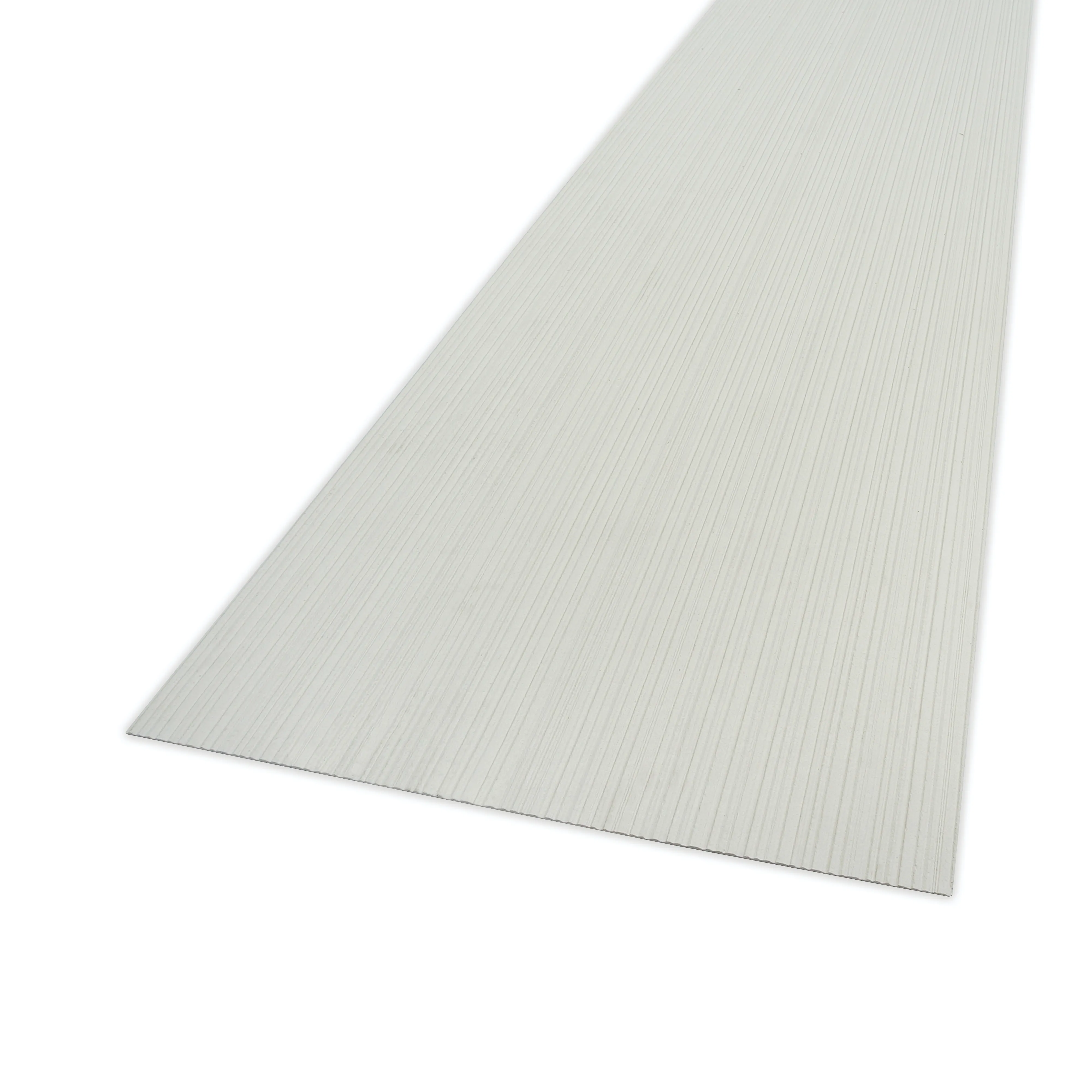
Let's start with the fundamentals: Fine Line Stone (White) isn't your average wall covering. It's a product of advanced modified composite material technology, a category that includes innovations like MCM big slab board series and 3D printing series . At its core, it's a lightweight, flexible cladding panel designed to mimic the look of natural stone—think the soft, organic texture of travertine or the crisp lines of marble—without the drawbacks of heavy, porous materials.
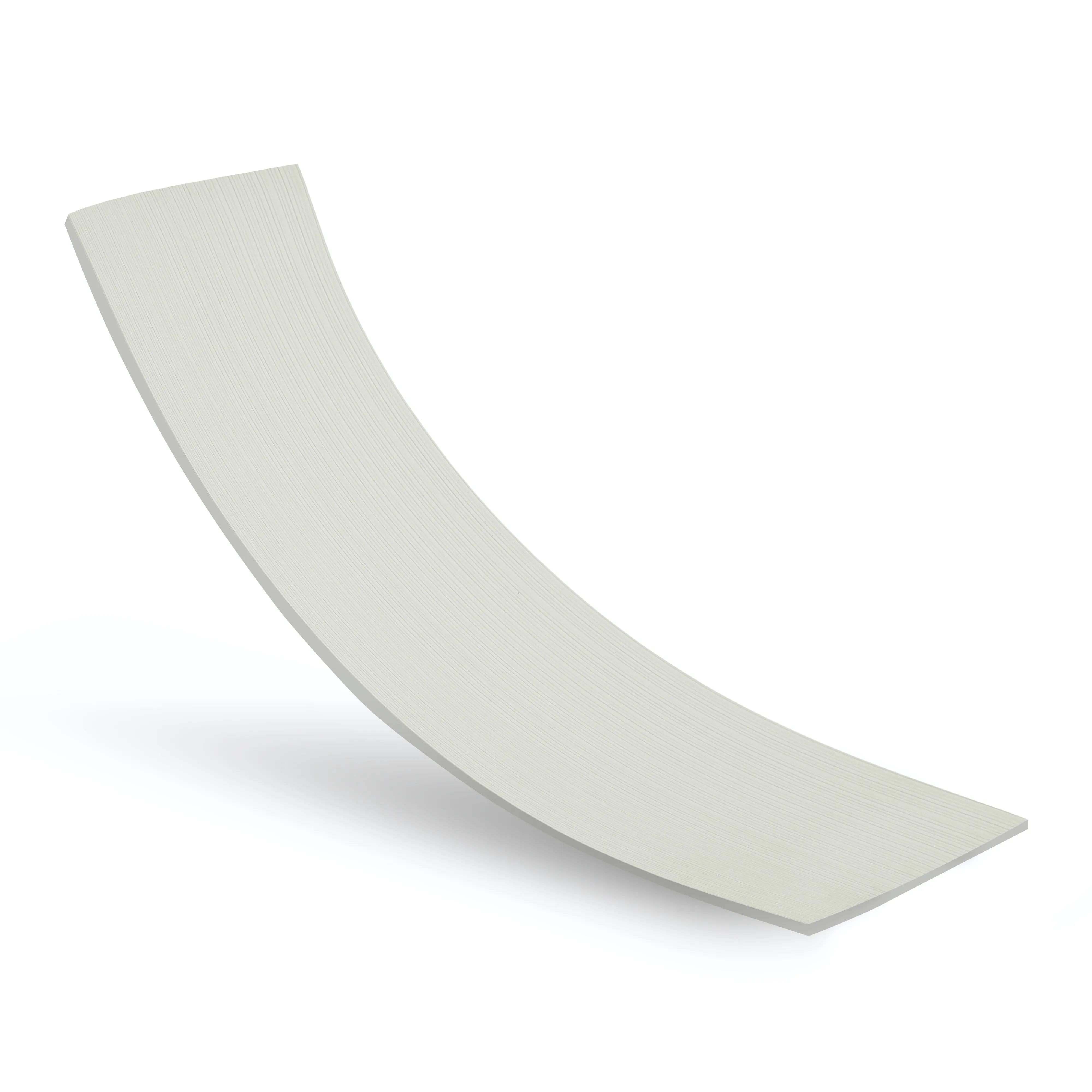
What makes it "fine line"? The surface features delicate, subtle grooves—just enough to add visual interest and warmth, but not so deep that they become hiding spots for bacteria. And that bright white color? It's intentional. White reflects light, making spaces feel larger and airier, which studies show can reduce patient stress. But unlike plain white paint or generic tiles, Fine Line Stone (White) has depth—a gentle play of light and shadow across its fine lines—that prevents the "institutional" feel many healthcare spaces struggle to avoid.
But here's where it gets technical (in the best way): the material is engineered to be non-porous . Unlike natural travertine (beige) , which has tiny holes that can trap moisture and germs, Fine Line Stone (White) repels liquids and resists penetration. It's also surprisingly tough—flexible enough to bend around corners without cracking, yet rigid enough to withstand the bumps of gurneys, the scrapes of furniture, and the constant foot traffic of busy hospitals.

In healthcare, "hygienic" isn't just a buzzword—it's a mandate. The Centers for Disease Control (CDC) estimates that healthcare-associated infections (HAIs) affect millions of patients yearly, and contaminated surfaces are a major culprit. Cladding that's hard to clean or prone to bacterial growth isn't just a maintenance headache; it's a patient safety risk.
Fine Line Stone (White) addresses this head-on. Let's break down its hygiene superpowers:
Dr. Lisa Chen, an infection control specialist at a large urban hospital, puts it this way: "We used to spend hours scrubbing grout lines and treating stains on our old ceramic tile walls. With Fine Line Stone (White), wipe-downs take half the time, and we've seen a noticeable drop in surface bacteria counts during routine testing. It's not just about saving time—it's about saving lives."
Let's talk about the real-world reality of healthcare maintenance: staff are stretched thin. Nurses, janitors, and facility managers don't have time for high-maintenance cladding. They need surfaces that can handle spills, scuffs, and the occasional coffee splatter (we've all been there) without requiring special treatments or constant repairs.
Fine Line Stone (White) delivers on that front, too. Stains? They're practically a thing of the past. Whether it's iodine from a spilled antiseptic, juice from a patient's meal, or marker from a child's art project, most messes wipe off with a damp cloth and mild soap. For tougher stains, a quick spray with a hospital-grade disinfectant and a gentle scrub is all it takes—no harsh abrasives needed.
Durability is another win. Unlike bamboo mat board , which can scratch or warp with moisture, or foamed aluminium alloy board (vintage silver) , which might dent under impact, Fine Line Stone (White) is built to last. It resists fading from UV light (so those sunlit waiting rooms stay bright), doesn't chip easily, and holds up to the vibrations of medical equipment. Over time, that translates to lower replacement costs and less downtime for repairs—a big plus for facilities working within tight budgets.
One facility manager we spoke to, Mike Torres from a community hospital in Texas, put it simply: "Before switching to Fine Line Stone, we were replacing hallway tiles every 3–5 years because of cracks and stains. Now, the panels we installed seven years ago still look brand new. The janitorial team loves it—they say cleaning is faster, and the patients comment on how 'fresh' the walls always look."
Hygiene and durability are non-negotiable, but healthcare design isn't just about function—it's about creating environments that promote healing. Patients and visitors spend hours in these spaces; the right cladding can turn a sterile corridor into a calming pathway, or a cold treatment room into a place that feels safe and welcoming.
Fine Line Stone (White) shines here, thanks to its versatility. It pairs beautifully with other healthcare-friendly materials, creating layered, inviting spaces without compromising on safety. For example:
The color psychology of white can't be overstated, either. In oncology units, where patients may feel fatigued, white reflects light and creates a sense of calm. In mental health facilities, it avoids overstimulation, helping patients feel grounded. And in surgical suites, it enhances visibility—critical for precision during procedures.
But perhaps the most powerful design benefit is its neutrality . Fine Line Stone (White) doesn't compete with other elements; it elevates them. Whether paired with vibrant artwork, warm wood furniture, or high-tech medical displays, it provides a quiet, cohesive backdrop that ties the room together. It's not just a cladding material—it's a design tool that helps healthcare spaces feel less like "hospitals" and more like "healing environments."
So where exactly does Fine Line Stone (White) shine in a healthcare facility? The short answer: almost everywhere. Let's walk through some key areas and how this cladding makes a difference:
These high-traffic zones see everything from gurneys and wheelchairs to running children and rolling carts. Fine Line Stone (White)'s durability and scratch resistance make it ideal here. The bright color also helps wayfinding—patients and visitors can navigate more easily in well-lit, light-reflective spaces.
Hygiene is paramount here, and Fine Line Stone (White)'s non-porous surface stands up to frequent cleaning. Its smooth texture also makes it easy to mount equipment like hand sanitizer dispensers or medical monitors without damaging the wall.
First impressions matter, and waiting rooms set the tone for a patient's experience. Fine Line Stone (White) creates a clean, calming atmosphere that reduces anxiety. Pair it with bamboo mat board accents for warmth, or fair-faced concrete for a modern, upscale feel.
Here, comfort is key. The soft texture of Fine Line Stone (White) adds a home-like touch, while its durability ensures it holds up to daily life (think: patients leaning against walls, family members setting down bags). Plus, the white color reflects natural light, which can improve mood and sleep quality—both critical for recovery.
These spaces need to balance sterility with warmth. Fine Line Stone (White) provides a clean, safe backdrop, while its subtle texture adds a touch of softness that feels less clinical. It's also moisture-resistant, which is a bonus in areas where water or bodily fluids might be present.
To truly appreciate Fine Line Stone (White), it helps to see how it compares to other common healthcare cladding materials. Let's break it down in a quick table:
| Material | Hygiene (Non-Porous?) | Maintenance Ease | Aesthetic Warmth | Durability |
|---|---|---|---|---|
| Fine Line Stone (White) | Yes (non-porous) | Easy (wipe clean, stain-resistant) | High (subtle texture, warm white) | Excellent (scratch, impact-resistant) |
| Travertine (beige) (natural stone) | No (porous, traps germs) | High (requires sealing, stains easily) | High (organic, earthy texture) | Good (but chips/cracks over time) |
| Fair-faced concrete | Yes (non-porous when sealed) | Moderate (can stain if not sealed) | Low (industrial, cold look) | Excellent (extremely durable) |
| Bamboo mat board | No (porous, absorbs moisture) | High (scratches easily, warps with water) | Very high (natural, warm texture) | Low (not ideal for high-traffic areas) |
The takeaway? Fine Line Stone (White) isn't just a "good" option—it's often the best option for healthcare, balancing the hygiene of concrete, the warmth of natural stone, and the durability of metal without their downsides.
As healthcare design evolves, the demand for materials that prioritize both safety and patient experience will only grow. We're seeing a shift away from cold, sterile environments toward spaces that feel more "human"—and cladding is at the heart of that shift. Fine Line Stone (White) is part of this movement, but it's also paving the way for future innovations.
Manufacturers are already exploring ways to enhance the material further, like integrating antimicrobial coatings (though the non-porous surface already does a great job on its own) or developing new colorways inspired by nature—soft blues, gentle greens—to complement the white base. And as MCM 3D printing series technology advances, we might see even more customizable textures and patterns, allowing facilities to tailor cladding to specific patient needs (e.g., calming textures in mental health units, more stimulating designs in pediatric areas).
Sustainability is another key trend, and Fine Line Stone (White) checks that box, too. Its lightweight design reduces transportation emissions, and many manufacturers use recycled materials in its production. Plus, its longevity means less waste over time—no need to replace panels every few years.
At the end of the day, healthcare is about people—patients, staff, families. The spaces we design for them should reflect that care, and cladding is a silent partner in that mission. Fine Line Stone (White) isn't just a material; it's a commitment to creating environments that are safe, comfortable, and built to last.
It solves the age-old problem of "either/or" in healthcare design: you don't have to choose between hygiene and beauty, durability and warmth, function and feeling. With its non-porous surface, easy maintenance, and timeless aesthetic, it's a cladding solution that works as hard as the people who use it—day in, day out.
So the next time you walk into a healthcare facility, take a closer look at the walls. They might just be telling a story of innovation, care, and the quiet power of good design. And if those walls are clad in Fine Line Stone (White)? You can bet they're doing more than just looking good—they're helping heal.
Recommend Products












