
Coastal living is a dream for many—sunlight glinting off waves, the salt-kissed breeze, and the rhythmic sound of tides that turn ordinary days into something serene. But behind that postcard-perfect facade lies a harsh reality: the ocean is a relentless force. Saltwater spray, humidity that clings like a second skin, and storms that lash buildings with rain and wind—these elements don't just test your patience; they wage war on your home's exterior. For architects, builders, and homeowners, the challenge has long been clear: how do you balance beauty with resilience in a place where the environment is determined to erode both?
Traditional building materials, once the go-to for coastal projects, often fall short. Natural stone, while stunning, is porous—like a sponge that soaks up saltwater and moisture, leading to cracks, discoloration, and even structural damage over time. Brick crumbles, concrete stains, and wood rots. The result? Endless maintenance, mounting costs, and a facade that loses its luster years before its time. But what if there was a material that could stand up to the ocean's worst while preserving the timeless elegance of stone? Enter COLORIA's Modified Composite Material (MCM), and in particular, its Fine Line Stone (White) —a game-changer for coastal architecture that marries aesthetics with unbeatable waterproof performance.
To understand why Fine Line Stone (White) is a revelation, we first need to unpack the unique threats coastal buildings face. Let's start with salt. When seawater evaporates, it leaves behind salt crystals that wedge into tiny pores in stone, brick, or concrete. Over time, these crystals expand, cracking the material from the inside out—a process called "salt weathering." Then there's humidity: in coastal areas, the air can hold up to 90% moisture, creating the perfect breeding ground for mold, mildew, and algae, which not only stain surfaces but also eat away at organic materials like wood.
Storms add another layer of stress. High winds hurl sand and debris at buildings, scouring exteriors, while heavy rains drive water deep into cracks. Even "mild" coastal climates aren't safe—constant exposure to salt-laden air can corrode metal fixtures and discolor stone in as little as five years. For example, natural travertine, beloved for its earthy texture, is highly porous; in a coastal home, it might require sealing every six months to fend off moisture, and even then, it's prone to developing unsightly dark spots from trapped salt.
Worst of all, these issues aren't just cosmetic. A facade that fails to repel water can lead to leaks, rotting framing, and compromised insulation—turning a dream home into a money pit. For commercial properties, like beachfront hotels or restaurants, the stakes are higher: a worn, stained exterior drives away customers, while repairs disrupt business. It's no wonder architects and builders have long searched for a material that can laugh in the face of salt, humidity, and storms.
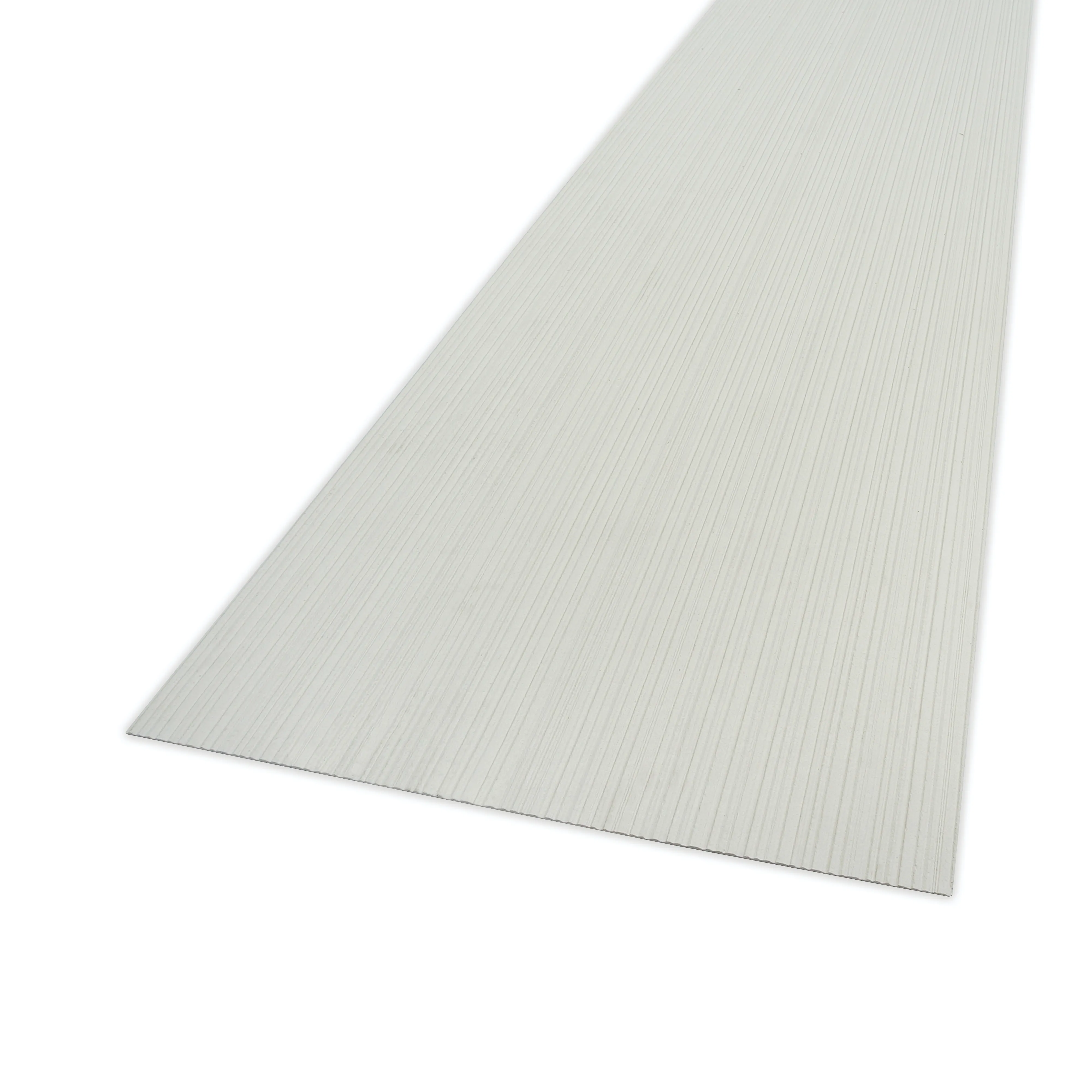
COLORIA, a leader in innovative building materials, didn't just set out to create another stone alternative—they reimagined what a building material could be. Their solution? MCM flexible stone , short for Modified Composite Material. Unlike natural stone, which is mined and cut, MCM is engineered in a lab, blending natural stone aggregates (think crushed marble, granite, or travertine) with high-performance polymers. The result is a material that's lightweight (up to 70% lighter than natural stone), ultra-thin (as thin as 4mm), and astonishingly flexible—yet just as strong, if not stronger, than traditional options.
But MCM's real magic lies in its adaptability. By tweaking the formula, COLORIA can mimic the look of virtually any natural stone—from the veining of marble to the roughness of granite—while enhancing its performance. Water resistance, UV protection, and impact durability are built into the material, not added as afterthoughts. And because it's lightweight and flexible, it's easier to install on curved surfaces, high-rise buildings, or retrofit projects—no heavy machinery required, reducing labor costs and construction time.
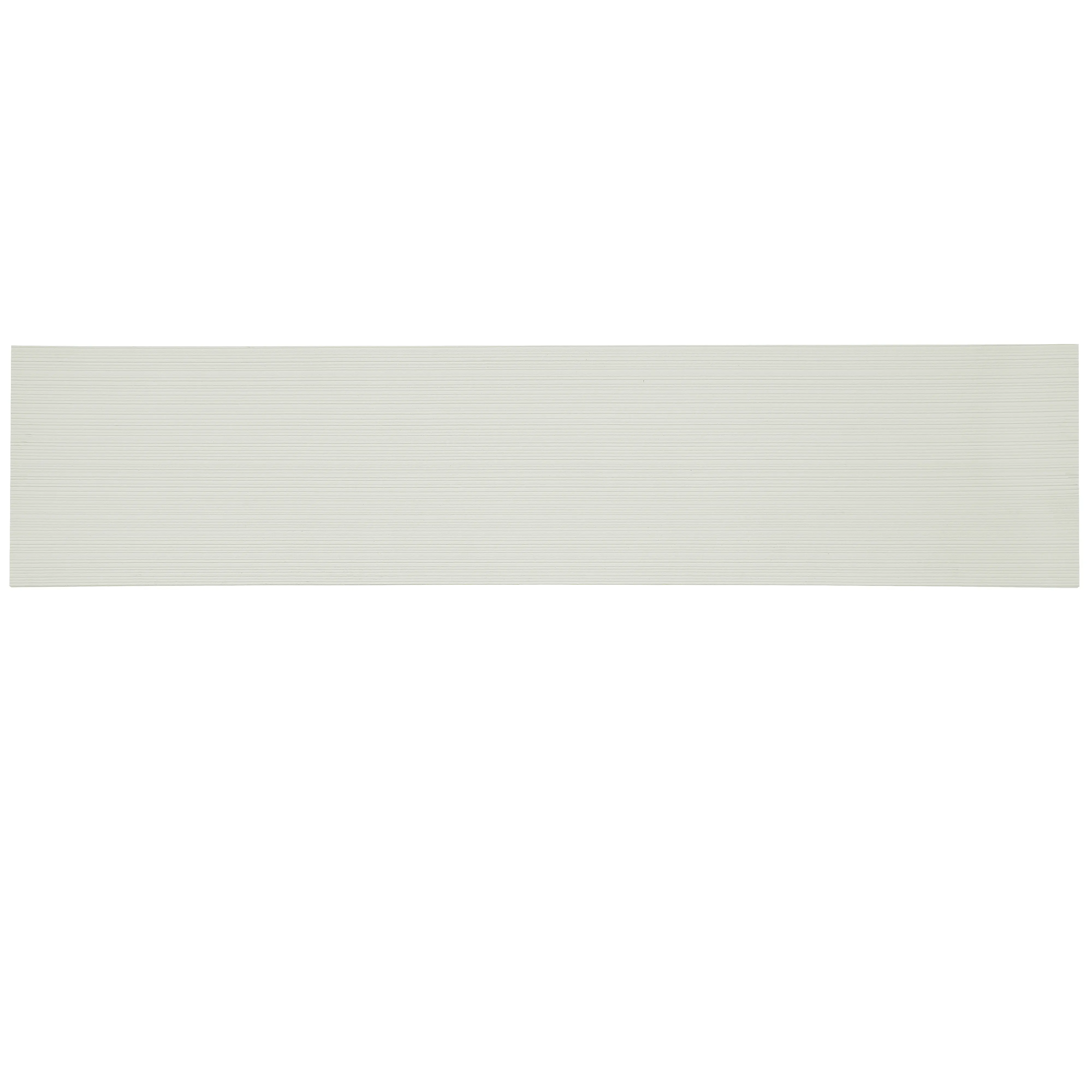
Among COLORIA's extensive MCM lineup, Fine Line Stone (White) stands out as a coastal favorite. With its clean, crisp finish and subtle linear texture—reminiscent of white travertine but with a smoother, more uniform appearance—it complements the bright, airy aesthetic of coastal design. Whether used for cladding a beach house, a boardwalk pavilion, or a luxury resort, it reflects sunlight, keeping interiors cool and exteriors glowing, even in the harshest salt-spray environments.
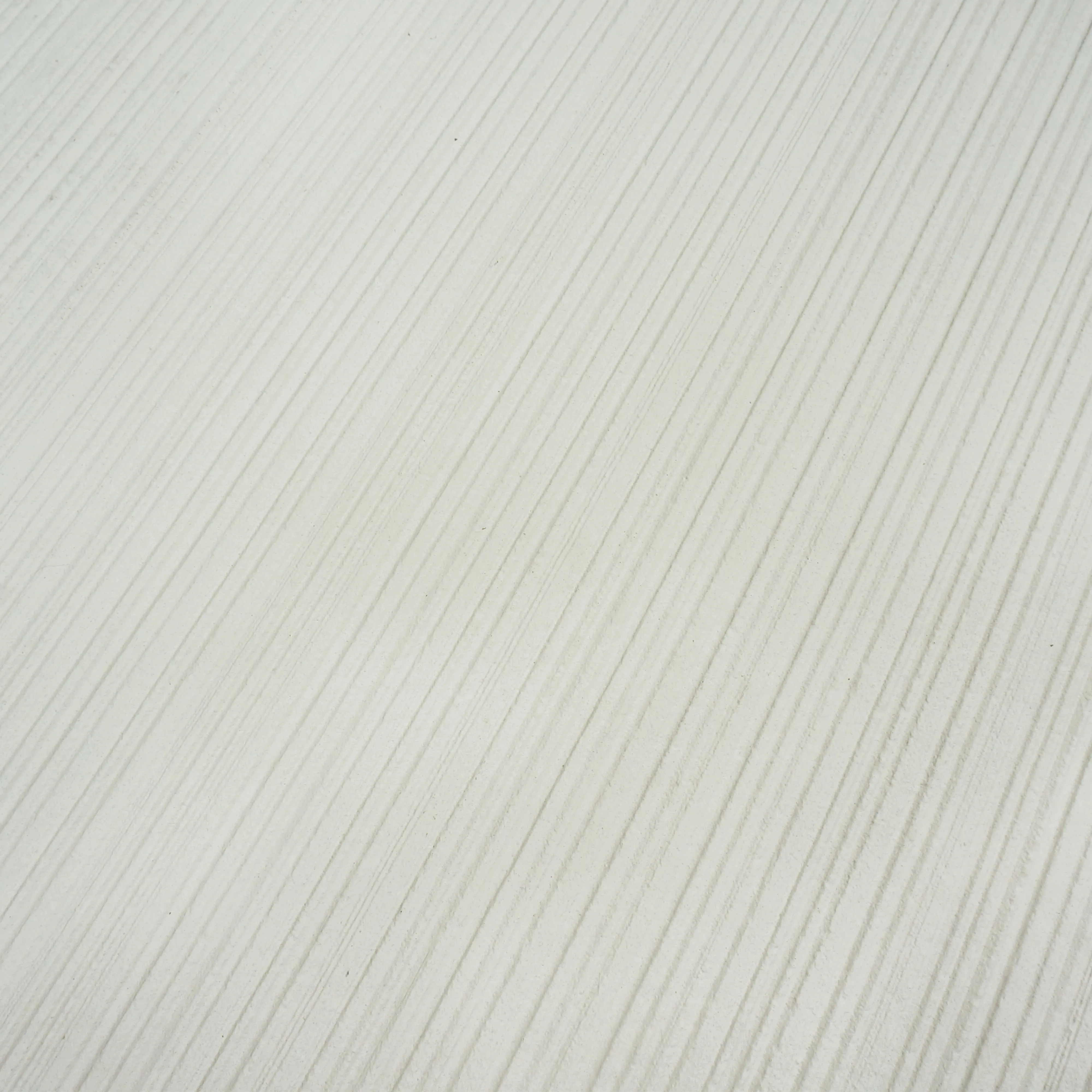
At first glance, Fine Line Stone (White) could easily be mistaken for natural stone. Run your hand over its surface, and you'll feel the slight texture of "stone grains," the soft matte finish that diffuses sunlight, and the subtle linear patterns that give it depth. It's designed to mimic the organic beauty of natural materials while eliminating their flaws. But beneath that elegant exterior lies a high-tech core engineered for coastal survival.
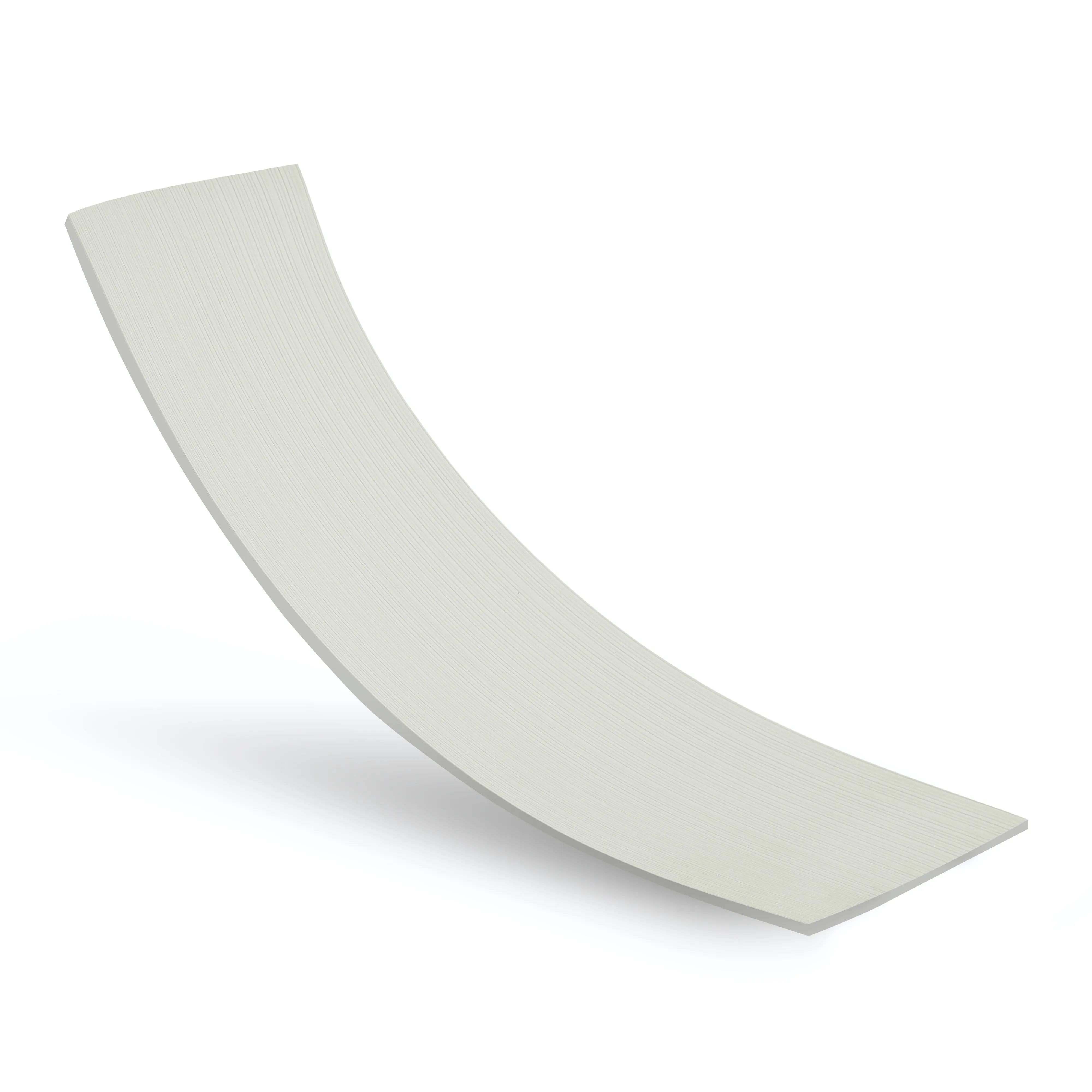
Let's start with its physical properties. Unlike natural stone, which is heavy and brittle, Fine Line Stone (White) is flexible. It can bend up to 30 degrees without cracking—a critical feature in coastal areas where buildings shift slightly with wind and ground movement. This flexibility prevents the formation of cracks, which are the number one entry point for water. And at just 4-6mm thick, it's light enough to be installed on wood, metal, or even existing walls without adding structural strain—a boon for older coastal homes that can't support heavy stone.
Aesthetically, Fine Line Stone (White) is a designer's dream. Its bright white hue acts as a blank canvas, pairing seamlessly with ocean blues, sandy beiges, or vibrant accent colors. It's available in large slabs (up to 1200x600mm), reducing the number of seams and creating a sleek, modern look. For a more rustic coastal vibe, it can be paired with COLORIA's Lunar Peak Silvery or Travertine (Starry Blue) —other MCM variants that mimic weathered stone or starry night skies—adding contrast and visual interest without sacrificing performance.
But what truly sets it apart is its waterproofing. Let's dive into that.
Waterproofing isn't just about repelling rain—it's about resisting saltwater absorption, humidity, and the slow, steady seepage that happens over time. Fine Line Stone (White) achieves this through a three-pronged approach: a closed-cell structure, a specialized waterproof coating, and inherent chemical resistance.
First, the closed-cell matrix. Unlike natural stone, which has millions of tiny pores, MCM is engineered with a dense, closed-cell structure. Think of it as a microscopic honeycomb where each "cell" is sealed shut, preventing water from seeping through. When saltwater spray hits the surface, it beads up and rolls off, rather than soaking in. In lab tests, Fine Line Stone (White) achieved a water absorption rate of less than 0.5%—compared to natural travertine's 3-5% and concrete's 10%. That means even after years of exposure, it won't swell, crack, or discolor from moisture.
Second, the protective coating. Each panel of Fine Line Stone (White) is treated with a UV-stable, water-repellent coating that acts as a second barrier. This coating resists salt corrosion, prevents mold growth, and makes cleaning a breeze—no harsh chemicals needed, just a hose and mild soap. Unlike sealants on natural stone, which wear off and need reapplication, this coating is integrated into the MCM during manufacturing, so it lasts the lifetime of the panel.
Third, chemical resistance. Salt, chlorine (from pools), and even the acidic rain common in coastal areas can eat away at traditional materials. Fine Line Stone (White) is inert to most chemicals, including salt, acids, and alkalis. In accelerated aging tests, panels exposed to salt spray for 5000 hours (equivalent to 20+ years in a coastal environment) showed no signs of corrosion, discoloration, or loss of structural integrity. For homeowners, this means no more scrubbing salt stains or replacing damaged panels—just a facade that stays bright and beautiful, year after year.
Still skeptical? Let's put Fine Line Stone (White) head-to-head with common coastal building materials. The table below compares key factors like waterproofing, maintenance, and longevity—so you can see exactly why MCM is the smarter choice.
| Material | Waterproof Rating* | Annual Maintenance | Weight (lbs/sq ft) | Expected Lifespan | Coastal Suitability |
|---|---|---|---|---|---|
| Natural White Travertine | 2/10 (Highly porous) | Seal every 6 months; stain removal | 15-20 | 10-15 years (coastal) | Poor |
| Fair-faced Concrete | 4/10 (Porous, cracks over time) | Seal annually; patch cracks | 25-30 | 15-20 years (coastal) | Moderate |
| Lunar Peak Silvery (MCM) | 8/10 (Water-resistant, textured surface) | Hose down quarterly | 2-3 | 30+ years | Very Good |
| Fine Line Stone (White) (MCM) | 9.5/10 (Closed-cell, coated, flexible) | Hose down as needed; no sealing | 1.5-2 | 50+ years | Excellent |
*Waterproof Rating: 1 = Least resistant, 10 = Most resistant
Talk is cheap—results matter. So let's look at how Fine Line Stone (White) has performed in real coastal settings. Take the Sandpiper Resort , a 12-story luxury hotel on Florida's Gulf Coast, which renovated its exterior with Fine Line Stone (White) in 2018. Before the renovation, the hotel struggled with constant maintenance: its natural limestone cladding stained easily, required sealing twice a year, and had developed hairline cracks from hurricane winds. Five years later, the MCM panels look as crisp as the day they were installed. "We haven't had to do a single repair," says Maria Gonzalez, the resort's facilities manager. "Even after Hurricane Ian in 2022, which tore off parts of the roof, the Fine Line Stone (White) cladding stayed intact. No water intrusion, no stains—just a quick hose-down, and it was back to looking brand new."
Closer to home, consider the Beachside Cottage , a family home in Cape Cod, Massachusetts. The homeowners, who had previously dealt with rotting wood siding and stained concrete, opted for Fine Line Stone (White) for their exterior. "We wanted something that looked like stone but wouldn't require the upkeep," says homeowner James Peterson. "Three winters of nor'easters, and the panels haven't budged. No salt stains, no mold—even the corners, which are usually the first to chip, are still sharp. It's the best home improvement we've ever made."
These aren't isolated cases. From California's Pacific Coast to the Mediterranean villages of Greece, Fine Line Stone (White) is becoming the go-to choice for architects who refuse to compromise on beauty or durability. It's not just a building material—it's a promise that your coastal property can be both stunning and resilient, season after season.
One of the biggest selling points of Fine Line Stone (White) —and MCM in general—is its minimal maintenance requirements. In coastal areas, where time is better spent enjoying the beach than scrubbing walls, this is a game-changer. Unlike natural stone, which demands regular sealing, power washing, and stain treatment, Fine Line Stone (White) needs little more than an occasional rinse with fresh water to remove salt buildup. Its non-porous surface means mold and mildew can't take hold, and UV resistance ensures it won't fade or yellow in the sun—even after decades of exposure.
Longevity is another key factor. While natural stone might last 10-15 years in coastal environments before needing replacement, MCM is built to last 50+ years. COLORIA backs this claim with a 25-year warranty on all MCM products, including Fine Line Stone (White) —a testament to their confidence in its durability. When you factor in the cost of maintaining natural stone over time—sealants, repairs, replacements—the upfront investment in MCM quickly pays for itself. It's not just a purchase; it's a long-term investment in your property's value and your peace of mind.
While Fine Line Stone (White) is a standout for coastal projects, COLORIA offers a range of MCM products designed to thrive in harsh environments. For homeowners who prefer a warmer, earthier look, there's the Lunar Peak Series —available in silvery, golden, and black finishes—mimicking the rugged beauty of mountain stone with the same waterproof benefits. The Travertine (Starry Blue) variant, with its deep blue hue and subtle "starry" texture, is perfect for adding a pop of color to coastal exteriors, while Fair-faced Concrete MCM offers an industrial-chic vibe without the porosity of traditional concrete.
For commercial projects, Foamed Aluminium Alloy Board (Vintage Silver) combines the sleek look of metal with MCM's lightweight durability, ideal for high-rise coastal buildings. And for those who crave the look of wood without the rot, Wood Grain Board MCM mimics cedar, oak, or teak—complete with authentic texture—while resisting water, insects, and salt damage.
Whatever your aesthetic vision, COLORIA's MCM lineup ensures you don't have to choose between beauty and performance. Each product is engineered with the same coastal resilience as Fine Line Stone (White) , so you can mix and match to create a unique look that stands the test of time.
Coastal living is about more than just a view—it's about embracing a lifestyle of beauty, freedom, and connection to nature. But that lifestyle shouldn't come with the stress of constant home repairs or the disappointment of watching your property's exterior degrade before your eyes. Fine Line Stone (White) from COLORIA offers a better way: a material that celebrates the ocean's beauty while standing strong against its power.
With its stunning white finish, flexible design, and unbeatable waterproof performance, it's the ideal choice for anyone who wants to build—or rebuild—a coastal property that's as durable as it is beautiful. Whether you're constructing a luxury resort, a family cottage, or a commercial space, Fine Line Stone (White) isn't just a building material—it's a promise: that your coastal dream home can be both a sanctuary and a fortress, where the only thing eroding is the horizon at sunset.
So why settle for materials that fight the coast when you can choose one that works with it? Choose COLORIA's MCM. Choose Fine Line Stone (White) . And build a legacy that lasts as long as the tides.
Recommend Products












