

A Material That Speaks to the Past While Embracing the Future
Walk down the cobblestone streets of a historic district, and you'll feel it—the weight of time in every weathered brick, every hand-carved lintel, every faded fresco. These buildings aren't just structures; they're storytellers, carrying the whispers of generations. But here's the paradox of preservation: to keep these stories alive, we often need to update them. Crumbling walls need reinforcement, drafty windows need efficiency, and spaces built for a bygone era need to serve modern lives. The challenge? How to do this without erasing the soul of the past. Enter Fine Line Stone (White) —a material that doesn't just patch up history, but dances with it.
Historic renovation isn't about freezing time; it's about curating a dialogue between then and now. Too often, well-meaning attempts to "modernize" result in jarring contrasts: sleek glass additions that overshadow centuries-old stone, or cheap imitations that feel like costume jewelry on a vintage gown. The key, architects and preservationists agree, lies in the materials. Choose the wrong one, and you the narrative. Choose the right one, and you let the old and new sing in harmony. Fine Line Stone (White) isn't just "right"—it's a translator, turning the language of heritage into something contemporary without losing an ounce of authenticity.
Think of a historic building as a living being. Its materials are its skin, its bones, its voice. replace a 19th-century limestone facade with a generic concrete panel, and you're not just changing the look—you're silencing a part of its identity. The best renovations understand this: they treat materials as collaborators, not just tools. They ask: How does this new element honor the original's texture? Does it reflect light the same way? Can it age gracefully, like the old stone, so that in 50 years, it too will carry the patina of time?
Traditional materials, while beautiful, often come with trade-offs. Original limestone might be too fragile to reuse; hand-cut brick is costly and hard to source. Modern alternatives, on the other hand, can feel sterile—too perfect, too "new" to blend. This is where Fine Line Stone (White) finds its sweet spot. It's a material with one foot in history and one in innovation, designed to bridge that gap.
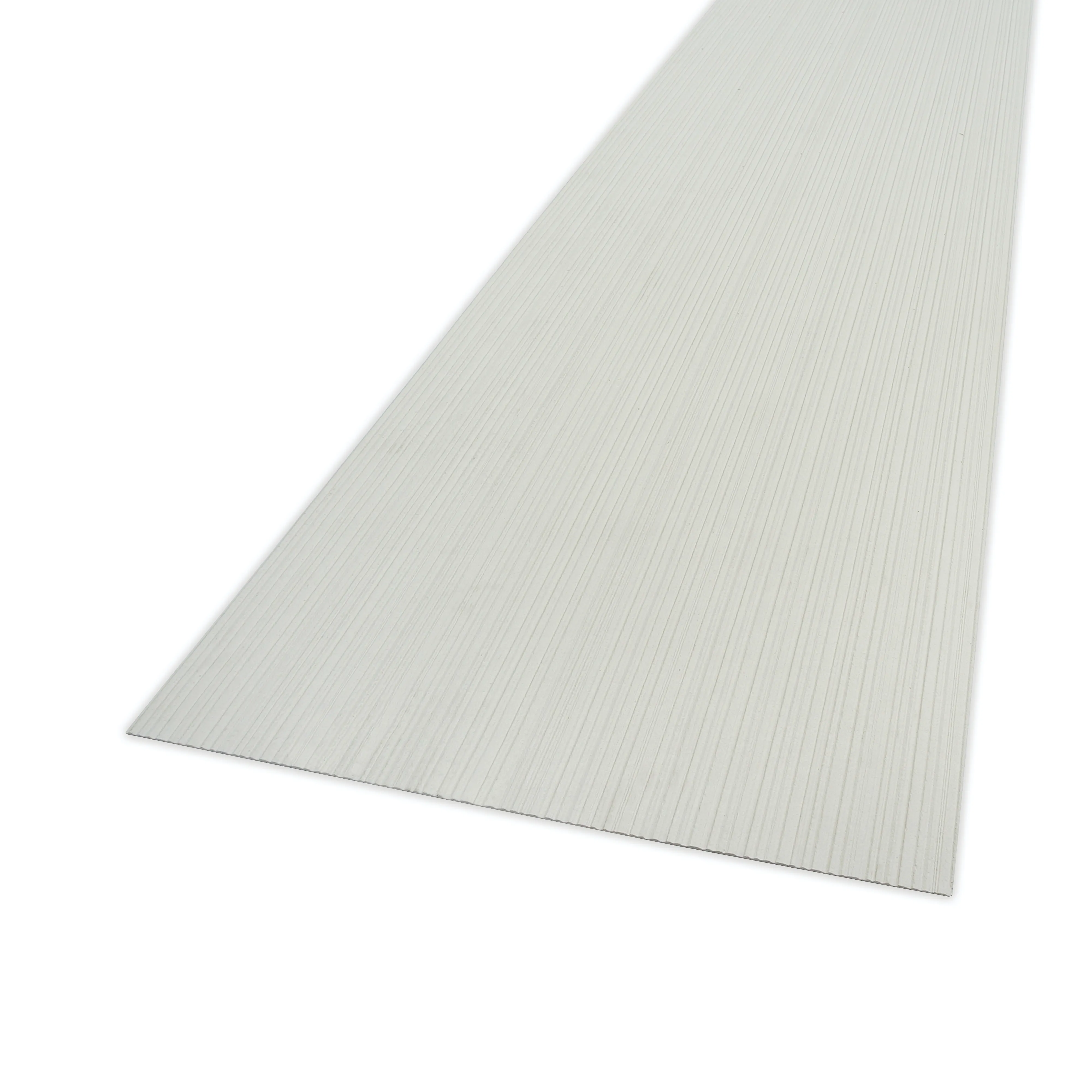
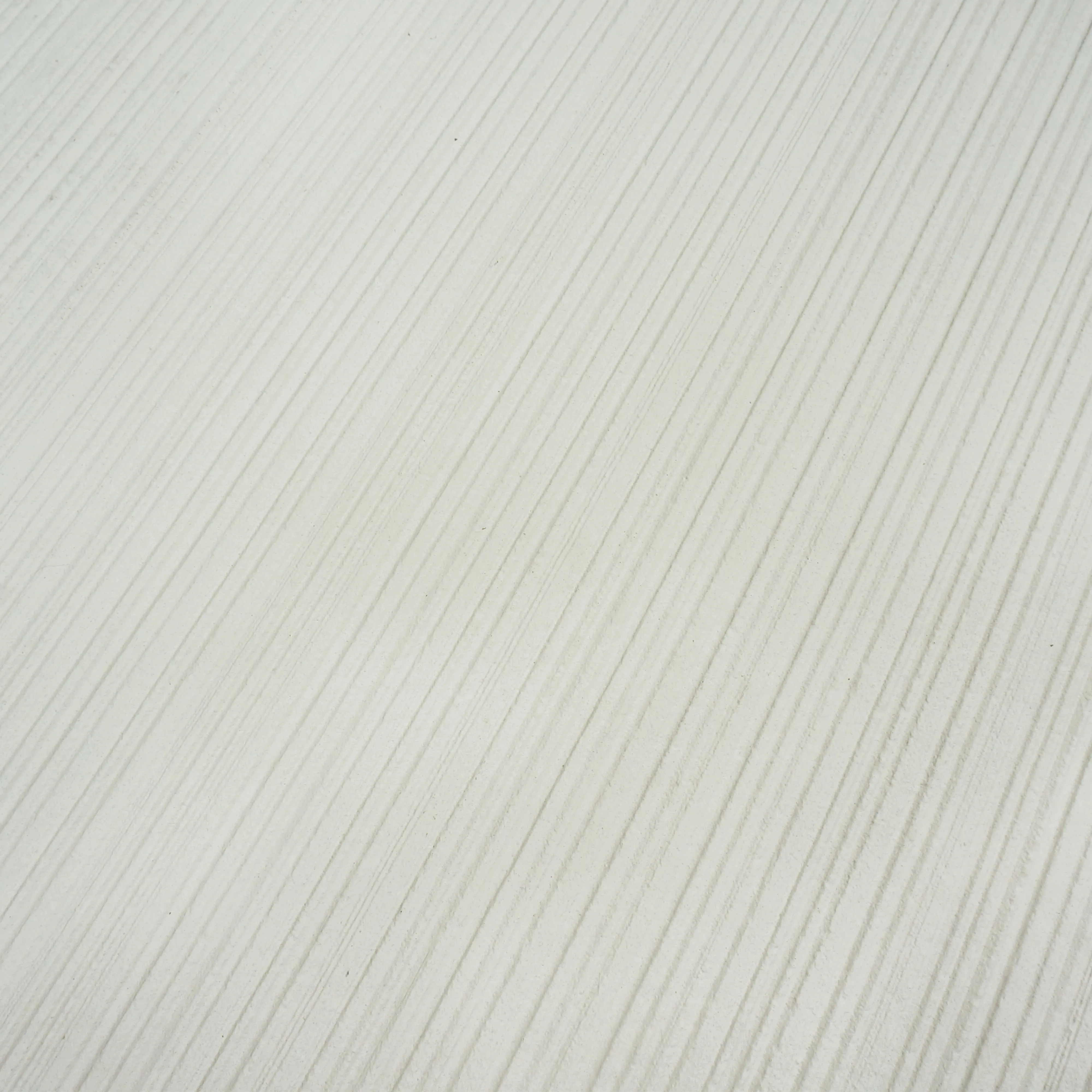
At first glance, Fine Line Stone (White) feels familiar, like something you might find in the ruins of a Renaissance villa or the facade of a 18th-century townhouse. Its surface is soft yet substantial, with a matte finish that absorbs light rather than reflecting it harshly—a quality that mirrors the gentle wear of aged stone. Run your hand across it, and you'll notice the subtlety of its texture: fine, linear grooves that mimic the natural veining of marble or the tool marks left by stonemasons of old, but with a precision that speaks to modern craftsmanship.
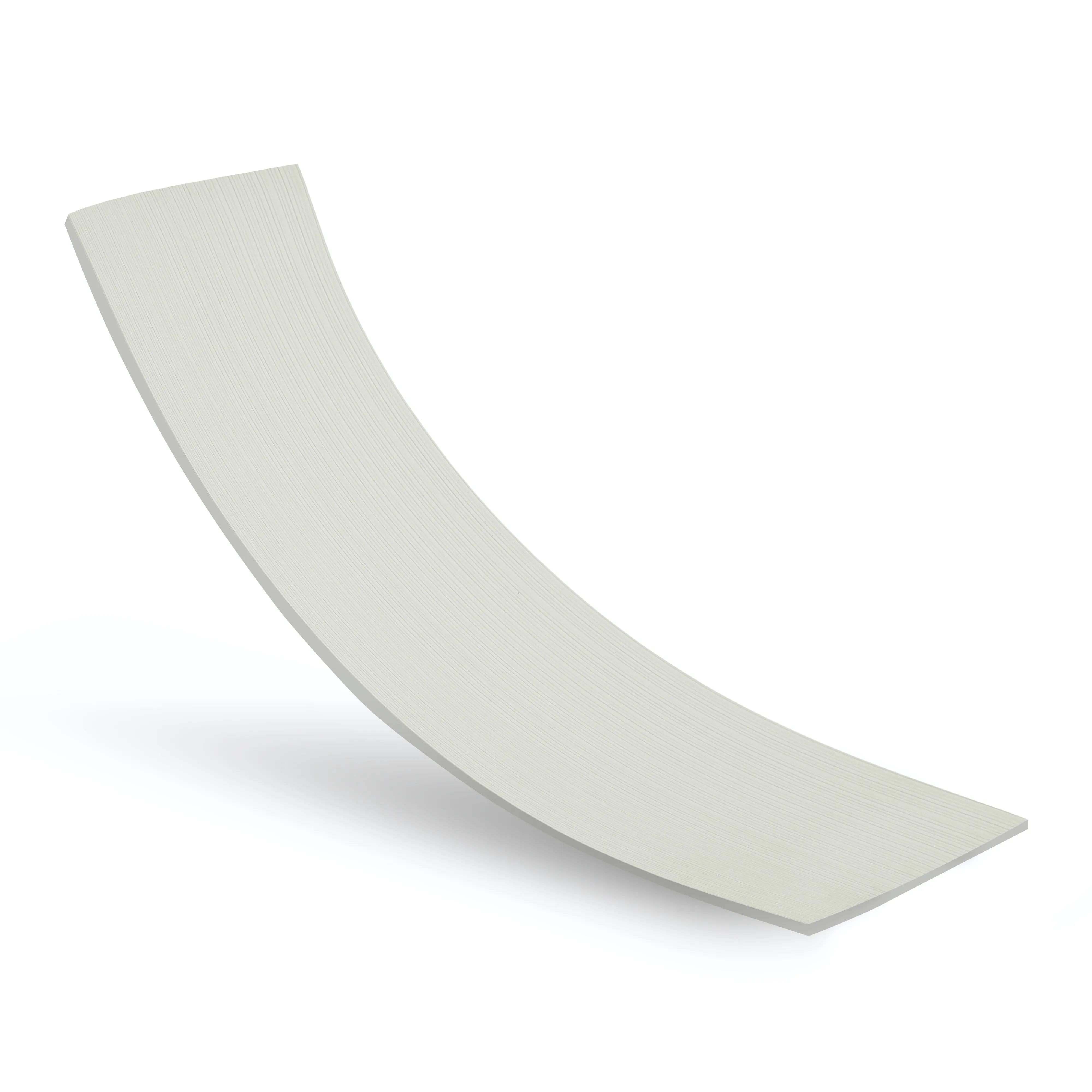
What sets it apart? Let's start with color. Its "white" isn't the stark, clinical white of a modern office wall. It's a warm, creamy off-white, with hints of ivory and pale sand that shift with the light—exactly the kind of hue that complements weathered brick, terracotta roof tiles, or the mellowed wood of historic beams. It doesn't compete with the past; it frames it. Then there's its versatility. Thin enough to be used as cladding for delicate interior walls, yet durable enough to stand up to harsh weather on exteriors, it adapts to the needs of the space without losing its character. Unlike some modern composites that feel lightweight or synthetic, it has a reassuring heft—a solidity that nods to the permanence of historic architecture.
But perhaps its greatest strength is its restraint. In a world of bold patterns and flashy finishes, Fine Line Stone (White) understands that sometimes, the most powerful statement is a quiet one. It's a material that knows when to step back, letting the original details of a historic building shine, and when to lean in, adding subtle depth to spaces that might otherwise feel flat or outdated.
No material exists in isolation, especially in historic renovation. Fine Line Stone (White) truly comes alive when paired with others that share its respect for both past and present. Two standouts in this dance are Ando Cement (Light Grey) and Travertine (Beige) —materials that, like Fine Line Stone, balance tradition and innovation.
| Material | Key Traits | Role in Historic Renovation | Why It Pairs with Fine Line Stone (White) |
|---|---|---|---|
| Fine Line Stone (White) | Warm off-white, linear texture, soft matte finish | Primary cladding, accent walls, interior surfaces | Acts as a neutral base, highlighting the unique qualities of its partners |
| Ando Cement (Light Grey) | Muted grey, smooth yet tactile, minimalist aesthetic | Modern additions, structural elements, contrast panels | Its understated elegance creates a calm counterpoint to Fine Line Stone's texture |
| Travertine (Beige) | Earthy beige, natural pitting, warm tonal variations | Floors, archways, decorative accents | Adds warmth and organic texture, echoing the natural materials of historic buildings |
Imagine a 1920s townhouse in Paris, its original facade of weathered limestone in need of repair. The renovation team chooses Fine Line Stone (White) for the upper floors, matching the scale and texture of the original stone so seamlessly that only a trained eye might notice the difference. For the ground-floor extension—a modern glass-and-steel entrance—they use Ando Cement (Light Grey) for the supporting pillars. Its cool, smooth surface contrasts gently with the warmth of the stone above, creating a dialogue between old and new without tension. Inside, the foyer floor is laid with Travertine (Beige) , its natural pits and veins mirroring the age of the building, while the walls are clad in Fine Line Stone (White) , bouncing soft light into the space. The result? A home that feels both rooted in history and refreshingly contemporary—a space where a 1920s mirror can hang above a 2020s console, and neither feels out of place.
Historic renovation often gets stuck in "either/or" thinking: either freeze the building in time, or strip it of its past to make it "modern." Fine Line Stone (White) thrives on "both/and." It's both a nod to tradition and a step forward; both a preservation tool and a design innovation. This philosophy—let's call it "dialogue design"—is about creating spaces where the past isn't just preserved, but reimagined as a living, breathing part of the present.
Consider the concept of "memory texture." Historic buildings carry the marks of time: a scratch from a delivery cart in 1945, a water stain from a leaky gutter in the 1970s, a chip where a child once leaned against a wall. These imperfections aren't flaws; they're memories. Fine Line Stone (White) doesn't try to erase them. Instead, its own subtle texture—those fine, linear grooves—creates a visual echo of these marks, as if the new stone is acknowledging, "I see you. I honor you." It's a form of architectural empathy.
Take, for example, a 17th-century monastery in Tuscany, converted into a boutique hotel. The original stone cloisters, with their rough-hewn edges and centuries of weathering, were non-negotiable to preserve. But the guest rooms needed modern comfort: insulation, soundproofing, and a layout that felt spacious. The solution? Cladding the interior walls with Fine Line Stone (White) . Its smooth yet textured surface mirrors the monastery's exterior stone without its roughness, creating a sense of continuity between inside and out. When guests wake up and touch the wall, they feel a connection to the monks who once walked these halls—but they also enjoy the warmth and quiet of a modern space. It's not about "old" or "new"; it's about creating a space where time feels like a river, not a wall.
Historic buildings are as varied as the stories they tell, and Fine Line Stone (White) adapts to each one. Let's explore how it shines in three key areas: exteriors, interiors, and transitional spaces.
The exterior of a historic building is its face to the world—a first impression that sets the tone for what's inside. When restoring or adding to a facade, the goal is to maintain the building's place in the streetscape while ensuring it can stand up to modern elements like pollution, weather, and foot traffic. Fine Line Stone (White) excels here. Its durability (resistant to cracking, fading, and moisture) makes it a practical choice for exteriors, while its color and texture ensure it blends with historic neighbors.
Consider a row of 18th-century Georgian townhouses in London, where one unit had suffered fire damage to its facade. Replacing the original Portland stone was cost-prohibitive and environmentally unsound. Instead, the architects used Fine Line Stone (White) for the rebuild, matching the size of the original blocks and mimicking the subtle tooling marks of the 1700s. From the street, the restored facade is indistinguishable from its neighbors; up close, the modern stone's precision ensures it will last for decades without the maintenance headaches of aged stone. It's preservation with pragmatism.
Historic interiors often suffer from dark, cramped spaces or outdated layouts. Fine Line Stone (White) brightens these areas without sacrificing coziness, thanks to its light color and ability to reflect (not harshly) natural light. It's equally at home in grand spaces—like a restored ballroom with high ceilings—and intimate ones, like a tiny cottage kitchen.
A case in point: a 19th-century schoolhouse in New England, converted into a community library. The original classrooms, with their dark wood paneling and small windows, felt gloomy and unwelcoming. The renovation team stripped back the paneling, exposed the original brick walls, and clad the upper half of the walls in Fine Line Stone (White) . The result? The brick's warm red tones now pop against the stone's creaminess, and the space feels open and airy, even on overcast days. Local residents, who feared the renovation would "ruin" the schoolhouse's charm, now describe it as "the same heart, but with new lungs."
Many historic renovations involve adding modern wings or extensions—spaces that need to feel connected to the original building without mimicking it. Fine Line Stone (White) is the perfect bridge. Used in doorways, archways, or as a continuous cladding between old and new, it creates a visual thread that guides the eye without forcing a match.
Take a 16th-century castle in Scotland, now a luxury hotel with a new spa wing. The castle's original stone is dark, rough, and imposing, while the spa wing is light, airy, and minimalist. To connect them, the architects used Fine Line Stone (White) for the corridor linking the two. The stone's linear texture echoes the castle's ancient walls, while its light color leads guests gently into the modern spa. It's not a transition that shocks; it's one that sighs, "Come this way—history and relaxation are both here for you."
To truly understand the impact of Fine Line Stone (White) , let's dive into a real-world example: the 2023 renovation of the 1892 Merchants' Bank Building in downtown Boston. A Beaux-Arts gem with a facade of Indiana limestone, the building had fallen into disrepair by the early 2000s, its once-grand entrance marred by water damage and its interior gutted by decades of haphazard updates. The goal? To restore its historic character while converting it into a mixed-use space: boutique offices on the upper floors, a restaurant on the ground floor, and a rooftop event space.
The building's exterior was protected by historic preservation laws, meaning the facade couldn't be altered significantly. But the limestone was crumbling in places, and the original windows were drafty and inefficient. Inside, the grand banking hall—with its 30-foot ceilings and marble columns—had been divided into cramped cubicles, its ornate plasterwork hidden behind drop ceilings. The design team, led by architect Maria Gonzalez, faced a dilemma: How to modernize the space without losing the building's historic gravitas?
Gonzalez's team turned to Fine Line Stone (White) as their secret weapon. Here's how they used it:
Today, the Merchants' Bank Building is a neighborhood standout. The exterior looks restored, not renovated, with passersby stopping to admire its "original" limestone. Inside, the banking hall is once again grand but now feels welcoming, with the Fine Line Stone (White) walls softening the marble's formality. The restaurant, with its Ando Cement (Light Grey) bar and Fine Line Stone (White) accent walls, has become a hotspot for locals, who praise its "old-world charm with a modern twist."
"The stone didn't just fix the building," Gonzalez reflects. "It gave it permission to be both 1892 and 2023. That's the magic of it—it doesn't erase the past; it gives it a voice again."
In an era of climate consciousness, historic preservation and sustainability go hand in hand. The greenest building is often the one that already exists—reusing a structure reduces the carbon footprint of new construction by up to 80%, according to the National Trust for Historic Preservation. But even within preservation, material choice matters. Fine Line Stone (White) doesn't just honor history; it honors the planet, too.
First, its durability means less waste over time. Unlike some modern materials that need replacement every 10–15 years, Fine Line Stone (White) is built to last, with a lifespan of 50+ years. This reduces the need for frequent repairs and replacements, cutting down on material waste and transportation emissions. Second, its manufacturing process prioritizes sustainability: low-energy production, recycled water usage, and locally sourced raw materials whenever possible. "We don't just want to preserve old buildings," says environmental architect James Chen. "We want to build new materials that don't drain the planet. Fine Line Stone does both."
Then there's the matter of energy efficiency. Historic buildings are notoriously drafty, but Fine Line Stone (White) —when used as cladding—adds an extra layer of insulation, reducing heating and cooling costs. In the Boston bank renovation, for example, the stone cladding on the exterior walls improved the building's thermal performance by 23%, lowering its carbon footprint significantly. "It's a material that doesn't just look good; it does good," Chen adds.
Historic buildings are more than bricks and mortar; they're the keepers of our collective memory. To renovate them is to take on the responsibility of a storyteller—to add new chapters without erasing the old ones. Fine Line Stone (White) is more than a material for this task; it's a collaborator. It listens to the past, respects its nuances, and translates them into a language that feels relevant today.
As we move forward, the best historic renovations won't be about "restoring" or "modernizing" in isolation. They'll be about conversation—between eras, between materials, between the people who built these spaces and the people who use them now. Fine Line Stone (White) is a master of this conversation. It doesn't shout over history; it whispers with it. It doesn't try to be something it's not; it celebrates what was while embracing what can be.
So the next time you walk past a historic building that feels both timeless and alive, pause. Look closer. Maybe you'll see it—the subtle texture of Fine Line Stone (White) , bridging the gap between then and now. And in that moment, you'll understand: preservation isn't about freezing the past. It's about giving it a future. And with materials like this, that future has never looked brighter.
Recommend Products












