

Preserve the elegance of your stone surfaces with simple, effective care routines
There's a quiet luxury in natural stone—something about its unique veining, subtle texture, and timeless appeal that turns a house into a home. Fine Line Stone (White), with its delicate linear patterns and soft, luminous finish, is no exception. Whether it graces your kitchen countertops, bathroom walls, or living room floors, it adds a touch of sophistication that's hard to replicate. But like any natural material, it needs a little love to stay looking its best. Ignore its needs, and you might find yourself staring at dull spots, stubborn stains, or even tiny cracks over time. The good news? With the right maintenance habits, your Fine Line Stone (White) can retain its beauty for decades, becoming a backdrop to family meals, morning routines, and quiet evenings that only grows more charming with age.
Part of MCM's innovative product line—known for blending durability with design—Fine Line Stone (White) stands out for its flexibility and resilience, much like its cousin mcm flexible stone . But even the sturdiest materials need care. Let's dive into how to keep yours shining.
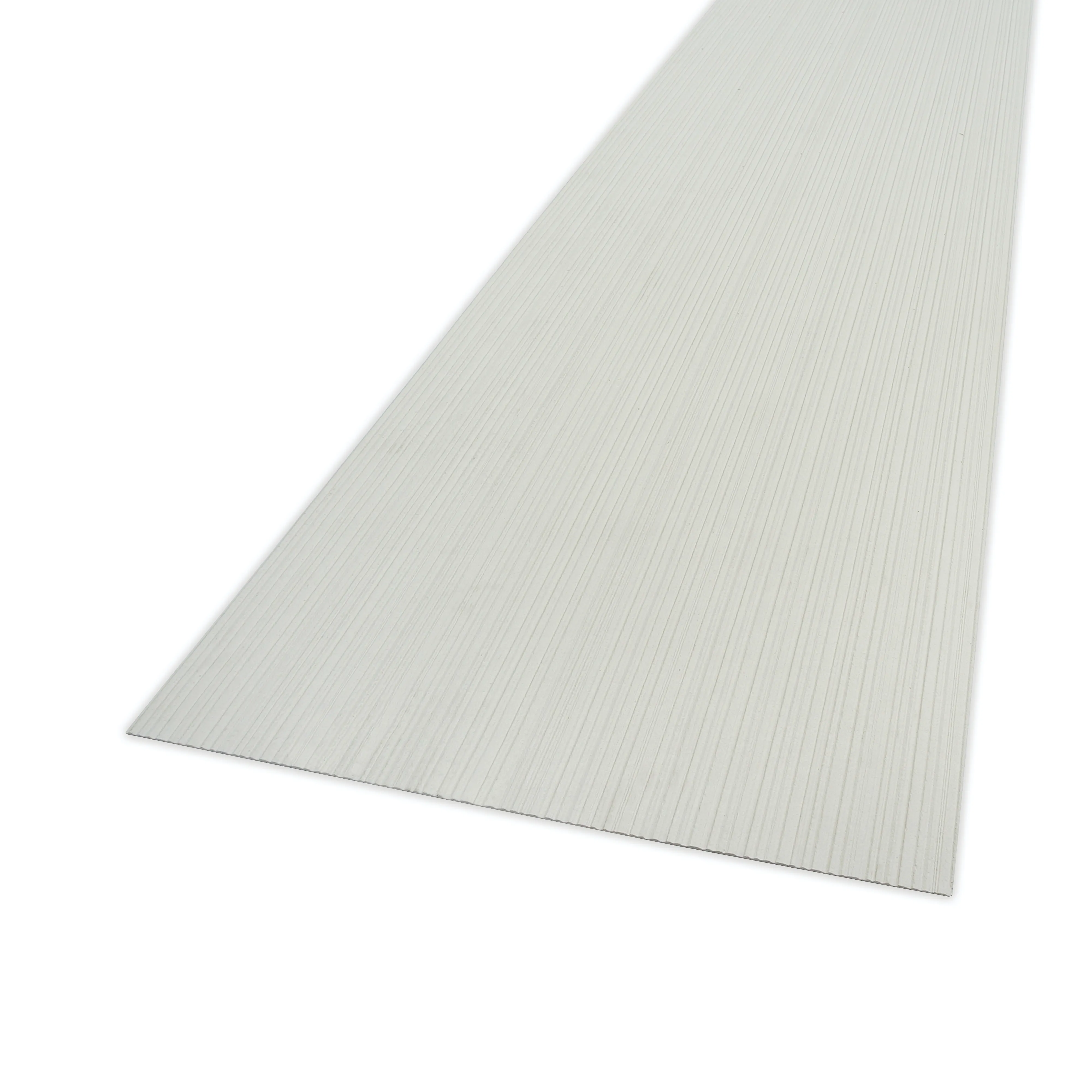
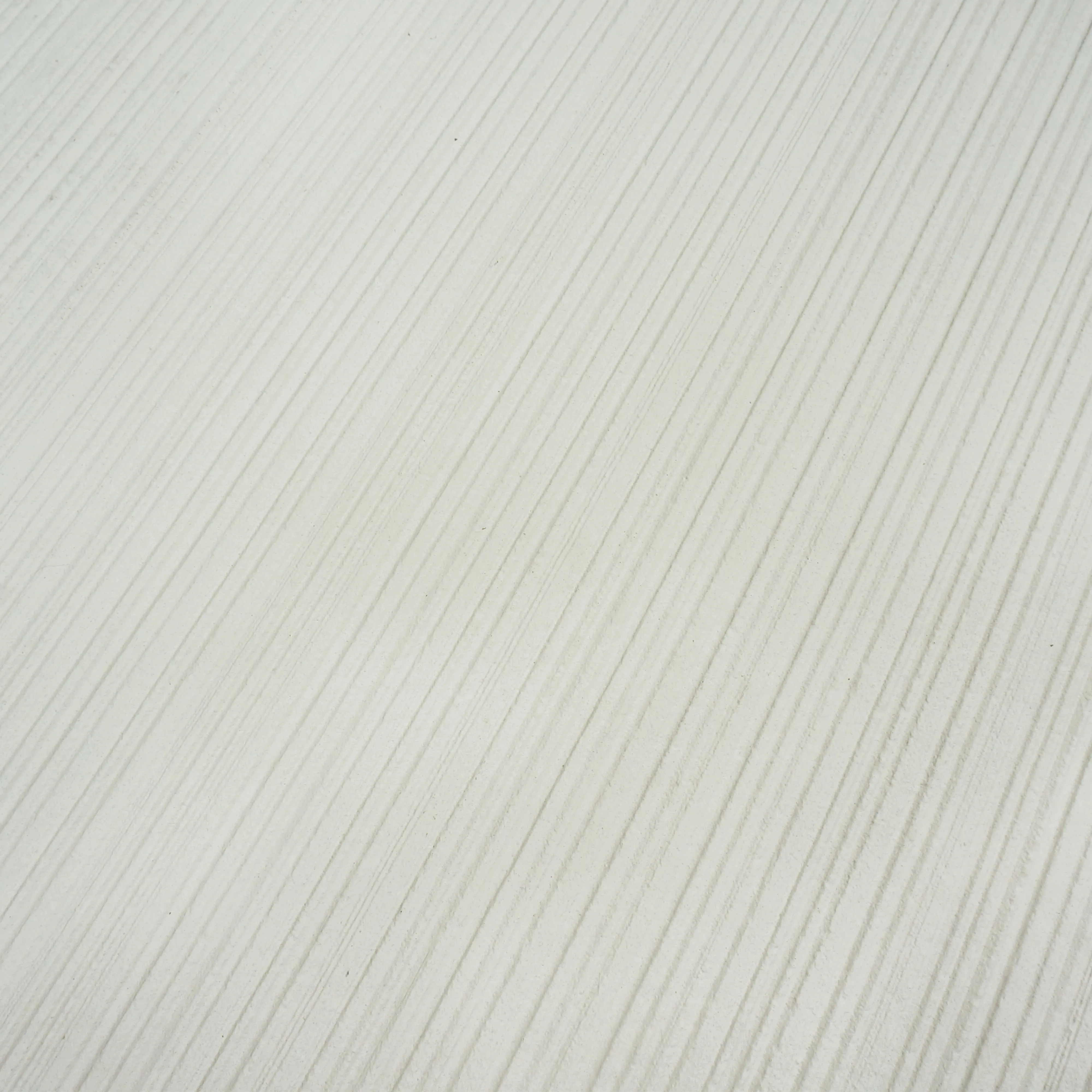
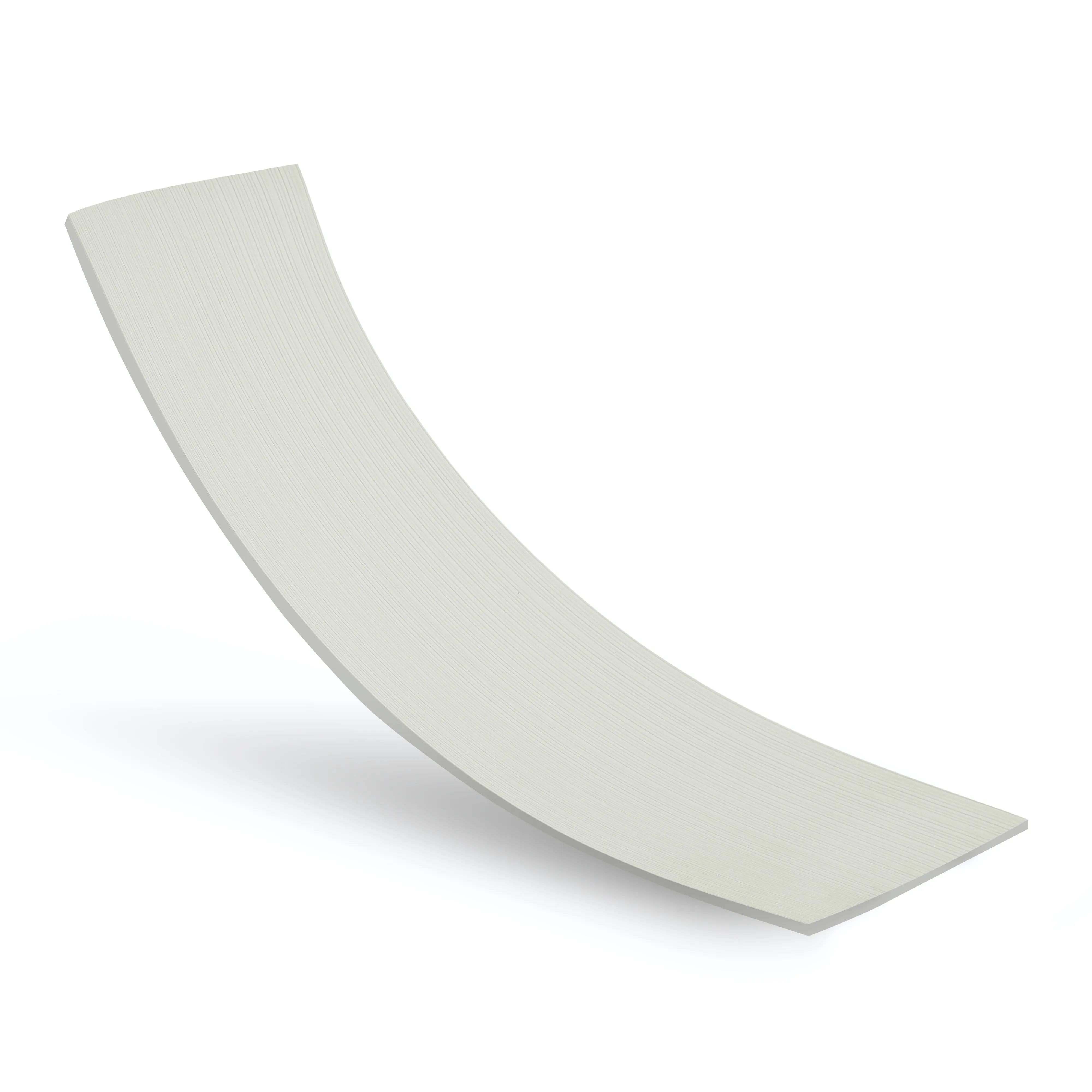
Before we jump into maintenance, let's take a moment to understand what makes Fine Line Stone (White) unique. Unlike polished marble or porous travertine (beige) , it boasts a balanced composition that resists scratches better than some softer stones but still requires protection from harsh chemicals. Its surface is slightly textured, which means it can trap dust and spills if not cleaned promptly, but that texture also gives it a warm, organic feel that smooth synthetic materials lack.
Think of it as a living material: it breathes, reacts to its environment, and tells a story through its natural variations. That's why two slabs of Fine Line Stone (White) are never identical—and why caring for it isn't just about cleaning, but about preserving its individuality.
Maintenance doesn't have to be complicated. In fact, most of it boils down to simple habits you can weave into your daily routine. Let's break it down step by step.
Once a week, give your stone a deeper clean with a pH-neutral stone cleaner (look for labels that say "safe for natural stone"). Mix a small amount with warm water, dampen a soft cloth or mop, and wipe the surface gently. Rinse with a clean, damp cloth afterward to remove any residue. Avoid vinegar, lemon juice, or ammonia-based cleaners—their acidity can etch the stone, leaving dull marks that are hard to repair.
Sealing is the unsung hero of stone maintenance. It creates a barrier that repels liquids and prevents stains from setting in. For Fine Line Stone (White), aim to seal every 6–12 months, depending on use. Kitchen countertops, which see more spills, might need sealing every 6 months; bathroom walls, less so. Here's how:
Even with the best care, accidents happen. Here's how to tackle the most common problems:
If a spill slips past your defenses and stains the stone, don't panic. For organic stains (coffee, tea, juice), mix a paste of baking soda and water, apply it to the stain, and cover with plastic wrap for 24 hours. Rinse with warm water and repeat if needed. For oil-based stains (grease, makeup), use a stone-safe degreaser or a few drops of dish soap mixed with warm water, gently rubbing with a soft cloth.
Light scratches can often be buffed out with a stone polish (test it on a hidden area first). For deeper scratches, it's best to call a professional stone restorer—they have the tools to grind and repolish the surface without damaging it further.
Etching happens when acidic substances (like lemon juice, vinegar, or soda) eat away at the stone's surface, leaving dull, cloudy marks. Unlike stains, etching affects the stone's finish, not just the top layer. Mild etching can sometimes be improved with a polishing powder, but severe cases may require professional help. The best defense? Keep acidic items away from the stone, and use coasters or trivets religiously.
| Stone Type | Maintenance Difficulty | Sealing Frequency | Stain Resistance | Best Cleaning Agent |
|---|---|---|---|---|
| Fine Line Stone (White) | Moderate | 6–12 months | Good (with sealing) | pH-neutral stone cleaner |
| Marble Veil White | High | 3–6 months | Low (prone to etching) | Specialized marble cleaner |
| Travertine (Beige) | Moderate-High | 4–8 months | Moderate (porous) | Mild soap and water |
| Fair-Faced Concrete | Low | 12–24 months | High | Mild detergent |
*Note: Maintenance needs may vary based on usage and environmental factors.
Beyond the basics, a few extra steps can go a long way in keeping your Fine Line Stone (White) in top shape:
And remember: less is more . Over-cleaning with harsh products can do more harm than good. Stick to gentle, stone-safe products, and your Fine Line Stone (White) will thank you.
Some issues are best left to professionals. If you notice deep cracks, extensive etching, or stains that won't budge despite your best efforts, don't hesitate to contact a stone restoration expert. They have specialized tools—like diamond grinders for polishing and poultice for deep stains—that can restore your stone to its original beauty. Trying to fix these issues yourself might worsen the damage, costing you more in the long run.
Maintaining Fine Line Stone (White) isn't just about preserving a surface—it's about preserving memories. It's the countertop where your child first learned to bake cookies, the floor that carried you through late-night talks, the wall that framed your family photos. With a little daily attention, weekly care, and monthly sealing, you're not just keeping stone clean—you're nurturing a piece of your home that will grow more meaningful with time.
So grab that microfiber cloth, stock up on pH-neutral cleaner, and make stone care a part of your routine. Your future self (and your beautiful stone) will be glad you did.
Recommend Products












