

Walk into any busy café during morning rush hour, and you'll likely spot it: a dark splotch on the floor where someone spilled their latte, a smudge on the wall from a carelessly placed backpack, or a scuff mark near the entrance that just won't come clean. For business owners, these stains aren't just eyesores—they're silent reminders of the daily battle to keep commercial spaces looking fresh, welcoming, and professional. High-traffic areas like airports, shopping malls, restaurants, and office lobbies face this challenge head-on, where foot traffic, spills, and general wear and tear turn "new space" shine into "needs renovation" dullness far too quickly. The culprit? Often, the choice of wall and flooring materials.
Choosing the right material isn't just about aesthetics—it's about longevity, practicality, and peace of mind. A beautiful but high-maintenance surface might look stunning on day one, but after months of coffee spills, muddy shoes, and accidental scrapes, it can become a liability. This is where Fine Line Stone (White) steps in, quietly revolutionizing how we think about durability and design in commercial settings. It's not just another stone panel; it's a solution crafted for the chaos of real life.
Stains do more than ruin a space's appearance—they eat into profits. Think about the time spent scrubbing floors after hours, the cost of replacing damaged panels, or the hit to customer perception when a once-pristine lobby looks tired and neglected. For a boutique hotel, a stained wall in the elevator could make guests question the quality of their stay. For a retail store, scuffed floors might distract from the products on display. Even offices suffer: a conference room with coffee-ringed tables sends a message about professionalism (or lack thereof).
Many common materials fall short here. Take fair-faced concrete, for example—a popular choice for its industrial-chic vibe. While it's durable, its porous surface soaks up stains like a sponge, turning oil spills or wine splatters into permanent fixtures. Polish concrete, another go-to, offers a smoother finish but still struggles with acidic substances like citrus juice or vinegar, which can etch its surface over time. Wood grain board, beloved for its warmth, is even trickier: water stains, scratches, and UV damage can leave it looking worn within a year of installation.
The bottom line: A material that resists stains isn't just about saving time on cleaning. It's about preserving your space's brand identity, reducing long-term costs, and ensuring that your commercial area continues to impress—no matter how busy it gets.
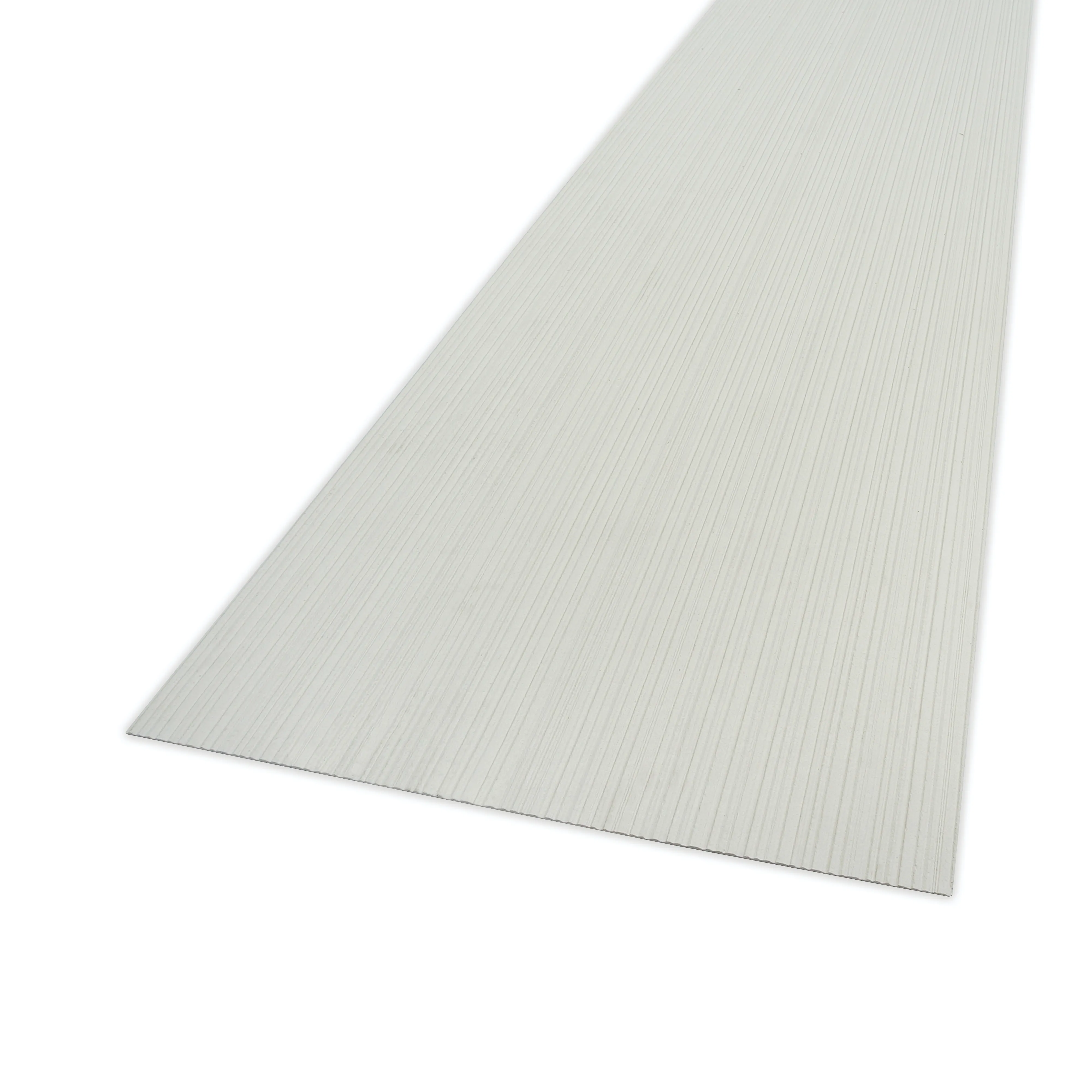
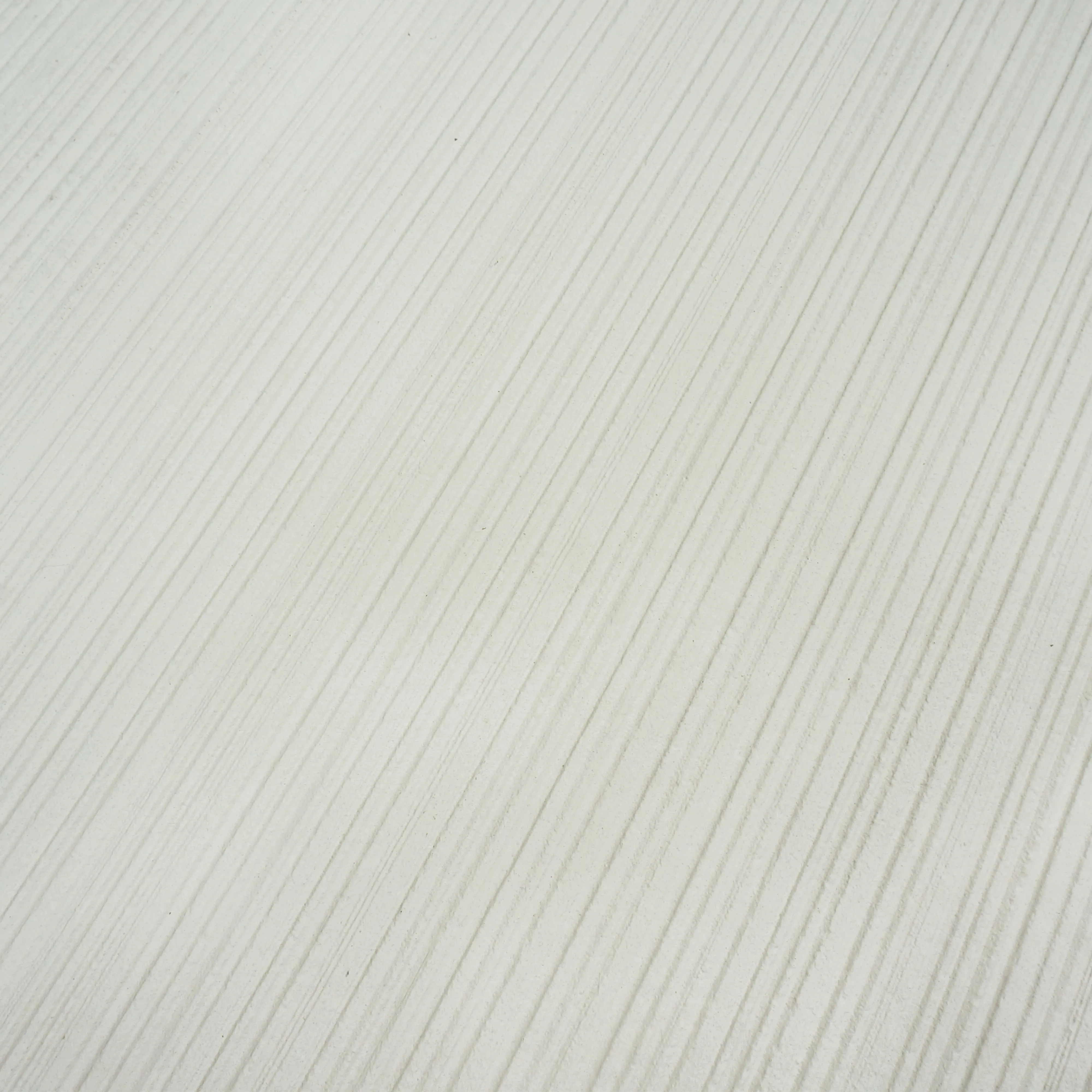
Fine Line Stone (White) was designed with this exact problem in mind: to combine the elegance of natural stone with the toughness needed for high-traffic environments. What makes it different? Let's start with its composition. Unlike porous materials like traditional travertine or even some marbles, Fine Line Stone (White) features a dense, non-porous surface that repels liquids rather than absorbing them. Its unique manufacturing process enhances the stone's natural resistance to stains, making it impervious to common culprits like coffee, wine, ketchup, and even harsh cleaning chemicals.
But don't just take our word for it. Imagine a bustling restaurant kitchen where a line cook accidentally spills a pot of tomato sauce onto the wall panel. With many materials, that red stain would seep in, requiring expensive professional cleaning or replacement. With Fine Line Stone (White), a quick wipe with a damp cloth is often enough to erase the spill entirely, leaving no trace behind. Or consider an airport terminal during a rainy day: thousands of wet shoes tracking in mud and water. While wood grain board might warp or fair-faced concrete might stain, Fine Line Stone (White) stands firm, its surface resisting both moisture and discoloration.
To truly appreciate Fine Line Stone (White), let's see how it compares to other popular commercial materials when it comes to stain resistance and practicality. The table below breaks down key factors like durability, maintenance, and ideal use cases:
| Material | Stain Resistance (1-5) | Durability | Maintenance Ease | Best For |
|---|---|---|---|---|
| Fine Line Stone (White) | 5/5 | High (resists scratches, UV damage) | Very Easy (wipe clean with mild detergent) | High-traffic lobbies, restaurants, retail walls/floors |
| Fair-Faced Concrete | 2/5 | High | Moderate (requires sealing every 6-12 months) | Industrial-style offices, low-spill areas |
| Polish Concrete | 3/5 | High | Moderate (prone to etching from acids) | Warehouses, casual cafes |
| Wood Grain Board | 2/5 | Low (susceptible to water damage, scratches) | High (needs regular sealing, avoids moisture) | Low-traffic waiting areas, accent walls |
The standout here is clear: Fine Line Stone (White) doesn't just match other materials in durability—it outperforms them in the areas that matter most for busy spaces. Its 5/5 stain resistance rating isn't just a number; it's a promise that even in the messiest environments, your space can stay looking its best.
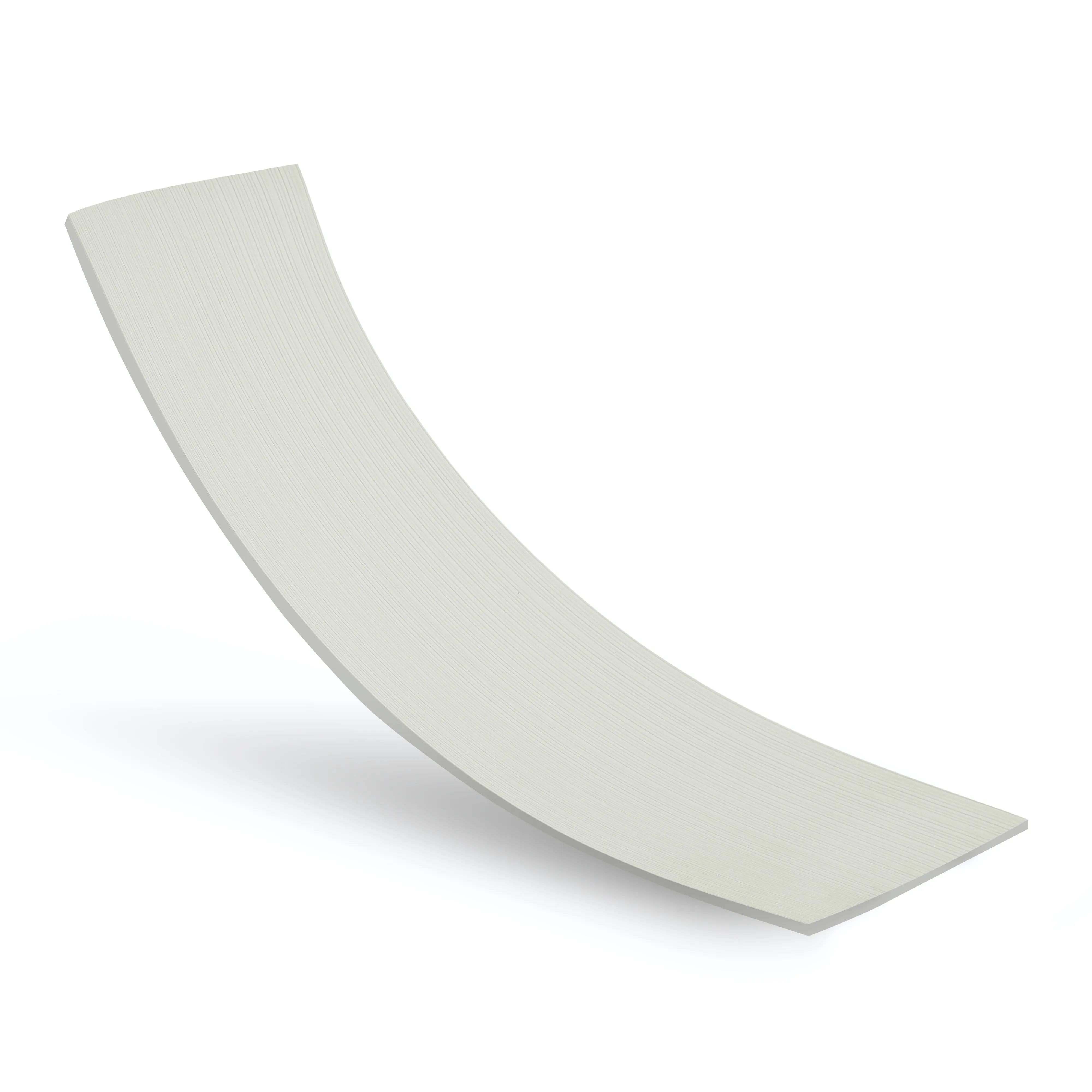
Stain resistance is just the beginning. Fine Line Stone (White) brings more to the table, making it a favorite among architects, designers, and business owners alike. For starters, its aesthetic versatility is unmatched. The crisp, clean lines of the "fine line" texture add subtle depth without overwhelming a space, while the bright white hue acts as a blank canvas, complementing any design scheme—whether you're going for minimalist modern, cozy rustic, or sleek contemporary. Unlike some white materials that yellow over time, its fade-resistant formula ensures that "white" stays white, even in sunlit areas.
Durability is another strong suit. Made from a blend of natural stone aggregates and advanced binders, it resists not just stains but also scratches, impacts, and UV damage. This means it can handle the daily chaos of a busy food court or the constant foot traffic of a shopping mall without showing signs of wear. And for businesses aiming to reduce their environmental footprint, it's worth noting that many stone panels, including Fine Line Stone (White), are crafted with sustainability in mind—often using recycled materials and requiring less energy to produce than traditional stone quarries.
While it's a star in any high-traffic area, there are specific commercial settings where Fine Line Stone (White) truly excels:
At the end of the day, choosing Fine Line Stone (White) isn't just about buying a material—it's about investing in peace of mind. It's the freedom to focus on running your business instead of fretting over stains. It's the confidence that your space will look as good on year five as it did on day one. And it's the knowledge that you've chosen a material that balances beauty and practicality in a way that few others can.
So the next time you walk into a commercial space and notice how fresh and inviting it feels, take a closer look at the walls and floors. Chances are, it's not just good lighting or frequent cleaning—it's a smart material choice. For businesses that refuse to choose between style and substance, Fine Line Stone (White) isn't just an option. It's the solution.
Recommend Products












