

Walk into any modern building today, and you'll likely encounter a familiar sight: flat surfaces. Sleek walls, smooth facades, and minimalistic exteriors have dominated architectural trends for decades, prized for their clean lines and understated elegance. Yet, for all their appeal, these flat planes often lack something vital—depth. They can feel cold, lifeless, or even sterile, as if the building is holding its breath, afraid to show texture or personality. Architects and designers have long sought a solution: a material that retains simplicity but adds layers of visual and tactile interest, turning static walls into stories waiting to be touched and seen.
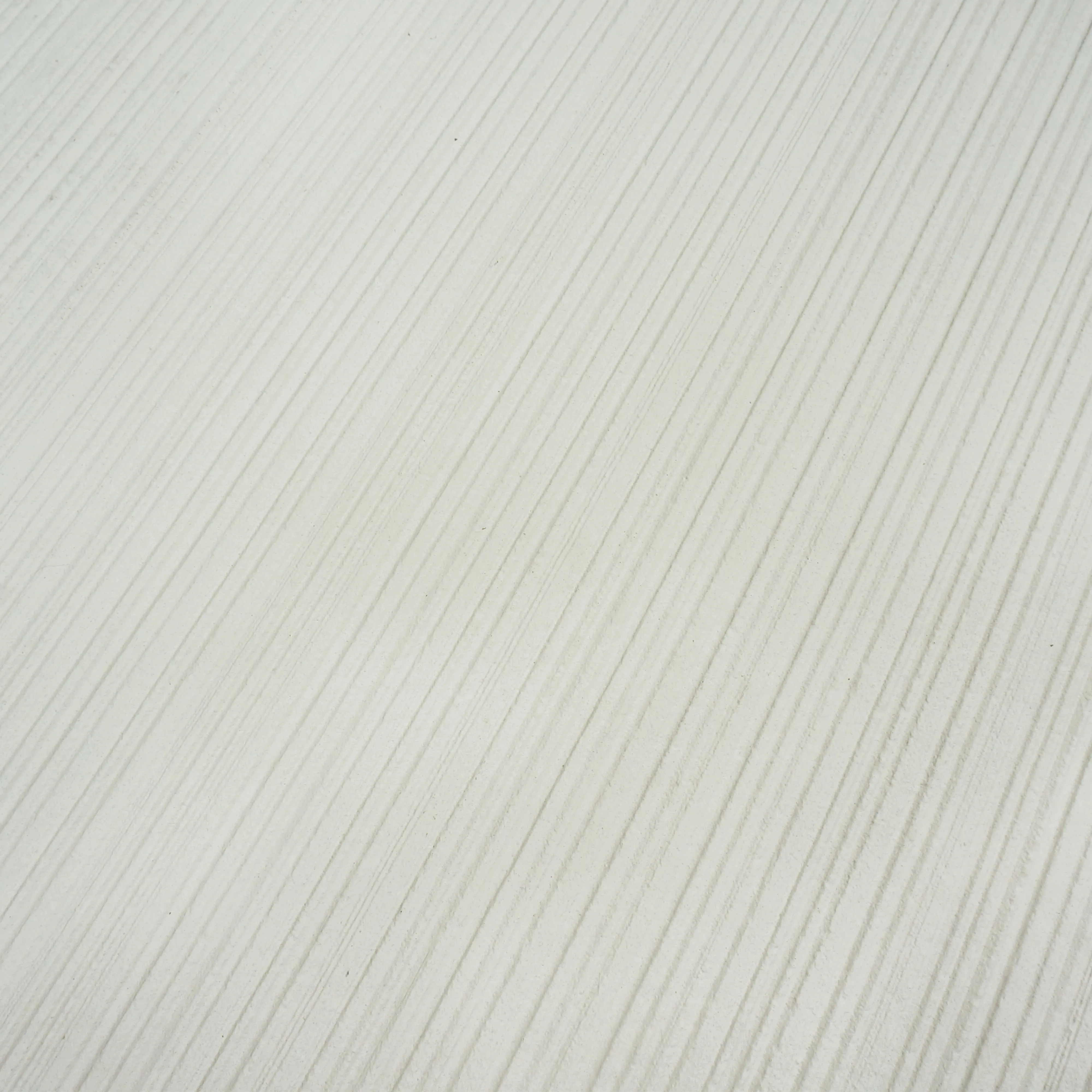
Enter Fine Line Stone (White)—a material that redefines what a "flat" surface can be. At first glance, it reads as a soft, luminous white, but step closer, and its true magic unfolds. The surface is etched with thousands of delicate, almost imperceptible lines—some thin as a thread, others slightly bolder, weaving together like the veins of a leaf or the ripples of a calm stream frozen mid-motion. These lines aren't just decorative; they're intentional, designed to catch light at every angle, creating shadows that shift with the sun's arc or the glow of indoor lighting. It's a texture that invites interaction, that makes you want to reach out and trace the patterns, turning a wall from a backdrop into a conversation starter.
Texture is more than just a visual trick—it's a dialogue between light and material. Fine Line Stone (White) masterfully manipulates this dialogue. The lines, varying in width from 0.5mm to 2mm, are precision-engineered to react differently to light throughout the day. In the morning, when sunlight is soft and diffused, the lines blur slightly, casting gentle, feathery shadows that make the surface feel warm and approachable. By midday, as the sun climbs higher, the light sharpens, turning those lines into crisp, defined ridges that add drama and structure. In the evening, under artificial lighting—say, a warm pendant lamp or cool LED strips—the texture takes on a third personality, with shadows deepening in some areas and light pooling in others, creating a dynamic, almost sculptural effect.
What makes this texture so effective is its subtlety. Unlike bold, aggressive patterns that can overwhelm a space, the fine lines in Fine Line Stone (White) are understated. They don't scream for attention; instead, they whisper, rewarding those who take the time to notice. This balance is key in design—adding depth without sacrificing the clean, modern aesthetic that makes flat surfaces appealing in the first place. It's a material that works in both minimalist homes and maximalist commercial spaces, proving that texture and simplicity can coexist.
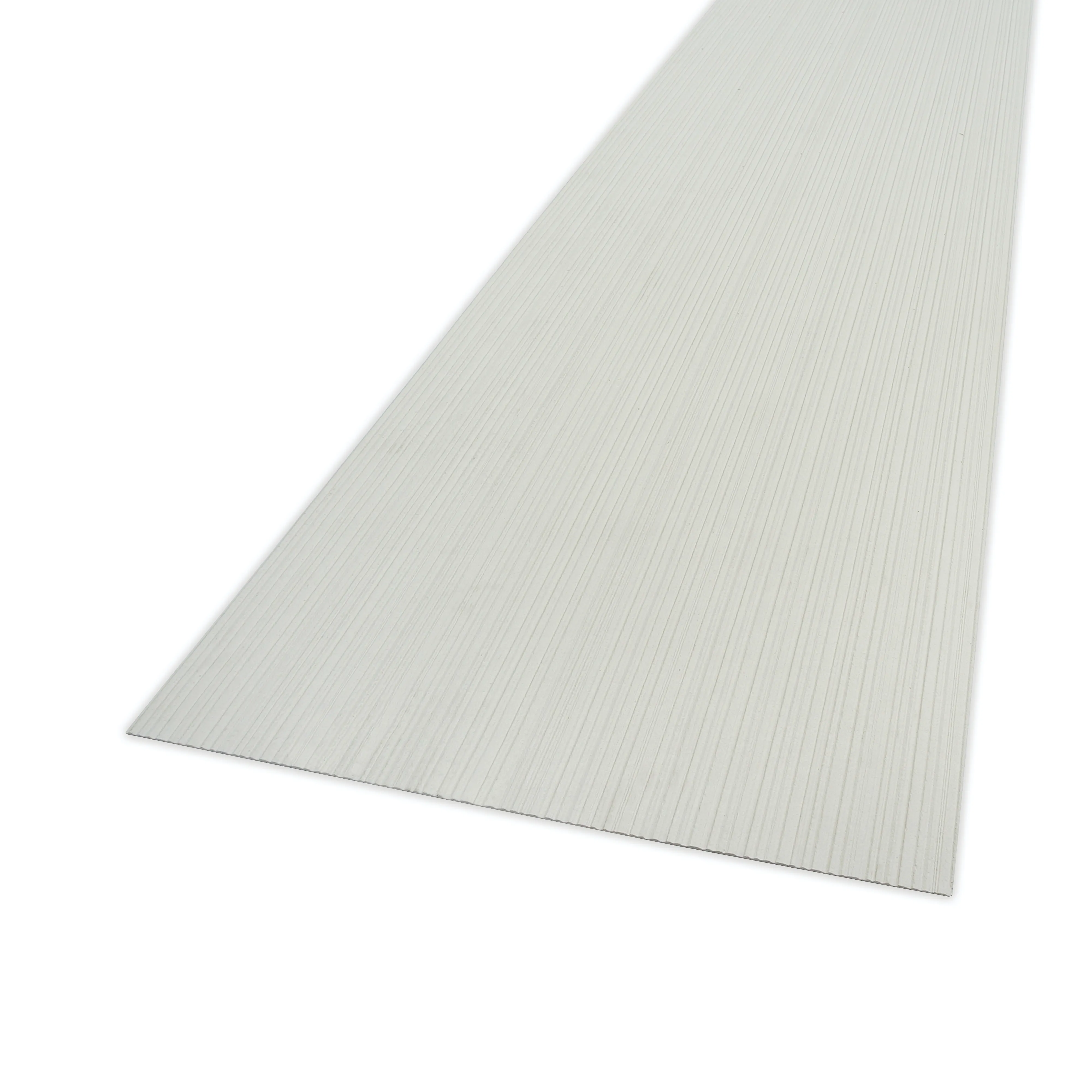
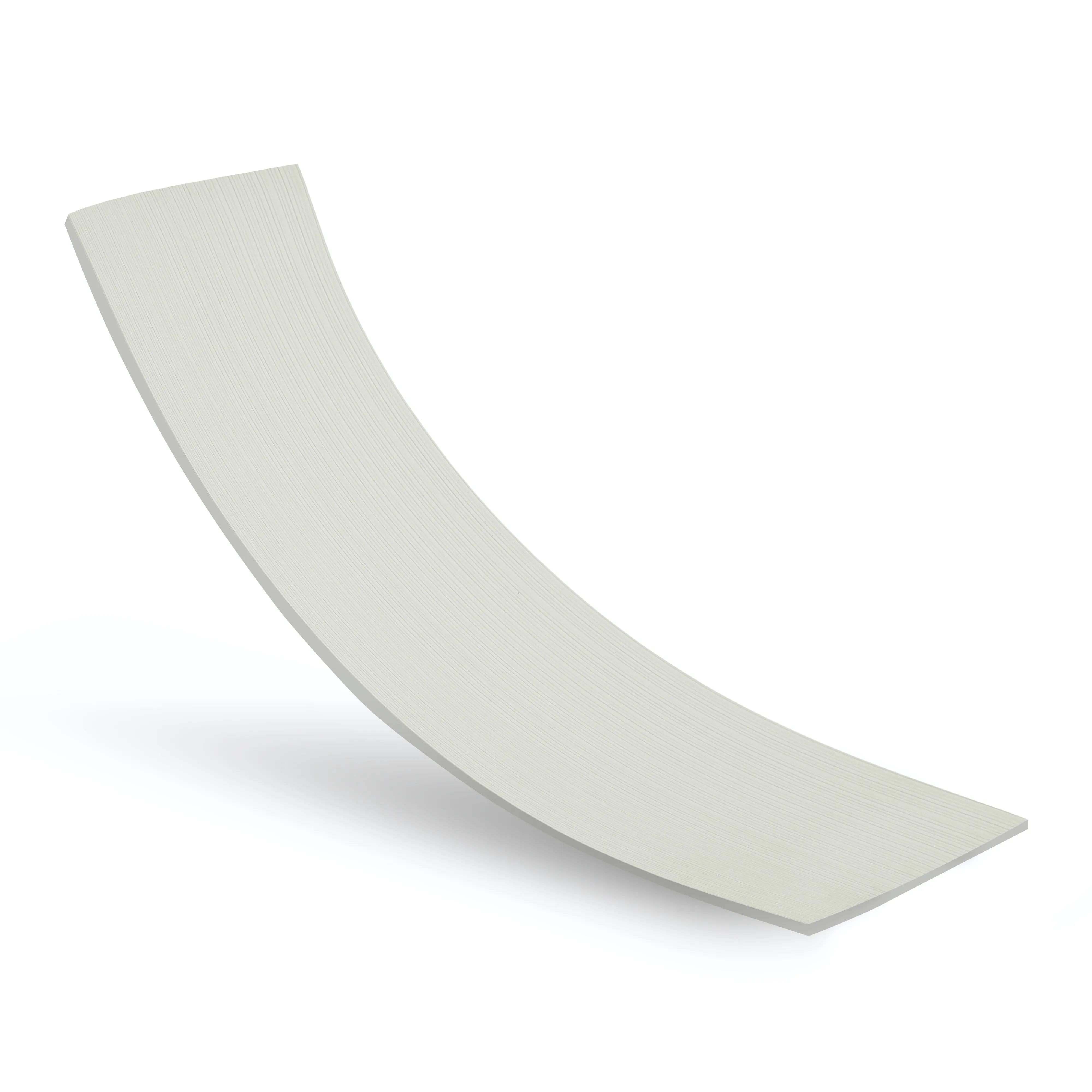
Fine Line Stone (White) isn't just a pretty face—it's part of the broader MCM (Modified Composite Material) family, a range celebrated for its blend of beauty and practicality. As a type of mcm flexible stone, it inherits all the benefits that make MCM a favorite among architects: it's lightweight, durable, and surprisingly flexible. Traditional stone cladding, for example, can be heavy and brittle, limiting its use to certain structures. Fine Line Stone (White), by contrast, weighs a fraction of natural stone, making it suitable for everything from high-rise facades to interior accent walls in older buildings where structural load is a concern. Its flexibility also means it can be applied to curved surfaces—think a rounded lobby wall or a cylindrical elevator shaft—turning once-uniform shapes into textured works of art.
Durability is another standout feature. The composite material resists scratches, stains, and weathering, making it ideal for high-traffic areas like hotel lobbies, airport terminals, or restaurant exteriors. Unlike painted walls, which fade or chip over time, the texture of Fine Line Stone (White) is integral to the material, so it won't wear off with cleaning or age. For designers working on projects with long lifespans—like cultural centers or corporate headquarters—this longevity is a game-changer, ensuring the space remains visually striking for decades.
Fine Line Stone (White) is a chameleon in the world of design, adapting to nearly any space with ease. Let's explore how it transforms different environments:
On exteriors, Fine Line Stone (White) turns ordinary buildings into landmarks. Imagine a boutique hotel in a coastal town: its facade, clad in Fine Line Stone (White), catches the morning sun, with the fine lines creating a shimmering effect that mimics the ocean's surface. As the day progresses, the texture evolves—by afternoon, the shadows deepen, adding warmth, and at dusk, with the setting sun behind it, the building glows like a lantern. Compare this to a standard flat white facade, which might look washed out at midday and dull at night. Fine Line Stone (White) doesn't just reflect light; it interacts with it, making the building feel alive.
Indoors, the material shines as an accent or feature wall. In a residential setting, a living room with a Fine Line Stone (White) wall becomes more than just a seating area—it becomes a space with character. Paired with wood grain board flooring and soft, neutral furniture, the stone's lines echo the natural grain of the wood, creating a cohesive, organic vibe. In a home office, the texture adds subtle visual interest without distracting, helping to boost focus and creativity. For commercial spaces like cafes or co-working studios, it's a tool to set mood: a coffee shop with a Fine Line Stone (White) backsplash feels cozy yet modern, while a tech startup's office uses it to balance sleek furniture with tactile warmth, making the space feel less corporate and more human.
One of the most exciting applications is in historic renovations. Many older buildings have beautiful architectural details but lack the modern amenities or aesthetic flexibility desired by new owners. Fine Line Stone (White) offers a way to honor the past while embracing the present. For example, a 1920s bank being converted into a boutique hotel might retain its original marble columns and ornate moldings but use Fine Line Stone (White) for the lobby walls. The contrast between the intricate historic details and the clean, textured stone creates a dialogue between eras, making the space feel both timeless and fresh.
Great design is about balance, and Fine Line Stone (White) plays well with others. Its neutral palette and subtle texture make it a versatile partner for a range of materials, allowing designers to layer textures and create rich, multi-dimensional spaces. Here are a few standout pairings:
For a bold focal point, pair Fine Line Stone (White) with mcm flexible stone in travertine (starry blue). The deep, midnight-blue base of the travertine is dotted with tiny, iridescent flecks that mimic stars, creating a dramatic contrast with the crisp white of Fine Line Stone. Imagine this combination in a hotel lobby: a feature wall split vertically between the two materials, with the white stone on one side and the starry blue on the other. The effect is striking—grounded yet ethereal, like looking at the night sky reflected in snow. It's a pairing that works particularly well in spaces designed to evoke wonder, like museums or planetariums.
Wood and stone have been design companions for centuries, and Fine Line Stone (White) carries on that tradition beautifully with wood grain board. The linearity of the wood's natural grains complements the fine lines of the stone, creating a rhythm that feels both ordered and organic. In a residential kitchen, for example, Fine Line Stone (White) could clad the backsplash, while wood grain board covers the cabinets. The stone adds texture and durability near the stove, while the wood brings warmth to the cabinetry, making the space feel inviting. In a restaurant, this pairing might extend to the ceiling—exposed wood beams above a Fine Line Stone accent wall—blending rustic charm with modern sophistication.
For a more industrial or futuristic vibe, lunar peak silvery is an excellent match. This metallic-finish MCM material has a cool, silvery sheen that contrasts sharply with the warm white of Fine Line Stone (White). The combination is sleek and contemporary, perfect for tech offices, art galleries, or luxury retail spaces. Picture a high-end clothing store: walls clad in Fine Line Stone (White) with lunar peak silvery shelving units. The stone adds softness, while the metal adds edge, creating a space that feels both luxurious and cutting-edge. The interplay of textures—matte stone and reflective metal—keeps the eye moving, making the store feel dynamic and engaging.
To truly appreciate Fine Line Stone (White), it helps to compare it with another popular "flat" material: fair-faced concrete. Both are celebrated for their raw, unadorned aesthetic, but their approaches to texture couldn't be more different. Here's a breakdown:
| Material | Texture Profile | Light Interaction | Best For | Aesthetic Vibe |
|---|---|---|---|---|
| Fine Line Stone (White) | Delicate, linear grooves (0.5–2mm wide) creating dynamic, shifting patterns | Shadows change with light angle; morning softness, afternoon drama, evening warmth | Spaces needing depth without clutter; residential and commercial interiors/exteriors | Warm, inviting, and sophisticated; balances minimalism with personality |
| Fair-Faced Concrete | Uniform, subtle texture from formwork; occasional air bubbles or tool marks | Soft, diffused shadows; consistent, understated appearance | Industrial, minimalist, or brutalist designs; large-scale exteriors or monolithic interiors | Cool, raw, and utilitarian; prioritizes function over warmth |
The table highlights a key distinction: Fine Line Stone (White) adds depth through intentional, detailed texture, while fair-faced concrete relies on subtlety and uniformity. For designers aiming to create spaces that feel alive and human, Fine Line Stone (White) offers a warmer, more engaging alternative.
In today's design world, aesthetics and sustainability go hand in hand—and Fine Line Stone (White) delivers on both. As part of the mcm flexible stone range, it's manufactured using eco-friendly processes that minimize waste and reduce carbon footprint. Traditional stone extraction, for example, can be resource-intensive, requiring heavy machinery and leaving large environmental scars. MCM production, by contrast, uses recycled materials where possible and consumes less energy, making it a more responsible choice.
The material's lightweight nature also contributes to sustainability. Because it's lighter than natural stone or concrete, transporting Fine Line Stone (White) requires fewer fossil fuels, and installing it demands less labor and equipment. For large-scale projects like office parks or shopping centers, these savings add up, reducing the overall environmental impact of the build. Additionally, its durability means less frequent replacement—unlike paint or wallpaper, which may need updating every few years, Fine Line Stone (White) can last decades, cutting down on waste over time.
For clients and designers prioritizing green building certifications—like LEED or BREEAM—Fine Line Stone (White) is a valuable asset. Its low-VOC (volatile organic compound) composition ensures better indoor air quality, and its thermal properties can even help with insulation, reducing energy costs for heating and cooling. In short, it's a material that lets you design beautifully without compromising your commitment to the planet.
To truly understand the impact of Fine Line Stone (White), let's step into a few real-world scenarios where it has transformed spaces:
In downtown Chicago, a co-working startup wanted to create a space that felt less like an office and more like a creative hub. Their biggest challenge? A large, blank wall in the main communal area that dominated the room. The designers chose Fine Line Stone (White) for the wall, paired with warm-toned wood grain board desks and soft, ambient lighting. The result? A space that members describe as "energizing yet calming." The fine lines on the wall catch the light from the floor-to-ceiling windows, creating a dynamic backdrop for brainstorming sessions. "It's like working in a gallery," one member. "I find myself staring at the wall sometimes, and suddenly, an idea hits me." The texture, it seems, isn't just visual—it's inspirational.
On the California coast, a family built a home with sweeping ocean views, but they wanted the interior to feel connected to the landscape, not just a frame for it. The living room, with its floor-to-ceiling glass doors facing the ocean, needed a wall that would complement the view without competing with it. Fine Line Stone (White) was the answer. The designers installed it on the wall opposite the windows, so that during the day, the stone reflects the ocean's light, with the fine lines mimicking the water's ripples. At night, with the lights on inside, the texture glows, creating a warm contrast to the dark sea. "It's like bringing the beach indoors," the homeowner says. "The stone feels both solid and serene, just like the ocean itself."
A modern art museum in Seattle wanted its lobby to set the tone for the exhibits inside—thoughtful, innovative, and visually engaging. The space features high ceilings, a grand staircase, and a large, open floor plan that felt cavernous until the installation of a Fine Line Stone (White) feature wall. Flanked by glass display cases holding sculptures, the wall adds texture and intimacy, making the lobby feel welcoming despite its size. "We wanted visitors to feel like they're entering a space that values detail, just like the art inside," the museum director explains. "The stone's lines draw the eye upward, guiding people toward the galleries, but they also invite pause—for someone to stand and appreciate the craftsmanship of the wall itself. It's become a piece of art in its own right."
In the end, Fine Line Stone (White) is more than a building material—it's a storyteller. Its fine lines don't just add depth to flat surfaces; they add emotion. They turn walls into canvases, facades into narratives, and spaces into experiences. In a world where so much of design is focused on function—how a space works—this material reminds us that how a space feels matters just as much. It's the difference between a room that's merely occupied and one that's cherished, between a building that's seen and one that's remembered.
Whether paired with travertine (starry blue) for drama, wood grain board for warmth, or standing alone in its quiet elegance, Fine Line Stone (White) proves that texture is the key to unlocking a space's true potential. It's a testament to the power of subtlety—to the idea that the smallest details can make the biggest impact. So the next time you encounter a flat surface, ask yourself: What story could it tell if it had a little texture? With Fine Line Stone (White), the answer is endless.
Recommend Products












