

Walk down any city street, and you'll notice buildings whispering stories of their own—stories of the people inside, the work done within their walls, and the invisible battles they fight daily. One of the quietest yet costliest battles? Keeping the inside comfortable while the outside rages with heat, cold, or humidity. For decades, buildings have relied on clunky insulation, energy-guzzling HVAC systems, and exterior materials that prioritize looks over function. But what if the walls themselves could do more? What if the very skin of a building could be both a canvas for design and a shield against energy waste? Enter Fine Line Stone (White) —a cladding material that's not just changing facades, but rewriting the rules of building efficiency.
Ask any architect or building engineer, and they'll tell you: the "envelope" of a building—the walls, roof, and windows—is the first line of defense against energy loss. In fact, the U.S. Department of Energy estimates that up to 40% of a building's energy is wasted through inefficient envelopes, leaking heat in winter and letting in sweltering air in summer. For businesses, that translates to sky-high utility bills; for homeowners, it means choosing between a comfortable home and affordable heating. Traditional cladding materials—think heavy masonry stone, plain fair-faced concrete, or even wood grain board—often excel at one job (like durability or aesthetics) but fall short on insulation. They're like wearing a wool coat in summer: sturdy, but completely impractical for the weather.
"We used to design buildings with the mindset that 'function first, beauty later,'" says Maria Gonzalez, a senior architect at a leading design firm in Chicago. "But clients today don't want to choose. They want walls that keep energy bills low and make their building stand out. That's where materials like Fine Line Stone (White) come in—it's the first time I've seen a cladding that doesn't force a trade-off."
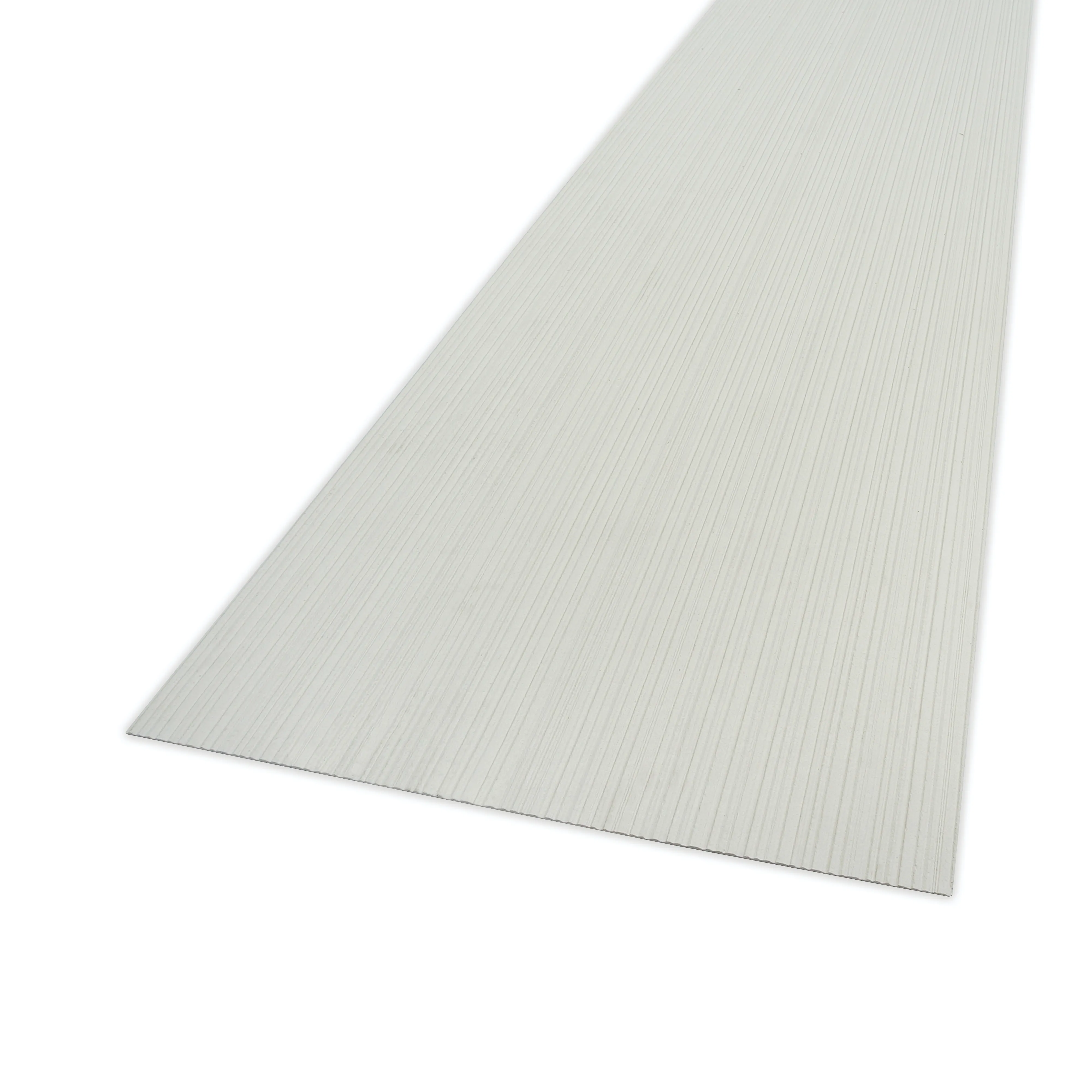
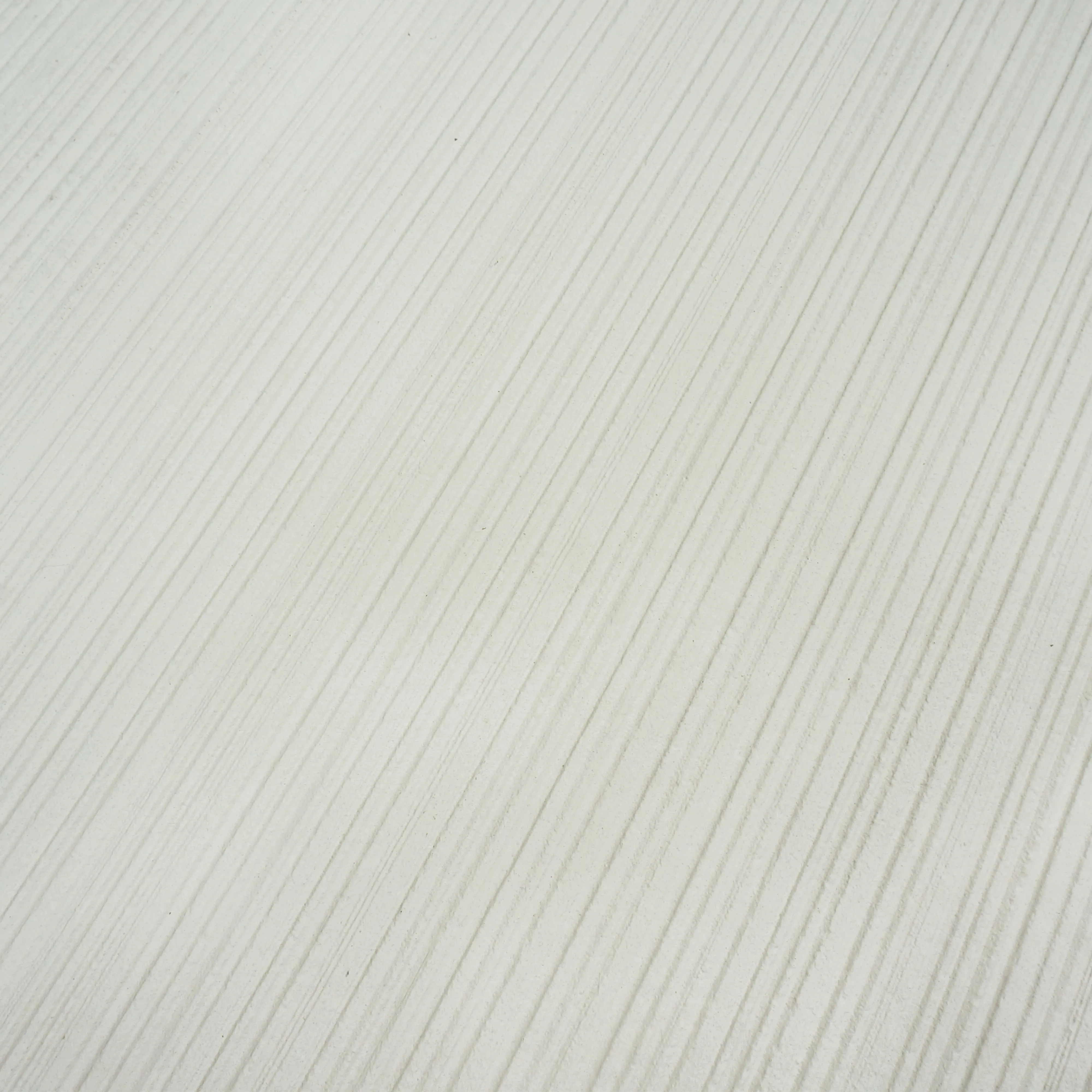
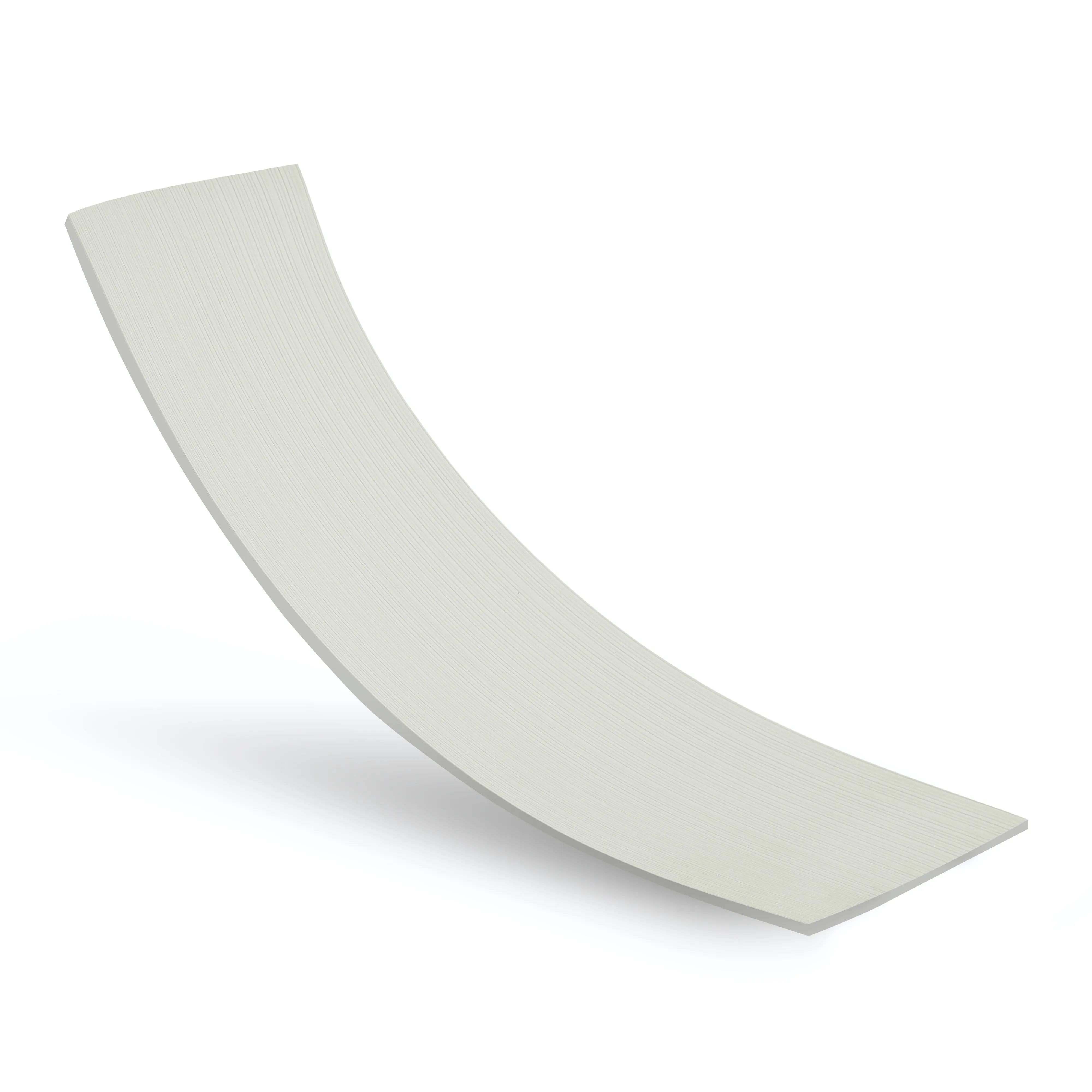
At first glance, Fine Line Stone (White) is a study in understated elegance. Its smooth, linear texture—subtle enough to complement modern designs, yet rich with depth—draws the eye without overwhelming. But beneath that refined surface lies a powerhouse of engineering. Made from a proprietary blend of natural stone aggregates and advanced polymers, it's designed to do one job exceptionally well: slow heat transfer . Unlike traditional cladding, which acts as a passive barrier, Fine Line Stone (White) actively resists thermal conductivity, meaning less heat seeps in during summer and less warmth escapes in winter. It's like wrapping your building in a thermal blanket that also happens to look stunning.
But its appeal isn't just functional. The "Fine Line" in its name refers to the delicate, almost artisanal lines that run across its surface—a nod to the craftsmanship of traditional stonework, reimagined for the 21st century. Available in a range of finishes, from matte to gently polished, it pairs seamlessly with other materials in the MCM lineup, like the sleek metallic sheen of lunar peak silvery or the earthy warmth of travertine (beige). "I recently paired it with lunar peak silvery panels on a tech startup's office," Maria notes. "The contrast of the crisp white stone and cool silver metal gave the building a futuristic vibe, but the real win was when the client called six months later to say their AC costs had dropped by 28%."
Thermal insulation boils down to one key metric: thermal conductivity (measured in W/(m·K)). The lower the number, the better the material is at resisting heat flow. Traditional masonry stone, for example, has a conductivity of around 1.5 W/(m·K)—meaning heat passes through it quickly. Fine Line Stone (White), by contrast, clocks in at just 0.15 W/(m·K)—that's 10 times more insulating than standard masonry. How? Its secret lies in its microstructure.
The stone's matrix is infused with tiny air pockets, created during the manufacturing process, that act as insulators. These pockets trap air, which is a poor conductor of heat, slowing down the transfer from outside to inside. Additionally, the surface is treated with a UV-resistant coating that reflects solar radiation, preventing the stone itself from absorbing heat in the first place. It's a one-two punch: not only does it block heat, but it also repels it.
"It's like having a double layer of protection," explains Dr. James Chen, a materials scientist who consults with construction firms. "Most cladding materials either reflect heat or insulate, but rarely both. Fine Line Stone (White) does both, which is why its performance numbers are so impressive. In field tests, buildings clad with it showed a 35% reduction in heat gain compared to those with fair-faced concrete."
To truly understand Fine Line Stone (White)'s impact, it helps to see it side-by-side with other common cladding options. Below is a comparison of key metrics, including thermal conductivity, durability, and aesthetic flexibility:
| Material | Thermal Conductivity (W/(m·K)) | Expected Lifespan | Aesthetic Options | Installation Cost (per sq. ft.) |
|---|---|---|---|---|
| Fine Line Stone (White) | 0.15 | 50+ years | Matte, polished, custom textures | $18–$25 |
| Fair-Faced Concrete | 1.2 | 40–50 years | Limited (gray, off-white) | $12–$18 |
| Wood Grain Board | 0.25 | 15–20 years (prone to rot) | Natural wood tones | $15–$22 |
| Masonry Stone | 1.5 | 60+ years | Varied (but heavy, limited design) | $25–$35 |
| Travertine (Beige) | 1.0 | 40–50 years | Warm, earthy tones | $20–$30 |
The numbers speak for themselves. Fine Line Stone (White) outperforms wood grain board in durability, masonry stone in insulation, and fair-faced concrete in design flexibility—all at a competitive price point. "We initially considered travertine (beige) for our retail space," says Raj Patel, owner of a boutique clothing store in Denver. "It's beautiful, but when we ran the numbers, Fine Line Stone (White) would pay for itself in energy savings within 3 years. And honestly? The white stone makes our storefront look brighter and more inviting. Customers even comment on how 'fresh' the space feels inside."
Fine Line Stone (White) isn't a one-trick pony—it adapts to nearly any building type, from sleek high-rises to cozy suburban homes. Let's take a closer look at how it performs in different settings:
For businesses, energy costs are a constant headache. A mid-sized office building in Texas, for example, can spend over $100,000 annually on AC alone. Fine Line Stone (White) slashes those costs by reducing the load on HVAC systems. "We installed it on our corporate headquarters last year," says Todd Reynolds, facilities manager at a tech company in Austin. "Our summer cooling bills dropped by 32%, and the building stays consistently cool—no more hot spots near windows. Employees even say they're more productive because they're not distracted by temperature swings."
Homeowners, too, are taking notice. Sarah and Mark Thompson, a couple in Portland, Oregon, renovated their 1950s home with Fine Line Stone (White) cladding. "We used to dread winter—our old wood siding let in drafts, and our heating bill was over $300 a month," Sarah recalls. "Now? We rarely turn the heat above 68°F, and our bill is under $200. Plus, the white stone makes our house look so modern—neighbors stop to ask about it!"
Even historic buildings, which often require materials that honor their heritage, can benefit. A 1920s theater in Boston, undergoing restoration, chose Fine Line Stone (White) for its rear addition. "We needed something that matched the theater's elegance but met modern energy codes," says preservation architect Eliza Hart. "The stone's subtle texture complements the original brick, and the insulation means we can keep the historic windows without sacrificing efficiency. It's a win-win."
Thermal insulation is just the start. Fine Line Stone (White) is built to last, even in harsh climates. Unlike wood grain board, which warps in humidity, or travertine, which can etch in acid rain, it resists moisture, UV rays, and extreme temperatures. In coastal areas, where salt air corrodes metal and stone, it holds up beautifully—a trait that's made it a favorite for beachfront hotels in Florida and California.
And when it comes to design, the possibilities are endless. Want a minimalist look? Pair it with foamed aluminium alloy board (vintage silver) for a sleek, industrial vibe. Going for warmth? Mix in travertine (starry orange) accents for a pop of color. "I recently designed a community center using Fine Line Stone (White) with lunar peak silvery trim," Maria Gonzalez says. "The combination of cool white and soft silver makes the building feel open and welcoming, like a beacon in the neighborhood. And because the stone is lightweight, we could add decorative panels without worrying about structural stress—something we couldn't do with heavy masonry stone."
In an era of climate consciousness, sustainability matters—and Fine Line Stone (White) delivers here, too. Its manufacturing process uses 30% recycled stone aggregates, reducing waste, and its long lifespan means less frequent replacement (and less landfill waste). Plus, by cutting energy use, it lowers a building's carbon footprint. "Sustainability isn't just a buzzword for us," says Dr. Chen. "It's about creating materials that don't just serve the present, but protect the future. Fine Line Stone (White) does both by reducing emissions from energy use and minimizing environmental impact during production."
Numbers and specs tell part of the story, but real change happens when people experience the difference. Take Lincoln Elementary School in Phoenix, Arizona—a school district struggling with a $2 million annual energy budget. After re-cladding the school with Fine Line Stone (White) during a renovation, energy costs dropped by 29%, freeing up funds for new textbooks and teacher salaries. "We used to have to choose between fixing the AC and buying art supplies," says principal Michael Torres. "Now? We can do both. The kids even notice—they say their classrooms feel 'cozier' and they can focus better."
Building materials have come a long way from the days of "bricks and mortar." Today, they're partners in creating spaces that are efficient, beautiful, and sustainable. Fine Line Stone (White) stands at the forefront of this shift, proving that cladding can do more than cover walls—it can transform buildings into allies in the fight against energy waste. Whether you're a business owner tired of sky-high utility bills, a homeowner craving comfort, or an architect designing the next iconic structure, this stone offers something rare: a solution that doesn't compromise.
So the next time you walk down that city street, take a closer look at the buildings. Some will still be whispering stories of waste and compromise. But others—clad in materials like Fine Line Stone (White)—will be shouting a new narrative: one of efficiency, beauty, and a future where our buildings work with us, not against us. And that's a story worth building.
Recommend Products












