

Choosing the right cladding material is like picking the perfect outfit for your home or commercial space—it's not just about covering a surface, but setting a mood, telling a story, and ensuring it stands the test of time. In the world of interior and exterior design, two contenders often rise to the top: the sleek, modern Fine Line Stone (White) and the tried-and-true ceramic tiles. Both promise to transform walls and floors, but they bring very different personalities to the table. Whether you're revamping a kitchen backsplash, designing a boutique hotel lobby, or sprucing up your patio, the choice between these two can feel overwhelming. Let's dive deep into their worlds—exploring texture, durability, installation, and more—to help you decide which one deserves a spot in your next project.
If you haven't heard of Fine Line Stone (White) yet, you're in for a treat. This material is part of the innovative MCM flexible stone family—a category that's been turning heads in the design industry for its ability to merge natural beauty with modern practicality. MCM, short for Modified Composite Material, is a blend of natural mineral aggregates (think crushed stone, quartz, or marble dust) and high-performance polymers. The result? A cladding material that's thin, lightweight, and surprisingly flexible, yet tough enough to mimic the look and feel of real stone.
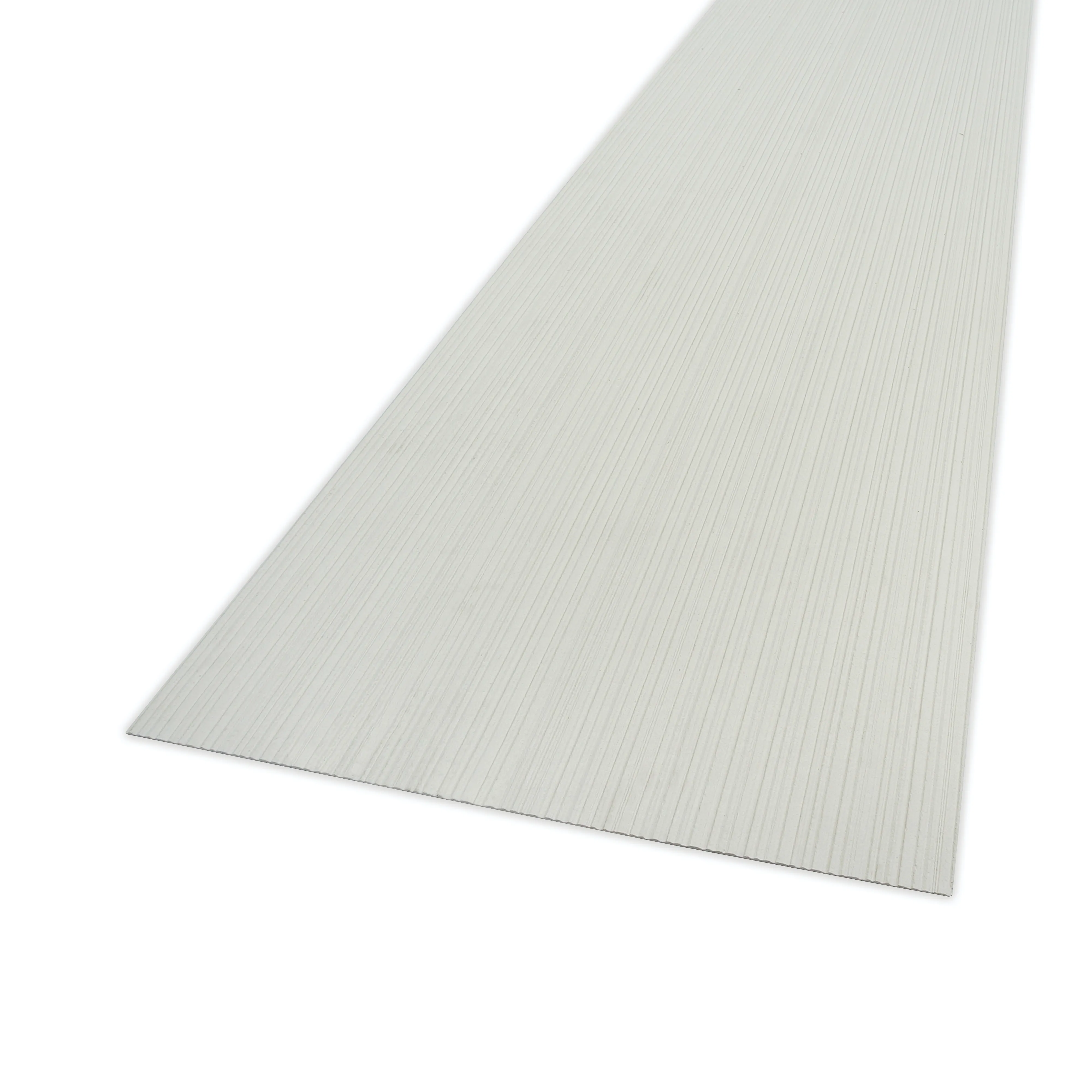
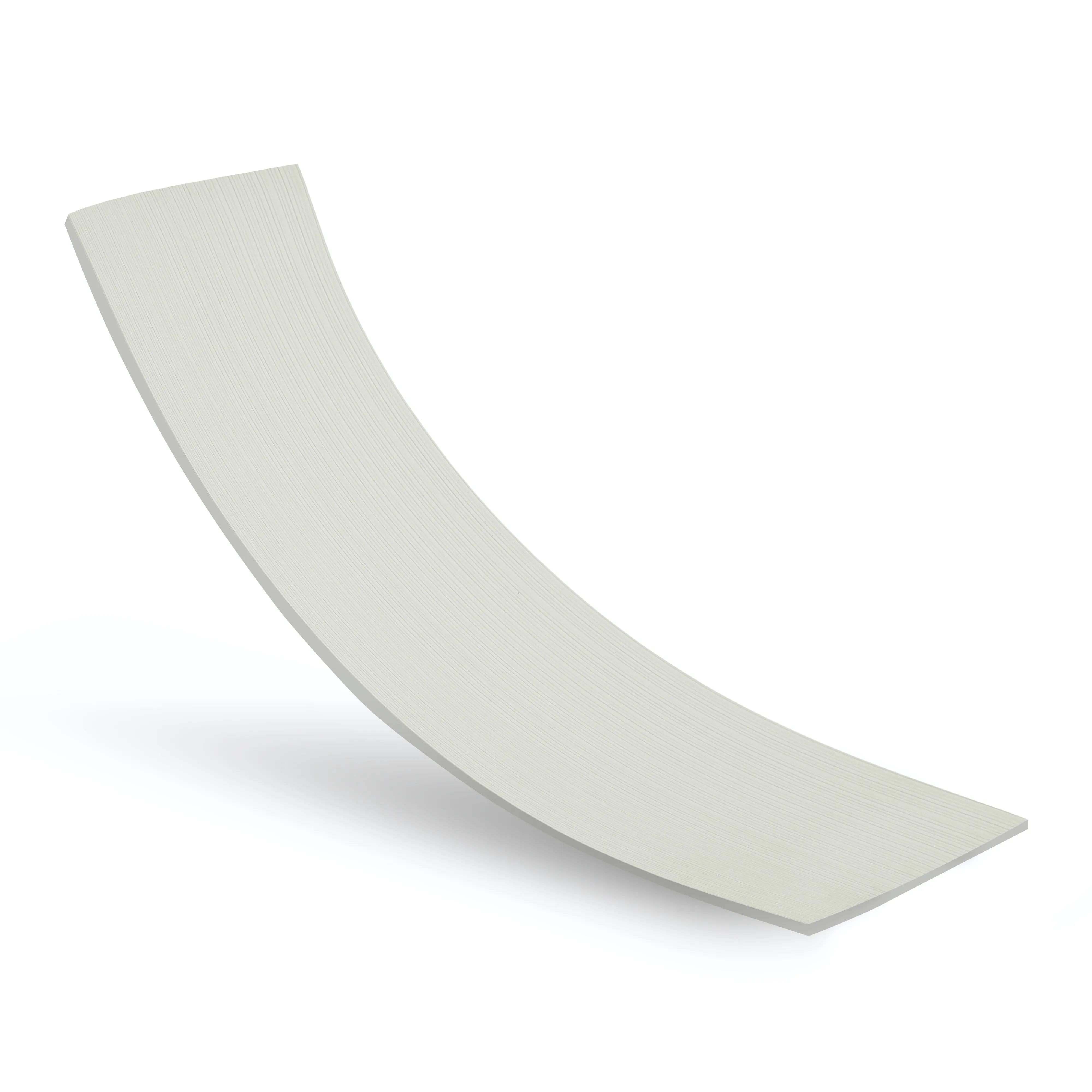
Fine Line Stone (White) takes this innovation a step further with its signature detail: delicate, (hair-like) fine lines that (vein) across its crisp white surface. It's not just a print or a glaze—those lines are crafted into the material itself, using a combination of mineral layering and precision molding. Run your hand over it, and you'll feel the subtle texture: cool to the touch like natural stone, with tiny ridges that catch the light, creating depth you can almost reach out and touch. Unlike bulky marble slabs or heavy granite, it comes in large, thin sheets (often 1200mm x 600mm or bigger) that can bend slightly—making it perfect for curved walls, rounded columns, or even ceiling accents. Imagine a minimalist bathroom where the walls flow seamlessly, no harsh corners, just soft white surfaces kissed by those fine, natural lines. That's the magic of Fine Line Stone (White) .
Ceramic tiles, on the other hand, are the old reliable of the design world. Made from clay, sand, and water, they're shaped into tiles, glazed (or left unglazed), and fired at scorching temperatures (up to 1200°C) to harden. They've been around for centuries—think ancient Roman mosaics or Moroccan zellige tiles—and for good reason: they're affordable, water-resistant, and come in endless styles. From tiny 2x2-inch mosaics to massive 4x8-foot slabs, from glossy white squares to matte terracotta rectangles, ceramic tiles are the chameleons of cladding. Glazed tiles have a glassy, protective layer that adds color and sheen, while unglazed ones (like quarry tiles) offer a more rustic, porous finish.
But let's be real: traditional ceramic tiles have their quirks. They're rigid, which means they can crack if dropped or if the floor shifts. They're also heavy—standard ceramic tiles weigh around 15-20 kg per square meter, which can add up quickly in large spaces. And then there are the grout lines. Those tiny gaps between tiles are necessary for installation, but they're magnets for dirt, mildew, and discoloration. Ever tried scrubbing grout in a shower? It's not exactly a weekend hobby. Still, for budget-friendly projects or high-moisture areas like bathrooms, ceramic tiles have long been the go-to. But is that still the case in 2024, with materials like MCM flexible stone on the market?
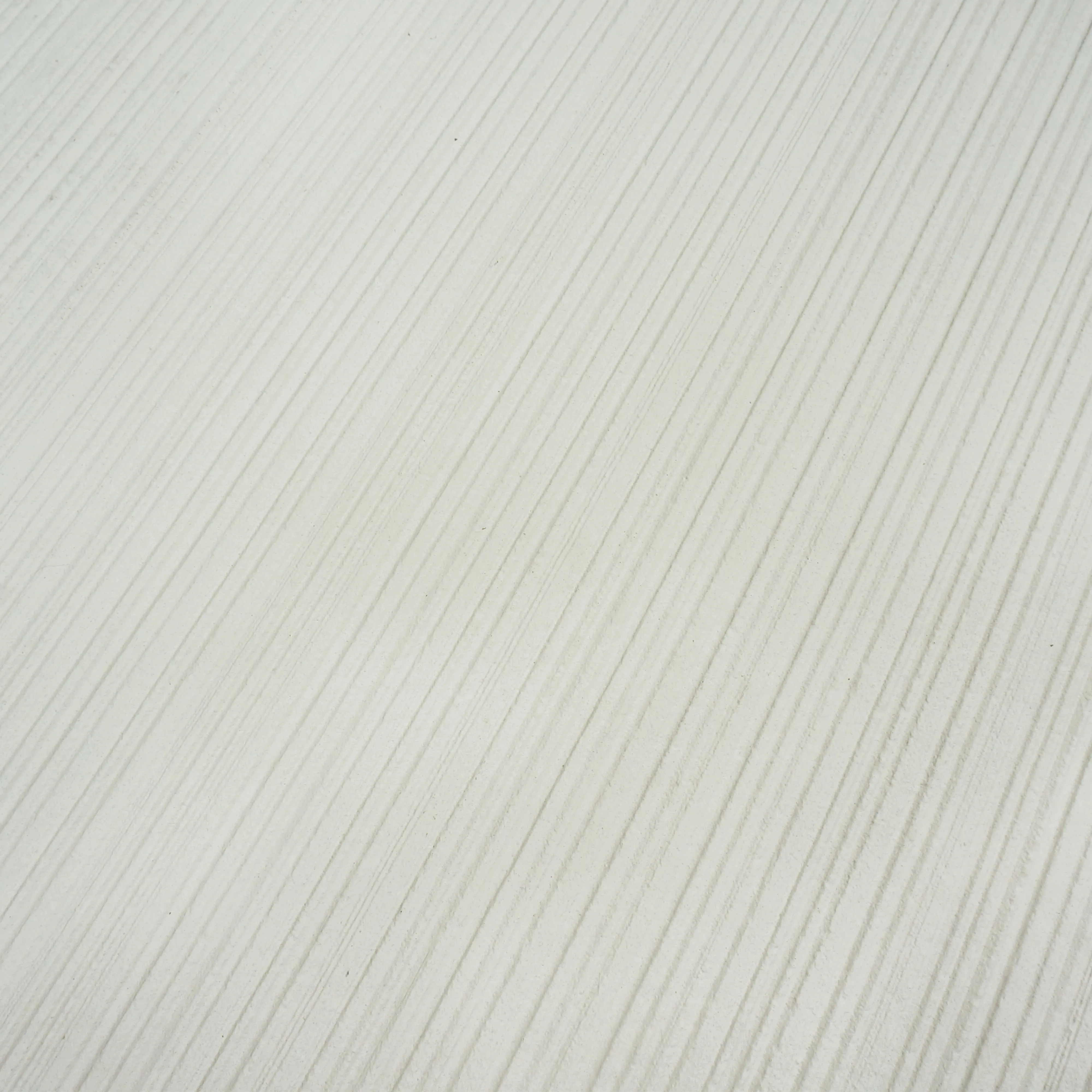
Designers often say, "Texture is the soul of a space," and when it comes to aesthetics, Fine Line Stone (White) and ceramic tiles couldn't be more different. Let's start with the star of the show: Fine Line Stone (White) . Its biggest selling point is its ability to mimic the organic, imperfect beauty of natural stone—without the hefty price tag or environmental impact of quarrying. The "fine lines" aren't uniform; they meander like streams on a mountainside, some thick, some thin, creating a sense of movement. The white base is soft, not stark—more like the color of dawn breaking over snow than a clinical hospital white. This makes it incredibly versatile: pair it with warm wood grain board accents for a cozy Scandinavian vibe, or with black metal fixtures for an industrial-chic look. It's also available in larger formats (up to 3m in length), which means fewer seams and a more seamless, high-end finish.
Ceramic tiles, meanwhile, offer variety but often lack that "lived-in" texture. High-gloss ceramic tiles can look sleek and modern, reflecting light to make small spaces feel bigger—great for a contemporary kitchen. But that shine can also feel cold or artificial, especially if overused. Matte ceramic tiles are better for adding warmth, but their texture is often uniform, like sandpaper with a consistent grit. Some premium ceramic tiles now use digital printing to mimic stone or wood, but up close, the pattern can look repetitive or pixelated. For example, a ceramic tile designed to look like marble might have a convincing print, but run your finger over it, and it'll feel smooth and plastic-like—nothing like the tactile ridges of Fine Line Stone (White) .
Another advantage of Fine Line Stone (White) is its ability to play with light. Those fine lines cast tiny shadows throughout the day as sunlight shifts, adding depth that ceramic tiles, with their flat surfaces, can't replicate. Imagine a restaurant wall clad in Fine Line Stone (White) —as the sun sets, the lines darken slightly, creating a dynamic backdrop that changes with the hour. Ceramic tiles, by contrast, tend to look the same from morning to night, unless they're highly reflective.
Aesthetics matter, but let's talk about the nitty-gritty: how well do these materials hold up over time? Let's start with impact resistance. MCM flexible stone products like Fine Line Stone (White) are surprisingly tough. Thanks to their polymer core, they have a slight "give" to them—meaning if you drop a heavy pot on a kitchen backsplash, the material might flex rather than crack. Ceramic tiles, being rigid, have no such flexibility. A hard impact can cause them to chip or shatter, leaving you with an unsightly blemish that's hard to repair (more on that later).
Water resistance is another key factor, especially for bathrooms, kitchens, or outdoor spaces. Both materials are water-resistant, but in different ways. Fine Line Stone (White) is non-porous, so water beads up and rolls off—no need to worry about moisture seeping in and causing mold. Ceramic tiles are also water-resistant, but only if the grout is properly sealed. Over time, grout can crack or wear away, creating gaps where water can penetrate, leading to mold growth behind the tiles. This is a common issue in showers with ceramic tiles; even with regular sealing, grout lines are a weak point.
Temperature and weather resistance? Fine Line Stone (White) laughs in the face of extremes. It can handle freezing winters (no cracking from ice expansion) and scorching summers (no fading in the sun). This makes it ideal for outdoor use—think patio walls, pool surrounds, or even exterior facades. Ceramic tiles, especially glazed ones, can fade if exposed to direct sunlight for years. Unglazed ceramic tiles absorb moisture, which can freeze and expand in winter, causing them to spall (flake off).
Scratch resistance is another win for Fine Line Stone (White) . Its surface is treated with a protective layer that resists scratches from keys, furniture, or pet claws. Ceramic tiles, especially glazed ones, can scratch if dragged across by heavy furniture or sharp objects—exposing the underlying clay and ruining the tile's appearance.
Let's get practical: how easy is it to install these materials? For Fine Line Stone (White) , the answer is: surprisingly doable, even for DIY enthusiasts (though we still recommend hiring a pro for large projects). Thanks to its lightweight nature (only 3-5 kg per square meter), it doesn't require a reinforced substrate. You can install it directly over drywall, concrete, or even existing tiles with a high-quality adhesive. Cutting it is a breeze too—just use a standard circular saw with a diamond blade, and it cuts cleanly without chipping. Because the sheets are large (often 1m x 2m), you'll have fewer seams, which means less time spent aligning pieces and grouting.
Ceramic tile installation, on the other hand, is more labor-intensive. First, you need a perfectly flat, sturdy substrate—any unevenness will cause tiles to crack over time. Then, you have to mix and apply mortar, set the tiles, spacers, and wait for the mortar to dry before grouting. Cutting ceramic tiles requires a wet saw to avoid breakage, which is messy and not ideal for indoor use. And let's not forget grouting: applying grout, cleaning excess, and sealing it—all steps that add hours (or days) to a project. For a 50-square-meter bathroom, ceramic tile installation might take 3-4 days; Fine Line Stone (White) could be done in 1-2 days with the same crew.
Weight is another critical factor, especially for high-rise buildings or older homes. Traditional ceramic tiles can add hundreds of kilograms to a floor or wall, which may require structural reinforcement. MCM flexible stone products like Fine Line Stone (White) are so lightweight that they're often approved for use in historic buildings where weight restrictions are strict—no need to worry about overloading the structure.
Let's be honest: no one wants to spend weekends maintaining their cladding. Fine Line Stone (White) is a low-maintenance champion. Because it's non-porous and has a smooth, sealed surface, most spills wipe up with a damp cloth and mild soap. Coffee, wine, oil—none of these will stain if cleaned promptly. Unlike natural stone, it never needs sealing. Even in high-traffic areas like a hotel lobby, a weekly wipe-down is all it takes to keep it looking fresh. The large sheets mean fewer seams, so there's almost no grout to scrub—hallelujah for anyone who's battled grout mildew.
Ceramic tiles, by comparison, demand more TLC. Grout lines need regular cleaning with a stiff brush and grout cleaner to prevent discoloration. If you have light-colored grout in a kitchen, expect to clean it weekly to avoid grease stains. Glazed ceramic tiles can be wiped clean, but unglazed ones are porous and can absorb stains—so they need to be sealed every 1-2 years. And if a tile cracks? Good luck. Replacing a single ceramic tile means chiseling out the old one, removing the grout, and installing a new tile—all while matching the grout color perfectly (which is harder than it sounds). With Fine Line Stone (White) , if a section gets damaged, you can cut out the affected area and replace just that part—no need to redo the entire wall.
Let's talk numbers. Fine Line Stone (White) is not the cheapest option on the market. Expect to pay around $30-50 per square meter for the material alone, plus installation costs (about $15-25 per square meter). Ceramic tiles, on the other hand, start at as low as $10 per square meter for basic options, with high-end designer tiles reaching $40-60 per square meter. So at first glance, ceramic tiles seem more budget-friendly—but that's only part of the story.
When you factor in installation costs, the gap narrows. Ceramic tile installation is more labor-intensive, costing $20-35 per square meter (thanks to mortar, grouting, and longer installation times). So for a 50-square-meter project, basic ceramic tiles might cost $10 (material) + $25 (installation) = $35 per square meter, totaling $1,750. Fine Line Stone (White) would be $40 (material) + $20 (installation) = $60 per square meter, totaling $3,000. That's a big difference upfront—but consider the long-term costs.
Ceramic tiles may need repairs or replacement every 10-15 years (especially if cracked or stained). Fine Line Stone (White) , with its durability, can last 30+ years with minimal maintenance. So over 30 years, you might replace ceramic tiles twice, costing $1,750 x 2 = $3,500—more than the initial cost of Fine Line Stone (White) . Plus, MCM flexible stone can increase your property's resale value, as it's seen as a premium, modern material. Ceramic tiles, while reliable, don't have the same "wow factor" for potential buyers.
In today's eco-conscious world, sustainability matters—and MCM flexible stone has a clear edge here. The production process for Fine Line Stone (White) uses up to 70% recycled mineral aggregates, reducing the need for quarrying natural stone. It also requires less energy to produce than ceramic tiles, which are fired at high temperatures (contributing to CO2 emissions). The lightweight design also reduces transportation emissions—trucks can carry more material in a single trip, cutting down on fuel use.
Ceramic tiles, while made from abundant clay, have a higher carbon footprint. Mining clay disrupts ecosystems, and firing tiles at 1200°C uses massive amounts of energy (often from fossil fuels). Additionally, ceramic tiles are not easily recyclable—if they're removed during a renovation, they usually end up in landfills. Fine Line Stone (White) , on the other hand, can be recycled at the end of its life, with the mineral aggregates repurposed into new construction materials.
Let's match each material to its ideal spaces. Fine Line Stone (White) is a jack-of-all-trades, but it truly excels in: - Commercial spaces : Hotels, restaurants, and offices love it for its high-end look and durability. Imagine a boutique hotel lobby with Fine Line Stone (White) walls and wood grain board accents—it feels luxurious yet welcoming. - Residential interiors : Kitchen backsplashes, feature walls, and even ceilings (thanks to its lightweight nature). It adds a spa-like vibe to bathrooms without the mold worries of grout lines. - Outdoor areas : Patios, pool surrounds, and exterior facades. Its weather resistance makes it perfect for harsh climates. - Curved surfaces : Columns, arches, or rounded walls—its flexibility allows for seamless, organic designs.
Ceramic tiles still have their place, especially in: - Budget projects : If you're on a tight budget and need to cover a large area (like a rental apartment), basic ceramic tiles get the job done. - High-moisture areas (for now) : While Fine Line Stone (White) is water-resistant, many contractors still default to ceramic tiles for showers—though this is changing as MCM materials gain trust. - Retro or industrial designs : Unglazed ceramic tiles can add a vintage, factory-chic look that's hard to replicate with other materials.
| Feature | Fine Line Stone (White) (MCM Flexible Stone) | Ceramic Tiles |
|---|---|---|
| Material | Natural minerals + polymers (MCM flexible stone) | Clay + glaze, fired at high temps |
| Texture | Natural, tactile fine lines; 3D depth | Glossy/matte; often uniform or printed (less tactile) |
| Weight | 3-5 kg/m² (lightweight) | 15-20 kg/m² (heavy) |
| Water Resistance | Non-porous; no grout issues | Water-resistant, but grout needs sealing |
| Impact Resistance | Flexible; resists chipping/cracking | Rigid; prone to cracking on impact |
| Installation Time | Fast (1-2 days for 50m²) | Slow (3-4 days for 50m²) |
| Maintenance | Low (wipe with damp cloth; no sealing) | High (grout cleaning; occasional sealing) |
| Cost (Material + Installation) | $45-75/m² (higher upfront, better long-term value) | $30-55/m² (lower upfront, higher long-term costs) |
| Lifespan | 30+ years | 10-15 years (may need replacement) |
| Sustainability | Recycled materials; low CO2 production | High energy use (firing); limited recyclability |
| Best For | Luxury interiors, exteriors, curved surfaces | Budget projects, retro designs, wet areas (traditional choice) |
At the end of the day, the choice between Fine Line Stone (White) and ceramic tiles comes down to your priorities. If you value natural beauty, durability, low maintenance, and sustainability—and you're willing to invest a bit more upfront— Fine Line Stone (White) is the clear winner. It's a material that grows with your space, aging gracefully and maintaining its allure for decades. Whether you're designing a high-end restaurant or a cozy home, it adds a touch of understated luxury that ceramic tiles simply can't match.
But if budget is your top concern, or you're going for a retro, industrial look, ceramic tiles still have their place. Just be prepared for more maintenance and potential replacements down the line.
One thing's for sure: MCM flexible stone products like Fine Line Stone (White) are changing the game. They're proof that design doesn't have to choose between beauty and practicality—that you can have a material that looks like natural stone, installs like a dream, and lasts a lifetime. So go ahead, touch that sample, imagine it on your walls, and ask yourself: does my space deserve the best? If the answer is yes, Fine Line Stone (White) might just be the perfect fit.
Recommend Products












